







All Pet Smart Tech in Pet Smart Tech
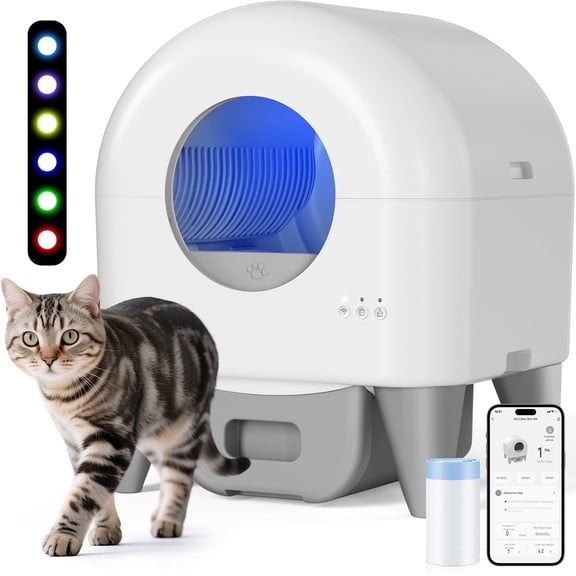
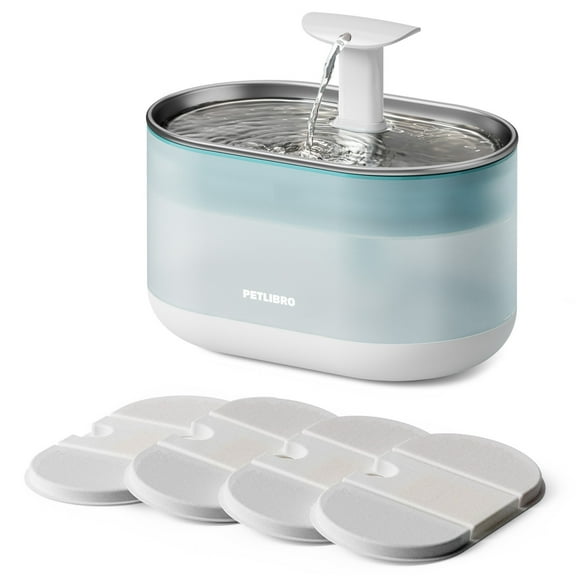


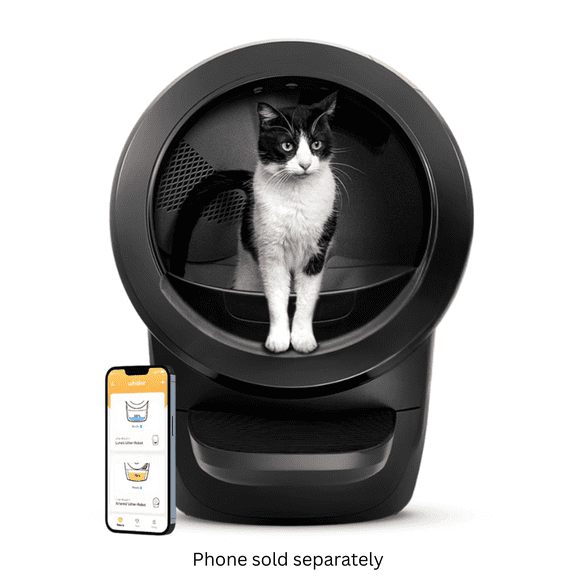

























About All Pet Smart Tech in Pet Smart Tech - Walmart.com
Smart pet tech helps you feed, watch, track, and manage your pet with less guesswork at home or away. You can compare connected feeders, cameras, trackers, and doors in one place for daily routines.
How to choose smart pet tech by device type
You should start with the task you want to simplify for your pet. You may want scheduled meals, location updates, live video, or easier entry access.
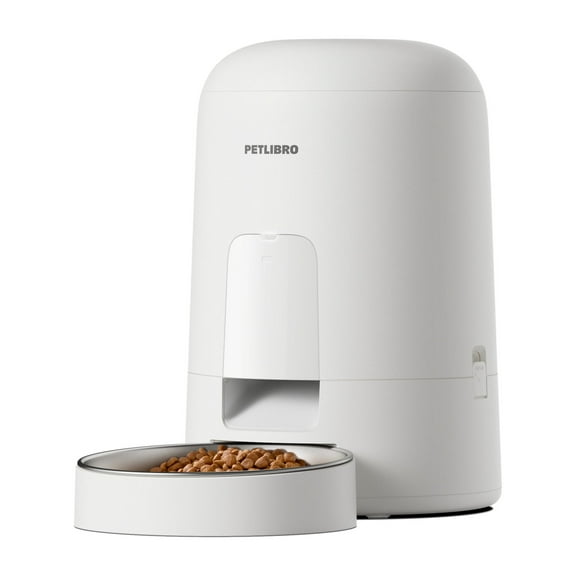
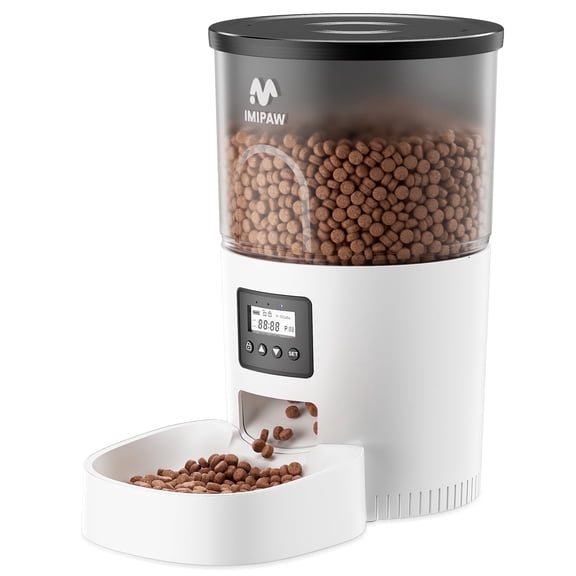
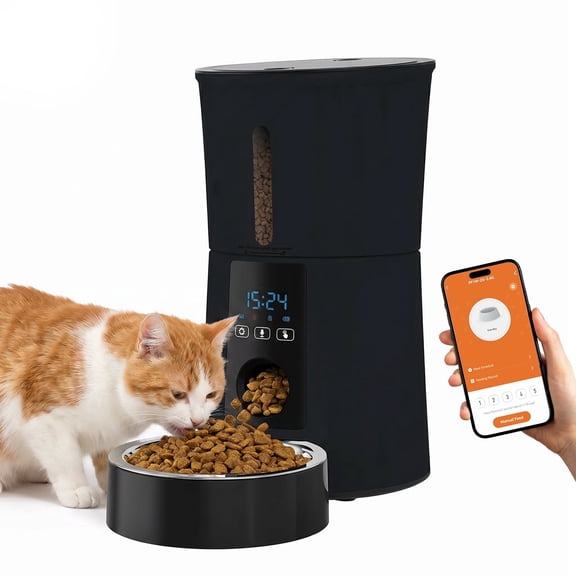
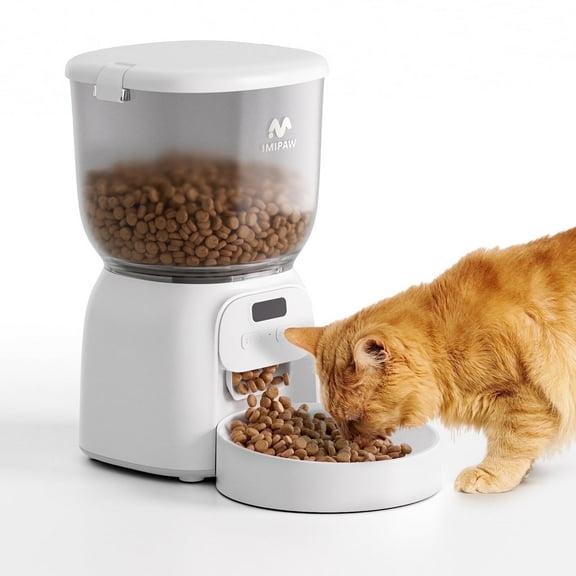
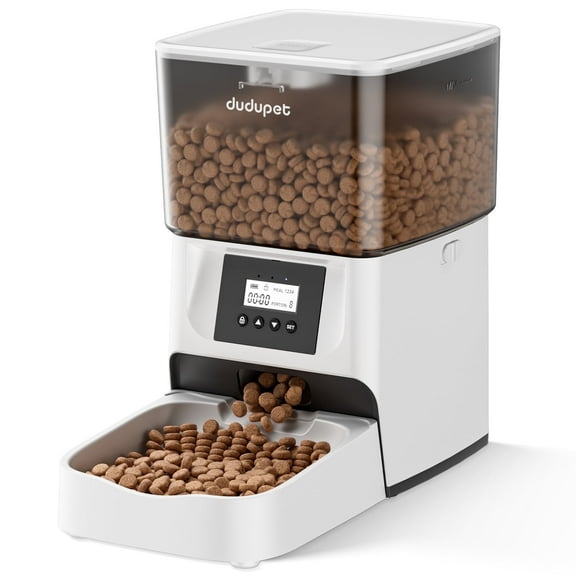
An automatic pet feeder can portion meals on time when your schedule changes. You can also compare hopper size, app controls, and backup power for steadier feeding routines.
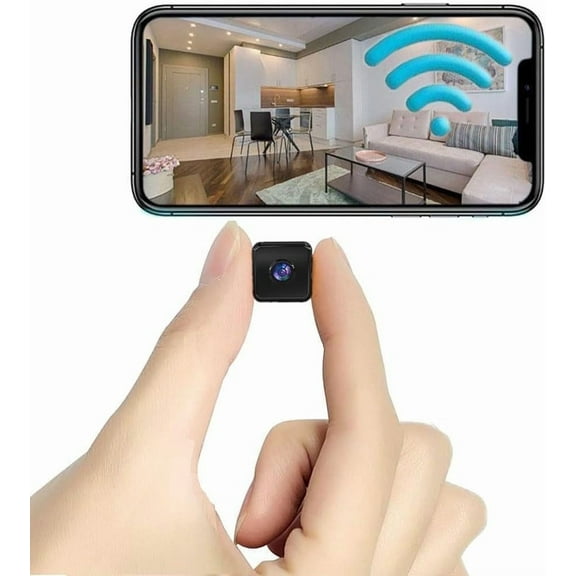
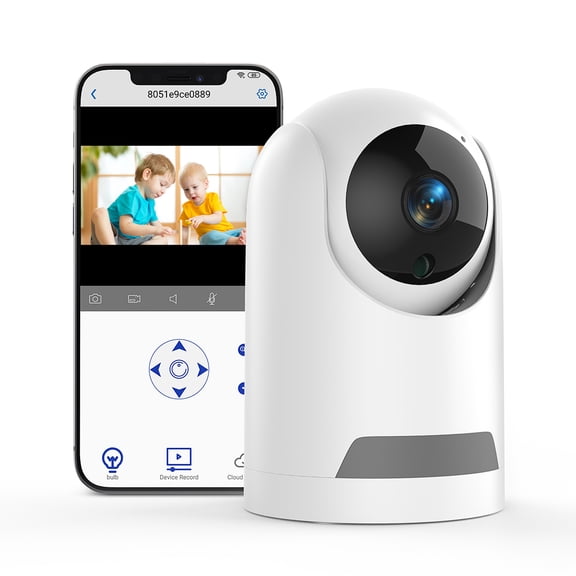
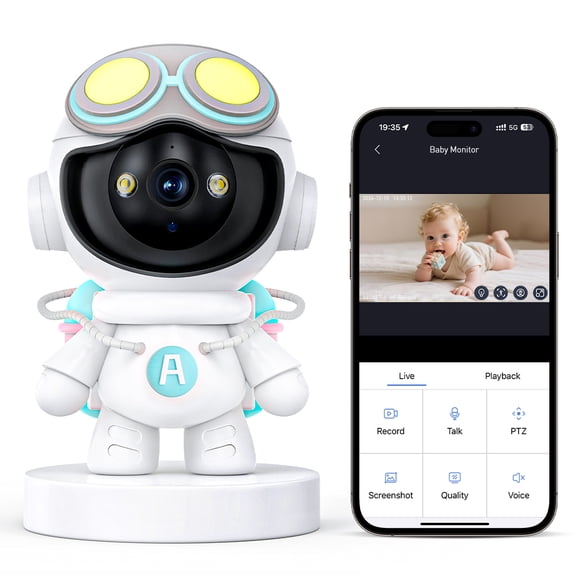
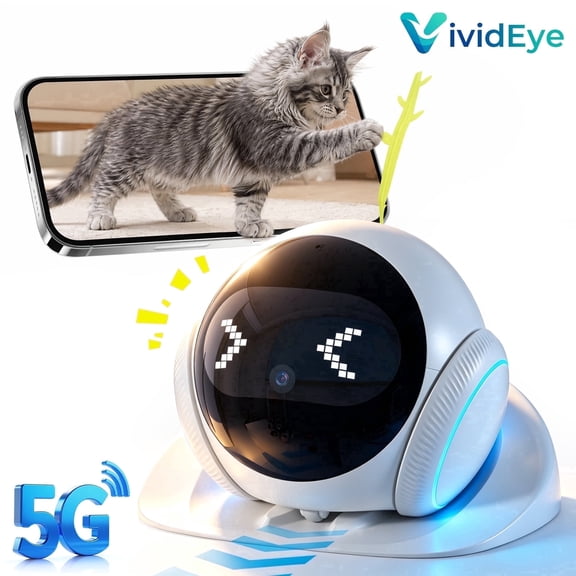
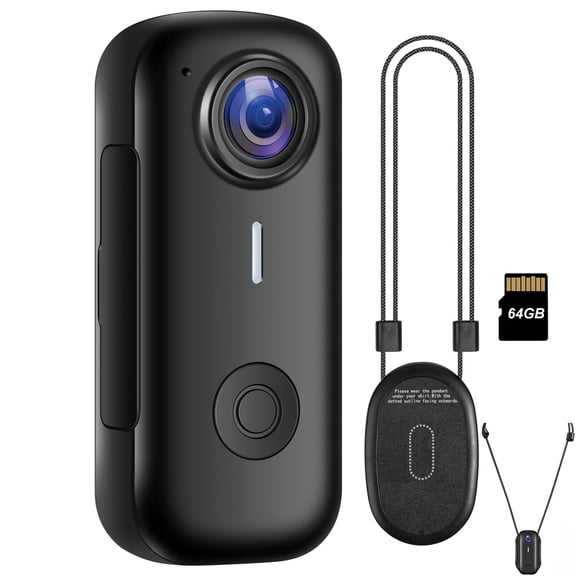
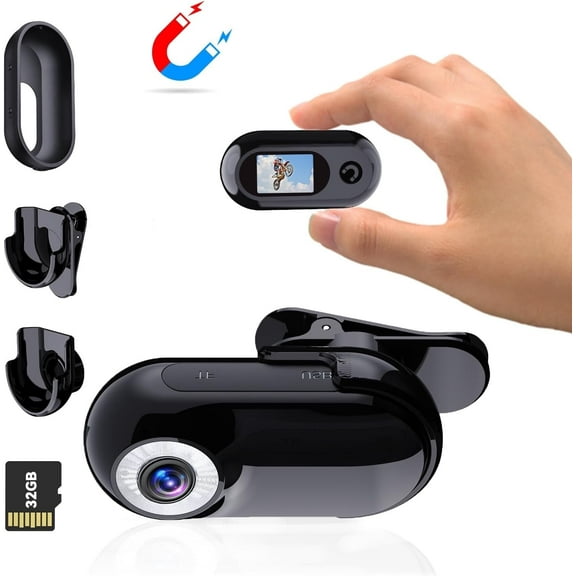
Interactive cameras help you check in, talk to your pet, and watch room activity from your phone. You can look for two-way audio, motion alerts, and treat-tossing features.
Smart pet doors help you control access without constant door duty. You can compare flap dimensions, lock modes, and tag-based entry for dogs, cats, or mixed-pet homes.
- You can automate feeding times for more consistent daily schedules.
- You can monitor room activity with a dog camera while you're away.
- You can track location changes with GPS pet trackers during walks and trips.
- You can manage entry settings with smart pet doors for flexible routines.
Choosing connectivity for smart pet devices
You should check how each device connects before you compare other features. Your setup may depend on Wi-Fi, Bluetooth, cellular GPS, or RFID access.
Wi-Fi models often work well when you want remote app control from home, work, or travel. You should check whether your device supports 2.4GHz, 5GHz, or both bands.
Many feeders and cameras use 2.4GHz because you may get wider coverage through walls. You should confirm your router settings if your home network separates bands.
Bluetooth options can suit shorter-range setup and nearby control without constant internet access. You may prefer them when you want simple pairing for indoor use.
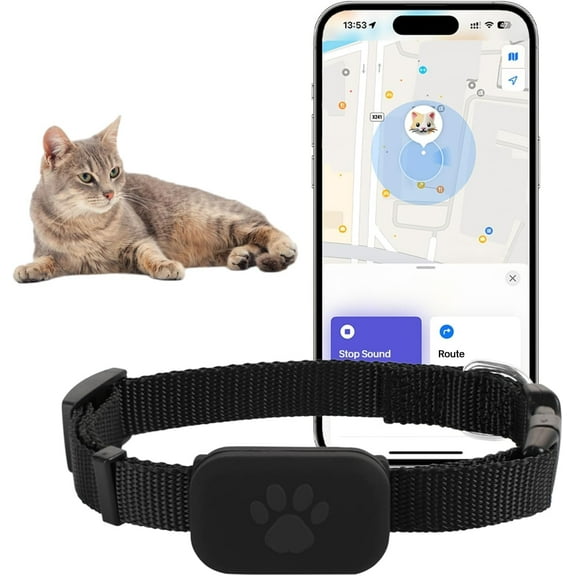
Cellular GPS can support broader tracking outside your home's Wi-Fi range. You should check whether a tracker needs a subscription, since ongoing service may power location updates.
RFID entry systems can unlock a smart pet door when your pet approaches with a matched tag. You can use that setup when you want selective entry for specific pets.
What to look for in pet compatibility and fit
You should measure your pet before choosing a smart dog collar, feeder, or door. Your pet's size affects collar comfort, bowl access, and door clearance.
For collars and pet activity tracker options, you should compare neck size ranges and device weight. You may want a lighter unit for smaller pets and a broader band for larger breeds.
For doors, you should check flap height, flap width, and frame depth before you buy. Your pet should pass through comfortably without squeezing or crouching too much.
For feeders, you should compare bowl height, portion settings, and kibble compatibility. You may need larger food storage if your household feeds a bigger dog.
Universal designs can work across dogs and cats, but you should still confirm dimensions. Your daily experience improves when the fit matches your pet's body and habits.
Comparing power source and battery life
You should match the power source to your routine and placement. Your choice may include rechargeable battery, plug-in power, or solar-assisted charging.
Rechargeable devices can help when you want flexible placement away from outlets. You should compare expected battery life based on video use, GPS updates, or door activity.
Plug-in options can suit high-use spaces where you want steady power for cameras or an automatic pet feeder. You may also like battery backup if outages interrupt normal operation.
Solar-assisted trackers can appeal when your pet spends time outdoors in daylight. You should still check typical recharge intervals, since sunlight and activity can change daily performance.
Charging frequency matters when you want fewer interruptions in your routine. You can compare whether a tracker lasts days, or whether a camera needs more frequent charging.
Using smart pet tech in real routines
You can build a practical setup by matching features to your schedule and home layout. Your morning routine may benefit from timed feeding, while your evenings may call for camera check-ins.
If you work away from home, you may pair an automatic pet feeder with a dog camera. You can confirm that the feeder dispensed meals and view activity without being in the room.
If your pet joins hikes or yard time, GPS pet trackers can add location visibility beyond your property. You should compare cellular coverage, refresh rates, and collar fit for active use.
If your home has multiple pets, you may prefer RFID door access and app-based controls. You can separate entry permissions and keep routines simpler across dogs and cats.
If your router supports only one band for setup, you should verify device compatibility first. You can avoid frustration by checking whether your smart pet devices use 2.4GHz or 5GHz Wi-Fi.
When you compare smart pet tech with your actual routine in mind, your choices become clearer. You can focus on fit, connectivity, and power needs that support smoother pet care every day.