


Find auto parts that fit
Let’s search for parts that fit your vehicle.
Performance Computer Tuning for Vehicles






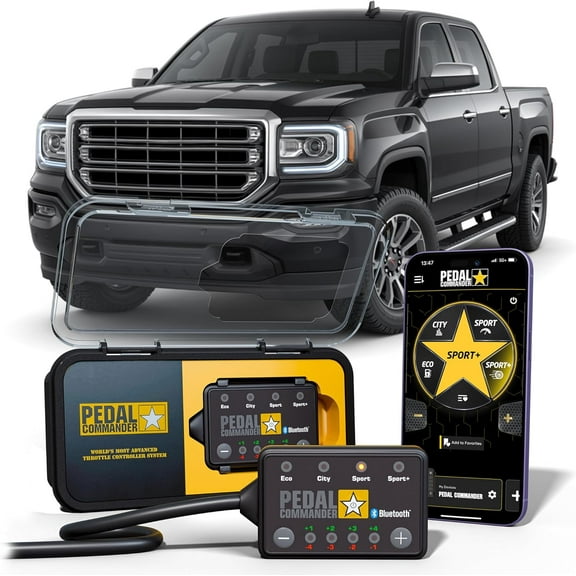
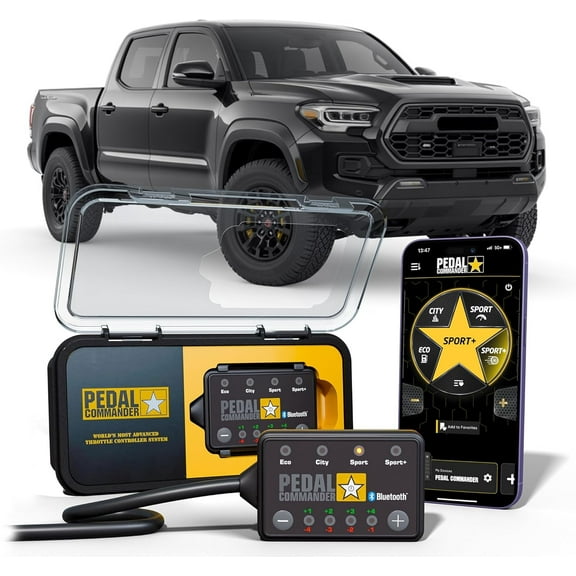
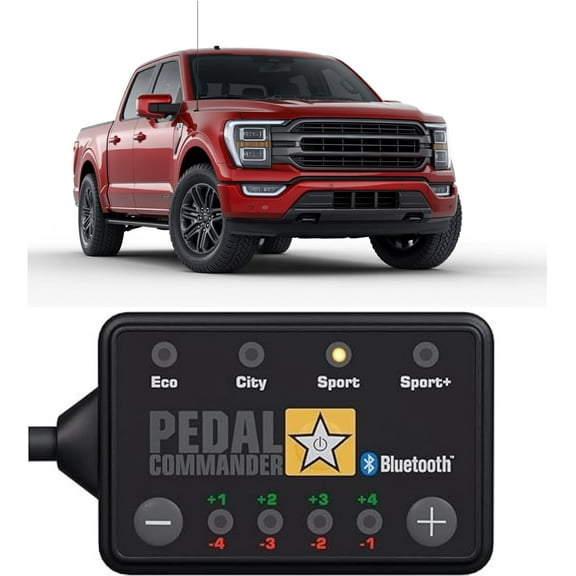


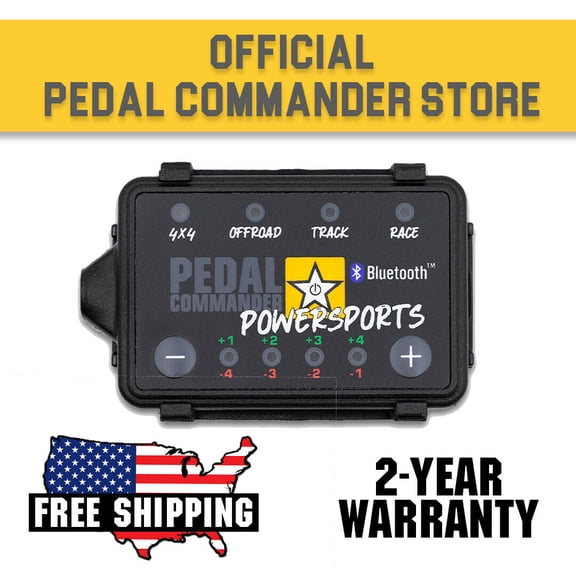



About Performance Computer Tuning for Vehicles - Walmart.com
You can use performance computer tuning to tailor throttle response, shift timing, and power delivery for your truck or SUV. You’ll also find device types and tune options that match daily driving, towing, or off-road plans.
If you’re comparing handheld tools and monitor-based systems, you need clear guidance before you connect anything to your vehicle. You’ll want to check compatibility first, because engine size, ECU generation, and transmission type shape what fits.
Choosing performance computer tuning by vehicle compatibility
You should start with your exact vehicle details, because fitment matters more here than in many auto electronics categories. You’ll want to confirm model, engine displacement, transmission, and model year before you choose a tuner.
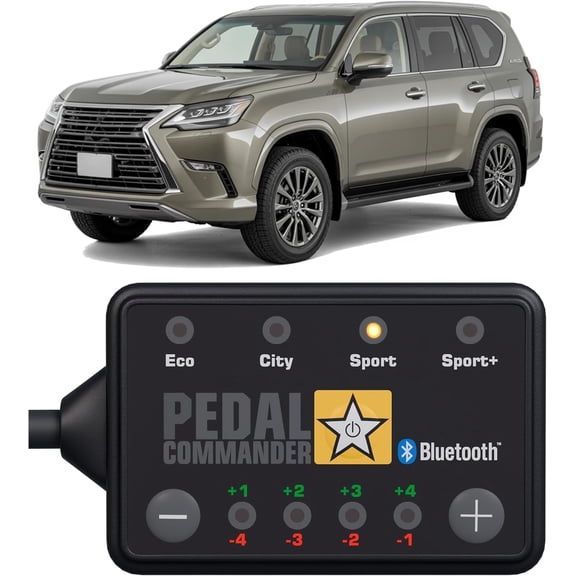
When you compare options for a Ford F-150, Jeep Wrangler, Chevy Silverado, or Dodge Ram, you’ll notice different software support. You may also see wrangler computer tuning options that focus on off-road drivability and tire-size adjustments.
You should also check whether your vehicle uses an ECU generation supported by the device you’re considering. You’ll avoid guesswork when your tuning tool matches your powertrain and factory calibration setup.
How to compare a performance device
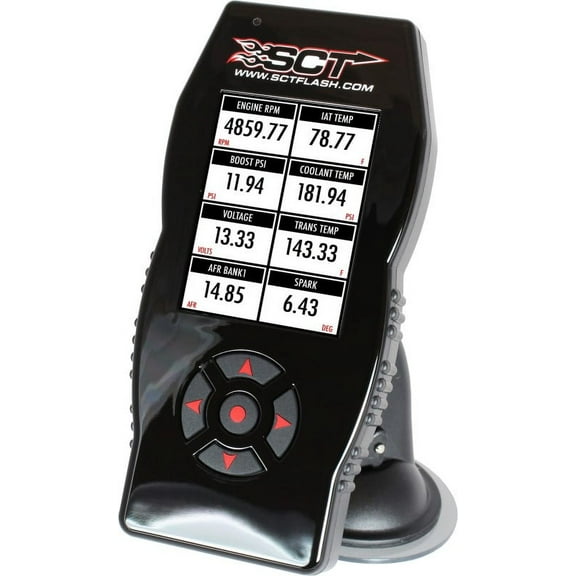
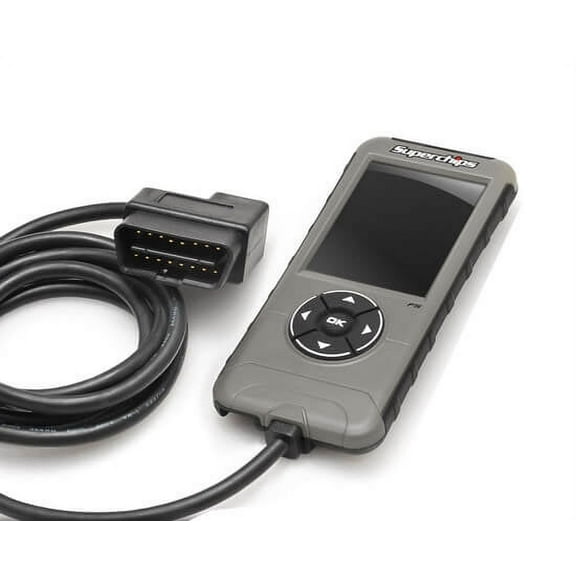
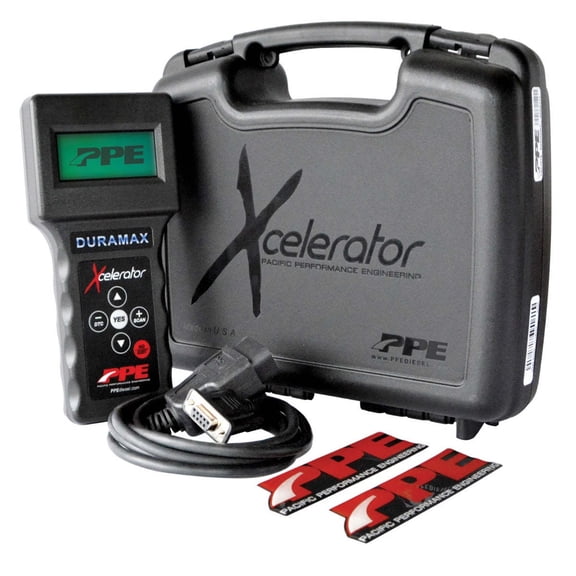
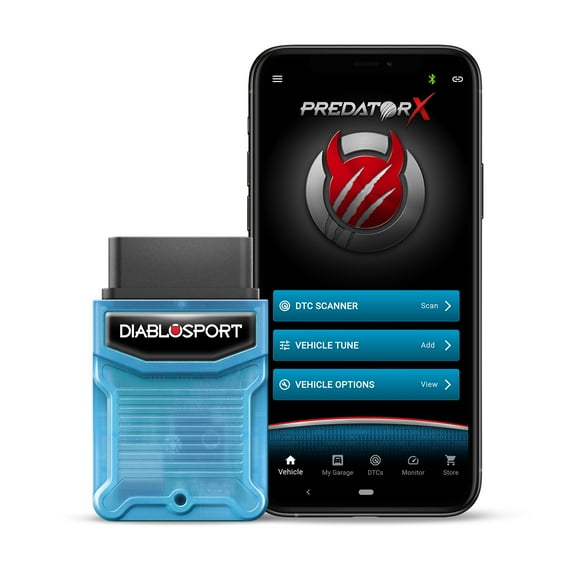
You can narrow your search faster when you understand what each performance device is designed to do. You’ll usually choose among a handheld programmer, an in-dash monitor, or an inline tuning module.
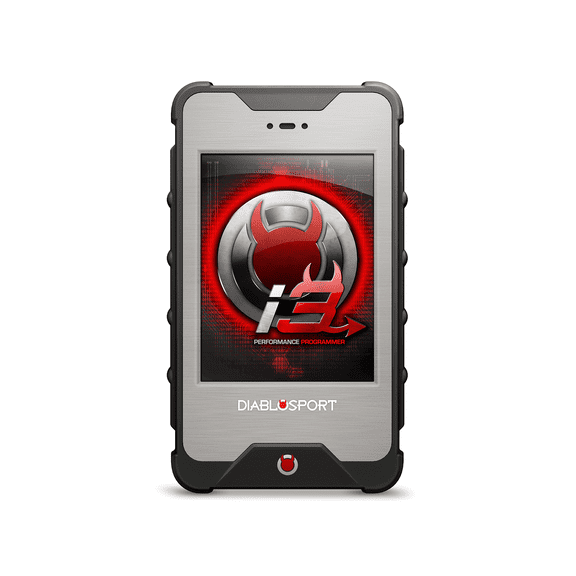
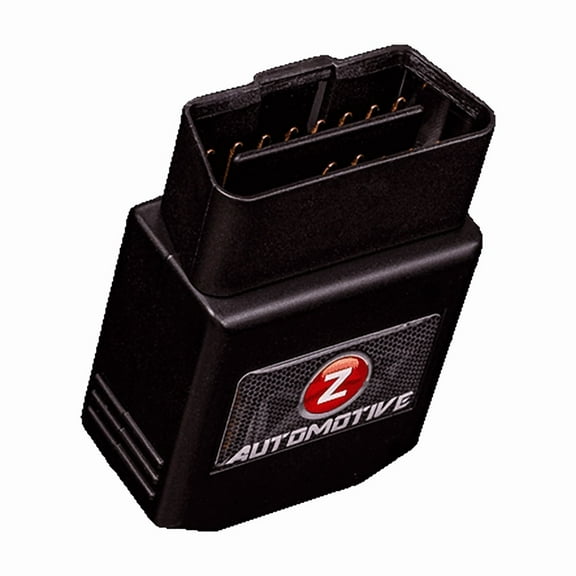
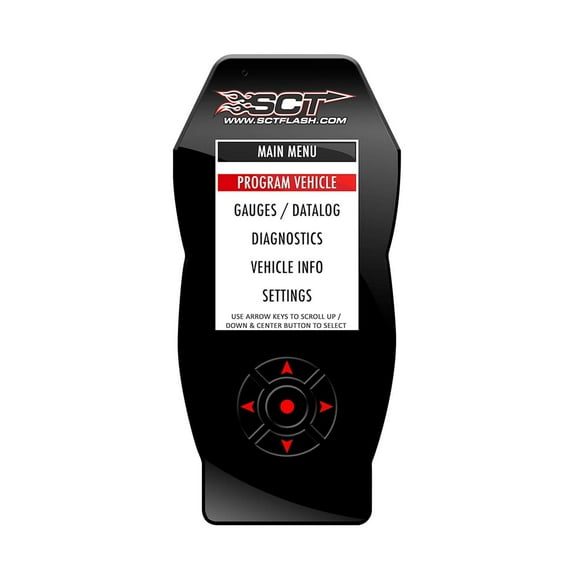
- You can use a handheld programmer when you want guided menus and tune loading through the OBD-II port.
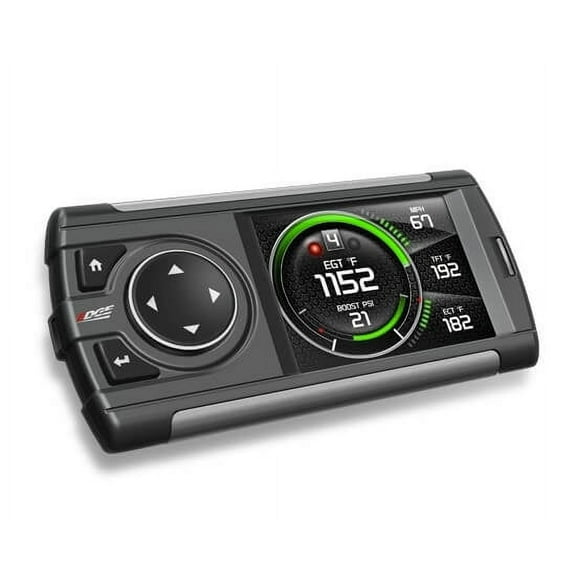
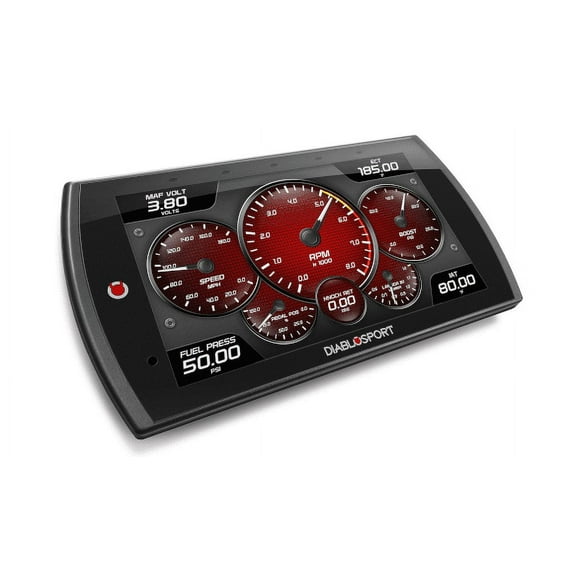
- You may prefer an in-dash monitor when you want tuning access plus live gauges for boost, temperatures, and engine data.
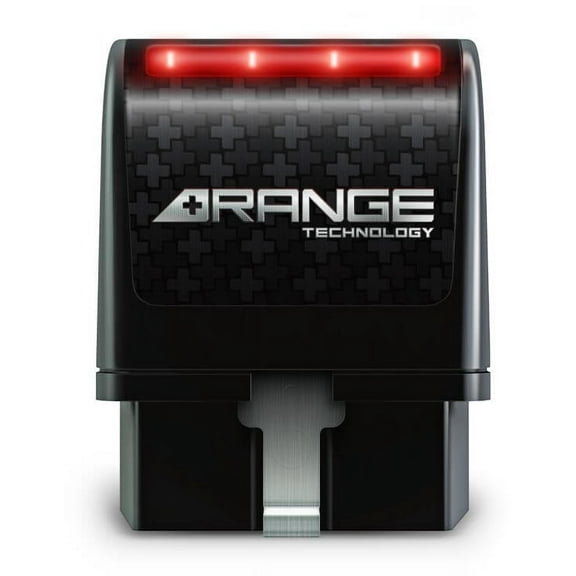
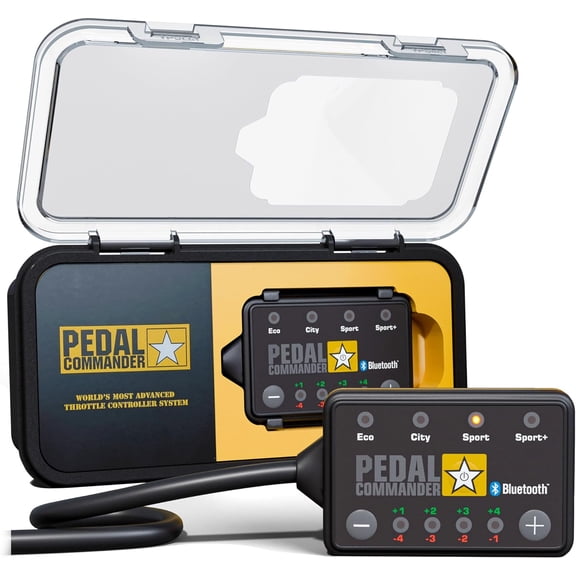
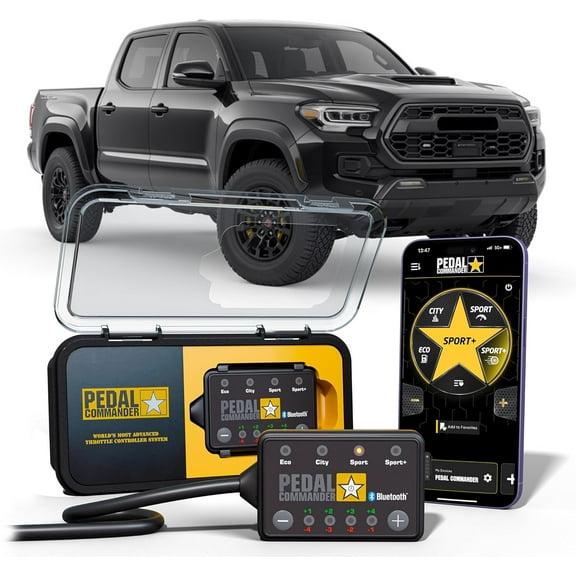
- You can choose an inline tuning module when you want a compact setup that connects through a sensor harness.
You’ll often like handheld units for straightforward setup and tune storage. You can also return to stock settings on many models when you need factory-style calibration.
If you want real-time readings while you drive, an in-dash screen can make that easier. You’ll be able to watch key data points instead of relying only on factory gauges.
When you need a smaller install footprint, an inline module can fit your plan. You’ll often connect it under the hood, which changes installation steps and compatibility checks.
How a performance programmer changes tune types
You should choose your tune based on how you actually use your vehicle each week. You’ll usually see economy, towing, performance, and extreme or race tune options.
An economy setting can help you prioritize smoother shifting and efficient driving behavior during long commutes. You may choose this tune when you want a more relaxed daily setup.
A towing tune can support stronger low-end pulling feel and steadier transmission behavior under load. You’ll want this option when your truck spends weekends hauling trailers, boats, or campers.
A performance tune can sharpen throttle response and increase acceleration feel during normal street driving. You may notice quicker pedal input and more eager power delivery from a compatible setup.
An extreme or race tune is usually a highly specialized option in this category. You should review intended use, fuel requirements, and emissions notes before you select that calibration.
What to look for in installation and connection type
You can often install many tuning tools through an OBD-II port plug-in design. You’ll usually connect the device, follow on-screen prompts, and let the software read your factory file.
If you’re looking at an under-hood sensor harness, you should expect a different process. You may need to route connectors carefully and confirm each plug matches your engine layout.
You’ll want plug-and-play steps if you prefer less setup time and easier device removal. You can lean toward OBD-II tools when simple installation is a major buying factor.
When you don’t mind a more involved setup, a harness-based module may suit your project. You should still check instructions closely, because connector locations vary by vehicle family.
Checking power goals, compliance, and everyday use
You may shop this category because you want more horsepower, stronger torque, or improved fuel-conscious driving modes. You should read those gains as vehicle-specific, since results depend on engine, fuel, and tune selection.
You’ll also want to check whether a tuner supports footprint-free tuning or stock file restoration. You can use those details to understand how the device handles factory software during future changes.
If emissions rules matter for your vehicle and location, you should look for CARB-compliance details in the product information. You’ll make a more confident choice when the manufacturer clearly lists those notes.
You should also think about how you drive every day before you choose a setting. You’ll get more practical results when your tune matches commuting, towing, trail use, or open-road travel.
With the right performance computer tuning setup, you can match your vehicle, your installation comfort, and your driving goals without unnecessary trial and error. You’ll feel more confident choosing a tuner that fits your powertrain and your plans.