

Paint Samples in Paint

















About Paint Samples in Paint - Walmart.com
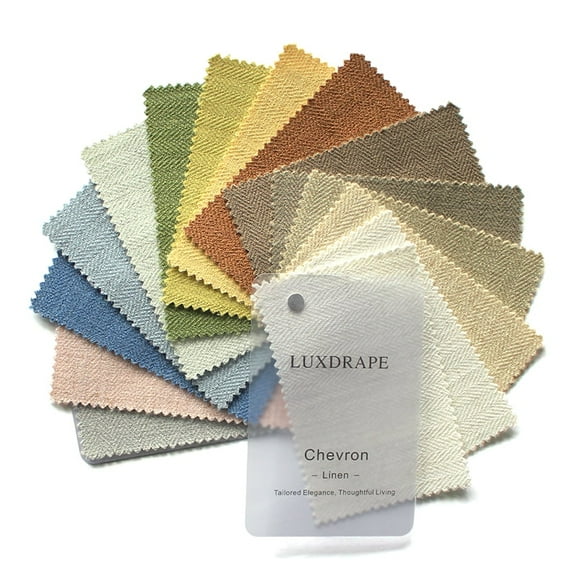
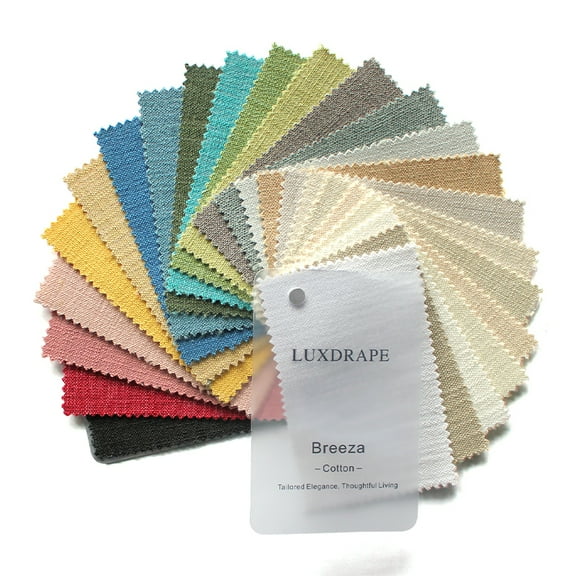
Paint samples help you test color before you commit, and you can compare peel-and-stick sheets, liquid pots, and color cards with less guesswork. You can check how a shade shifts through daylight, lamp light, and room size before you paint a full wall.
How to choose paint samples by sample type
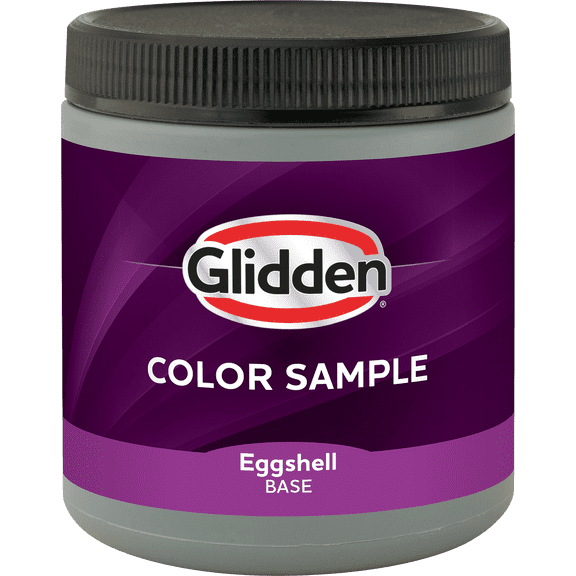
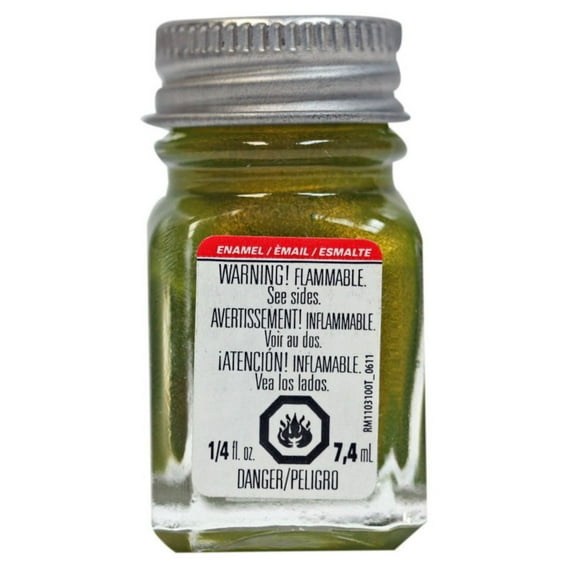
When you compare sample type first, you can narrow your decision faster and match your project to the right format. You can use peel and stick paint samples for quick, clean testing, or you can use liquid pots for a painted-on view.
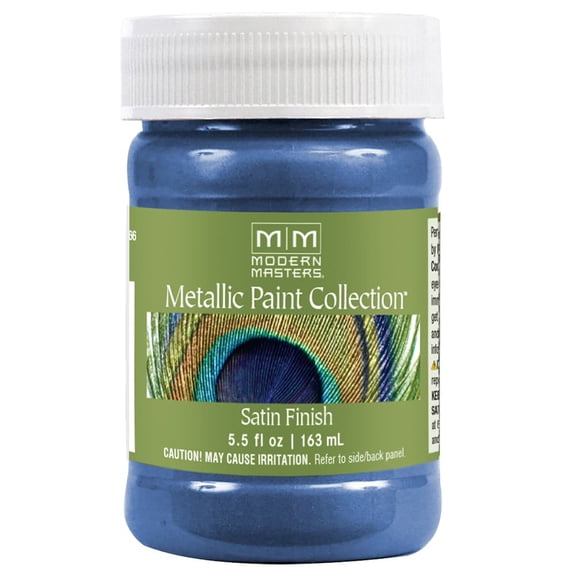
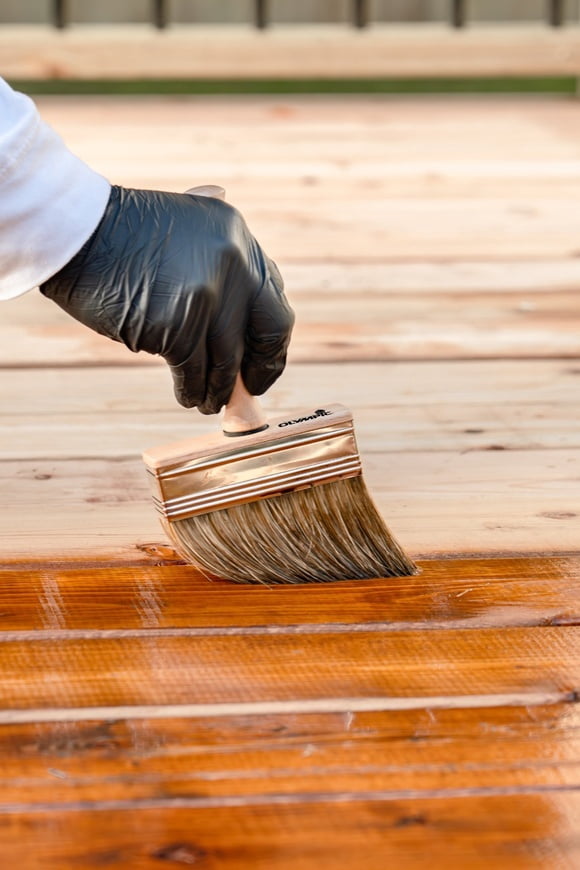
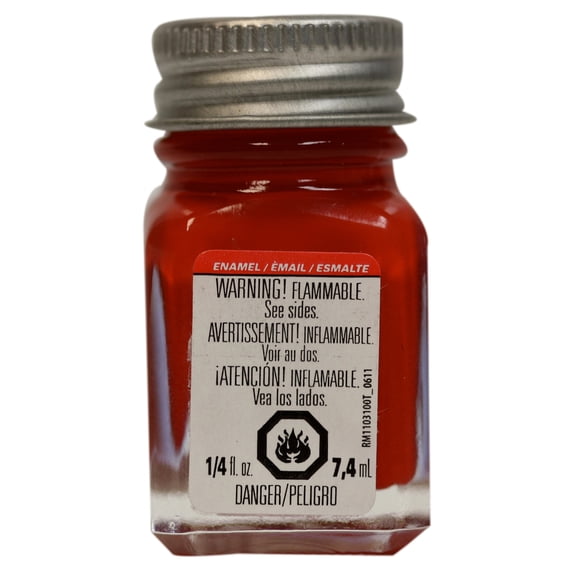
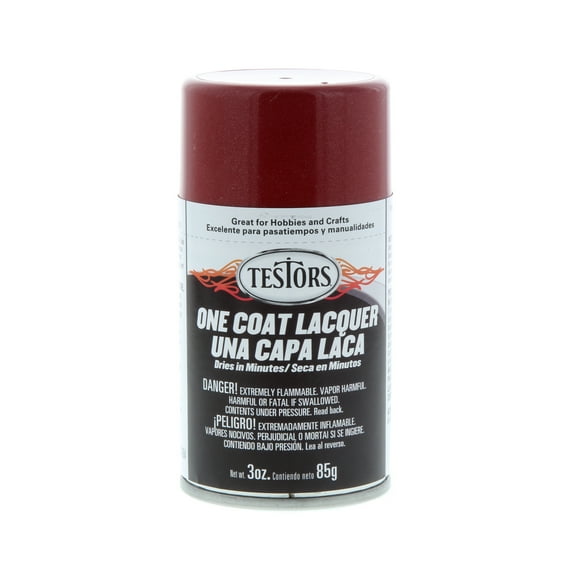
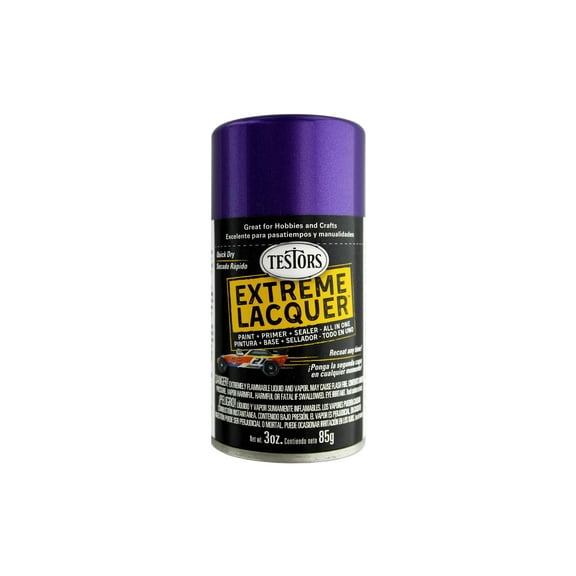
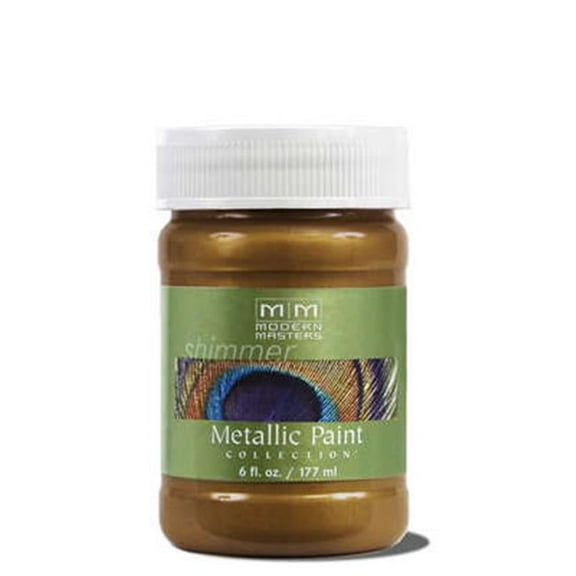
With peel and stick paint samples, you can move the swatch from one wall to another and compare lighting in different rooms. With a liquid pot, you can brush color directly onto your surface and see a truer painted finish.
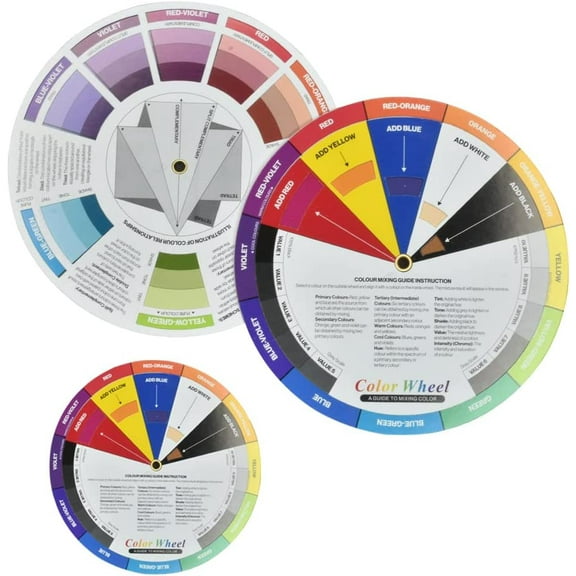
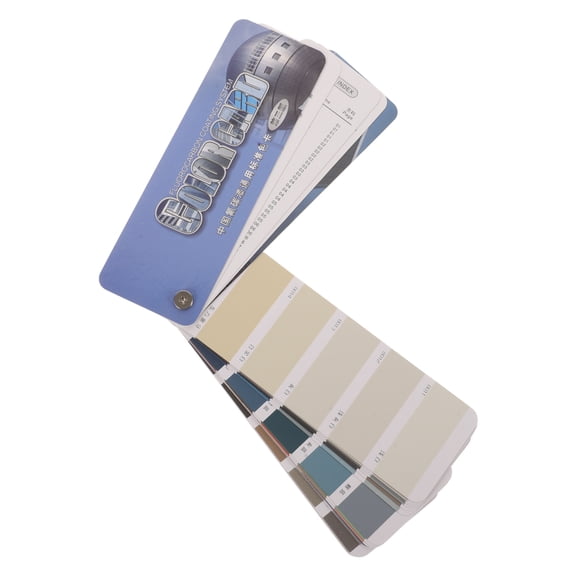
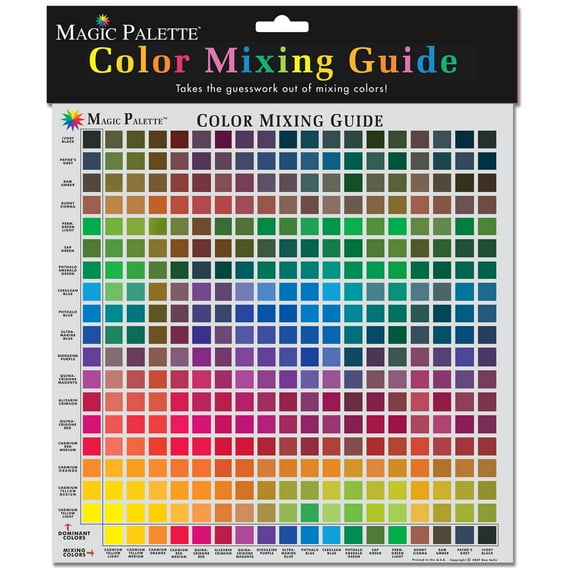
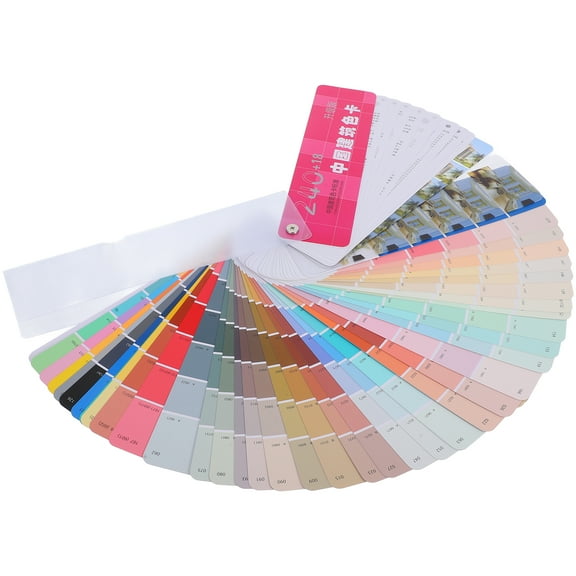
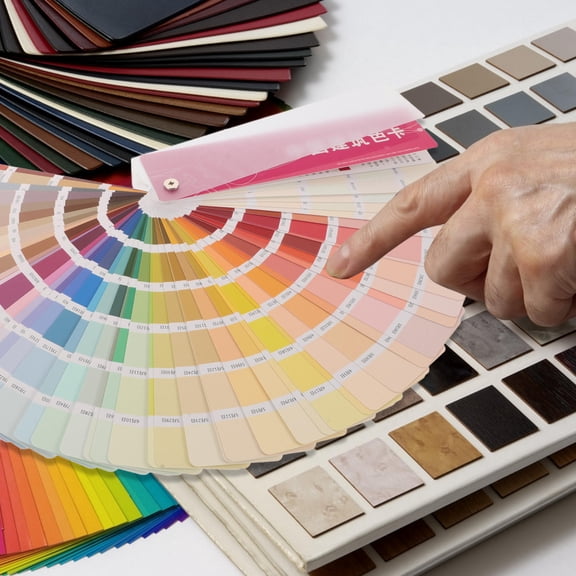
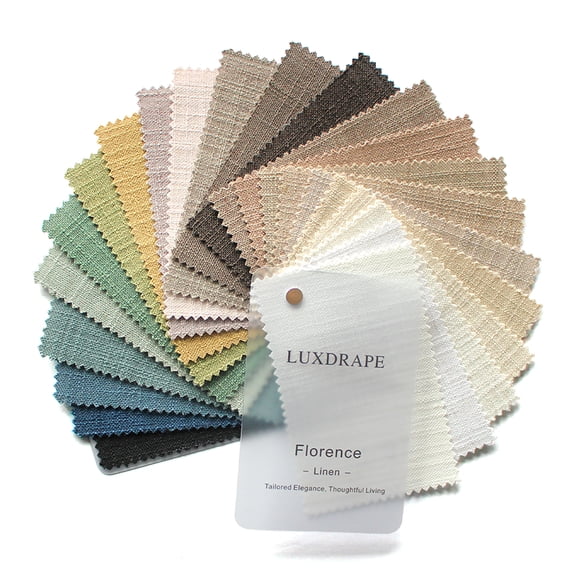
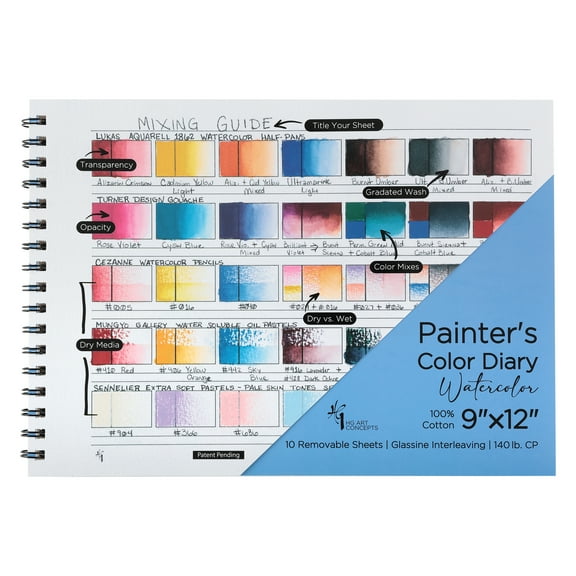
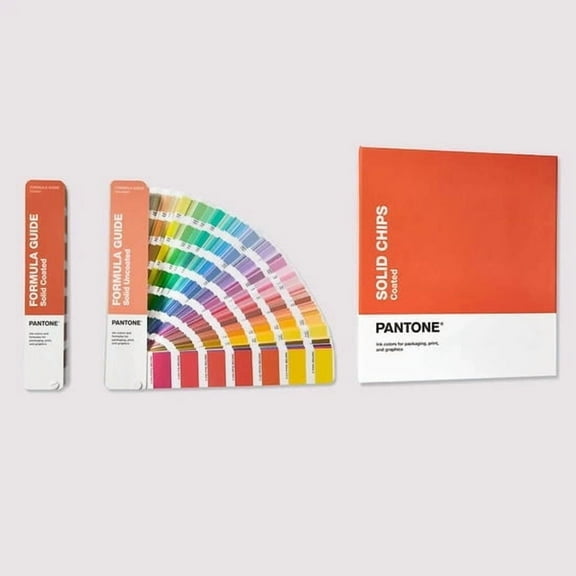
If you want a simple side-by-side comparison, you can also use color cards to sort whites, grays, blues, greens, and neutrals. You can keep several paint color samples together and rule out shades that clash with flooring, trim, or furniture.
What to look for in peel and stick paint samples
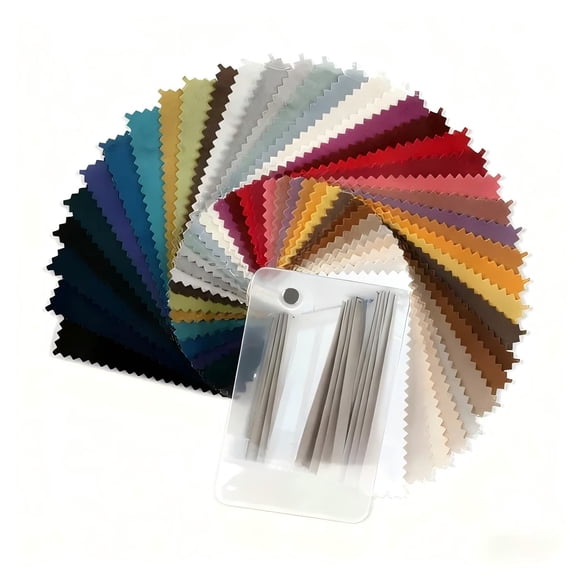
Peel and stick paint samples work well when you want a mess-free way to test several colors at once. You can place them near windows, corners, and door frames to watch undertones change during the day.
Because you can reposition many swatches, you can compare similar shades without painting multiple patches on your wall. You can also hold wall paint samples next to fabric, tile, and wood finishes before making a final choice.
- You can test color in natural light and LED light without opening paint.
- You can move swatches between rooms to compare warm and cool undertones.
- You can line up several shades at once for faster narrowing.
- You can keep your walls cleaner while you decide on a color direction.
Choosing sheen and finish for paint color samples
When you review finish options, you should compare flat, eggshell, satin, and semi-gloss with your room's light and surface texture. You can use sheen level to judge how much light a painted surface may reflect.
Flat finishes give you a softer look, so you may prefer them when you want less shine on interior walls. Satin and semi-gloss reflect more light, so you can notice highlights and wall texture more clearly.
You may also see light reflectance value, or LRV, when you compare interior paint samples. A higher LRV usually means you get a lighter-looking color, while a lower LRV can read deeper and moodier.
That matters when you test whites, grays, or blues in small rooms or bright spaces. You can use the same color in different sheens and notice a different look on trim, walls, or furniture.
How to compare wall paint samples by color family
Color family gives you a practical starting point, especially when you already know your room's general mood. You can begin with whites and neutrals for a clean backdrop, or you can try grays, blues, and greens for more contrast.
Whites can shift creamy, crisp, or soft depending on your bulbs and window exposure. Grays can lean warm or cool, so you should compare them beside trim and flooring before you decide.
Blues and greens often shift significantly from morning to evening, especially on larger walls. You can place wall paint samples on more than one wall to see how shadows and sunlight affect the tone.
Matching paint samples to your use case
Your project should guide your sample choice, because interior walls, exterior trim, and furniture show color differently. You can use interior paint samples to judge brightness and coordination with rugs, cabinets, and decor.
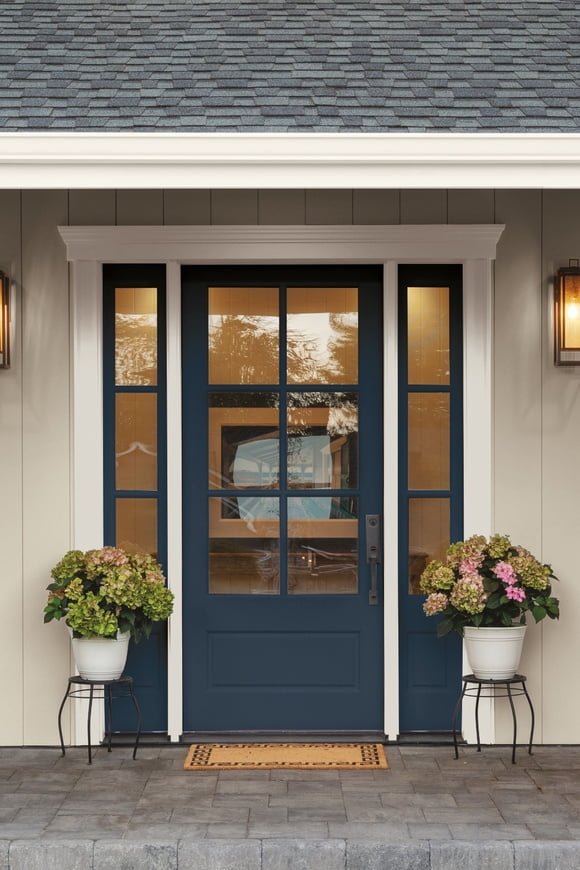
For exterior trim, you should view color outside and compare it against brick, siding, stone, or roofing. You can check the shade in full sun and shade, because outdoor light changes color appearance quickly.
For furniture, you can test a smaller area and pay close attention to sheen and depth. You can use a liquid sample when you want to see how brush application looks on wood or painted surfaces.
How to test paint samples in real rooms
You can get more useful results when you test samples in the exact room you plan to update. You should compare colors in morning light, afternoon sun, and evening lamp light before making your pick.
If you use LED bulbs, you may notice a cooler or brighter cast than you see in natural daylight. You can move peel and stick paint samples around the room and check them beside trim, art, and upholstery.
When you use a liquid pot, you should paint a large enough patch to read the color from across the room. You can also compare how much area the sample covers, so you know whether you need one patch or several test spots.
With the right paint samples, you can compare color family, sheen, lighting, and use case with more confidence. You can make a clearer choice before painting your walls, trim, or furniture, and that helps your finished space feel intentional.