

Outdoor Hosting in Seasonal





































About Outdoor Hosting in Seasonal - Walmart.com
Outdoor hosting gets easier when you choose pieces built for open-air meals, flexible seating, and simple cleanup. You can coordinate outdoor dining sets, serving pieces, and outdoor dinnerware around your space and hosting style.
When you plan meals outside, you need materials that handle sun, spills, and frequent movement. You can use this guide to compare weather resistance, seating capacity, and serving setup options.
How to choose outdoor hosting essentials
You should start with the kind of gathering you host most often. You may prefer buffet style setups, sit-down dinner layouts, casual lounge arrangements, or barbecue-ready serving stations.
For buffet style events, you can look for a patio serving cart with shelves and wheels. You can move plates, drinks, and utensils closer to guests without crowding your table.
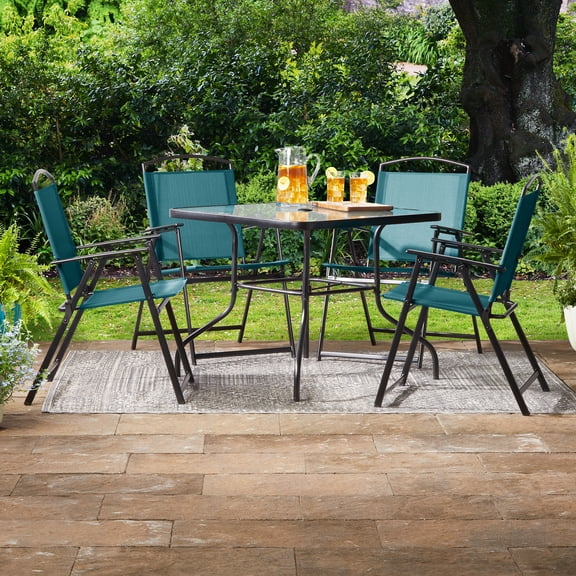
If you host sit-down dinners, you should compare outdoor dining sets by shape and guest count. You can keep traffic flowing by matching the table size to your patio footprint.
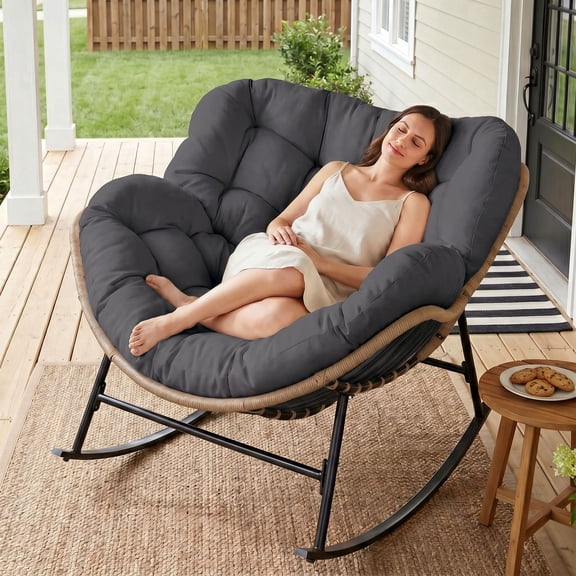
For casual lounge settings, you may combine low tables, serving trays, and stackable dinnerware. You can keep the setup relaxed while still giving guests a clear place for drinks and snacks.
- You can use buffet style pieces when you want flexible food service and easy refills.
- You can choose sit-down layouts when you want defined seating and a more organized meal.
- You can set up barbecue gatherings with mobile serving storage and durable place settings.
- You can build casual lounge spaces with lighter pieces that move easily between seats.
Choosing materials for outdoor dinnerware and furniture
You should compare material type first because it shapes cleanup, weight, and everyday handling. You can narrow your options faster when you know how melamine, acrylic, teak, aluminum, and wicker fit your routine.
If you want outdoor dinnerware for frequent family meals, you may consider melamine for its sturdy feel. You can count on a lightweight option that works well for patios, decks, and poolside tables.
If you want drinkware or serving pieces with a clear look, you may compare acrylic options. You can get a polished appearance while keeping pieces easier to carry outdoors.
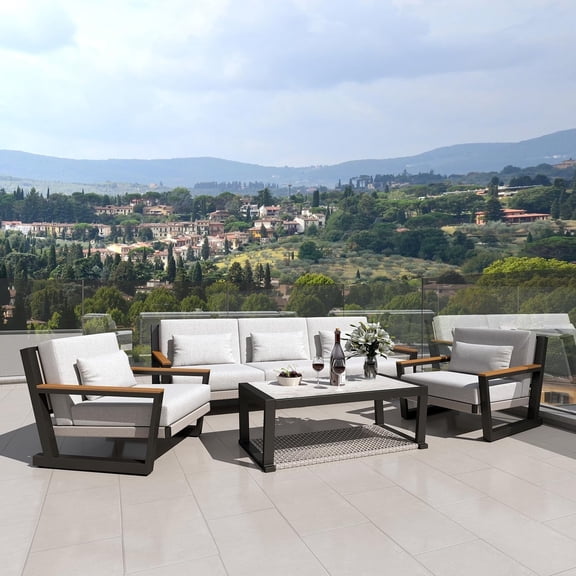
For tables and chairs, you should look at teak when you want a classic wood appearance. You can expect a substantial feel that suits longer meals and dressed tables.
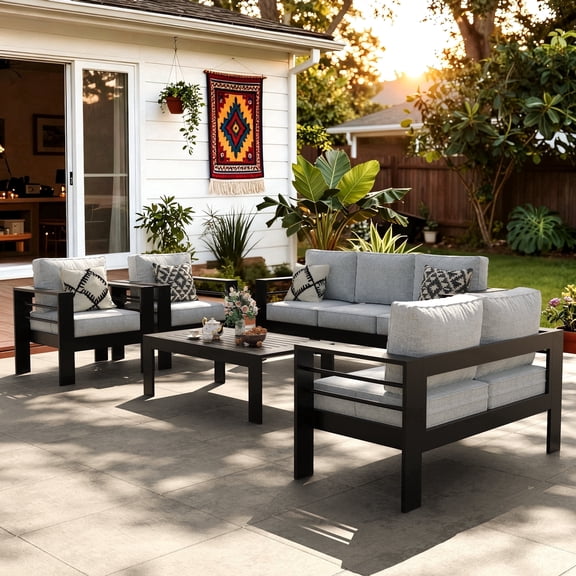
You may consider aluminum when you want lighter frames that you can rearrange often. You can also look for rust-resistant finishes when your setup stays outside through changing weather.
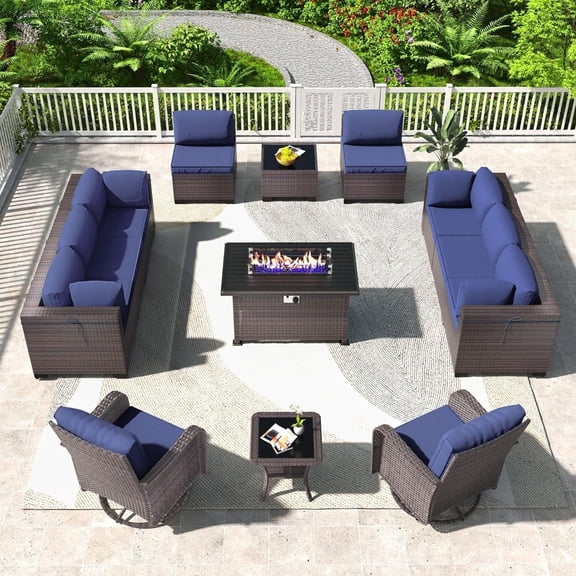
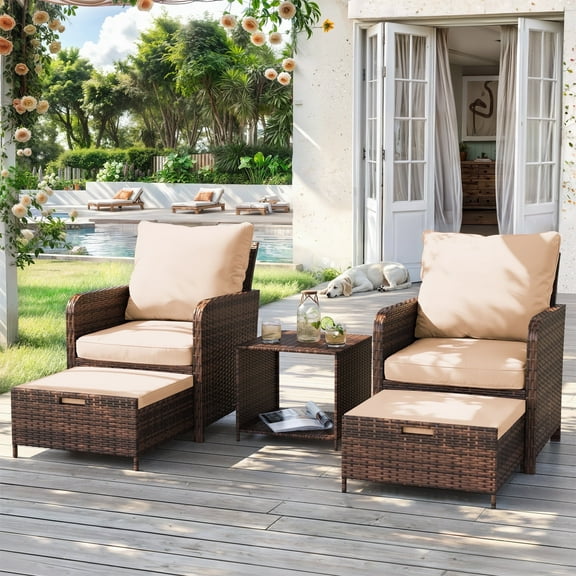
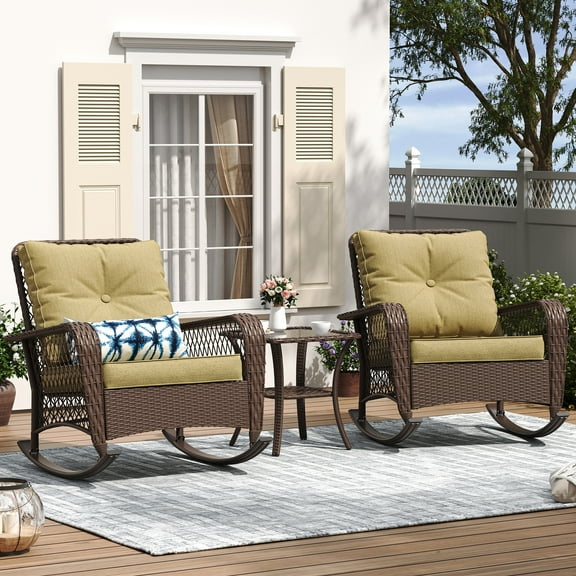
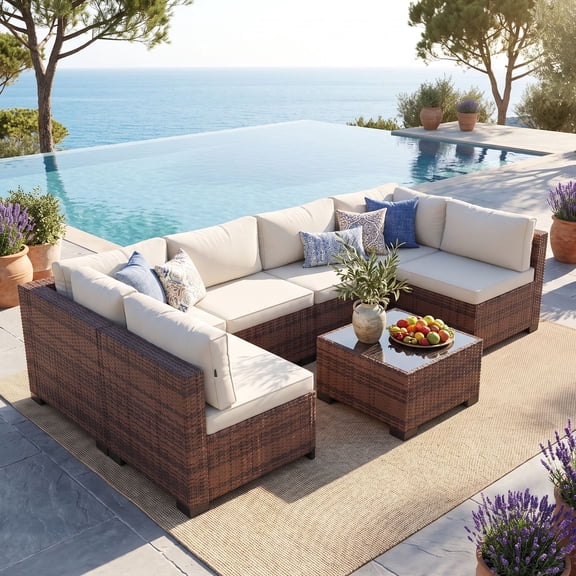
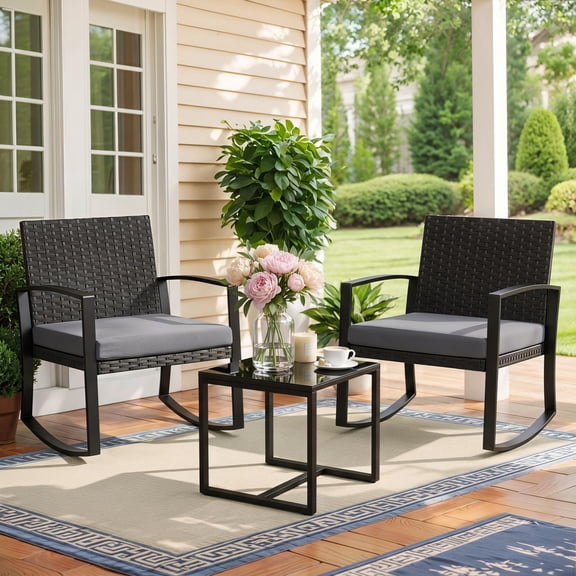
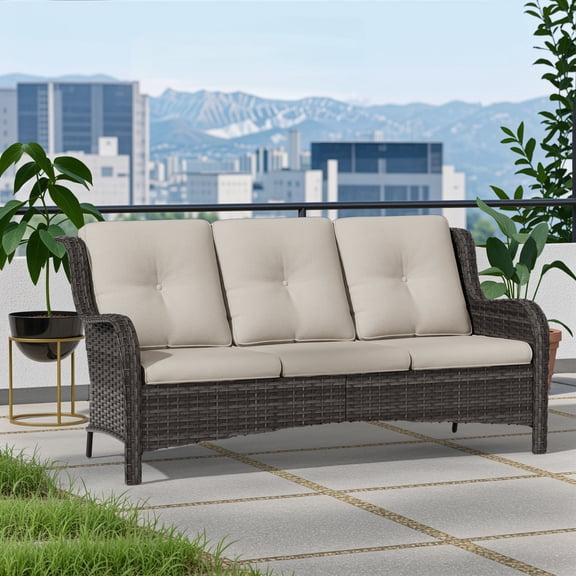
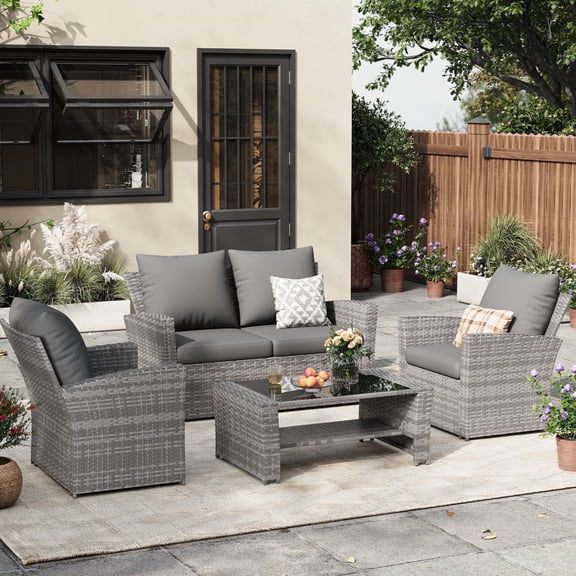
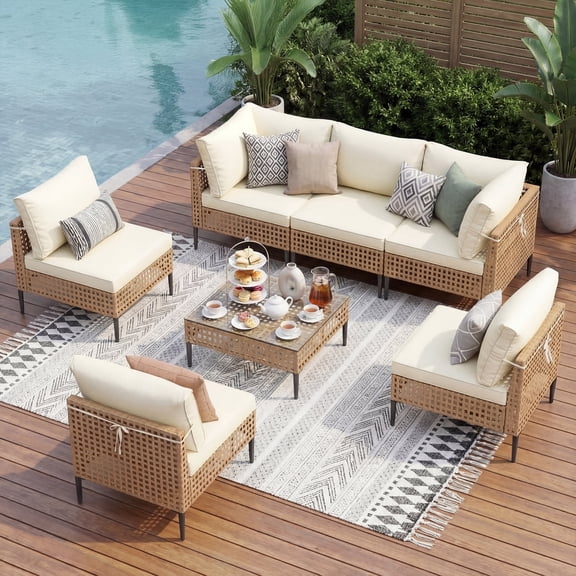
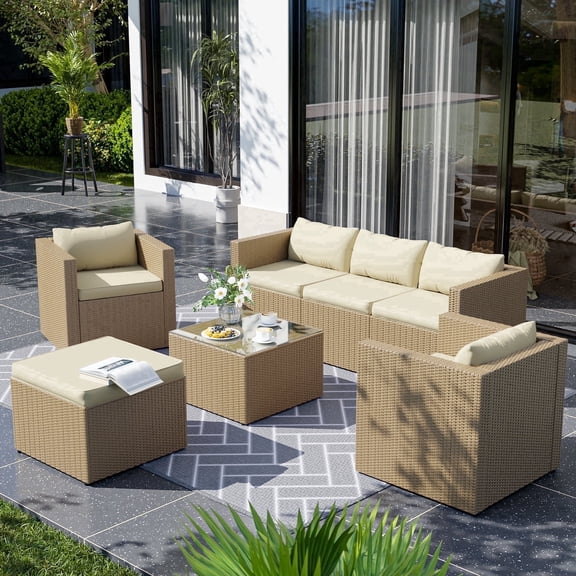
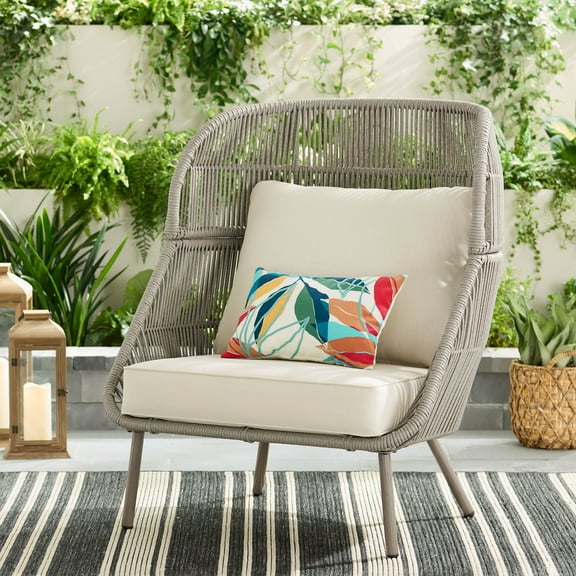
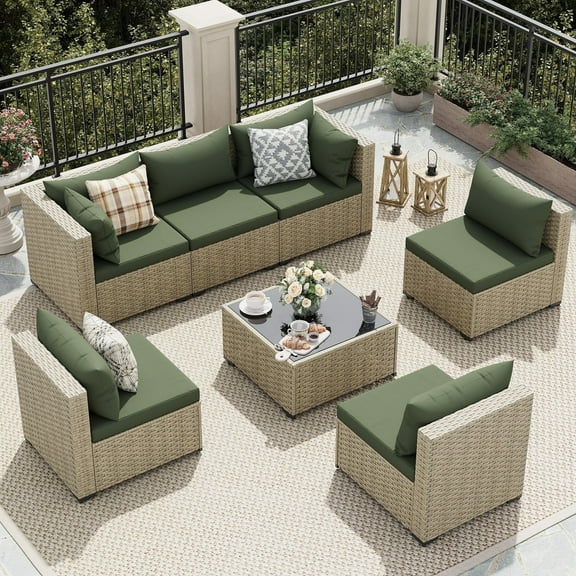
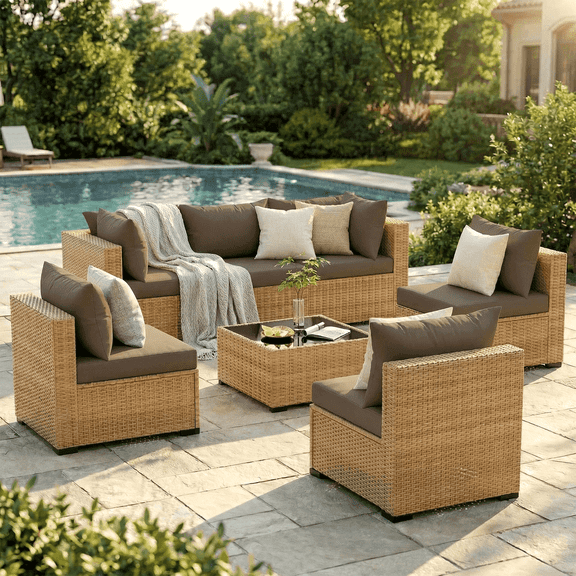
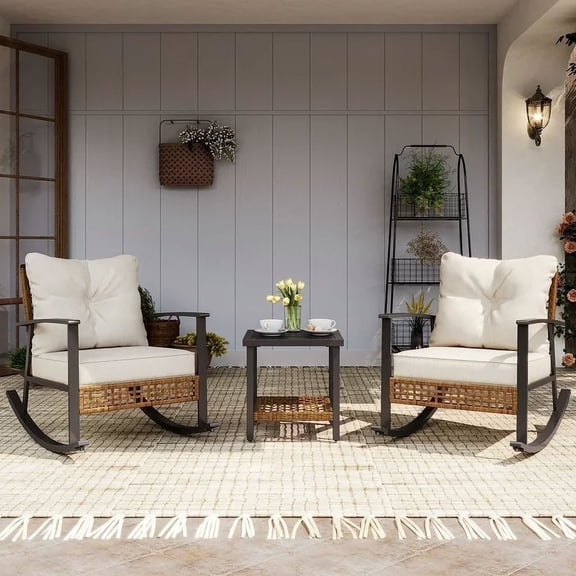
If you like texture and a relaxed look, you may compare wicker seating and accents. You can pair wicker with cushions and side tables for a casual lounge setup.
Comparing seating capacity and patio space
You should match seating capacity to both guest count and walking room. You can keep your patio comfortable by leaving enough space for chairs to slide and guests to move.
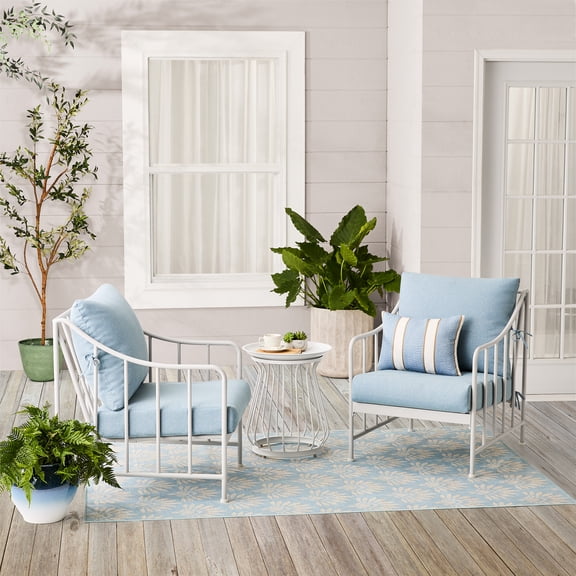
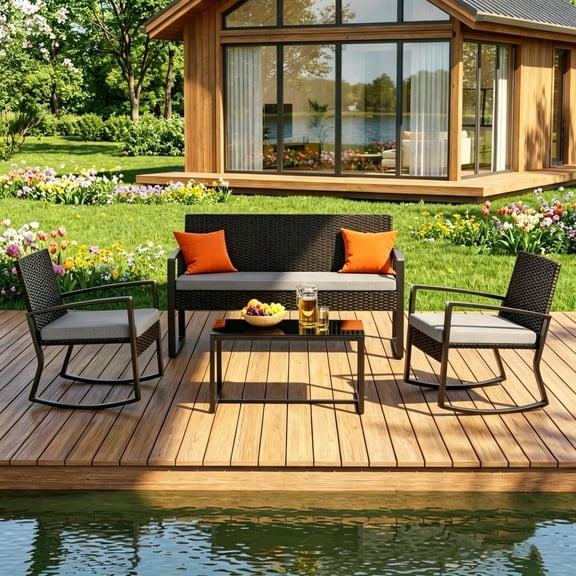
For two to four guests, you may choose compact outdoor dining sets for balconies or smaller patios. You can create a defined dining area without overwhelming the rest of your setup.
For six to eight guests, you should look for larger tables with balanced chair spacing. You can host family dinners more smoothly when everyone has elbow room and clear access.
If you entertain 10 or more guests, you may combine a main table with side surfaces. You can use a patio serving cart or buffet table to keep serving dishes off the dining surface.
You should also compare table shape before you finalize your layout. You can use round tables for conversation, or rectangular tables for platters, pitchers, and place settings.
Understanding weather resistance and easy care
You should check whether your setup includes UV-resistant, rust-resistant, shatterproof, or waterproof materials. You can choose features that match your climate, sun exposure, and storage habits.
If your patio gets strong sun, you may look for UV-resistant finishes that help maintain color and appearance. You can keep your hosting area looking coordinated through repeated outdoor use.
For metal frames or carts, you should compare rust-resistant construction and coated surfaces. You can reduce upkeep when your furniture handles moisture, dew, and humid conditions.
If you host often around kids or busy serving zones, you may prioritize shatterproof pieces. You can use outdoor dinnerware that handles passing, stacking, and quick cleanup with less fuss.
You should also think about off-season storage before you choose larger items. You can simplify winter storage by selecting stackable chairs, lighter frames, or pieces that wipe clean easily.
Picking serving accessories for real hosting scenarios
You can make outdoor entertaining essentials work harder when you build around how food moves. You should compare wheeled carts, stationary side tables, trays, and storage baskets by your serving style.
If you carry dishes from the kitchen to the patio, you may want a patio serving cart. You can roll drinks, plates, and condiments in one trip instead of juggling several items.
For a sit-down dinner, you should use serving pieces that keep courses organized near the table. You can stage pitchers, platters, and extra flatware on a nearby side surface.
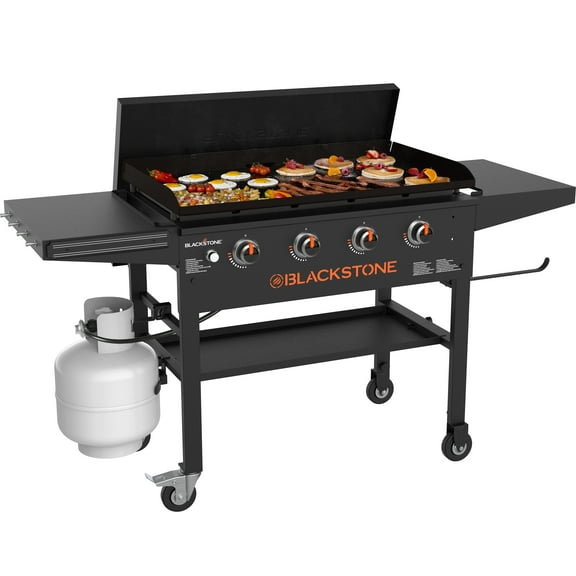
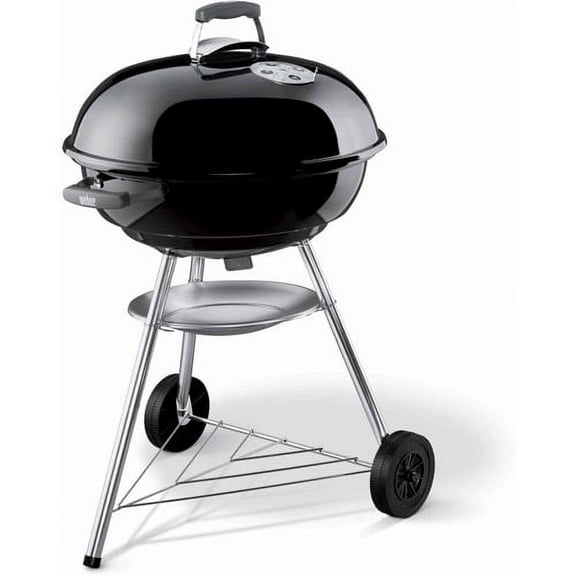
At a barbecue, you may need room for buns, toppings, sauces, and outdoor dinnerware. You can keep the grill area clearer when serving accessories hold prep items and finished dishes.
For lounge gatherings, you should look for lighter trays and smaller tables that shift easily. You can adapt the layout as guests move between conversation areas and snack stations.
You can create a smoother setup when your materials, seating plan, and serving tools work together. You’ll feel more prepared for outdoor hosting when every piece supports easy serving and simple cleanup.