

Olives in Pickles & olives



















About Olives in Pickles & olives - Walmart.com
You can compare the cost of olives faster when you understand variety, packaging, and flavor before you choose. You’ll also spot the right olives for snacking, martinis, cooking, or charcuterie without sorting through mismatched options.
If you’re narrowing olive price by occasion, you should start with what goes on your plate or in your glass. You’ll find that jarred brined olives, stuffed picks, and Mediterranean styles each fit a different pantry need.
How to compare cost of olives by variety
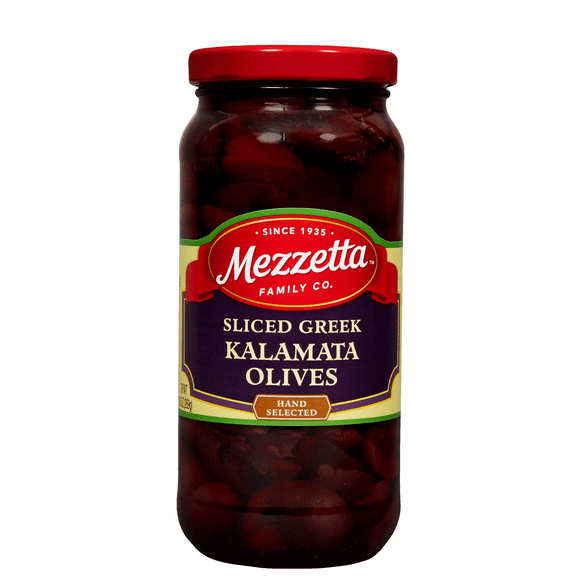
When you compare varieties, you should look at texture, salt level, and serving use first. You’ll notice that Kalamata olives usually bring a firmer bite and deep, briny flavor for salads and grain bowls.
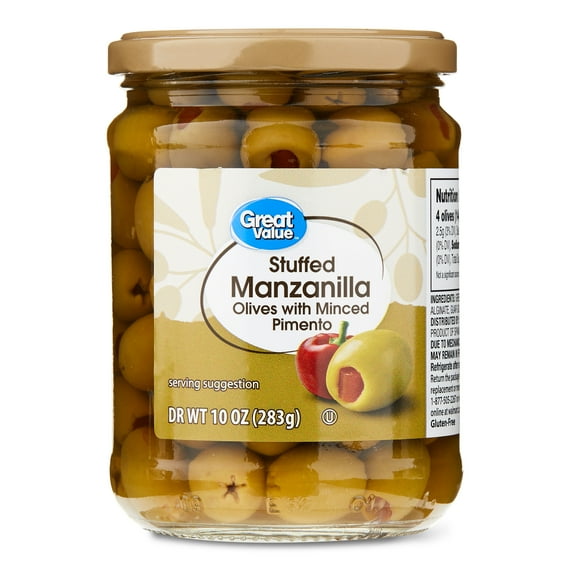
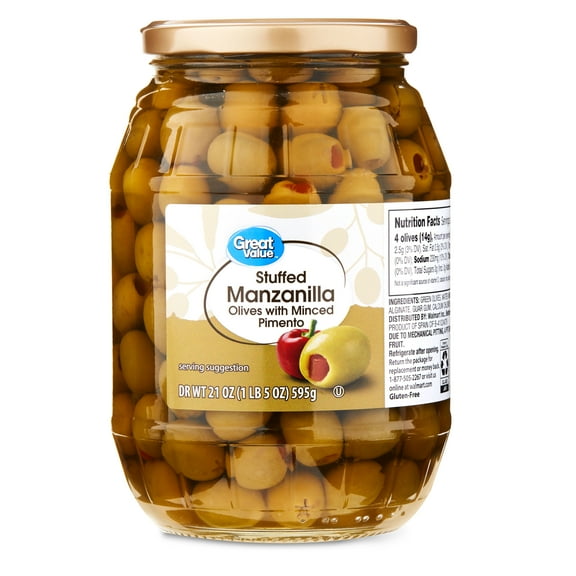
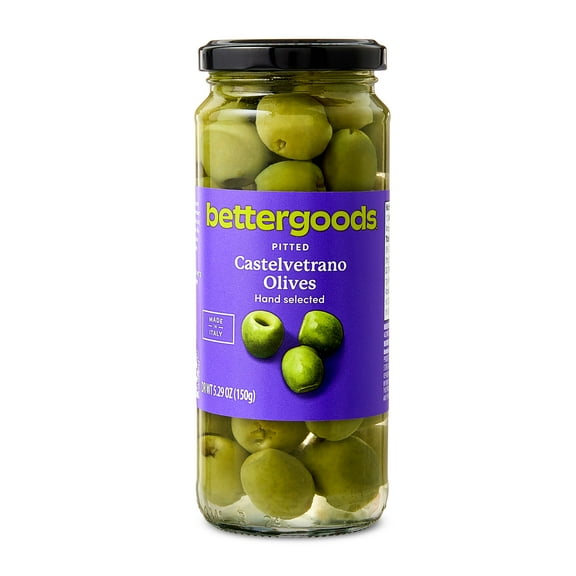
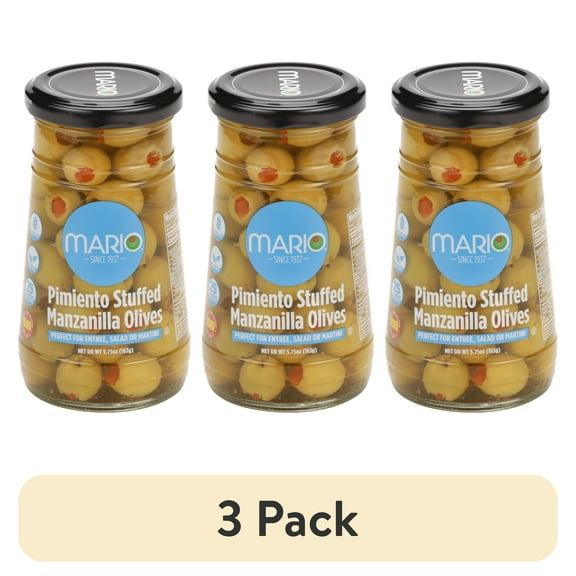
If you prefer a milder table olive, you may choose Castelvetrano for a buttery texture and lighter taste. You’ll often reach for Manzanilla when you want a classic olive for tapas plates or cocktail picks.
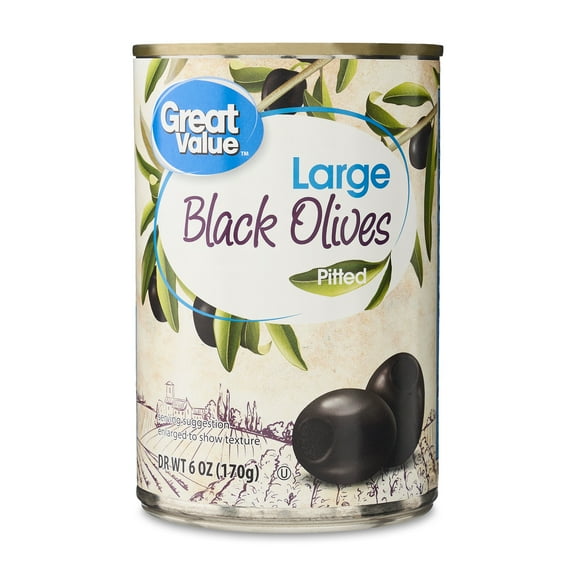
Green olives usually give you a bright, savory profile, while black olives tend to taste softer and earthier. You can use that difference to match pizza toppings, pasta dishes, and lunch snacks.
- You can choose Kalamata when you want bold Mediterranean olives for salads and antipasto boards.
- You can pick Castelvetrano when you want a milder olive for snacking or cheese pairings.
- You can select Manzanilla when you want an easy martini garnish or stuffed olive option.
- You can compare black and green olives by texture, saltiness, and recipe fit.
Choosing packaging type and olive in jar options
If you’re deciding between an olive in jar and a can, you should think about storage after opening. You’ll usually find jars easier for repeat use because you can reseal them between servings.
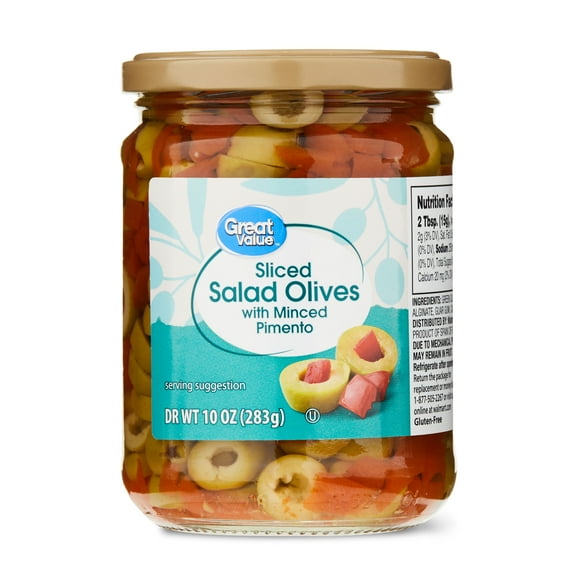
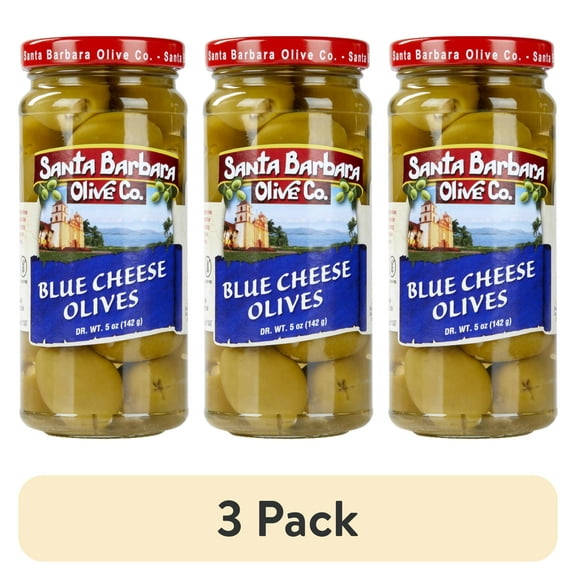
When you keep olives in brine, you help preserve texture and maintain the seasoned flavor you expect. You’ll often like jarred olives for charcuterie boards, snack trays, and recipes that use smaller portions.
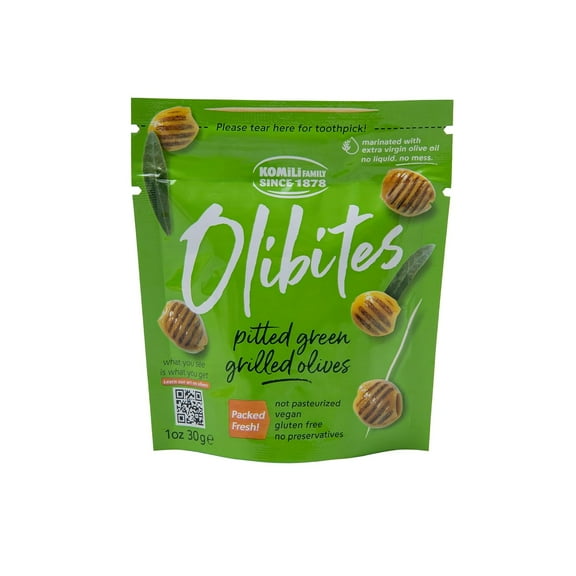
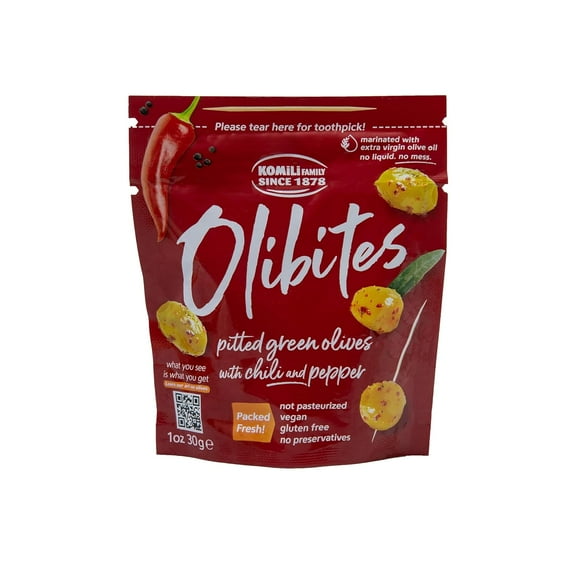
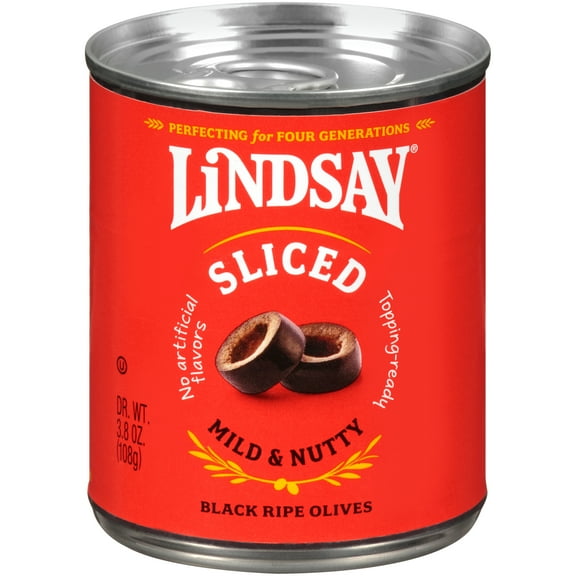
If you need pantry backup for larger recipes, you may compare canned olives by size and drained weight. You can also consider pouches or fresh bar choices when you want quick prep or deli-style selection.
For daily use, you should check whether you want pitted or whole olives before you buy. You’ll save prep time with pitted olives, while whole olives can suit slower cooking and traditional presentations.
How to choose flavor profile and spicy olives
When flavor leads your decision, you should compare stuffed, cured, and seasoned options side by side. You’ll get a different eating experience from spicy olives than from garlic-stuffed or pimento-stuffed choices.
If you like heat, you may prefer spicy olives for snack bowls, tapas spreads, or savory appetizers. You’ll usually taste that flavor quickly, which makes them useful when you want a bolder party option.
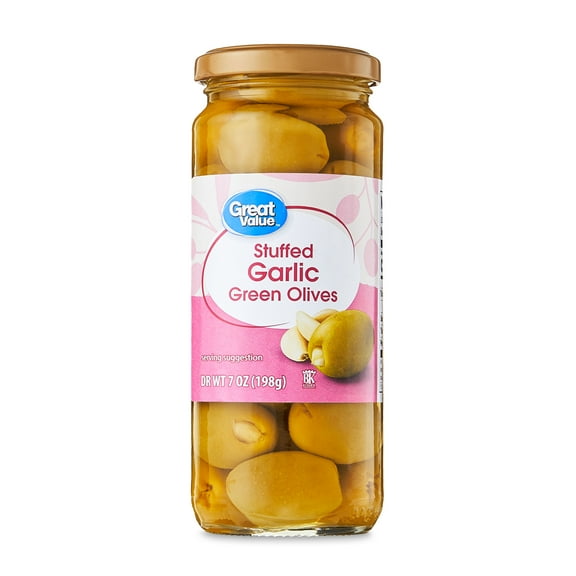
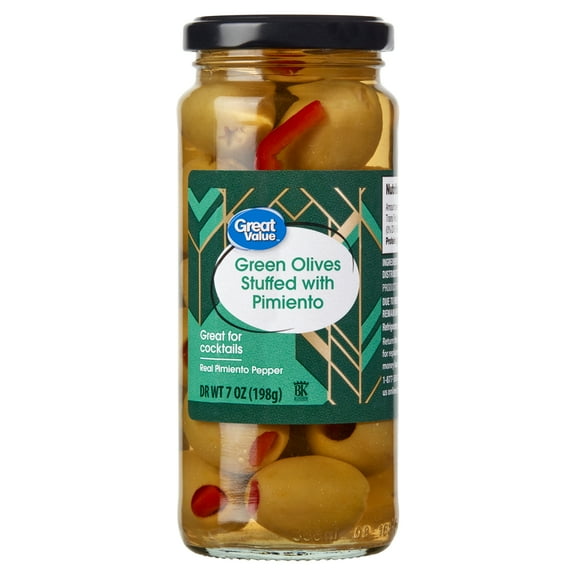
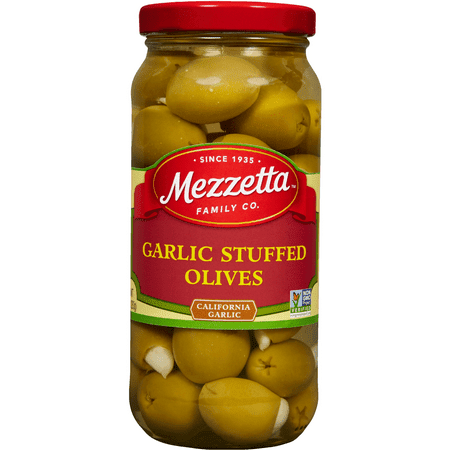
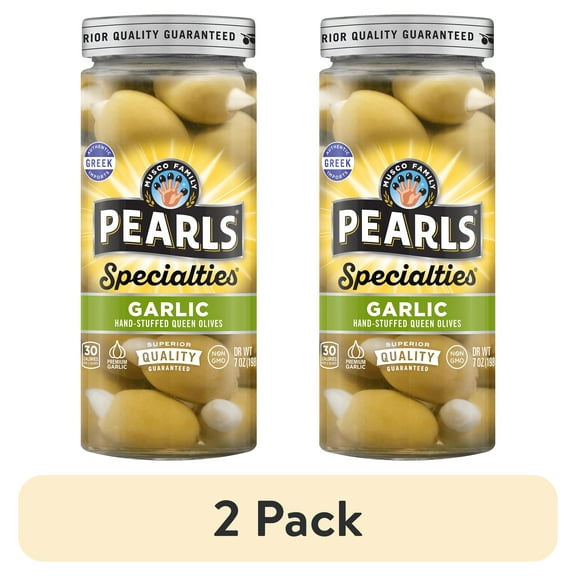
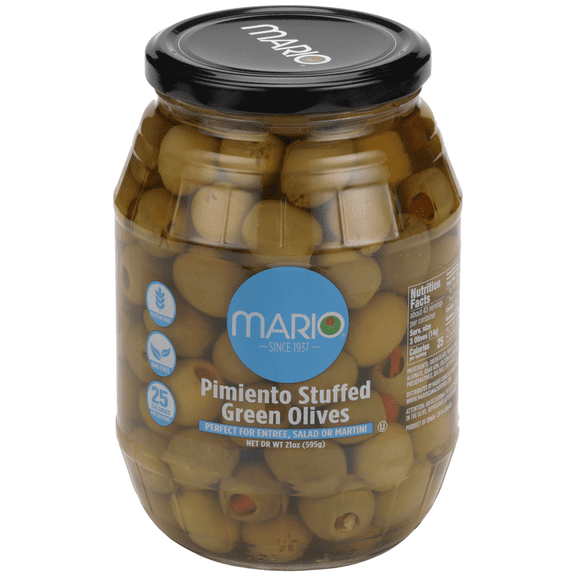
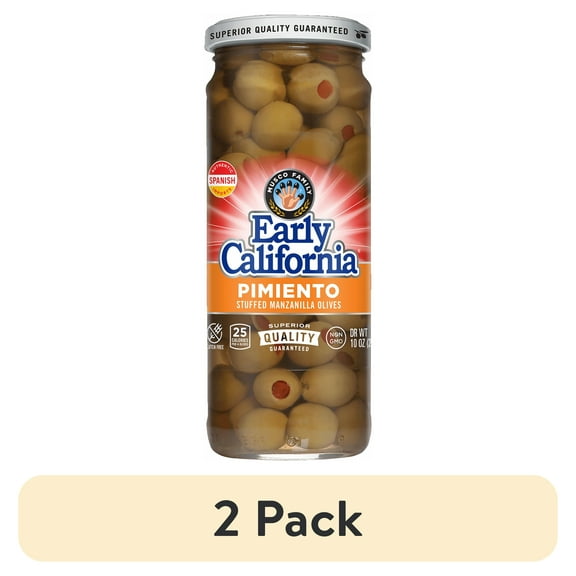
Garlic-stuffed olives can give you a savory center that works well on boards and in drinks. If you want a familiar cocktail olive, you may lean toward pimento-stuffed styles for a classic look and bite.
Brine-cured olives often bring a saltier, more developed taste that suits cooking and Mediterranean meals. You can use curing style as a simple way to compare intensity without overthinking labels.
Matching olives to cooking, snacking, and entertaining
If you’re buying olives to eat straight from the container, you should focus on texture and portion size. You’ll often want a milder variety for everyday snacking and a bolder one for shared platters.
For charcuterie, you can mix green, black, and stuffed olives to create contrast on the board. You’ll make pairing easier when you balance salty brined olives with cheeses, cured meats, and roasted nuts.
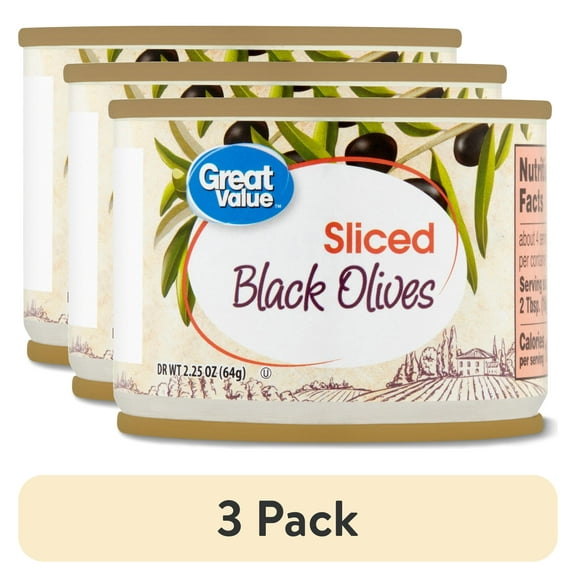
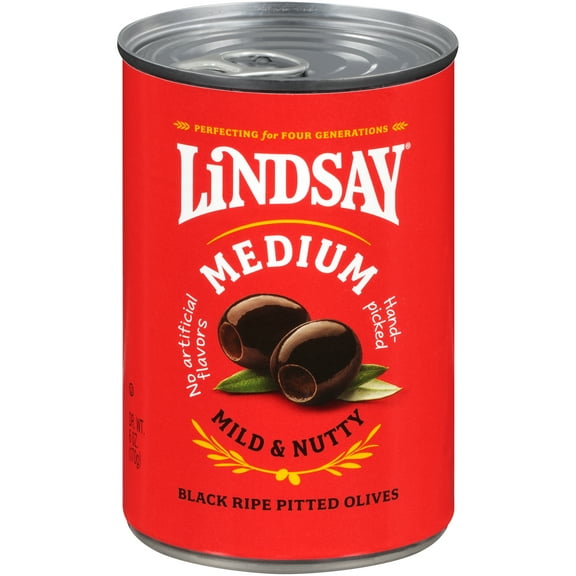
When you cook, you should match the olive to the dish instead of choosing by appearance alone. You’ll often use sliced black olives for pizza, while Kalamata fits pasta, salads, and roasted vegetables.
If martinis are your focus, you should compare stuffed options, jar size, and ease of serving. You’ll appreciate smaller jars for home bars, while larger packs can fit parties and frequent hosting.
What to look for when comparing olives prices
When you review olives prices, you should compare variety, package size, and whether olives are pitted or whole. You’ll get a clearer picture of how much does olive cost when you compare use case first.
If you need a garnish, a snack, or a cooking staple, you should buy for that purpose instead of guessing. You’ll choose more confidently when the olive price matches the flavor, format, and quantity you’ll actually use.
With the right mix of variety, packaging, and flavor profile, you can narrow olives quickly and accurately. You’ll end up with olives that fit your recipes, your entertaining plans, and your pantry routine.