

Moving Boxes in Moving Boxes

















About Moving Boxes in Moving Boxes - Walmart.com
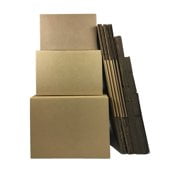
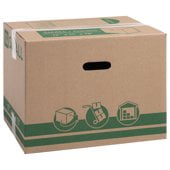
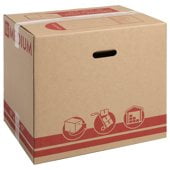
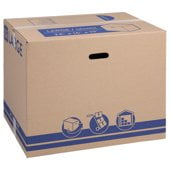
Moving boxes help you organize each room efficiently and pack with less guesswork. You can compare sizes, strength levels, and specialty designs for clothes, dishes, books, and framed items.
Choosing the right moving boxes
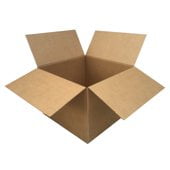
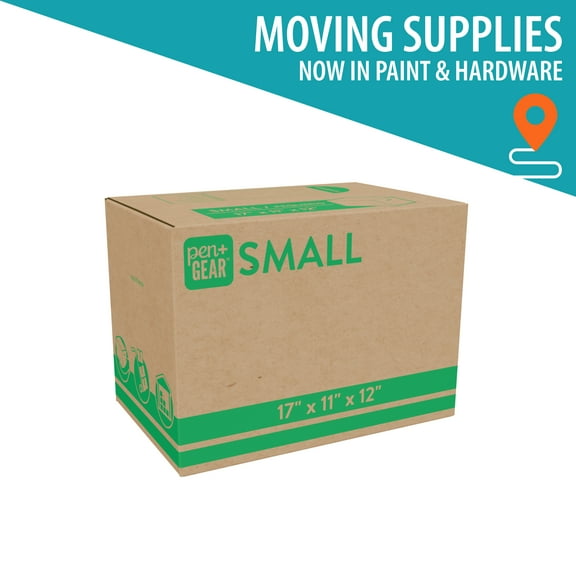
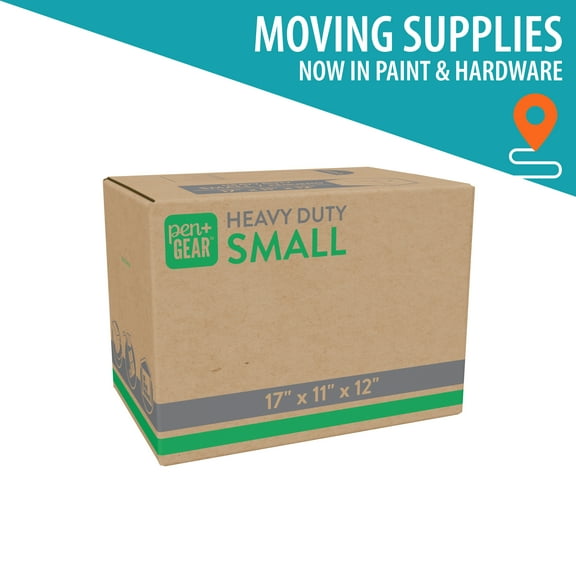
You can make packing more organized when you match box size to what you’re packing. Small boxes suit books, tools, and canned goods, while large boxes fit pillows, linens, and light decor.
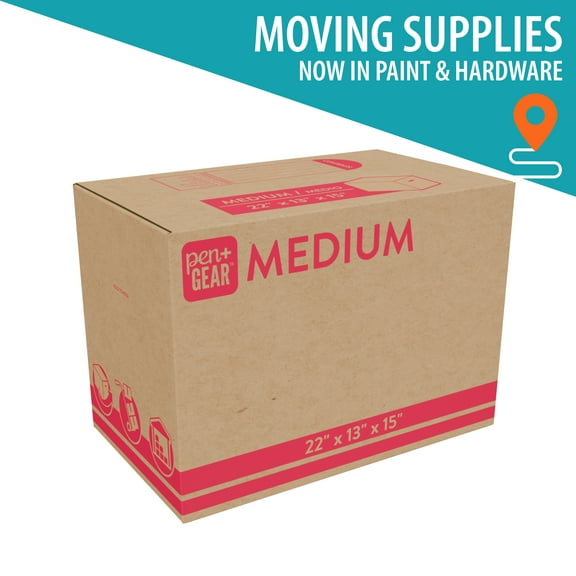
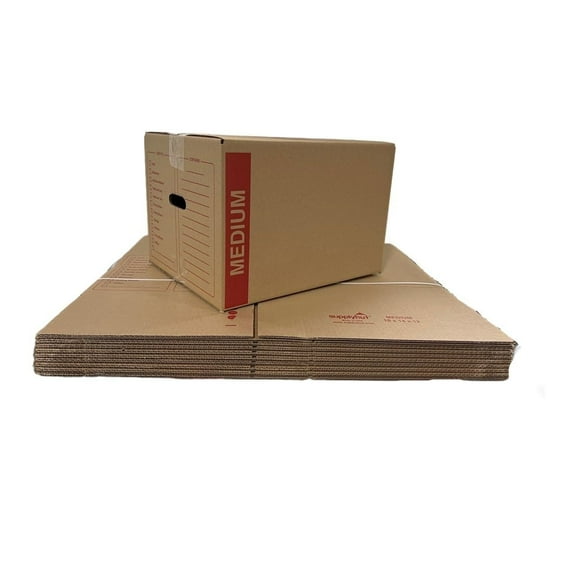
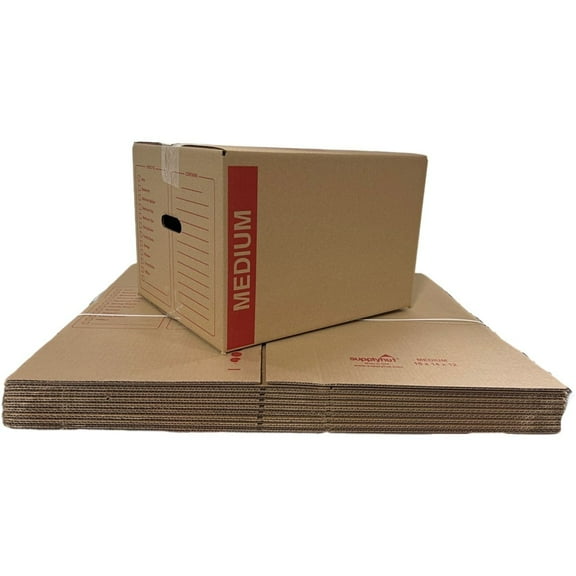
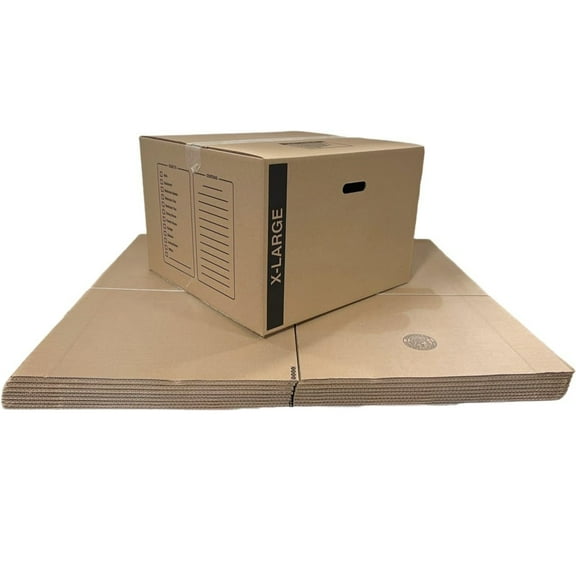
Medium packing boxes give you flexible space for kitchen gear, toys, and office supplies. Extra large options work well when you need room for bulky but lighter household items.
If you’re sorting by room, you can start with small boxes for dense items and medium boxes for mixed contents. You can then use large cartons for comforters, lampshades, and other lighter pieces.
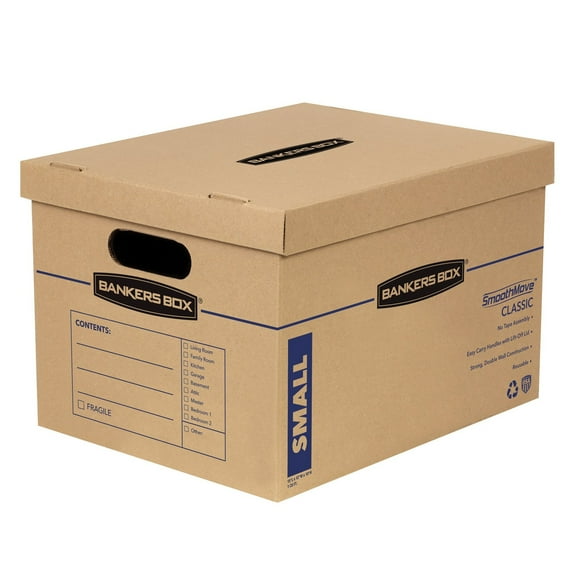
- You can use small boxes for books, paper, and other heavy contents.
- You can choose moving boxes medium for toys, pantry items, and bathroom supplies.
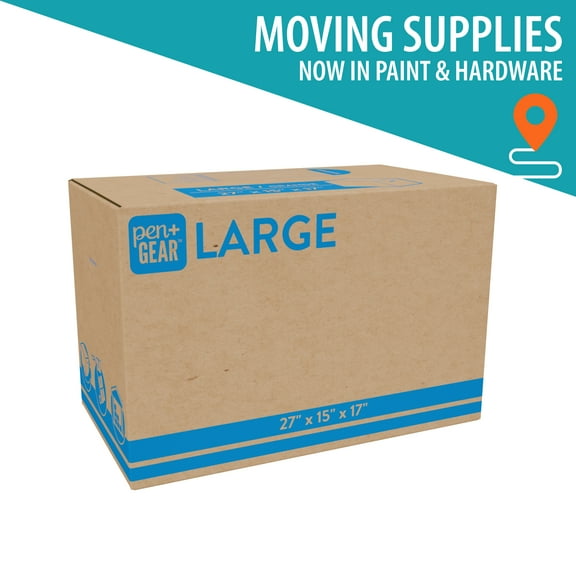
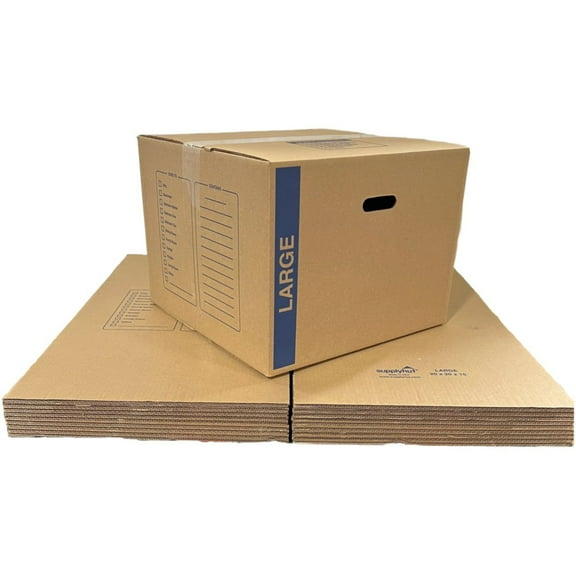
- You can pick large or extra large boxes for bedding, coats, and soft goods.
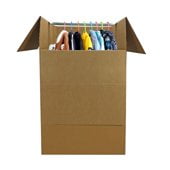
- You can select wardrobe boxes for moving when you want hanging clothes to stay upright.
Comparing cardboard moving boxes by strength
You should compare material strength before you pack anything dense or breakable. Standard corrugated boxes work for lighter household goods, while heavier constructions support tougher packing jobs.
Single-wall cardboard moving boxes usually fit lighter contents and general household sorting. Double-wall construction gives you added structure when you’re packing books, small appliances, or stacked pantry items.
You may also notice edge crush test ratings, often called ECT ratings, on some boxes. You can use that number as a quick guide to stacking strength during packing, loading, and storage.
Heavy duty moving boxes make sense when you need added support for dense contents. You can use them for records, tools, cookware, or garage items that put more pressure on the box walls.
If you’re packing for a longer move, you may want stronger walls and cleaner edges. You’ll usually appreciate that extra structure when boxes ride in a truck or sit in storage.
Deciding when specialty boxes make sense
You can protect shape and reduce packing time when you choose specialty boxes for specific items. These designs help you avoid overstuffing standard cartons with awkward contents.
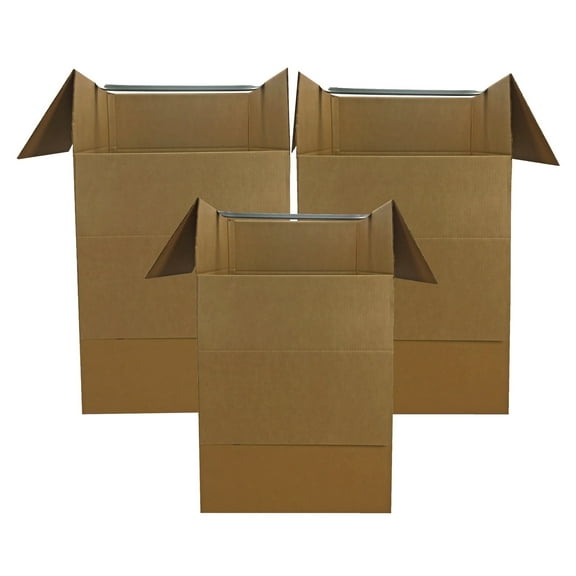
Wardrobe boxes for moving include a hanging bar that lets you transfer clothes from closet to box. You can keep dresses, suits, coats, and uniforms upright instead of folding everything flat.
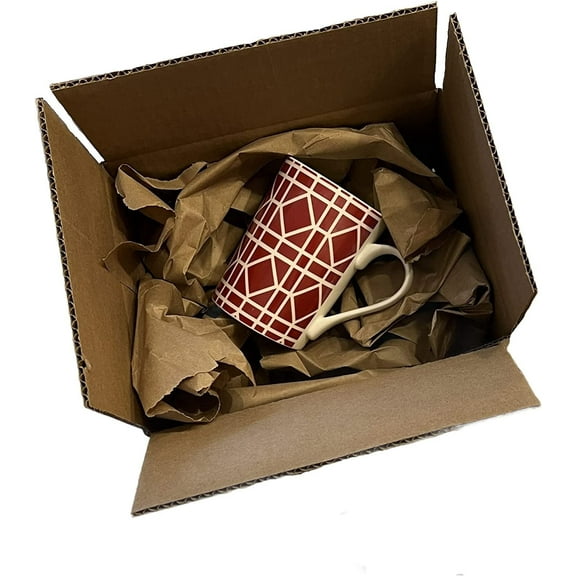
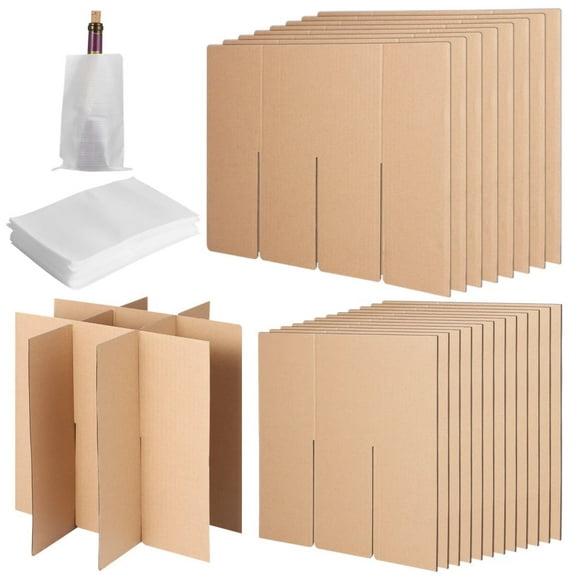
Dish pack boxes give you a practical option for plates, bowls, and glassware. You can pair them with dividers and wrap to create more organized layers inside the carton.
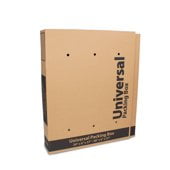
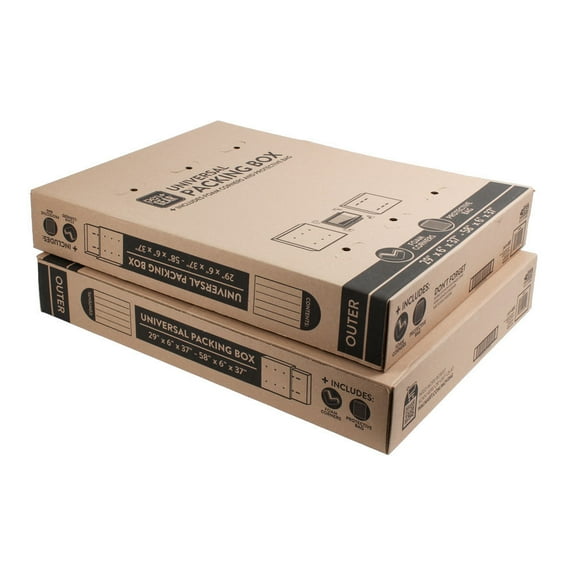
Picture and mirror boxes adjust around framed pieces, wall art, and flat decor. You can get a closer fit for long or wide items that don’t sit well in regular boxes.
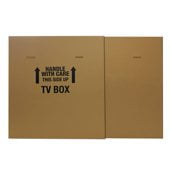
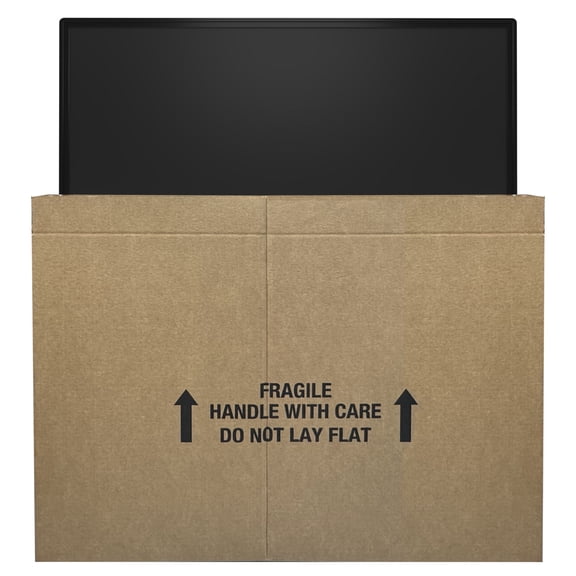
TV boxes help you pack screens with room for foam corners and protective padding. You can compare dimensions carefully so the box matches your screen size and accessories.
Understanding pack counts and moving kits
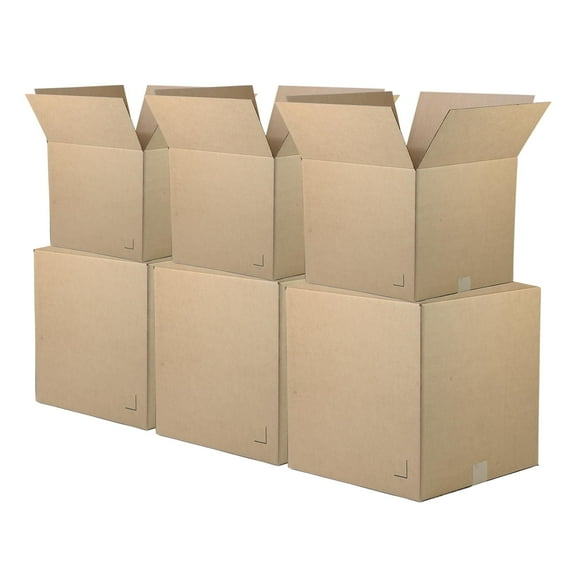
You can buy a single box when you’re replacing one damaged carton or packing a last-minute item. Multi-pack options help you keep sizes consistent across rooms and reduce mid-project interruptions.
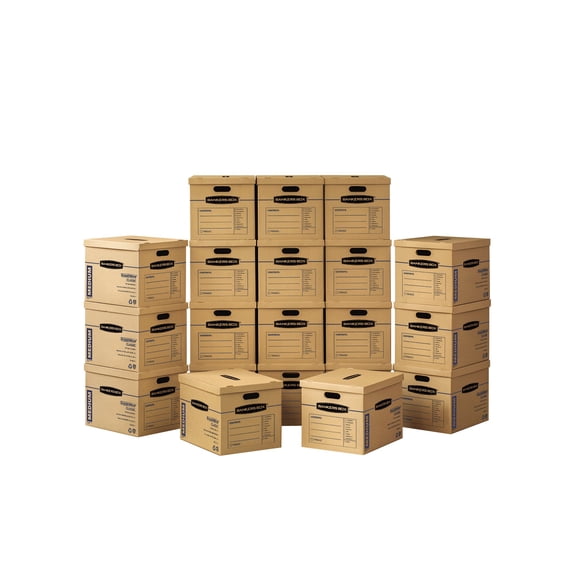
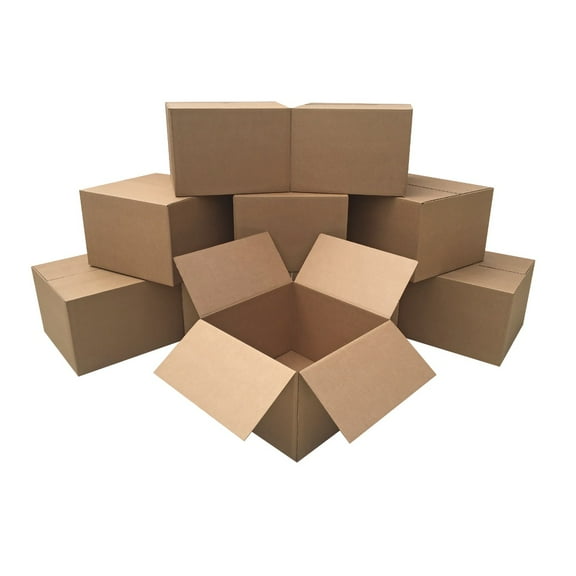
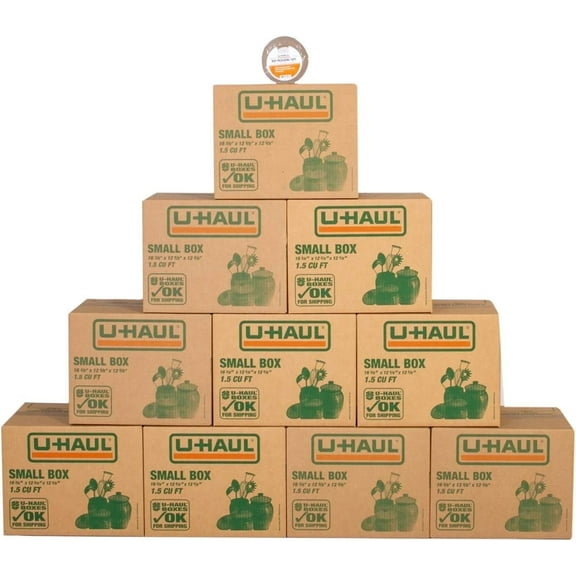
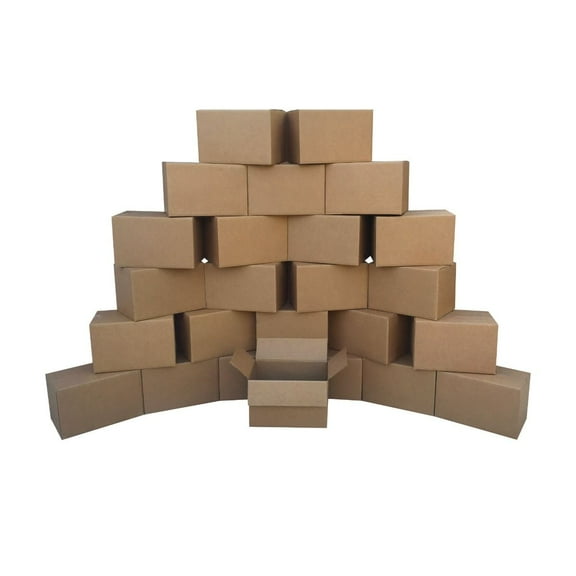
A 10-pack can work for a studio, dorm, or small office clear-out. A 25-pack may fit larger apartments or homes where you need steady progress room by room.
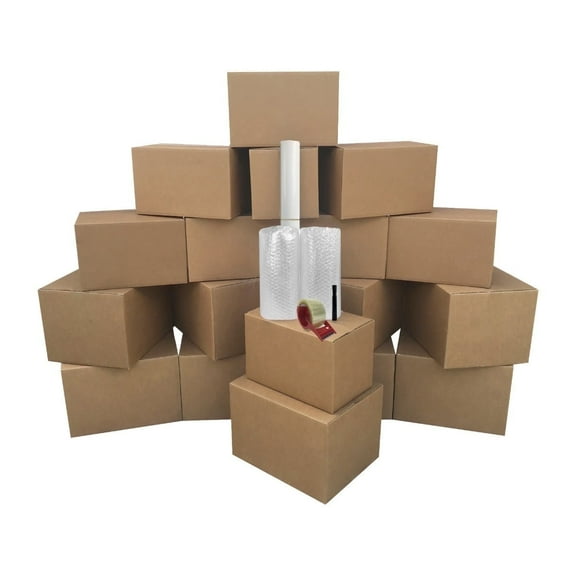
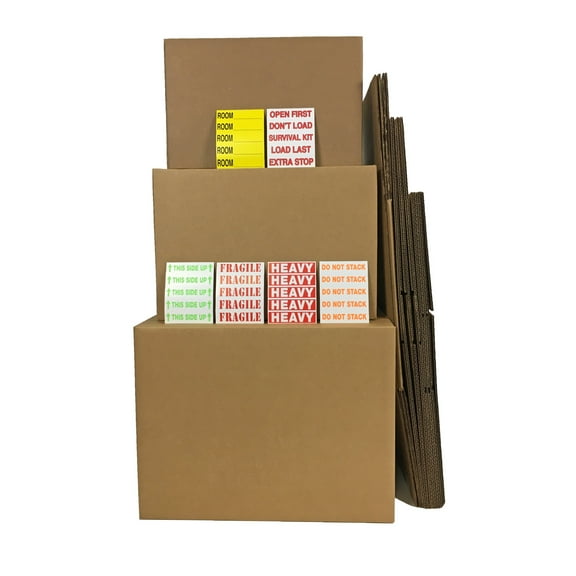
Moving kits combine several box sizes with useful supplies for a more guided start. You may find moving boxes and supplies together when you want tape, labels, or protective wrap in one purchase.
If you’re estimating quantity, you can count by room and by item type. You should plan extra boxes for kitchens, bookshelves, closets, and storage areas because those spaces fill cartons quickly.
How to match moving boxes to real packing jobs
You can use small boxes for book collections, files, and canned foods because dense items add up fast. You’ll keep loads easier to carry when you avoid putting those items in oversized cartons.
For everyday household sorting, you can rely on medium boxes for mixed contents from bedrooms, bathrooms, and playrooms. You’ll get enough space without losing control over weight.
You can choose large boxes for bedding, towels, and seasonal clothing that take up space but stay relatively light. You’ll also have room for soft fillers that cushion delicate decor.
When closets are your main challenge, you can switch to wardrobe boxes with bars for hanging garments. You’ll spend less time rehanging clothes after arrival, especially during short-notice moves.
If you’re packing dishes, frames, or electronics, you should compare specialty formats before choosing general cartons. You can create a neater packing plan when each box matches the item’s shape and weight.
You can feel more prepared when your moving boxes match your rooms, contents, and timeline. You’ll finish packing with clearer organization, steadier stacking, and fewer last-minute box swaps.