




Mouse in Pest Control







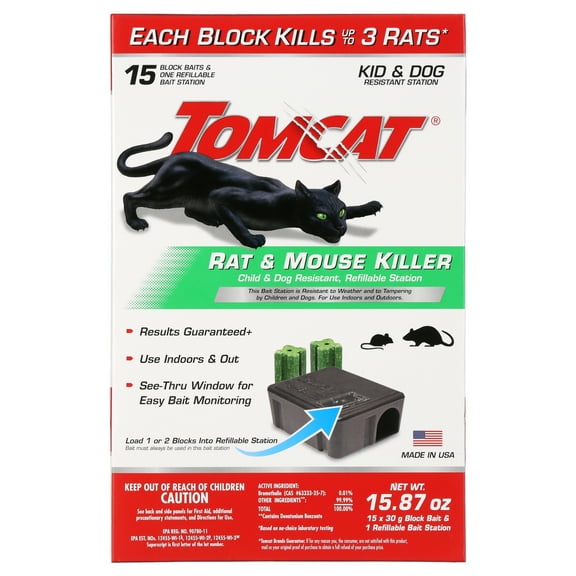


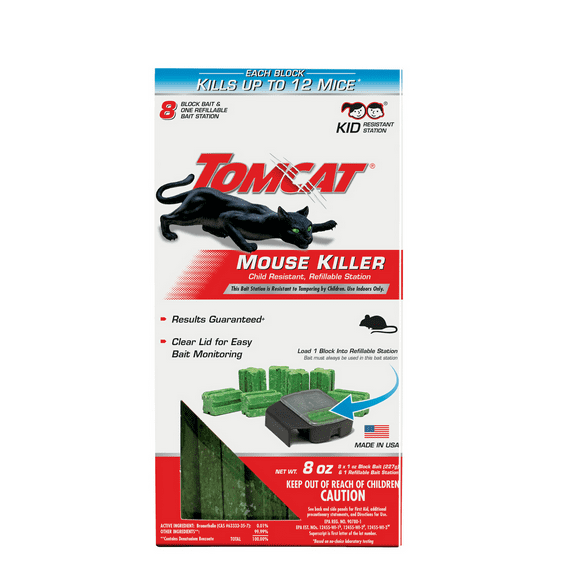
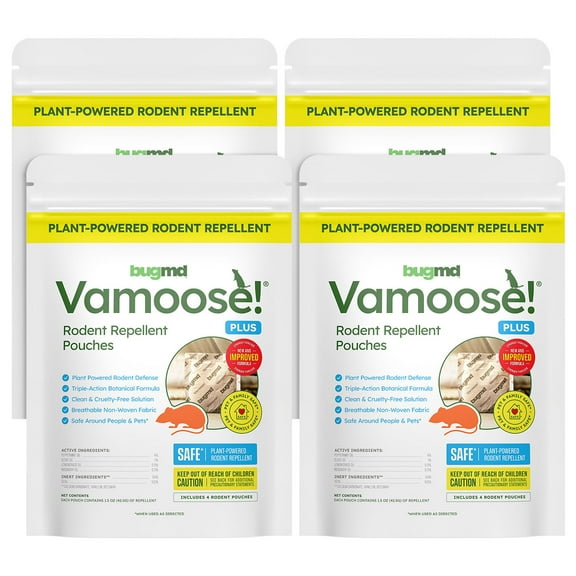
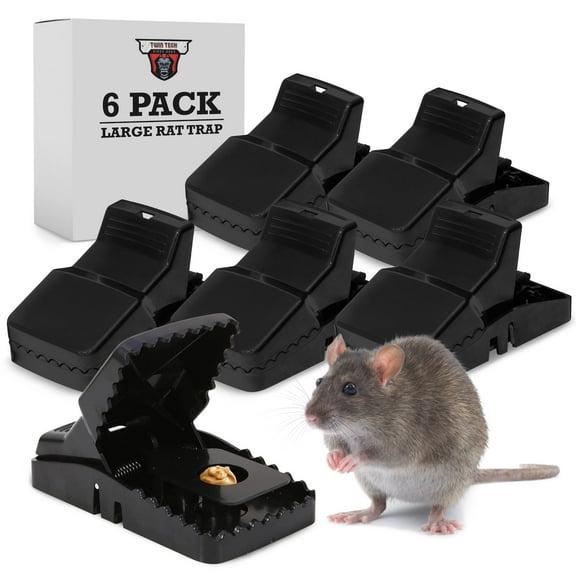











About Mouse in Pest Control - Walmart.com
Mouse traps help you respond quickly when unwanted rodents appear in your home. You can compare trap styles, placement options, and disposal preferences to choose targeted mouse control.
If you're stocking for a single room or a larger home, you can narrow choices by trap type, use location, control method, and pack size. You’ll also find options that support pet-aware placement, touch-free cleanup, and poison-free setups.
Choosing the right mouse traps
You should start with trap type because each mechanism changes how you place, empty, and monitor your setup. You can compare snap traps, electric traps, glue traps, and humane traps based on how hands-on you want to be.
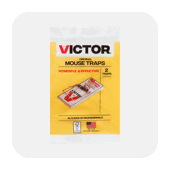
Snap traps give you a familiar mechanical option that fits along baseboards, behind appliances, and inside cabinets. Electric traps appeal when you want an enclosed design and a cleaner disposal routine.
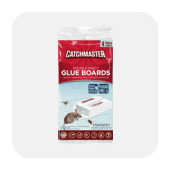
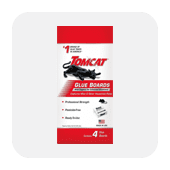
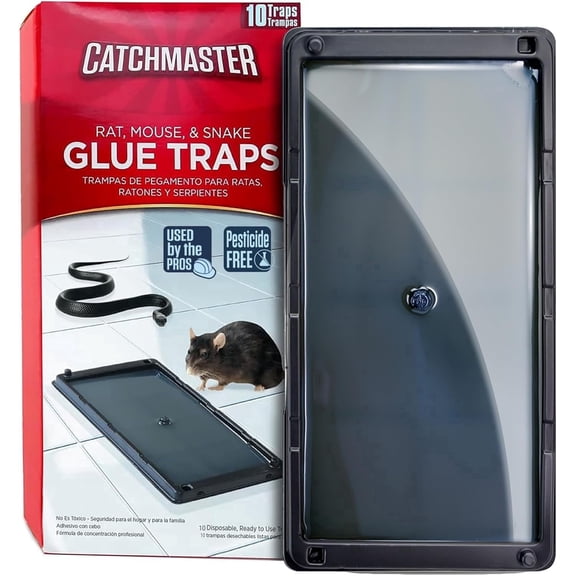
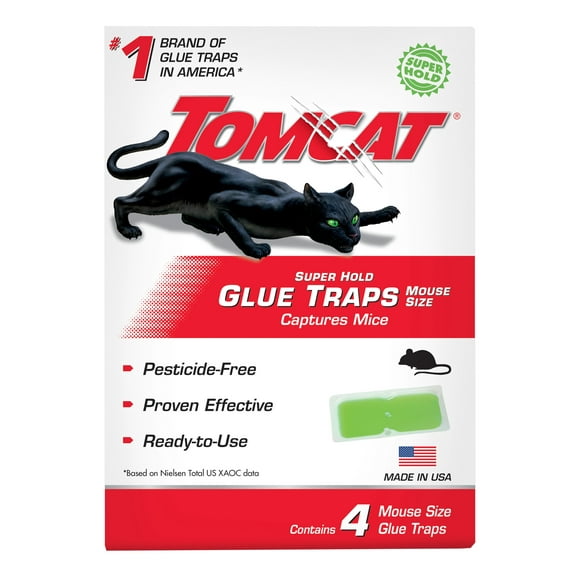
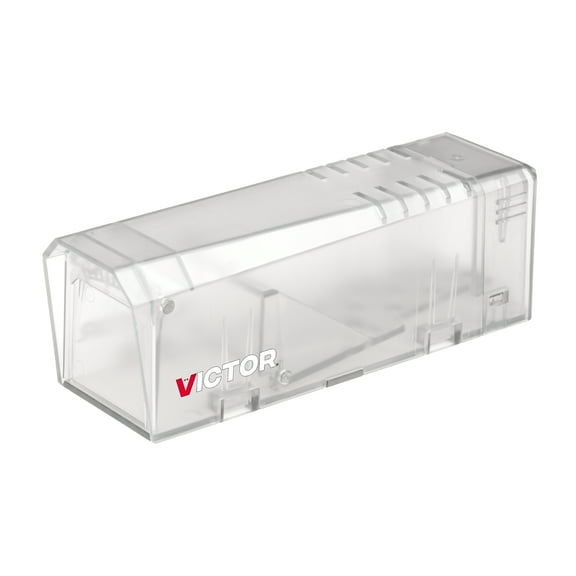
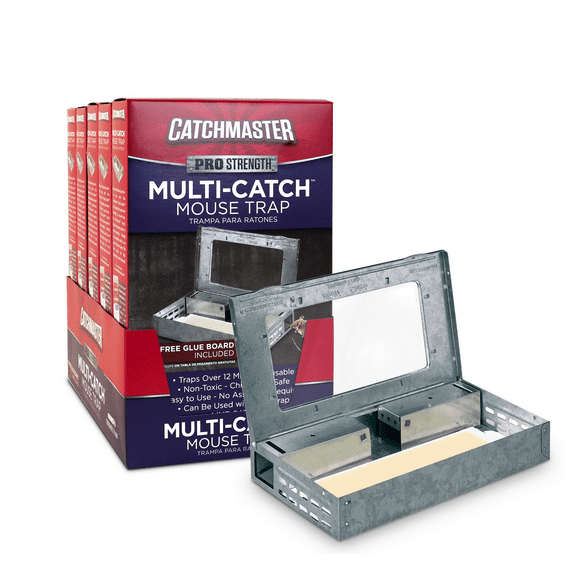
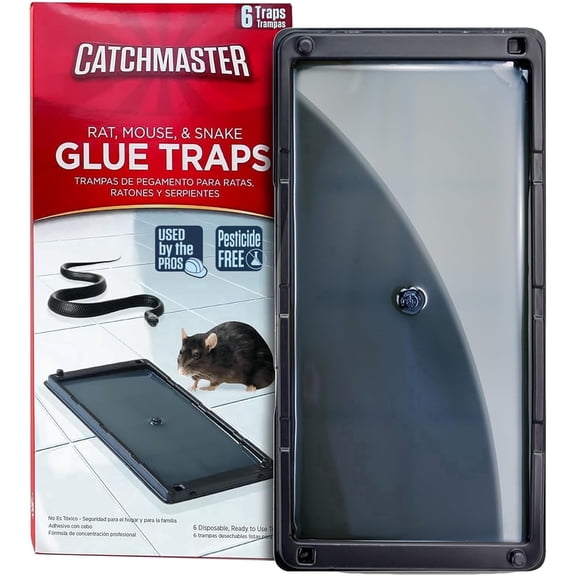
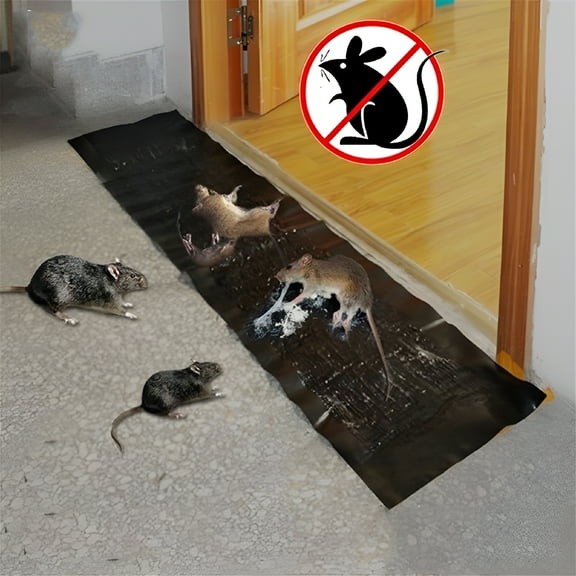
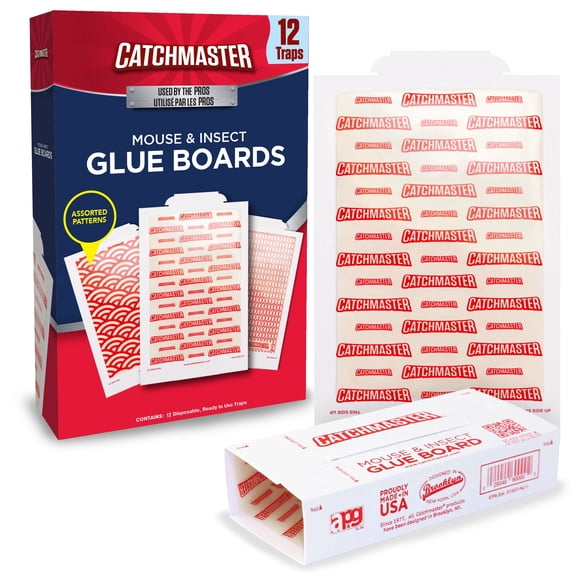
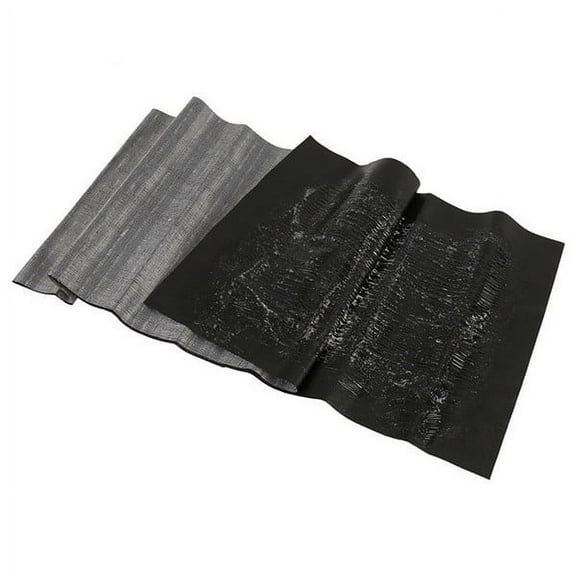
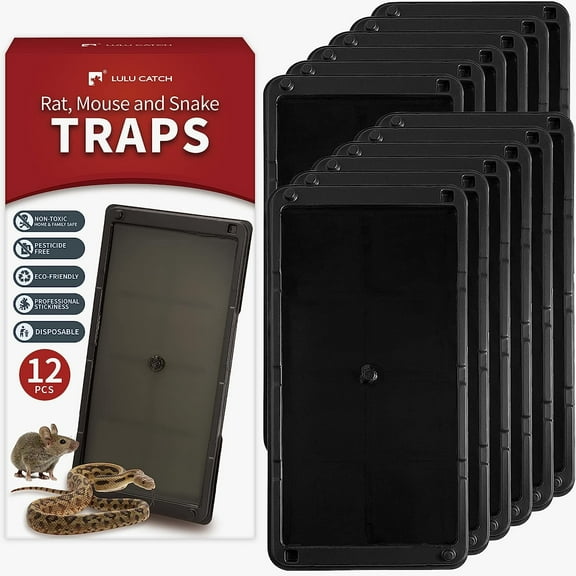
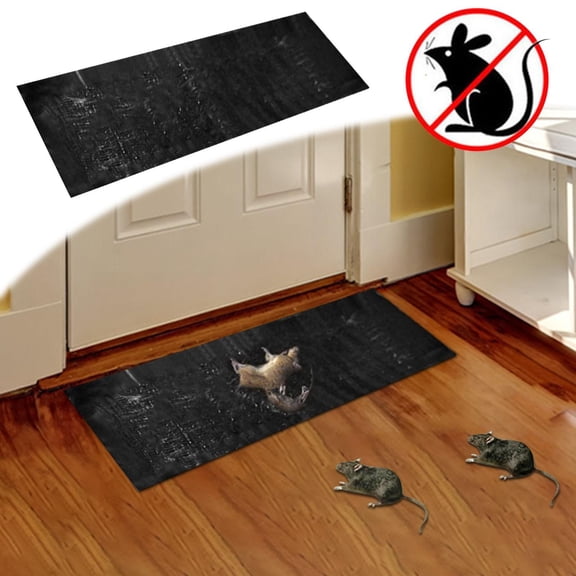
Glue traps can help you monitor activity in tight spaces, especially when you want to check travel paths. Humane mouse traps suit you if you prefer catch and release mouse traps that you can reset and reuse.
- You can choose snap traps for compact placement in kitchens, pantries, and laundry rooms.
- You can choose electric mouse traps when you want a covered chamber and touch-free disposal.
- You can choose humane mouse traps when your priority is reusable, non-lethal capture.
- You can choose sticky mouse traps when you want to identify active corners and narrow runways.
How to compare control methods and safety details
You should compare lethal, non-lethal, repellent, and poison-free options based on your household routine. You can also look for non-toxic formats, pet-aware placement designs, and child-resistant shield features.
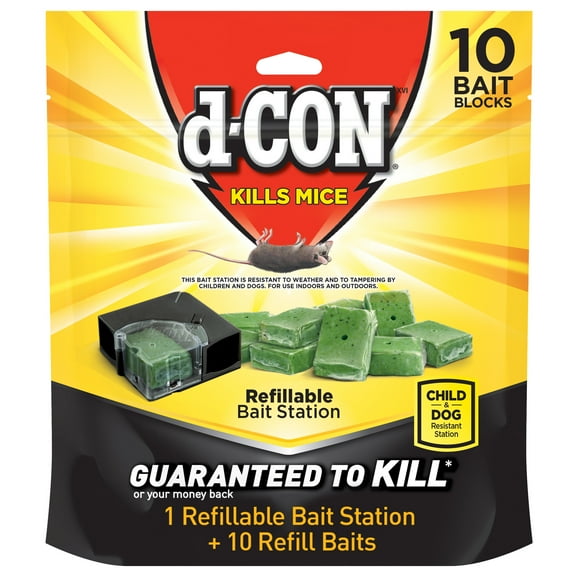
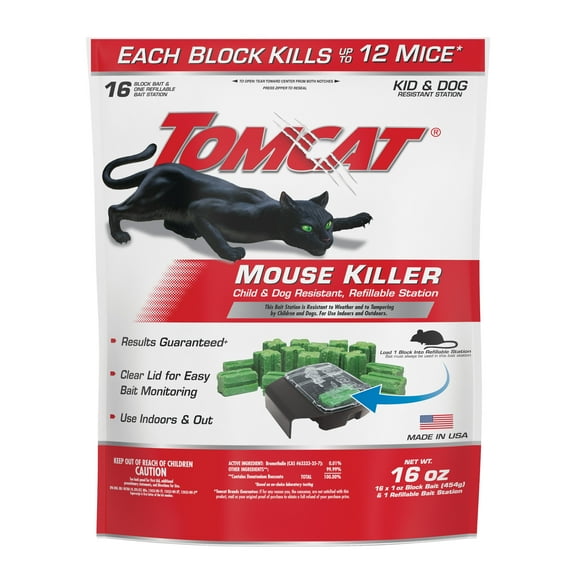
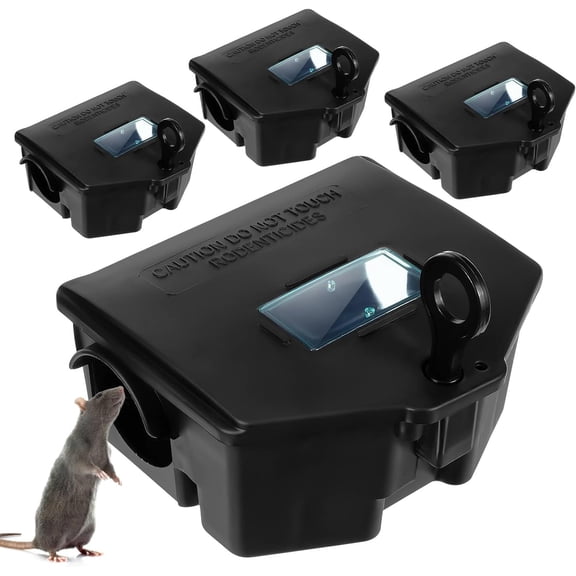
If you want poison-free mouse traps, you can focus on mechanical or electric options that avoid bait stations with rodent poison. You’ll notice these choices often support faster setup in food storage areas and utility spaces.
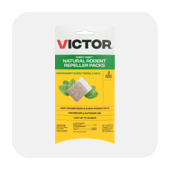
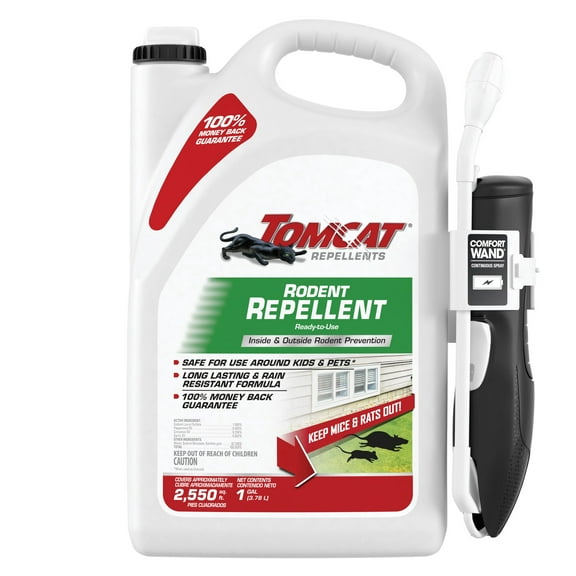
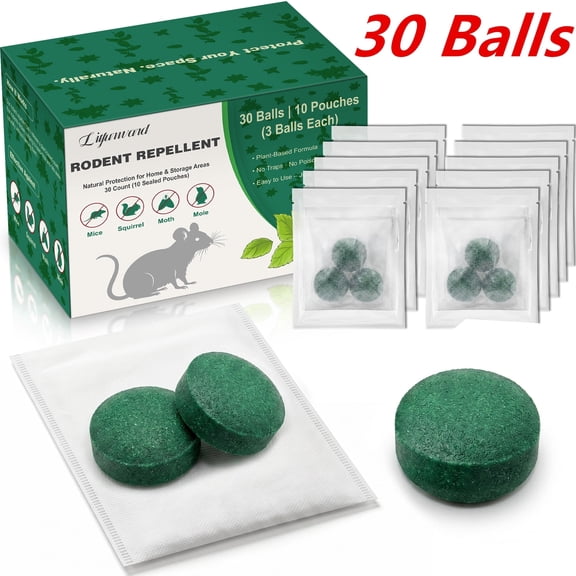
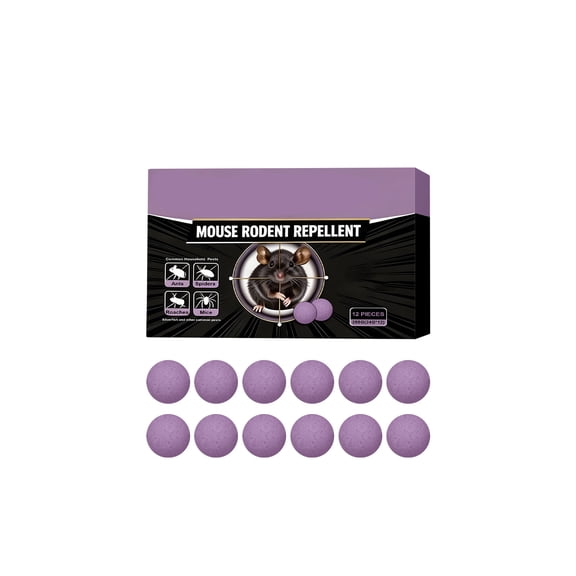
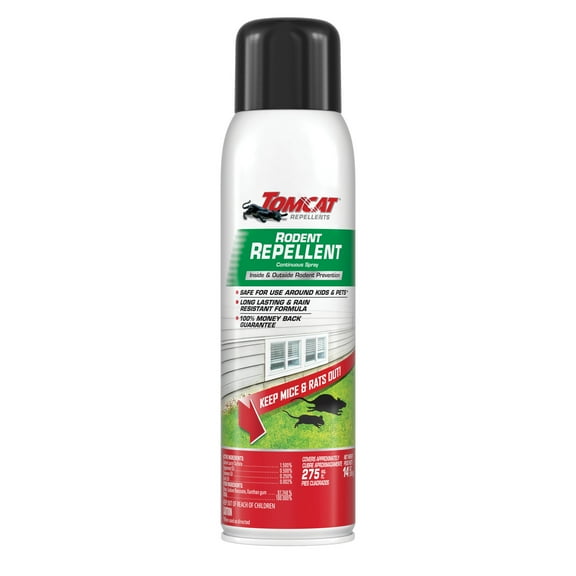
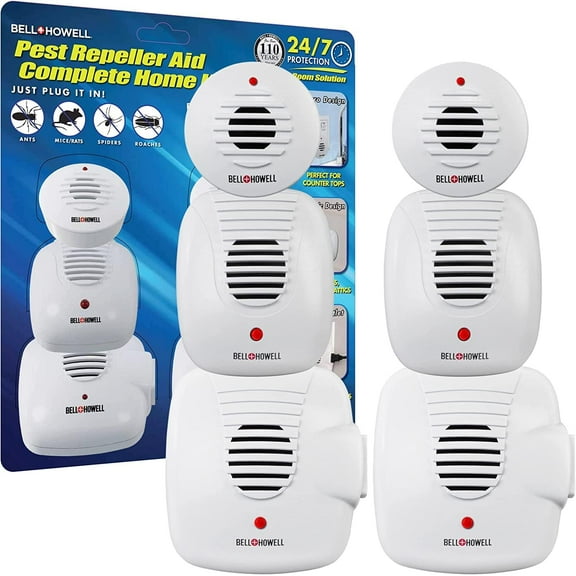
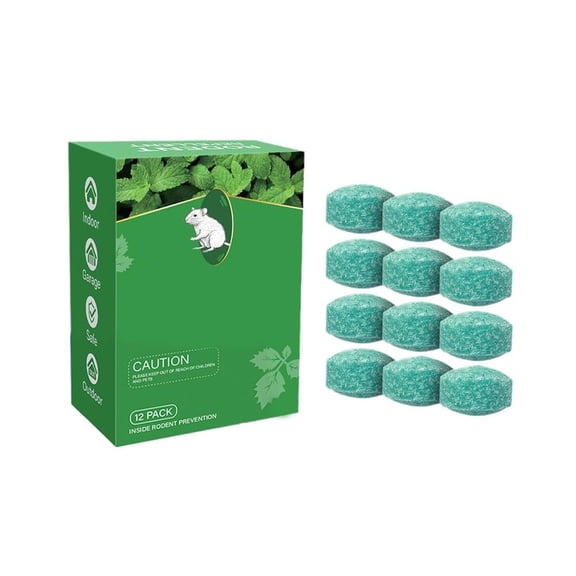
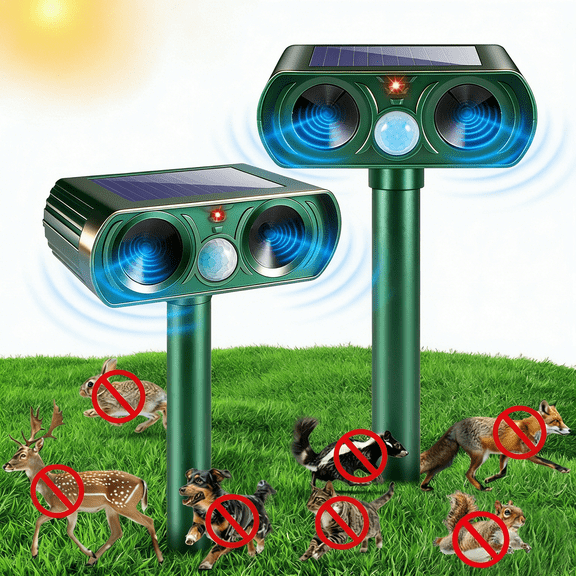
Repellent options work differently, so you should use them when you want to discourage activity rather than capture mice directly. You can pair mouse repellents with traps for house setups when you need broader coverage in entry points.
Disposal preference matters during daily use, so you should decide whether you want touch-free disposal or reusable catch-and-release handling. You may prefer enclosed chambers for less direct contact, or reusable humane designs for repeated placement.
Choosing indoor and outdoor placement
You should match your trap to the space where you’ve noticed movement, droppings, or scratching sounds. Indoor mouse traps often fit neatly along walls, while outdoor mouse traps may need sturdier housings and weather-ready materials.
For kitchens, basements, and bedrooms, you should look for compact profiles that slide beside appliances and furniture. For garages and attics, you may want larger coverage areas and easier visual checks.
Outdoor use needs extra planning, so you should check whether a trap can handle damp air, dust, and shifting temperatures. You can place weather-aware options near sheds, exterior walls, and garage doors for winter mouse control.
If you’re dealing with seasonal movement, you should increase coverage before colder weather drives rodents indoors. You can support that plan by combining indoor placements with outdoor perimeter deterrent options.
Matching pack size to the job
You should choose pack size based on how many rooms need coverage and how often you plan to reset traps. A single pack can work for light activity, while multi-pack and bulk mouse traps fit broader placement plans.
For a standard home, you may place several traps along shared walls, behind appliances, and near pantry corners. If you’re covering a garage, attic, and basement together, you’ll usually want more than one or two traps.
Multi-pack options help you create a consistent layout across frequent travel paths. Bulk quantities make sense when you’re managing several zones, replacing traps often, or keeping extras ready for seasonal use.
What to look for in humane mouse traps and repellents
You should compare humane mouse traps by entry style, reset process, and how easily you can release captured mice. A reusable design can help you keep a steady routine in attics, garages, and storage spaces.
If you want a low-contact setup, you should check how the door closes and how the trap opens for release. You can also compare clear housings or viewing windows when you want quick visual confirmation.
Mouse repellents can support your plan when you want added coverage around gaps, doors, and storage areas. You should treat them as one part of a broader setup that includes placement, monitoring, and the right trap mechanism.
Mouse traps for house setups with cleaner routines
You can build a more organized setup when you match trap style to the room and your cleanup preference. Electric models support enclosed capture, while reusable humane models support repeat use without frequent replacement.
When you compare mouse traps for house layouts, you should measure narrow spaces and check likely travel routes first. That approach helps you place traps with fewer adjustments and more consistent coverage.
You’ll feel more confident when your mouse control plan fits your space, disposal preference, and placement needs. With the right mix of trap types and quantities, you can create steadier coverage throughout your home.