


Find auto parts that fit
Let’s search for parts that fit your vehicle.Motorcycle Shift Levers & Gear Pedals | Walmart

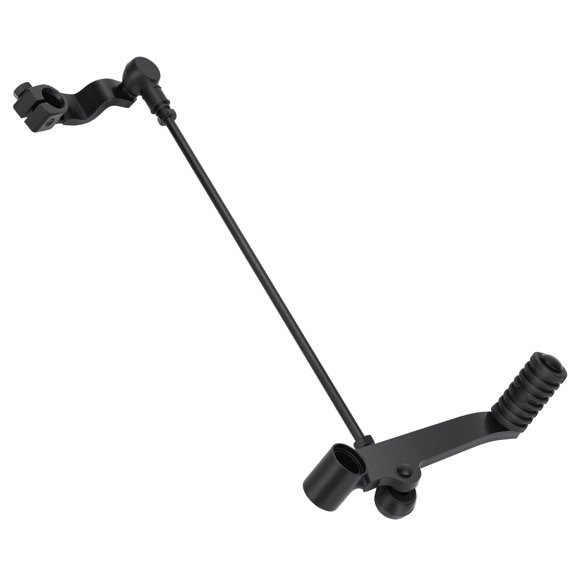
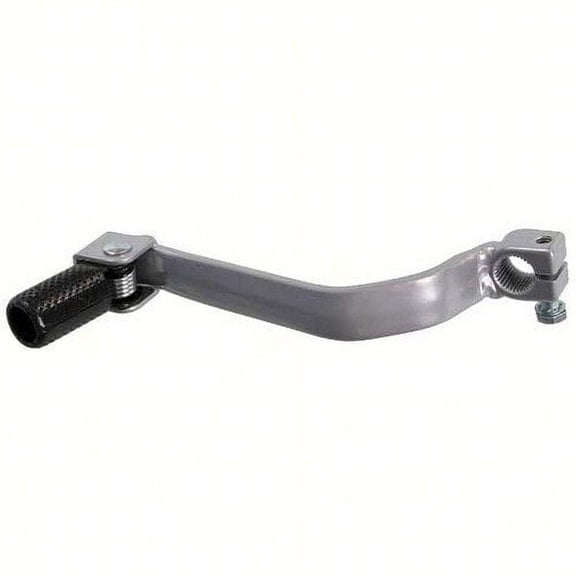

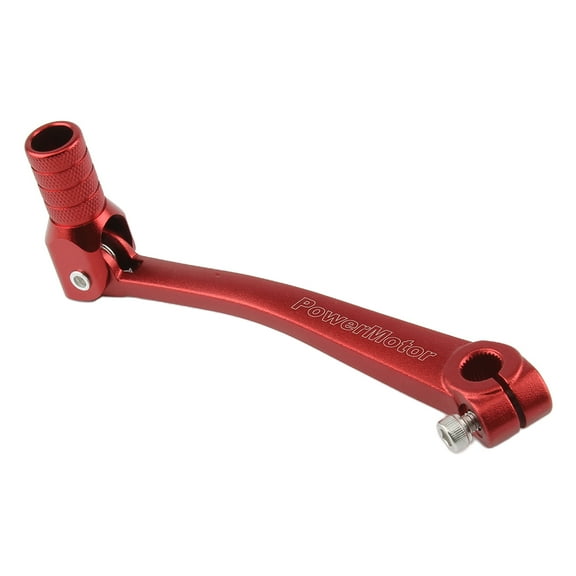
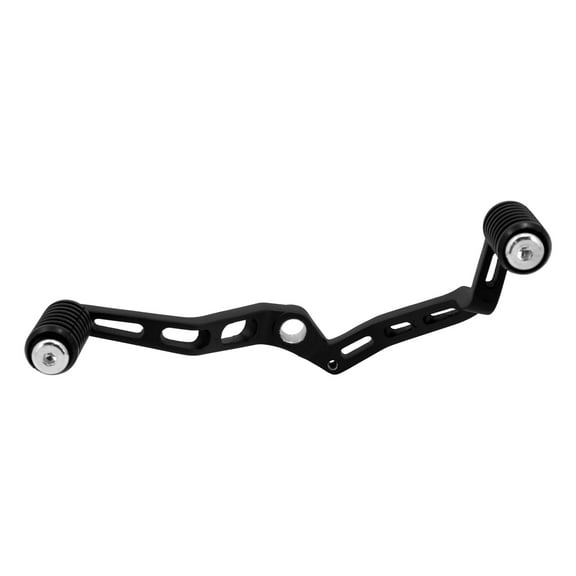


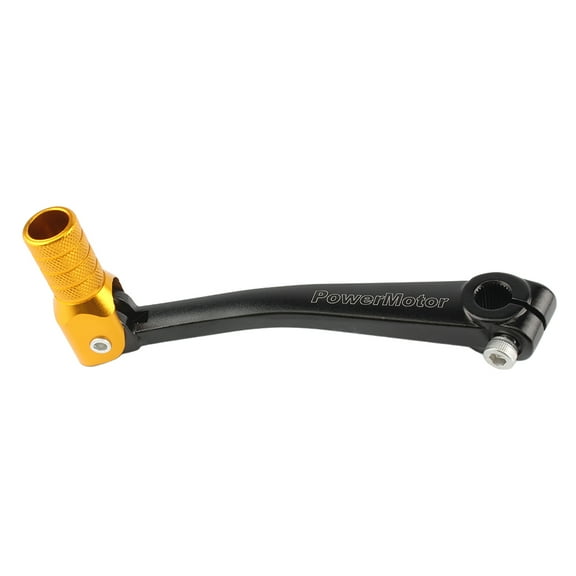
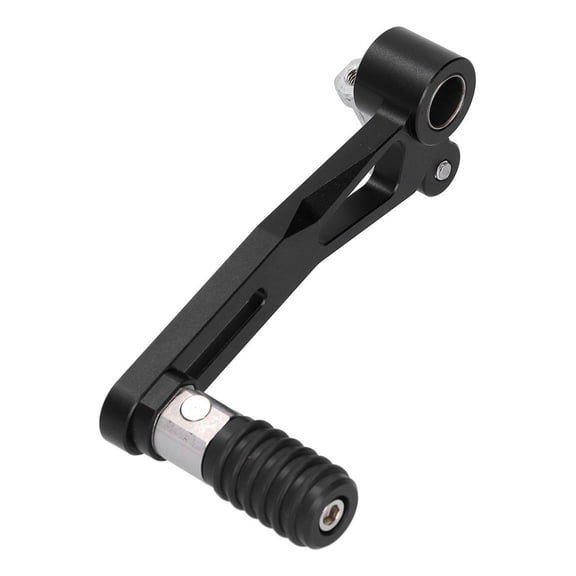
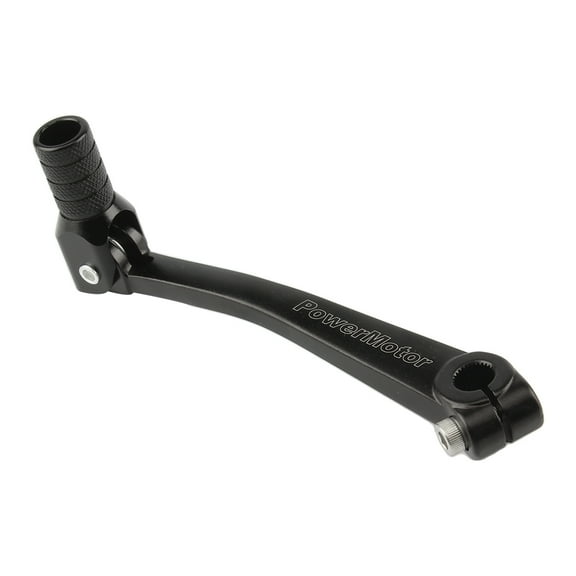
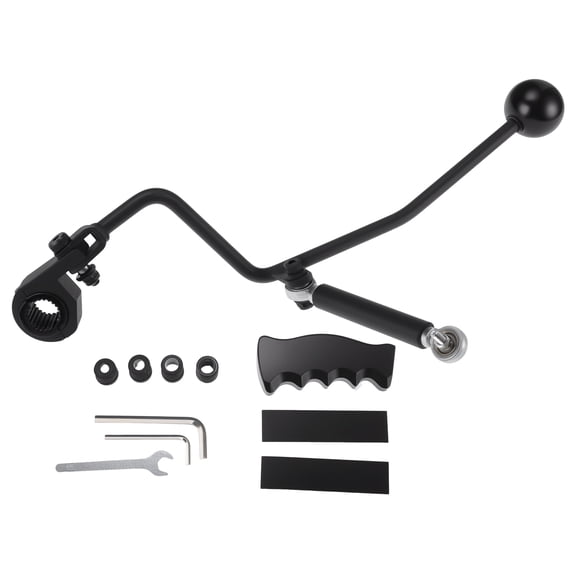

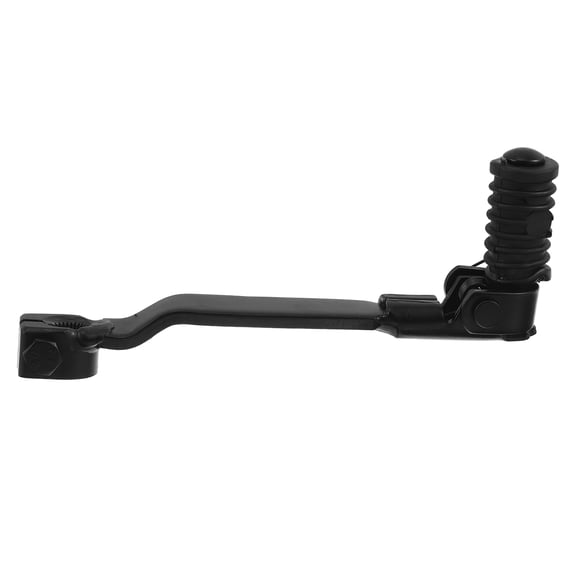

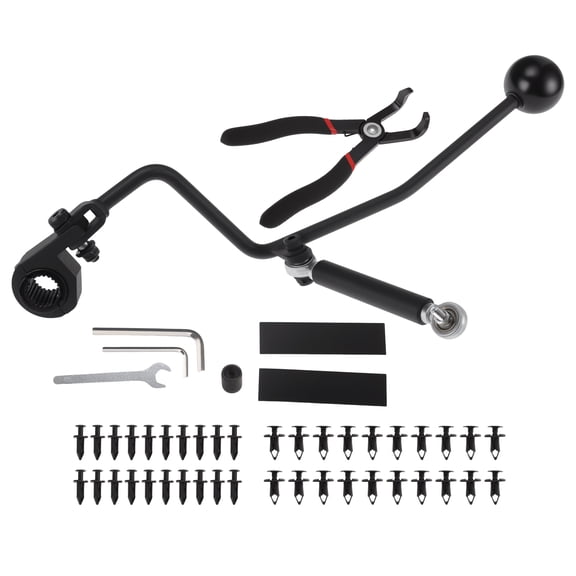
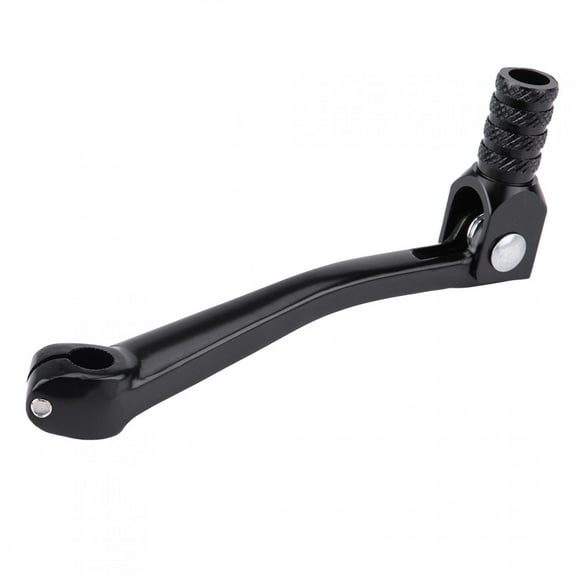


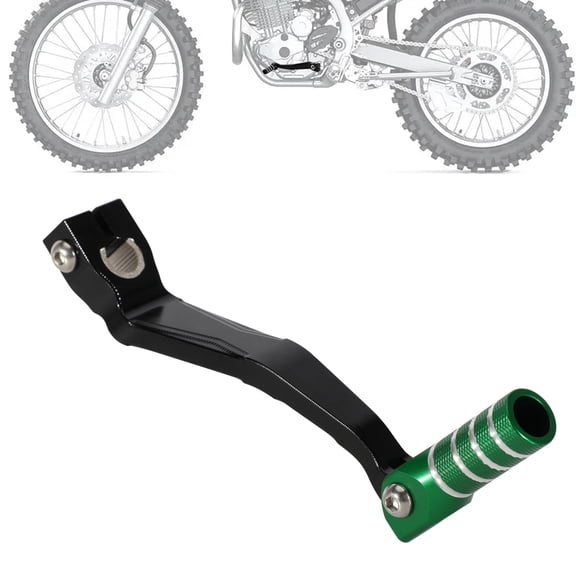
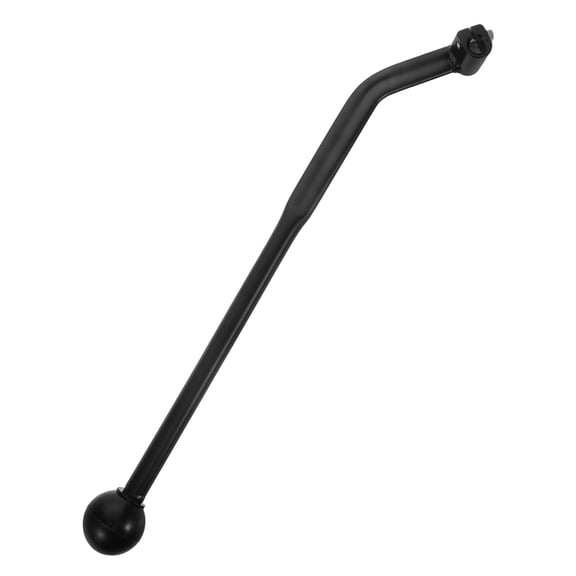


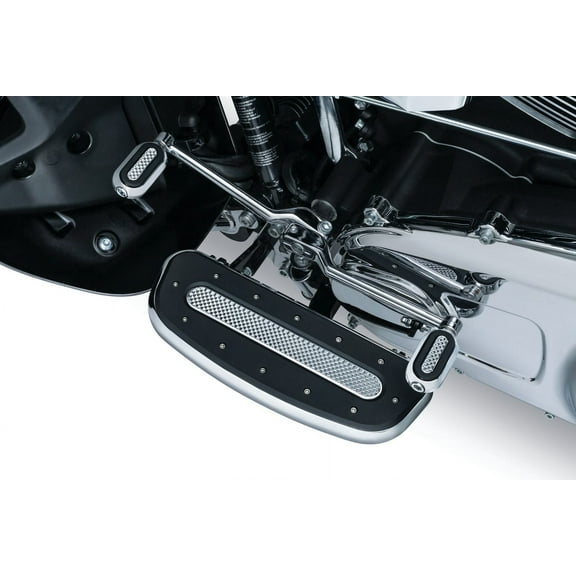


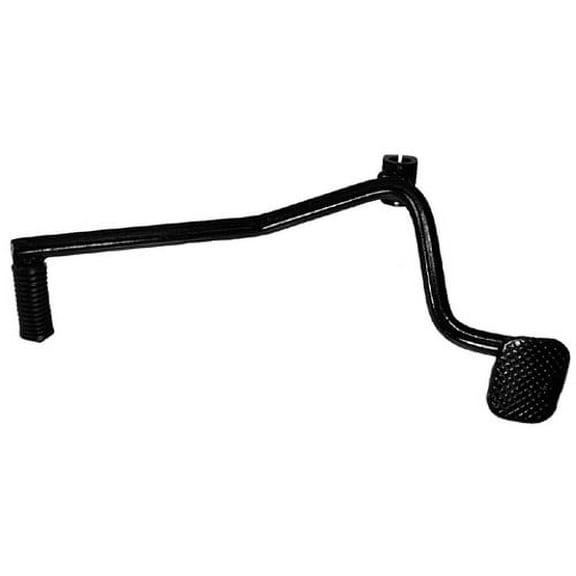
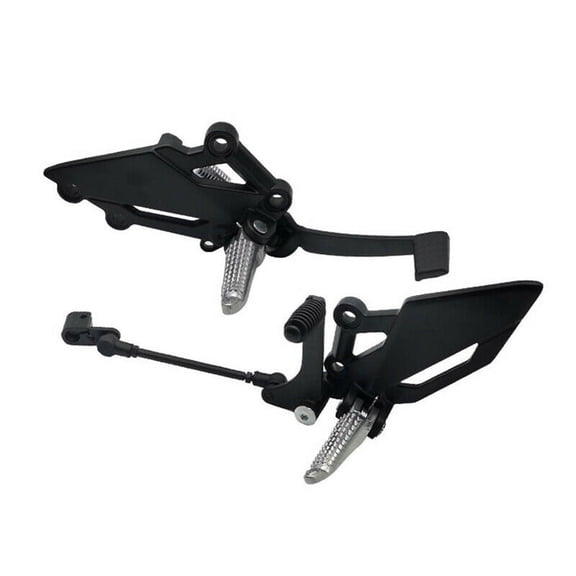
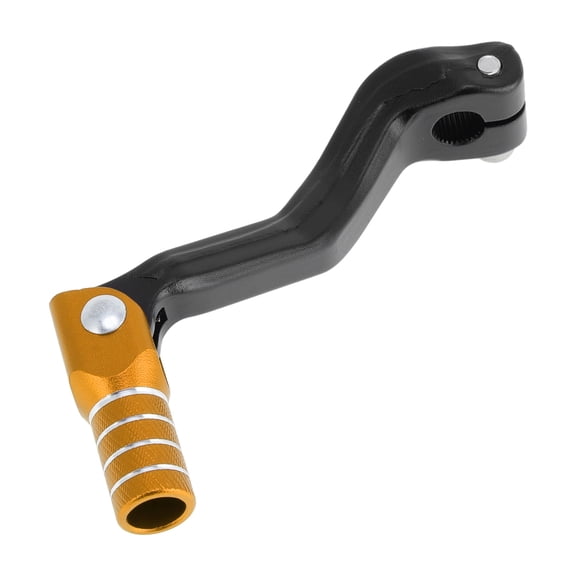


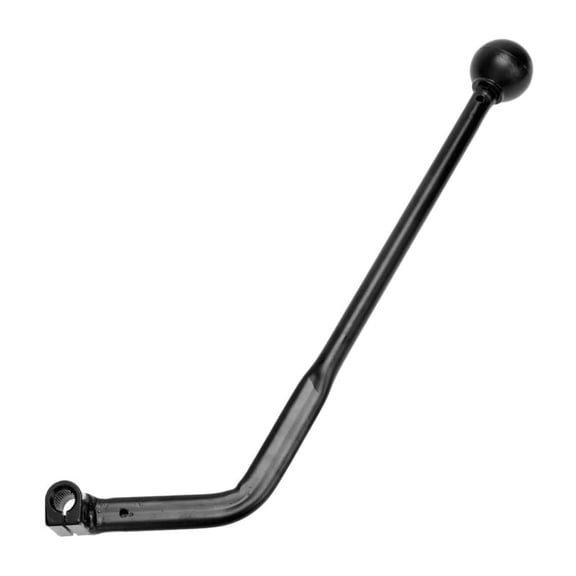
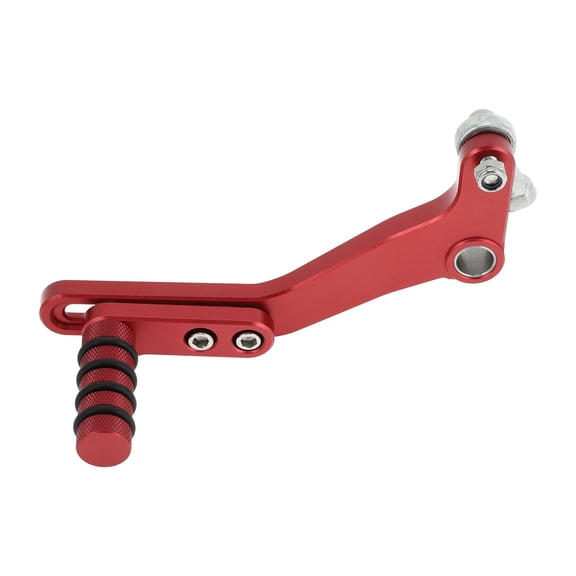


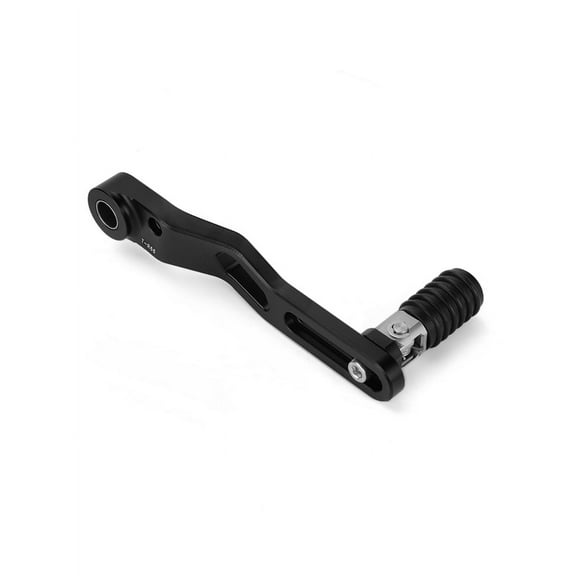

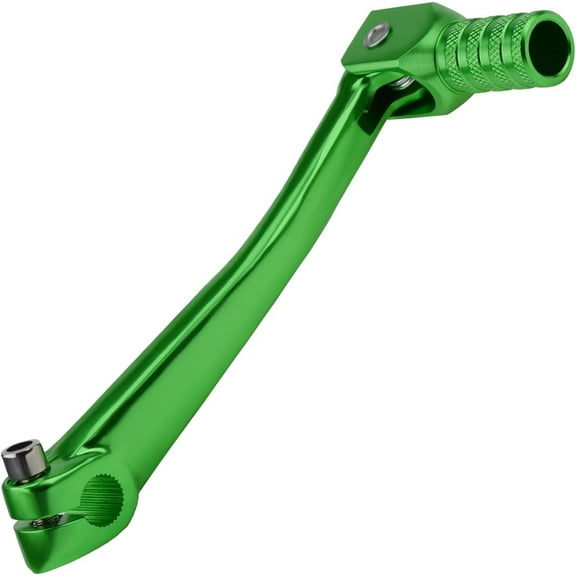


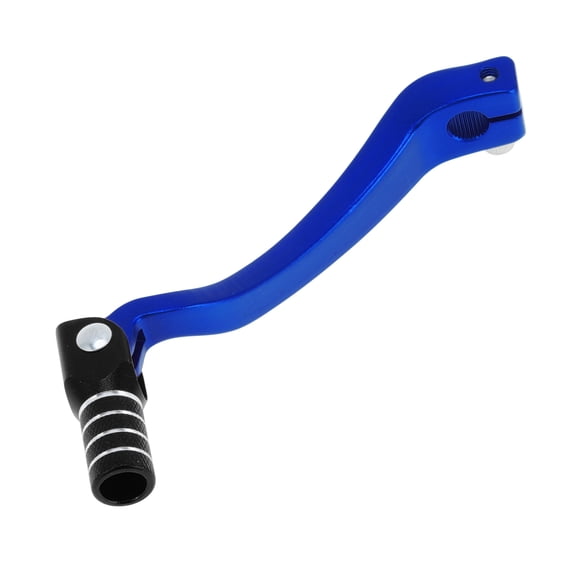


About Motorcycle Shift Levers & Gear Pedals | Walmart - Walmart.com
When you need motorcycle shift levers, you can compare fitment, materials, and tip design before you replace a worn control. You’ll want a lever that matches your bike’s shift shaft, your riding style, and the feel you expect at every gear change.
You’re not just choosing a small motorcycle part. You’re choosing the control your boot touches on every ride, so your selection affects reach, comfort, and how naturally your foot finds each shift.
How to choose motorcycle shift levers
You should start with vehicle compatibility because spline count, shaft diameter, and make, model, and year all matter. You’ll avoid guesswork when you compare those details before you install a replacement.
You may also compare a model-specific part with a universal motorcycle shift lever. You’ll usually want direct OEM replacement fit when you want familiar positioning and a simple match process.
If you’re considering a universal fit option, you should check adjustment range and mounting style closely. You’ll get a smooth install experience when the lever aligns correctly with your bike’s shaft.
Key benefits you should expect
You’ll notice the right lever improves foot placement during upshifts and downshifts. Your boot can find the peg quickly when the length, angle, and tip style match your riding position.
You can also refresh a worn or bent control without replacing a larger assembly. Your replacement can restore a clean shifting feel when the original pedal shows wear around the peg or mount.
You may want a part that suits commuting, weekend rides, or vintage bike repairs. Your choice can support a natural riding posture when you match the lever shape to your bike setup.
- You can improve shift feel by matching spline count and shaft diameter.
- You can choose lightweight or heavy-duty materials based on your riding priorities.
- You can select a folding, rigid, or rubber-coated tip for different boot contact.
- You can compare universal and direct replacement options for straightforward fitment planning.
You’ll also find that the right component type changes how the control feels underfoot. Your options may include a motorcycle gear lever, a gear pedal, or a shifter peg style setup.
Because this part sits low and sees frequent contact, you should pay attention to finish and construction. You’ll appreciate a lever that holds its shape and keeps a steady feel across regular use.
Choosing material and component type
You should compare aluminum, steel, alloy, and carbon fiber as practical decisions, not just labels. You’ll usually prefer aluminum when you want a lightweight feel and steel when you want added toughness.
You may choose alloy when you want a balanced mix of weight and durability. You can consider carbon fiber styling elements when you want a distinct look for a custom build.
If you’re replacing a motorcycle shift pedal after visible wear, material choice becomes part of your everyday feel. Your boot may notice differences in lever weight, stiffness, and surface finish during repeated shifts.
You should also compare the component type listed on the page. You’ll see that a shift pedal for motorcycles may refer to the full lever, while a shifter peg may describe only the contact point.
When you read product details, you should confirm what’s included in the package. You’ll avoid ordering the wrong motorcycle parts when you verify whether you’re getting the complete lever or a smaller replacement piece.
Comparing tip design and riding use
You should think about tip design based on where and how you ride. You’ll often prefer a folding tip when you want a part that can move on impact instead of staying fixed.
A rigid tip may suit you when you want a direct, firm feel under your boot. You might like a rubber-coated tip when you want added grip and a slightly cushioned contact point.
If you ride on uneven ground or store your bike in tight spaces, a folding motorcycle foot shifter can make practical sense. You’ll reduce the chance of a fixed tip catching awkwardly during everyday handling.
You can also compare lever length and toe reach for your boots. Your riding position may feel natural when the pedal sits at a comfortable height and distance.
For commuting, you may want a shift lever motorcycle replacement that feels familiar right away. For custom builds, you may prefer a gear shifter motorbike style with a different finish or profile.
If you’re updating a vintage bike, you should check whether a shift pedal motorcycle listing includes hardware. You’ll move through installation quickly when the mounting details match your existing setup.
What to check before installation
You should verify spline count first because that connection point determines whether the lever mounts correctly. Your measurement of shaft diameter also helps confirm a clean fit before you begin.
You’ll want to review make, model, and year notes alongside photos and dimensions. Your replacement process becomes straightforward when the bend, offset, and peg position resemble your current lever.
If you’re comparing a motorcycle gear lever for a daily rider, you should focus on fit and boot comfort. If you’re refreshing a custom bike, you may give extra weight to finish, material, and tip style.
You can feel more confident when you use category details as a checklist instead of guessing from appearance alone. Your final choice is highly likely to fit cleanly, shift smoothly, and restore familiar control.