

Mojo in Shop Hunting Brands












About Mojo in Shop Hunting Brands - Walmart.com
Mojo decoys help you bring visible motion into your spread, and you can compare decoy type, species focus, and power options with clear direction. If you hunt waterfowl, doves, predators, or turkey, you’ll find choices that match your terrain, your setup time, and your preferred motion style.
How to choose mojo decoys
Start with decoy type, because your hunting conditions shape what motion makes sense in the field. When you compare spinning wing, motorized motion, wind-driven, and floating styles, you narrow the field faster.
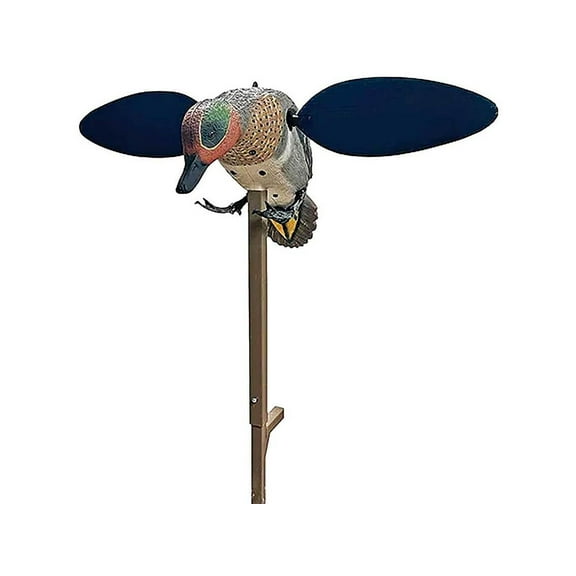
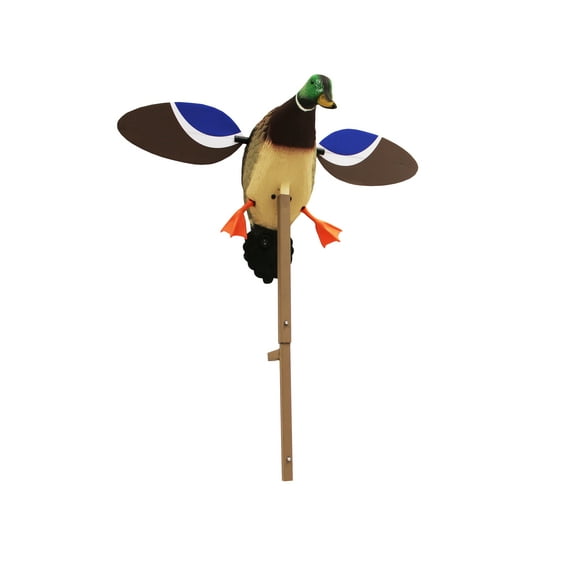
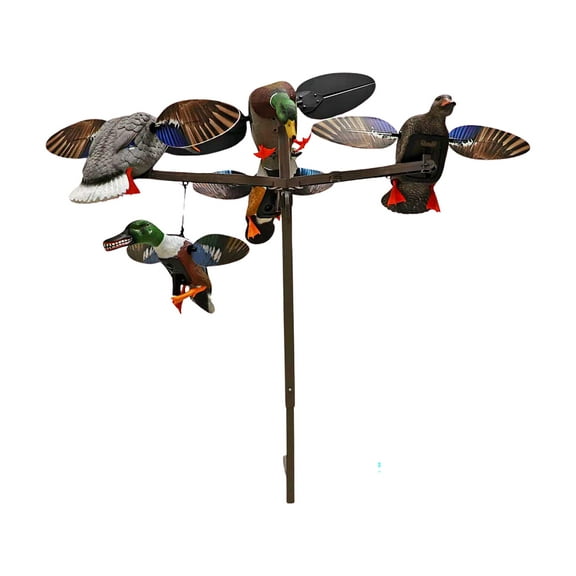
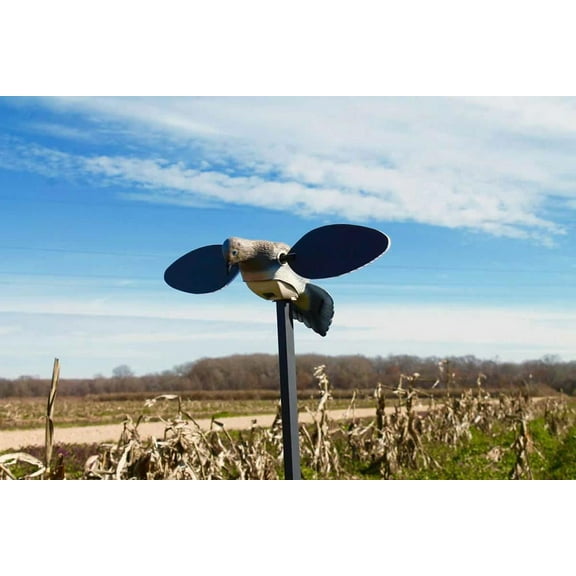
Spinning wing decoys give your spread flash that stands out over open water, flooded timber, and cut fields. If you want motion during calm weather, motorized designs keep action consistent without waiting on wind.
Wind-driven options fit hunters who prefer simpler gear and natural movement from changing breezes. Floating styles make more sense when your setup sits on deeper water and a stake mount feels less practical.
Choosing between mojo duck decoys and other species
Your target species should guide your next step, because body shape, paint pattern, and wing motion vary by hunt. When you sort by mallard, teal, dove, predator, or turkey profiles, your spread looks more intentional.
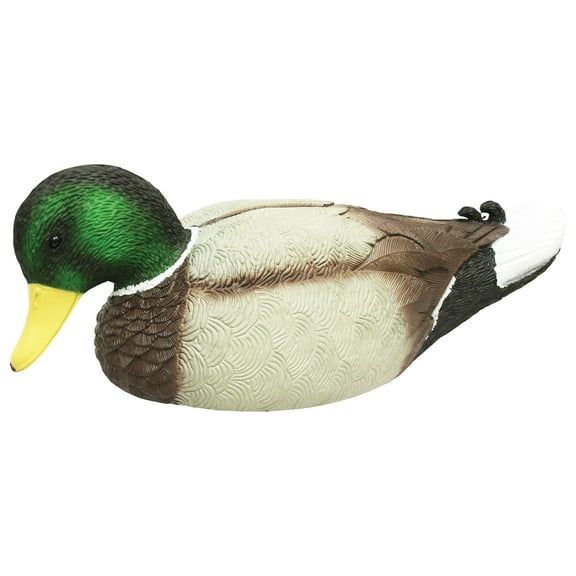
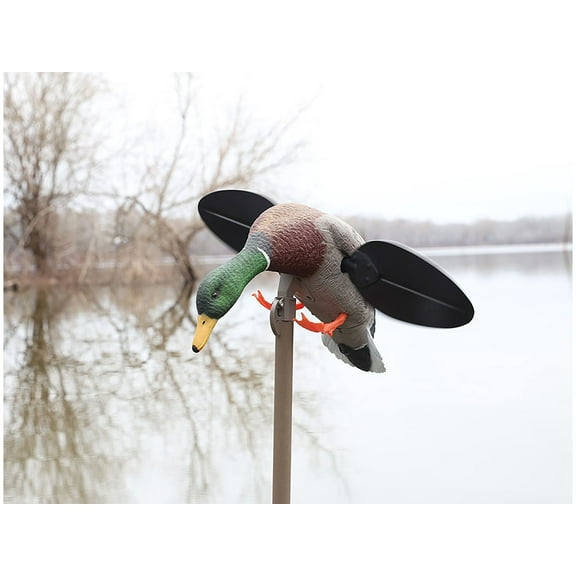
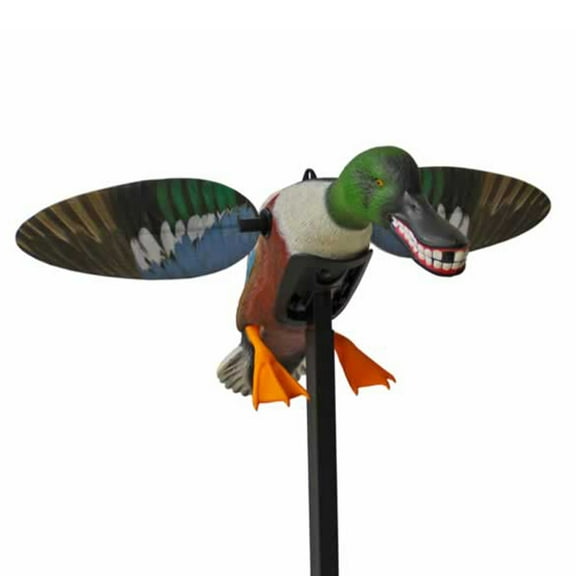
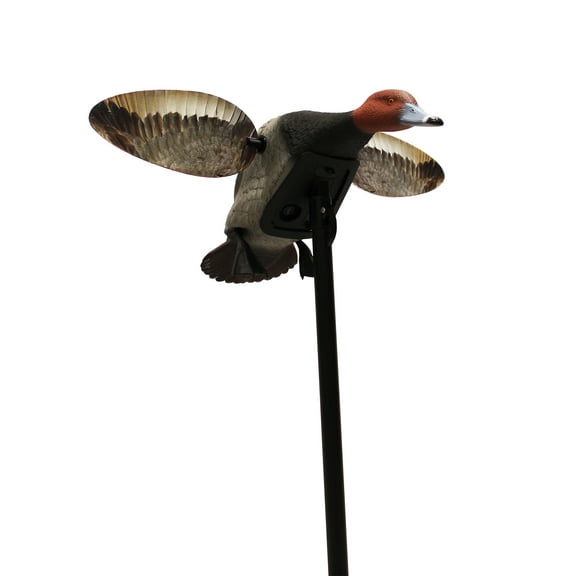
Mojo duck decoys work well when you build classic marsh, pond, and timber spreads around familiar duck profiles. If mallards are your focus, a mojo mallard style supports the look many hunters want in puddle duck setups.
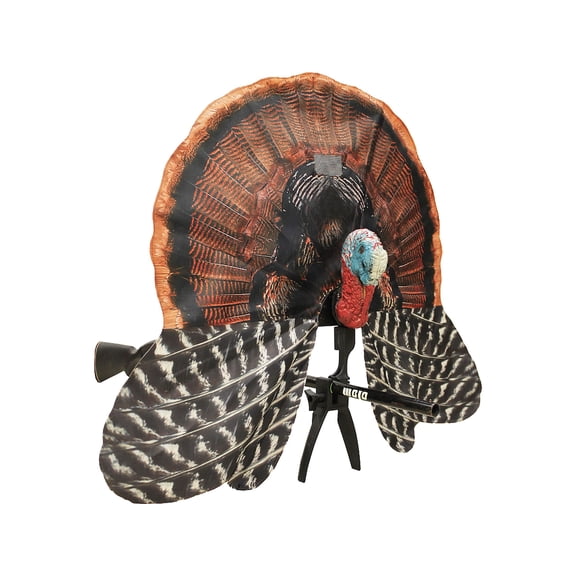
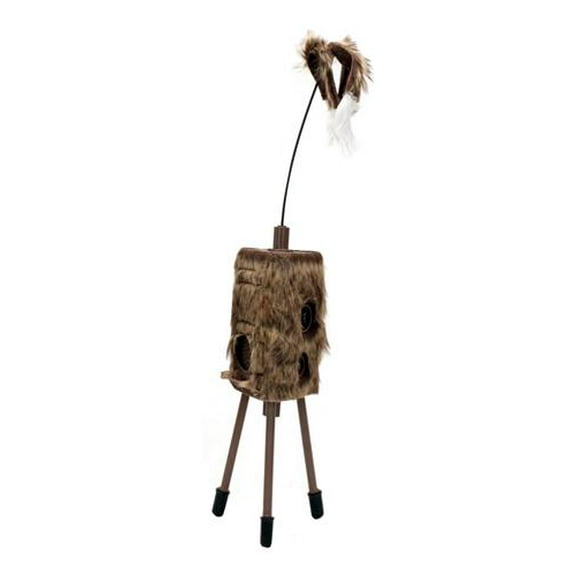
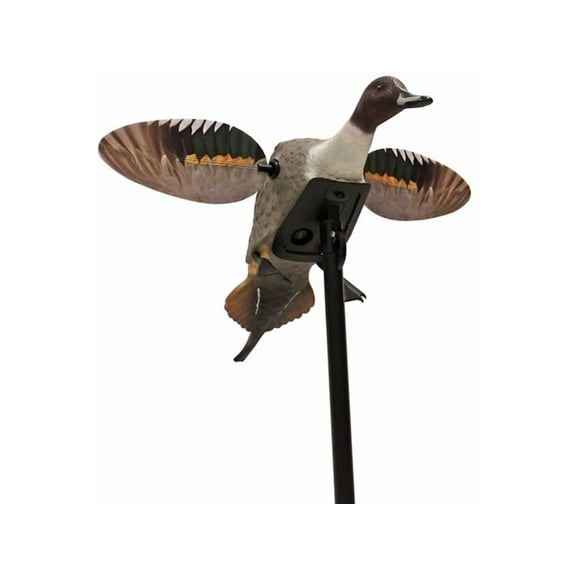
Teal decoys bring a smaller profile that can better match early-season mixes and tighter landing zones. Dove, predator, and turkey options fit very different calling and placement strategies, so species matching matters here.
- Your spread can look more realistic when your species profile matches your target birds.
- Your setup can stay simpler when your motion style matches your water, wind, or field conditions.
- Your pack can feel more organized when your power source matches your hunt length.
- Your placement can improve when your mount fits shallow water, deep water, or dry ground.
What to look for in mojo motion decoys
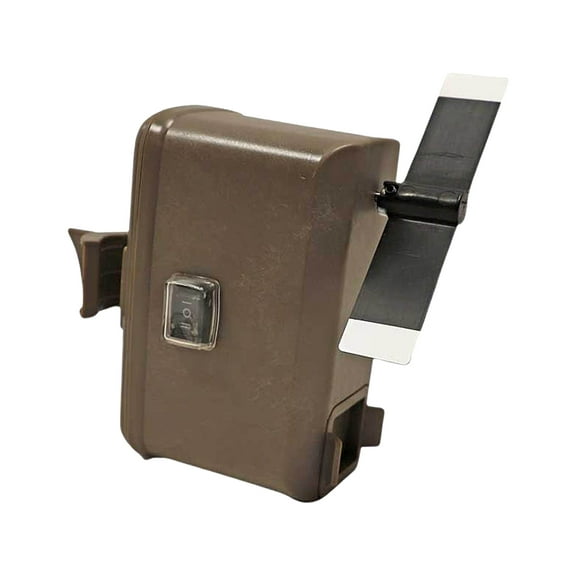
Power source matters because it affects runtime, pack weight, and how often you stop to swap batteries. When you compare mojo motion decoys, look at rechargeable 6V battery models, AA battery models, and wind-powered designs.
A 6-volt rechargeable setup usually fits longer sits when you want fewer battery changes during the morning. AA battery models can feel more convenient if you prefer easy replacements from the gear you already carry.
Remote control compatibility deserves a close look when you run more than one decoy in a spread. Check whether your receiver plug type matches your unit and whether multi-decoy pairing fits your hunting routine.
Wing attachment also changes how quickly you set up in low light and rough weather. Magnetic wings can speed assembly, while thumbscrew styles may suit hunters who prefer a familiar attachment method.
Paint finish and body detail help your spread keep a consistent look through mud, spray, and repeated transport. Look for feather pattern detail, natural posture, and visible wing flash that suits your target species.
Choosing mounting style for water depth and terrain
Mounting style affects where you place a decoy and how stable it stays once you’re set. When you compare support pole, magnetic wing assembly, and floating stand options, think about bottom depth and cover height.
A support pole fits shallow water, field edges, and shorelines where the ground gives you a solid hold. Pole length matters because you want your decoy visible above stubble, grass, or marsh cover.
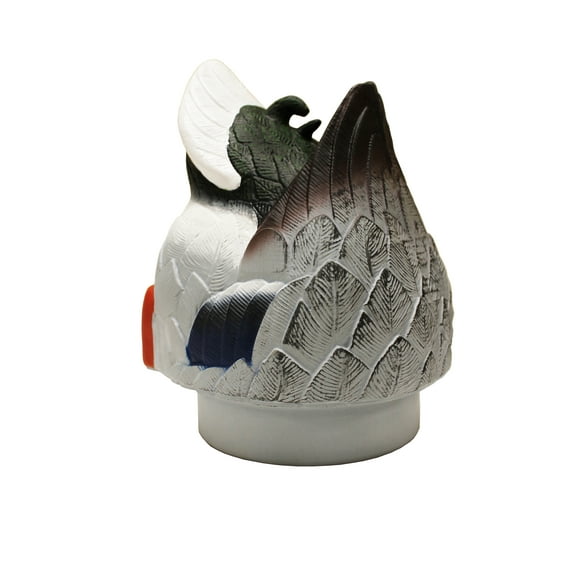
A floating stand works better when your pond hole runs deeper or the bottom feels too soft for staking. If your water level shifts through the season, floating motion can give you more flexible placement.
Magnetic wings don’t replace the mount, but they can make transport and setup easier before daylight. Fewer loose parts can help your gear stay organized when you move between blinds and launch points.
How mojo decoys fit real hunting setups
If you hunt flooded timber, a mallard-focused motion decoy with a shallow-water mount fits the cover well. That combination gives your spread visible wing flash without forcing a major change to your usual layout.
In open marsh or on larger water, spinning wing decoys can stay easier to spot from a distance. If depth changes often, a floating option helps you keep motion where fixed stakes won’t cooperate.
Field hunters often need motion that rises above stubble and stays quick to assemble before first light. A support pole with magnetic wings can make transport easier and cut setup steps in the dark.
When you run several units, remote pairing becomes more than a convenience during active hunts. Matching receiver compatibility lets you control motion across the spread without walking out to each decoy.
Wind-driven styles fit breezy days when you want natural motion with fewer powered parts in your bag. On calm mornings, motorized designs keep movement steady and help your spread avoid a flat look.
When you compare decoy type, species profile, battery format, and mounting style together, your choices become clearer. That approach helps you build a hunting setup that matches your water depth, your cover, and your target game.
Mojo decoys give you a practical way to sort motion, power, and mounting decisions before the season starts. With the right combination, you can head out with a spread that feels organized, realistic, and easier to run.