

Millwork in Building Materials































About Millwork in Building Materials - Walmart.com
Your millwork store can help you compare moulding, trim, and decorative details with clarity. You can use this guide to choose materials, finishes, and profiles for your renovation or build.
When you shop millwork, you may match existing architecture or create a finished look from raw spaces. You can compare options for walls, ceilings, interior rooms, and exterior accents that feel cohesive.
How to choose a millwork store for your project
You can get more from a millwork store when you compare product type, material, application, and finish together. Your choices may narrow faster when each detail fits your room style and installation plan.
Unlike general décor, millwork can change sight lines, edge transitions, and architectural depth throughout your space. You may notice crown profiles, corbel projection, and ceiling medallion diameter before you install.
- You can define doors, windows, ceilings, and walls with moulding and trim for cleaner visual lines.
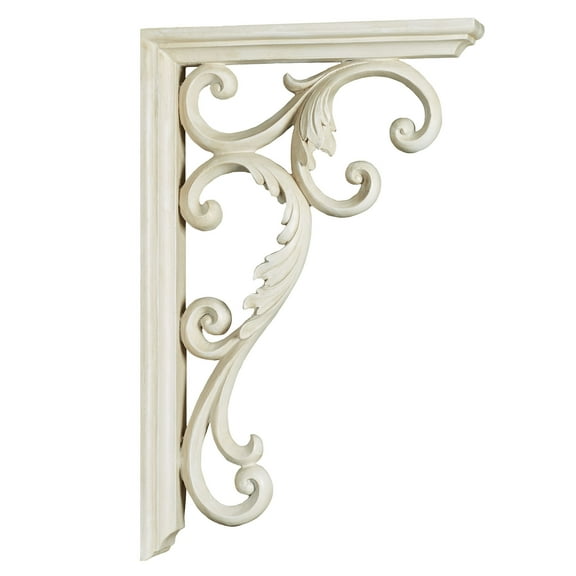
- You can choose brackets and corbels that add structure-inspired detail under shelves, counters, and overhangs.
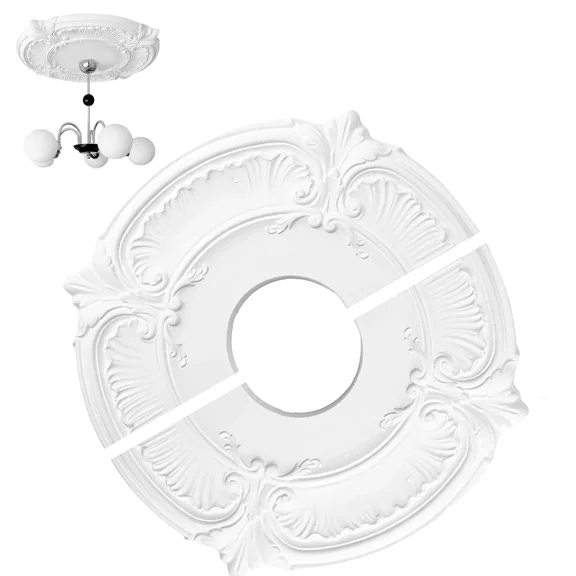
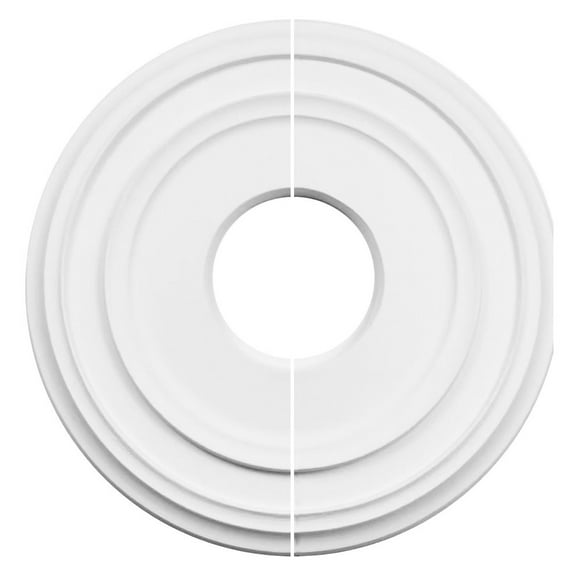
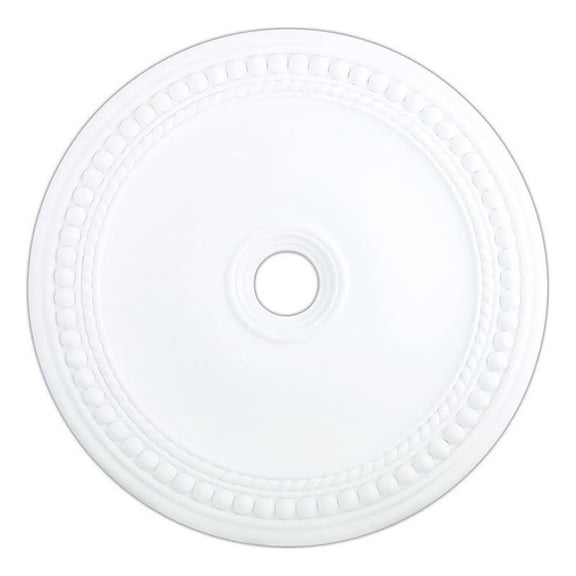
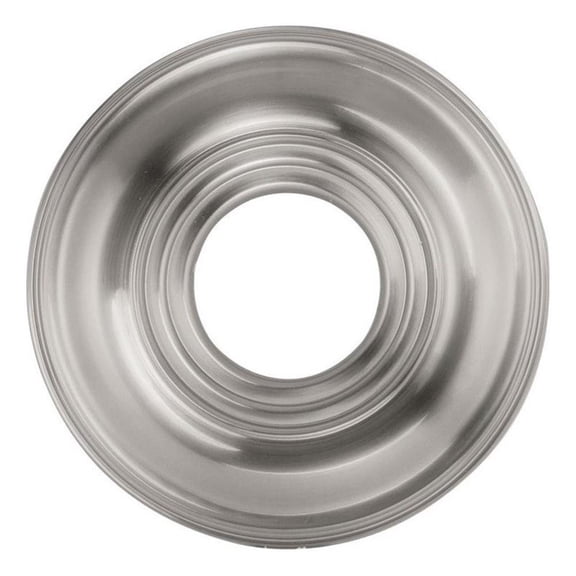
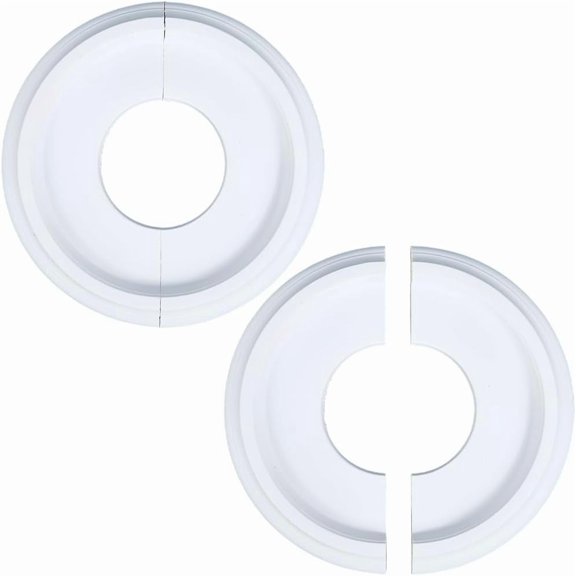
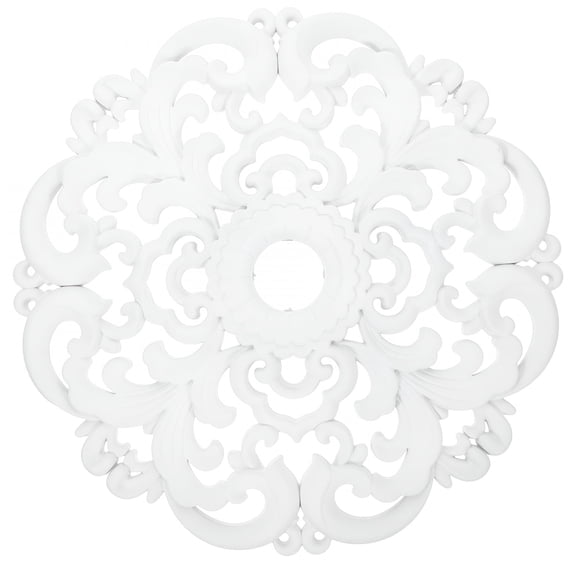
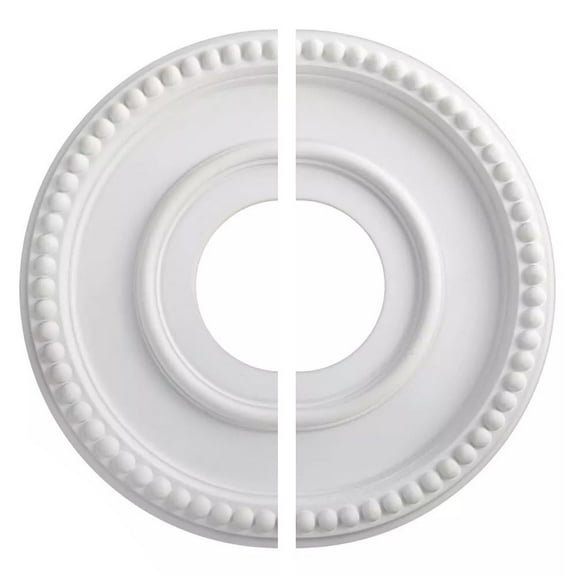
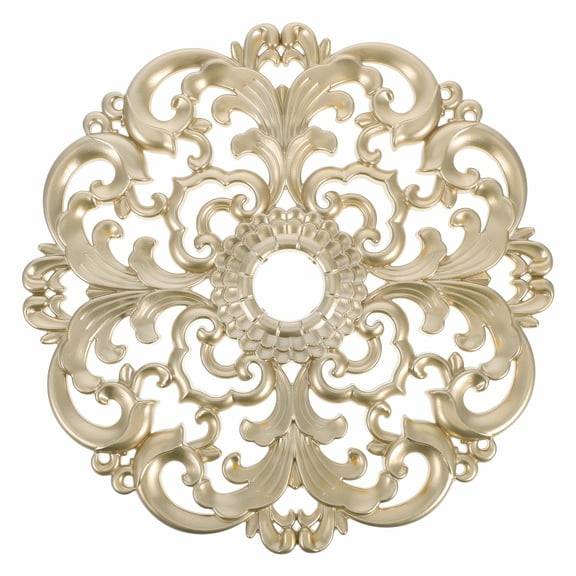
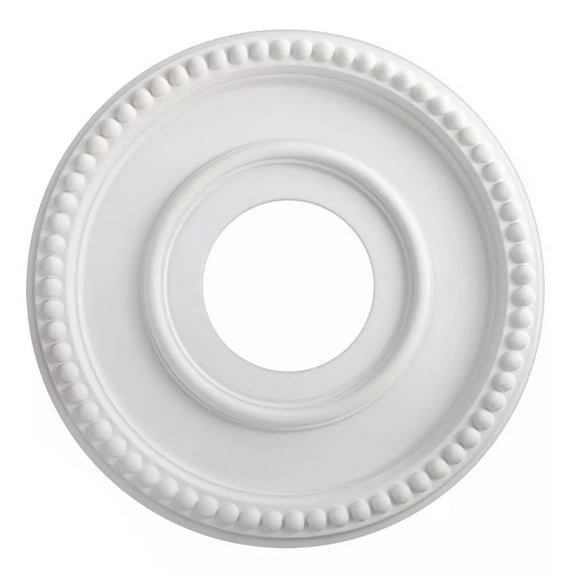
- You can use ceiling medallions to frame light fixtures and add a finished focal point overhead.
- You can compare unfinished, primed, pre-painted, and stained options based on your project timeline.
Choosing the right material in your millwork store
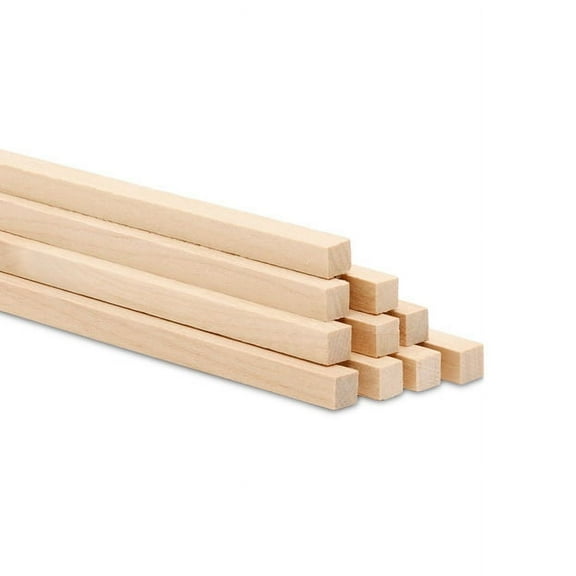
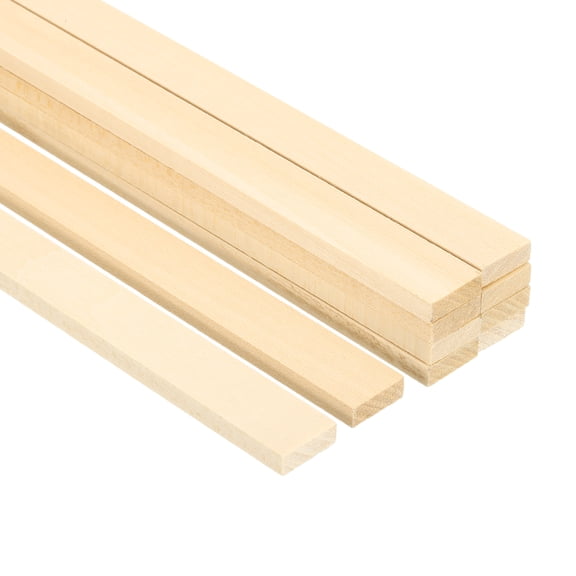
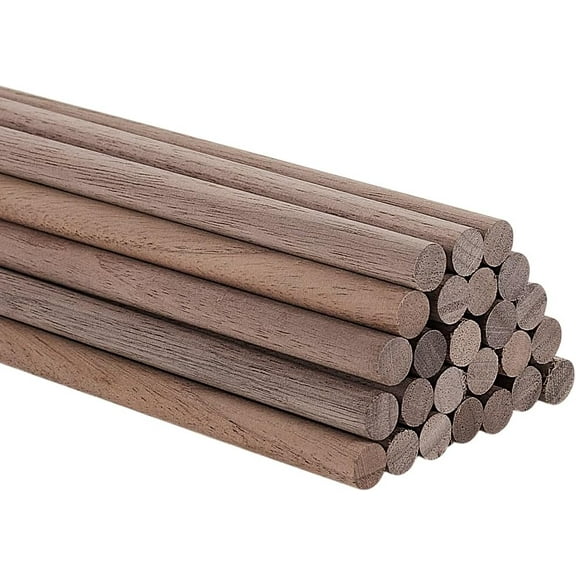
You should start with material because it affects moisture exposure, weight, and finishing steps. You can compare wood, polyurethane, PVC, and MDF based on where each piece goes.
If you want natural grain and stain flexibility, you may prefer wood for visible architectural detail. You should check sealing and maintenance when your home has seasonal humidity changes.
If you want lighter decorative pieces, you may consider polyurethane for medallions, corbels, and ornate profiles. You can often handle these pieces more easily on ceilings or tall walls.
When your project faces moisture or weather exposure, you should compare PVC for exterior trim areas. You can confirm the application first, because exterior placement needs stable material and paint-ready surfaces.
If you need smooth painted surfaces indoors, you may look at MDF for consistent edges and profiles. You should keep MDF in interior spaces where a uniform finish is key.
You may also see centre millwork styles that emphasize coordinated trim families across a room. You can use matching profiles to keep casings, baseboards, and accents visually connected.
Comparing product type, size, and profile
You should choose product type based on the architectural job each piece supports. You can use moulding for transitions, trim for borders, corbels for decorative support looks, and medallions for ceiling centers.
Before you order, you should measure exact length, depth, and projection where each piece sits. You can reduce mismatched lines when new trim matches the reveal and thickness nearby.
Profile shape matters because you may see every curve and edge after paint or stain. You can compare simple profiles for modern rooms and detailed cuts for traditional interiors.
If you’re replacing one damaged section, you should look for close profile matching across adjacent runs. You can bring measurements and visual notes from existing trim to reduce guesswork.
You should also check whether your project needs full-room continuity or one accent element. You can make stronger design choices when brackets, corbels, and medallions fit ceiling height and wall width.
Choosing application and finish for easier installation
You should match millwork products to interior or exterior use before you pick color. You can also keep wall or ceiling placement in mind, because weight and attachment methods differ.
For some light pieces, you may use adhesive as part of your installation plan. For longer trim runs or heavier details, you can check whether nails or other fasteners fit your surface.
You should read finish status carefully because unfinished, primed, pre-painted, and stained options change your prep work. You can pick unfinished for color control or primed for a paint-ready starting point.
If you’re coordinating with existing wood tones, you may lean toward stained looks or stain-ready surfaces. If you want a crisp uniform appearance, you can choose pre-painted or primed pieces.
You can use interior millwork to sharpen room transitions around doors, ceilings, and feature walls. You can use exterior-ready selections where weather-facing trim needs the right material and finish.
Matching millwork choices to real projects
If you’re updating a living room, you might pair crown moulding with smooth MDF or wood trim. You can create a more finished ceiling line and a stronger connection overhead.
When you’re refreshing an entryway, you may use brackets or corbels around shelves or counters. You can add architectural character without changing the full layout of your room.
If you’re finishing a dining area or foyer light fixture, you may choose a ceiling medallion with the right diameter. You should frame the fixture without overpowering your ceiling.
For exterior accents, you should compare PVC or other moisture-conscious materials before selecting a finish. You can match trim zones, porch details, and weather-exposed architectural edges more accurately.
When your project involves repairs, you should match projection, profile, and finish as closely as possible. You can help replacement sections blend more naturally with surrounding trim and moulding.
If you’re planning a full remodel, you can compare coordinated millwork products across several rooms at once. You can build a cleaner visual story when casings, baseboards, corbels, and medallions share design cues.
You can feel more confident when your millwork choices match material needs, profile measurements, and installation plans. Your finished space may look more intentional when each trim detail fits from the start.