

MilkBone
Crunchy classics








Dental treats



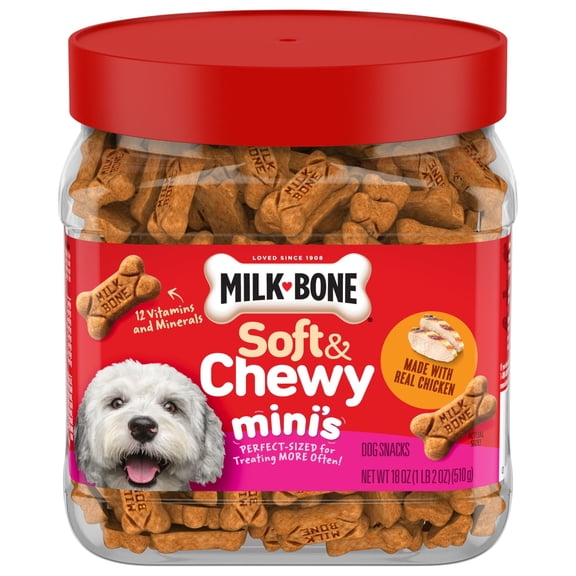
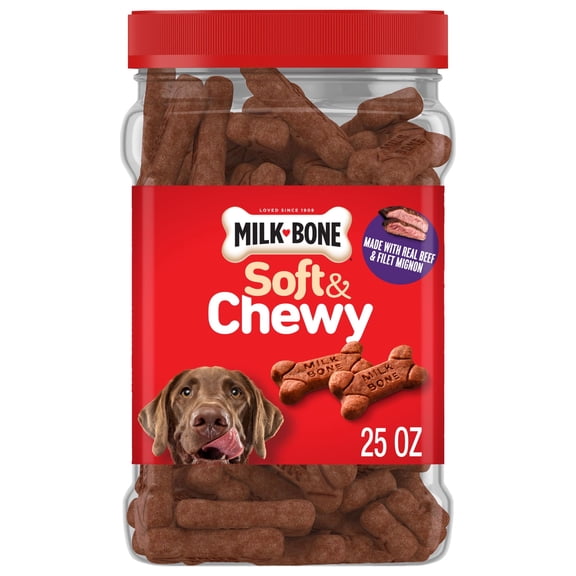
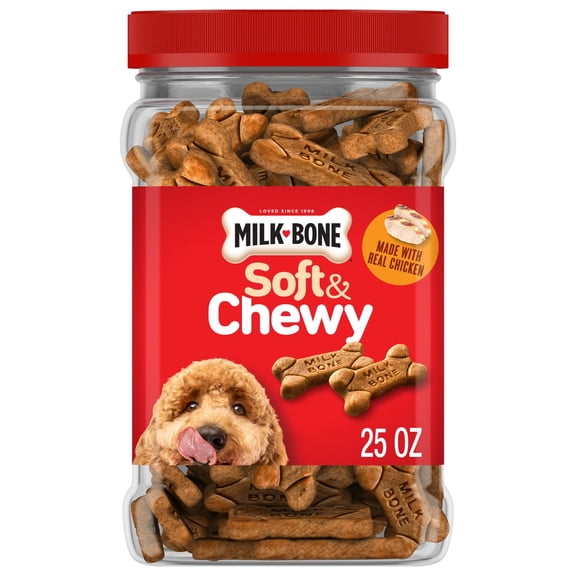
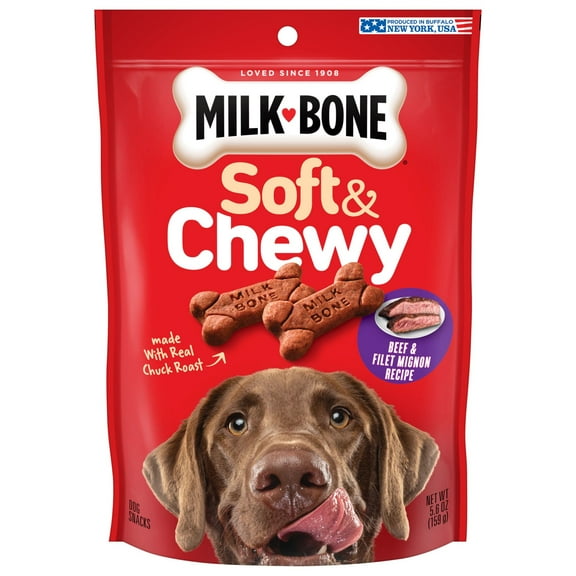
Soft & chewy


Made with Jif



FAQ
About MilkBone - Walmart.com
Milk-Bone dog treats give you recognizable options for reward time, training moments, and everyday treating. You can compare textures, sizes, flavors, and pack styles to match your dog’s routine.
If you’re choosing for a puppy, a small breed, or a large dog, you’ll want clear form and size differences. You’ll also find helpful options like crunchy biscuits, soft chews, and stuffed bones.
How to choose milk-bone dog treats by texture and form
You’ll usually start with texture because it shapes how your dog chews and how you use the treat. You can compare biscuits, chews, soft and chewy pieces, and milk bone stuffed options.
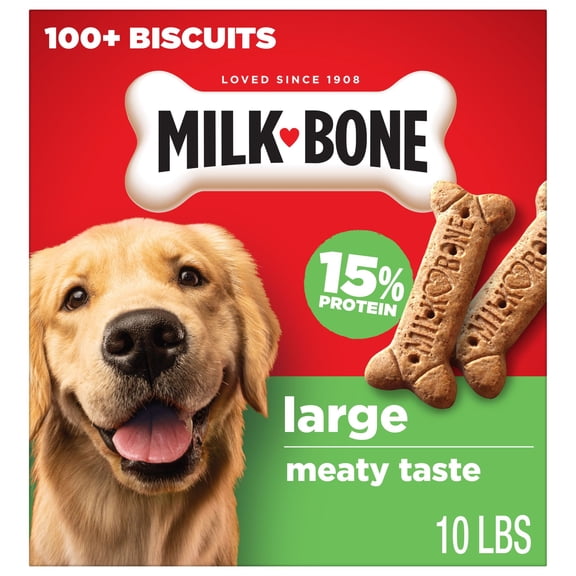
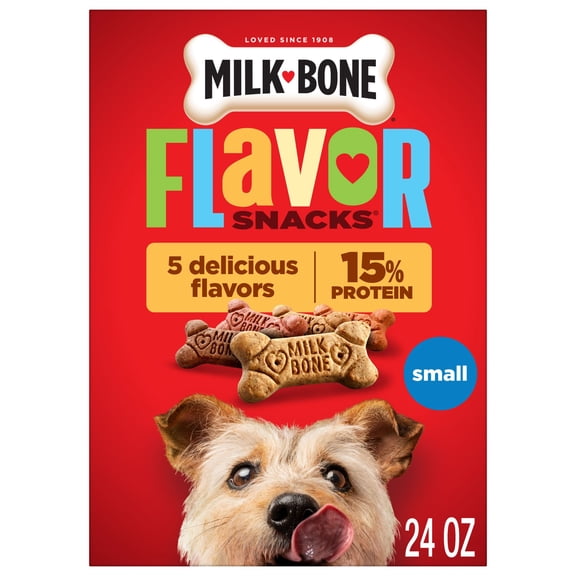
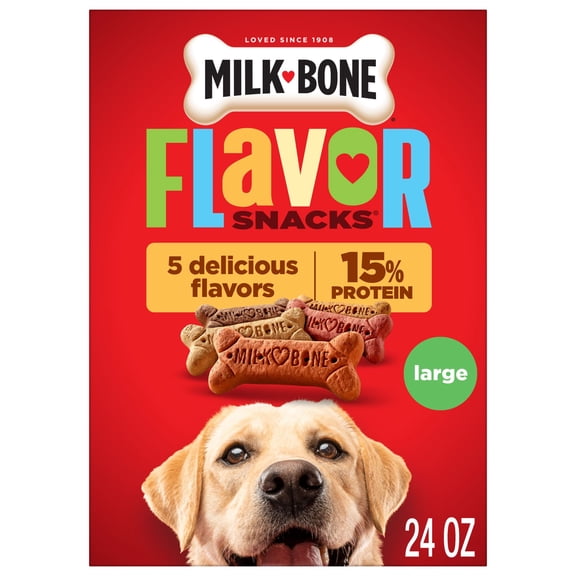
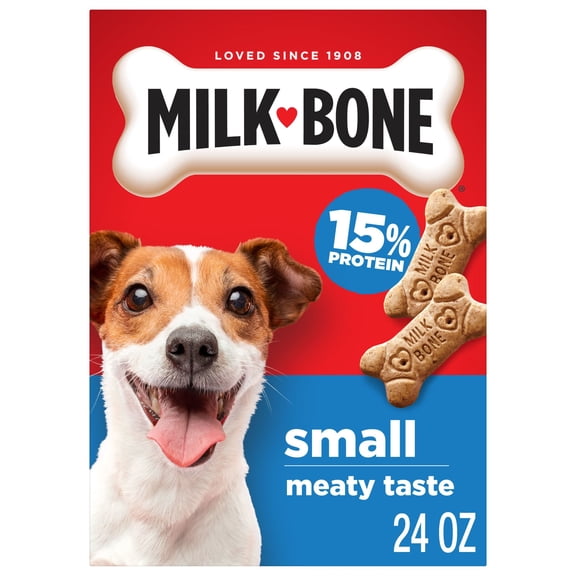
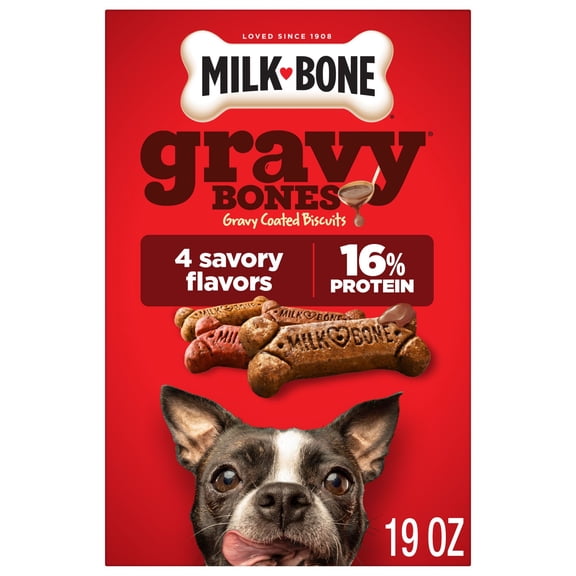
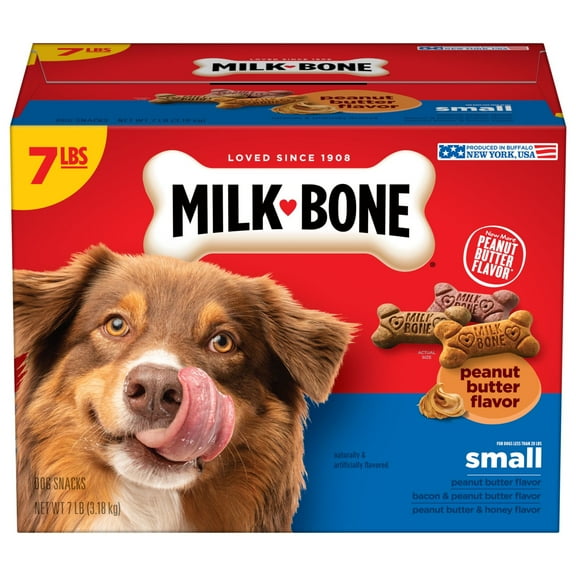
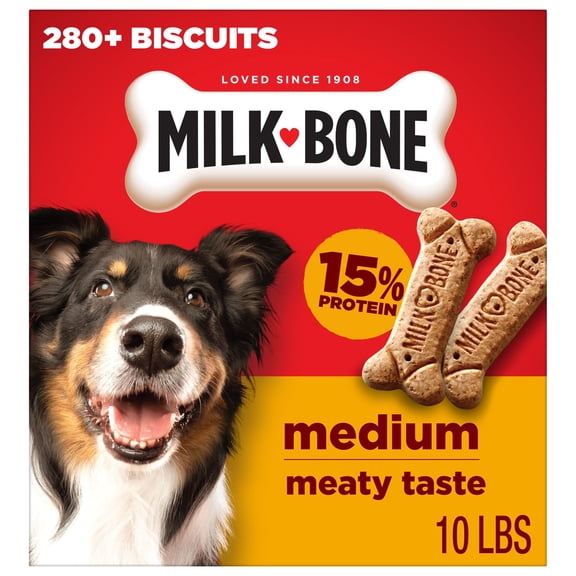
Crunchy milkbone dog biscuits can suit everyday rewards when you want a classic bone-shaped treat. You may also notice milk bone dog cookies and biscuits work well when you prefer a familiar, crisp bite.
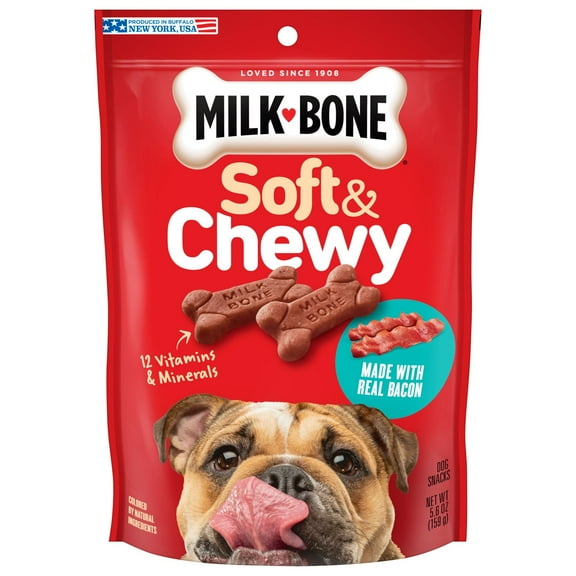
Soft and chewy styles can feel easier to portion during training or shorter reward moments. You can also compare chew-style treats when your dog enjoys a longer-lasting texture.
Stuffed bones give you another format when you want a firm outer shell with a flavored center. You’ll often see milk bone stuffed treats chosen for dogs that enjoy varied texture in one bite.
- You can choose crunchy biscuits for classic daily treating.
- You can pick soft and chewy pieces for quick rewards and training sessions.
- You can select stuffed bones when your dog likes a filled center.
- You can compare chew textures for longer snack time.
Comparing milk bone bones, sizes, and life stages
You’ll want to match treat size to your dog’s weight and chewing style. You can often sort milk bone bones by puppy, small or medium dogs, and large dogs.
For puppies, you should look for softer textures or puppy-specific sizing that fits smaller mouths. You may also prefer smaller pieces when you’re working on early training habits.
For small and medium dogs, you can compare standard biscuit sizes and softer formats. You’ll want pieces that feel easy to manage during walks, breaks, or crate training routines.
Large dogs often need larger biscuits or bones that feel proportionate to their size. You can check package guidance to compare portion control and serving suggestions before you choose.
If you’re shopping for senior dogs, you may want to compare softer formats first. You can also review texture descriptions carefully when you’re deciding between crunchy biscuits and gentler chews.
What to look for in flavors and ingredients
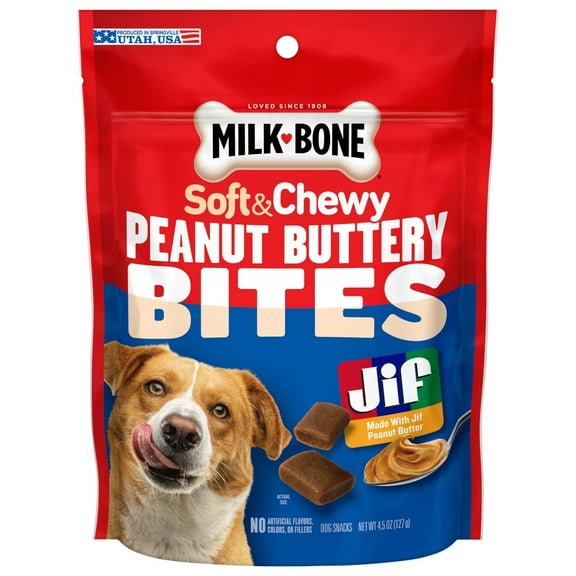
You’ll often choose flavor by what your dog already enjoys during meals or snack time. You can compare original beef, chicken, and peanut butter to keep rewards interesting.
Ingredient panels help you understand what’s inside before you commit to a larger package. You’ll want to check the label for flavor details, treat type, and feeding guidance.
If your dog responds strongly to savory treats, you may start with original beef or chicken. If you want a different reward profile, you can compare peanut butter options for variety.
You may also notice shape and texture affect flavor use during the day. You can use crunchy milk dog bones after playtime, while softer pieces may fit training sessions.
Choosing packaging, storage, and cost per pound
You’ll also want to compare packaging type because storage and frequency of use can shape your decision. You can choose a milkbone box, a resealable pouch, or a bulk pack.
A box can work well when you keep treats in a pantry and use them steadily each week. A resealable pouch can help you grab smaller portions quickly and close the package between uses.
Bulk packs can make sense when you treat often or care for multiple dogs in one home. You can compare milk-bone dog treat cost per pound across pack sizes when you want a clearer value picture.
If you’re balancing convenience with storage space, you should check package weight and closure style. You can also compare whether a box or pouch feels easier for travel, training, or daily access.
Matching milk-bone dog treats to everyday use
You can use crunchy biscuits for a simple after-walk reward or a predictable daily routine. You may prefer milk bone dog cookies when you want a classic texture that travels well in a treat container.
For training, you’ll often want smaller, softer pieces that you can give quickly between cues. You can keep a resealable pouch nearby for shorter sessions at home or on the go.
If your dog enjoys longer chew time, you can compare stuffed bones and chew-style treats for evening routines. You may reach for those formats when you want a treat with a different feel than a biscuit.
Multi-dog homes often need clear size matching and larger pack planning. You can compare puppy options, standard biscuits, and large-dog treats so each dog gets an appropriate reward format.
When you want a simple way to narrow choices, you should compare texture first, then size, then packaging. You’ll end with Milk-Bone options that fit your dog’s stage, your storage space, and your routine.