

Marmot in Shop Camping Brands
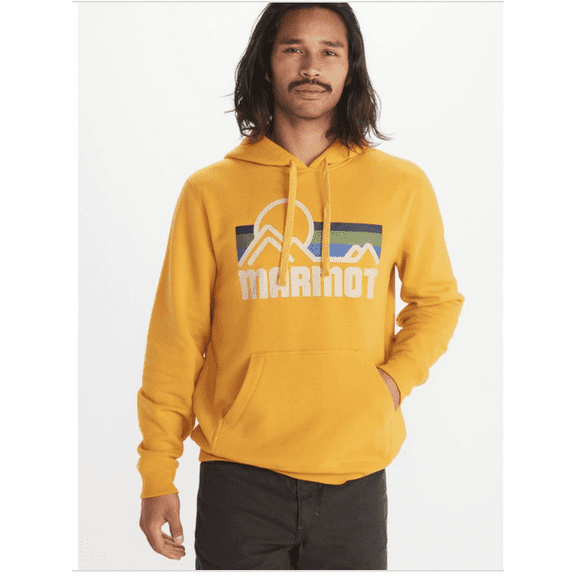
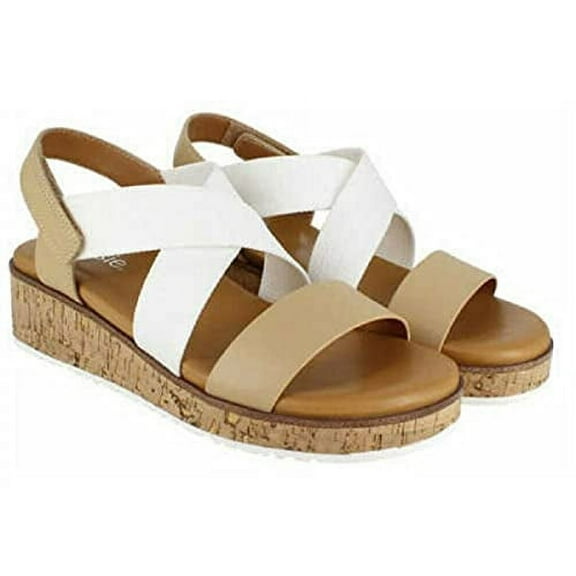


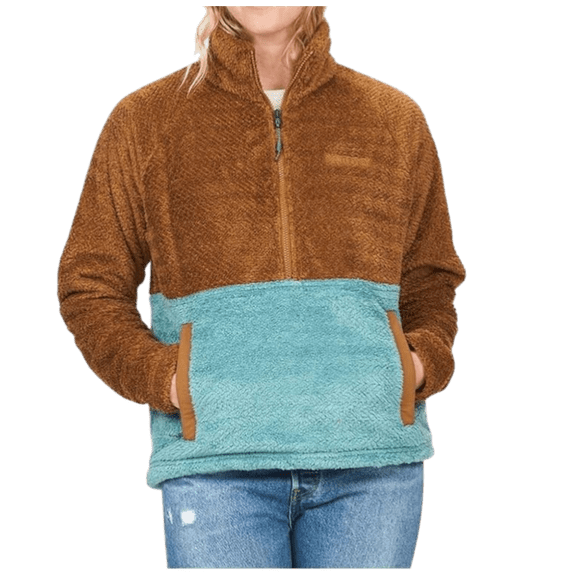
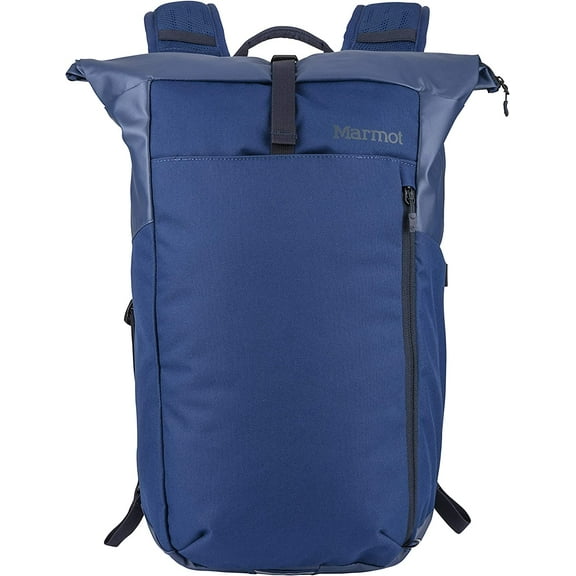




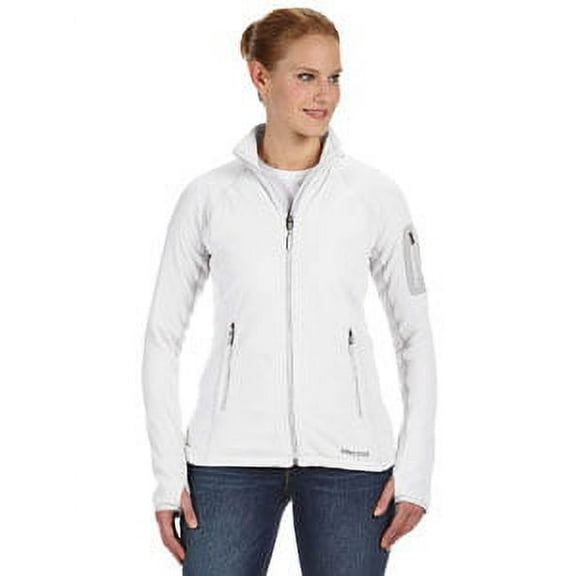
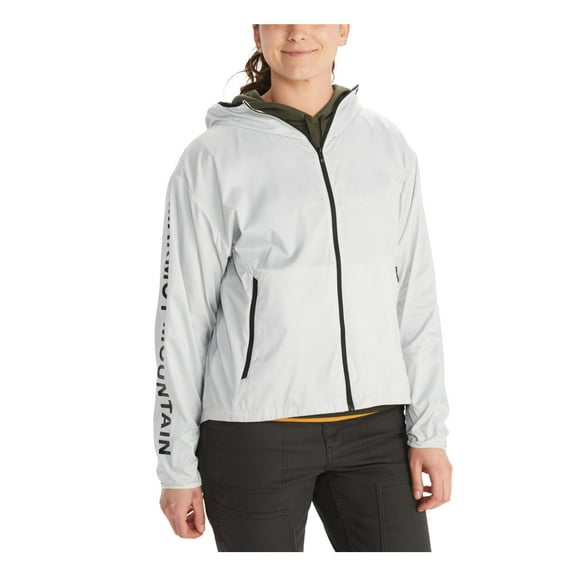


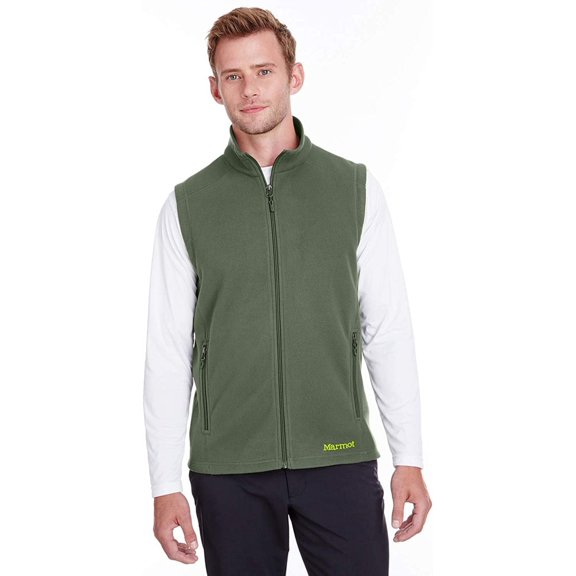
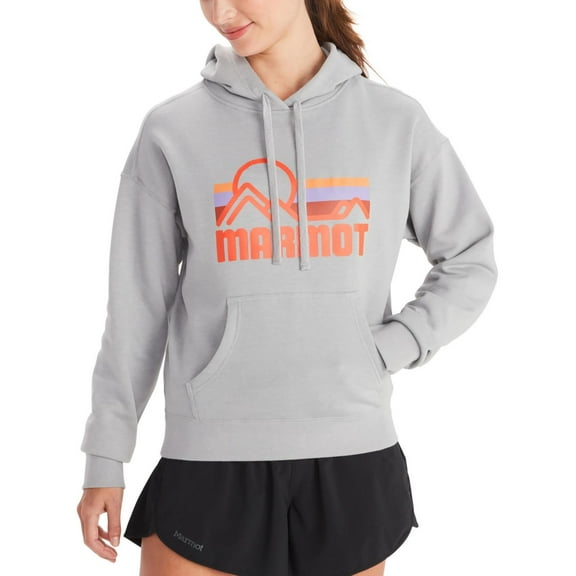


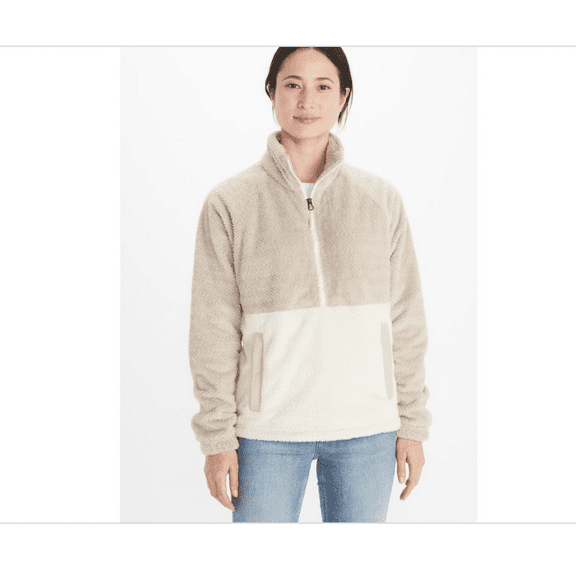








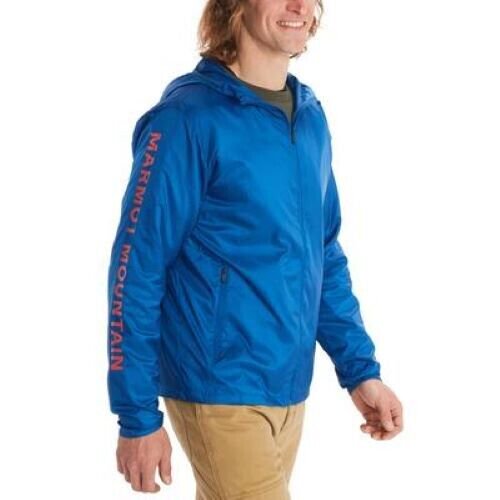


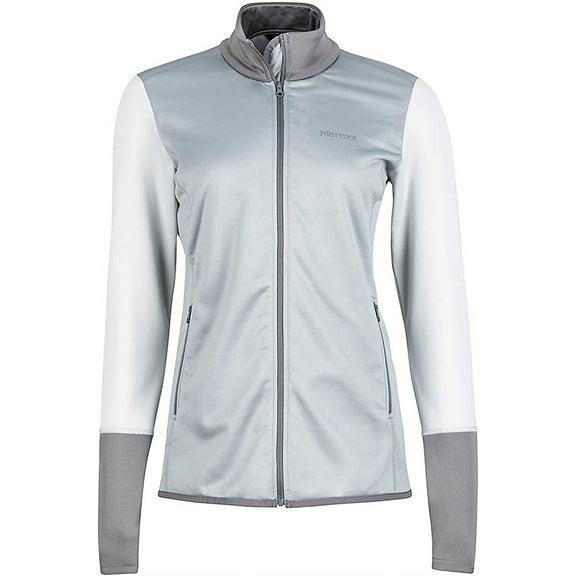

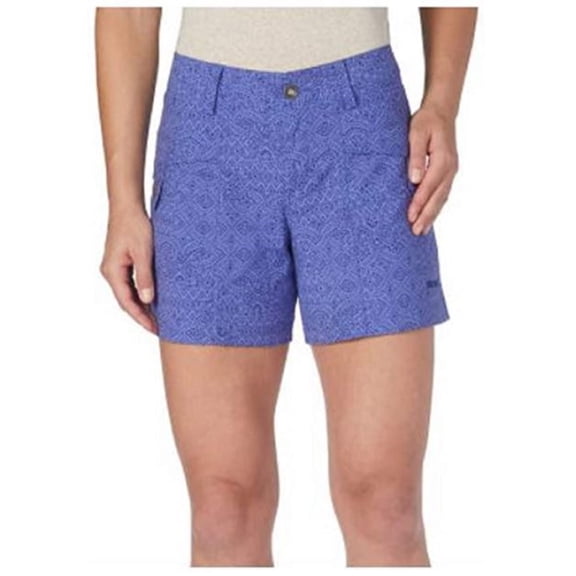
About Marmot in Shop Camping Brands - Walmart.com
You can explore Marmot gear with clear category guidance that helps you compare tents, sleeping bags, jackets, and packs. You’ll get a practical overview of key choices, from shelter size to insulation type, for your next camping trip.
How to choose Marmot camping gear
You may shop this category with a specific trip in mind, so product category comes first. You’ll usually compare tents, sleeping bags, jackets, and backpacks based on weather, load, and sleeping setup.
When you narrow your choices by use, you can compare details that matter on the trail. You’ll want different specs for car camping weekends, overnight hikes, and multi-day backpacking routes.
- You can compare tent capacity, floor space, and packed weight for your campsite setup.
- You can check sleeping bag insulation, length, and temperature ratings for your sleep system.
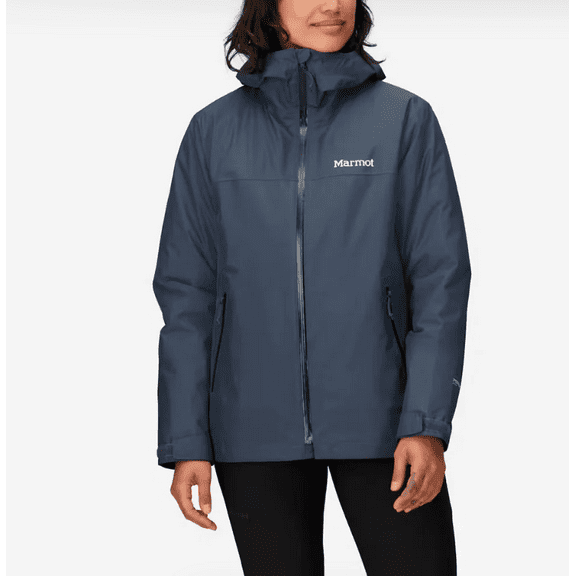
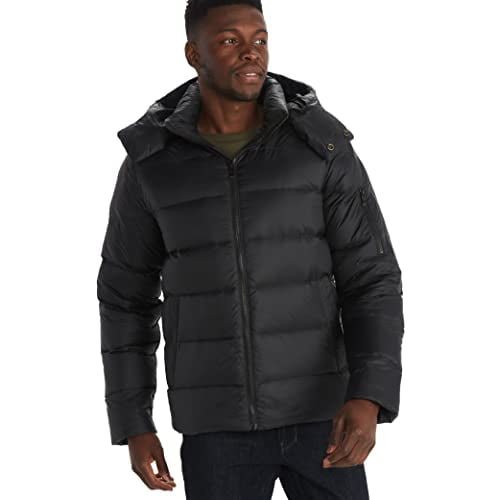
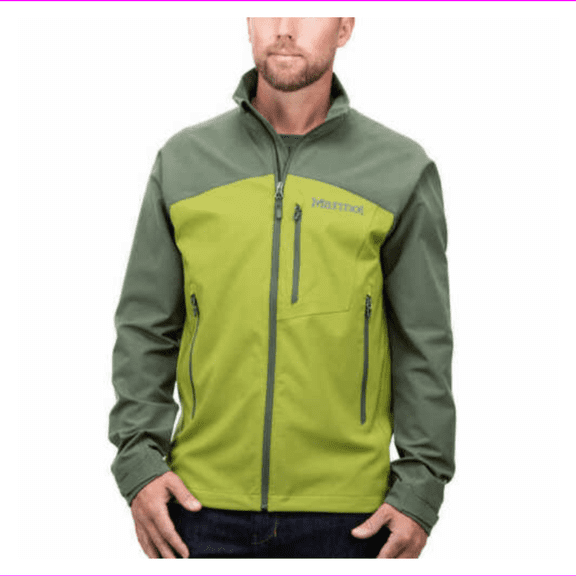
- You can look at jacket weather protection, shell materials, and layering fit for changing conditions.
- You can review backpack size, carry profile, and storage layout for organized packing.
You’ll notice these choices work together, not separately. Your tent size affects pack space, your bag rating affects layering, and your jacket shell affects comfort during wind and rain.
Choosing Marmot tents by size and shelter details
You should start Marmot tents with capacity and tent dimensions, because usable space changes your comfort quickly. You may prefer a 2-person tent for lighter packing or a 3-person tent for extra elbow room.
When you compare floor length and peak height, you can judge how your sleep pad and gear will fit. You’ll also want to check vestibule space if your boots, packs, and wet layers need covered storage.
You can use packed weight and packed size to match your shelter to your trip style. If your route includes long miles, you’ll appreciate fewer pounds and a smaller stuff-sack footprint.
Look for waterproof construction details that support rainy camp setups. You can compare hydrostatic head waterproof ratings, because higher numbers usually mean stronger water resistance under sustained moisture.
You may also check fabric denier when durability matters on rougher ground. You’ll generally find that higher denier fabrics feel tougher, while lower denier options help trim carried weight.
Comparing Marmot sleeping bags by insulation and fit
You can sort Marmot sleeping bags by insulation type before you focus on shape or pack size. Down fill usually compresses smaller, while synthetic insulation can feel practical for damp, variable conditions.
When you compare regular and long sizes, you can line up the bag with your height. You’ll also want to review shoulder girth, because that measurement affects how roomy or close the fit feels.
You should check ISO or EN temperature ratings when you build your sleep system. These ratings give you a clearer way to compare warmth levels across bags for cool nights.
You can also compare packed volume if your backpack space is limited. A smaller packed bag leaves more room for layers, food, and camp accessories on longer routes.
If durability matters for frequent use, you can review shell fabric and lining details. You’ll often see denier ratings here too, which help you balance softness, toughness, and packability.
What to look for in Marmot jackets and weather protection
You can evaluate Marmot jackets by the weather protection you expect to face most often. Waterproof, windproof, and Gore-Tex options each serve different layering plans and outdoor conditions.
If steady rain is part of your trip, you may want a waterproof shell over insulating layers. If gusty ridgelines are your focus, you’ll likely prioritize wind-blocking coverage and a secure hood.
You should also compare fit with the layers you already wear outdoors. Your jacket needs enough room for a base layer or midlayer without feeling bulky during movement.
When you review materials, you can use denier as a quick durability signal. Higher denier shells often feel more robust, while lighter fabrics can reduce pack weight for hiking.
You may also look for features that support changing weather during active use. Your setup might include pit zips, adjustable cuffs, or pockets placed where a backpack belt won’t block access.
Using Marmot backpacks and outdoor gear for real trip needs
You can pair a marmot backpack with your shelter and sleep system by starting with trip length. Your load for an overnight campout looks very different from your load for a three-day route.
For short hikes, you may want a compact pack that carries layers, water, and trail extras cleanly. For longer outings, you’ll need more volume for your tent, sleeping bag, and camp kitchen items.
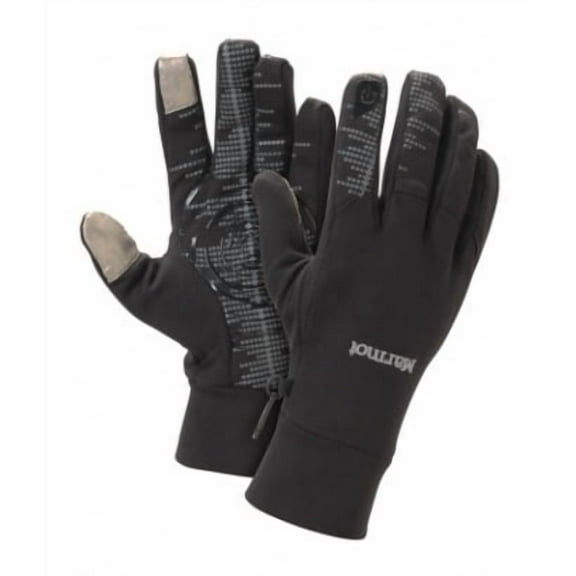
You can use this category as a planning guide when your gear list still feels unfinished. Your setup may center on marmot outdoor gear for cool-weather camps, wet forecasts, or lighter backpacking loads.
If you’re building a full campsite, you can match Marmot jackets with tent capacity and sleeping bag insulation. That combination helps your layers, shelter, and sleep system work together through changing conditions.
You may also shop this page for travel between seasons, when conditions shift from mild afternoons to colder nights. Your choices in fill type, shell protection, and packed weight can shape a smoother outdoor setup.
With Marmot camping gear, you can compare technical details in a way that stays practical for real trips. You’ll leave with clearer direction on size, warmth, weather coverage, and packed weight for the outdoors.