

Teacher Supply Printed Maps & Classroom Maps - Walmart




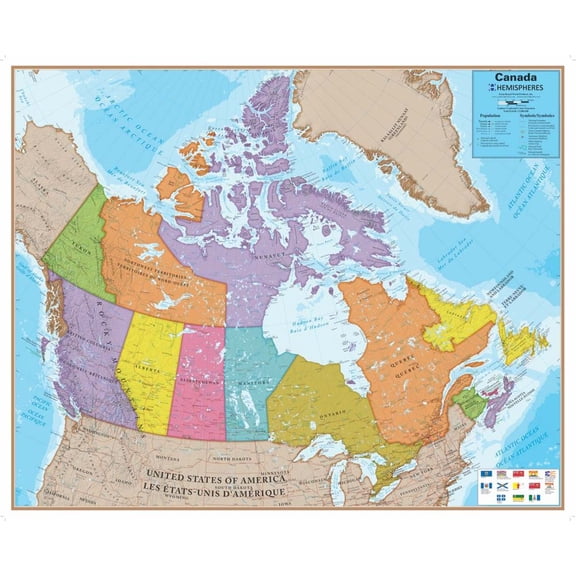

About Teacher Supply Printed Maps & Classroom Maps - Walmart - Walmart.com
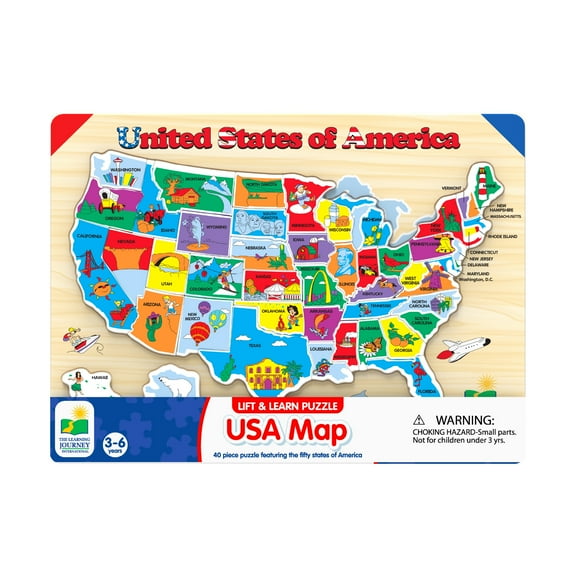
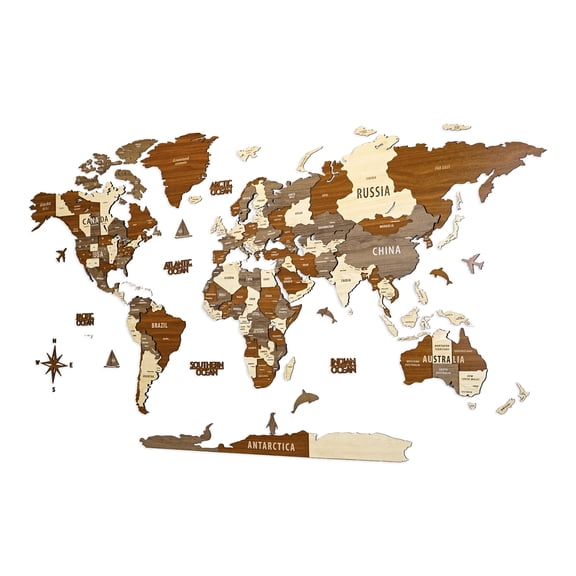
Maps and models help you turn abstract lessons into visual, hands-on learning for geography, biology, astronomy, and anatomy. You can compare wall maps, educational globes, relief maps, and three-dimensional classroom pieces that fit your lesson goals.
When you teach with visual references, you can point out continents, landforms, body systems, or planetary motion with clearer context. You also get classroom tools that support daily instruction, small-group work, and back to school classroom supplies planning.
How to choose maps and models for your classroom
You should start with discipline, because geography and science lessons need different formats and detail levels. You can use classroom maps for place names and regions, while science models for classroom lessons support structure and process.
Grade level matters when you compare labels, color coding, and complexity. You may prefer simpler visuals for elementary learners, while middle school and high school students often need more detailed references.
Format also shapes how you teach and display materials during lessons. You can hang wall maps for whole-class viewing, or you can place desktop items where students can examine them closely.
- You can use wall maps when you need broad visibility during group instruction.
- You can choose educational globes when you want students to study rotation, hemispheres, and world locations.
- You can select 3D models when you want learners to explore structure from multiple angles.
- You can compare relief maps when you want land elevation and terrain to stand out.
Choosing classroom maps and educational globes
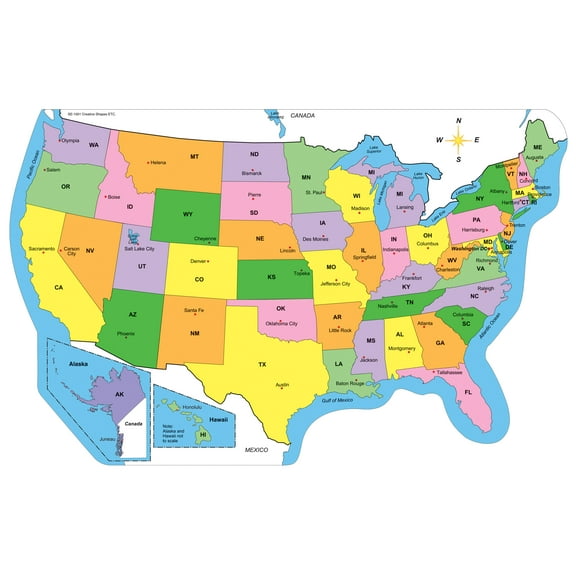
You should compare map size, labeling, and display style before you choose classroom maps. You can use larger wall pieces when you need students across the room to read borders, capitals, and physical features.
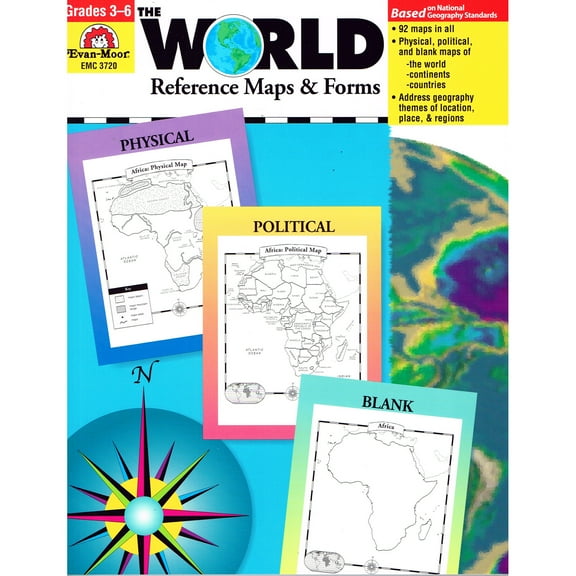
If you teach geography units, you may want political and physical views for different lessons. You can also look for laminated paper surfaces when you want smoother cleanup and frequent classroom handling.
Educational globes give you a round view that flat maps can't provide. You can show latitude, longitude, hemispheres, and continent position in a format students can rotate and examine.
You should also check whether a globe sits on a desktop stand or fits a display shelf. That detail helps you match your space, storage setup, and daily lesson flow.
What to look for in science models for classroom lessons
You can sort science models by discipline, including biology, astronomy, and anatomy. That makes it easier for you to match each item to a unit, lab table, or demonstration area.
Biology and anatomy models help you explain parts, layers, and relationships with more clarity than flat diagrams. Astronomy models help you show orbit patterns, relative position, and solar system layout during instruction.
You should check detail level before you choose a model for your students' developmental stage alignment. Elementary classes often need fewer labels, while older students may need more defined structures.
Three-dimensional formats help you demonstrate concepts that are harder to explain on a worksheet. You can point to organs, planets, or landforms directly, which supports faster understanding during class discussions.
Comparing materials, durability, and display options
You should compare materials based on how often your class will handle each item. Laminated paper works well for posted visuals, while durable plastic often suits repeated passing, turning, and tabletop use.
Foam options can help when you want lighter classroom pieces for displays or temporary setups. You can also move lighter items between rooms more easily during shared teaching schedules.
Mounting and display options matter when you plan daily access. You may want wall-mounted formats for front-of-room instruction, while desktop globes and models support centers, shelves, and hands-on stations.
You should also consider storage when you compare larger maps and models. If your cabinets are limited, you may prefer slimmer wall pieces or compact models that fit shelves between lessons.
Using maps and models across grade levels and subjects
You can use maps and models in social studies, earth science, life science, and classroom decor with instructional purpose. That flexibility helps you support multiple subjects without relying on one type of visual.
For elementary classrooms, you may choose bold colors, simple labels, and easy-to-read shapes. Those features help younger learners focus on core ideas without too much visual information.
In middle school, you might look for added labels and more precise region or structure details. That extra information helps you connect lessons to note-taking, projects, and guided discussion.
For high school instruction, you may need more detailed reference tools for advanced units. You can use them during lectures, review sessions, and independent study areas where accuracy matters.
When you plan seasonal refreshes, you can include maps and models with your back to school classroom supplies. You end up with visual tools that support everyday teaching, clearer demonstrations, and more engaged lessons.
You can teach with more clarity when your visuals match your subject, grade level, and classroom setup. With the right maps and models, you give students a clearer view of places, systems, and structures.