

Mailing Supplies in Office Supplies
























About Mailing Supplies in Office Supplies - Walmart.com
With envelopes and mailing supplies, you can pack documents, photos, apparel, and boxed goods with the right fit and closure. You’ll find options for daily office mail, marketplace orders, and home shipping needs without guessing on size or material.
If you mail often, you need choices that match weight, thickness, and handling. You can compare paper envelopes, bubble mailers, poly mailers, and shipping boxes by the details that affect packing speed.
How to choose envelopes and mailing supplies
When you compare mailing materials, you should start with type, size, closure, material, and pack count. You’ll make faster decisions when each detail matches what you’re sending and how often you ship.
Paper envelopes work well when you send flat documents, statements, forms, or photos. You may prefer kraft paper envelopes when you want a classic look and a sturdy paper feel.
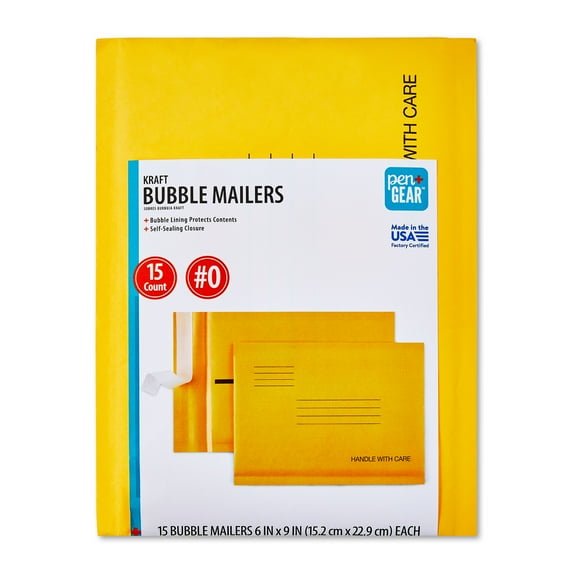
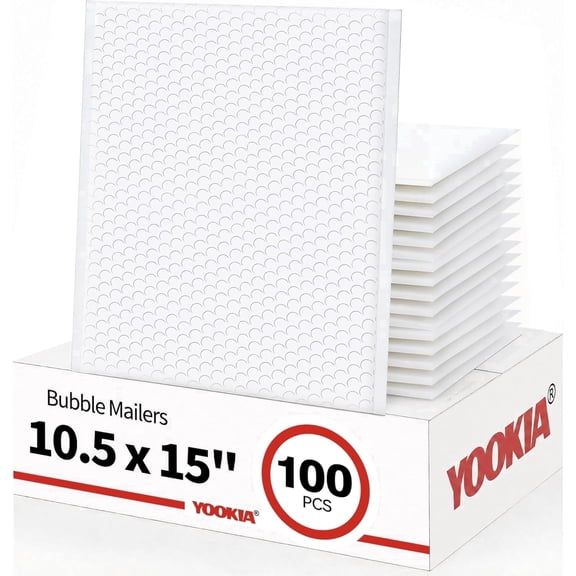
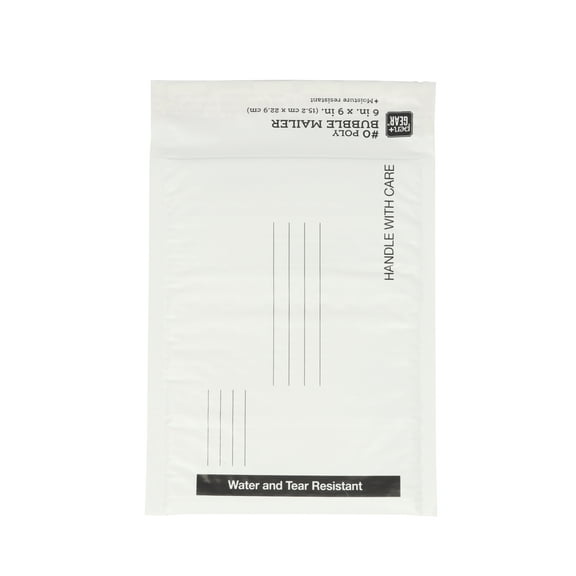
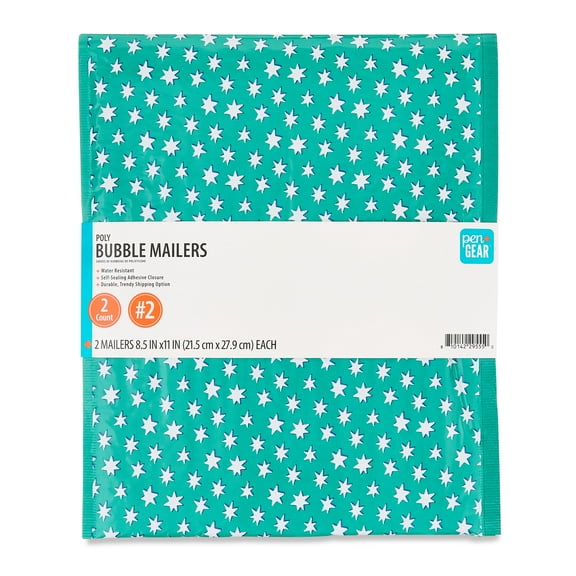
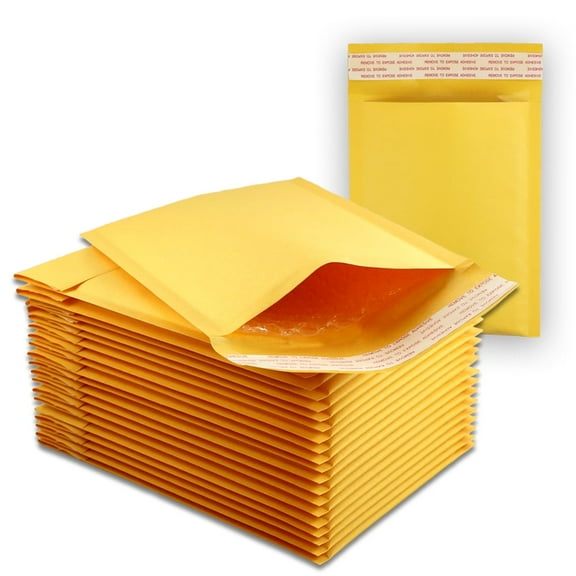
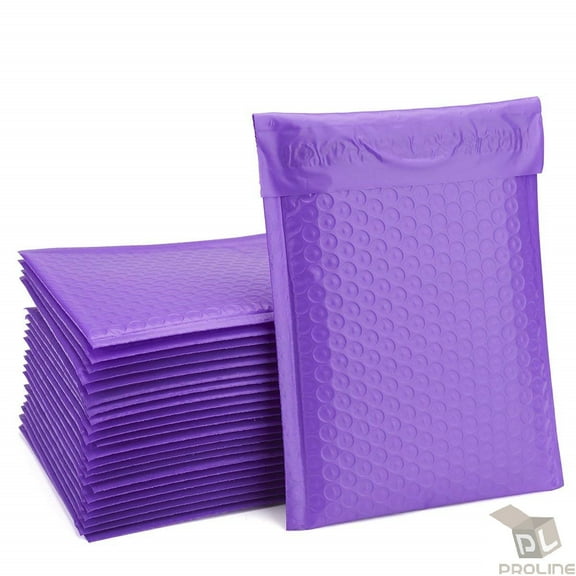
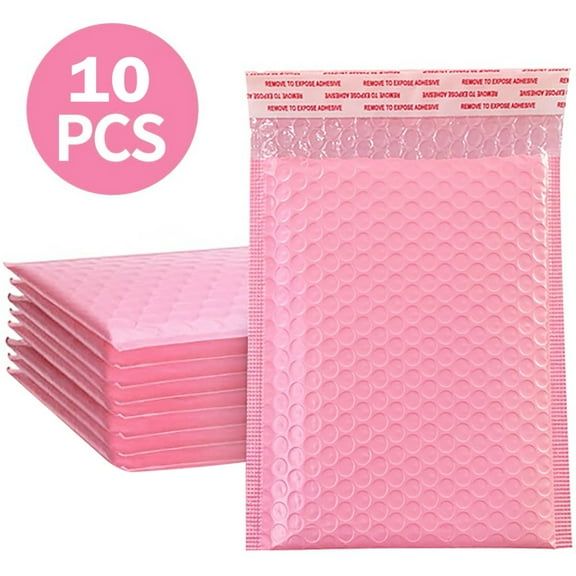
Bubble mailers help you add cushion around small items like accessories, books, or media. You’ll notice padded mailers suit contents that need extra protection from bends and surface scuffs.
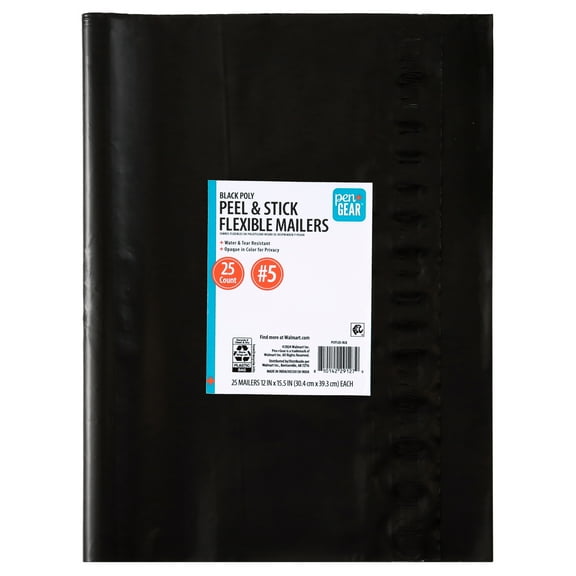
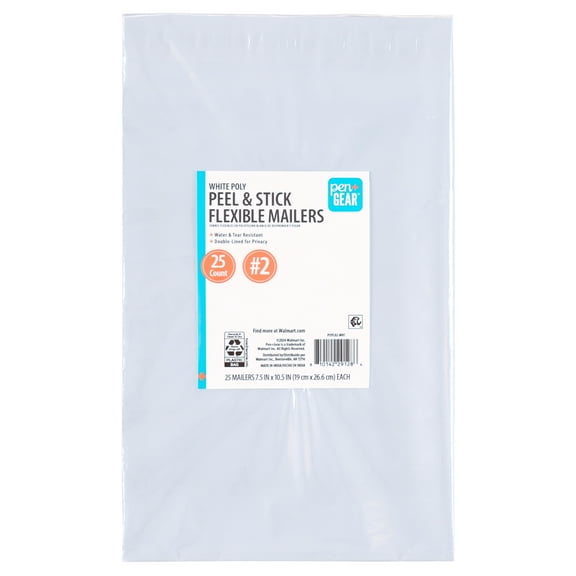
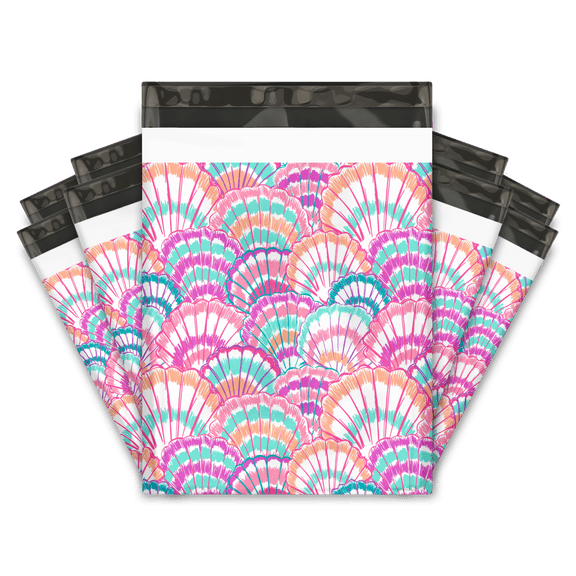
Poly mailers keep weight lower and flex around soft goods like shirts or fabric items. You can use polyethylene mailers when you want a slim profile and quick label placement.
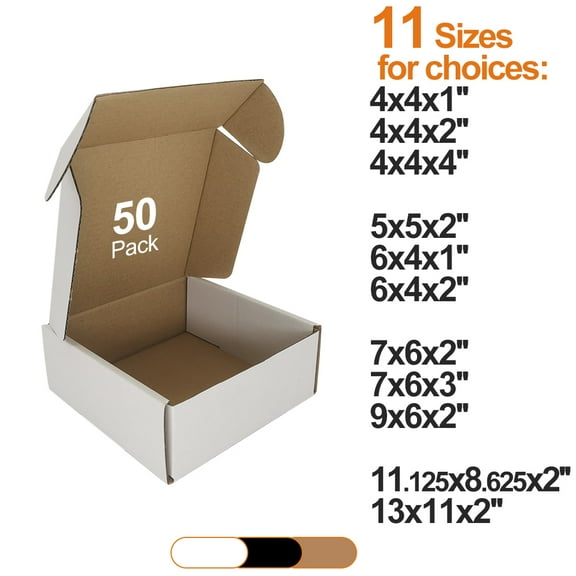
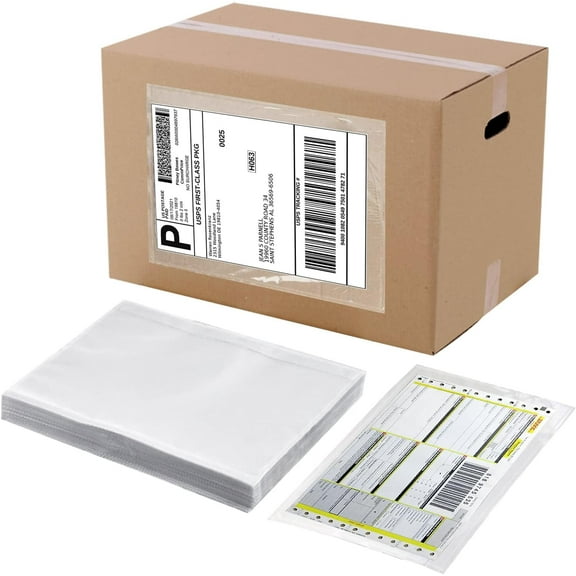
Shipping boxes give you structure for heavier or bulky contents that can’t fit flat mailers. You’ll want corrugated cardboard when your items need firm edges and more internal room.
- You can match the mailer type to flat papers, soft goods, or boxed contents.
- You can speed up packing with self-seal and peel-and-stick closures.
- You can choose pack sizes from 25 pack to bulk for steady shipping volume.
- You can pair mailers with packing tape and mailing boxes for complete prep.
Choosing shipping envelopes, bubble mailers, and poly mailers by size
Size affects fit, appearance, and postage planning, so you should measure your contents before you pack. You’ll avoid wasted space when your envelope or mailer closely matches the item dimensions.
A 6x10 size can work for smaller papers, slim booklets, or compact accessories. You should check thickness too, because depth changes how easily contents slide inside.
An 8.5x11 size suits standard letter pages and many office forms without heavy folding. You may choose this size when you want documents to stay flatter in transit.
Many shoppers look for 9x12 envelopes for catalogs, folders, certificates, and larger paperwork. You can use 9x12 sizes when you need room for full sheets and added inserts.
A 10x13 size gives you more space for thicker stacks, apparel, and larger printed materials. You’ll appreciate that extra width when your contents need easier loading.
When your item has corners, depth, or padding, you should measure length, width, and thickness together. You can compare dimensions first, then select the envelope style that leaves reasonable packing room.
What to look for in self seal envelopes and closure types
Closure style changes how quickly you pack and how your mailpiece opens and closes. You should choose self-seal or peel-and-stick options when you process many orders in one session.
Self seal envelopes help you move through repetitive packing tasks with fewer steps. You’ll like that convenience when your business ships invoices, forms, or customer packets each day.
Peel-and-stick closures offer a simple adhesive strip that keeps setup clear and consistent. You can press the flap closed quickly when you need a neat finish.
Gummed closures may suit planned mailings where you prepare pieces in batches. You should consider them when you prefer a traditional flap style for office correspondence.
Clasp closures can help when you reopen a mailer during filing or document handling. You may use them for interoffice papers or materials that don’t need a permanent seal.
Comparing materials, pack sizes, and postage factors
Material affects weight, flexibility, and the amount of structure around your contents. You should compare kraft paper, polyethylene, padded bubble, and corrugated cardboard by what you’re mailing.
Kraft paper envelopes feel familiar for documents and lightweight inserts. You can choose them when you want a paper surface that’s easy to label and stack.
Polyethylene mailers stay light and flexible for clothing and other soft items. You’ll often prefer poly mailers when you want to keep the package profile slimmer.
Padded bubble construction adds internal cushioning for products with delicate surfaces or edges. You should consider bubble mailers when your item needs extra separation from bumps and pressure.
Corrugated cardboard supports shapes that need stronger walls than a flat mailer provides. You can move to mailing boxes when dimensions, rigidity, or weight call for more structure.
Pack size matters when you ship occasionally, weekly, or in steady volume. You may start with a 25 pack, move to 50 pack or 100 pack, or choose bulk envelopes for repeat workflows.
Postage planning also matters, especially when thickness, weight, or rigidity changes the mail class. You should check size and flexibility before sealing, so your package choice aligns with mailing requirements.
If you ship documents and products from one place, you’ll benefit from matching envelopes, mailers, boxes, and packing tape. You can build a smoother packing routine with sizes and materials that fit your outgoing mail.