


Find auto parts that fit
Let’s search for parts that fit your vehicle.Locking Hubs in Wheel Bearings & Hubs


















About Locking Hubs in Wheel Bearings & Hubs - Walmart.com
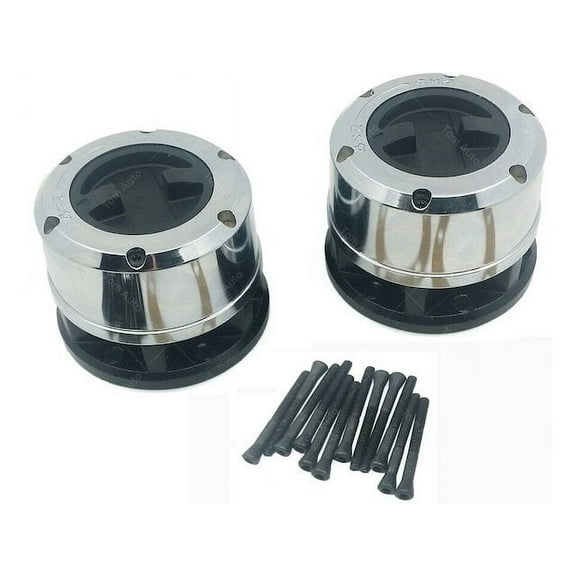
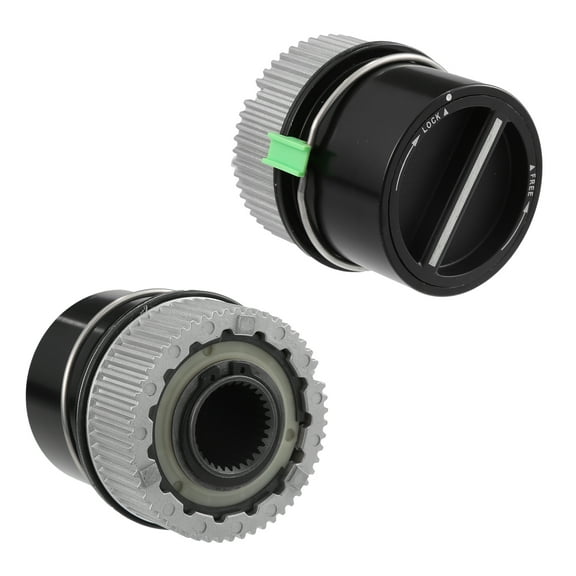
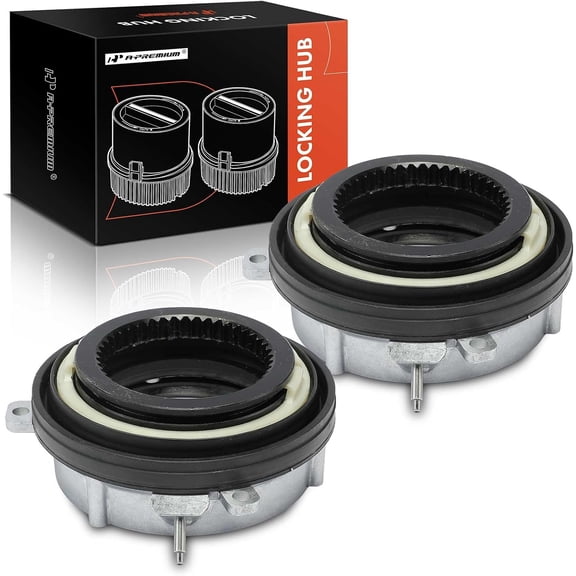
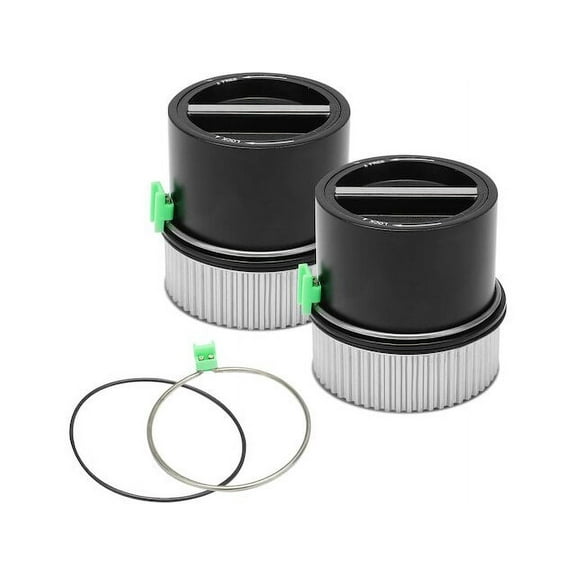
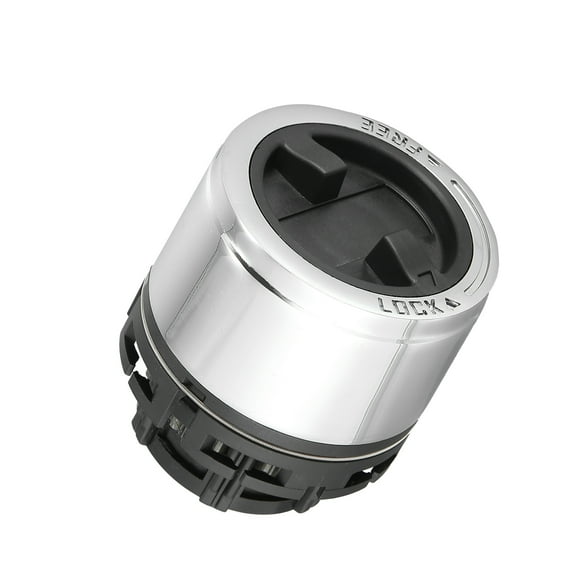
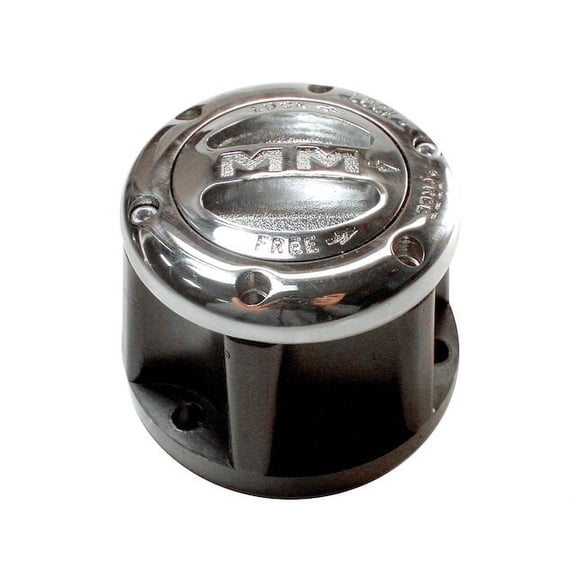
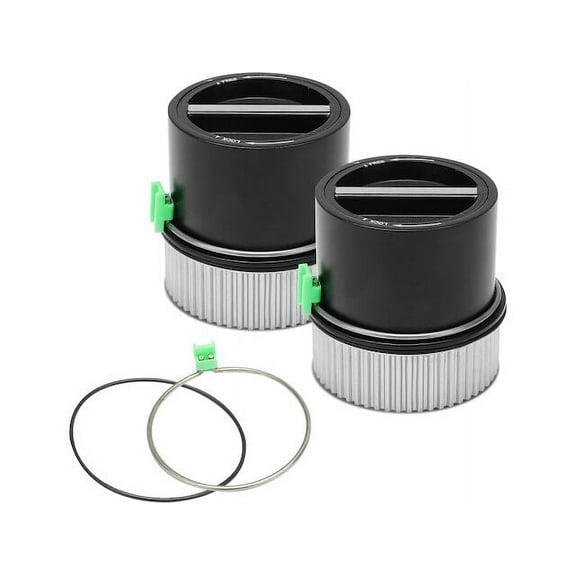
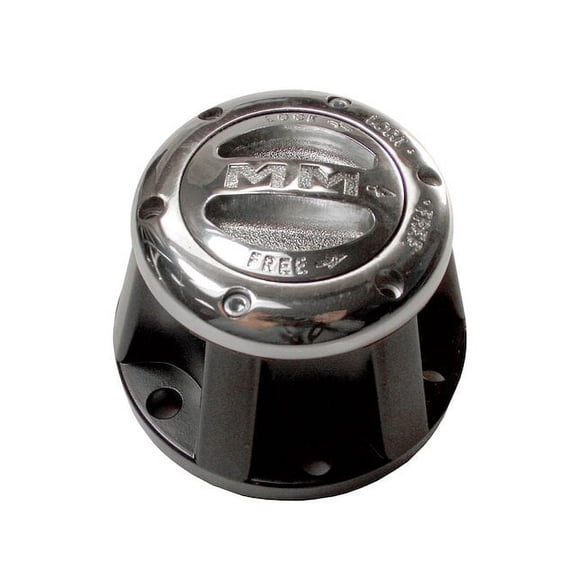
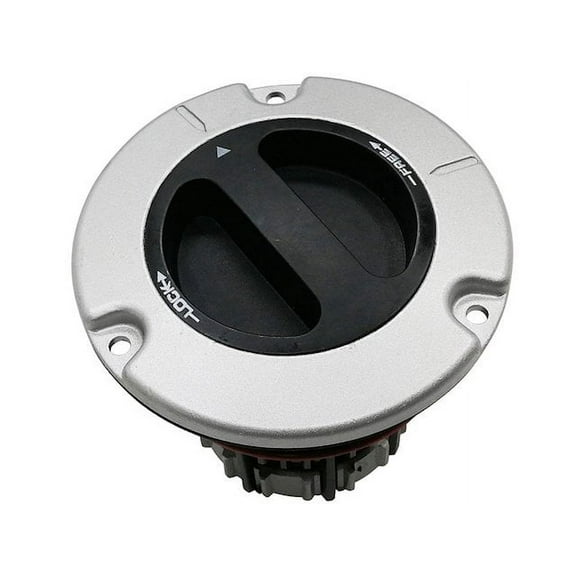
Locking hubs help you connect or disconnect your front wheels for controlled 4WD use. You can compare operation type, spline count, and material choices to match your truck or SUV.
If you drive a trail-ready rig or maintain an older axle setup, you need fitment details that make sense. You can find guidance here for manual locking hubs, automatic options, and replacement hub assembly choices.
How locking hubs help your 4x4 work the way you want
You can use locking hubs to control when your front axle engages, which matters on mixed pavement and trail days. You may also notice that the right hub setup supports smoother transitions between daily driving and off-road use.
When you compare wheel locking hubs, you’re really choosing how your 4WD system responds at the wheel end. You can focus on engagement style, axle compatibility, and housing strength before you choose a replacement.
- You can select manual locking hubs if you want direct engagement at the hub.
- You can choose automatic locking hubs if you want engagement tied to your drivetrain setup.
- You can match 4x4 locking hubs to your axle spline count for cleaner fitment.
- You can look for steel or aluminum alloy construction based on driving conditions.
- You can compare included hardware when you want a simpler replacement process.
For older trucks and SUVs, you may want replacement locking hubs that restore factory-style engagement. For modified rigs, you may want a hub assembly that fits your axle model and wheel-end components.
Choosing locking hubs by operation type
You should start with operation type because it affects how you engage your front wheels. You can compare manual, automatic, and vacuum-operated designs based on how hands-on you want the process to be.
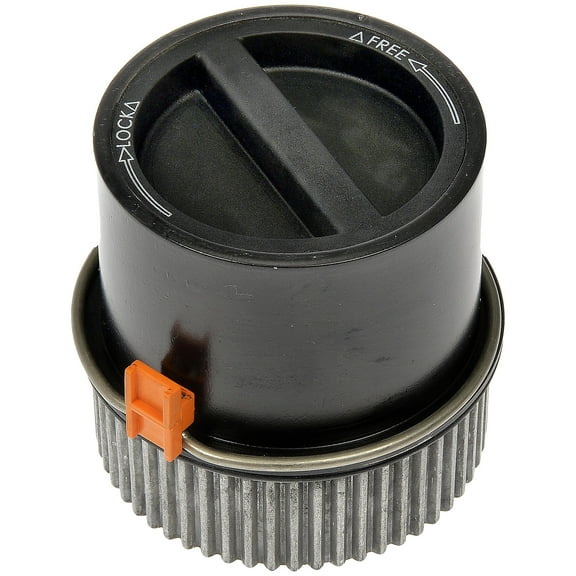
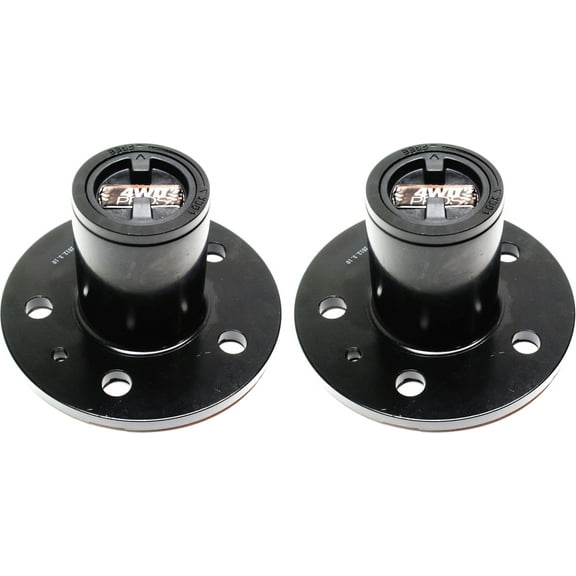
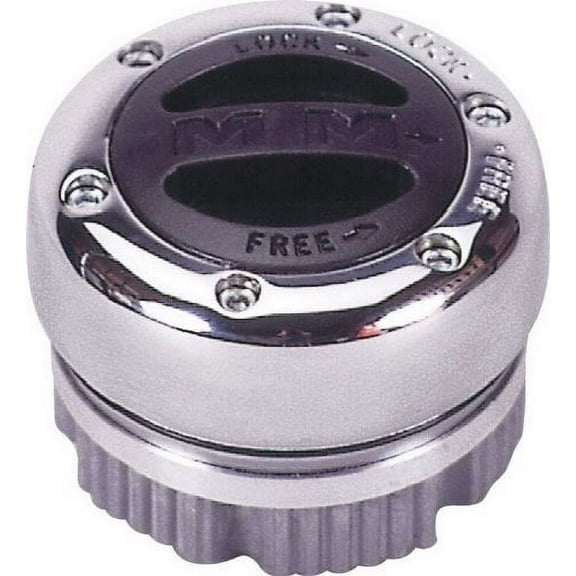
With manual locking hubs, you engage the hub by turning the dial at each front wheel. You may prefer that setup when you want a clear locked or free position for trail use.
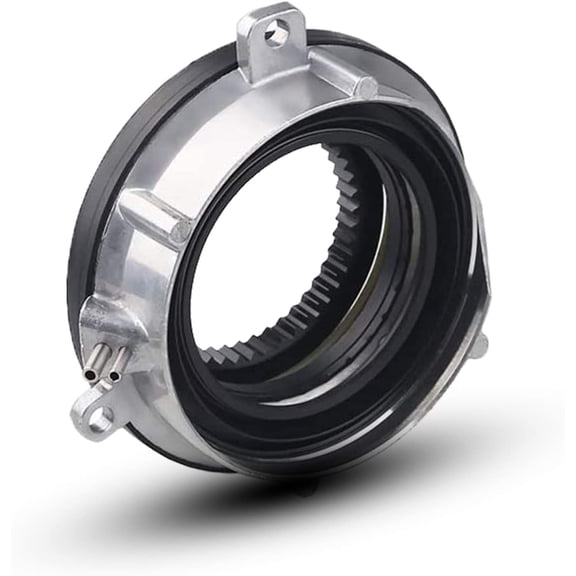
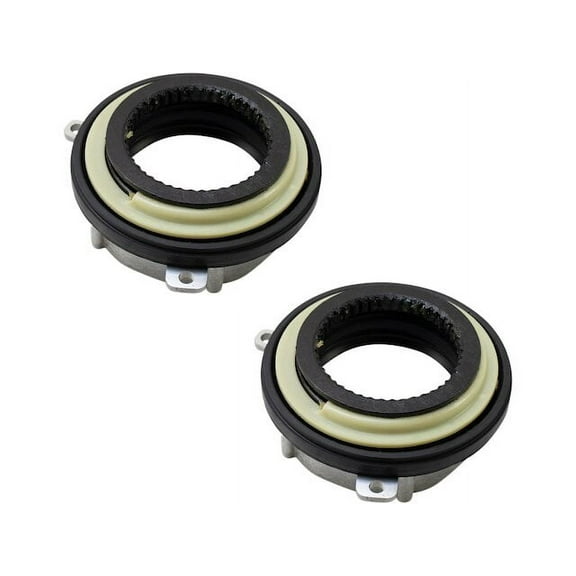
With automatic locking hubs, you rely on drivetrain engagement instead of turning a dial outside. You may like that approach when you want faster transitions during changing road conditions.
With vacuum-operated options, you depend on a system that links hub engagement to vehicle controls. You should check whether your existing setup supports that design before you compare replacement parts.
Choosing the right 4x4 locking hubs for your vehicle
You need to confirm vehicle compatibility before any other spec matters. You should compare your truck, SUV, axle model, and 4WD system so your locking hubs match the intended wheel-end setup.
Spline count is a decision-critical detail because it determines how the hub mates with the axle shaft. You should check whether you need 28 spline, 30 spline, or 35 spline before you narrow your options.
If your axle uses 30 spline, you need a matching hub to seat correctly and engage as intended. If your axle uses 28 spline or 35 spline, you should choose that exact count instead.
You may also want to review notes about hub assembly design, mounting pattern, and included components. You can avoid guesswork when you compare those details with your current parts before installation.
Comparing material and strength for trail and work use
You should compare material choices based on how and where you drive. You can look at steel, aluminum alloy, and corrosion-resistant finishes to match muddy trails, winter roads, or jobsite use.
Steel housings can appeal to you when you want a sturdy feel for repeated off-road engagement. Aluminum alloy designs can appeal to you when you want a lighter component with solid everyday utility.
Corrosion-resistant construction matters when your truck sees water crossings, road spray, or long storage periods. You should look for finishes and seals that support cleaner operation in those conditions.
If you use your 4WD system during hunting trips, towing access roads, or rocky trails, material choice becomes practical. You can match stronger wheel-end components to the kind of terrain your vehicle actually sees.
Checking installation details and replacement scenarios
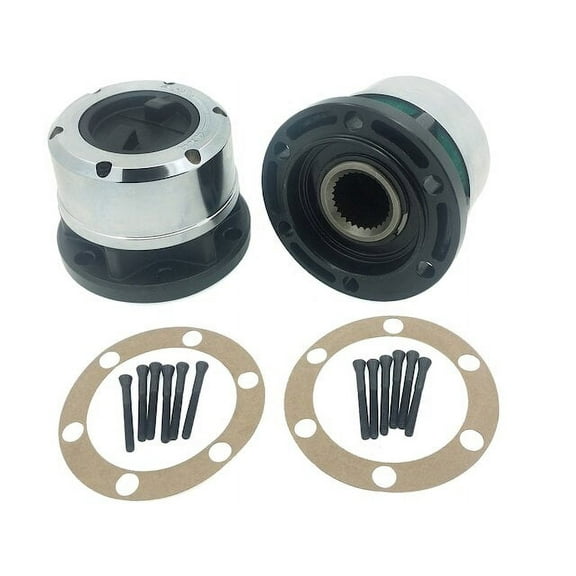
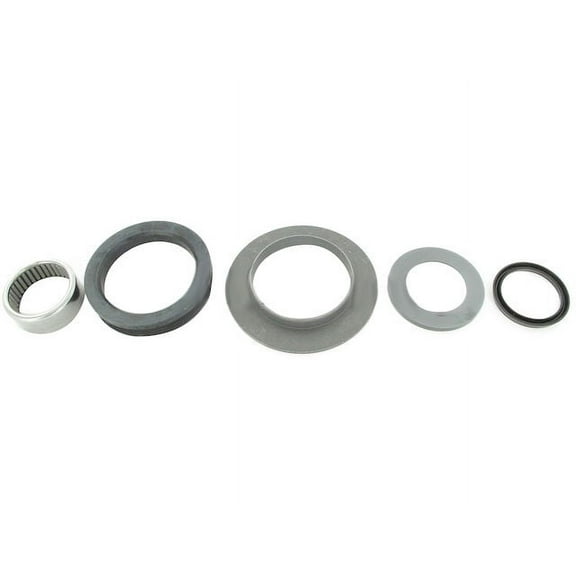
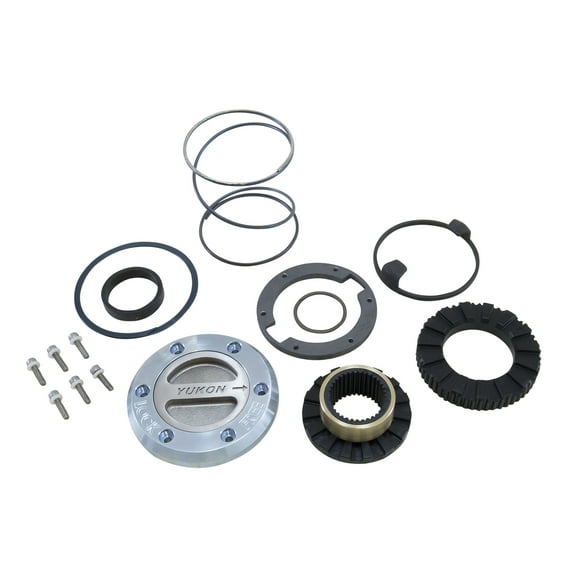
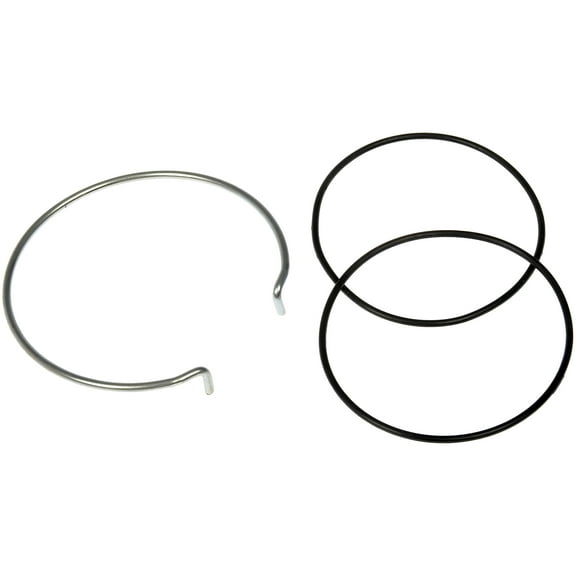
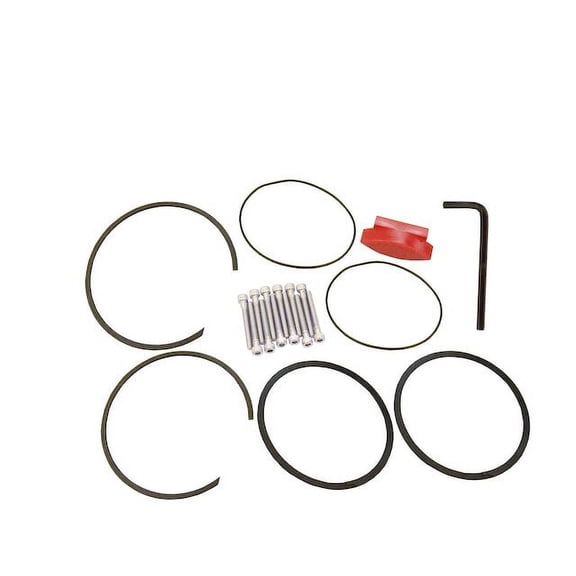
You should review installation details if you’re replacing worn or outdated wheel locking hubs. You can compare included bolts, gaskets, dial assemblies, and seals to understand what your replacement may require.
Some replacement jobs are straightforward when your axle setup stays unchanged and your hardware matches. Other jobs need closer review when your vehicle has an older hub assembly or a non-stock front axle.
You may be replacing hubs after years of seasonal 4WD use, or you may be upgrading a trail rig. In either case, you should verify operation type, spline count, and hardware before you start.
If you drive a daily truck, you may want easy engagement and familiar fitment. If you build around off-road use, you may want manual control, durable materials, and exact axle compatibility.
With the right locking hubs, you can restore proper front-end engagement without guessing through critical fitment details. You can get a setup that matches your axle, your driving style, and your 4WD routine.
Popular in Locking Hubs in Wheel Bearings & Hubs - Walmart.com
- Isuzu Ascender Wheel Bearing And Hub Assembly
- Isuzu Hombre Wheel Bearing And Hub Assembly
- Isuzu Axiom Wheel Bearing And Hub Assembly
- Buick Park Avenue Axle Bearing And Hub Assembly
- Isuzu I-280 Wheel Bearing And Hub Assembly
- Buick Park Avenue Wheel Bearing And Hub Assembly
- Mercury Sable Wheel Bearing Dust Cap
- Buick Roadmaster Wheel Bearing And Seal Kit
- Dorman Wheel Bearing Dust Cap
- Mercury Mountaineer Wheel Bearing And Hub Assembly
- Isuzu Impulse Wheel Bearing And Hub Assembly