Live Plants

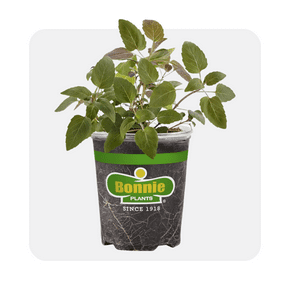
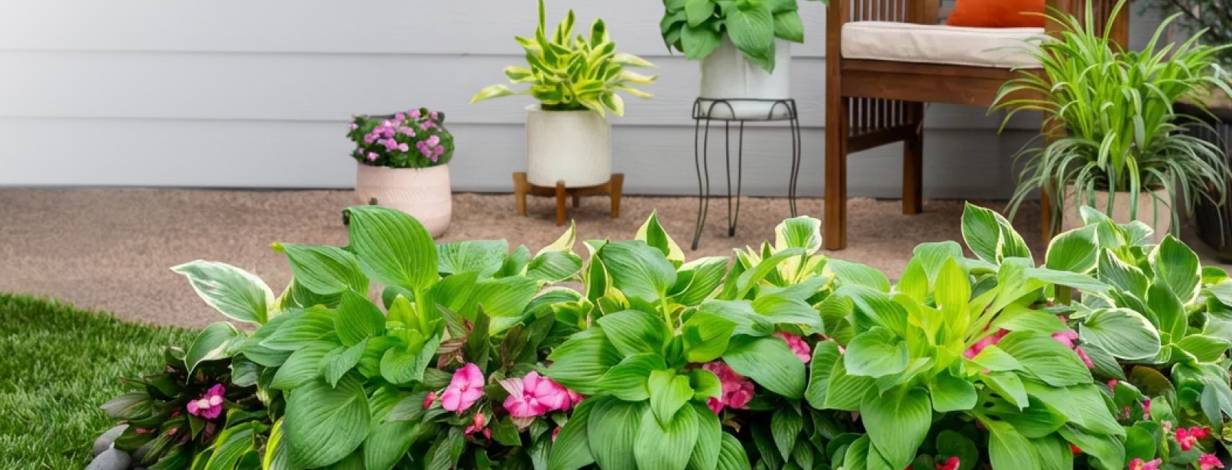
Spring greenery for your yard

From low-maintenance to pollinator favorites & beyond.Shop now

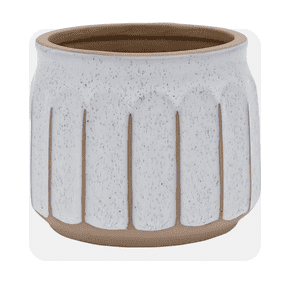
New pots & planters

Ceramic, resin & more.

Shop now

Easy-growing houseplants

The Garden Center

Keep your lawn & garden growing.

Shop now
Make your home come alive
Live plants from Better Homes & Gardens.Shop now

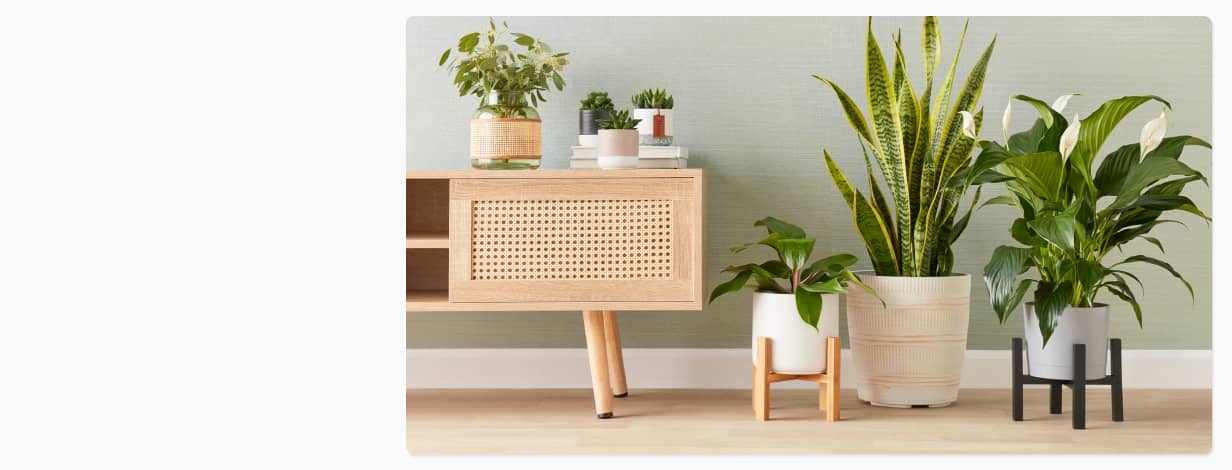
Bring the outdoors in

Improve air quality & get a fresh new look with live plants.Let's grow

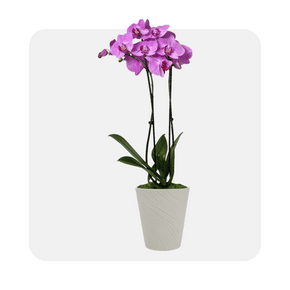
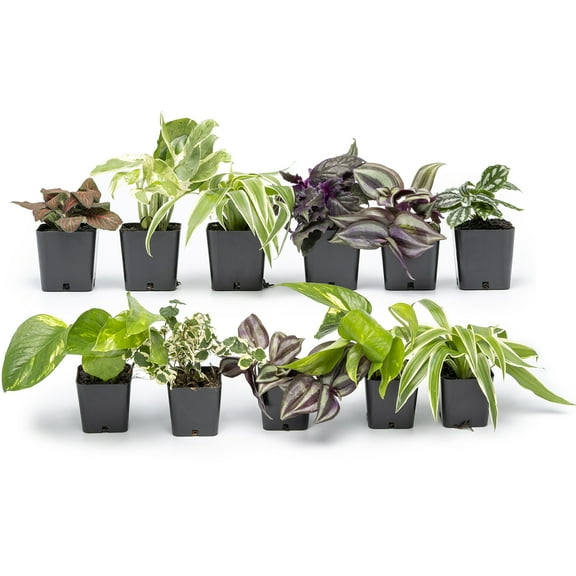
Trending houseplants

Shop all

FAQ

What's the easiest houseplant for beginners?

Short answer: Several common houseplants are great for new plant owners. They tolerate occasional missed waterings and varied light.

  • Pothos: Trailing vine that does well in low to bright indirect light.
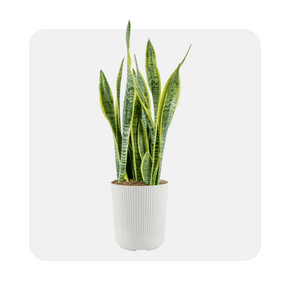
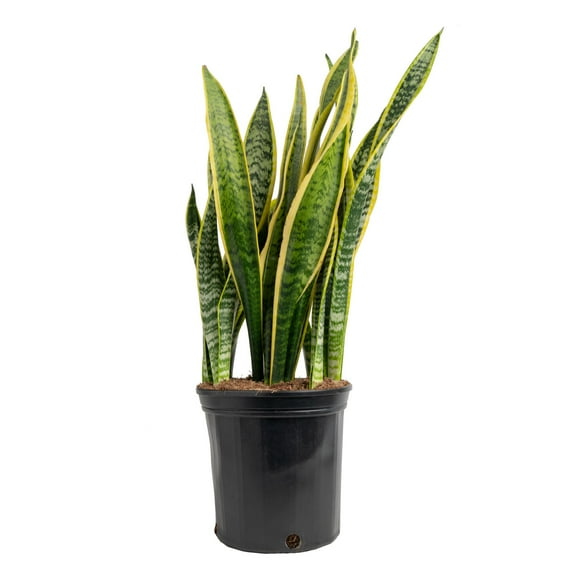
  • Snake plant: Upright leaves and very forgiving of irregular watering.
  • Spider plant: Adapts to many indoor conditions and produces baby offsets.

When shopping on the live plants page, check product descriptions and customer reviews for care notes. These preferences can help you pick one that fits your schedule and home lighting.

What are low-maintenance indoor plants?

Low-maintenance plants are ones that need less frequent watering, can handle lower light, and aren’t picky about humidity. Examples include:

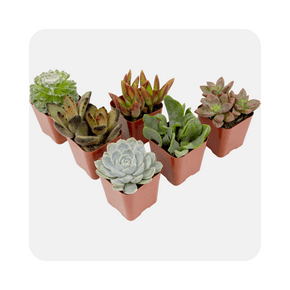
  • Succulents and small cacti: Store water in their leaves, need bright light and well-draining soil.
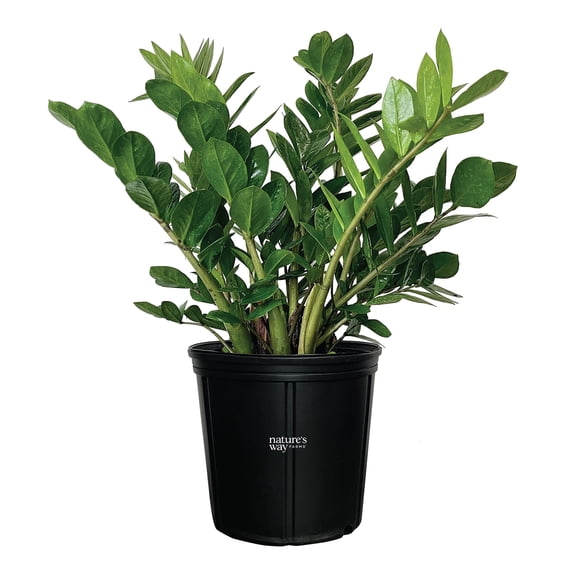
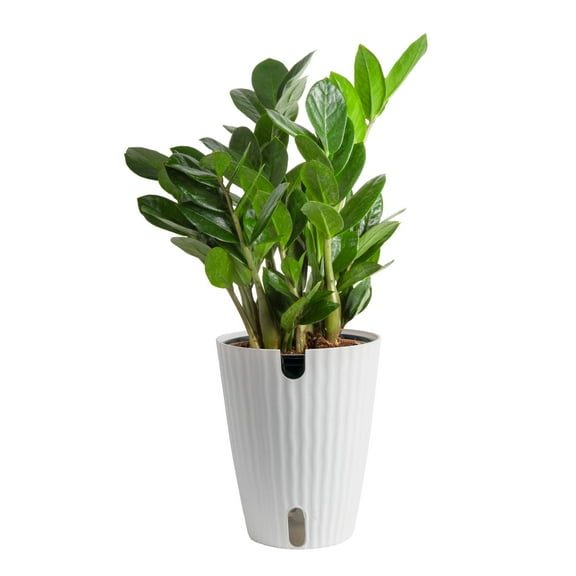
  • ZZ plant: Tolerates low light and infrequent watering.
  • Cast-iron plant: Known for durability in low-light spots.

Look for notes like "drought-tolerant" or "low light" on product pages. Also choose pots with drainage and set a simple watering routine—less is often better for these types.

How can I identify my houseplant?

To identify a plant, observe and document its key features and use available resources:

  1. Take clear photos of the whole plant, leaves, stems, and any flowers or new growth.
  2. Note leaf shape, size, texture, patterns (variegation), and growth habit (trailing, clumping, upright).
  3. Check any tags, order confirmations, or receipts from the purchase page for names or SKU details.
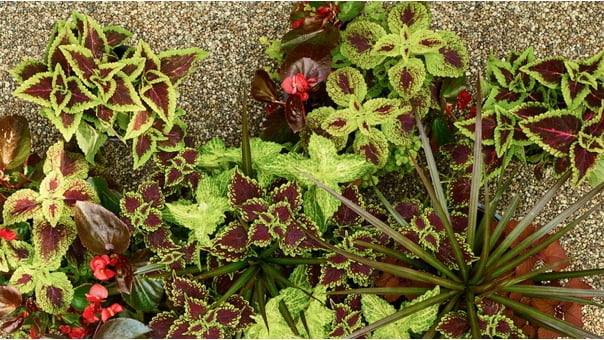
  4. Bring photos or the plant to a store associate for help, or compare to listings and customer images on the site.

These steps usually narrow down the ID so you can find tailored care tips.

What should I do after bringing a new plant home?

Right after bringing a new plant home, take a few simple steps to help it settle in:

  • Inspect for pests or damaged leaves and remove any obvious debris.
  • Acclimate by placing it where light matches the product description; avoid sudden moves from dark to bright sun.
  • Delay repotting for a week unless roots are crowded—this allows the plant to recover from transit stress.
  • Check care info on the product page and tag, and set a watering schedule based on soil moisture, not a calendar.

If the item arrived damaged, review return or exchange options available through your Walmart order details.

How do I pick the right plant for my space?

Match the plant to your room conditions and lifestyle to avoid frustration:

  • Light: Determine whether the spot is bright, indirect, or low light and filter product pages accordingly.
  • Size: Measure available height and floor or shelf space—check mature size in the description.
  • Care level: Pick low-maintenance plants if you travel or prefer minimal upkeep.
  • Pets and placement: Place plants where they won’t be easily disturbed; check safety notes if pets interact with plants.

Use filters, photos, and customer reviews on the live plants page to compare options before buying.

Show less

Related Links