

LED Lighting for Hiking Health and Safety Gear



























About LED Lighting for Hiking Health and Safety Gear - Walmart.com
Outdoor lighting helps you extend camp time, light your trail, and keep your setup visible after sunset. You can compare camping lights here by power source, brightness, water resistance, and activity, so your pick fits how you actually plan to use it.
How to choose outdoor lighting for your plans
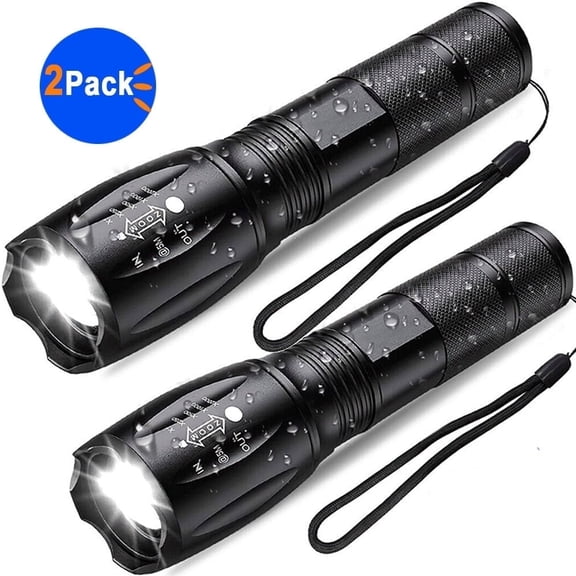
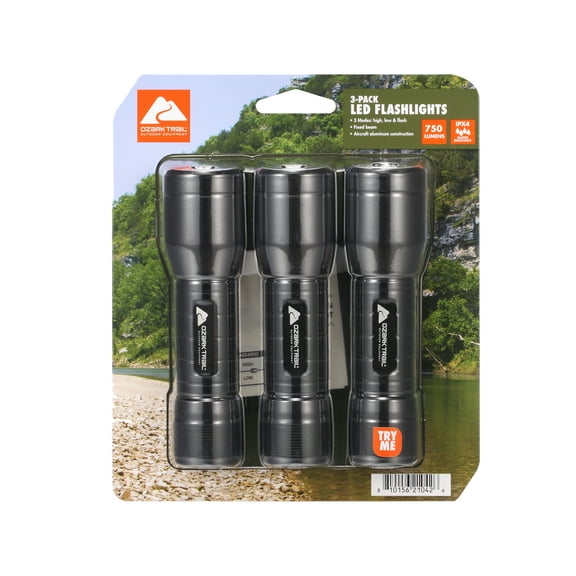
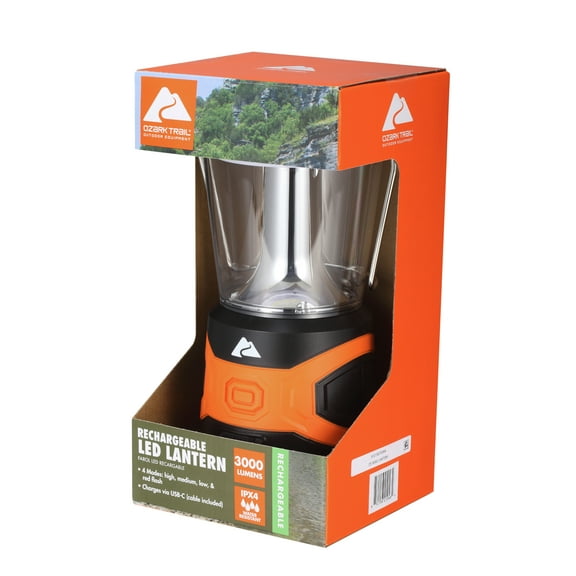
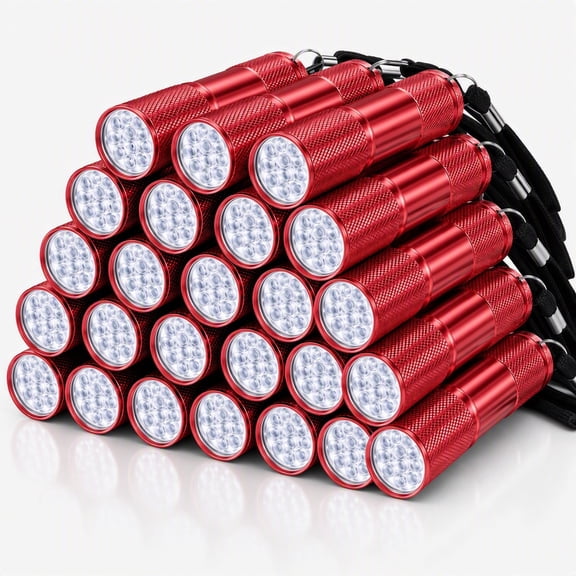
When you compare outdoor lighting, you should start with where and how you plan to use it. You may want camping lanterns for broad area light, hiking headlamps for hands-free movement, or flashlights for a focused beam.
For backyard evenings, you might prefer string lights or weatherproof area lights that create steady coverage. For emergency prep, you may want portable work lights or rechargeable flashlights that store easily and turn on fast.
Your decision gets easier when you match the light type to the job first. You can then narrow your options by lumens, run time, and water resistance.
Choosing power source and run time
You should compare rechargeable, battery powered, solar, and dual-fuel options before anything else. Your power choice affects convenience, pack weight, and how easily you can keep lighting ready on longer trips.
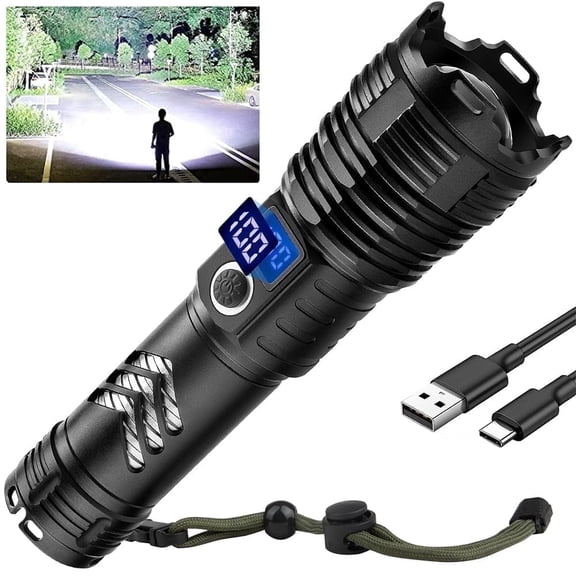
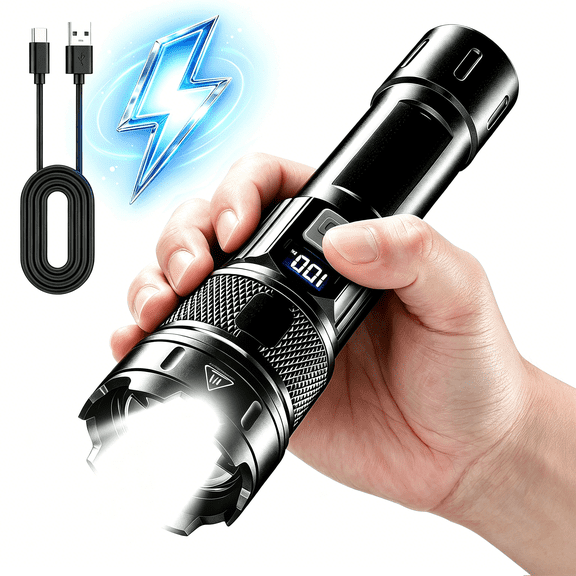
Rechargeable flashlights and lanterns can simplify your gear because you can recharge them between outings. You may also like checking battery capacity in mAh, since higher numbers often support longer run times.
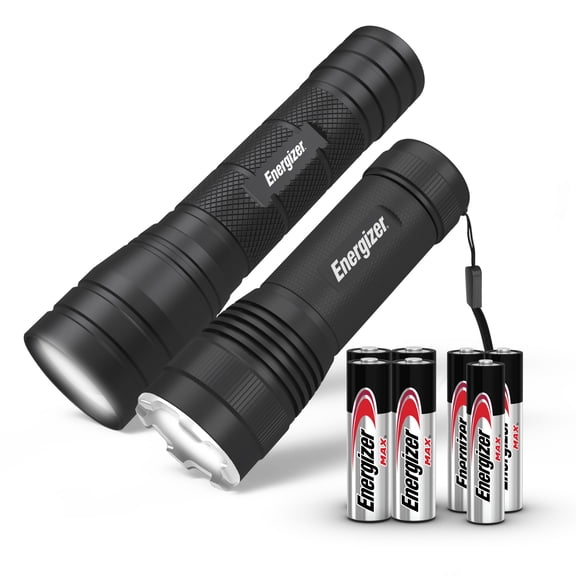
Battery powered lights can work well when you want easy swaps during extended camping. You may prefer them if your route or campsite does not provide reliable charging access.
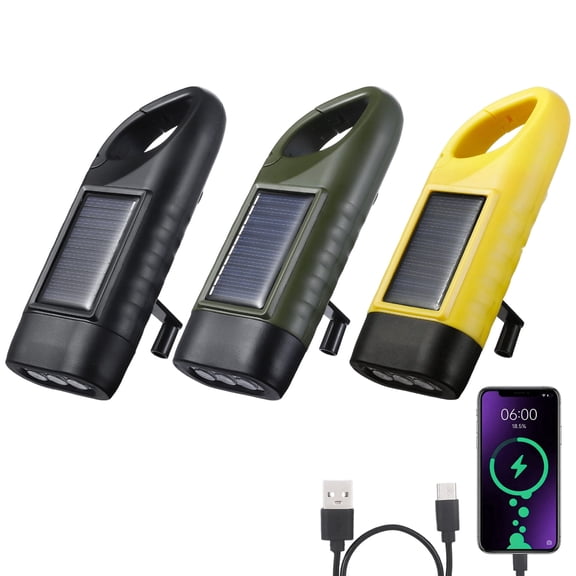
Solar camping lights can suit sunny base camps, backyard use, and backup lighting kits. You should still check charging speed and stored run-time hours before you rely on them overnight.
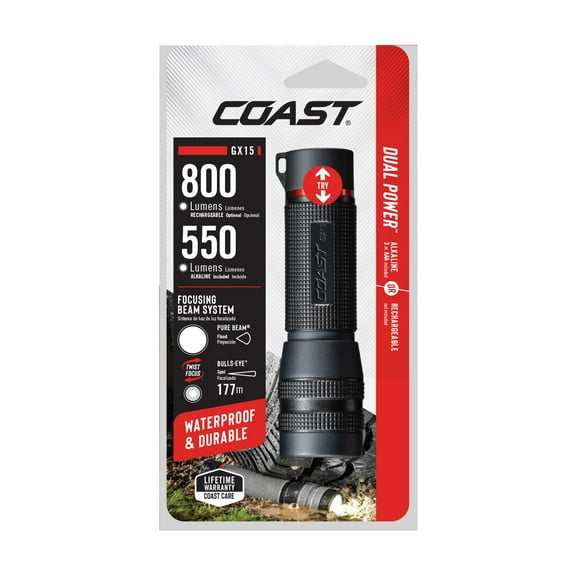
Dual-fuel designs give you flexibility when your plans change or your trip runs longer. You can switch power methods instead of carrying one more dedicated light.
- You can choose rechargeable models for repeat outings and simpler charging routines.
- You can choose battery powered lights when your trip needs quick power swaps.
- You can choose solar options for daylight charging at camp or in your yard.
- You can choose dual-fuel lights when your backup plan matters as much as brightness.
Comparing camping lights by brightness and beam
You should use lumens to judge how much light you actually get in the dark. You also need to compare beam style, because area light and focused light solve different problems.
Under 100 lumens can work for tent lights, close reading, and low-glare tasks around camp. You may like this range when your priority is longer battery life and softer light.
From 100 to 500 lumens, you can cover common campsite chores, short walks, and cooking areas. You should consider this range when you want useful output without carrying larger gear.
From 500 to 1000 lumens, you can light wider areas and darker trails with more confidence. You may prefer this level for larger campsites, trail checks, and stronger portable work lights.
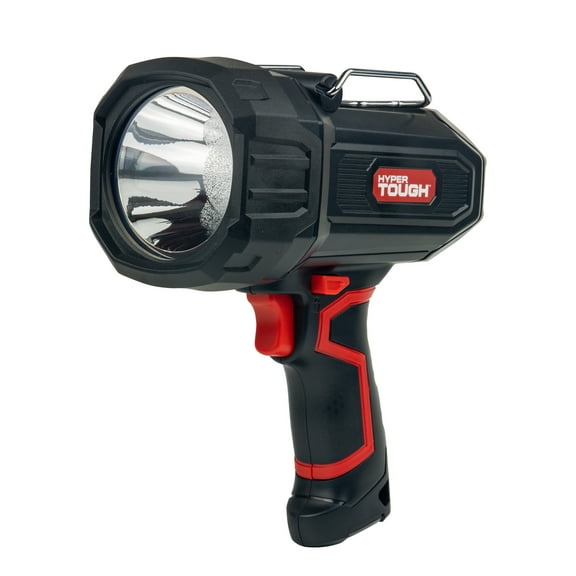
At 1000+ lumens, you can get bright camping lights for broad coverage or strong spotlight use. You should also check beam distance, since higher output matters most when your light reaches where you need it.
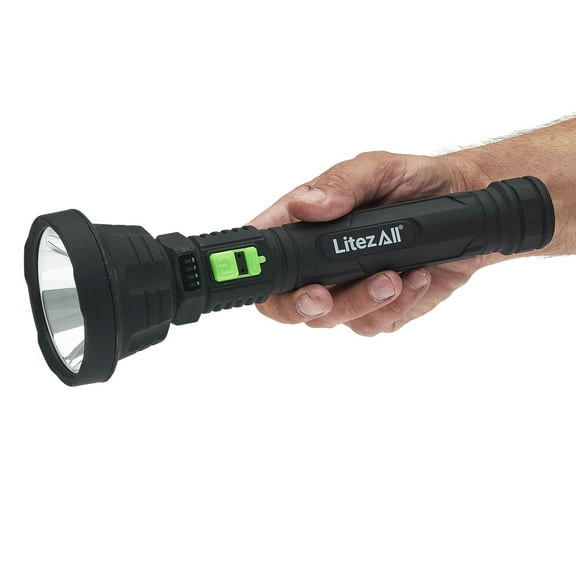
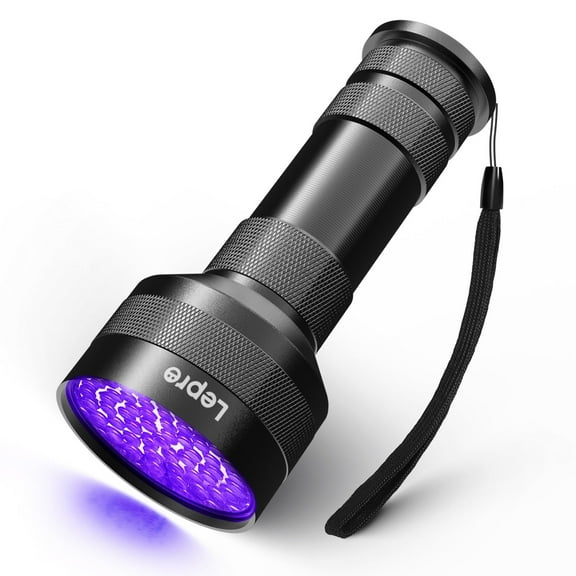
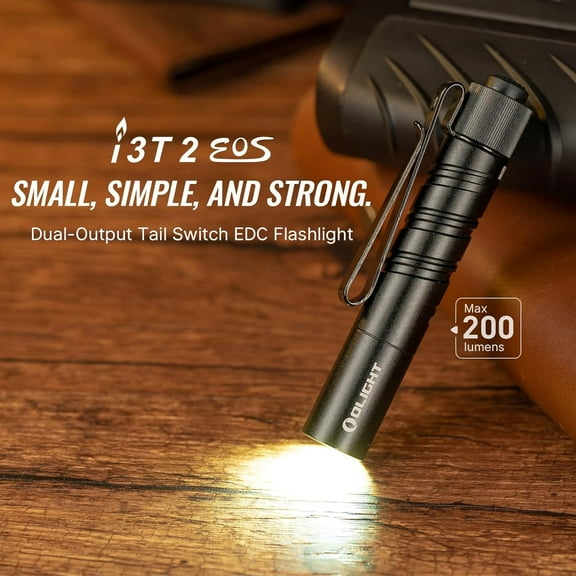
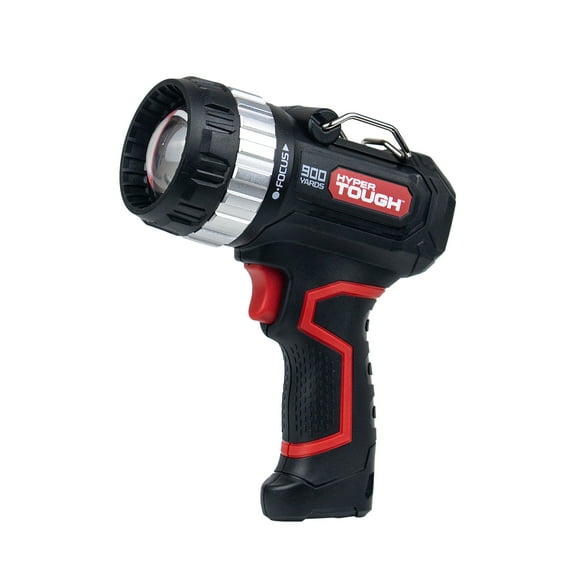
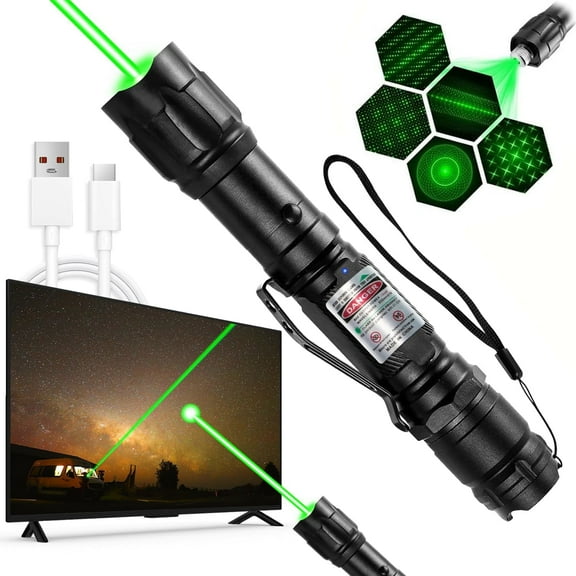
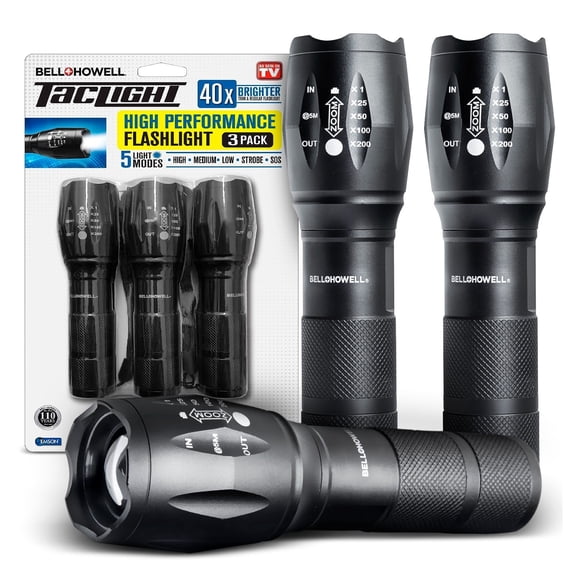
Lanterns spread light across a table, tent, or campsite, so you can see around you. Flashlights push a concentrated beam forward, so you can scan paths, gear, and distant markers.
Checking water resistance and durability
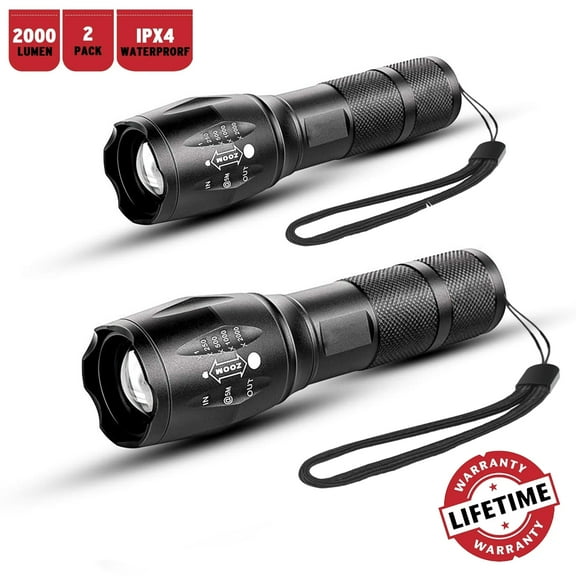
You should look at IPX ratings because they tell you how a light handles wet conditions. Your outdoor use may call for IPX4 water-resistant, IPX7 waterproof, or general weatherproof construction.
IPX4 water-resistant lights can suit light rain, damp campsites, and backyard setups. You may find that level useful when your light needs routine outdoor coverage, not deep water exposure.
IPX7 waterproof lights can handle heavier wet-weather use and rougher camp conditions. You should consider them when your hiking, paddling, or stormy weather plans demand more confidence.
Weatherproof designs can help you keep lighting ready through changing seasons and uneven conditions. You may also want impact resistance if your gear gets packed tightly or used on rocky ground.
Durability matters because your light may roll off a table, bounce in a pack, or hang from a tent loop. You should check the housing, hanging options, and switch design for everyday outdoor handling.
Matching lighting type to activity
You can narrow your options faster when you match lighting type to your activity. Your camping style, carry method, and setup time all shape what works for your needs.
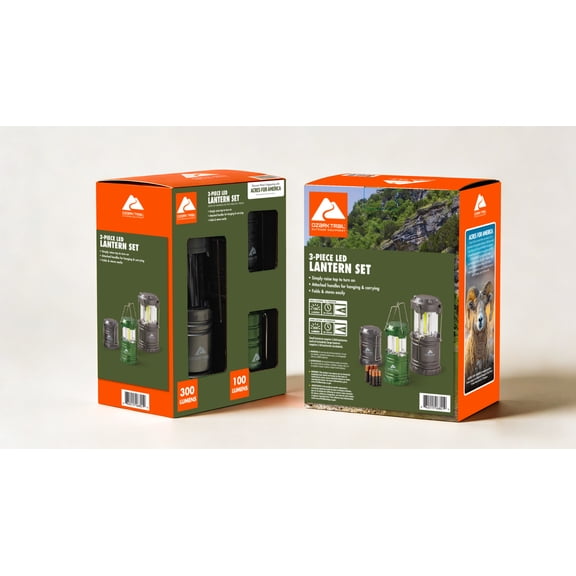
For camping, you may want camping lanterns or led camping lanterns that light cooking, cards, and tent organization. You can pair a lantern with a flashlight when you need both area coverage and a direct beam.
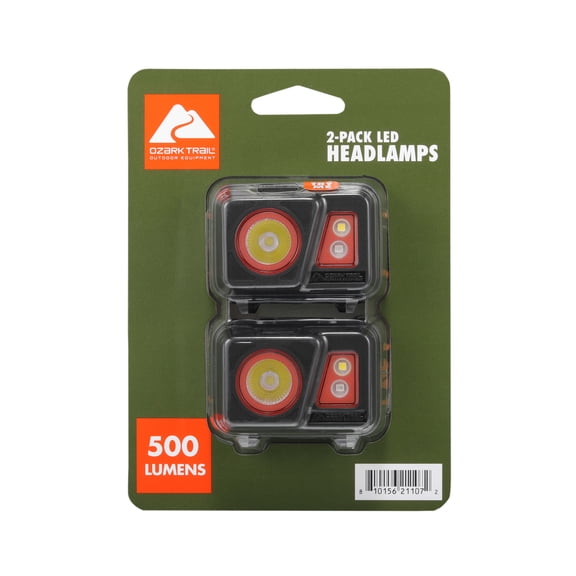
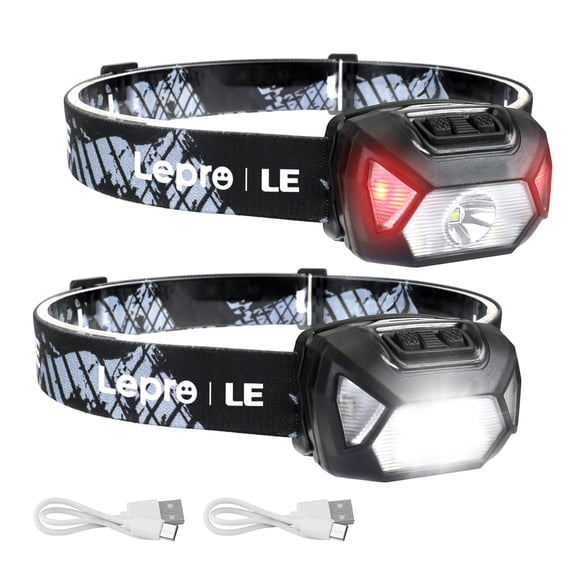
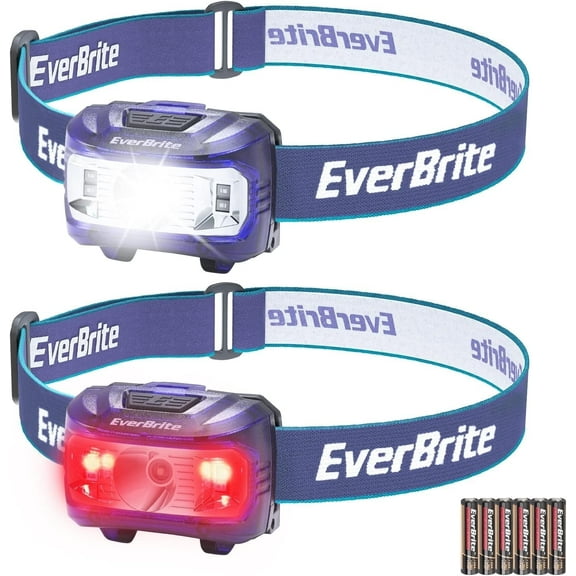
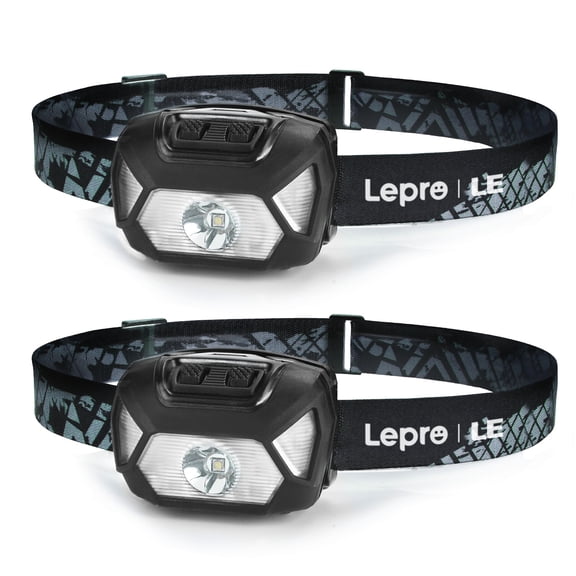
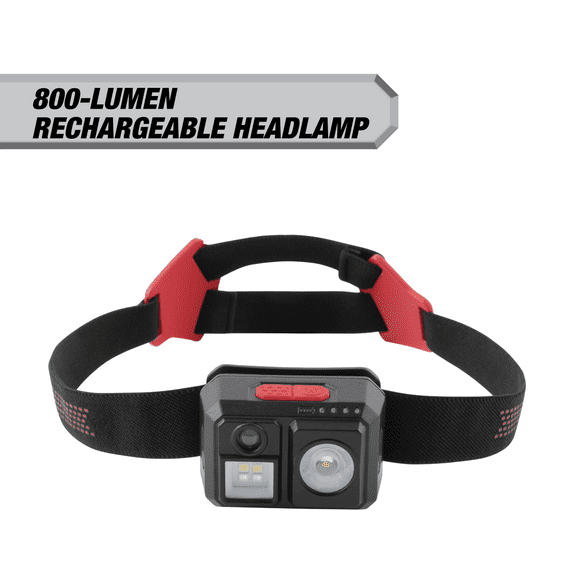
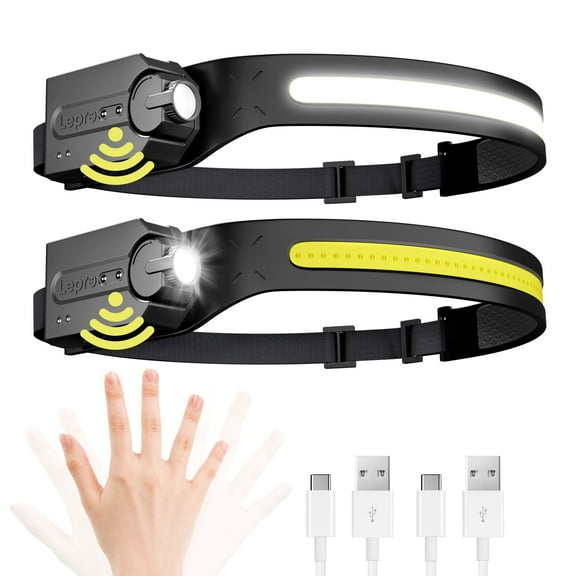
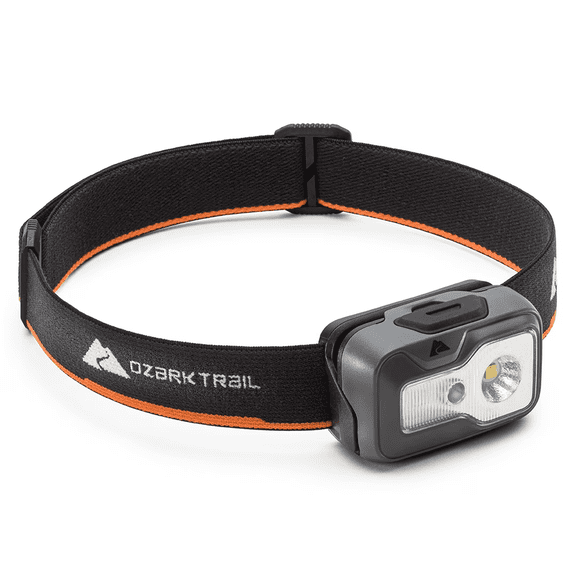
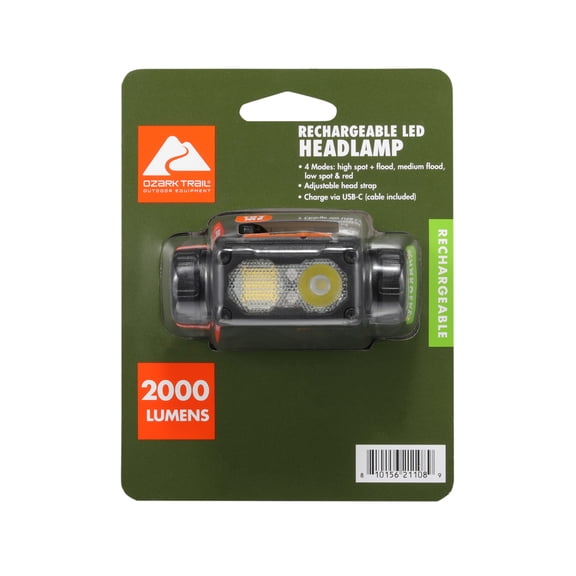
For hiking, you should consider hiking headlamps that keep both hands free on the move. You may also want a lighter design if your route includes long miles or elevation gain.
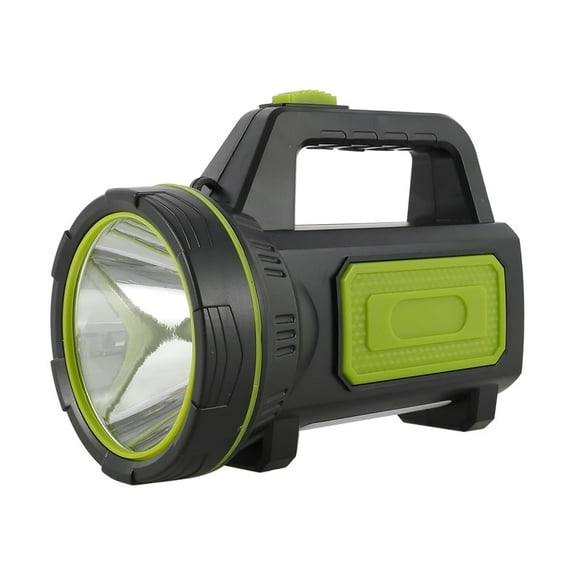
For emergency prep, you can keep rechargeable flashlights or portable work lights where you can reach them quickly. You should compare run-time hours and charging options, so your backup light stays practical.
For backyard use, you may prefer string lights, lanterns, or solar options that set up without much effort. You can create steady light for patios, sheds, and evening gatherings without hauling bulky gear.
If you backpack, you should measure weight and packed size as carefully as brightness. If you car camp, you may accept a larger light because you can prioritize longer run time and wider coverage.
What to look for before you decide
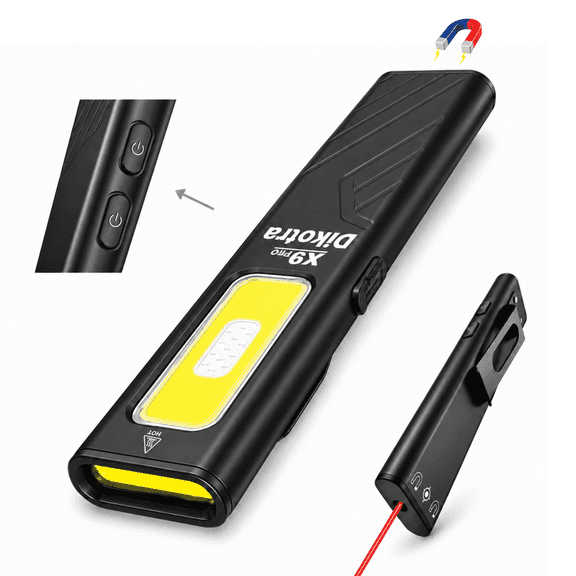
You should compare mounting and carrying details that affect daily use. Your ideal pick may include a handle, hook, tripod base, magnetic surface, or adjustable head strap.
You may also want multiple light modes for reading, task lighting, or trail use. Your setup feels more adaptable when you can switch between low, medium, high, and strobe settings.
Before you choose, you should check run time hours beside brightness output, not by themselves. You get a clearer picture when you compare how long your light lasts on the setting you plan to use.
With the right outdoor lighting, you can cover campsites, trails, tents, and backyard spaces with the output and durability your plans require. You can feel more prepared when your light matches your power needs, weather conditions, and carrying style.