



Photography Lights & Studio Lighting Kits










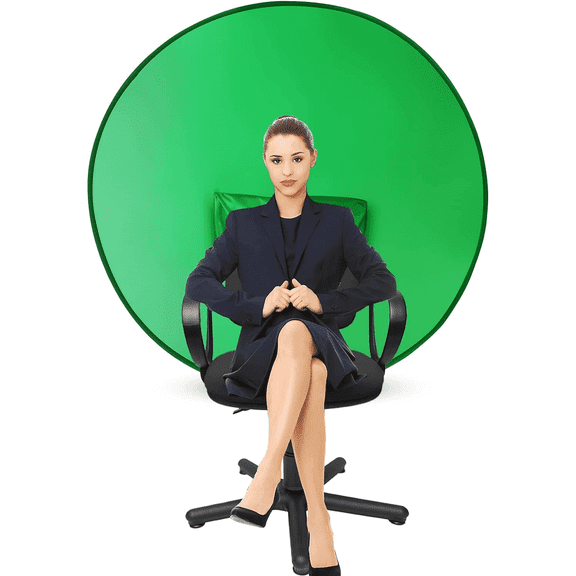

















About Photography Lights & Studio Lighting Kits - Walmart.com
Lighting and studio equipment helps you shape cleaner photos, steadier videos, and more controlled setups at home or on location. You can compare ring lights, softboxes, LED panels, and strobes in one place, so your setup fits your space and shooting style.
How to choose lighting and studio equipment
When you compare lighting type first, you can narrow your options much faster. You should match your light to portraits, product shots, streaming, or short-form video before you compare extras.
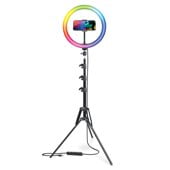
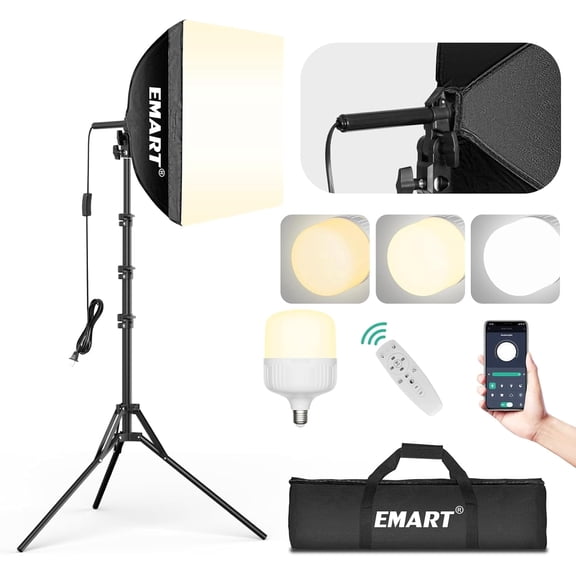
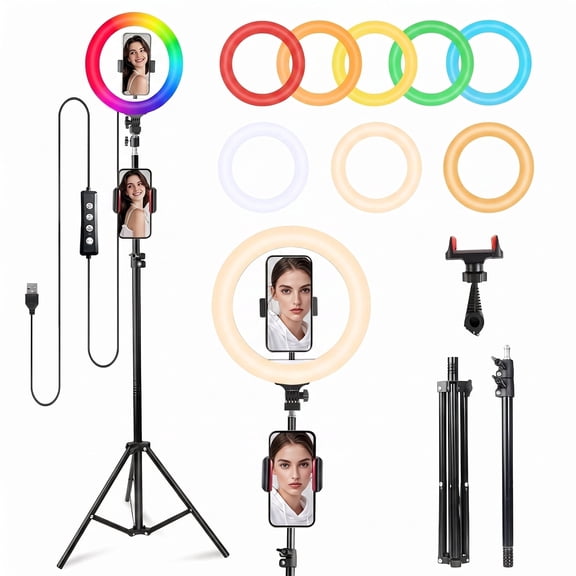
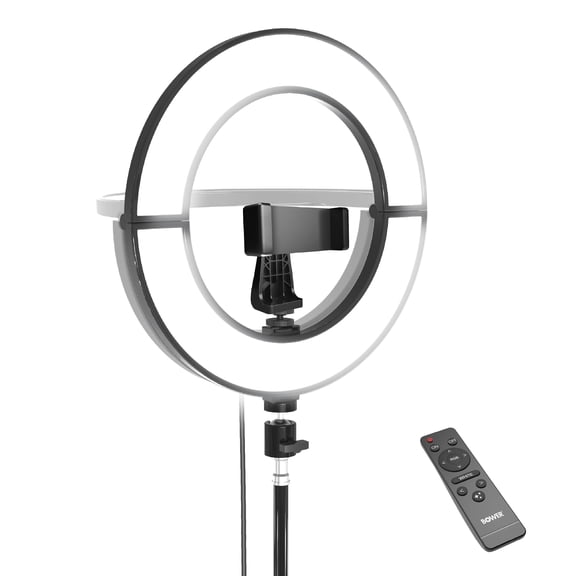
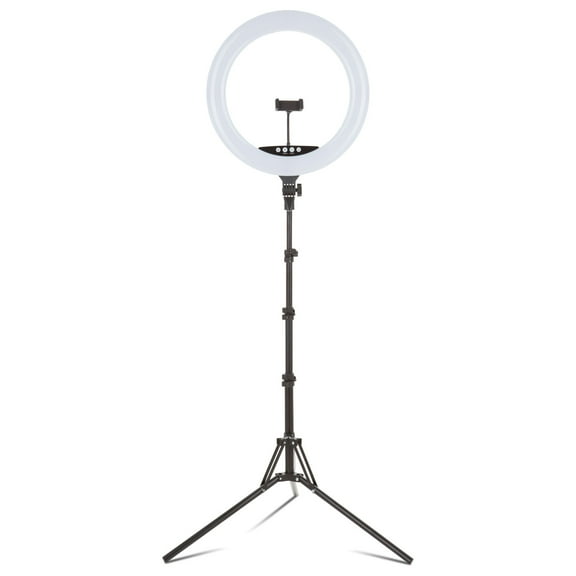
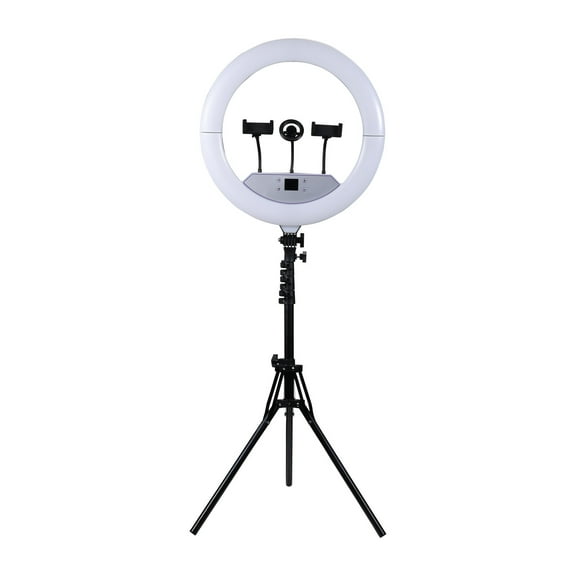
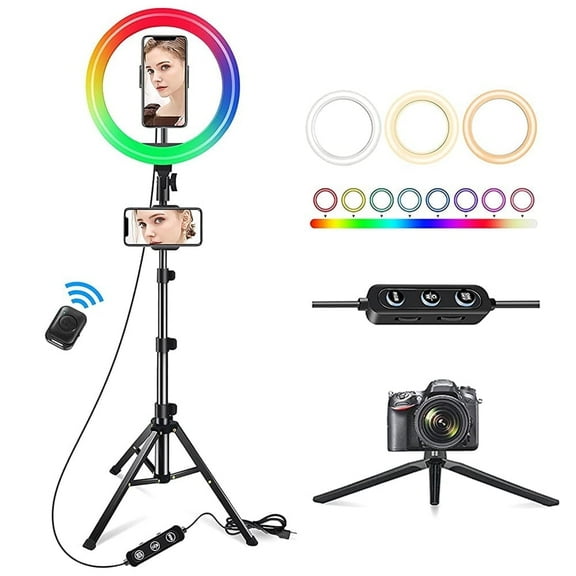
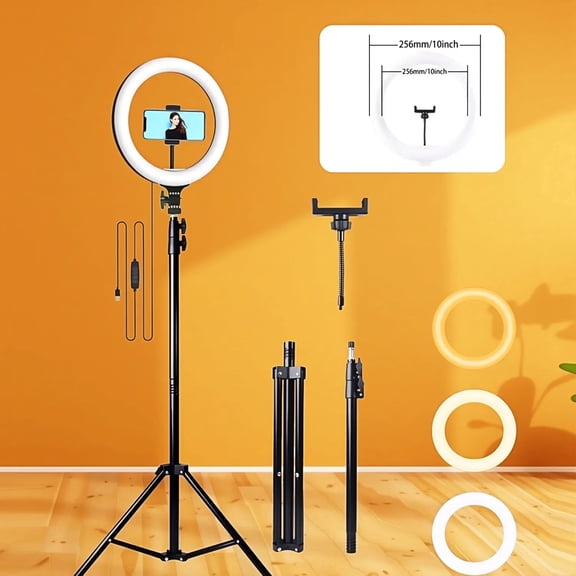
Ring lights help you create even facial lighting for beauty content, live streams, and video calls. Softbox lighting helps you spread light across a wider area, so your portraits and product photos look smoother.
Continuous LED lights let you see your lighting effect in real time while you record. Strobe lights give you short bursts of light for flash photography, so you can freeze motion more precisely.
What to look for in a photography lighting kit
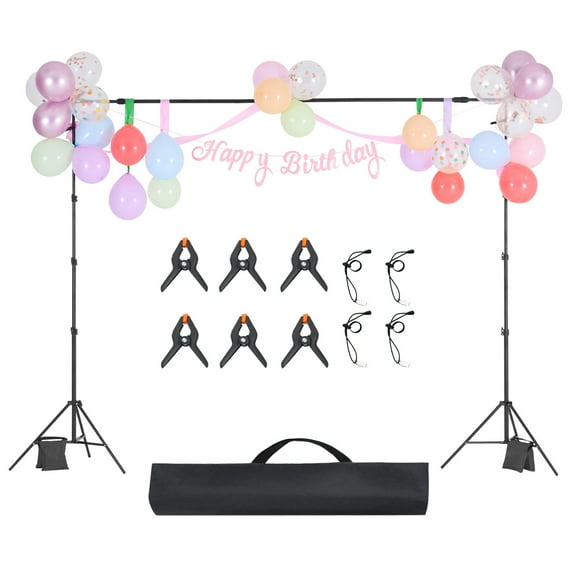
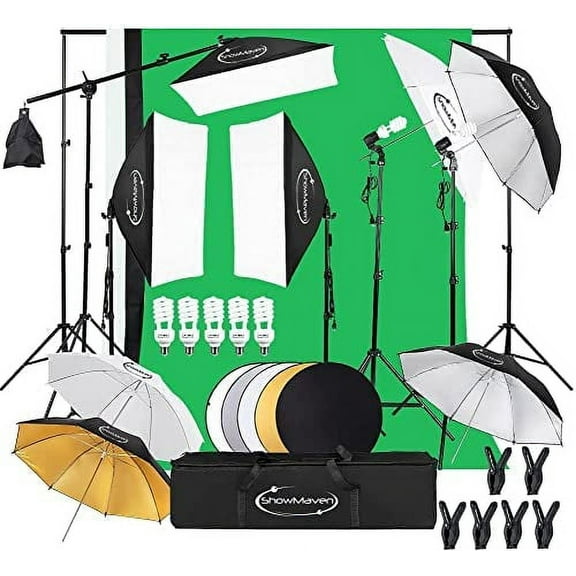
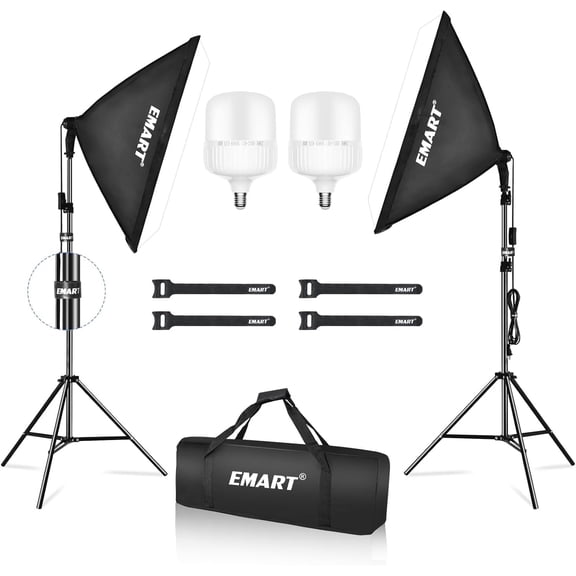
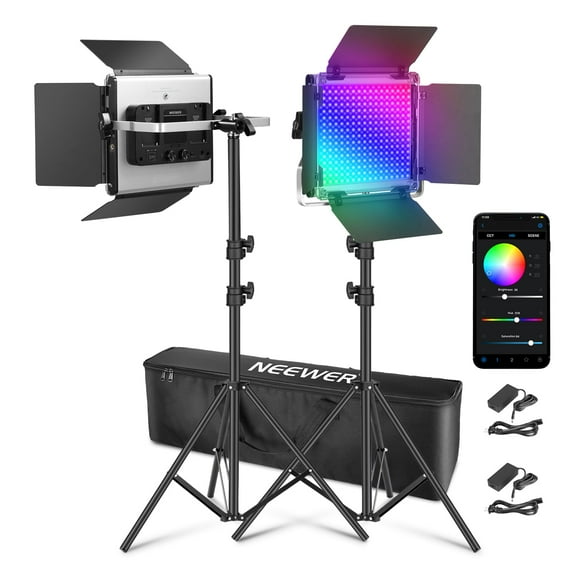
A photography lighting kit can simplify your setup because you get coordinated pieces that work together. You can look for light heads, stands, modifiers, and carrying cases when you want fewer setup decisions.
- You can start faster with matched lights, stands, and mounts in one kit.
- You can keep your framing consistent when your lights share similar output and color temperature.
- You can move between rooms or locations more easily when your kit folds into a carry bag.
- You can support portraits, tabletop scenes, and creator content with one coordinated setup.
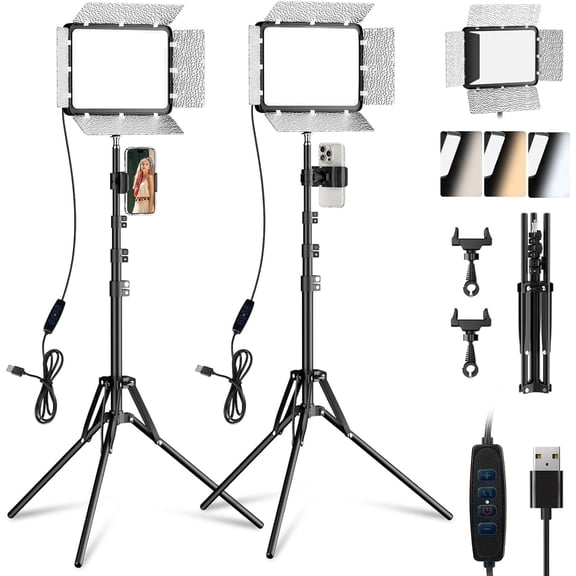
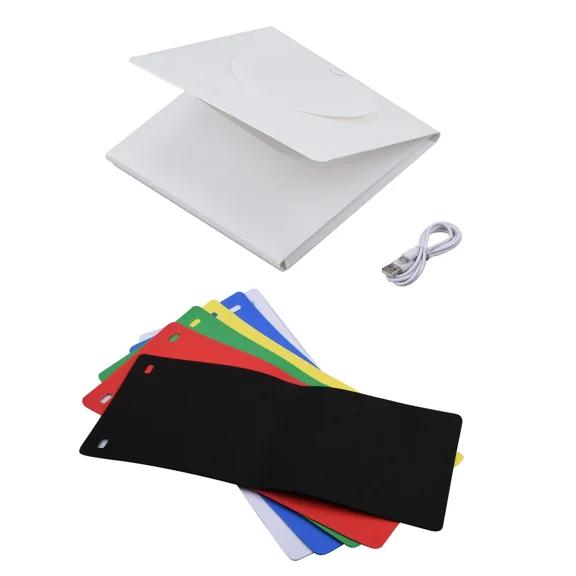
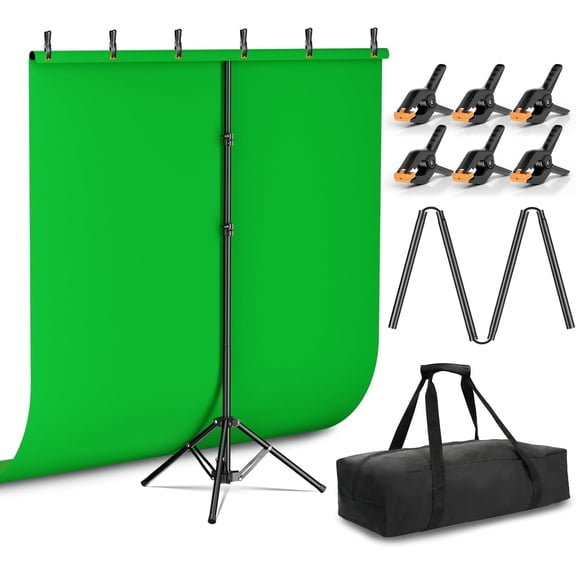
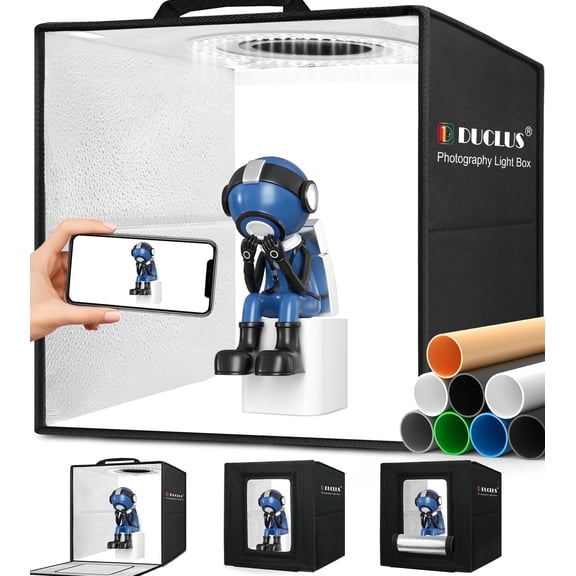
If you shoot products, you may want softboxes that reduce harsh reflections on packaging, glass, or metal. If you film talking-head content, you may want a ring light with stand for direct, balanced front lighting.
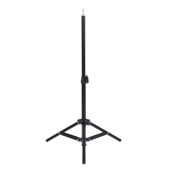
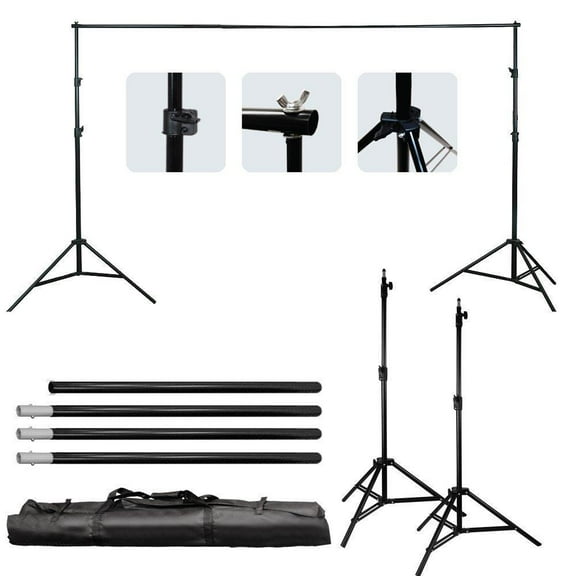
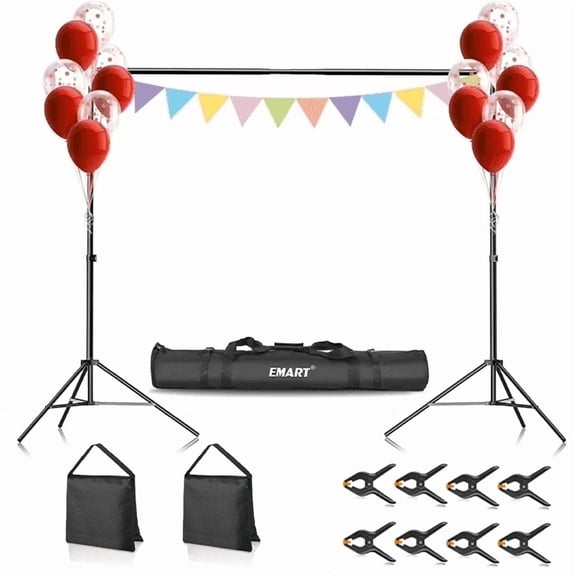
When you compare kits, you should also check stand height and folded size. You can avoid cramped setups when your lights fit your desk, backdrop area, or spare room.
Choosing lighting type, power, and color settings
Continuous and strobe lighting serve different workflows, so you should compare them based on what you capture. You can use continuous lights for video because you see shadows, highlights, and skin tone before recording.
If you shoot still images with flash, you may compare strobe sync speed and flash duration. You can use those specs to understand how a light works with your camera and fast-moving subjects.
Power source affects where and how long you can shoot during a session. AC powered lights suit longer indoor setups, while battery operated and USB rechargeable options support portable studio lights.
Color settings matter when you want your footage and photos to look consistent across scenes. You should compare bi-color, RGB, and daylight balanced options based on your background, subject, and editing workflow.
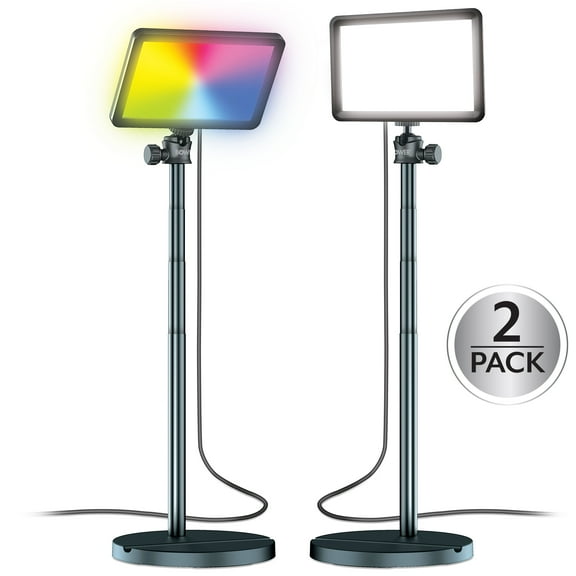
Bi-color lights let you adjust from warmer to cooler tones to match room lighting. RGB lights let you add colored accents, while daylight balanced lights help you maintain a natural-looking baseline.
If color accuracy matters to your workflow, you should check whether CRI reaches 95 or higher. You can expect more reliable color detail for product shoots and careful color grading.
How studio lights for video fit your space and routine
Studio lights for video should match your room size, shooting distance, and storage needs. You can keep your workflow simpler when you measure desk depth, ceiling height, and floor space first.
For vlogging, you may prefer a compact LED panel or ring light that fits beside a phone mount. You can keep your background clean when your stand footprint stays small.
For portrait photography, you may want larger softboxes that wrap light around faces and clothing. You can create more gradual shadows when your modifier covers a broader area.
For product shoots, you may need lights that reveal texture without overpowering labels or glossy surfaces. You can adjust angle, diffusion, and brightness to refine details on electronics, crafts, or collectibles.
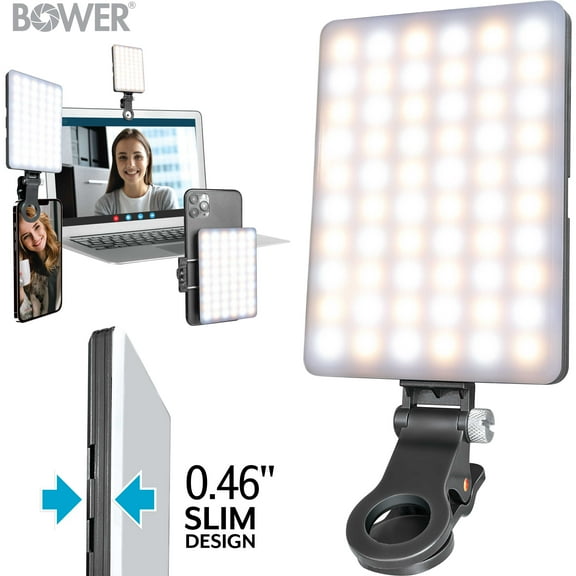
For video conferencing, you may want a light that sets up quickly and stores easily after meetings. You can choose foldable stands and lightweight heads when your workspace serves more than one purpose.
When portability matters, you should compare folding frames, carry bags, and total packed weight. You can move from home studio to event space without rebuilding your whole setup each time.
Key differences between popular studio lighting options
LED studio lights work well when you want lower-heat operation and visible output during setup. You can fine-tune brightness faster because you see the change as you position the light.
Softboxes diffuse light for a broader, softer look across faces, fabrics, and product edges. You can use them when you want fewer harsh transitions and a more polished frame.
A ring light with stand keeps your light centered around your camera or phone. You can use that shape to brighten your face evenly for tutorials, livestreams, and desk-based recording.
Strobes support flash-focused setups where timing and output control matter more than constant visibility. You can pair them with your still-photo workflow when you want crisp frames and controlled exposure.
When you compare these options carefully, you can build a setup that matches your room, camera, and content goals. You can get more consistent results when your lights fit your workflow from the first setup.