




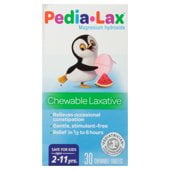
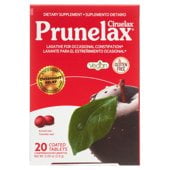
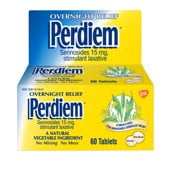
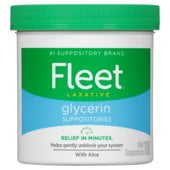




Laxatives in Digestive Health










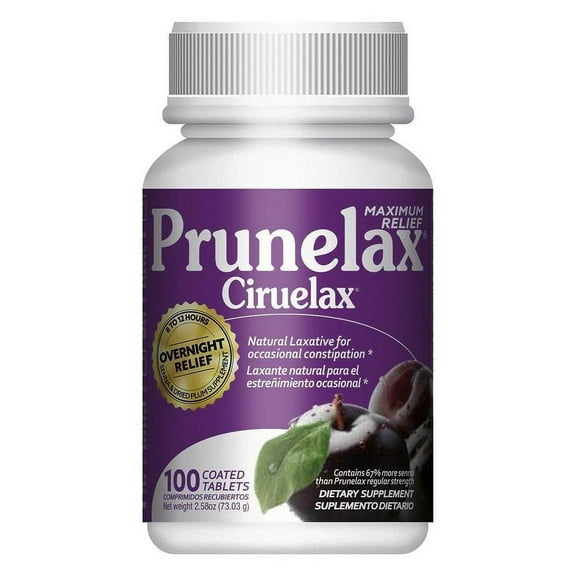

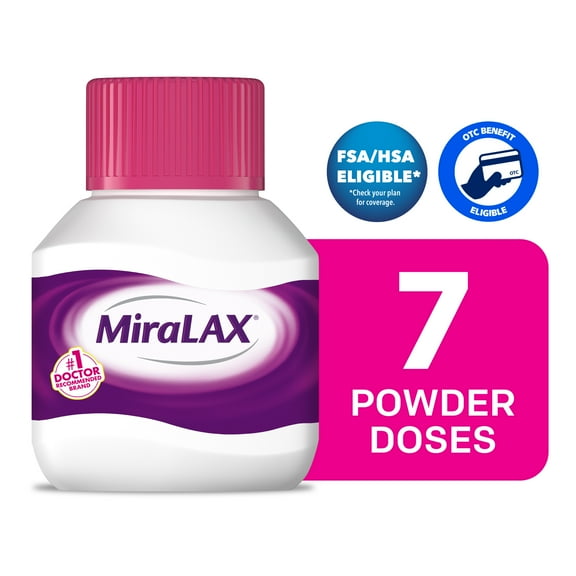
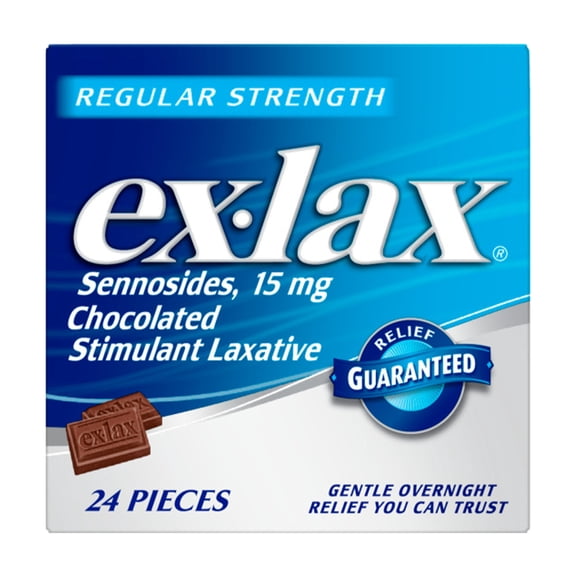

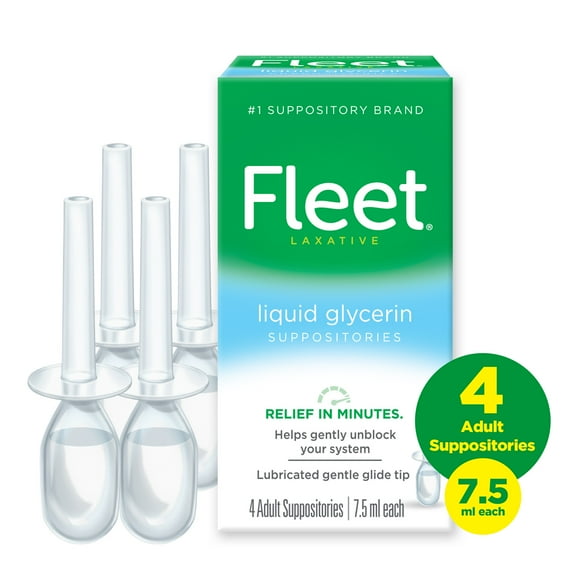
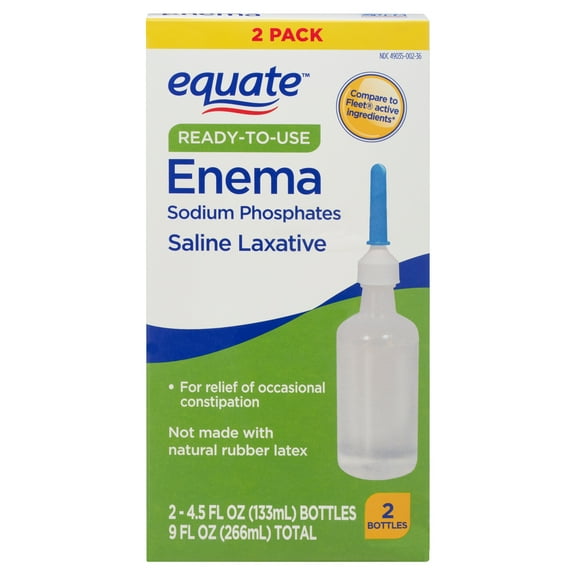

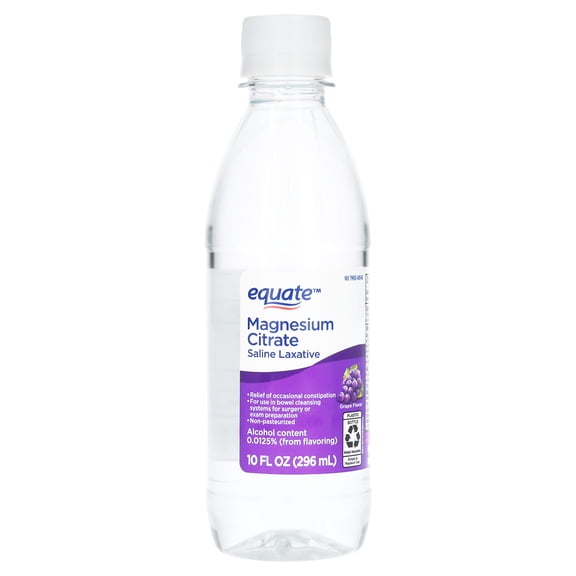




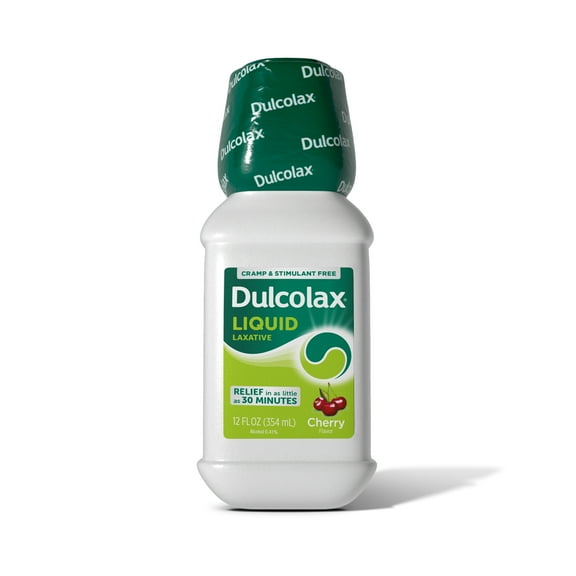

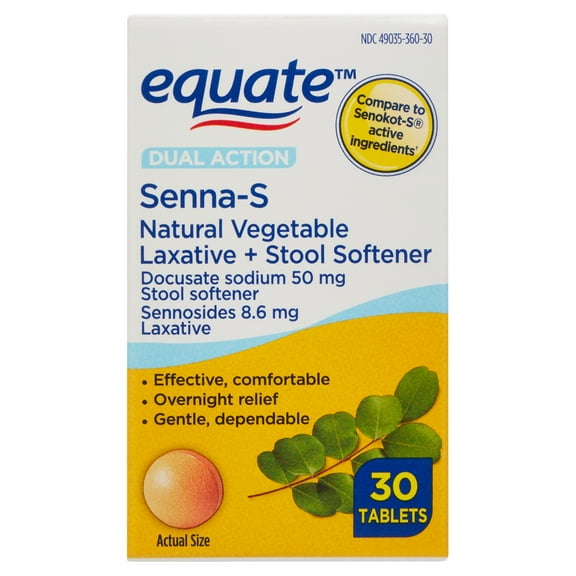

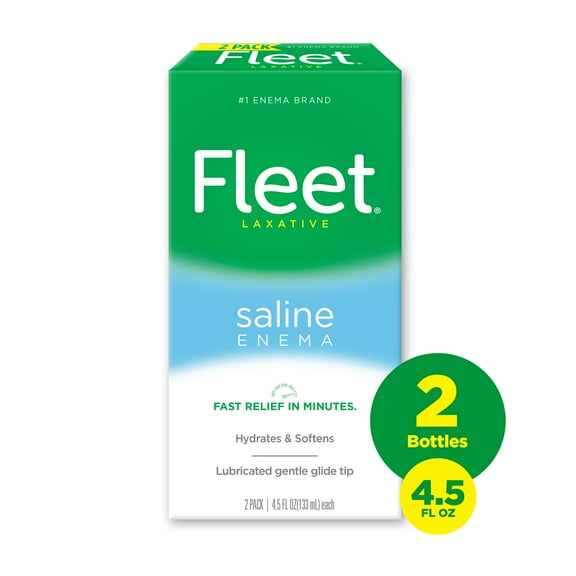
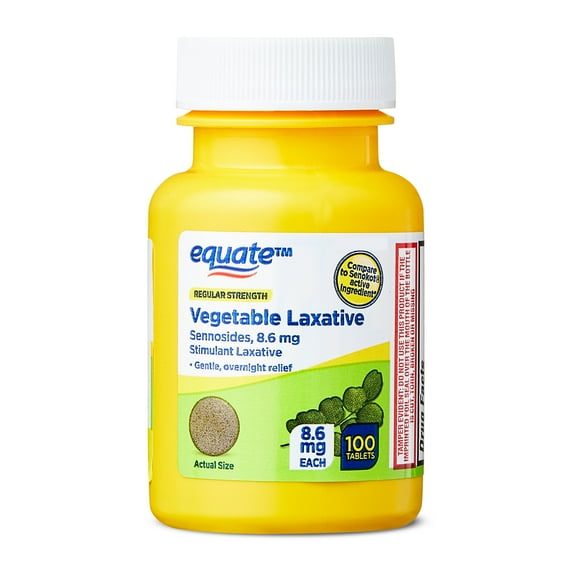
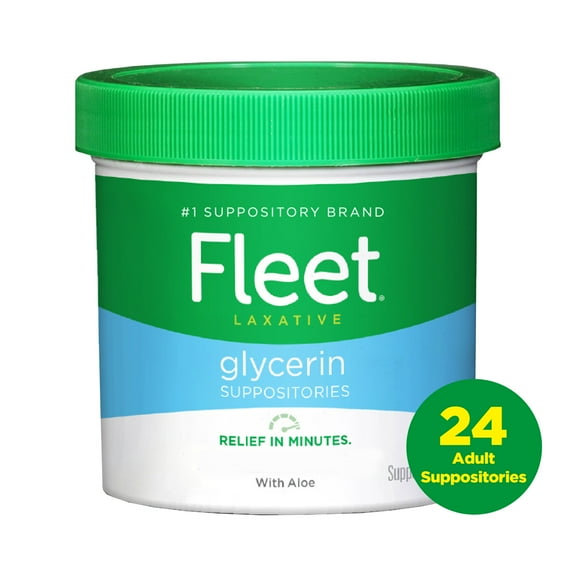

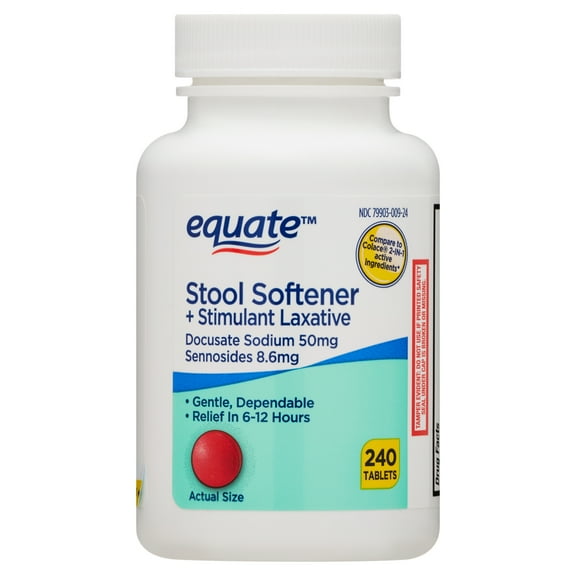




About Laxatives in Digestive Health - Walmart.com
Laxatives help you compare formulation types, formats, and timing so you can choose the right constipation relief for your routine. You can sort options by active ingredient, delivery format, and expected onset with a clearer buying guide.
How to choose laxatives for constipation relief
When you compare laxatives, you should start with how each type fits your routine. You can narrow choices quickly when you match the mechanism to your preferred timing and format.
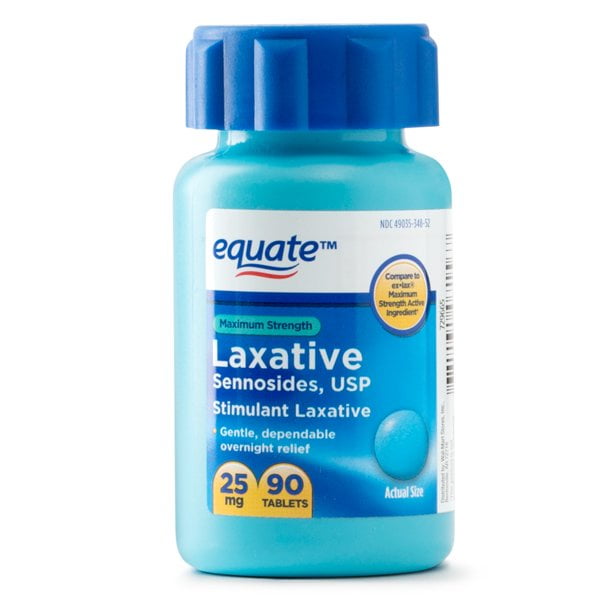
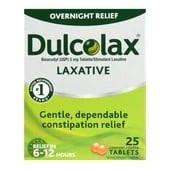
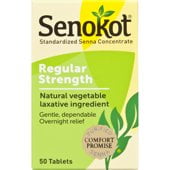
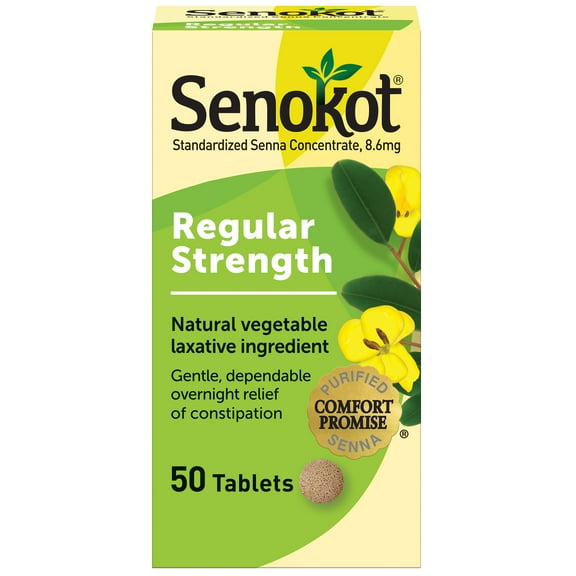
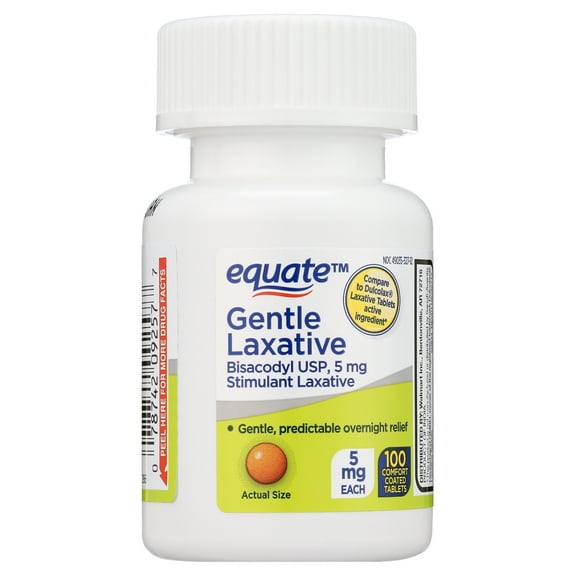
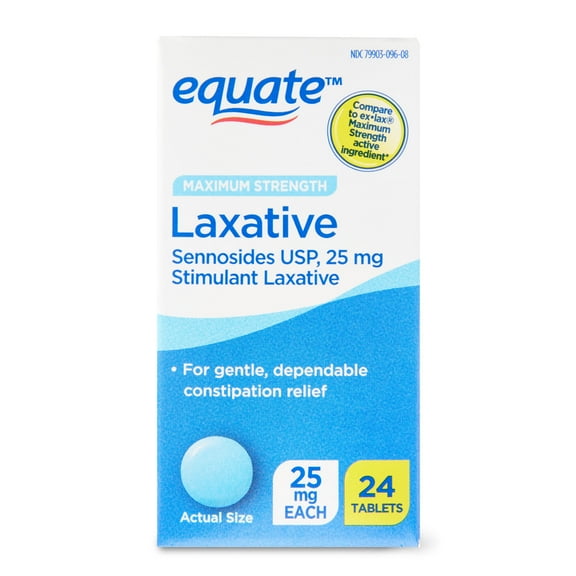
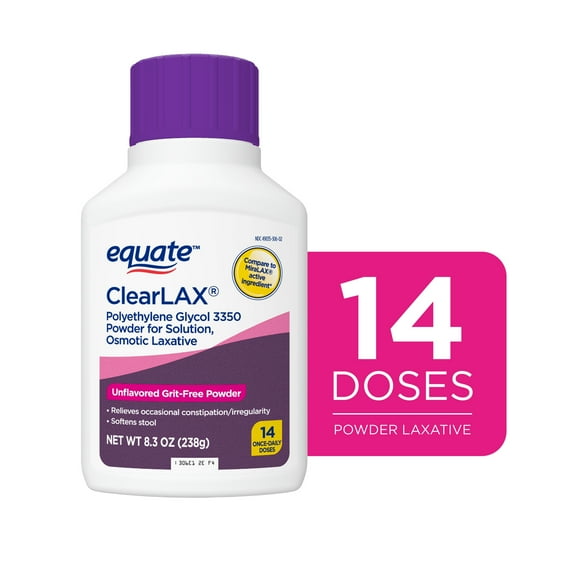
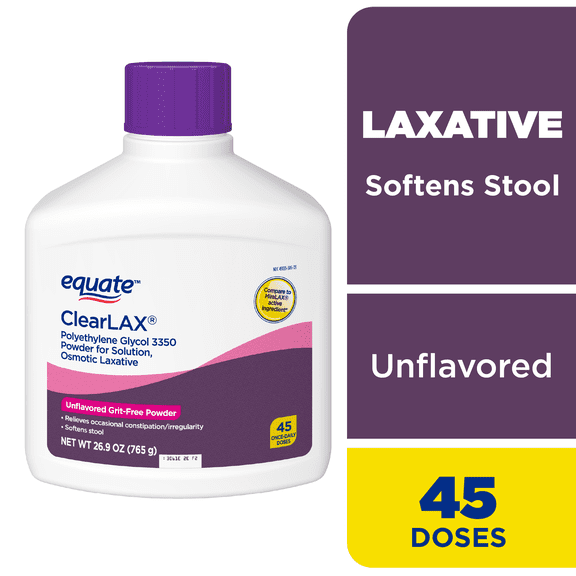
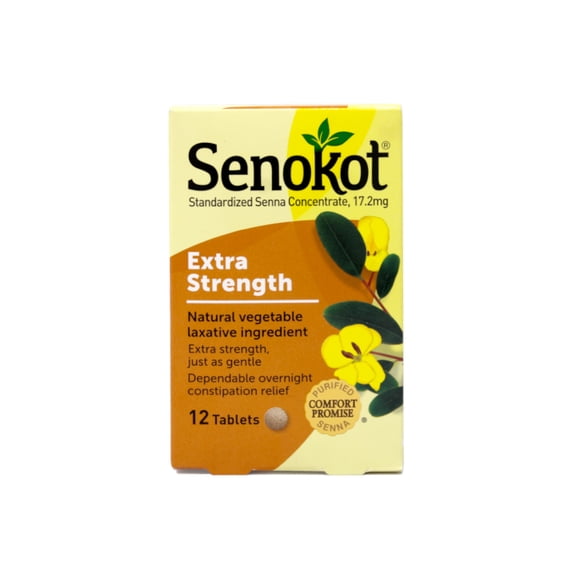
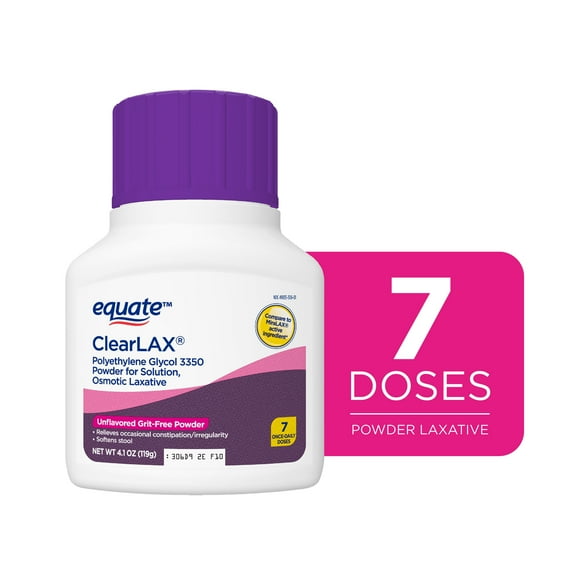
Stimulant options usually use senna or bisacodyl, and you may choose them when you want a direct, short-term option. Osmotic choices often include polyethylene glycol 3350, and you can compare them when you prefer a different approach.
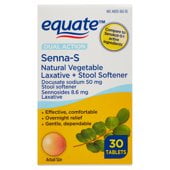
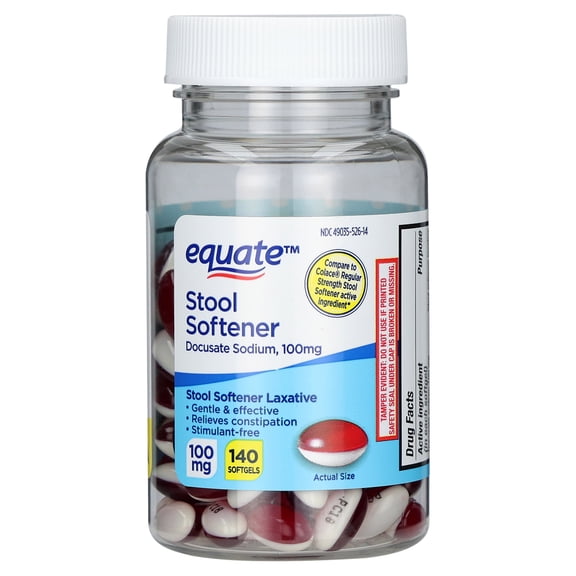
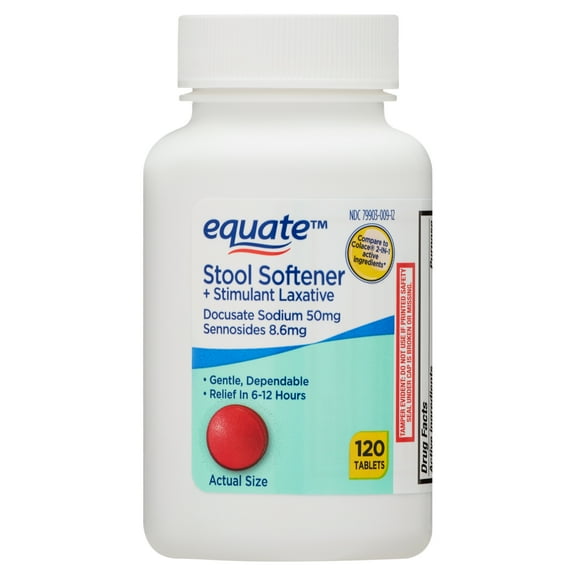
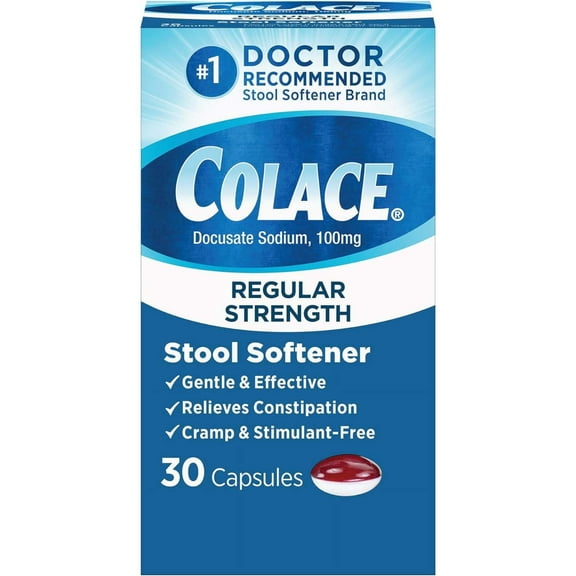
Bulk-forming options often use psyllium husk, and you may consider them when you want a fiber-based format. Stool softeners fit a different need, so you should compare them separately from standard stimulant or osmotic products.
- You can compare stimulant, osmotic, bulk-forming, and stool softener types by how they fit your schedule.
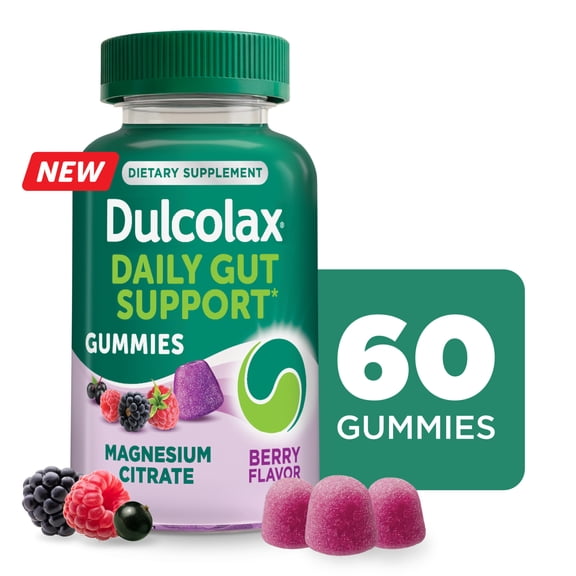
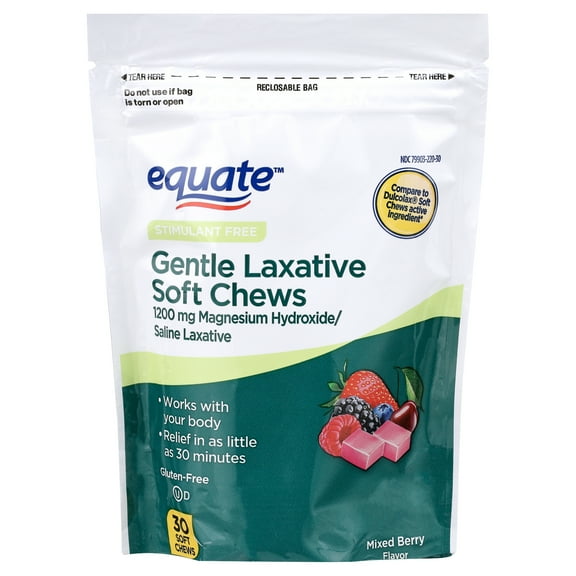
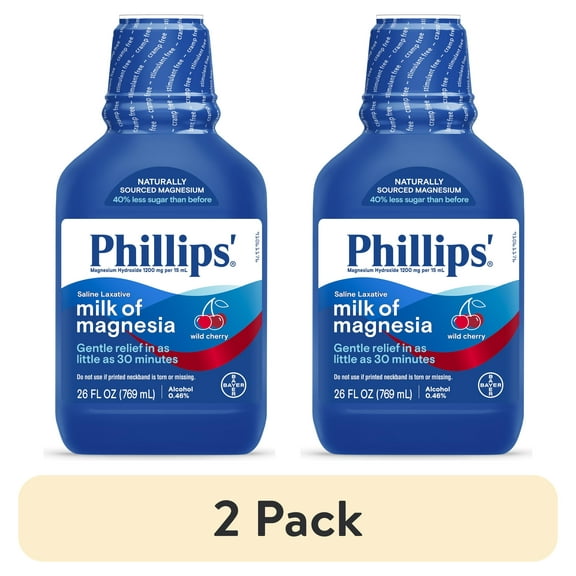
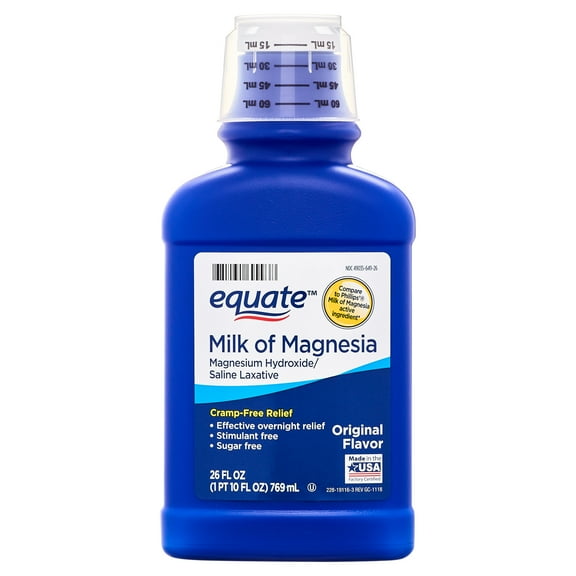
- You can choose tablets, liquids, gummies, or powders based on what feels convenient for your household.
- You can check overnight, fast-acting, or gradual timing before you pick a formula.
- You can review active ingredients like senna, bisacodyl, psyllium husk, and polyethylene glycol 3350 with more confidence.
Choosing between stool softeners and other laxatives
You should compare stool softeners with other laxatives by looking at formulation type first. You can avoid guesswork when you know whether you want stimulant, osmotic, bulk-forming, or softening support.
If you want a decision guide, you can think of stimulant formulas as one category and osmotic formulas as another. You can then compare bulk-forming products and stool softeners as separate paths with different uses.
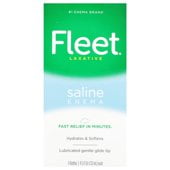
You may also want gentle laxatives when you prefer a milder-feeling option in your routine. You can review labels closely, because active ingredients and directions can differ across similar-looking products.
What to look for in product format and active ingredients
Product format matters because you may prefer a quick tablet, a measured liquid, a mix-in powder, or an easy gummy. You can often make a quick choice when you start with the format you already use comfortably.
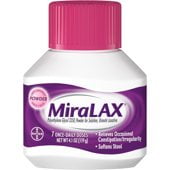
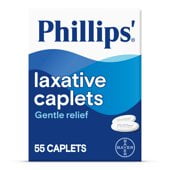
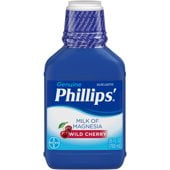
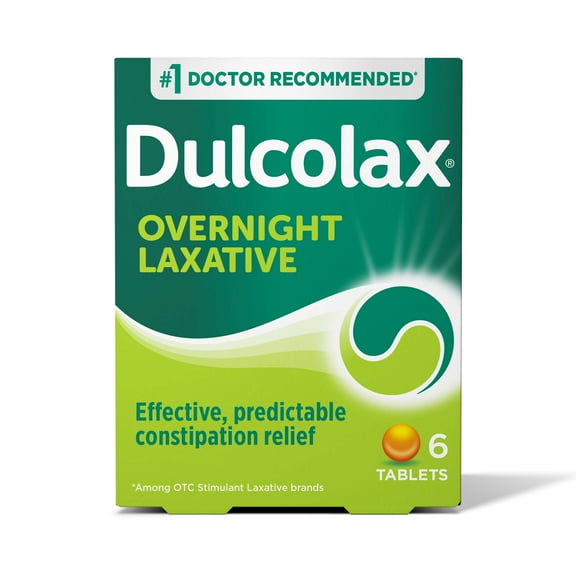
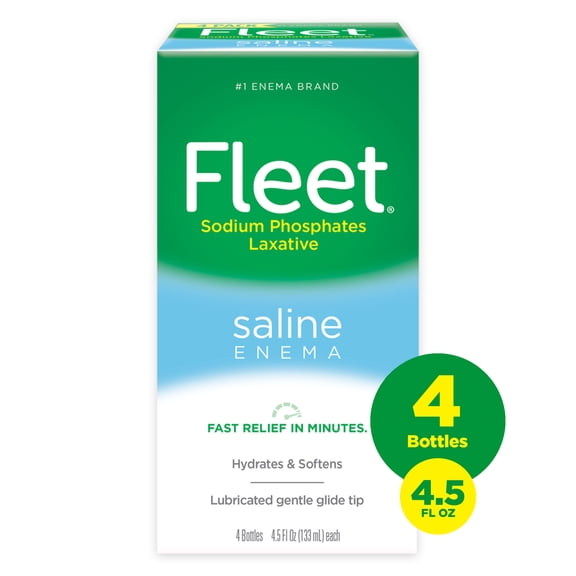
Laxative tablets can work well when you want a simple grab-and-go format for travel or busy mornings. Liquids may suit you when you want measured servings, while powders can fit drinks and daily routines.
Active ingredients give you another important filter, and you should compare them in plain language. Senna and bisacodyl appear in stimulant products, while polyethylene glycol 3350 appears in osmotic formulas.
Psyllium husk appears in bulk-forming options, and you may look for it when you want a fiber-based choice. You should always check package directions, because serving guidance and intended use can vary by product.
Comparing onset time and everyday use cases
Onset time can shape your choice, because you may want overnight relief, fast-acting timing, or a gradual timeline. You can compare labels for one-to-six-hour windows and 12-to-72-hour ranges.
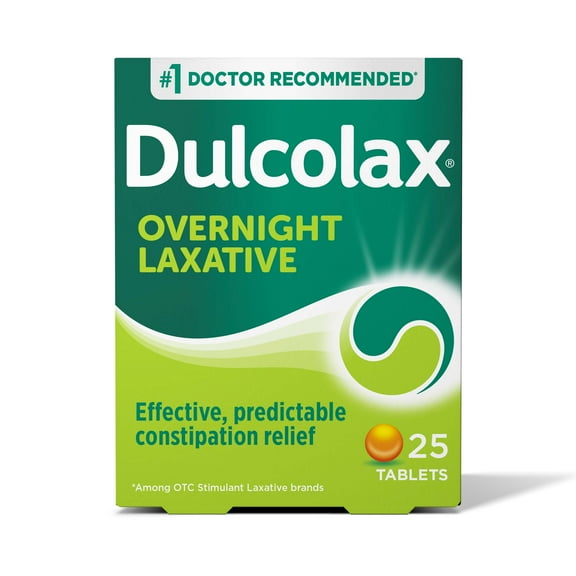
If you want overnight relief, you should look for products labeled for that timing on the package. If you need flexibility, you can compare gradual options that fit into a more regular routine.
You may choose powders when you like mixing a formula into a drink at home. You may choose tablets or gummies when you want a portable option for work, travel, or shared household storage.
For family shopping, you should check age guidance before you choose any digestive health product. You should also consult a healthcare provider for specific age-group questions, especially when directions differ by formula.
How to compare labels with confidence
You can make an informed choice when you compare formulation type, active ingredient, product format, and expected timing together. You should treat those four details as your main decision points, not as fine print.
That approach helps you sort laxatives with less confusion and more confidence. You can find constipation relief options that fit your routine, your preferences, and your label-reading priorities.
You can use this guide to compare stool softeners, powders, liquids, and tablets with clearer expectations. You can focus on format, timing, and ingredient details that support a more confident purchase.