



Kitchen Composters in Composters

































About Kitchen Composters in Composters - Walmart.com
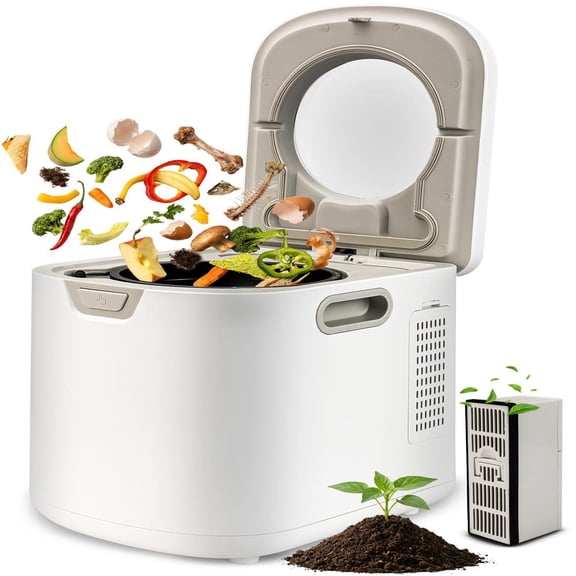
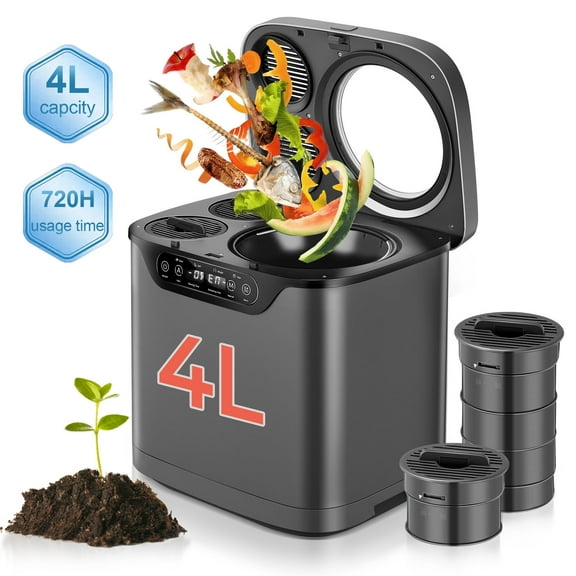
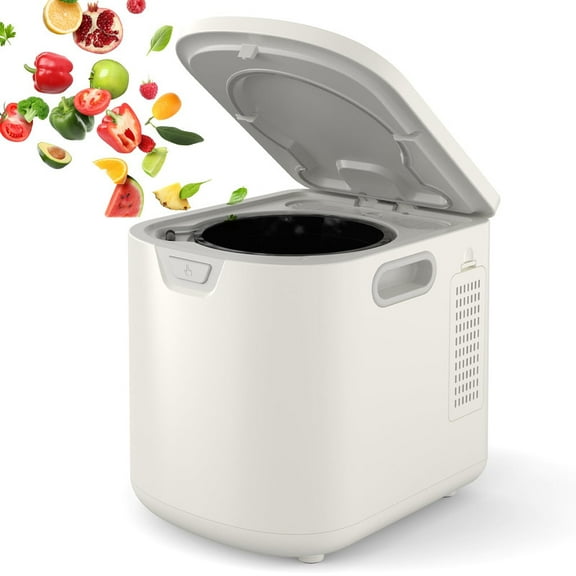
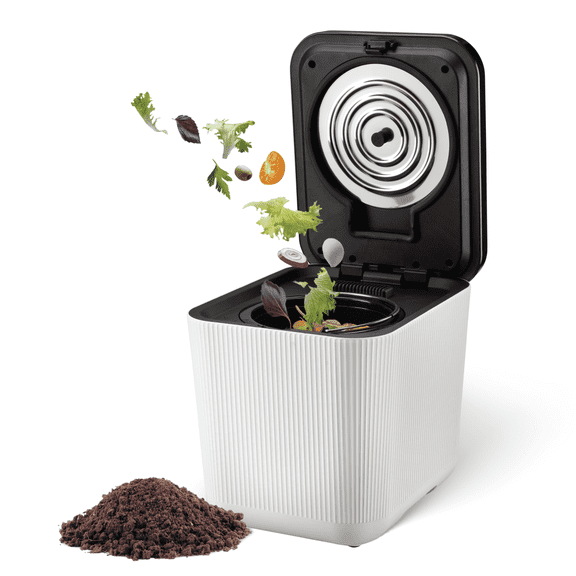
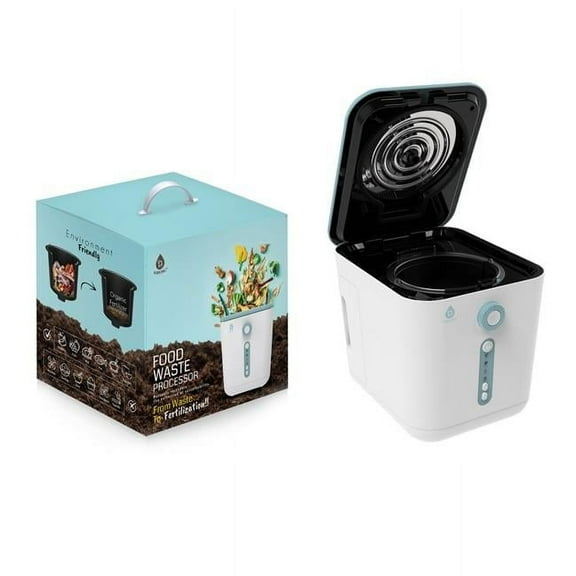
Kitchen composters help you collect food scraps neatly while keeping your prep area organized. You can compare sizes, materials, and odor-control features that fit daily kitchen routines.
How to choose kitchen composters for your space
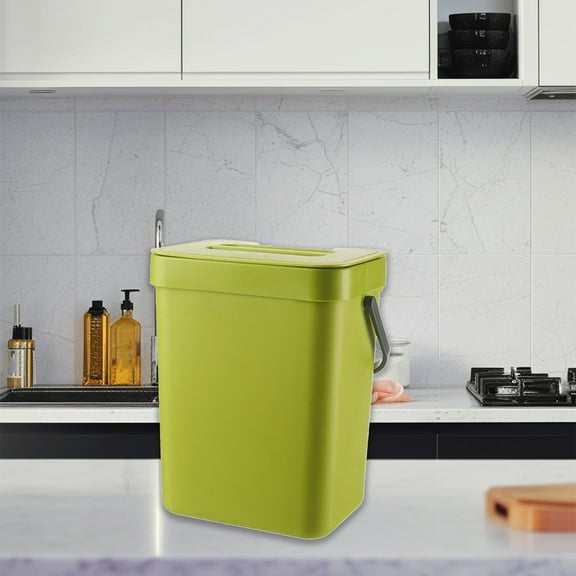
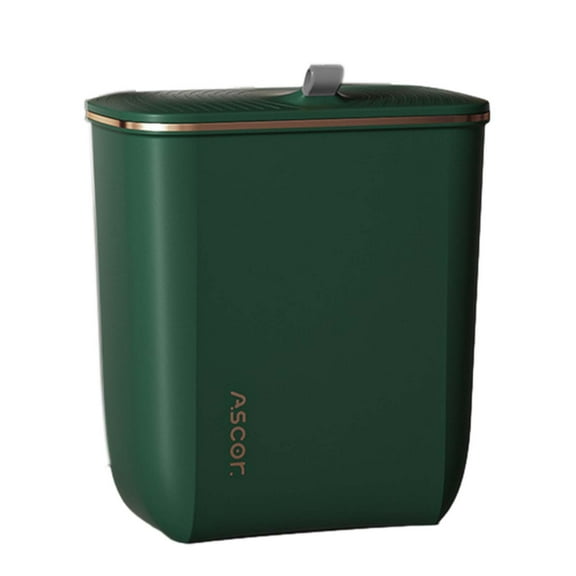
You should start with placement, because your layout shapes how often you'll use the bin. You can choose a countertop compost bin for quick access, or pick an under-sink option for a cleaner look.
If you cook often, you may want a kitchen compost bin within arm's reach of your cutting board. If your counter is tight, you can consider cabinet-mounted or slim free-standing designs.
You should also measure your available footprint before choosing capacity. You can keep peels and coffee grounds contained without crowding your toaster, dish rack, or mixer.
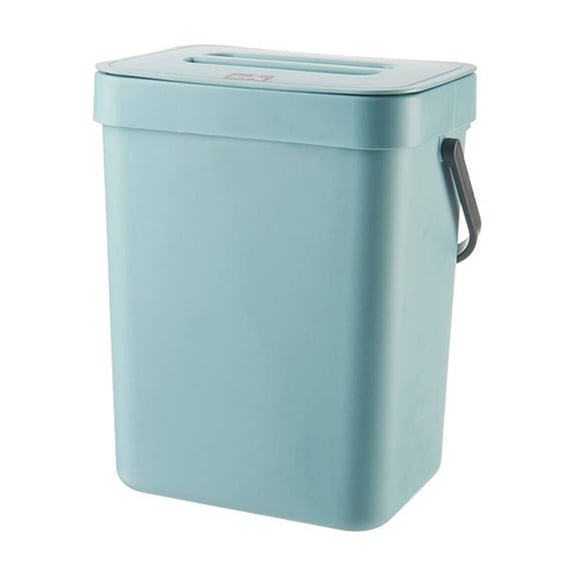
- You can use a small compost bin when you prep light meals or need a compact countertop setup.
- You can choose a one-gallon size when your household creates steady daily scraps.
- You can step up to two-gallon or larger bins when you cook often or batch-prep produce.
- You can match countertop, under-sink, cabinet-mounted, or free-standing placement to your kitchen flow.
Choosing the right indoor compost bin material
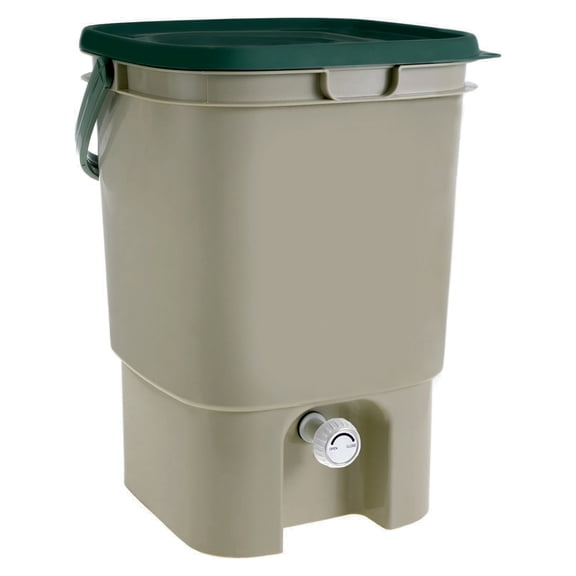
You should compare materials based on cleaning habits, weight, and the look you want near your sink. You can find stainless steel, ceramic, BPA-free plastic, and bamboo fiber options.
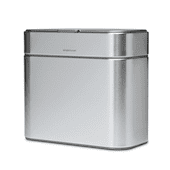
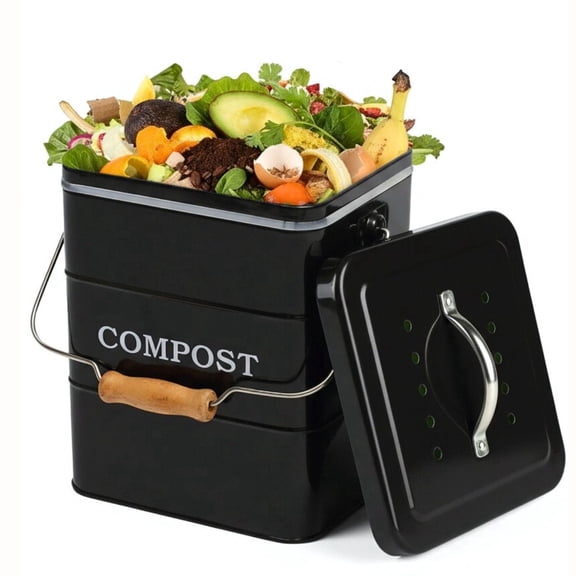
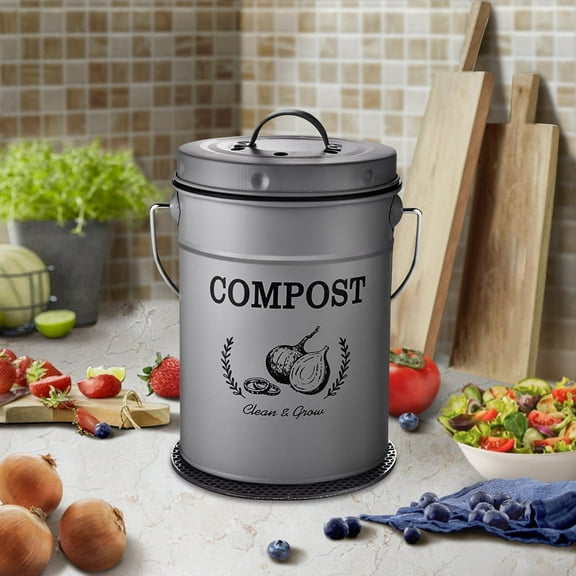
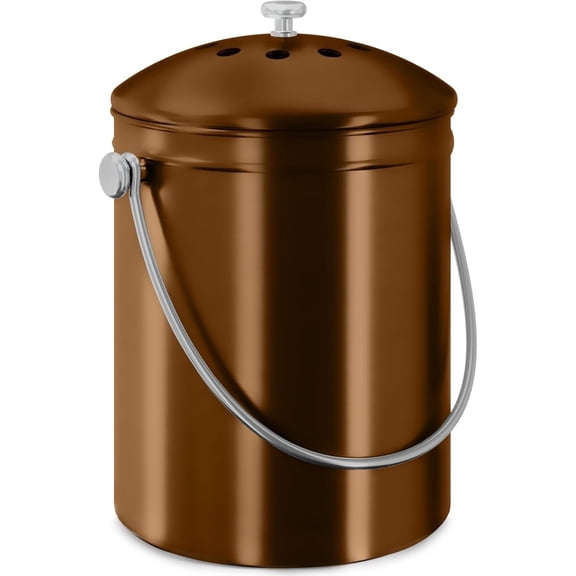
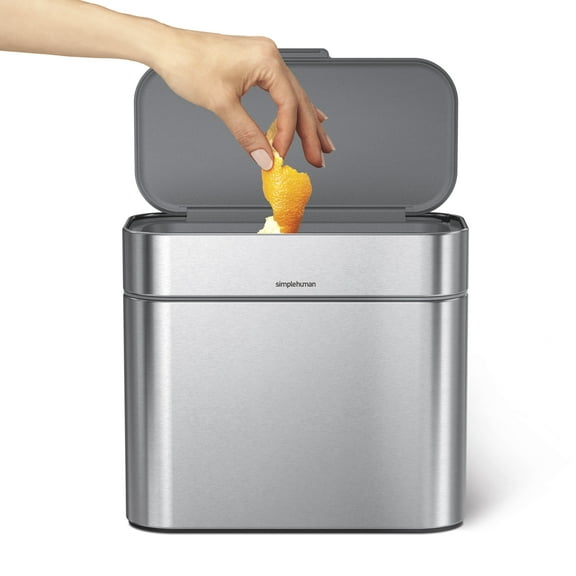
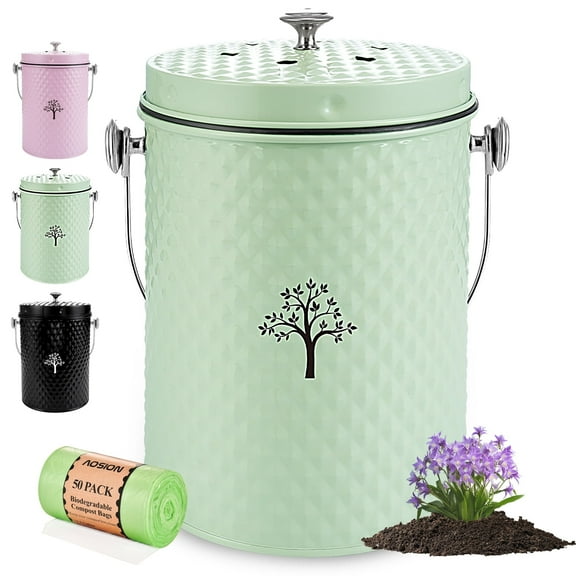
If you want a polished finish and sturdy feel, you may prefer a stainless steel compost bin. You can wipe many steel surfaces quickly, and they suit modern kitchens well.
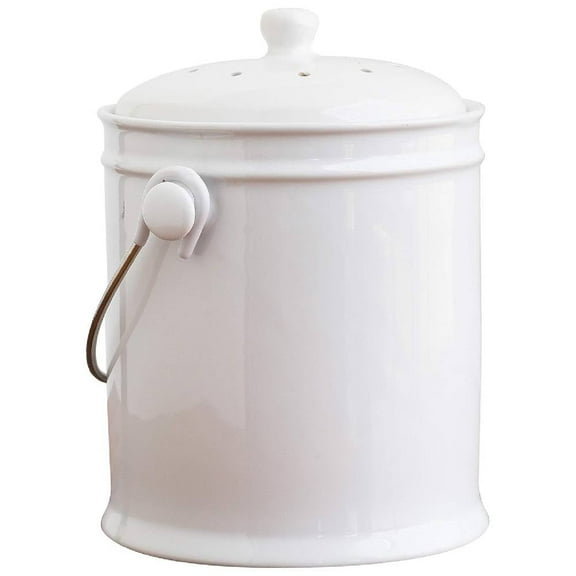
If your decor matters as much as function, you may consider ceramic for a refined countertop presence. You should check whether the finish and lid design fit your daily cleaning routine.
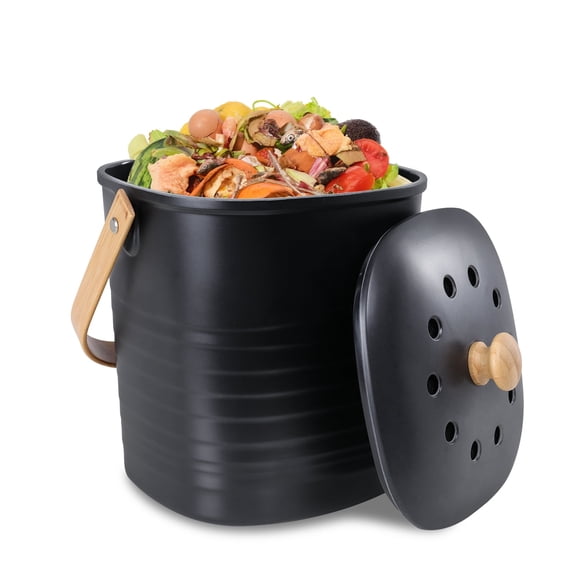
You can choose BPA-free plastic when you want a lighter bin that moves easily from counter to sink. You can also consider bamboo fiber when you want a natural-looking option for visible storage.
You should always check whether parts are dishwasher safe or hand-wash only. You'll notice this detail matters when sticky fruit scraps or wet tea leaves collect along the rim.
What to look for in an odorless compost bin
You should focus on odor control first if your bin stays indoors all week. You can compare carbon filtered, airtight lid, and double-sealed designs for everyday kitchen use.
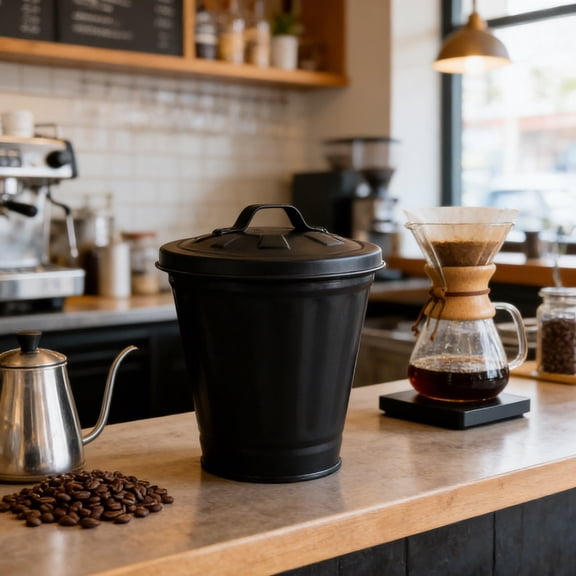
If you want an odorless compost bin for your counter, you should look for replaceable activated carbon or charcoal filters. You'll notice these filters help manage smells from onion skins, eggshells, and produce scraps.
You should also check how the lid closes after each drop-in. You can reduce fruit fly interest with tighter seals and lids that sit securely between trips outside.
If you keep scraps for several days, you may want a double-sealed design with a snug rim. You can also compare ventilation details, because balanced airflow supports cleaner indoor storage.
You should review how often filters need replacement before you choose a model. You can keep maintenance simple when replacement parts are easy to find and easy to swap.
Matching capacity and cleaning features to daily use
You should balance bin size with how much prep waste your kitchen creates each day. You can avoid overflow and extra emptying trips when capacity matches your cooking habits.
If you live alone or prep small meals, you may want a 0.5-gallon or one-gallon bin. You can tuck a small compost bin beside the sink without giving up much workspace.
If your household cooks larger meals, you may prefer a 1.3-gallon or two-gallon bin. You can collect more vegetable trimmings, coffee grounds, and paper filters before emptying.
You should also consider the shape, not just the gallon count. You can fit a narrow indoor compost bin under a sink, while a round bin may suit open countertop storage.
Cleaning features deserve close attention when scraps sit in the bin between emptying days. You should compare removable liners, smooth interiors, and dishwasher-safe buckets for easier cleanup.
Using a kitchen compost bin for different routines
You can use kitchen composters for food scrap collection during everyday meal prep. You can drop in carrot peels, herb stems, coffee grounds, and fruit scraps as you cook.
If you separate waste before taking it outside, you may want an indoor compost bin near your trash area. You can sort organic material earlier, which keeps your cleanup routine more organized.
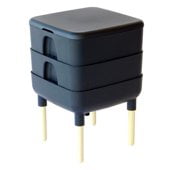
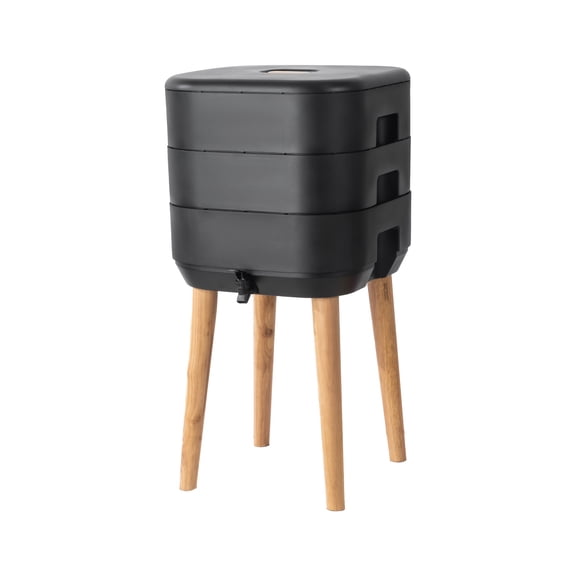
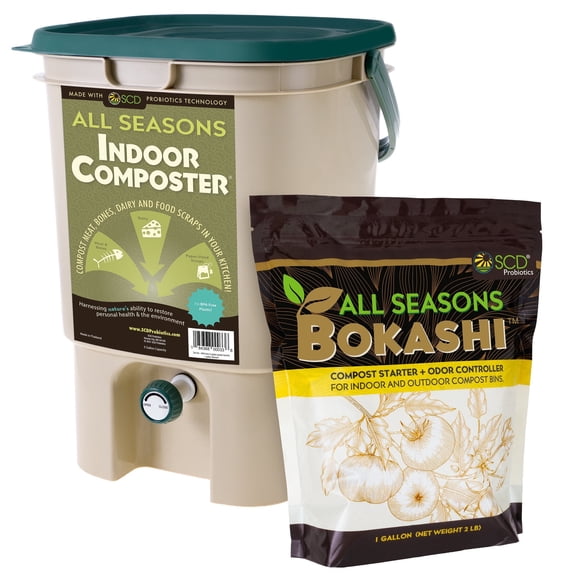
You might also use a countertop compost bin to prep scraps for worm composting systems. You can gather smaller batches neatly before transferring them to a larger setup.
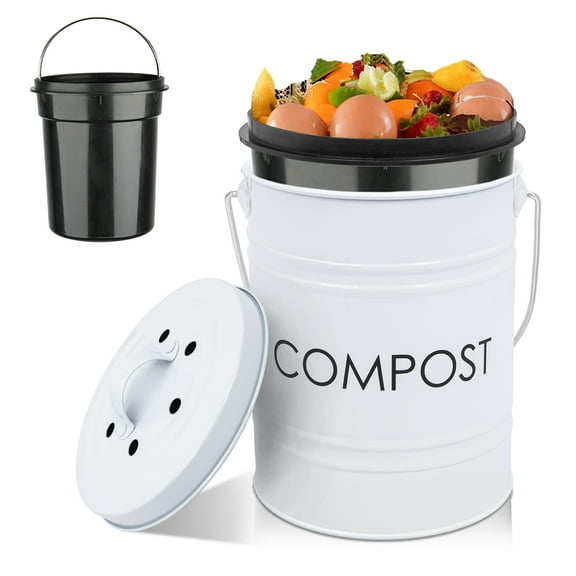
If your kitchen stays busy, you should look for a kitchen compost bin with a handle and secure lid. You can carry scraps outside cleanly and return the bin to its spot fast.
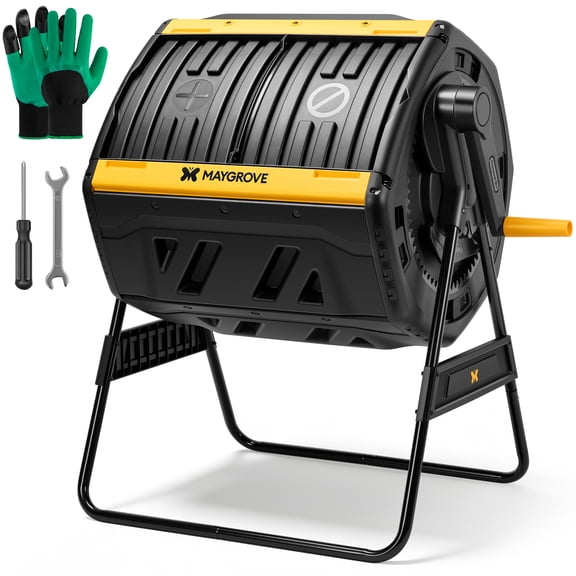
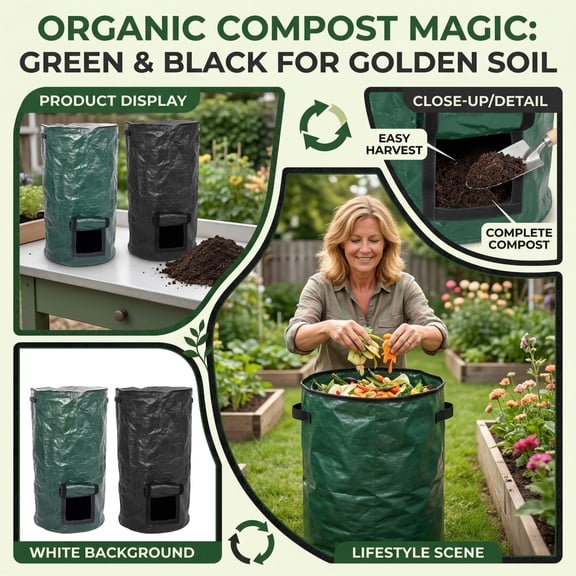
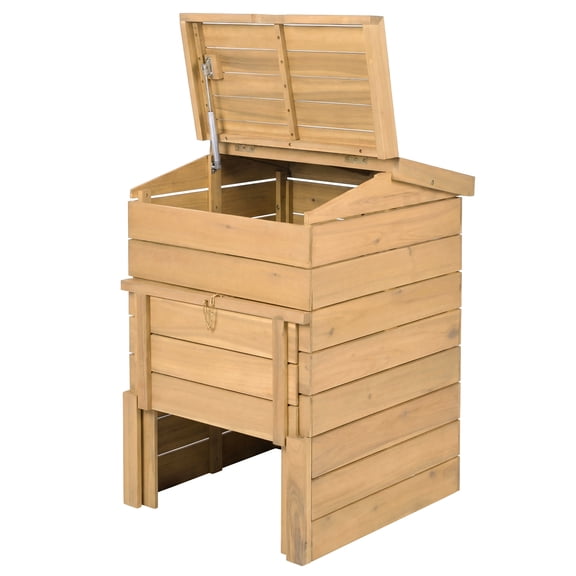
You can also pair your indoor setup with compostable trash bags, outdoor compost bins, and gardening supplies. You'll create a smoother path from kitchen scraps to yard and garden use.
You should feel confident choosing kitchen composters when you compare placement, material, capacity, and filter style together. You can end up with a cleaner prep routine and tidier food scrap collection every day.