


Hydroponic Growing Systems & Indoor Grow Kits - Walmart























About Hydroponic Growing Systems & Indoor Grow Kits - Walmart - Walmart.com
Hydroponic systems and planters help you grow herbs, greens, and vegetables with less soil mess and more control indoors. You can compare system type, capacity, lighting, and automation to match your space and experience.
Choosing hydroponic systems and planters by system type
When you compare system types, you should start with how involved you want your growing routine to feel. You can choose simpler setups for learning or more technical designs for tighter control.
If you want a straightforward deep water culture system, you can keep roots suspended above nutrient-rich water for steady feeding. You may prefer this format when you want visible root growth and a simple reservoir layout.
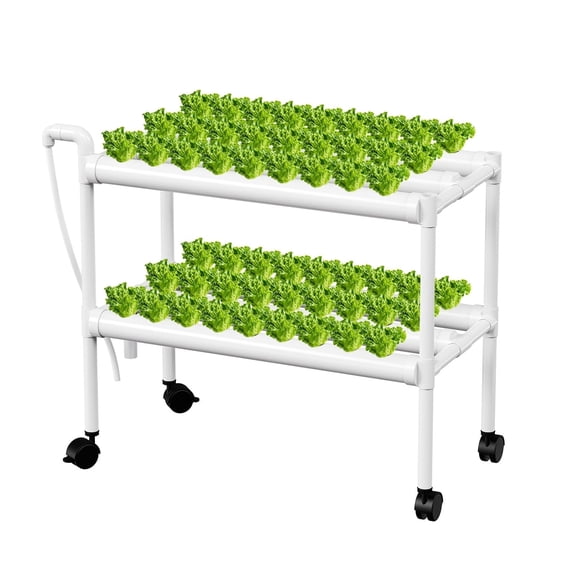
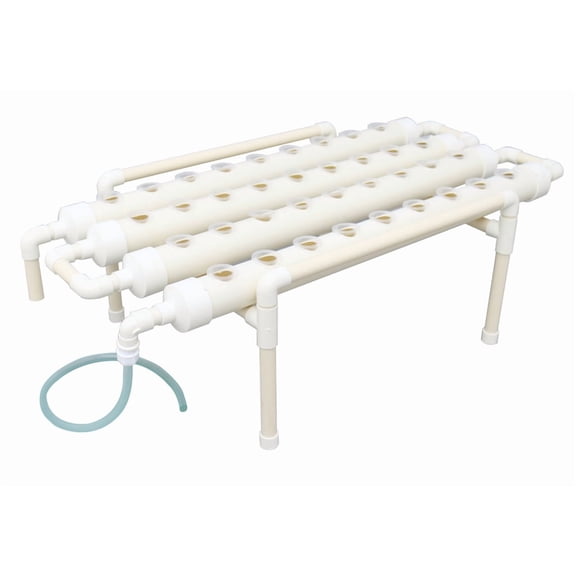
If you’re comparing NFT designs, you can see a thin stream of water move across channels instead of a deep reservoir. You may choose this route when your leafy greens need an efficient, compact flow pattern.
With ebb and flow setups, the system floods and drains the grow tray on a repeating cycle. You can use this style when you want flexible tray layouts for mixed plant sizes.
If you’re considering an aeroponic grow system, roots hang in air and receive nutrient mist. You may like this option when you want a cleaner root zone and easy plant access.
How to compare location, footprint, and capacity
Your available space should guide whether you choose an indoor hydroponic system, a greenhouse setup, or an outdoor vertical layout. You can get a more precise fit when you measure height, width, and nearby outlet access first.
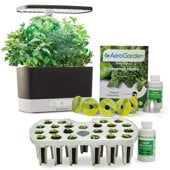
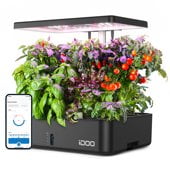
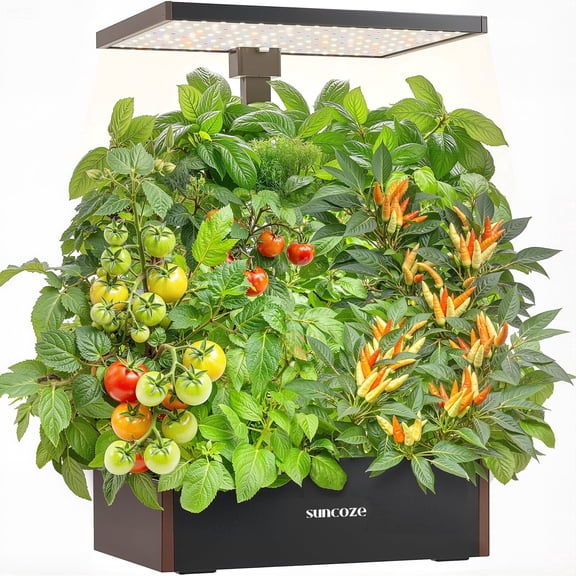
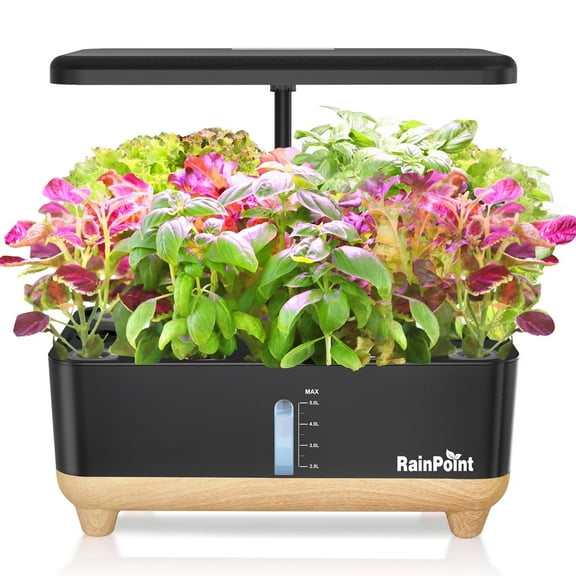
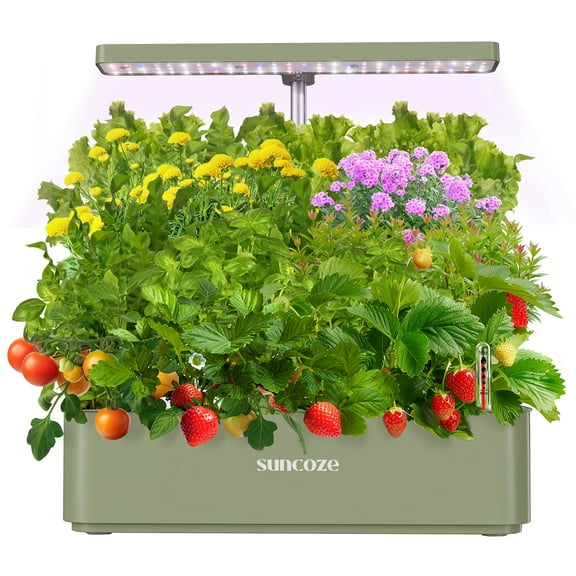
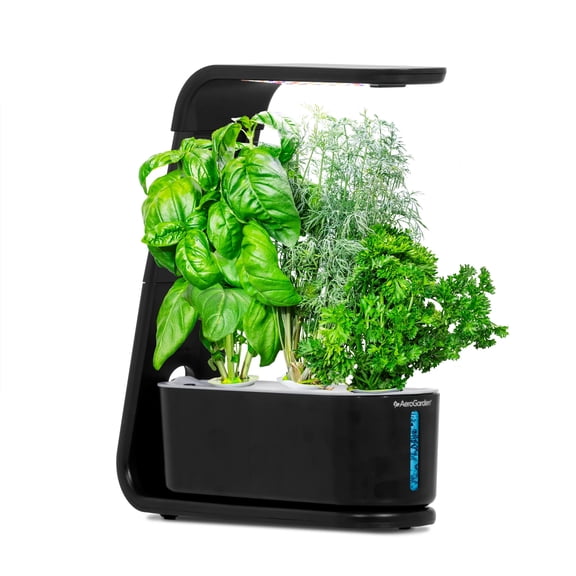
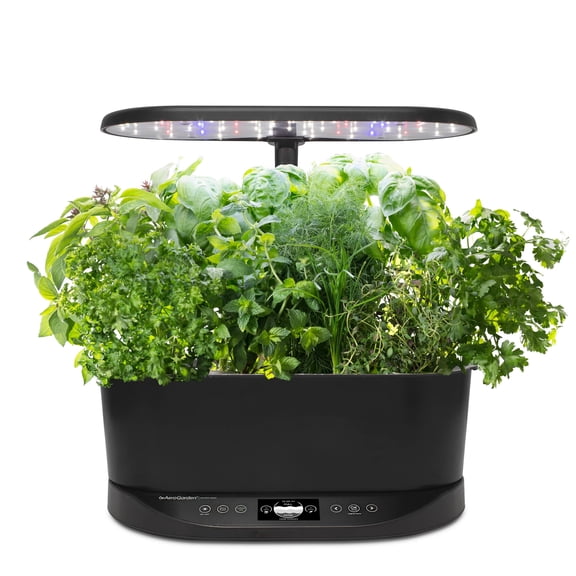
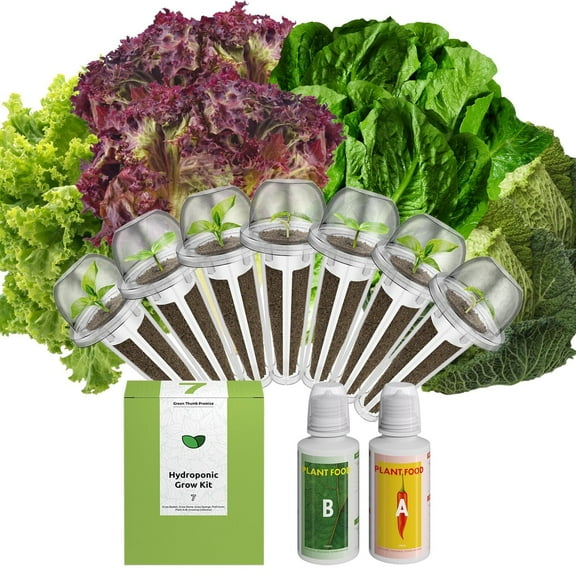
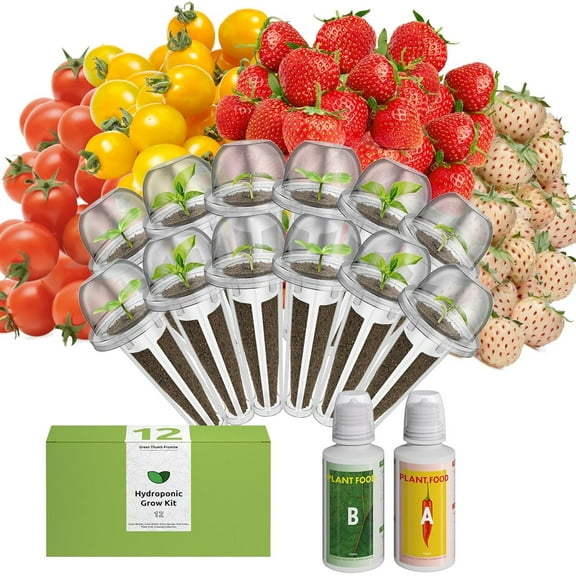
For countertop growing, you may want a compact indoor herb garden kit with six-pod or 12-pod capacity. You can keep basil, lettuce, and small greens within reach without taking over your kitchen.
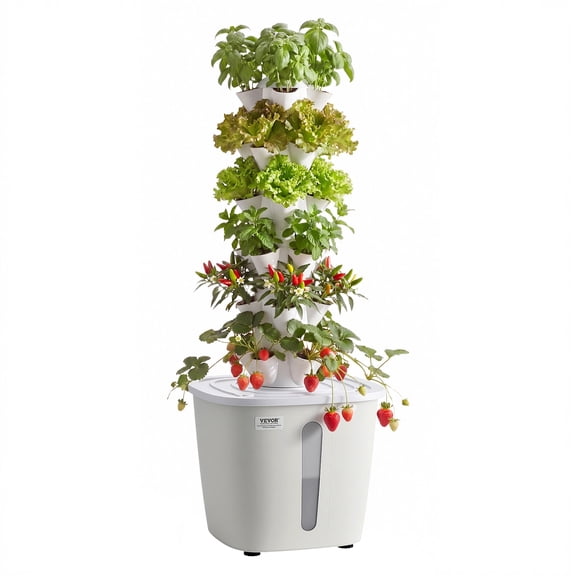
If your floor space feels limited, you should compare a vertical hydroponic system with multi-tier planting sites. You can grow upward instead of outward, which makes tight patios and corners easier to use.
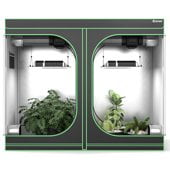
For a home garden or greenhouse, you may want larger reservoirs and wider plant spacing. You can support heavier fruiting plants when your frame, bucket size, and root room scale together.
- You can start small with six-pod kits when you’re learning feeding and pruning basics.
- You can move to 12-pod systems when your household uses herbs and greens often.
- You can choose multi-tier towers when you want more plants in a smaller footprint.
- You can consider commercial scale options when your growing area needs higher output and expanded access.
Choosing lighting and hydroponic grow kit features
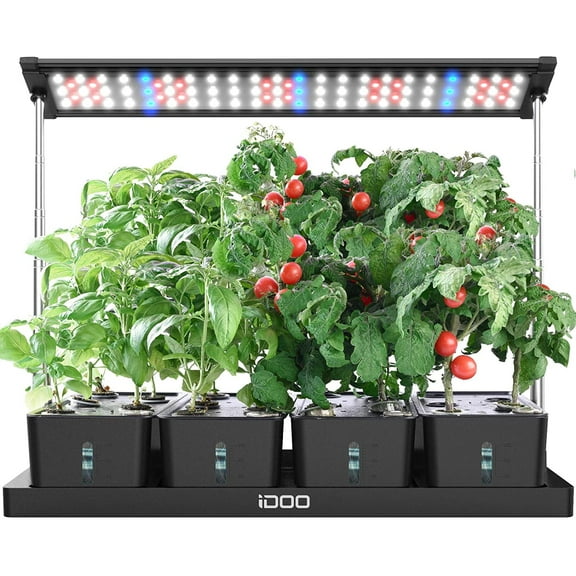
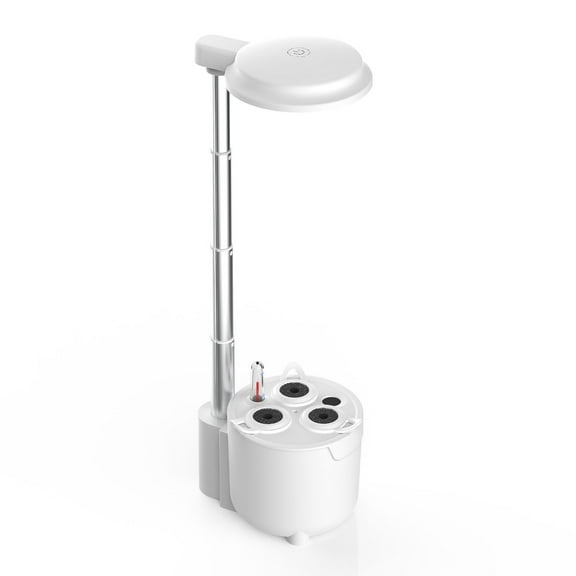
When you compare an indoor grow system, you should check whether lighting is included and how adjustable it feels. You’ll want enough clearance for seedlings early and more height as plants mature.
PAR output matters because you need usable light for plant growth, not just brightness to your eyes. You should look for specs that help you understand coverage across the whole planting area.
LED spectrum also matters because you may grow leafy herbs differently than fruiting plants. You can use fuller spectrum lighting when you want one setup to handle different growth stages.
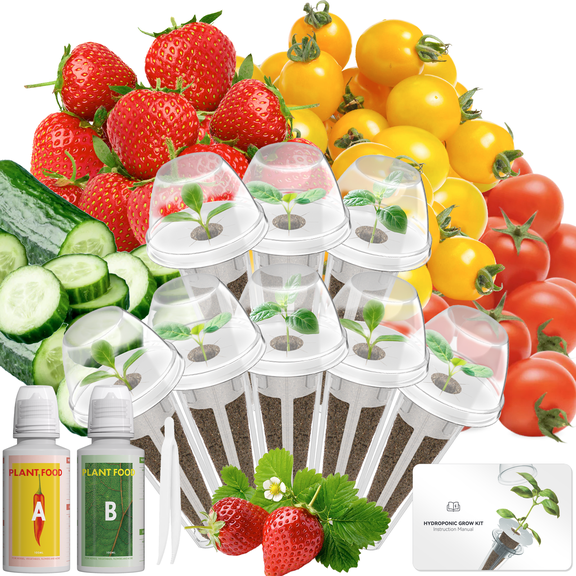
If you’re choosing a hydroponic grow kit, you should also compare water capacity, pump design, and reservoir access. You may notice easier refills and cleaning when the tank opening gives your hands enough room.
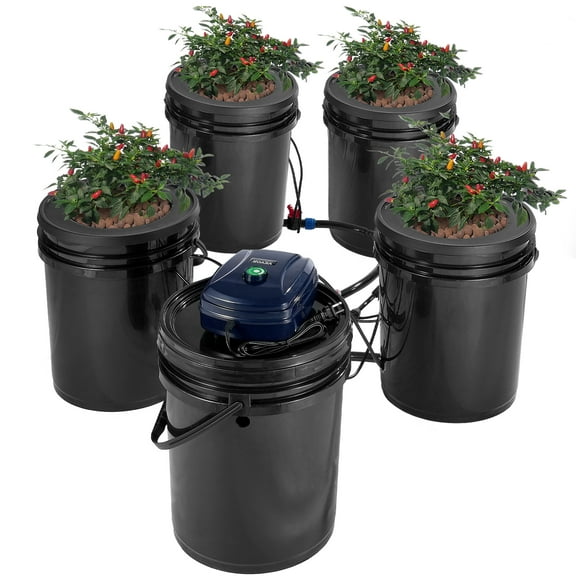
A hydroponic bucket system may suit you when you want larger root zones and fewer plant sites. You can pair that format with stronger support for tomatoes, peppers, or other bigger home garden crops.
Choosing automation and maintenance for your routine
Your maintenance style should shape whether you pick smart app controlled features, automatic timers, or manual nutrient dosing. This helps you stay more consistent when the setup matches the time you actually have.
If you want more reminders and schedule control, you may prefer smart features that track light or pump timing. You can make small adjustments without standing beside the planter each day.
If you like a simpler setup, you may choose automatic timer functions for lights and circulation. This provides repeatable cycles that reduce guesswork during busy weeks.
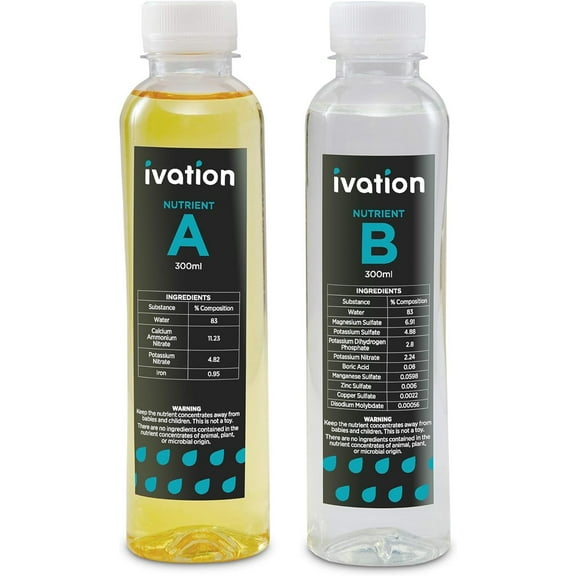
Manual nutrient dosing may appeal to you when you want direct control over feeding strength and timing. You can fine-tune your routine as your plants move from seedlings to heavier growth.
You should also compare refill access, pod spacing, and removable trays before you choose a hydroponic planter. This helps make routine cleaning easier when parts lift out without awkward reaching.
Matching systems to real growing goals
If you’re new to hydroponics for beginners, you may want a compact kit with guided controls and modest capacity. You can learn lighting, water checks, and pruning without managing a large setup.
When your goal is fresh herbs for daily cooking, you may prefer an indoor hydroponic system for a counter or shelf. You can keep mint, cilantro, and basil close to your prep space.
If you want salad greens for frequent harvests, you may compare NFT channels and multi-site towers. These systems often provide efficient spacing for lettuce and similar crops that grow quickly.
When you want larger plants, you may lean toward a deep water culture system or bucket-style setup. You can give roots more room while supporting plants that need stronger structure.
For patios, porches, or greenhouse rows, you may choose a vertical hydroponic system with more planting sites. This helps you use height efficiently and keep your growing area organized from season to season.
Hydroponic systems and planters can work highly effectively when you match the design to your space, crops, and daily routine. This can help you feel more confident choosing a setup that supports steady harvests and easier upkeep.