


OTC Hearing Aids & Amplifiers
Shop by category
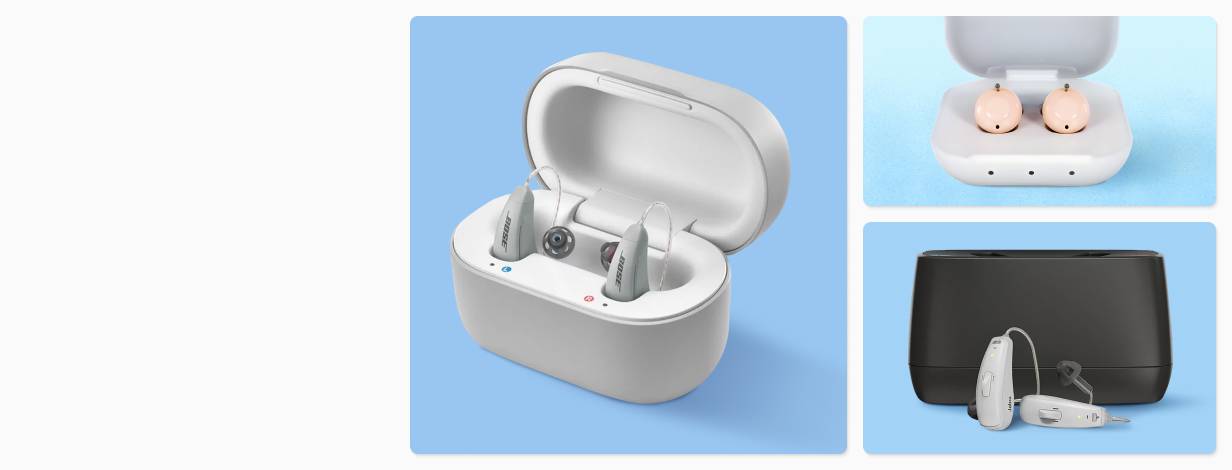
More care

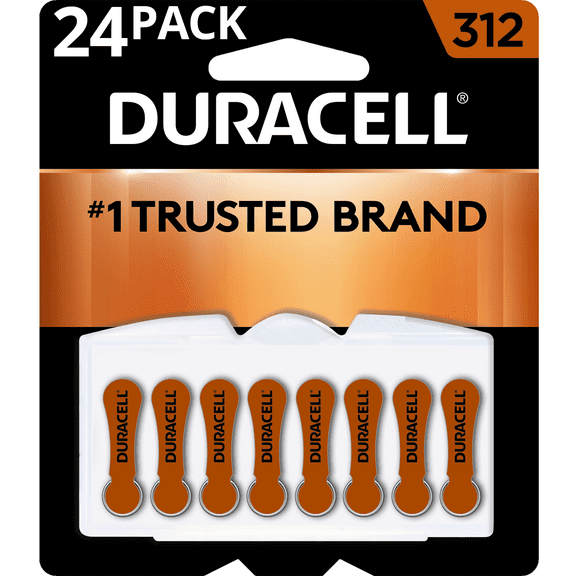
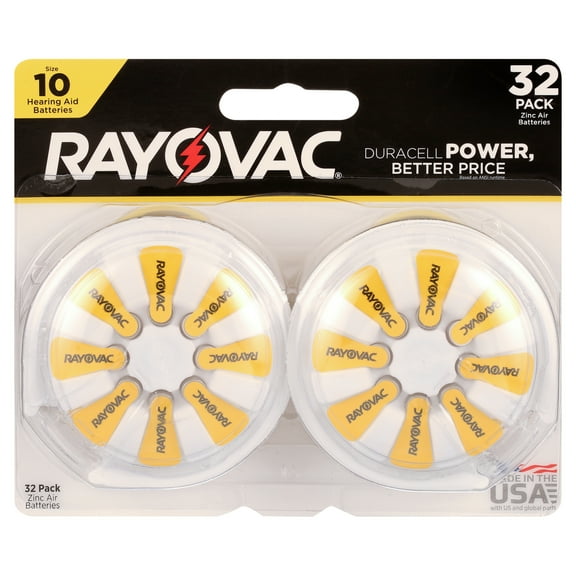
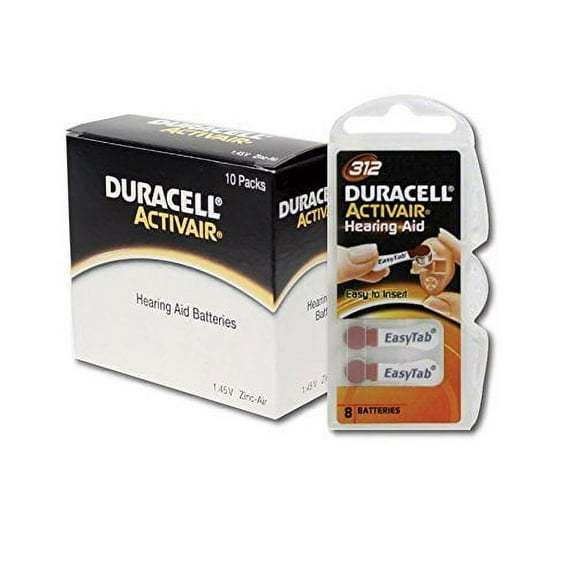
Hearing aid batteries

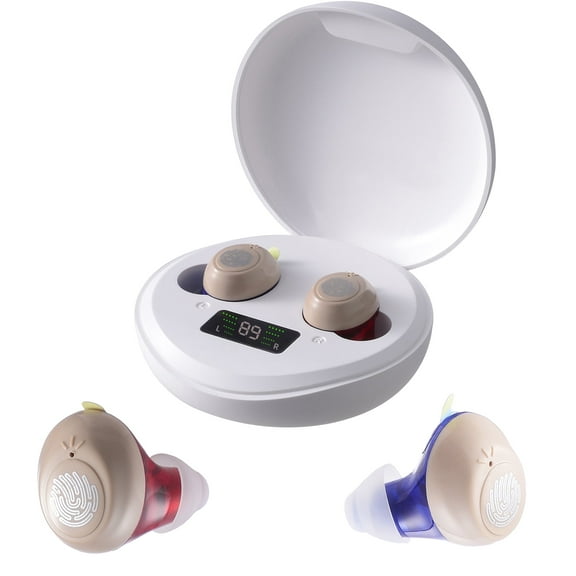

Brands we love


About OTC Hearing Aids & Amplifiers - Walmart.com
With otc hearing aids, you can compare regulated listening devices, hearing amplifiers, and hearing aid accessories in one place. You get a clearer way to sort fit, power, and connectivity options that match your daily routine.
If you're narrowing down over the counter hearing aids, you likely want simple guidance before choosing a style. You can use this category guide to compare device types, charging choices, and maintenance essentials with less guesswork.
How to choose otc hearing aids for your needs
You should first compare whether otc hearing aids match mild-to-moderate hearing loss needs and everyday listening goals. You can then narrow your options by style, controls, and power source for a more practical short list.
When you compare regulated devices with hearing amplifiers, you should look at intended use and adjustment options. You may prefer a device with setup support, volume changes, or app-based personalization for daily wear.
- You can choose a style that fits how visible or discreet you want your device to feel.
- You can compare rechargeable hearing aids with battery-powered models based on charging habits and travel needs.
- You can look for Bluetooth Enabled or App-Controlled options if you want easier adjustments from your phone.
- You can keep devices working smoothly by replacing ear domes, wax guards, and charging cases as needed.
You may also want accessories nearby in your routine, especially if you wear your devices for long stretches. You can keep extra domes or wax guards on hand to support a more consistent fit.
Choosing between hearing amplifiers and otc hearing aids
You should understand the difference before you compare products across this category. You can use otc hearing aids when you want regulated over-the-counter devices, while hearing amplifiers focus on making surrounding sound louder.
If you want more guided adjustments, you may look for models with app controls or listening presets. You can compare these tools when you move between conversations, television audio, and outdoor environments.
You should also check whether a model supports the degree of listening support you expect in common situations. You can often narrow choices faster by starting with mild-to-moderate needs, then reviewing comfort and control options.
Comparing fit styles: BTE, ITE, and ITC
You can choose Behind-the-Ear, In-the-Ear, or In-the-Canal styles based on comfort, visibility, and handling. You may prefer a larger shape if you want easier controls, or a smaller shape if you want a lower-profile fit.
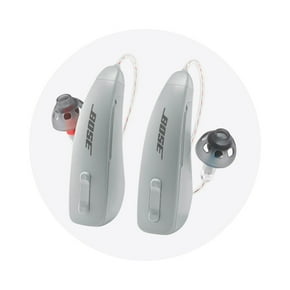
With Behind-the-Ear styles, you usually get a device that sits behind your ear with a tip in the ear canal. You may find this format easier to handle when you adjust controls or place it each morning.
With In-the-Ear styles, you get a unit that rests within the outer ear for a compact feel. You may like this option if you want a balance between visibility and easy placement.
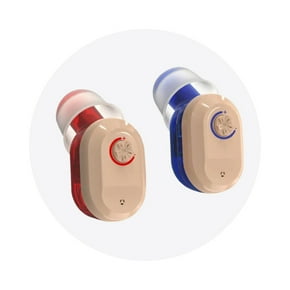
With In-the-Canal styles, you get a smaller fit that sits deeper in the ear canal. You should compare insertion comfort and daily handling if you prefer a more discreet design.
Comparing power sources and connectivity
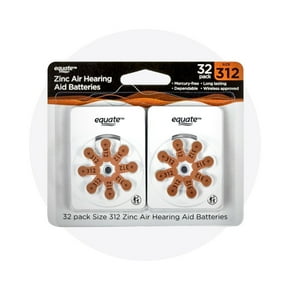
You can choose rechargeable hearing aids if you want a simpler overnight routine and fewer battery changes. You may prefer disposable batteries if you want quick power swaps during travel or long days away.
When you compare power options, you should consider charging habits, case size, and how often you wear your devices. You can match the right setup to commutes, workdays, or weekend outings without overcomplicating the decision.
You may also want Bluetooth Enabled or App-Controlled devices if you use your phone throughout the day. You can stream audio on some models, adjust settings faster, and fine-tune volume without reaching for the device.
If you prefer fewer digital steps, you can choose Non-Bluetooth models with straightforward controls. You may find that simpler operation fits your routine if you want direct adjustments and fewer paired devices.
What to look for in hearing aid accessories
You can keep your setup more consistent when you compare hearing aid accessories alongside the devices themselves. You should look for ear domes, wax guards, and charging cases that match your preferred style and maintenance habits.
Ear domes can affect how secure and comfortable your device feels during daily wear. You may want extra sizes available if you like to fine-tune fit over time.
Wax guards help you maintain device openings by replacing small parts during routine upkeep. You can use compatible replacements to support clearer sound paths and more dependable daily use.
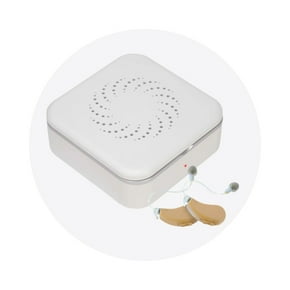
Charging cases matter if you choose rechargeable models and want organized storage between uses. You should check size, portability, and charging method when you compare options for home and travel.
Matching device choices to everyday use
You can narrow your options faster when you match device features to where and how you listen. You may want app controls for busy days, discreet ITC styles for low-profile wear, or BTE designs for easier handling.
If you split time between home conversations and streamed audio, you can compare Bluetooth hearing aids with rechargeable power. You may like that combination when you want fewer cables and faster adjustments from your phone.
If you want a simple routine, you can choose a Non-Bluetooth device with disposable batteries and easy controls. You may find that setup easier when you prefer direct operation and quick battery replacement.
For long-term upkeep, you should compare hearing aid accessories before your supplies run low. You can stay prepared with ear domes, wax guards, and charging support that fit your chosen device style.
When you compare otc hearing aids by fit, power, connectivity, and accessories, you can make a more informed choice. You leave with a setup that fits your routine, feels comfortable, and stays easier to maintain.