




Golf Equipment
































About Golf Equipment - Walmart.com
Golf clubs become easier to compare when you focus on club type, flex, dexterity, and set makeup. You can sort options for new players, improving players, and golfers refining gaps throughout the bag.
If you’re replacing one club or building a full setup, you’ll want choices that match your swing and course habits. You can also sort by player type, including golf clubs for men, golf clubs for women, junior golf clubs, and senior-friendly options.
How to choose golf clubs by set configuration
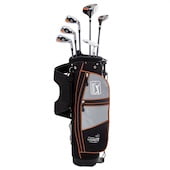
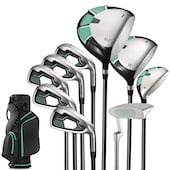
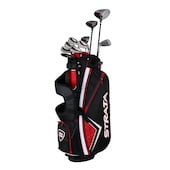
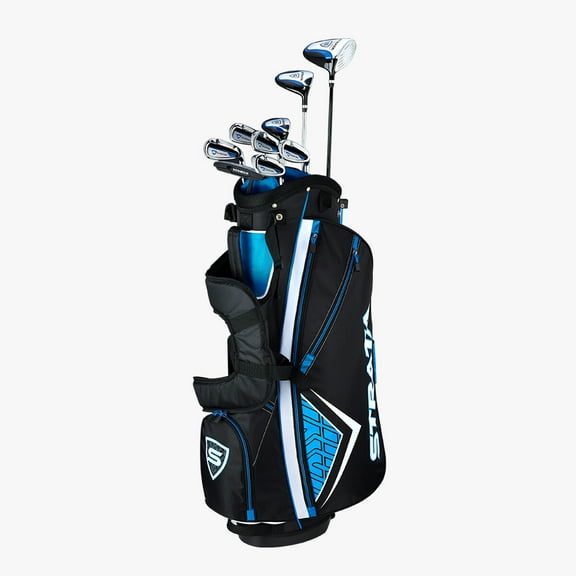
You should start with set configuration because it shapes your whole buying decision. You’ll usually choose between golf club sets, iron sets, and individual clubs based on experience and current equipment.
If you’re new to the game, you may prefer complete sets because you get coordinated loft gaps and matching shafts. You can also simplify setup decisions when you choose your driver, irons, wedges, and putter together.
If you already know your distances, you may prefer individual clubs for targeted upgrades. You can replace a driver, add a hybrid, or adjust your wedges without changing the rest of your bag.
- You can use complete sets when you want a ready-to-play setup with consistent feel.
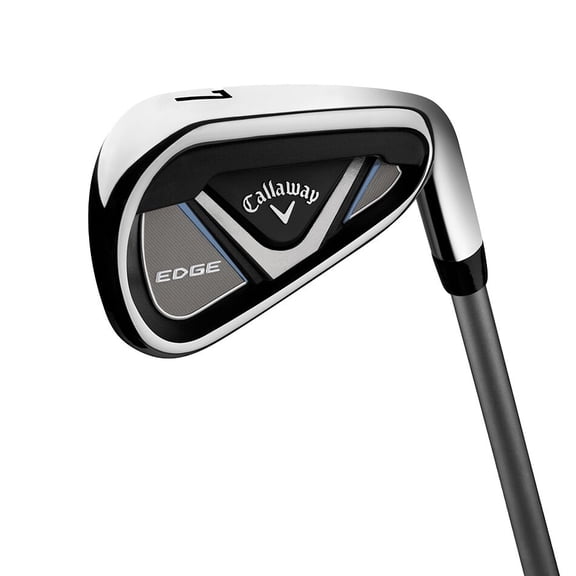
- You can choose iron sets when you want matched irons but already own woods or a putter.
- You can pick individual clubs when you want to fine-tune distance gaps and shot shape.
Choosing golf clubs by club type
You should compare club types by the shots you face frequently during a round. You’ll usually see drivers, fairway woods, hybrids, irons, wedges, and putters covering different parts of play.
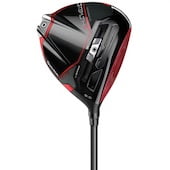
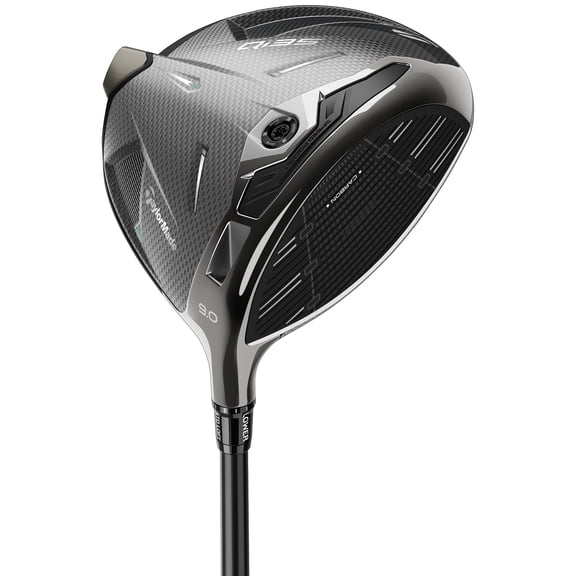
You can use drivers for tee shots when you want long distance and a larger head profile. You may choose fairway woods when you need carry from the turf or a controlled option off the tee.
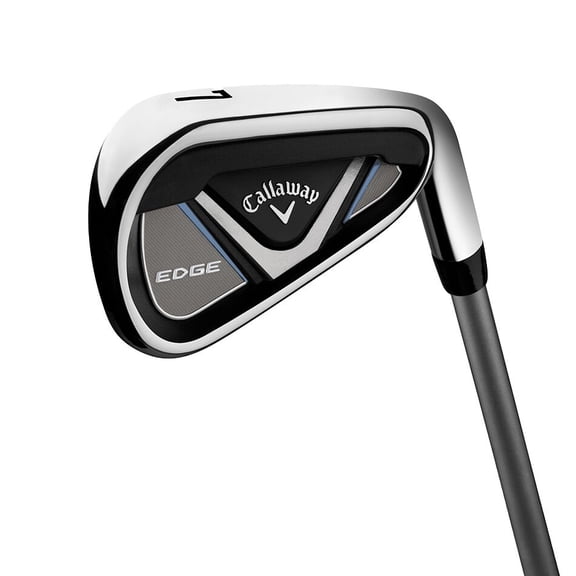
If long irons feel demanding, you may prefer hybrids for easier launch and more forgiveness. You can turn to irons for approach shots, while wedges help you handle bunker shots, chips, and shorter pitches.
You’ll want putters that match your alignment preferences and stroke feel on the green. You can build a more useful setup when each club fills a clear distance or shot-making role.
What to look for in shaft flex and material
You should pay close attention to shaft flex because it affects feel, launch, and timing. You’ll commonly compare regular, stiff, senior, and ladies flex when narrowing your options.
If your swing feels faster and more aggressive, you may consider stiff flex golf clubs for firmer response. If your tempo feels smoother, you may prefer regular or senior flex for easier loading.
You’ll also compare graphite and steel shafts because each changes weight and feedback. You may like graphite when you want a lighter feel, while steel can give your hands a steadier response.
When you compare flex and material together, you can narrow choices much faster. You can make a clearer decision when the shaft matches your tempo instead of only the clubhead style.
Choosing golf clubs for men, women, juniors, and seniors
You should use player type as a guide for length, weight, and flex. You’ll often see golf clubs for men and golf clubs for women in separate categories to reflect common fit preferences.
If you’re shopping for younger players, junior golf clubs can help you match height and swing development. You’ll want age-appropriate length and lighter overall construction for easier control.
If you prefer a lighter feel or smoother flex profile, senior options may fit your needs well. You can also compare standard and tall lengths when your setup feels cramped or too upright.
You can achieve more consistent contact when the club length suits your posture at address. You can use player type filters as a starting point, then refine by flex, length, and club composition.
How to choose dexterity and club composition
You should confirm dexterity early because it changes the usable assortment immediately. If you play from the left side, you’ll want to filter directly for left handed golf clubs.
You can also compare right-handed and left-handed options alongside set makeup. You can avoid wasted time when you check dexterity before reviewing lofts, shafts, or head styles.
Club composition matters when you’re deciding between hybrids and traditional long irons. If you want easier launch on longer approach shots, you may lean toward hybrids instead of three-, four-, or five-irons.
You can keep traditional long irons if you prefer a familiar look and more shot-shaping control. You’ll often choose a mixed setup when you want forgiveness at the long end and precision in scoring clubs.
Using golf clubs for real playing scenarios
If you’re building a first bag, you may start with a complete set and a forgiving hybrid. You can cover tee shots, approach play, short game shots, and putting with fewer setup questions.
If you already play regularly, you may replace only the clubs that leave distance gaps. You can add a fairway wood for second shots, swap into an iron set, or update wedges for better gapping.
If you’re shopping for family needs, you can compare golf clubs for women, men, juniors, and seniors in one place. You can make faster choices when you sort by length, flex, and handedness first.
When your course has long par fours or tight fairways, you can tune club makeup to those demands. You can gain more usable options by matching the bag to your swing and the shots you actually play.
You can choose golf clubs with more confidence when you compare set configuration, club type, flex, and dexterity together. This helps you find a setup that supports consistent gaps, steadier contact, and more useful shot coverage.