





Game Processing Equipment in Hunting














![Chef Preserve Glass Vacuum Seal Containers for Food Storage, Made For Compact Vacuum Sealer, 3pcs set [1x Small, 1x Medium, 1x Large] Works With Handheld Vacuum Sealer Machine](https://i5.walmartimages.com/seo/Chef-Preserve-Glass-Vacuum-Seal-Containers-Food-Storage-Made-Compact-Vacuum-Sealer-3pcs-set-1x-Small-1x-Medium-1x-Large-Works-Handheld-Vacuum-Sealer_5d787647-e040-4867-8405-a1f6ad933482.3cad5750ac9efcbc4ab658309aba9790.png?odnHeight=576&odnWidth=576&odnBg=FFFFFF)














About Game Processing Equipment in Hunting - Walmart.com
Game processing equipment helps you turn your harvest into organized, freezer-ready portions with cleaner prep and more control. You can compare grinders, sealers, slicers, dehydrators, and stuffers by task, capacity, and cleanup needs.
How to choose game processing equipment
When you shop game processing equipment, you should start with the steps you handle most often. You may need grinding for burger, sealing for storage, slicing for jerky, or stuffing for sausage.
Your harvest size should guide your capacity choice before anything else. If you process several deer or larger cuts, you’ll want heavier-duty machines with longer run time.
You should also compare your work area and power access. Electric options suit steady batches, manual tools fit simple jobs, and battery-powered units help with flexible setup.
Choosing game processing tools by equipment type
Meat grinders help you turn trim into burger, chili meat, and sausage blends with consistent texture. You should compare plate sizes, feed tray space, and reverse functions for smoother workflow.
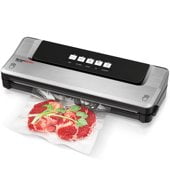
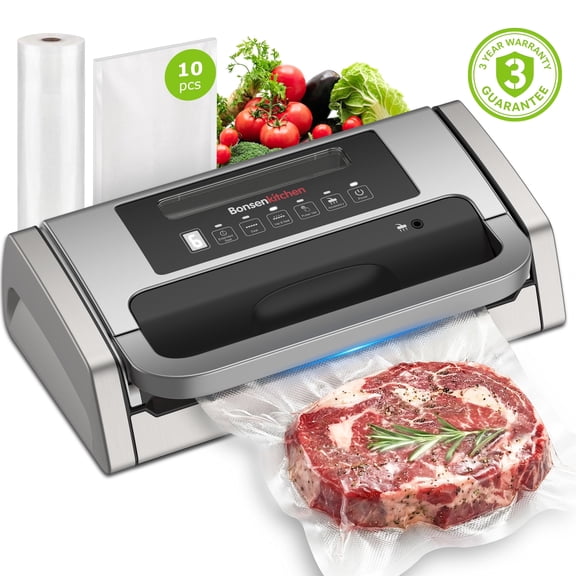
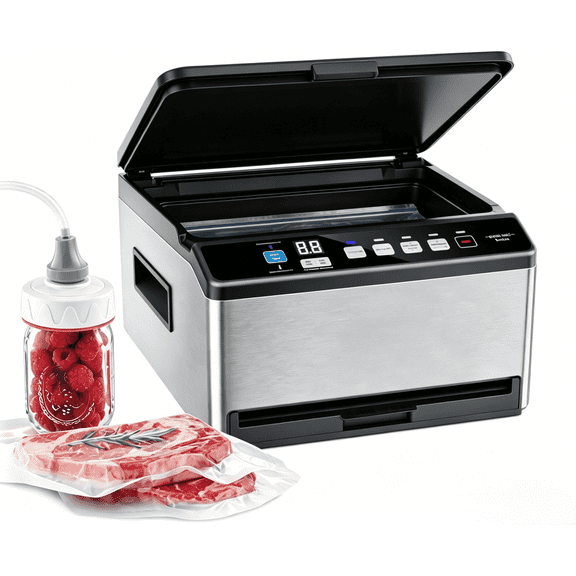
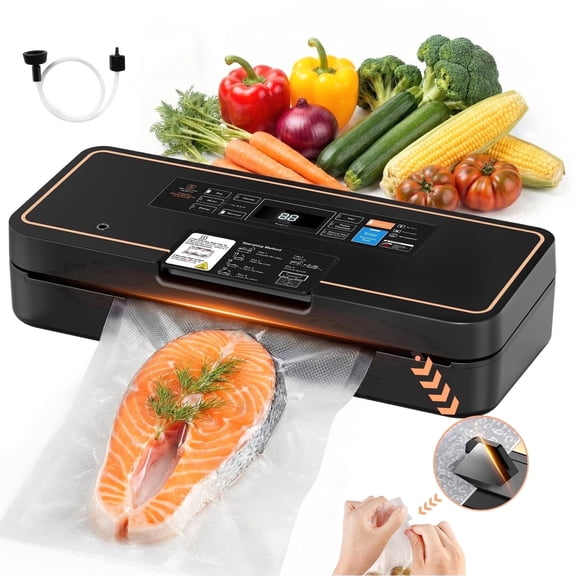
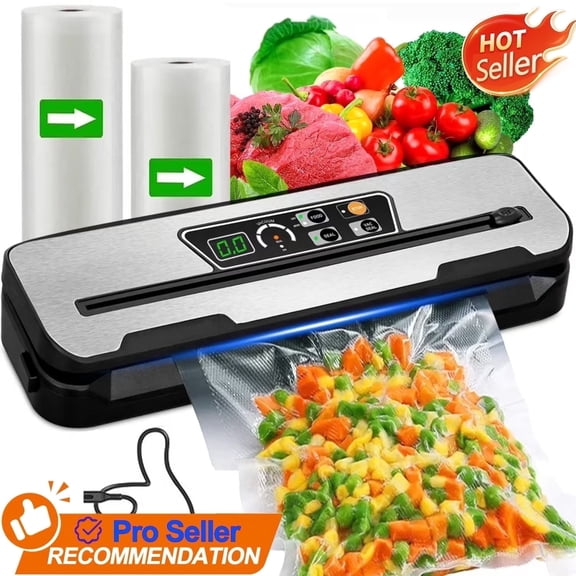
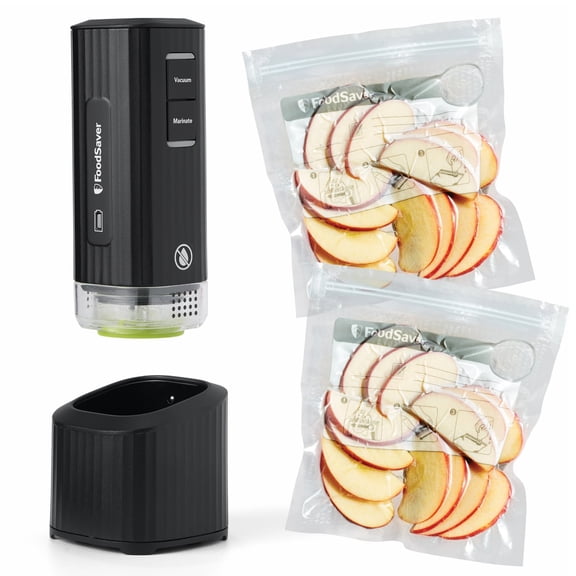
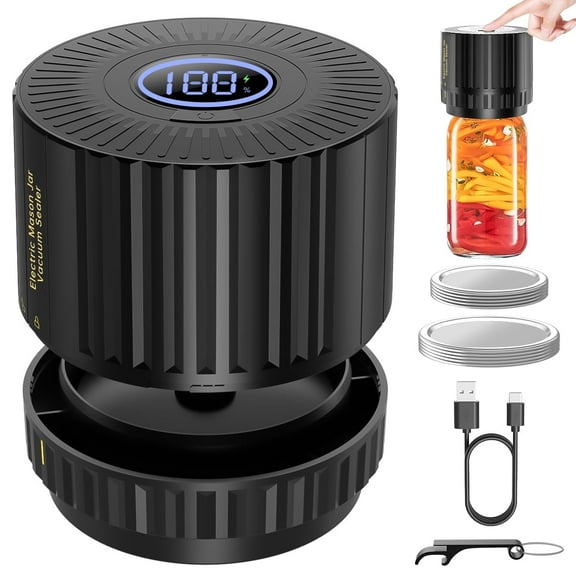
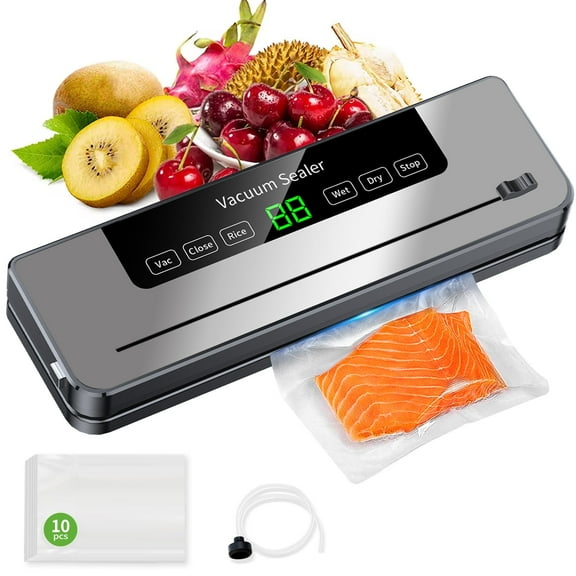
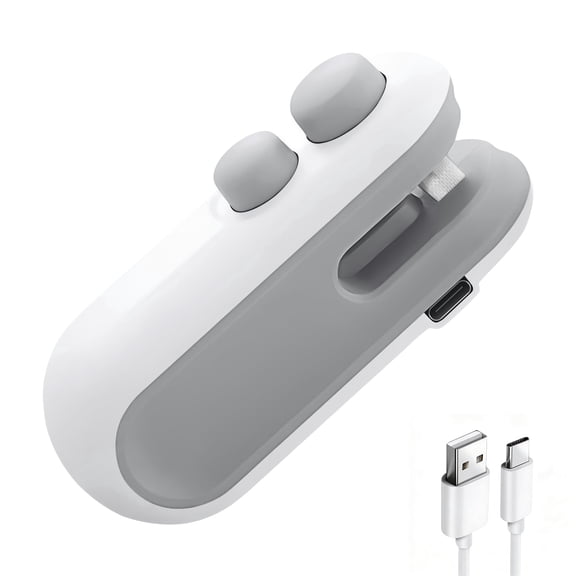
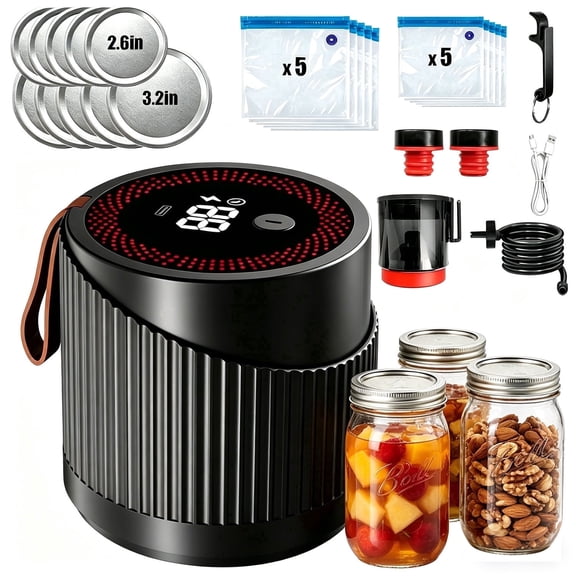
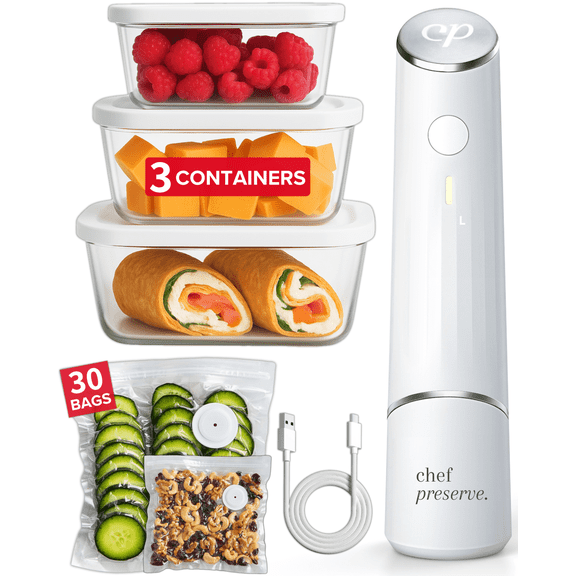
Vacuum sealers support long-term freezer organization and cleaner portioning for steaks, roasts, and ground meat. You can compare external sealers and chamber styles based on bag type and batch size.
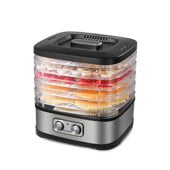
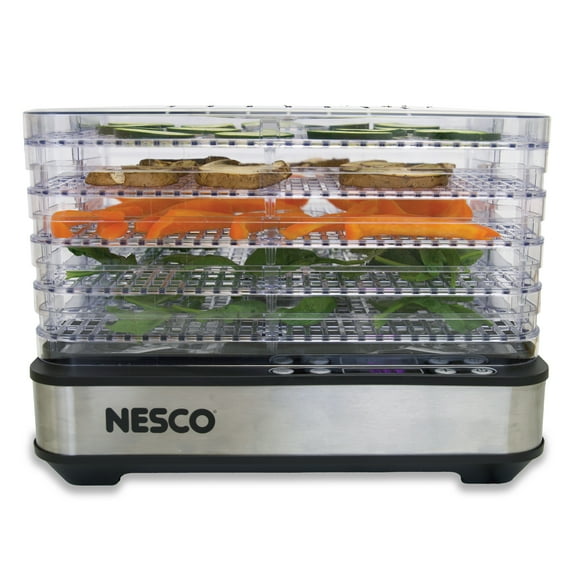
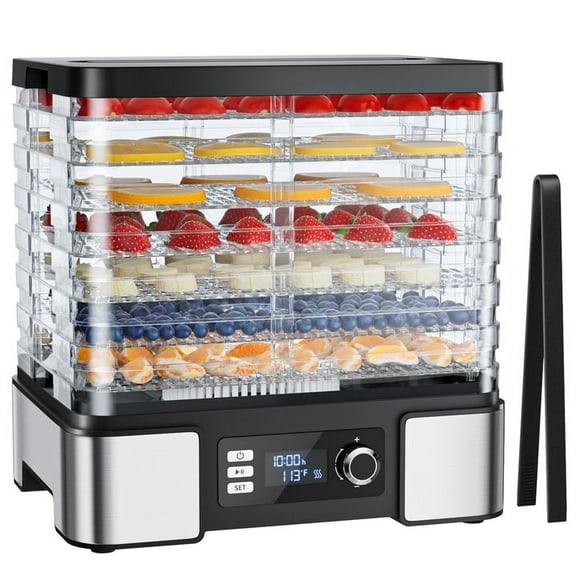
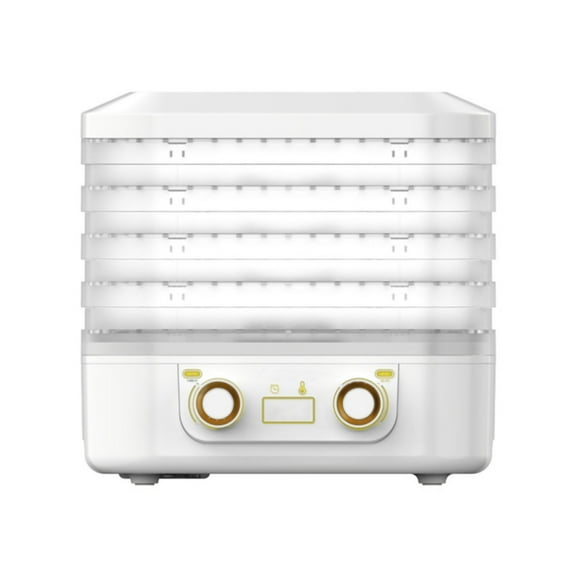
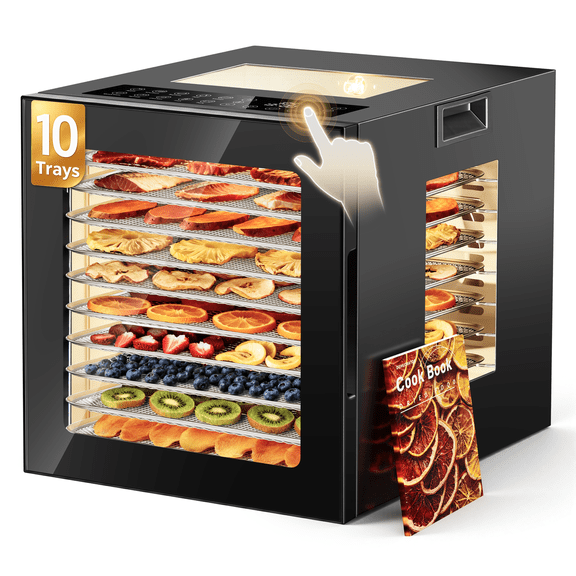
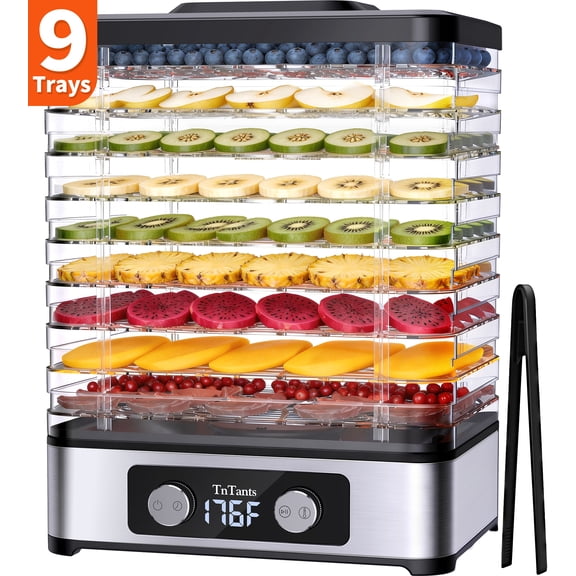
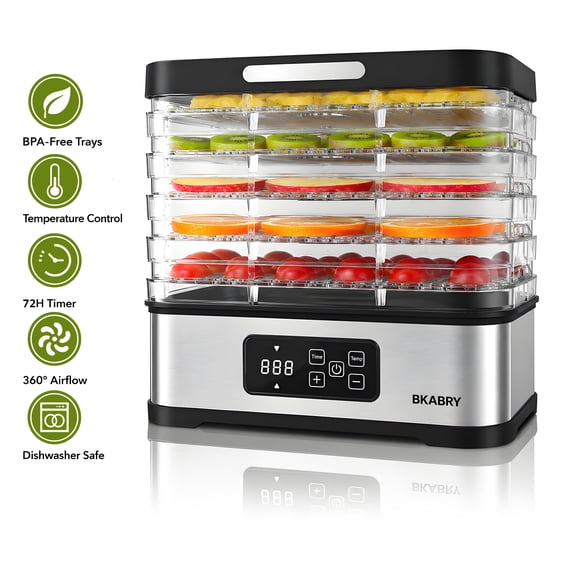
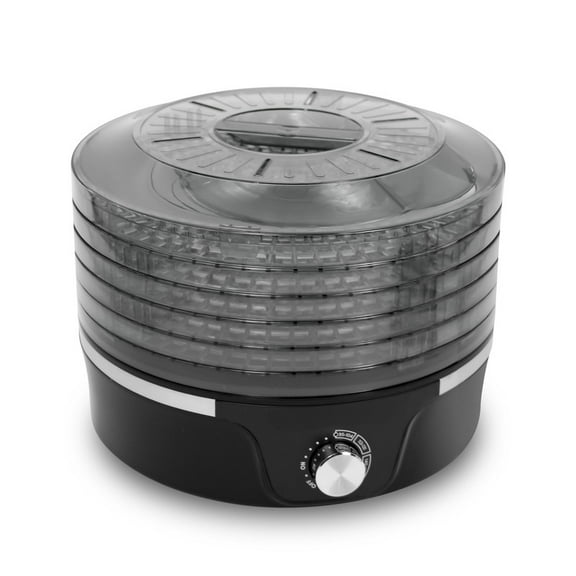
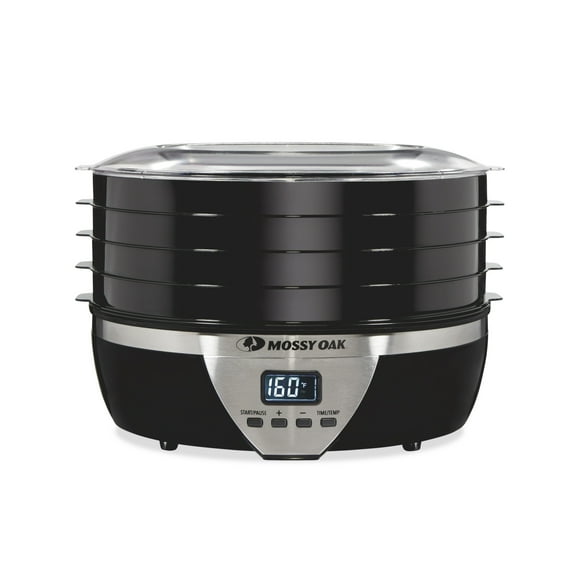
Dehydrators help you prepare jerky and dried snacks from lean cuts with controlled airflow. You should check tray count, temperature range, and spacing if you slice larger venison strips.
Meat slicers help you create even cuts for jerky, sandwich portions, and precise trimming. You’ll want to measure blade size and thickness control before choosing a model.
Sausage stuffers help you fill casings with steadier pressure than spooning by hand. You can compare vertical and horizontal designs based on counter space and batch volume.
What to look for in game processing supplies and materials
Material choice affects cleanup time, durability, and how your station feels during long prep sessions. You’ll often prefer stainless steel for contact parts because it wipes down simply and handles repeated use.
Heavy-duty plastic can work well when you want lighter weight components and easier carrying. You should check where plastic appears, especially on housings, trays, or storage pieces.
Food-grade silicone often shows up in seals, gaskets, and flexible accessories around preservation systems. You’ll want secure sealing surfaces when you package small portions or wetter cuts.
- You should look for removable parts that rinse and reassemble without extra steps.
- You can compare stainless steel contact areas if your cleanup routine matters most.
- You’ll want storage bags, rolls, trays, and attachments that match your equipment type.
- You should check whether replacement seals, plates, or tubes are easy to identify.
Comparing power source, motor strength, and duty cycle
Power source changes how you process, especially when you handle multiple batches in one session. You can choose electric models for speed, manual tools for direct control, or battery-powered units for portability.
Motor strength matters when you grind tougher cuts, work through trim piles, or process several pounds at once. You should compare wattage or horsepower with a clear benefit, which is steadier output.
Duty cycle tells you how long your machine can run before it needs a break. You’ll want longer continuous run time if your hunting food processing routine includes back-to-back batches.
For lighter duty jobs, you may only need occasional use for smaller portions and simple packaging. For heavy duty or commercial grade use, you should look for stronger motors and larger feed capacity.
Matching capacity and target game to your setup
Your target game affects portion size, bone structure, and the volume you process in one day. If you handle deer processing equipment needs, you’ll likely want enough capacity for roasts, burger, and sausage.
Elk and wild boar often mean larger cuts and longer prep sessions at the table. You should compare heavy duty grinders, larger seal bars, and roomy dehydrator trays for those bigger workloads.
Waterfowl can call for different storage patterns, especially when you package breasts, snack sticks, or jerky strips. You may want slicers and sealers that help you portion smaller cuts neatly.
Light duty options can fit occasional hunters with limited freezer prep each season. Commercial grade capacity can suit you if your household processes multiple animals or shares equipment across camp.
Preservation choices for deer processing equipment
Preservation method shapes your packaging supplies, freezer organization, and prep time after butchering. You can use vacuum sealing for compact storage and visible labels across different cuts.
Freezer paper wrapping may suit short-term storage or simple bundles when you pack fewer portions. You should compare that method with sealing if you want tighter packages and easier stacking.
Dehydrating gives you another path when you want shelf-stable style snacks from lean meat. You’ll need even slices, steady temperature control, and enough tray space for batch consistency.
These decisions make deer processing equipment easier to match to your routine and harvest size. You’ll finish with a setup that supports cleaner prep, steadier output, and more organized storage.