

Fuse Cost & Replacement Fuses for Home | Walmart






















About Fuse Cost & Replacement Fuses for Home | Walmart - Walmart.com
Fuses help you protect electrical circuits by matching the right amperage, voltage, and shape to your setup. You can compare electrical fuses for automotive, residential, industrial, and HVAC jobs in one place.
When you replace a blown fuse, you need the same fit and rating your equipment requires. You’ll also want clear options like cartridge fuses, glass tube fuses, blade fuses, and plug fuses.
How to choose fuses for your application
You should start with the application, because each setup uses a different fuse style and rating. You’ll usually see different needs for vehicles, home panels, control equipment, and HVAC components.
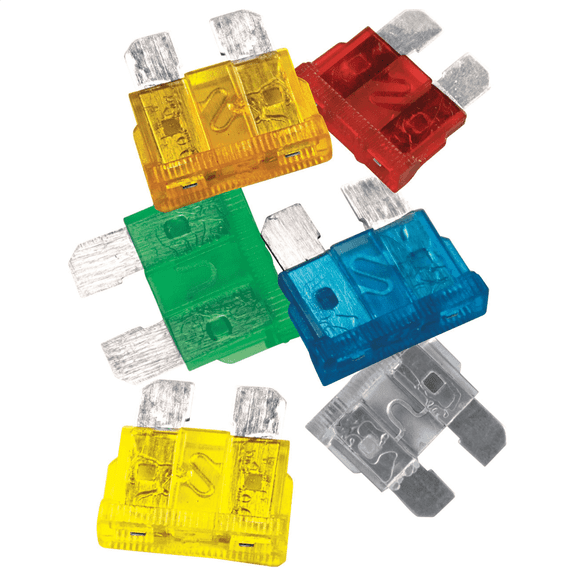
For automotive use, you’ll often compare blade fuses by amperage and slot size. For older household systems, you may need plug fuses that match your existing fuse base.
In equipment or control panels, you may need cartridge fuses or glass tube fuses with exact dimensions. In HVAC systems, you may check both voltage and response time before you replace anything.
- You can narrow choices by application, including automotive, residential, industrial, and HVAC use.
- You can compare fuse shapes, including blade, cartridge, plug, and glass tube styles.
- You can match amperage ratings like 15 Amp, 20 Amp, 30 Amp, and 100 Amp.
- You can check voltage ratings such as 125V, 250V, and 600V before installation.
- You can choose fast-acting or time-delay options based on your equipment needs.
Choosing amperage and voltage on electrical fuses
You should match amperage exactly to the circuit requirement listed on your equipment or fuse holder. You’ll commonly look for 15 Amp, 20 Amp, 30 Amp, or 100 Amp options.
If you choose the wrong amperage, your fuse may not match the circuit’s intended protection level. You can use the printed rating on the old part or your equipment label as guidance.
You’ll also need the correct voltage rating, such as 125V, 250V, or 600V. You should compare both amperage and voltage together, because one rating alone isn’t enough.
When you see interrupting rating details, you’re looking at how much fault current the fuse can safely handle. You can treat that spec as an important compatibility checkpoint for demanding equipment.
Comparing blade, cartridge, plug, and glass tube fuses
You need the physical style that fits your fuse block, holder, or panel opening. You can’t swap shapes freely, because blade, cartridge, plug, and glass tube designs install differently.
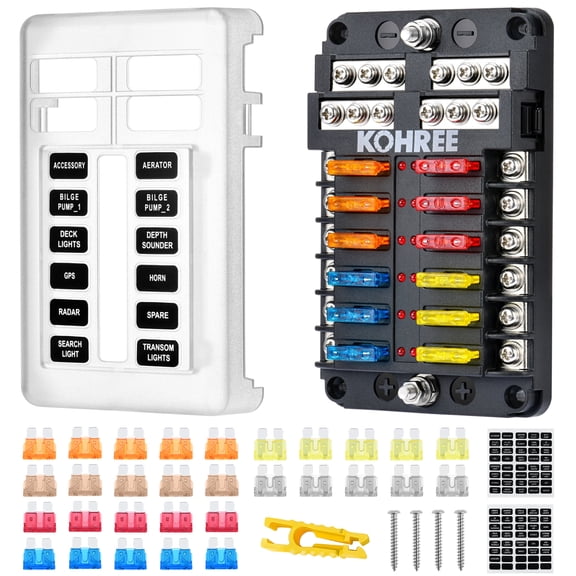
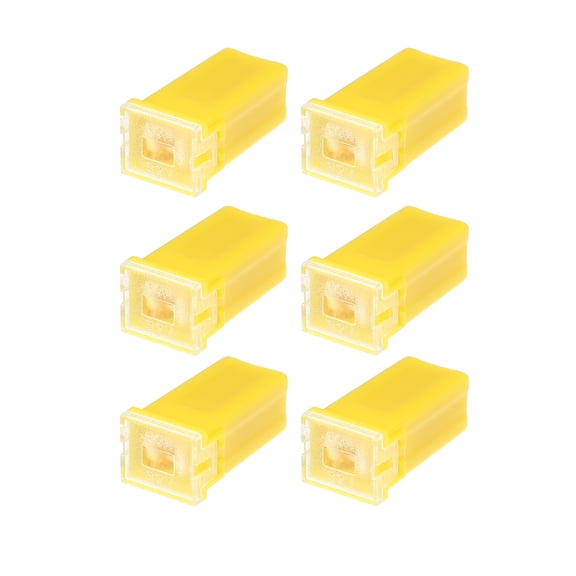
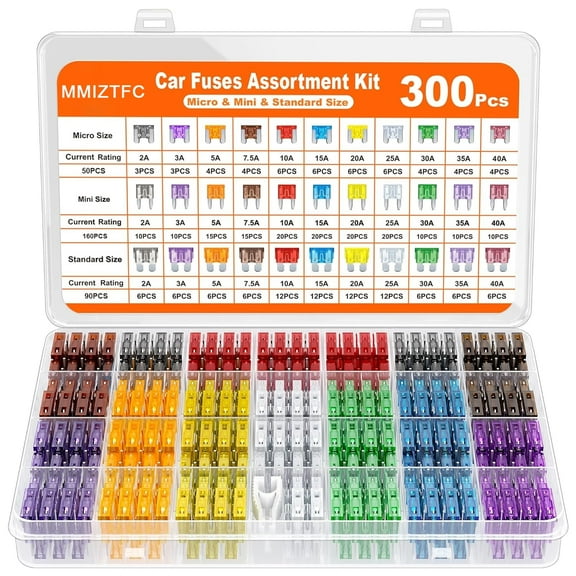
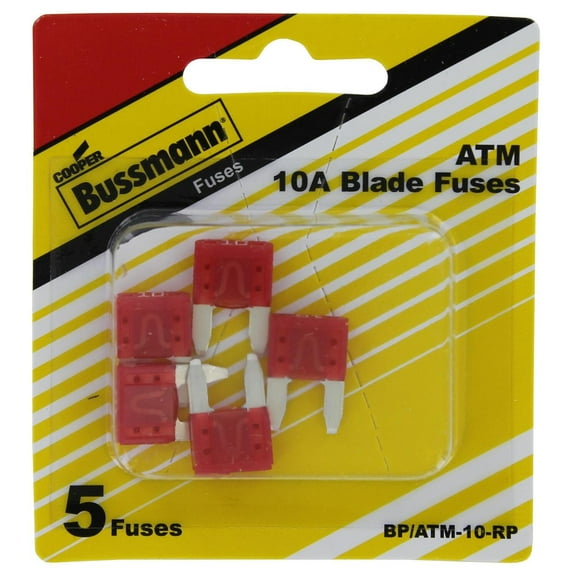
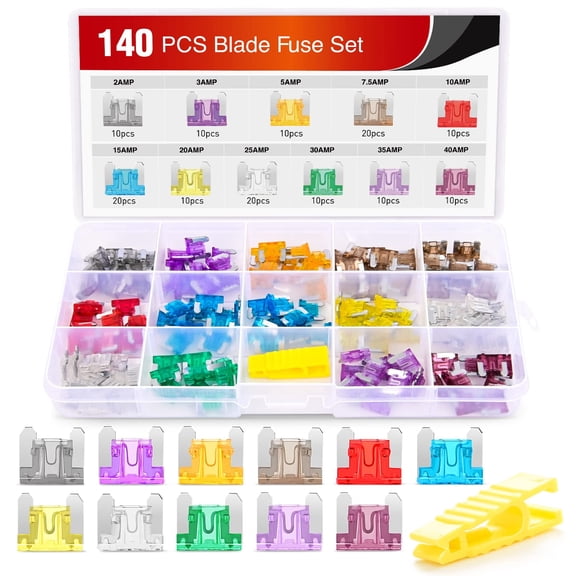
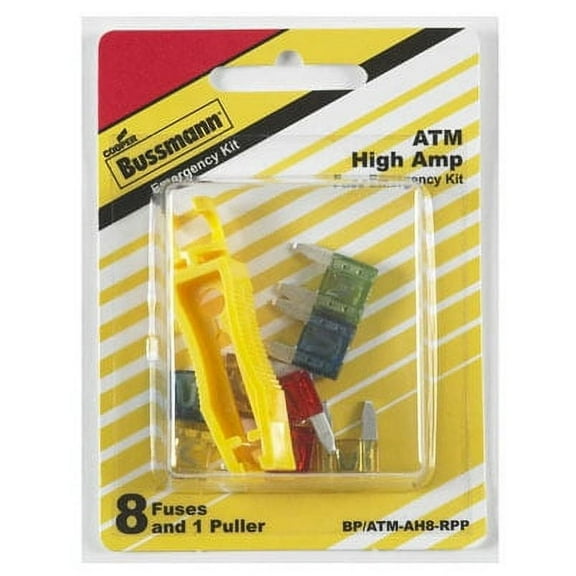
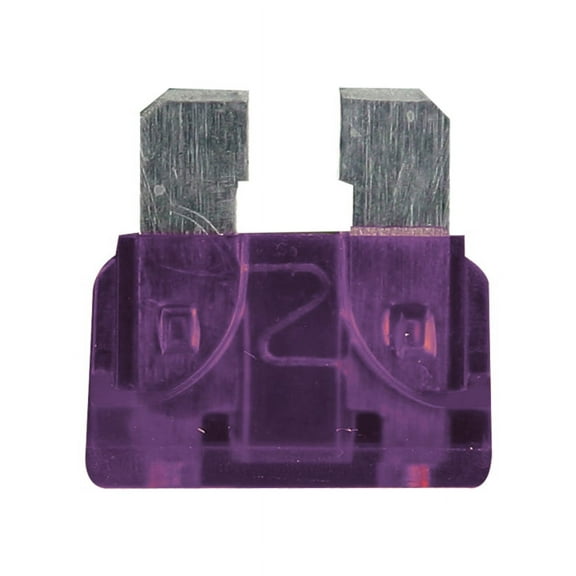
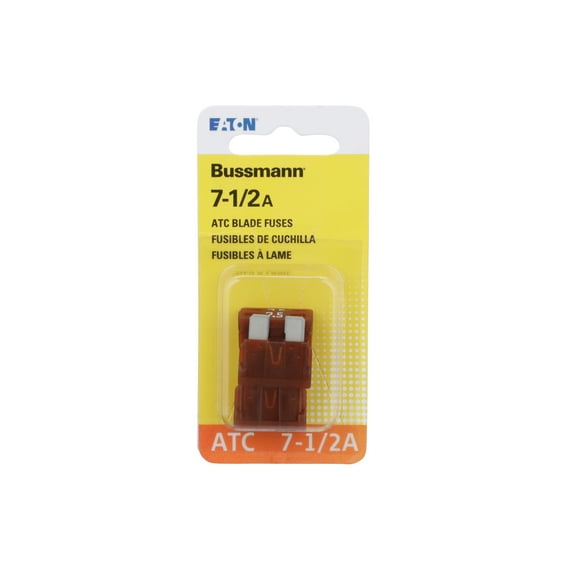
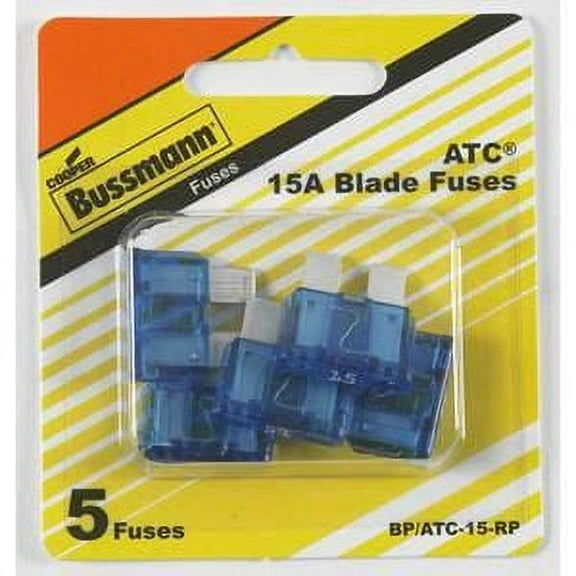
Blade fuses are common when you’re replacing automotive fuses in cars, trucks, and other vehicles. You’ll usually identify them by color, compact plastic body, and metal prongs.
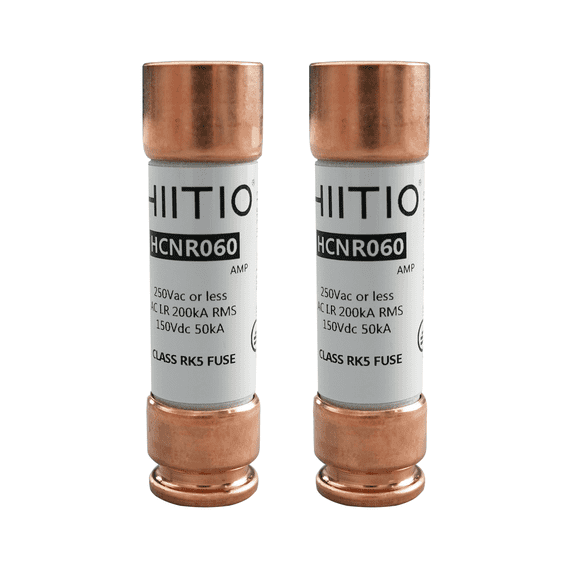
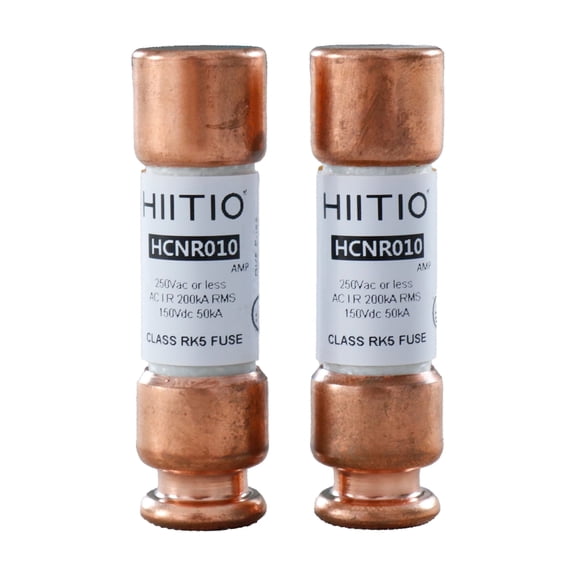
Cartridge fuses fit many equipment, industrial, and HVAC applications where you need a cylindrical shape. You’ll want to check length, diameter, and end style before you choose one.
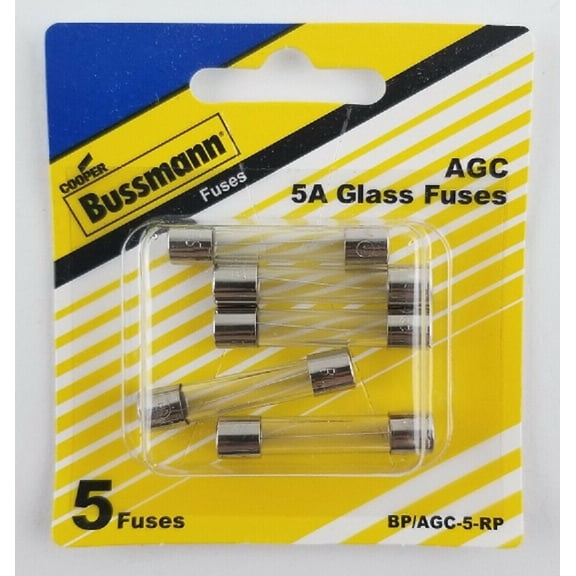
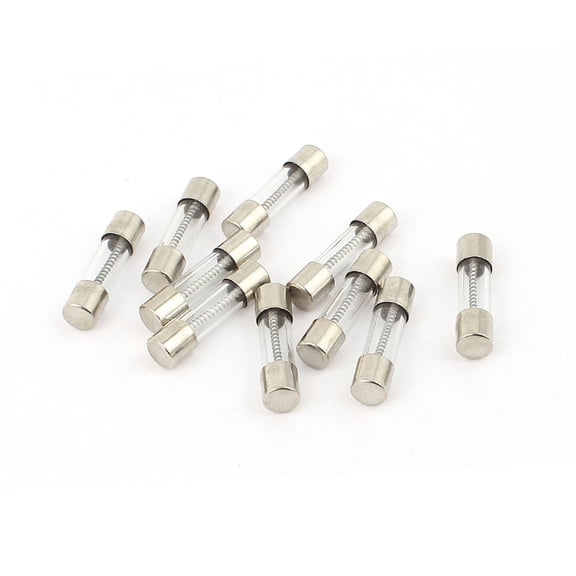
Glass tube fuses let you match a familiar cylindrical format used in electronics and small equipment. You should compare dimensions carefully, because similar-looking tubes may still fit differently.
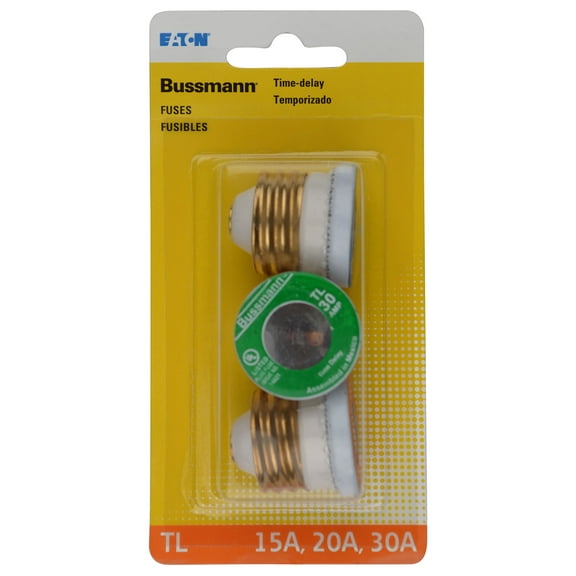
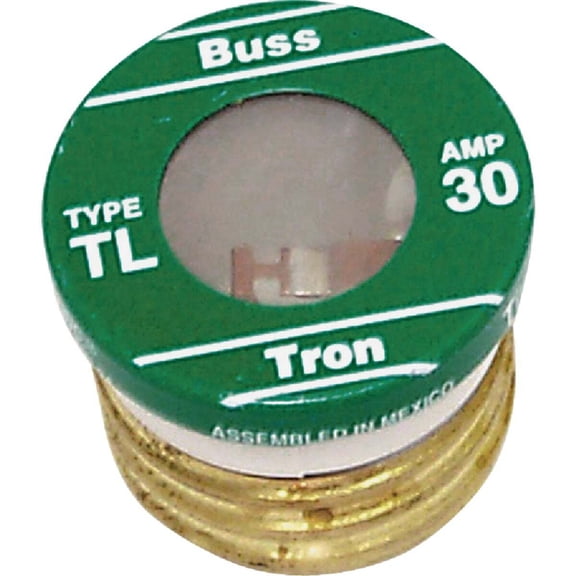
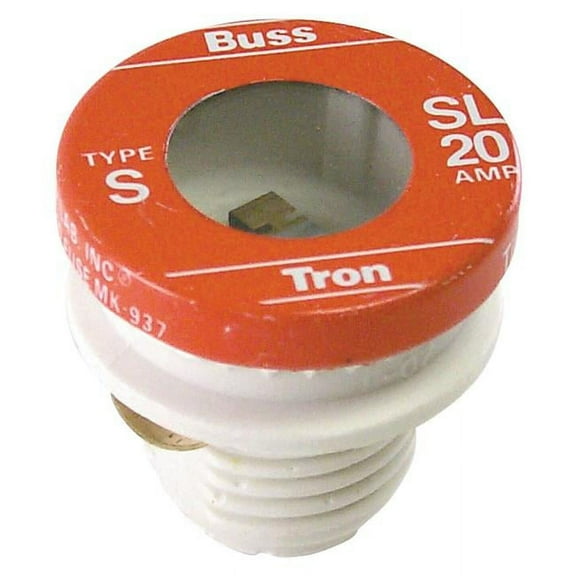
Plug fuses are associated with older residential fuse panels that use screw-in styles. You’ll need the correct base type and rating so your replacement matches your panel setup.
Fast-acting and slow blow fuses explained
You should choose response time based on how your equipment starts and runs. You’ll typically compare fast-acting and time-delay, also called slow blow fuses, for that reason.
Fast-acting options open quickly when current rises beyond the rated level. You may use them where your circuit needs an immediate response to overload conditions.
Time-delay fuses allow brief startup surges without opening right away. You’ll often consider them for motors, compressors, and HVAC equipment that draw extra current at startup.
If your existing fuse is marked time-delay, you should replace it with the same response type. You can confirm that detail on the fuse body, packaging, or equipment documentation.
Matching fuse choices to real projects
If you’re replacing car fuses, you’ll likely focus on blade fuses with the same amp rating as the original. You should also check the fuse box diagram so each slot gets the intended replacement.
When you’re maintaining older home systems, you may need plug fuses that match a screw-in panel design. You’ll want to verify the panel’s required rating before you install a replacement.
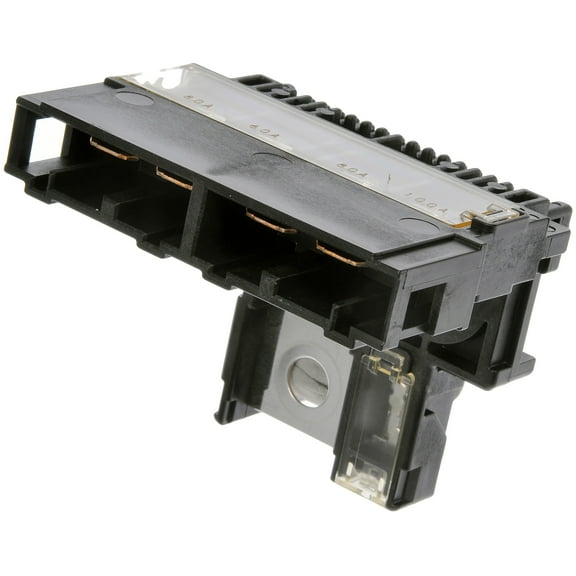
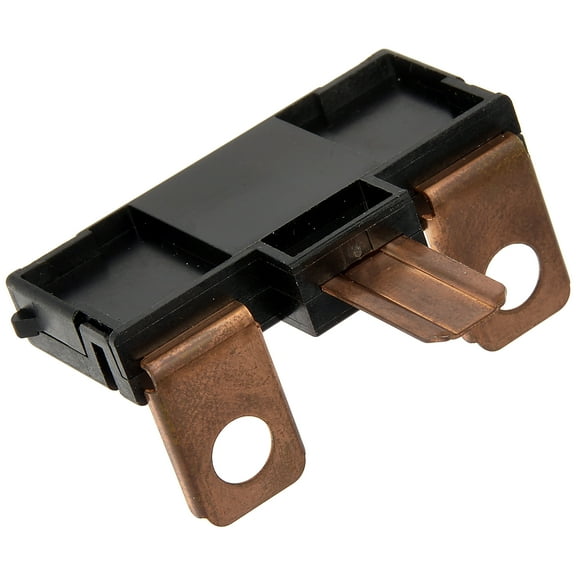
If you’re working on control cabinets or disconnects, you may compare cartridge fuses by size, voltage, and interrupting rating. You can use those details to match the holder and operating conditions.
For HVAC service parts, you may need cartridge or time-delay options that fit condensers, air handlers, or related equipment. You should check the label on the unit for exact electrical requirements.
You may also pair your selection with related parts like fuse holders, breakers, and load centers. You can build a more complete repair plan when your ratings and fitment details align.
With the right fuses, you can match amperage, voltage, shape, and response time with more confidence. You’ll end up with a replacement that fits your holder and suits your specific application.