

Tall Fruit Trees & Live Fruit Trees | Walmart











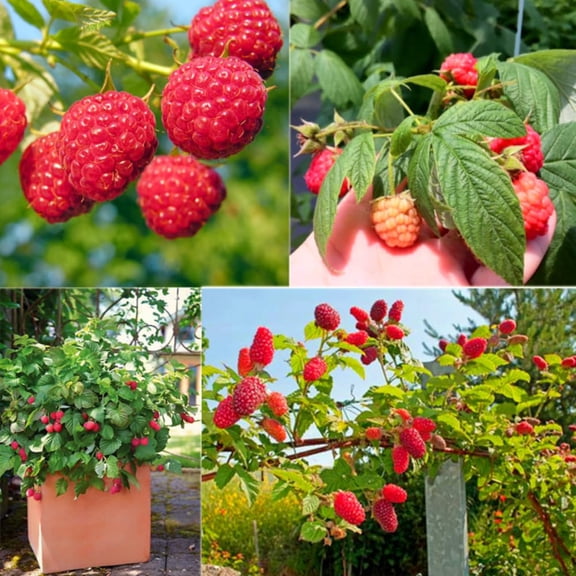
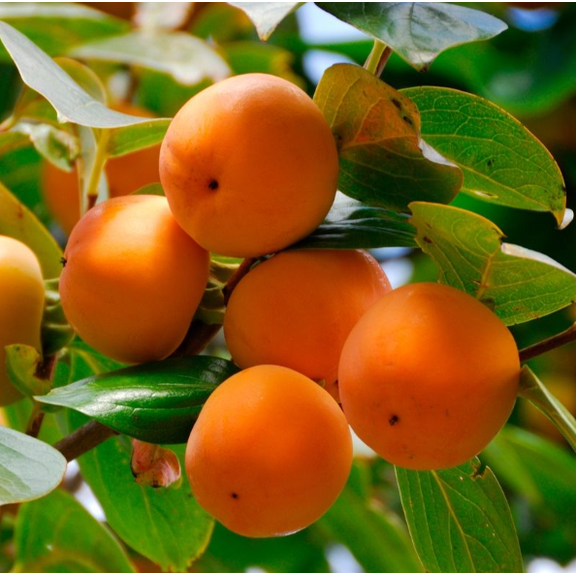
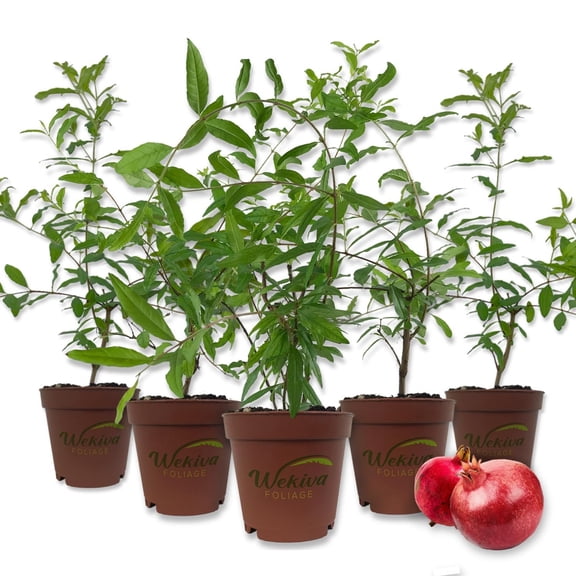

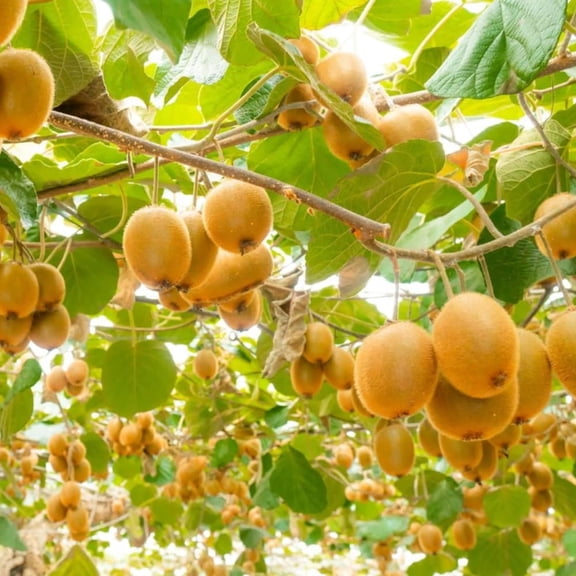

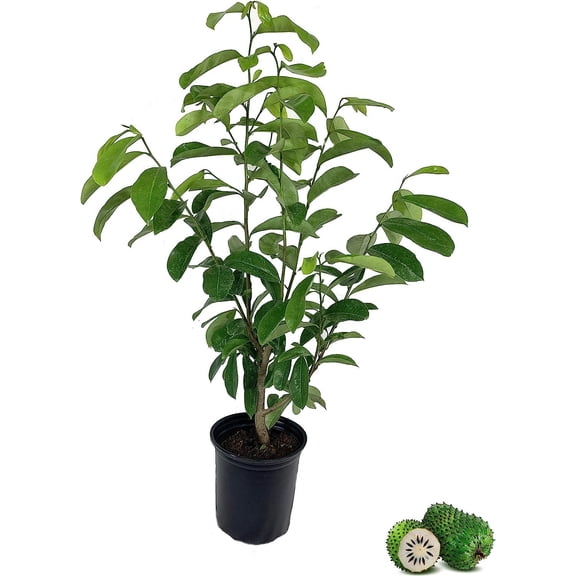


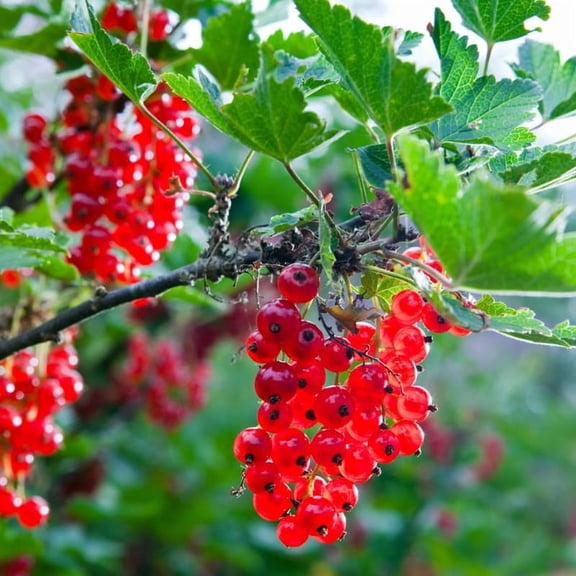
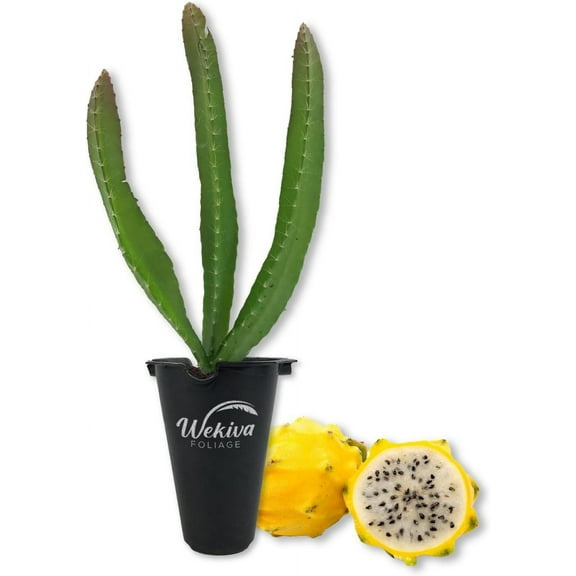


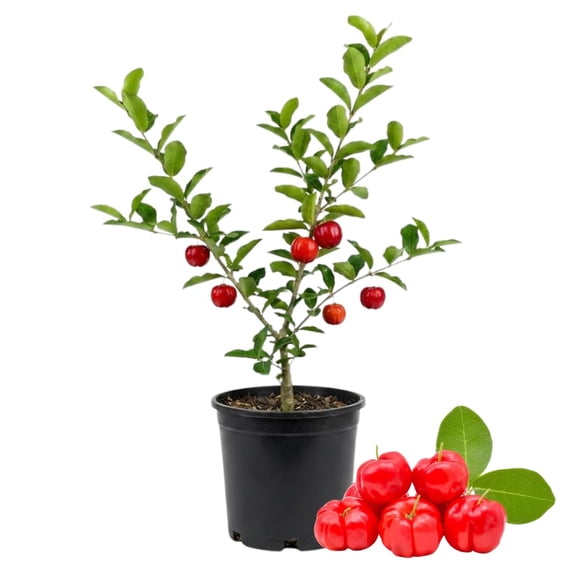





About Tall Fruit Trees & Live Fruit Trees | Walmart - Walmart.com
Fruit trees help you turn your yard, patio, or sunny room into a productive growing space. You can compare climate fit, mature size, and pollination needs to choose varieties that match your home.
If you're planting for fresh harvests, fruit trees give you choices for backyard rows, containers, and decorative edible landscapes. You can also find options suited to shorter seasons, warmer zones, and compact spaces.
Choosing fruit trees by tree type
When you compare tree type first, you can narrow your options faster. You may prefer citrus fruit trees for warm conditions, or you may want apples, pears, peaches, or plums.
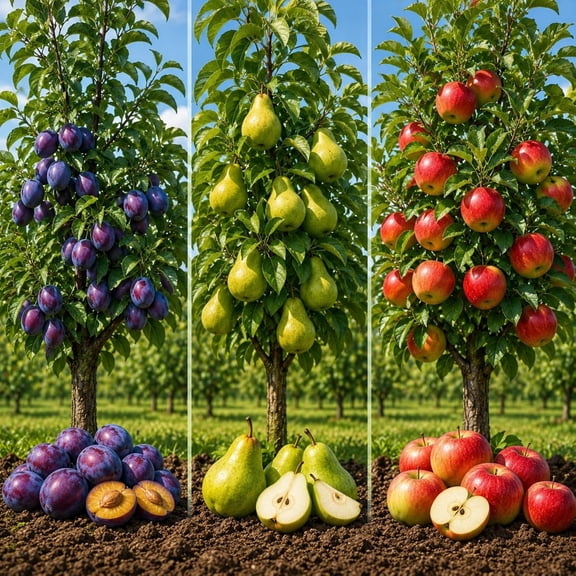
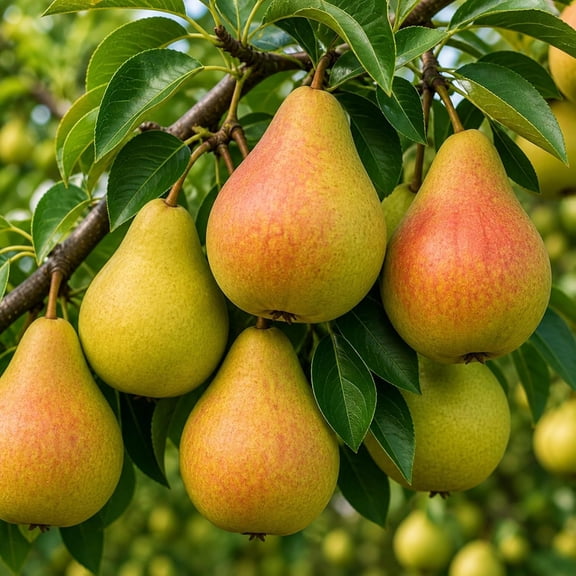
Pome fruit trees usually include apples and pears, and you may choose them for classic backyard fruit trees. Stone fruit trees often include peaches, plums, cherries, and apricots for juicy seasonal harvests.
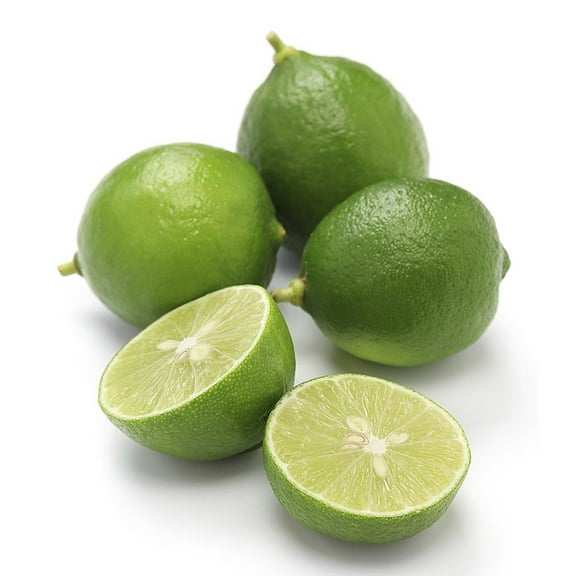
If you're planning for a warm patio or bright indoor spot, you may look at citrus selections with glossy leaves and fragrant blooms. If your goal is long-term landscape planting, you may also compare nut trees for shade and seasonal yield.
How mature size changes your fruit trees choice
Your available space should guide your next decision. You can compare dwarf, semi-dwarf, and standard trees based on spread, pruning needs, and where you'll place them.
Dwarf fruit trees fit smaller yards, patios, and many potted fruit trees setups. You can often manage them more easily because you reach branches, blossoms, and harvest areas with less effort.
Semi-dwarf trees give you a middle ground when you want more canopy without a full standard footprint. Standard trees may suit larger properties where you want long-term structure and more spacing between plantings.
- You can use dwarf trees for patios, balconies, and compact garden beds.
- You can choose semi-dwarf trees when your yard has moderate room and you want easier upkeep.
- You can plant standard trees when your landscape allows wider spacing and fuller mature growth.
- You can compare rootstock size because it affects height, spread, and pruning expectations.
Checking USDA zones and cold hardy fruit trees
Your climate matters as much as your taste preferences. You should check USDA zone guidance because it helps you match fruit trees to expected winter lows.
If you garden in cooler regions, cold hardy fruit trees can help you plan with more confidence. You may compare options labeled for Zone 4, Zone 5, or Zone 6 before choosing what to plant outdoors.
If your home falls in Zone 7 through Zone 10, you can explore a wider range of warm-season selections. You should still compare minimum temperature guidance, because a mild average season can still include brief cold snaps.
Zone details also help you decide where to place a tree around your home. You may use protected patios, sunny walls, or containers when you need more flexibility across changing seasons.
Understanding pollination before you plant fruit trees
Your harvest plans should include pollination requirements from the start. You can choose self-pollinating fruit trees for simpler planning, or you can select varieties that need a compatible partner.
Self-pollinating types can work well when you have room for only one tree. If a variety requires a pollinator, you should check bloom timing so both trees flower during the same period.
This step is especially important when you're planting backyard fruit trees in rows or small orchard layouts. You can avoid guesswork by comparing product details for self-fertile types and cross-pollination needs.
Dwarf fruit trees for patios and small yards
If your growing area is limited, dwarf fruit trees can make home growing feel more practical. You can place them in smaller beds, line them along fences, or use them where full-size trees won't fit.
You may also prefer compact trees when you want easier seasonal pruning and more reachable branches. That smaller scale can help you manage shaping, blossom checks, and harvest timing with less stretching.
For patios and decks, you can compare mature width as closely as mature height. You should also measure container space and sun exposure before choosing potted fruit trees for outdoor living areas.
Indoor fruit trees and potted fruit trees
Indoor fruit trees can suit bright rooms, sunrooms, and sheltered porches where you want edible greenery. You should look for varieties that adapt well to containers and consistent light conditions.
Potted fruit trees give you flexibility when you want to move plants with the seasons. You can shift them outdoors in warm weather and bring them to protected spaces when temperatures drop.
This approach can help you grow citrus or other compact selections without a large yard. You should compare container size, drainage, and mature growth so your setup supports steady development.
Time to harvest and maintenance expectations
Your timeline matters when you're choosing what to plant. You may prefer faster-bearing varieties, or you may choose slower growers that fit your long-term landscape plans.
You should also compare maintenance needs before making a final decision. Some trees ask for more shaping, thinning, or spacing attention, while others fit a simpler routine.
If you're new to planting, you may want varieties with straightforward pollination and manageable size. If you've grown before, you may branch into mixed types that extend harvest windows across the season.
When you match tree type, mature size, zone fit, and pollination method, fruit trees become easier to choose. You can plant with a clearer plan and enjoy a growing setup that fits your space.