

Force Gauges in Motion, Speed, Force Measurement















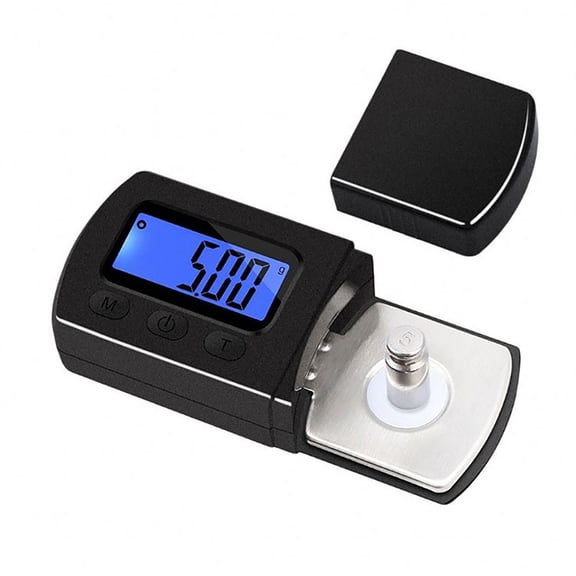

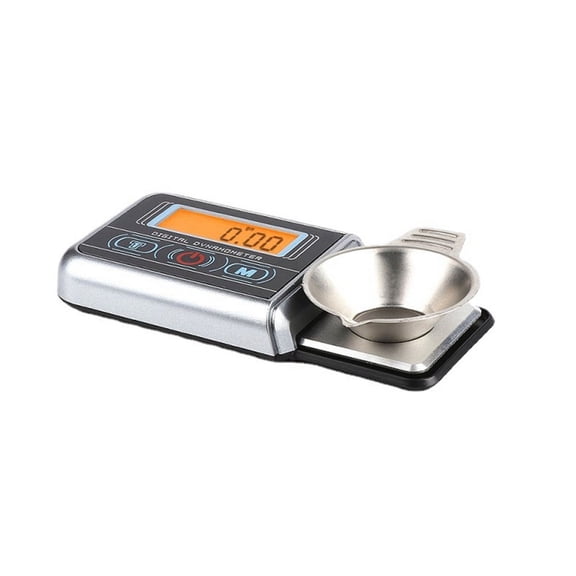
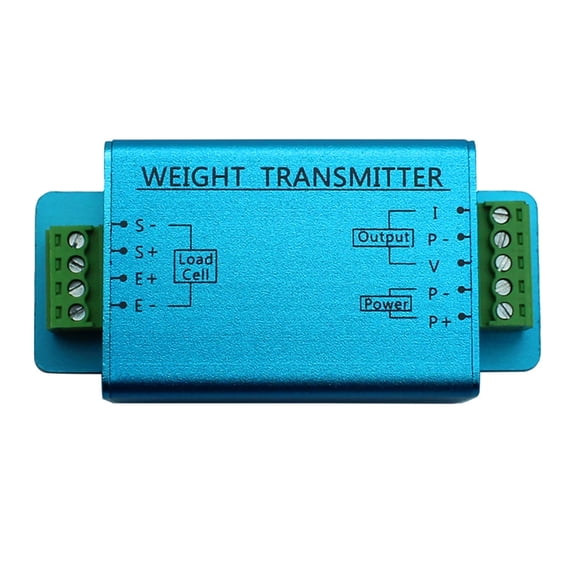
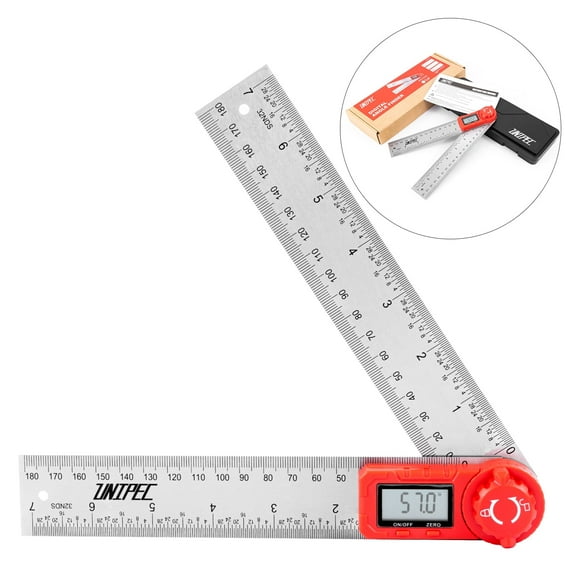




About Force Gauges in Motion, Speed, Force Measurement - Walmart.com
You can compare a push pull dynamometer by measurement type, display style, capacity range, and application before you choose a force measurement tool. You’ll find options for classroom physics, industrial testing, ergonomics work, and pull force measurement in one focused category.
When you need repeatable readings, you should match the gauge to your task instead of choosing by appearance alone. You can use this guide to compare digital and analog formats, hook setups, and mounting details with confidence.
Choosing the right push pull dynamometer
You should start with measurement type because tension, compression, and push-pull models support different testing routines. You can use tension tools for pulling tasks, compression tools for pressing tasks, and combination models for both directions.
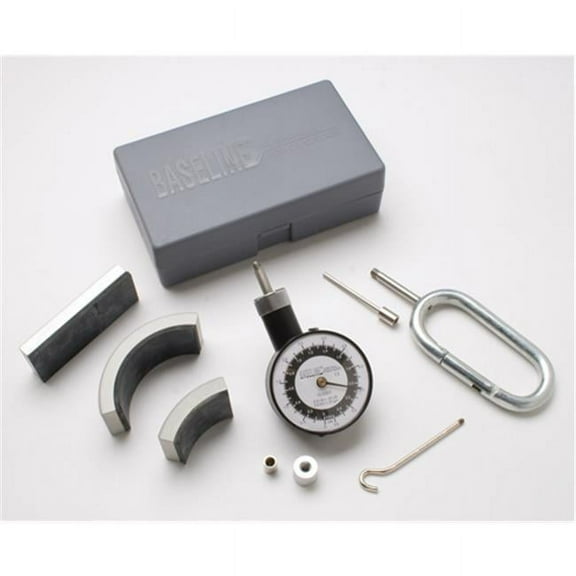
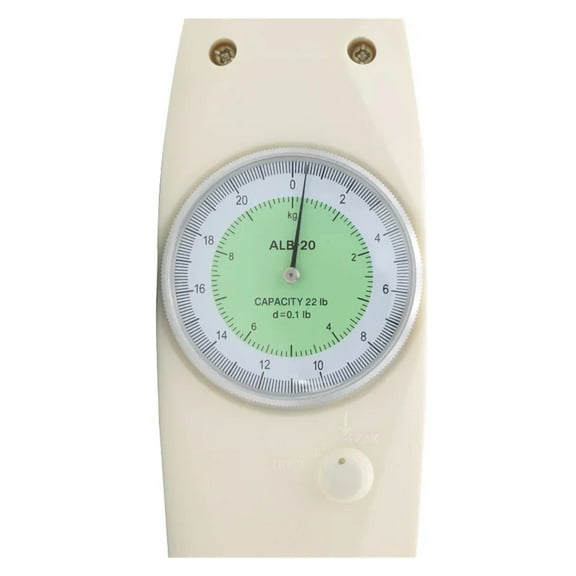
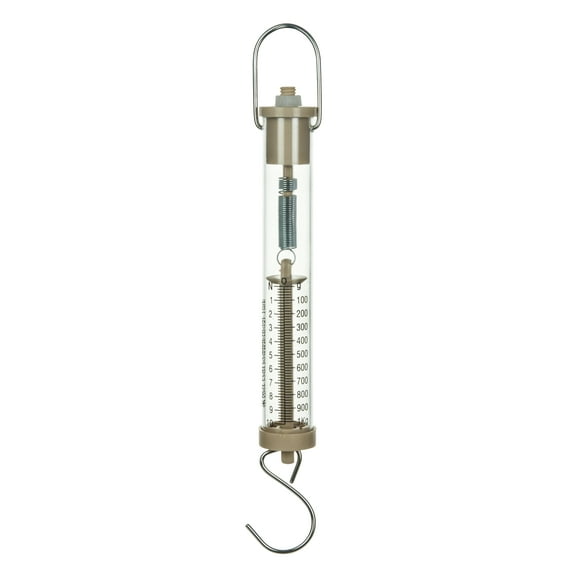
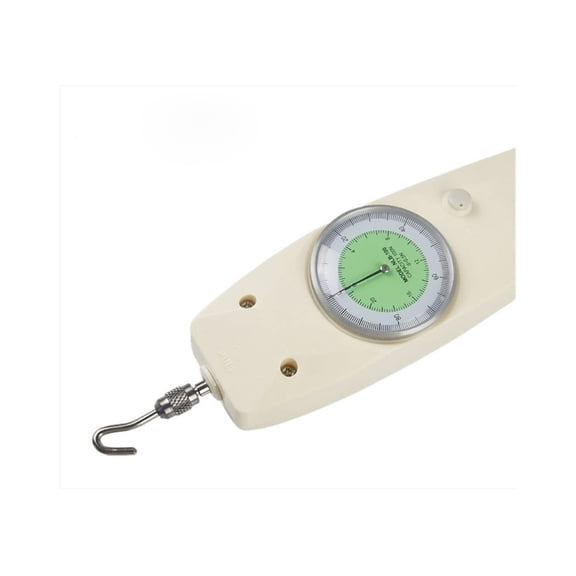
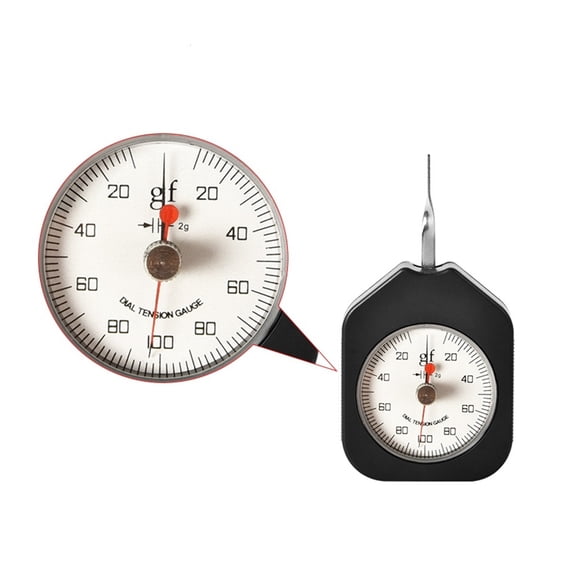
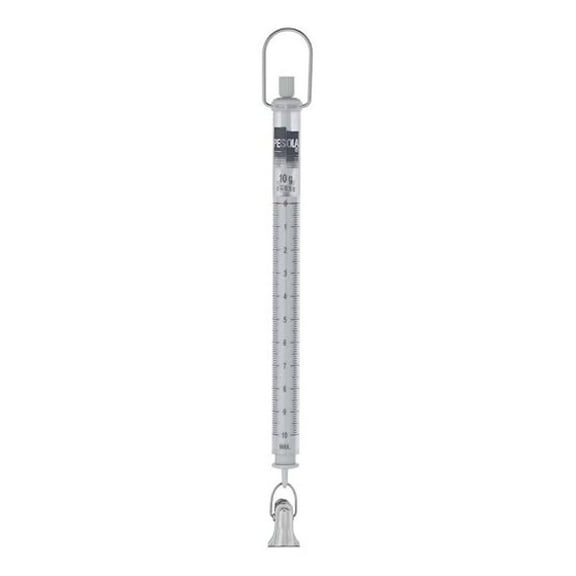
When you compare display types, you’ll notice digital units help you read small changes quickly on screen. You may prefer an analog, dial, or force spring scale format when you want simple visual readings without menu settings.
You should also check whether your work calls for handheld use or test stand mounting compatibility. You can compare mounting thread size because it affects how securely your force gauge tool fits stands and fixtures.
How display type affects your readings
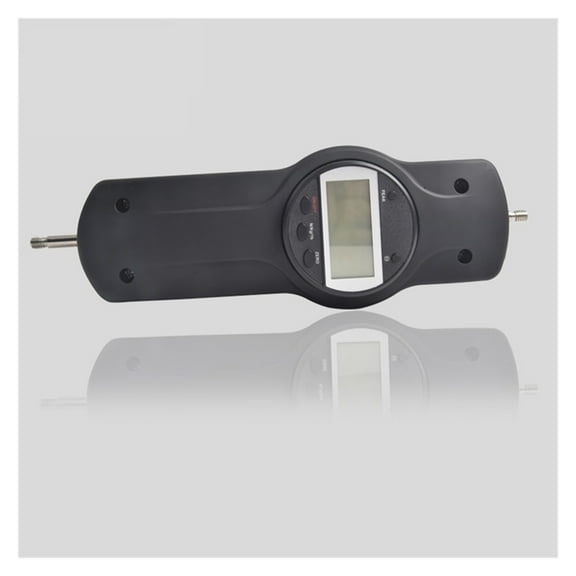
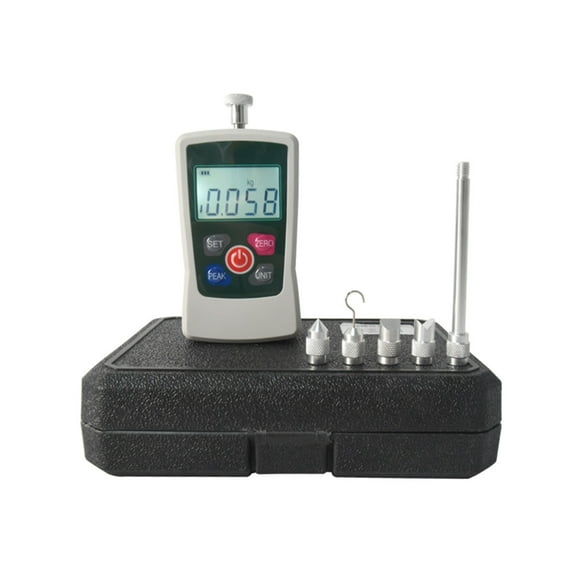
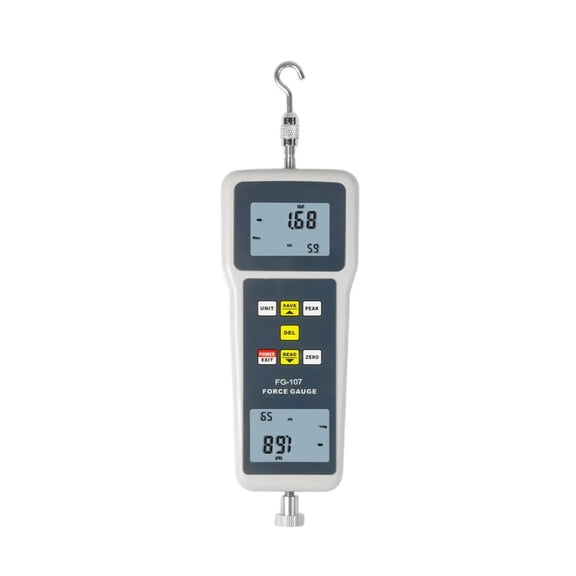
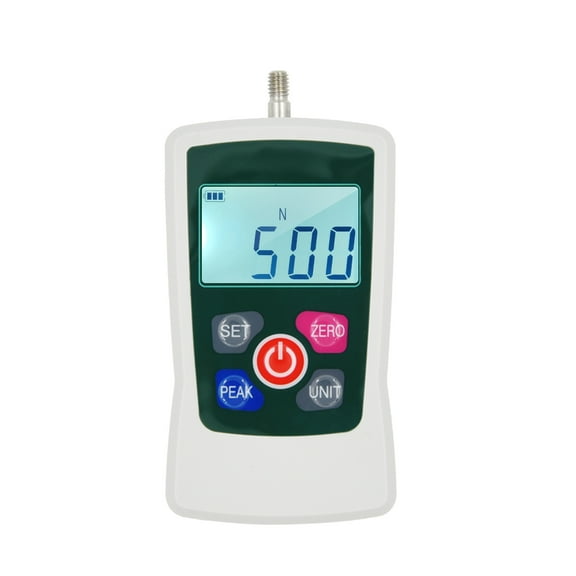
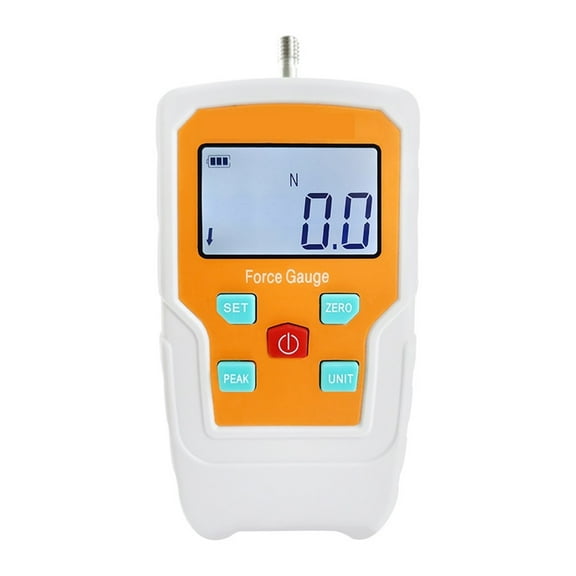
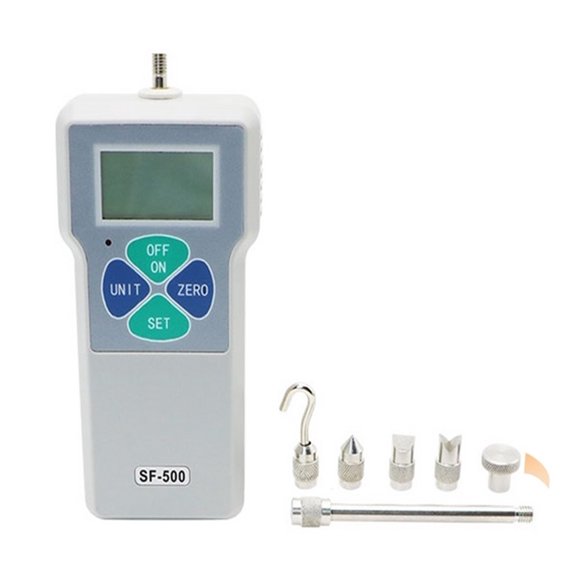
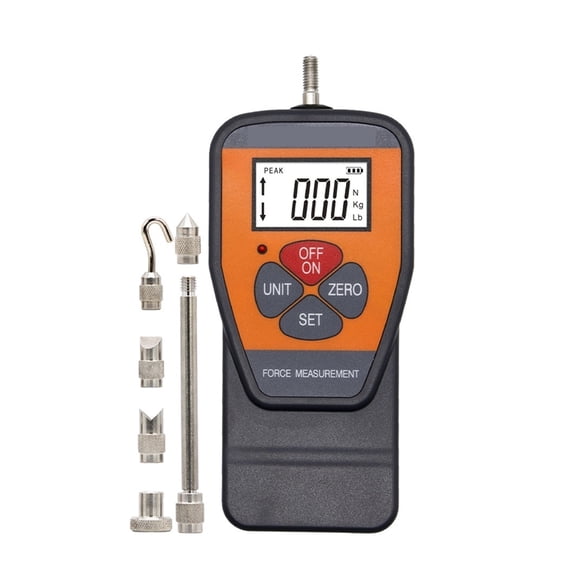
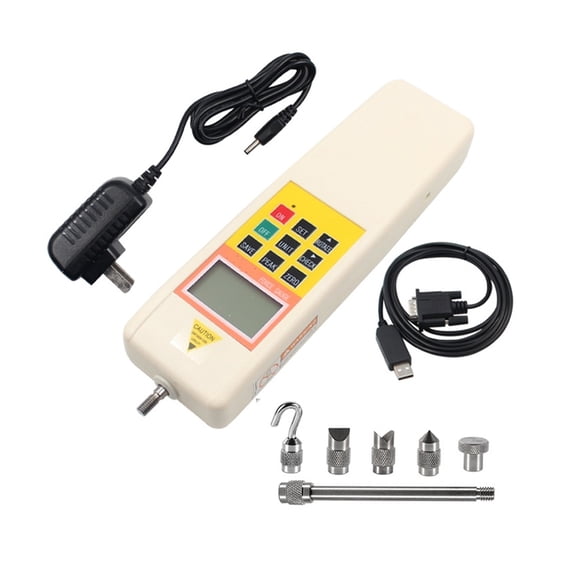
You can use a digital force gauge with hook when you need clear pull readings during demos, bench tests, or repeated checks. You’ll often see this format in classroom physics setups because students can follow changing values quickly.
If you’re comparing accuracy tolerance and resolution, you should look at how small a reading increment the gauge can show. You’ll get useful data when the resolution matches the force range you actually test.
- You can read digital screens quickly during repeated pull force measurement tasks.
- You can choose analog or spring formats when you want straightforward operation.
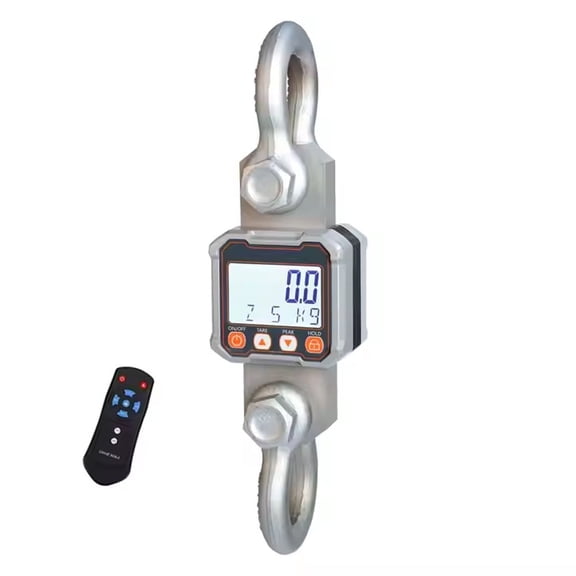
- You can compare hook attachments for suspended weights, classroom demos, and pull testing.
- You can review dial visibility and grip shape for convenient handheld measurements.
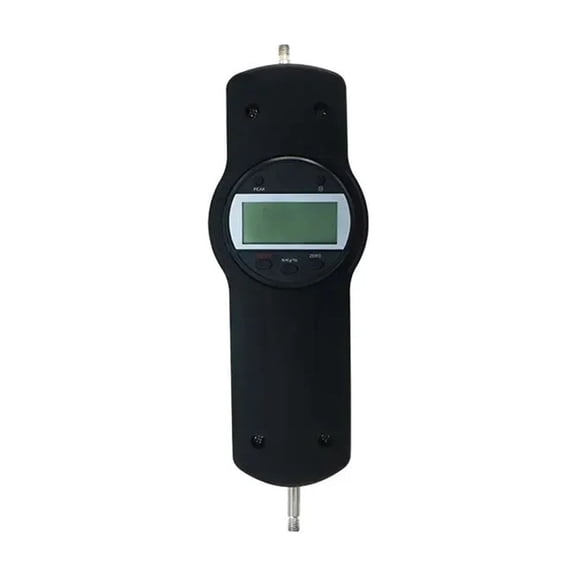
You may search for a black digital force gauge with hook physics classroom setup when you need a visible, easy-to-read teaching tool. You’ll want a display that stays legible from a lab bench or classroom table.
Comparing capacity range and force gauge features
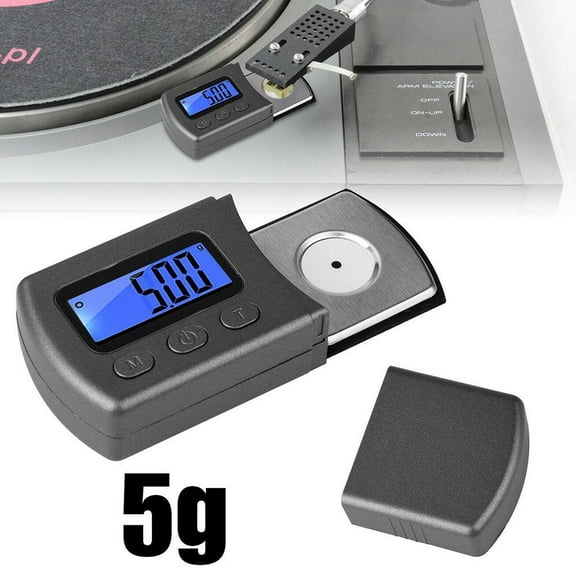
You should match capacity range to the forces you expect, because a small gauge and a high-load task don’t belong together. You can use low capacity models under 10N for light demonstrations and delicate measurements.
For medium needs, you’ll often choose 10N to 500N for bench testing, product checks, and routine pull force meter work. You can look to high capacity options over 500N when your testing setup handles heavier loads.
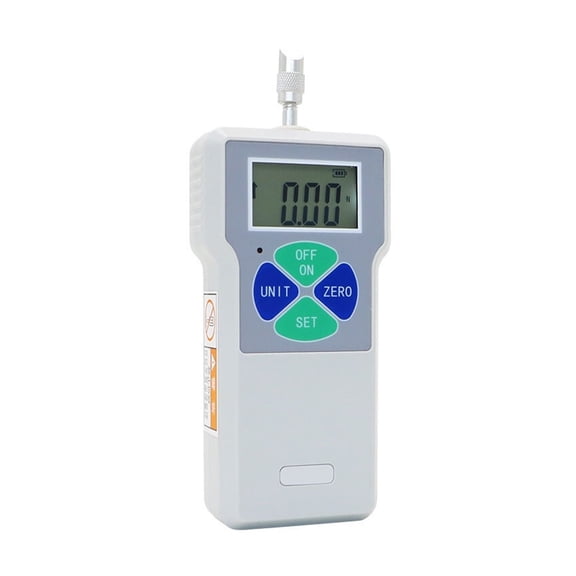
When you compare a force gauge meter, you should check units, peak hold functions, and reset controls. You’ll also want to review hook, plate, or clamp compatibility so your force measuring device fits your method.
You can improve selection by comparing grip design with mounting options instead of treating them as separate details. If you switch between handheld checks and stand testing, you’ll want a force tester that supports both workflows.
Matching the tool to classroom, industrial, and ergonomics use
You can choose classroom physics models when you need simple demonstrations of tension, mass, and motion with clear readings. You’ll often want a hook attachment and a readable scale for suspended objects and lab exercises.
In industrial testing, you may need a force measurement gauge for repeated checks on parts, springs, latches, or packaging components. You should compare housing style, control layout, and capacity so the tool fits your test routine.
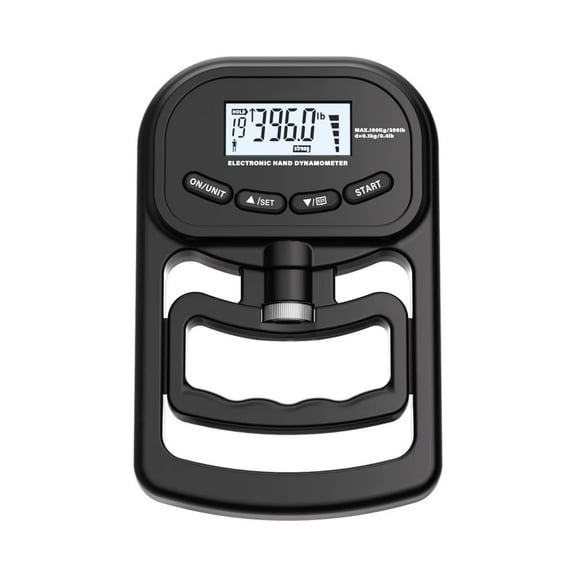
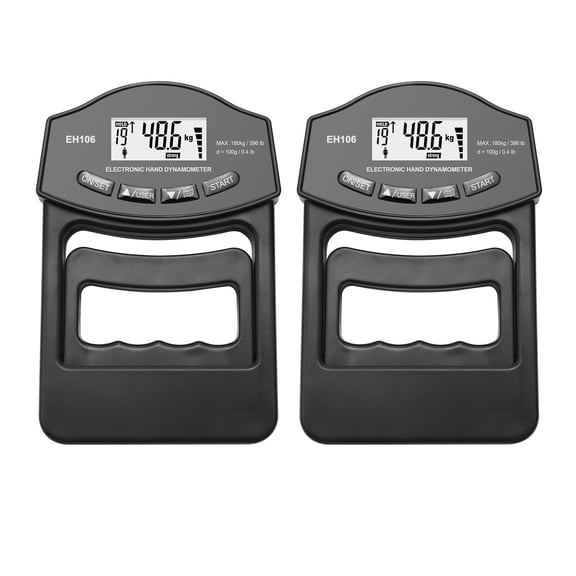
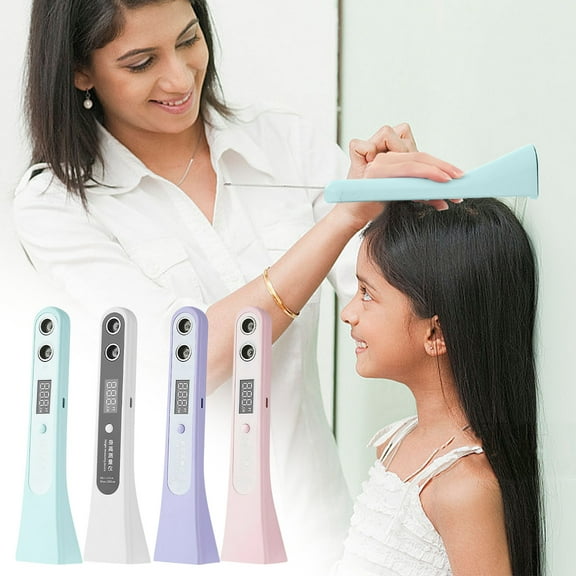
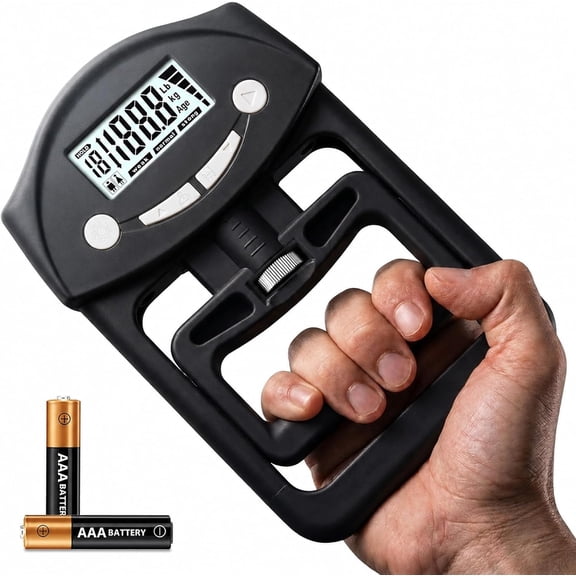
For ergonomics work, you can focus on handheld comfort, repeatable grip position, and display clarity during frequent readings. You’ll want controls that feel simple during short tests and data checks.
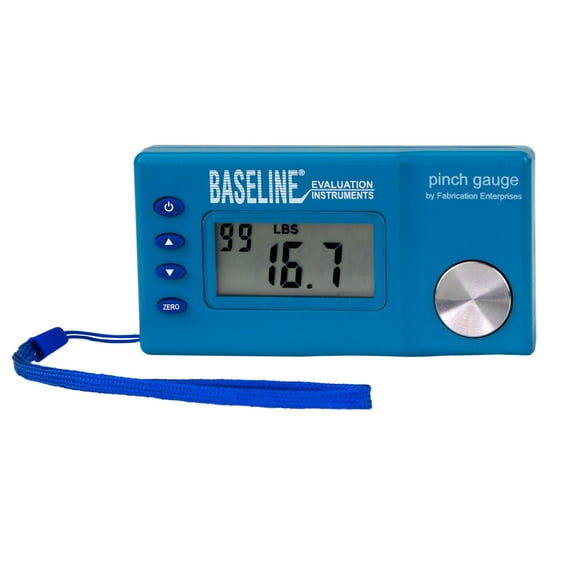
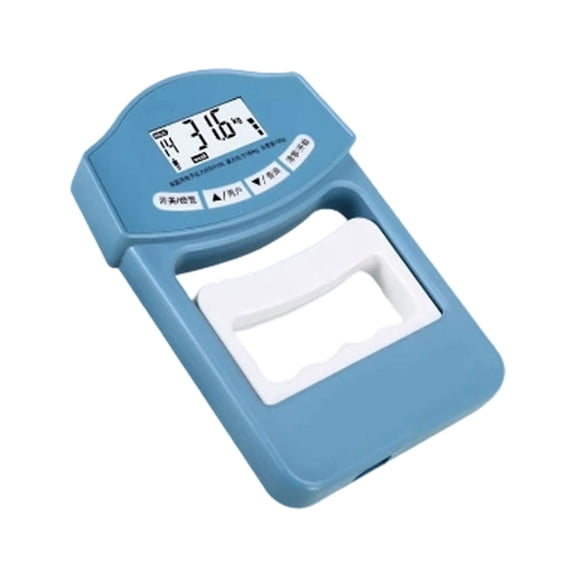
If you’re comparing a pinch dynamometer or pinch meter, you should verify the intended application before you choose. You can use these tools for pinch strength measurement tasks that differ from general push-pull testing.
You may also see searches for dinamometro de mano, which points to handheld force measurement needs. You’ll benefit from comparing handheld size, display type, and capacity first when you want a manual testing format.
What to look for in a force gauge tool
You should check calibration support, because consistent readings matter when you document repeated tests or classroom results. You can also compare unit conversion features when you switch between Newtons and pounds during different tasks.
Before you choose, you should measure your workspace, your expected load, and your preferred reading style. You’ll narrow the field quickly when your push pull dynamometer matches your test method, mounting setup, and target force range.