


Flotation Devices in Marine Safety























About Flotation Devices in Marine Safety - Walmart.com
Flotation devices help you prepare for boating, paddling, and dock days with fit, visibility, and USCG guidance in one place. You can compare life jackets, personal flotation devices, and life vests by type, size, material, and activity before you head out.
How to choose flotation devices by USCG type
You should start with the USCG type because it shapes how you intend to use your gear. You can compare Type I, Type II, Type III, Type IV, and Type V options with clearer expectations.
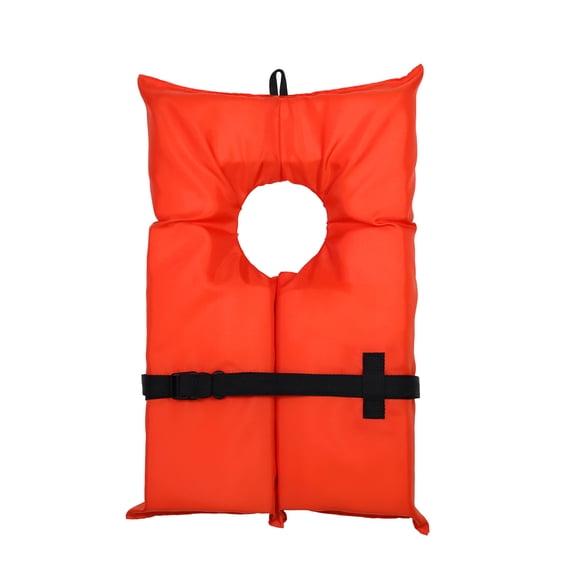
Type I styles suit offshore conditions, and you may choose them when you want high buoyancy support. Type II options suit calmer inland water use, while Type III designs support active movement.
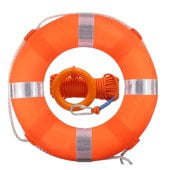
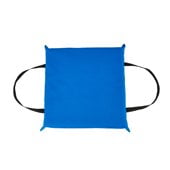
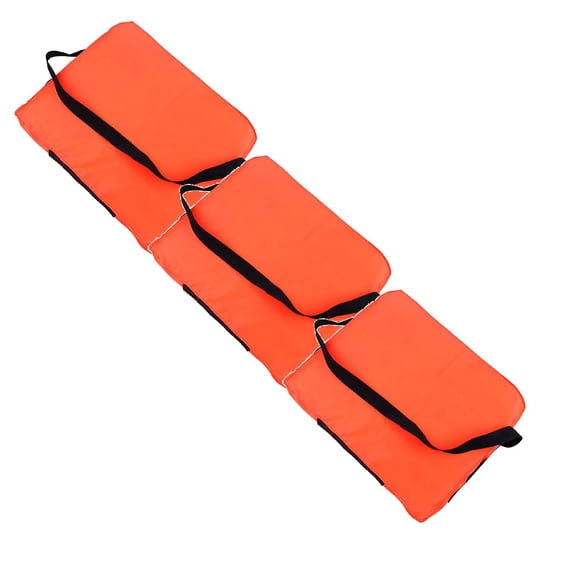
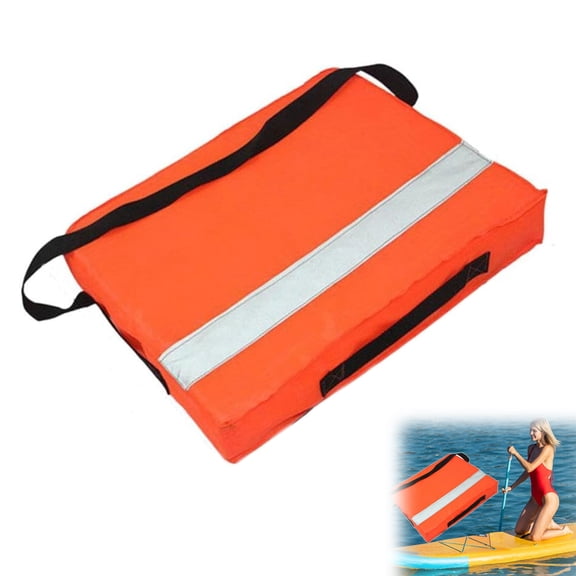
Type IV choices include throwable flotation devices that you can keep on a boat for quick access. Type V designs cover specialized uses, and you should check the label for the intended activity.
- You can use Type I choices for offshore boating and rougher open water.
- You can look to Type II options for near-shore boating and general passenger wear.
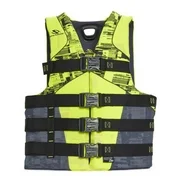
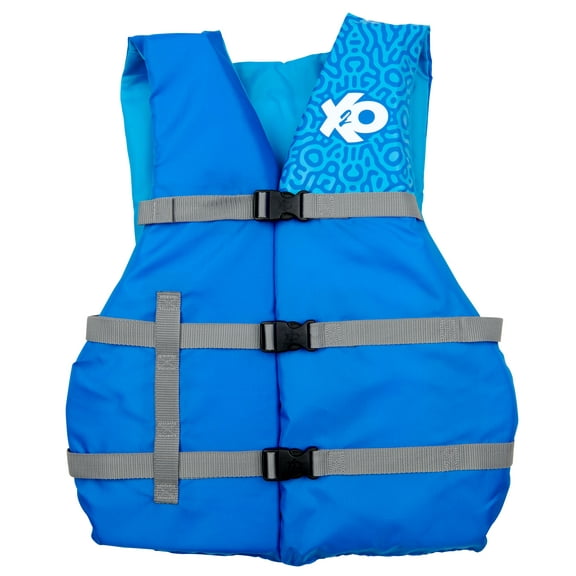
- You can prefer Type III life jackets for paddling, fishing, and water sports movement.
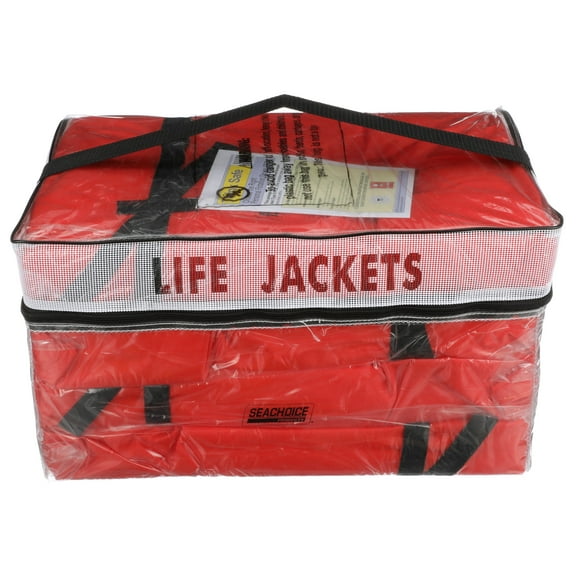
- You can keep Type IV throwable flotation devices on board as required gear.
- You can compare Type V personal flotation devices for specialized boating or paddling needs.
You should also compare listed buoyancy in pounds when you want a more informed choice. Your label details can show how much flotation support each type is designed to provide.
Choosing the right size in life jackets and life vests
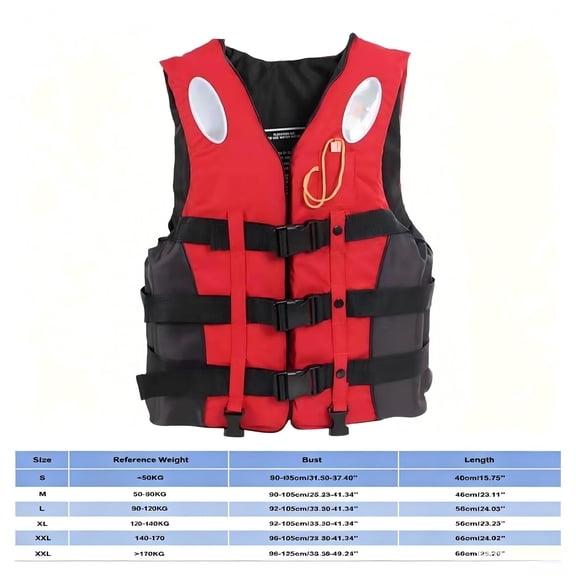
You should measure chest size and check weight guidance before you choose a vest. Your fit matters because secure closure and balanced buoyancy depend on the right size range.
You can shop adult, youth, child, infant, and dog sizes when your household needs coverage for different passengers. You should follow exact measurements instead of sizing up for extra room.
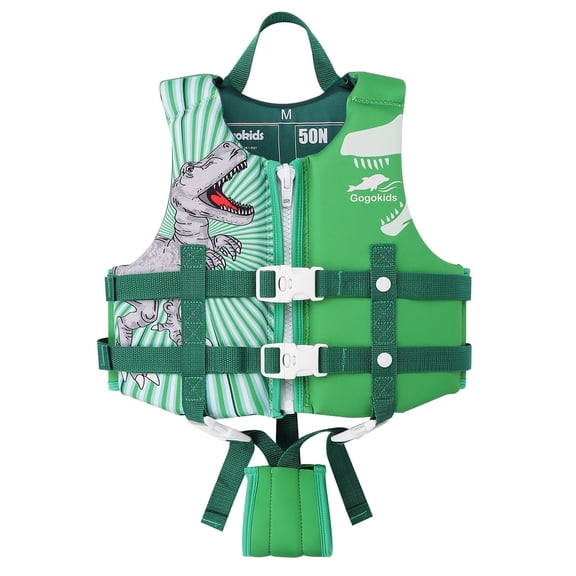
Infant life jackets often include head support and grab handles, so you can compare details made for smaller riders. Dog flotation styles can include lift handles, which help you guide pets around docks and boats.
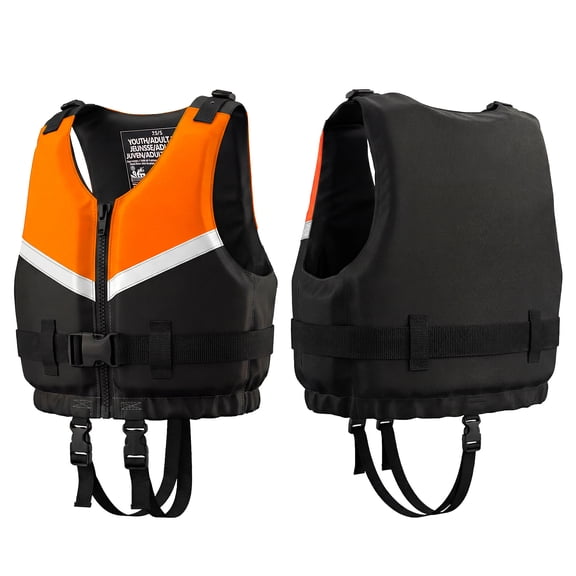
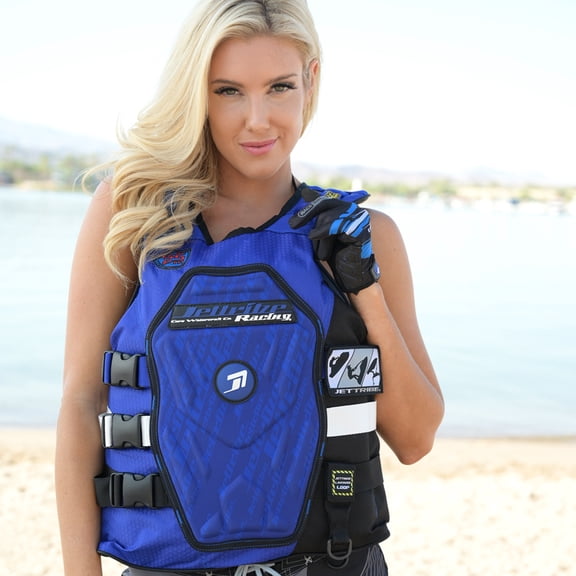
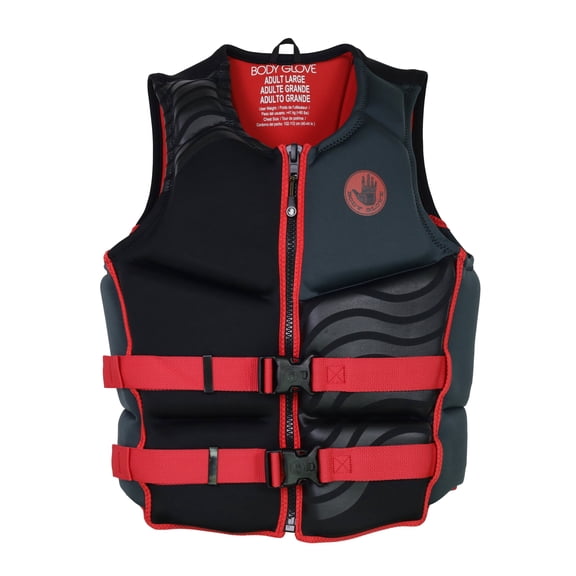
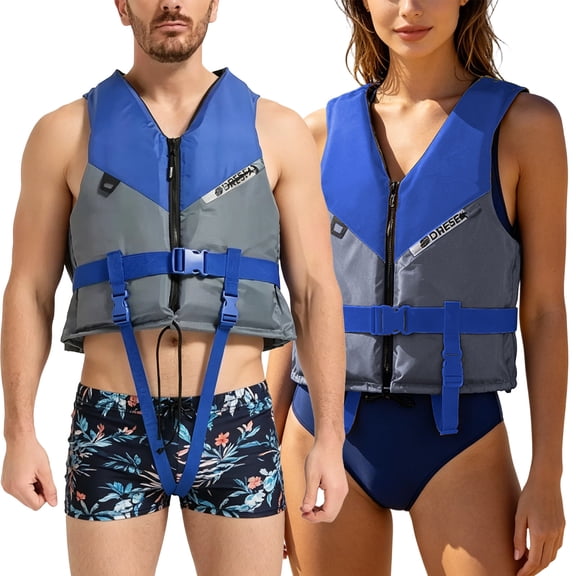
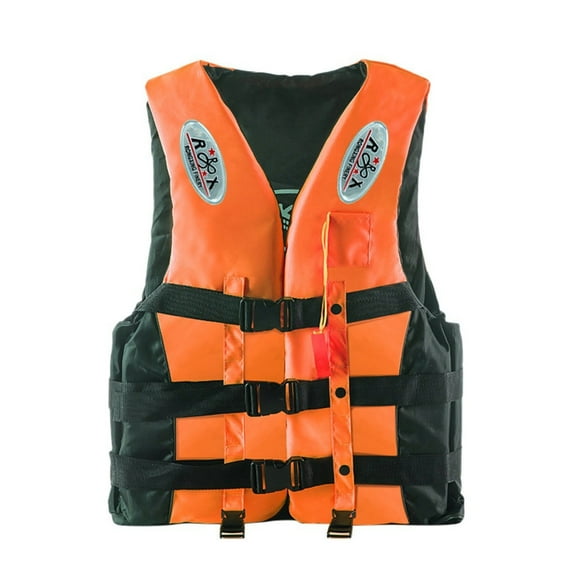
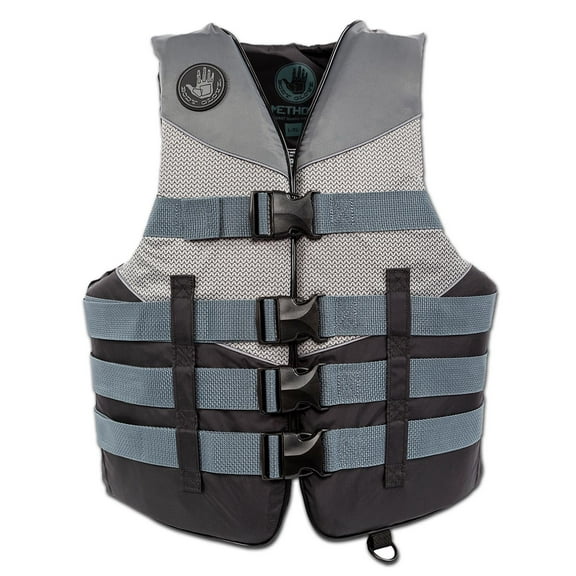
You should look for adjustable straps, buckles, and panel shapes that help your vest stay in place. Your comfort also improves when arm openings and back design match your planned movement.
Comparing materials and comfort features
You can narrow your options quickly when you compare nylon, neoprene, and inflatable foam builds. Your choice affects flexibility, feel, drying time, and the overall profile you wear.
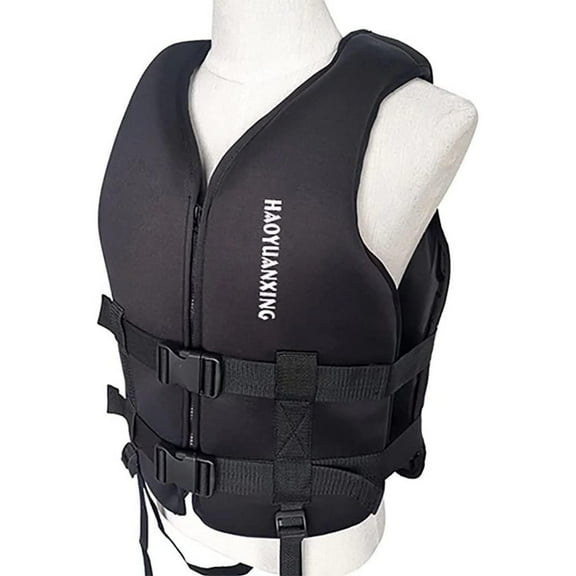
Nylon shells often feel lighter and dry quickly, so you may like them for general boating or occasional use. Neoprene life vest styles usually feel softer against your skin and can flex with active movement.
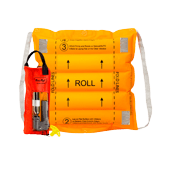
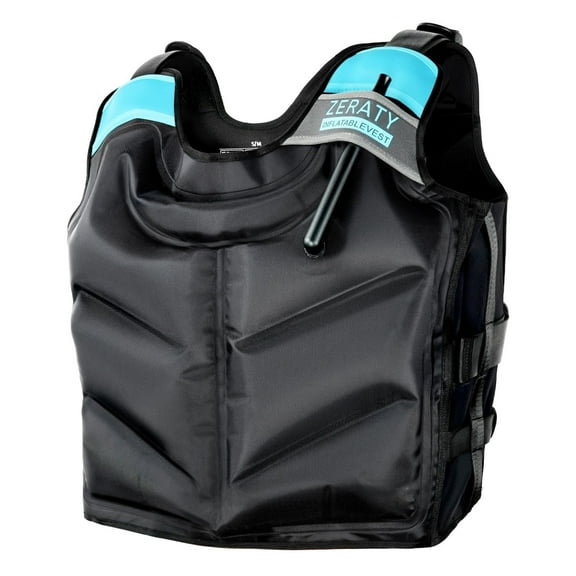
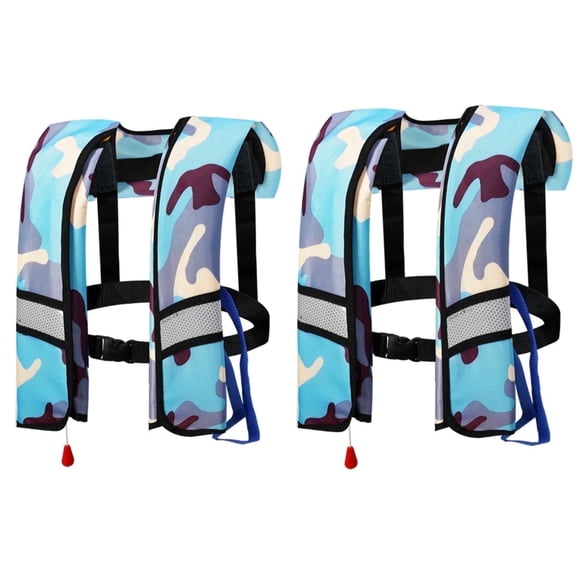
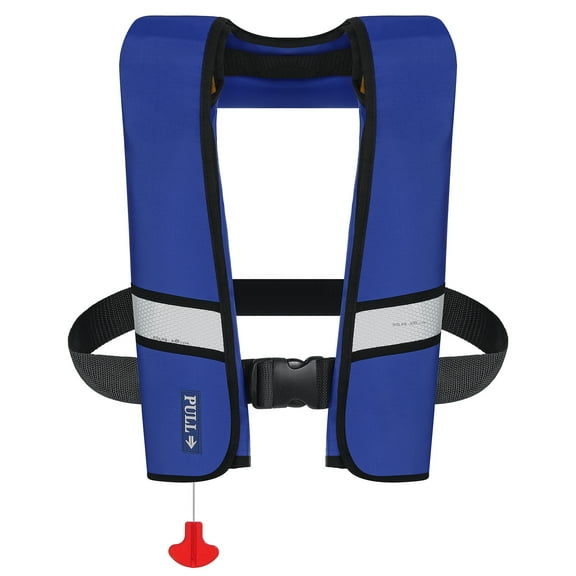
Inflatable life vests give you a lower-bulk profile, which you may prefer for fishing or long hours onboard. You should compare manual and automatic inflation designs based on how you plan to use them.
You can also check storage pockets, zipper fronts, and bright color panels when you want everyday convenience. Your decision may come down to whether you want streamlined wear or extra onboard utility.
Matching personal flotation devices to your activity
You should match your gear to kayaking, boating, fishing, or pool swimming instead of choosing by appearance alone. Your activity changes the ideal cut, back shape, and amount of freedom through the shoulders.
Kayak life vests often work well with higher seat backs, so you can paddle without extra bulk pressing behind you. Fishing-focused options may include pockets and attachment points that keep small tools close.
General boating styles can support passengers, tow sports breaks, and day cruising with simple closures and visible colors. Pool swimming use may call for lighter support styles, but you should still check intended use details.
You can compare inflatable life vests for long boat days when you want a slimmer feel around the torso. You should compare foam-filled designs when you want straightforward wear without inflation components.
What to look for in flotation devices before checkout
You should review closure style, color visibility, and labeled activity use before you decide. Your final check can help you match the vest to boating rules and onboard needs.
USCG approved life jackets can help you sort options for regulated boating needs and passenger requirements. You should also check whether your state or activity has specific rules for onboard equipment.
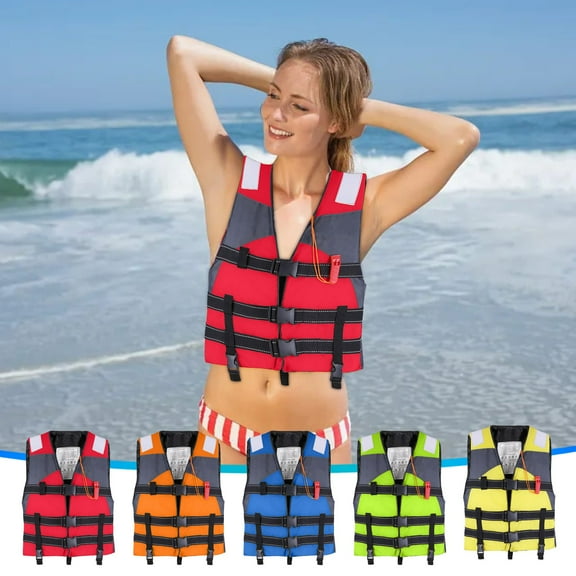
You can compare bright colors, reflective accents, and lifting handles when visibility and handling matter on the water. Your setup may also benefit from a throwable device kept within reach on the boat.
Flotation devices perform reliably when you choose the right type, exact size, and activity match from the start. You can feel more prepared on the water when your vest fits securely and aligns with your plan.