

Fishing Baits in Fishing Lures & Baits





































About Fishing Baits in Fishing Lures & Baits - Walmart.com
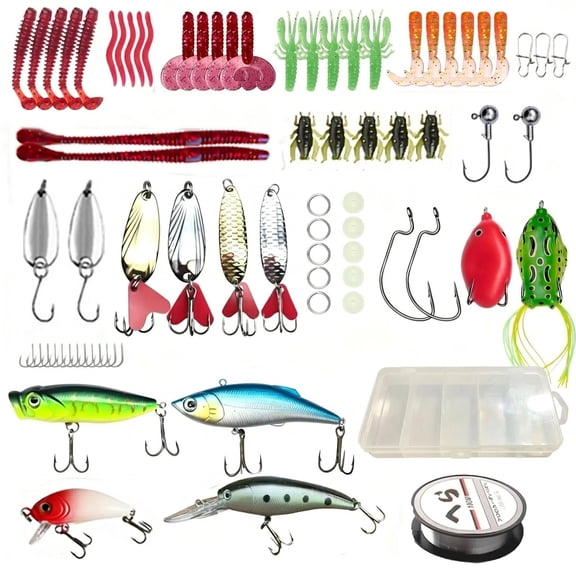
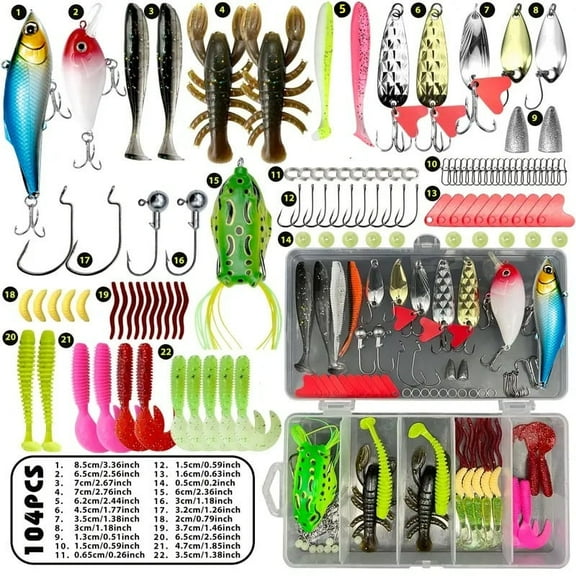
Fishing baits help you match lure style, action, and rigging to the fish you want to catch. You can compare soft plastics, hard baits, jigs, and spinnerbaits in one place, so your next cast feels more dialed in.
If you're stocking a tackle box for ponds, lakes, rivers, or coastal trips, you need category guidance that fits real fishing conditions. You'll find options for bass, trout, catfish, and walleye, plus artificial bait choices for freshwater and saltwater setups.
Choosing fishing baits by bait type
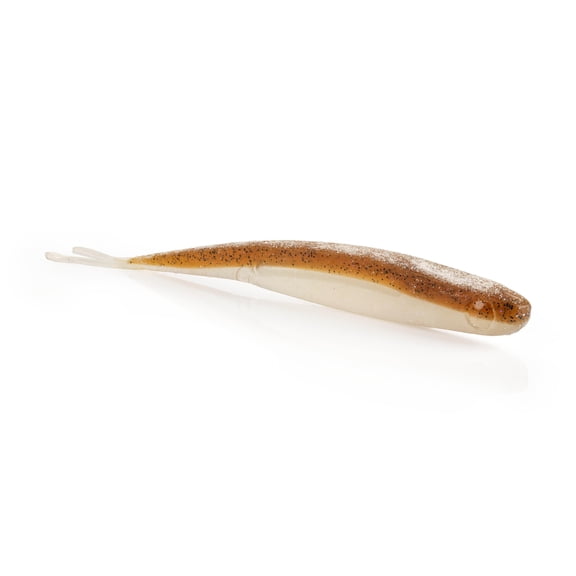
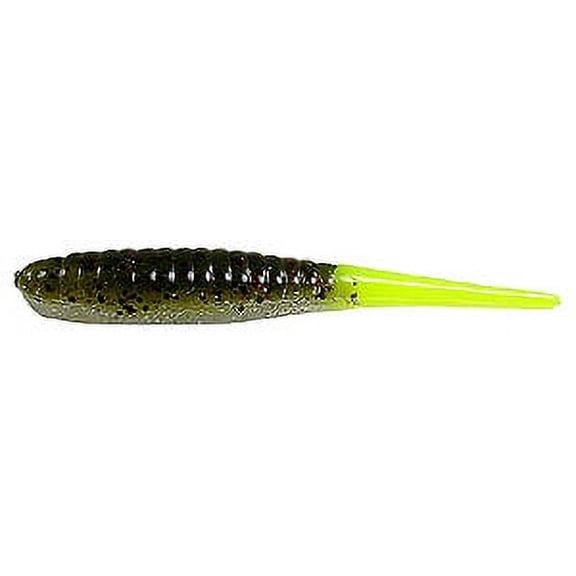
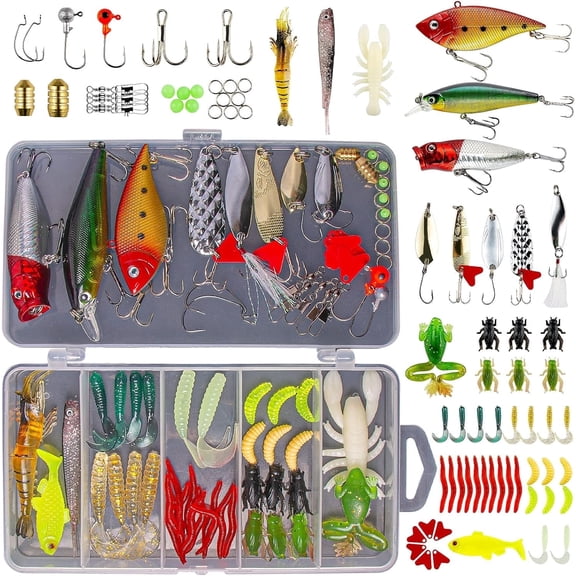
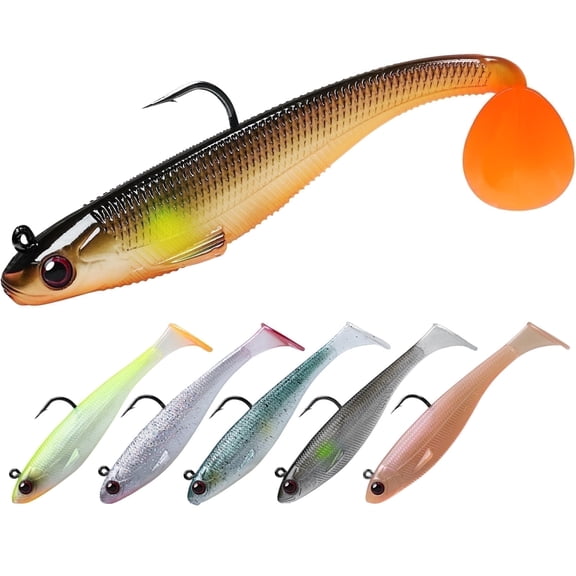
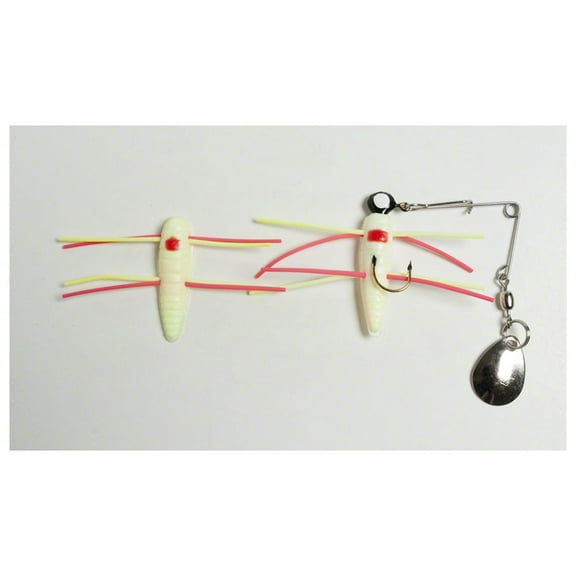
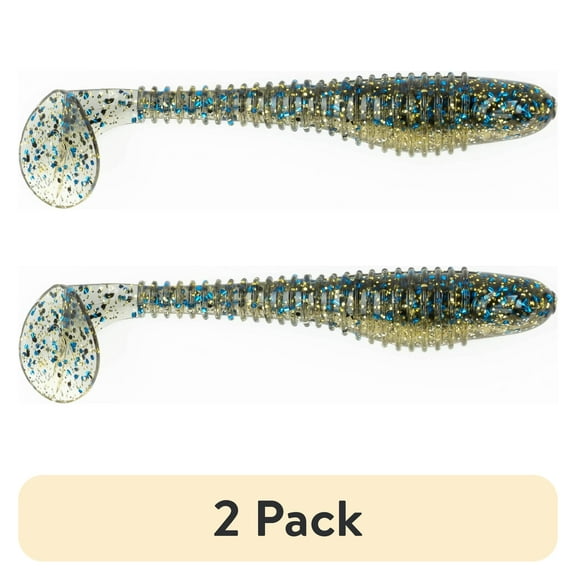
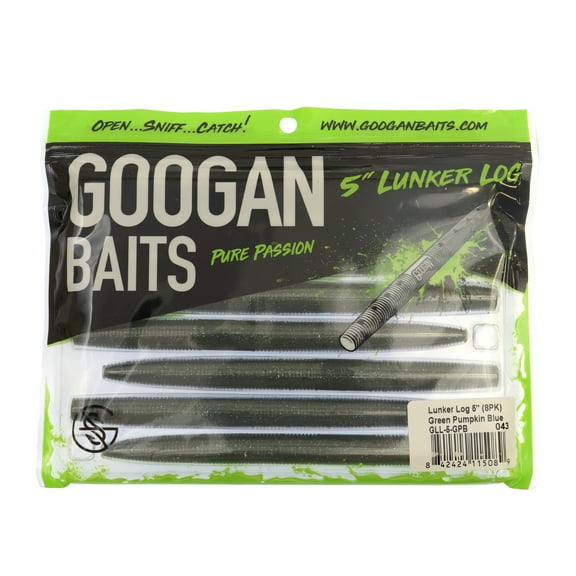
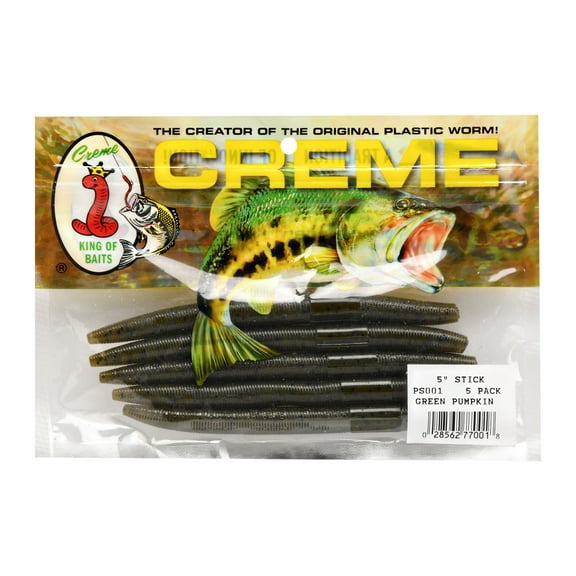
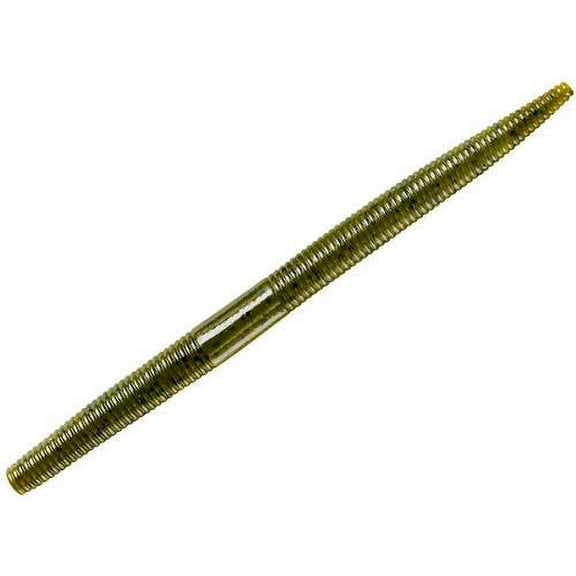
When you compare bait types, you should start with the action you want in the water. You can use soft plastic baits when you want flexible movement and easy rigging changes.
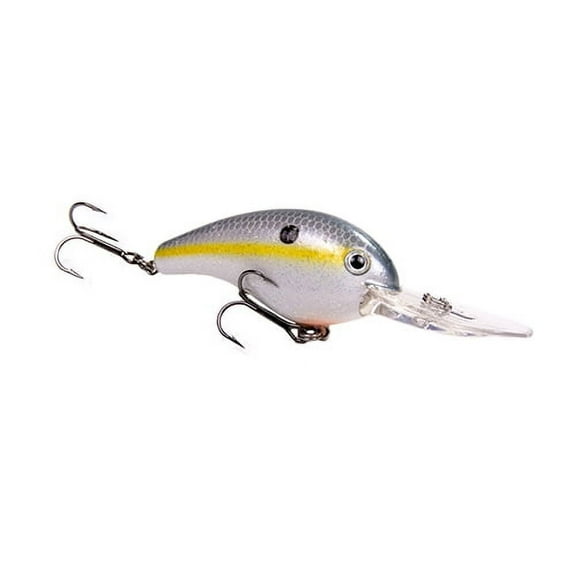
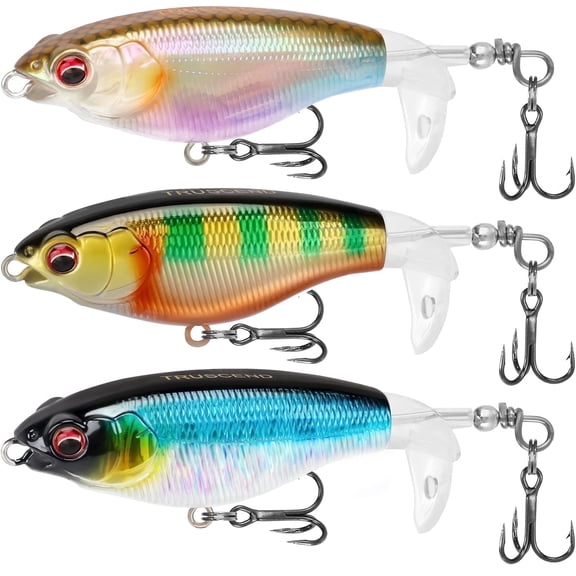
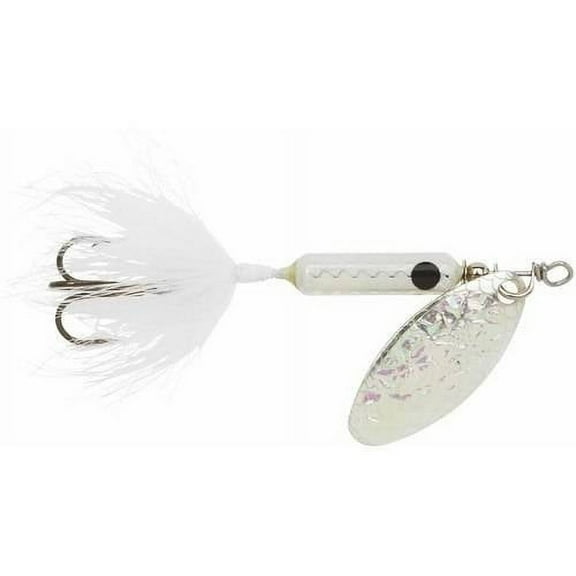
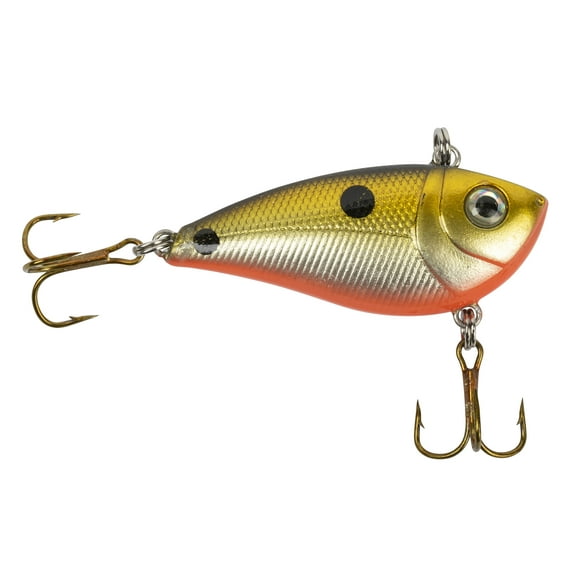
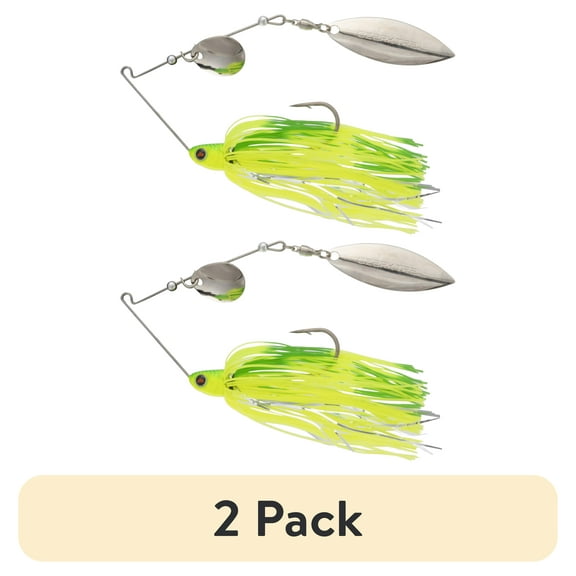
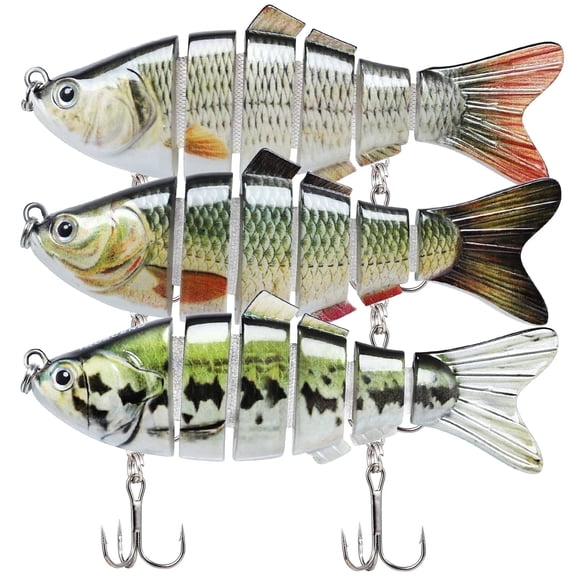
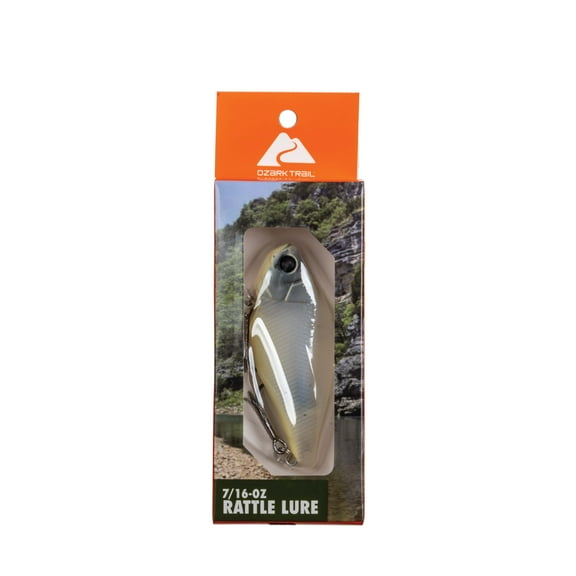
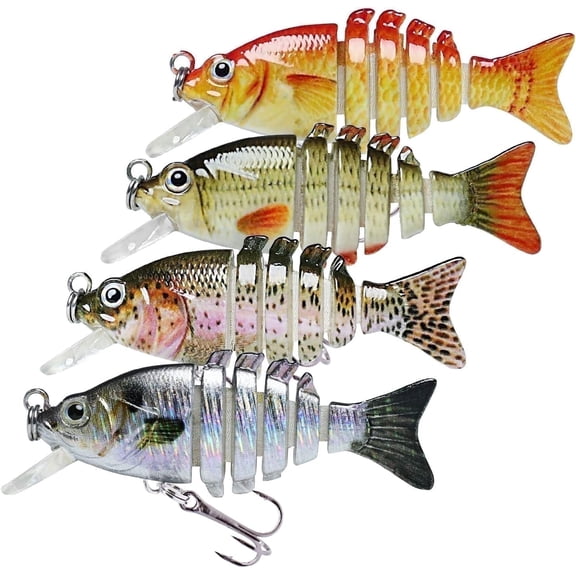
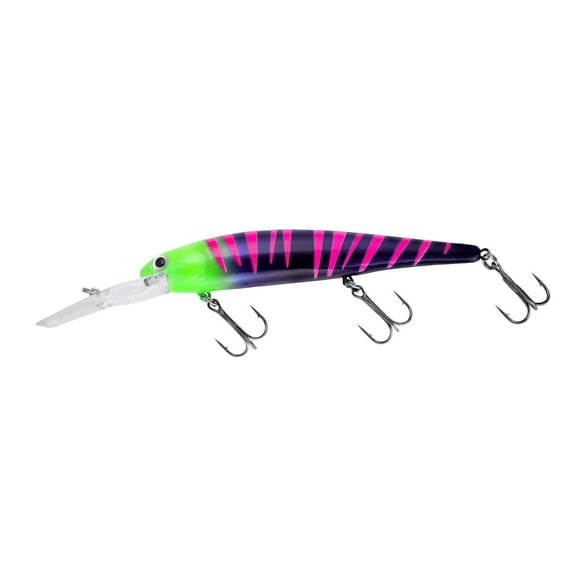
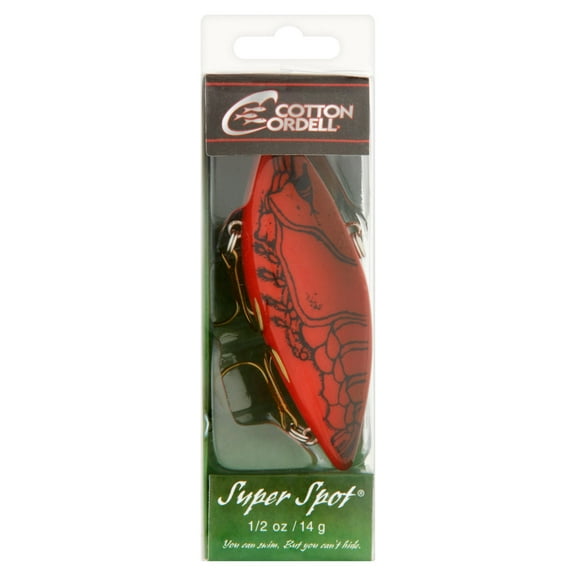
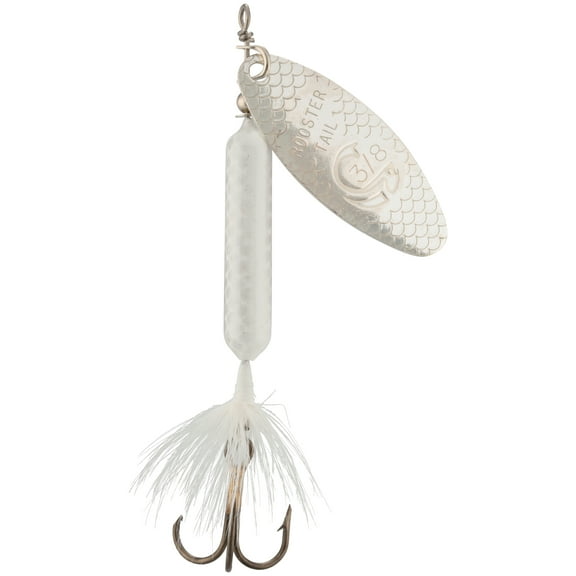
Hard baits help you cover water and create vibration or wobble that fish can track. Jigs let you fish bottom structure, while spinnerbaits help you move through stained water and grass.
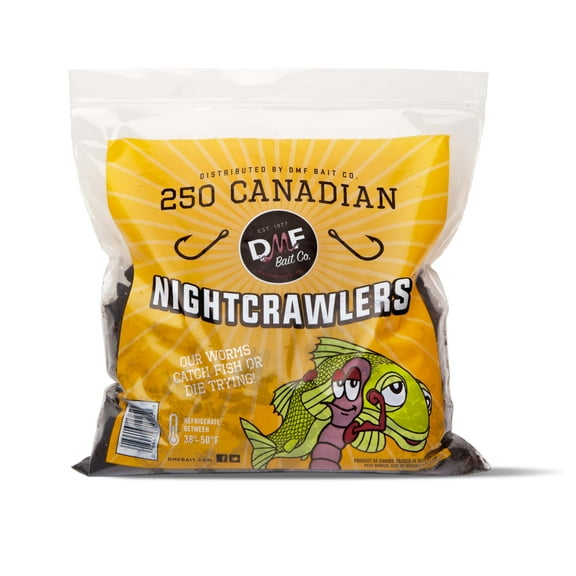
You can narrow your setup faster when you match bait type to your retrieve style. If you like slow presentations, you may prefer worms, creatures, or jig trailers.
- You can use soft plastic baits for flexible rigging and subtle movement.
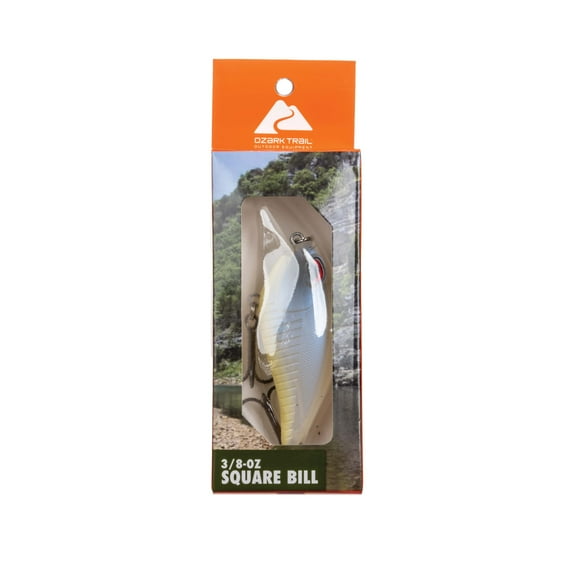
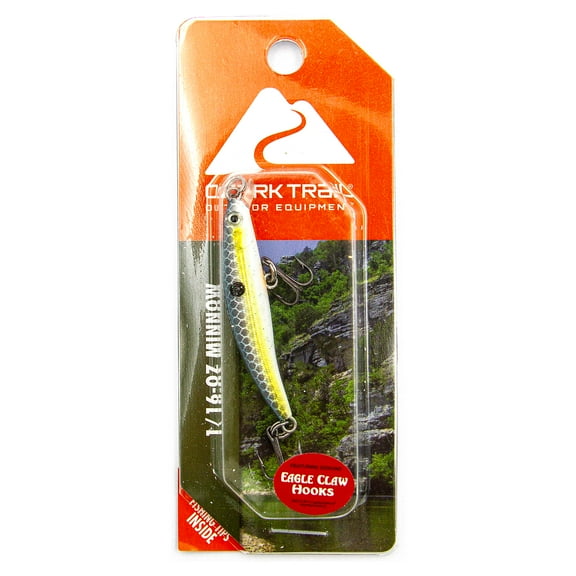
- You can pick hard baits when you want diving, wobbling, or darting action.
- You can choose jigs for docks, rocks, ledges, and bottom contact.
- You can throw spinnerbaits when you need flash in murky or windy conditions.
You'll also want to think about durability before you load your cart. If you fish around toothy strikes or repeated bites, you may prefer materials that hold shape longer.
Choosing fishing baits for bass, trout, catfish, and walleye
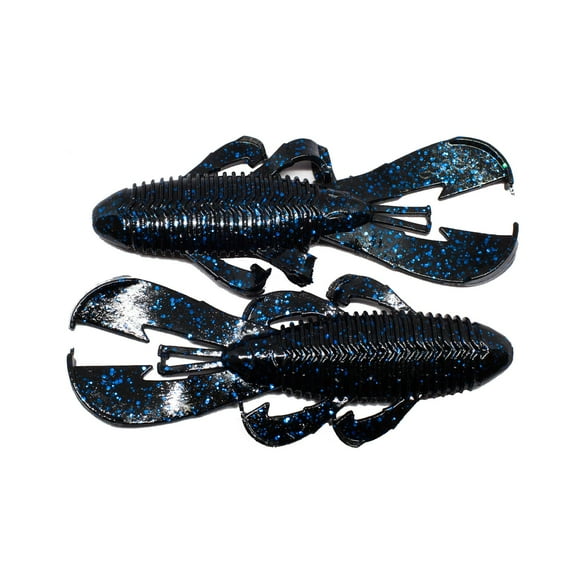
Your target species should shape your lure profile, color, and action from the start. If you're choosing bass fishing lures, you may look for worms, craw shapes, jigs, and reaction-style hard baits.
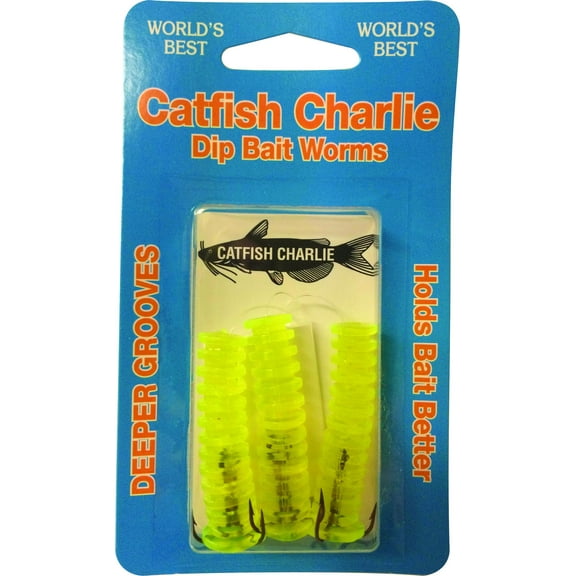
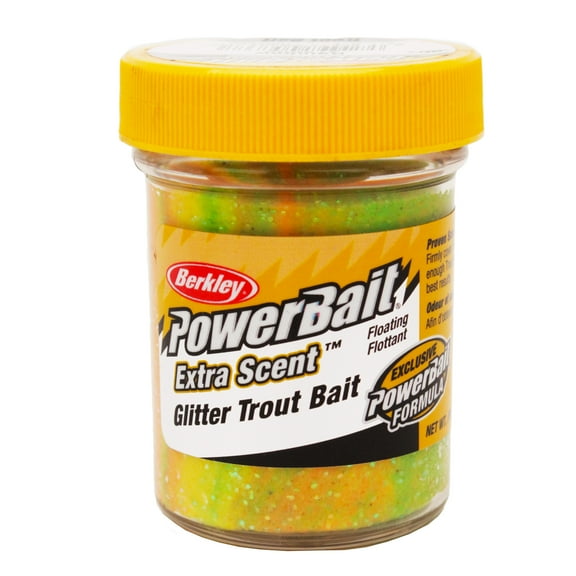
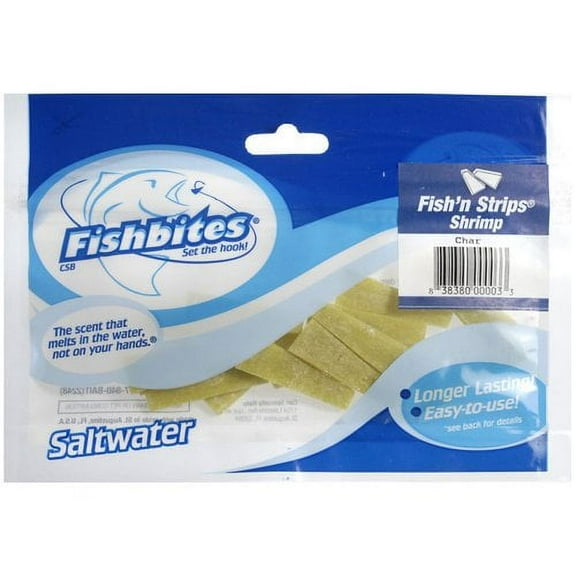
You can lean toward smaller profiles and natural movement when you're targeting trout in clear water. If you're after catfish, you may want scent-focused presentations and slower bottom-oriented setups.
Walleye anglers often compare slim shapes, jigging options, and controlled depth presentations. You can stay organized by matching each bait style to how your fish usually feed.
You'll also want to consider species-specific action in simple terms. If fish are feeding aggressively, you can use faster movement, but if they're cautious, you may choose a more subtle presentation.
Comparing soft plastic baits and rigging styles
When you shop soft plastic baits, you should compare how each shape rigs and moves. A Texas rig helps you fish through grass and brush with a streamlined profile.
A wacky rig gives you a slower fall and extra shimmy, which can help on pressured bass waters. A drop shot keeps your bait above the bottom, so you can present it precisely.
You can also use a jig head when you want simple rigging and a consistent swimming path. If you're learning rigging styles, these setups help you adjust depth, fall rate, and cover access.
Your choice should also reflect how much cover you fish around. If you cast near weeds, wood, or brush piles, you may prefer weed-friendly rigging that slips through cleaner.
Matching water type, clarity, and color
Your water type changes how you should choose profile, finish, and hook pairing. If you're shopping freshwater fishing bait, you may focus on ponds, reservoirs, rivers, and species-specific lure sizes.
If you fish coastal flats, inlets, or bays, you may compare saltwater lures built for stronger current and different forage patterns. You can make smarter picks when you match bait design to the water you actually fish.
Water clarity also matters when you choose colors. In dark water, you can use dark or bright colors for stronger visibility, while in clear water, natural shades often look more realistic.
You should also think about sunlight and weather before you settle on a color. If the sky is overcast or the water is churned up, you may want extra contrast.
Using fishing lures in real conditions
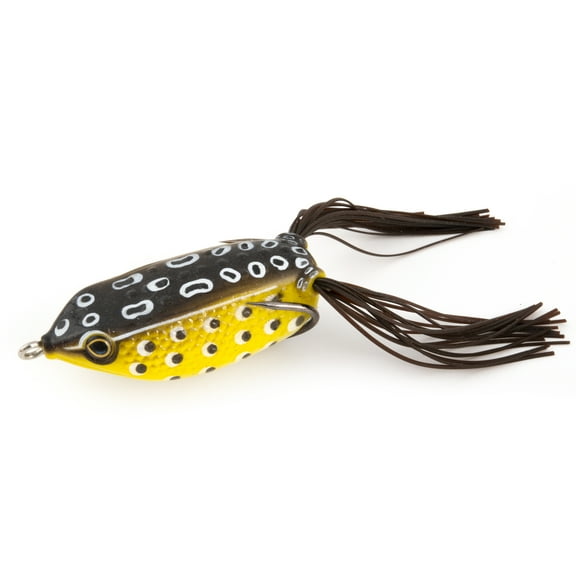
If you're fishing a grassy pond for largemouth, you can rig a worm Texas style and work it through cover. If you're fishing open water points, you may switch to hard baits for faster searching.
On rocky banks or ledges, you can use jigs to keep contact with the bottom and structure. If you're covering windy banks, spinnerbaits can help you maintain flash and steady movement.
For trout streams, you may lean toward smaller profiles and natural colors that blend with clear current. For walleye at varying depths, you can use jig heads or controlled presentations that stay in the strike zone.
If you're building a versatile tackle box, you should mix profiles, colors, and rigging options. That approach gives you more ways to adapt when fish change depth, mood, or feeding pattern.
You can shop fishing baits with more confidence when you understand bait type, species match, water type, and rigging style. With those decisions covered, your tackle box stays ready for cleaner presentations and more productive casts.