




Finch Bird Supplies for Patio and Garden



























About Finch Bird Supplies for Patio and Garden - Walmart.com
With finch bird supplies, you can build a setup that supports feeding, flight, and nesting in one organized space. You’ll find category choices shaped around small-beak diets, narrow bar spacing, and accessories sized for active finches.
If you’re caring for one finch pair or a small flock, you’ll want supplies that match daily routines and enclosure goals. You can compare food, cages, feeders, and nesting pieces by the decisions that matter to you.
How to choose finch bird supplies
When you compare finch bird supplies, you should start with product type and your bird’s setup. You may need finch food for daily feeding, finch cages for housing, or finch accessories for enrichment.
You can narrow choices faster by matching supplies to routine tasks. Your feeding plan, cage size, and nesting goals will guide which items make sense for your setup.
- You can use seed blends, pellets, egg food, or millet to build variety into daily feeding.
- You should check cage bar spacing of 1/2 inch or less for small finches.
- You can prioritize horizontal flight space when you compare finch cages.
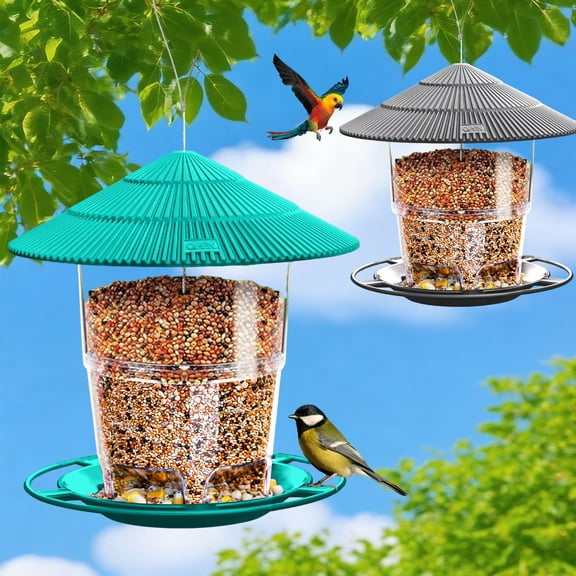
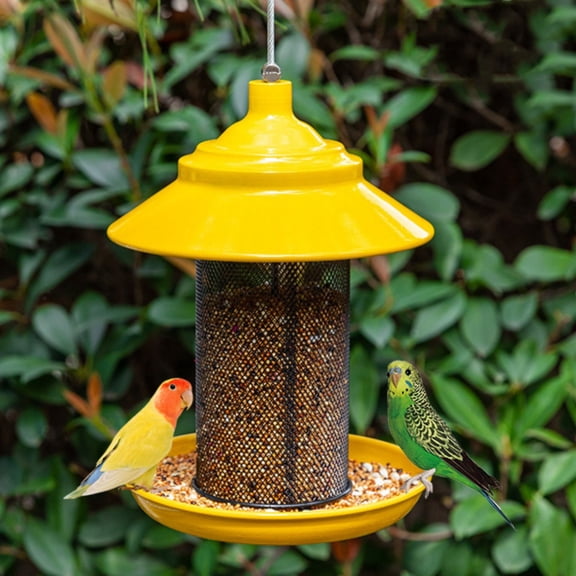
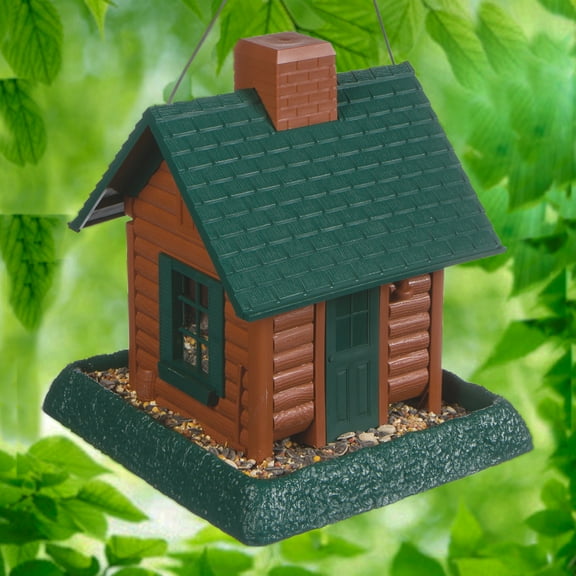
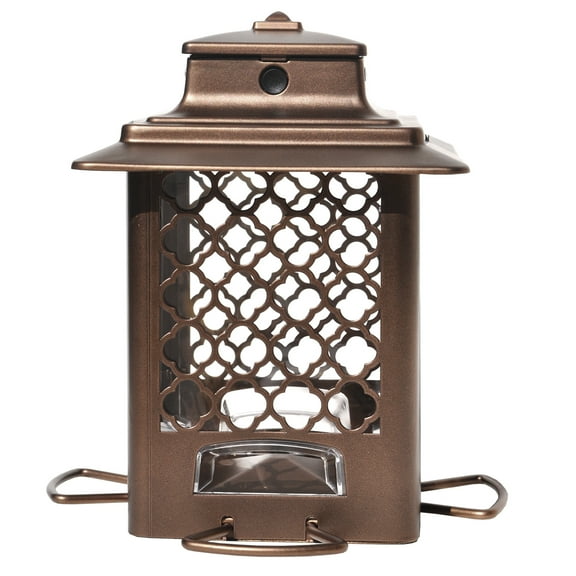
- You may add finch feeders and perches to keep food areas organized.
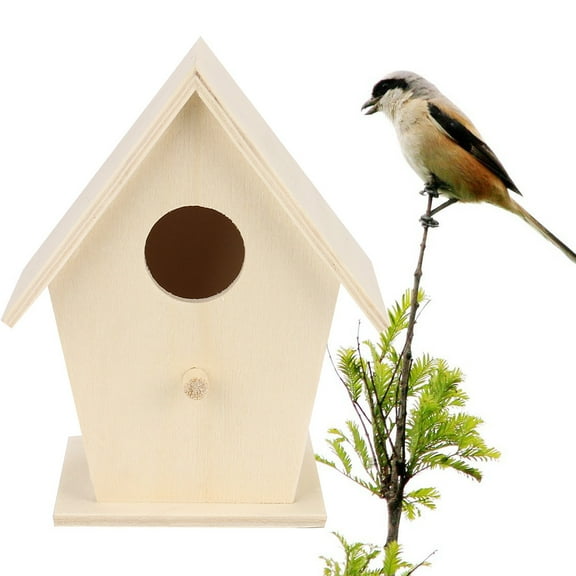
- You can select finch nesting materials and nest boxes for breeding pairs.
Choosing finch food for daily feeding
When you choose finch food, you’ll want to compare dietary form before flavor or package style. Your birds may do well with a varied plan instead of a seed-only routine.
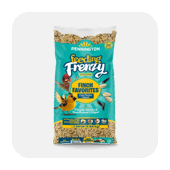
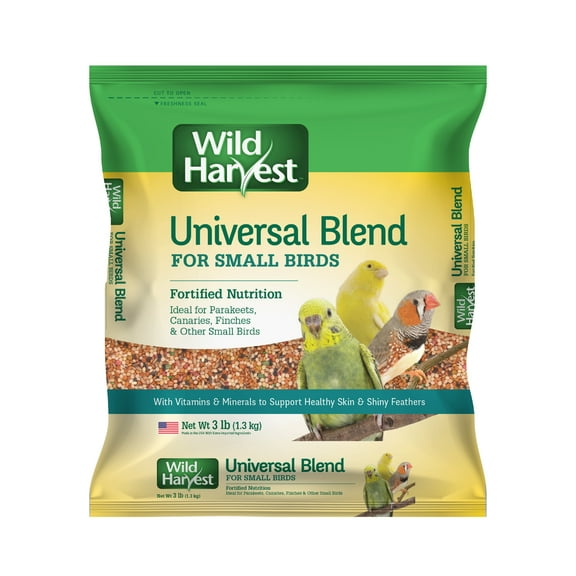
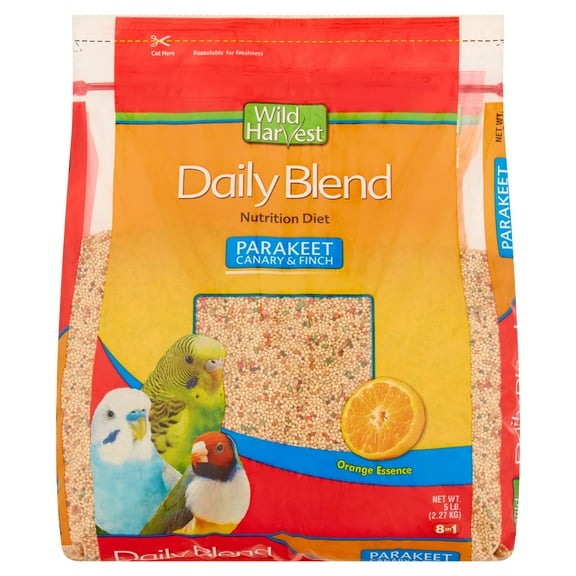
You can use seed blends when you want familiar textures and mixed ingredients in one scoop. You may add pellet mixes when you want more even bites across each serving.
If you’re comparing egg food, you’ll notice it works well as a supplemental option in many feeding setups. You can also offer millet when you want a simple treat or training reward.
Your finch bird seed choice should reflect how your birds actually eat throughout the day. You should look for mixes that fit small beaks and reduce messy sorting.
Comparing finch cages by space and material
When you review finch cages, you should focus on width before height. Your finches use horizontal flight space, so a longer cage often supports natural movement.
You’ll also want to check bar spacing carefully before you decide. Your cage should have spacing of 1/2 inch or less so small finches stay securely inside.
If you’re choosing between flight cages, breeding cages, and single cages, you should match the style to your flock size. Your setup may need open flying room, pair separation, or a compact everyday layout.
You can also compare wire, metal, plastic, and wood details by cleanup needs and placement. Your routine may feel easier with surfaces that wipe down quickly and accessories that attach securely.
Understanding finch nesting and feeder options
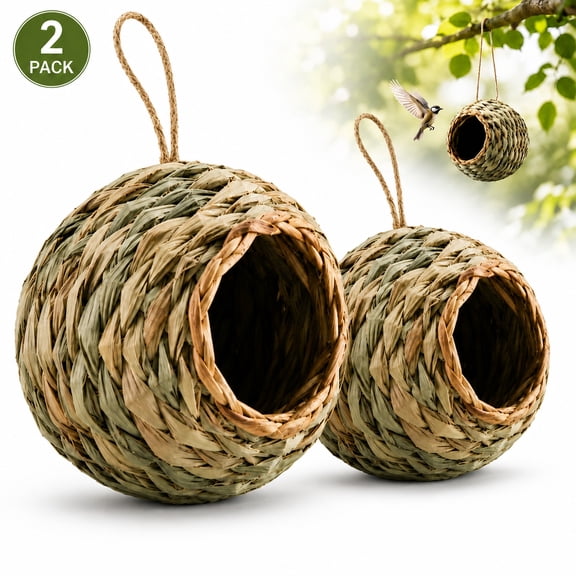
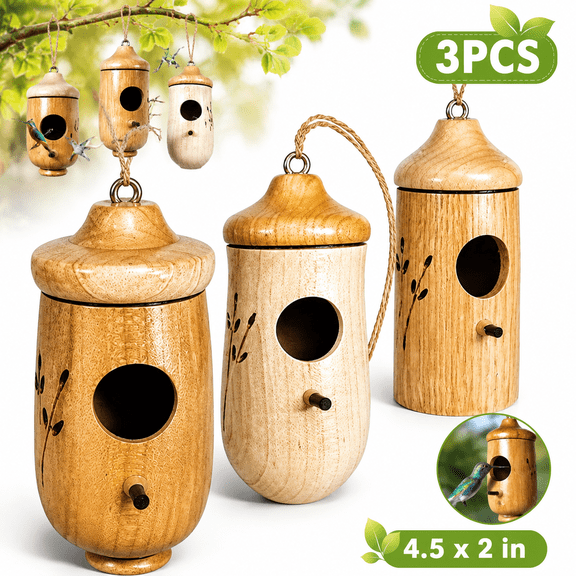
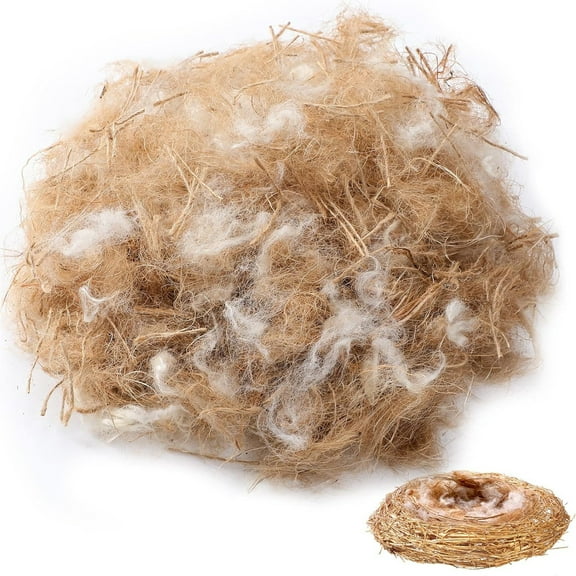
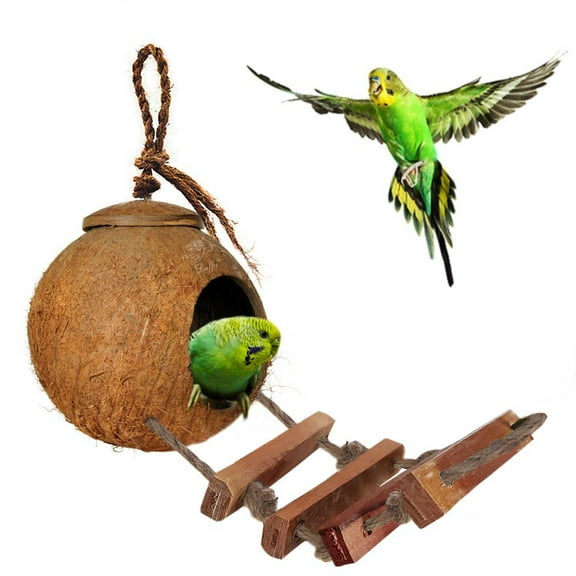
If you’re planning for breeding pairs, you should compare finch nesting supplies by format and placement. Your birds may need a nest box, a nesting cup, or soft fibers that fit their enclosure style.
You can keep this decision simple by matching nesting materials to a breeding setup only. Your everyday cage may not need dedicated nesting pieces unless you’re supporting pair behavior.
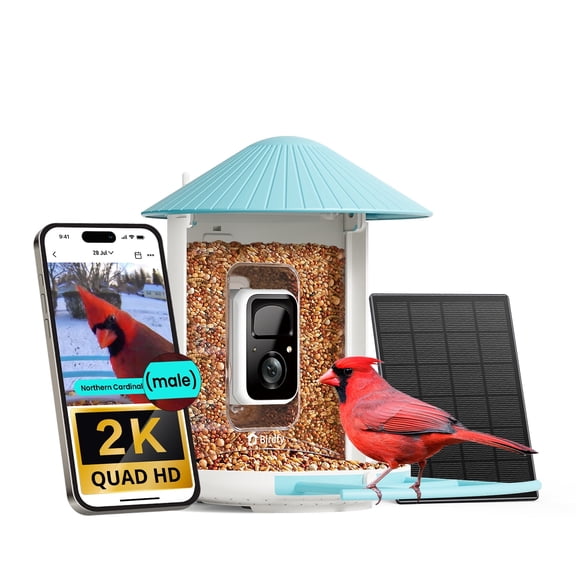
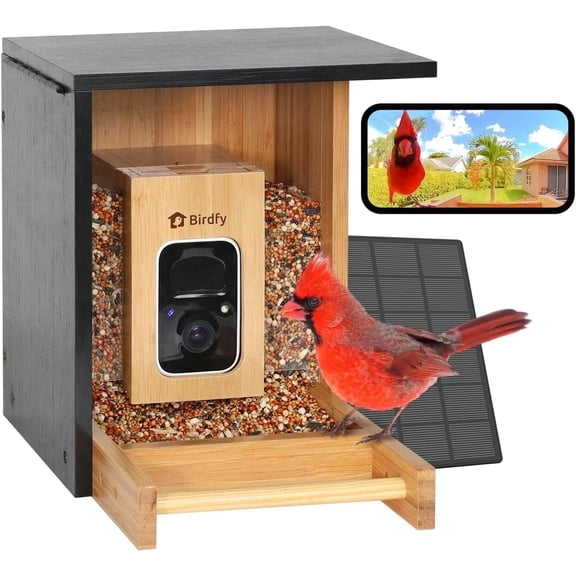
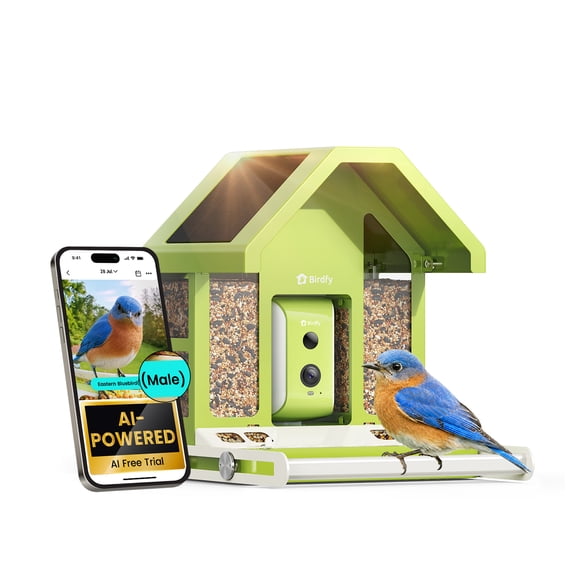
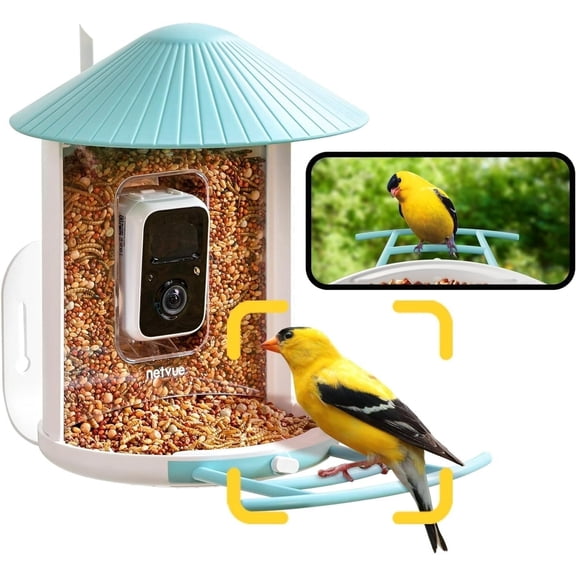
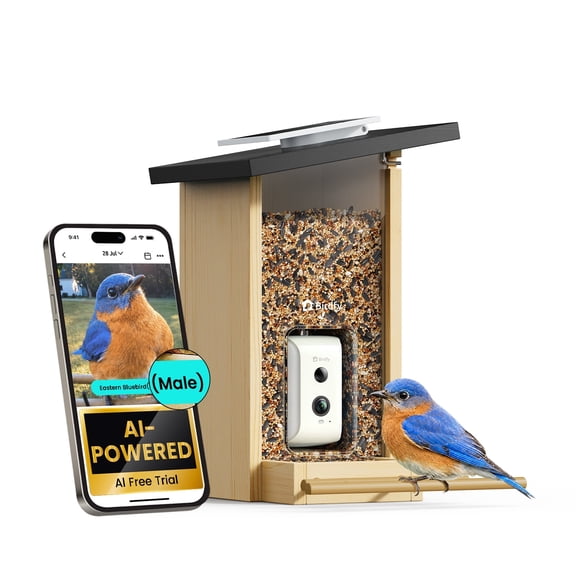
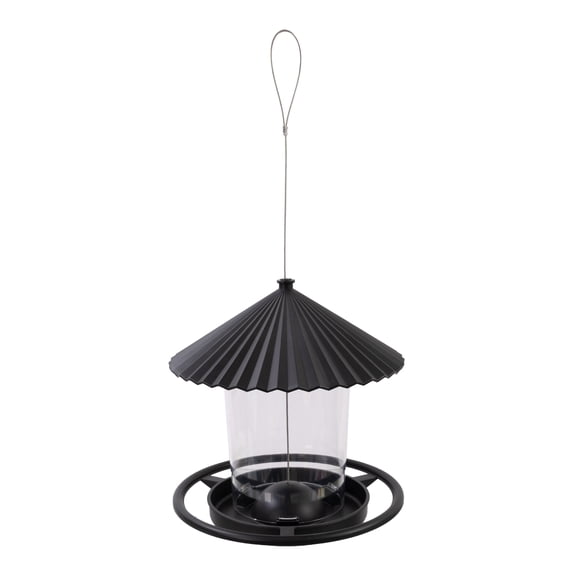
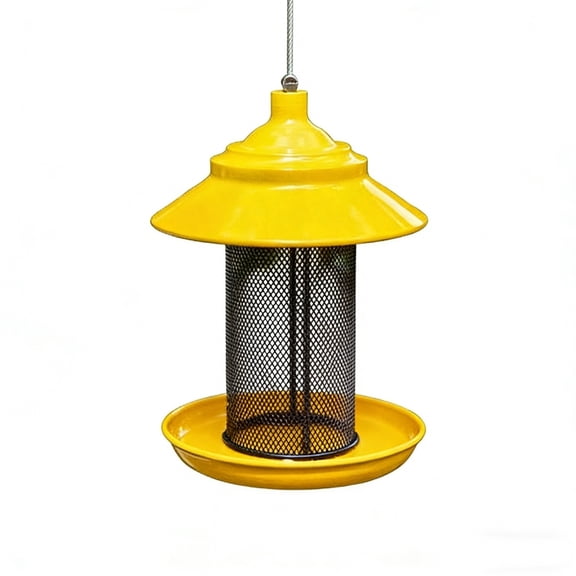
When you compare finch feeders, you should think about seed access and cage space. Your feeder choice can help keep hulls contained and make refills easier.
You may also use finch accessories like perches, swings, and bath items to round out the habitat. Your enclosure can feel more usable when feeding zones and resting spots stay clearly arranged.
Matching finch bird supplies to your setup
If you’re building a starter setup, you can begin with finch food, a properly spaced cage, and a simple feeder. Your first picks should support feeding, flying room, and easy daily maintenance.
For a pair setup, you may want breeding cages and finch nesting pieces that fit a smaller, controlled environment. Your choices should leave room for dishes, perches, and movement across the cage.
If you’re caring for several finches, you can look for flight cages with strong horizontal layouts. Your birds can have more room to move side to side during active parts of the day.
You can also fine-tune your habitat with finch accessories that fit your cage material and door style. Your add-ons should attach cleanly and leave clear access for food and water changes.
What to look for before you decide
You should measure your available space before choosing cages, feeders, or nesting pieces. Your layout should allow doors to open fully and accessories to fit without crowding.
You’ll also want to compare how each item supports your regular cleaning routine. Your setup works more smoothly when dishes, trays, and feeder parts are easy to remove.
When you choose finch bird supplies, you’re choosing a feeding system and living space that work together. Your final setup can support active movement, organized feeding, and a habitat that feels easier to manage.