

Fall Protection in Personal Protective Equipment




















About Fall Protection in Personal Protective Equipment - Walmart.com
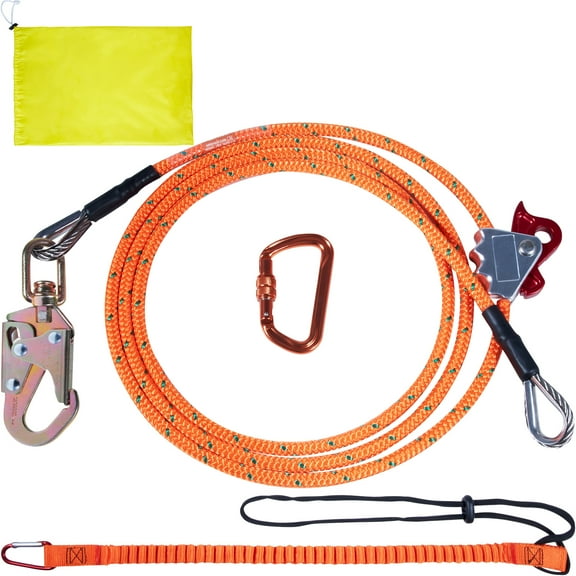
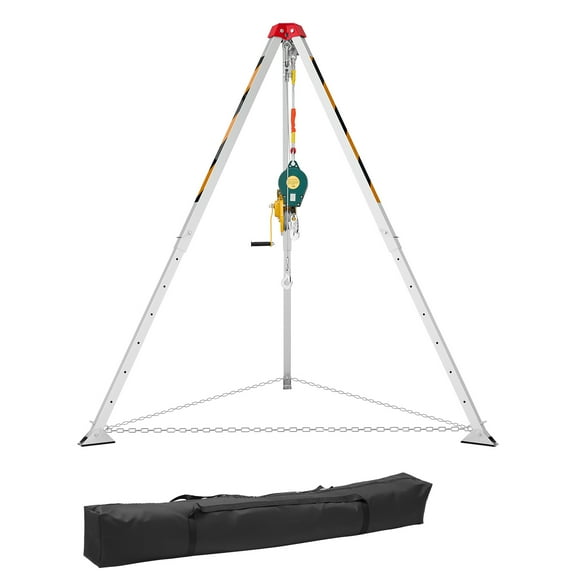
Fall protection helps you work at height with the right gear, the right fit, and the right connection system. You can compare harnesses, lanyards, lifelines, and anchors by application, compliance, and capacity.
How to choose fall protection equipment
You should start with the equipment type that matches your task and your connection point. You may need a full-body harness, a shock-absorbing lanyard, a self-retracting lifeline, or a roof anchor.
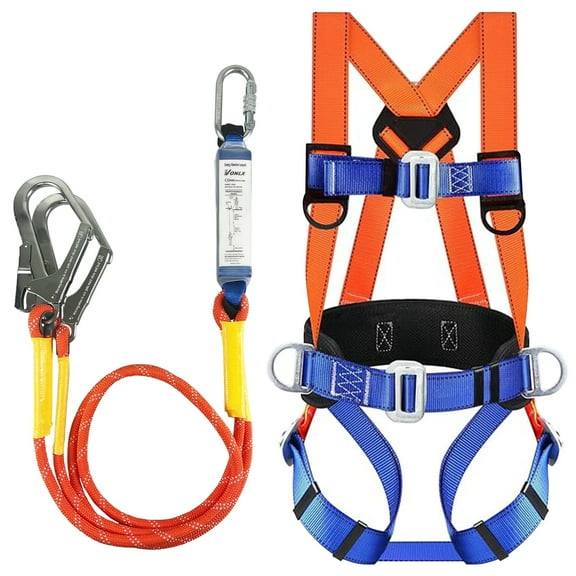
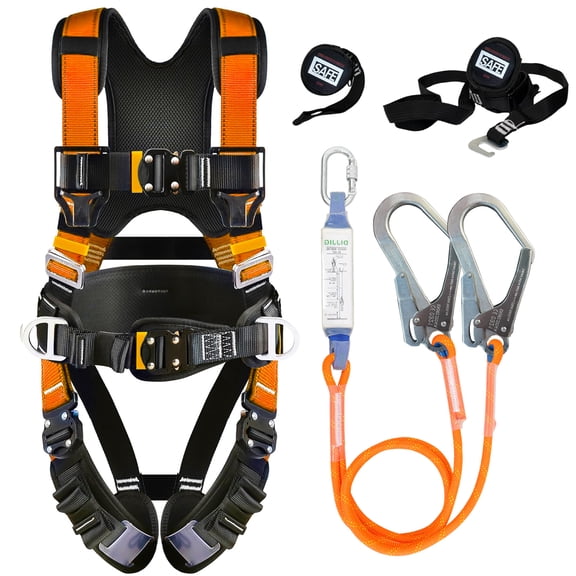
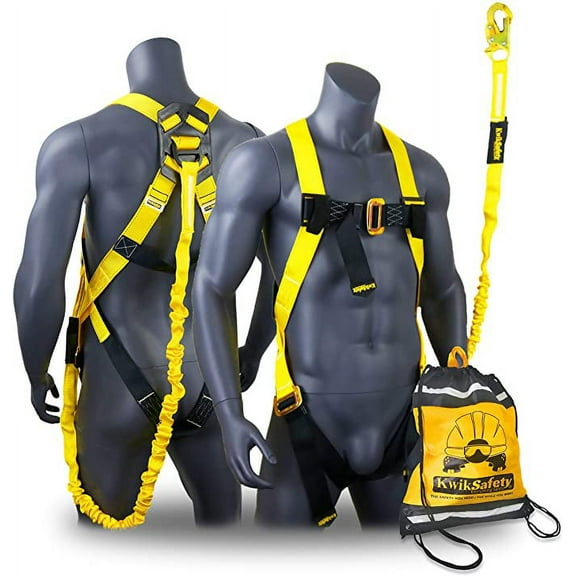
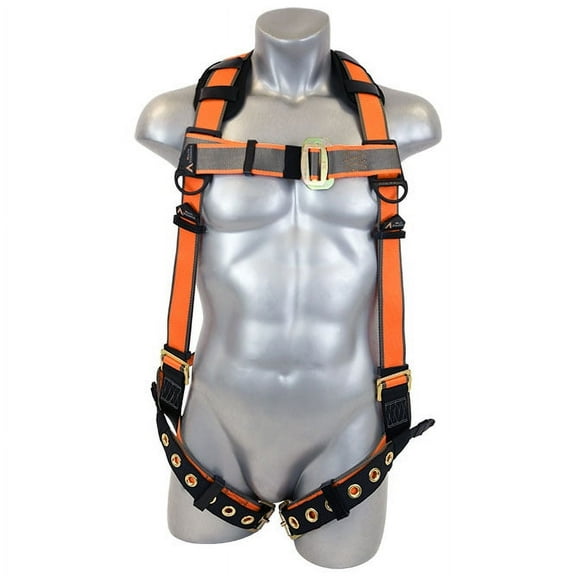
A full-body harness helps you distribute force across your shoulders, chest, and legs during tied-off work. You should compare size ranges and adjustment points, so your harness fits securely over workwear.
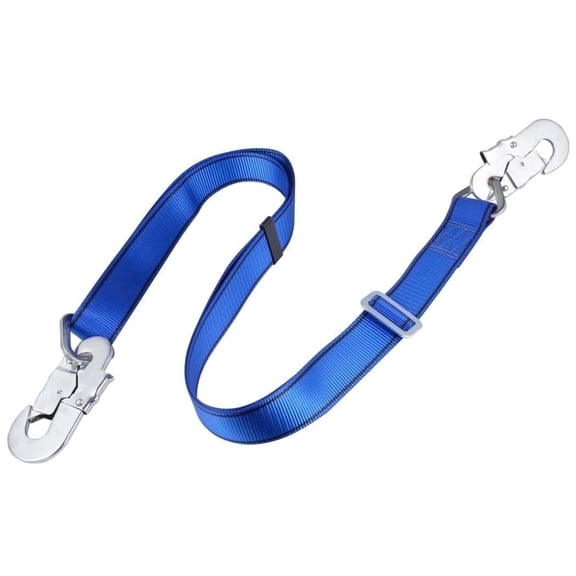
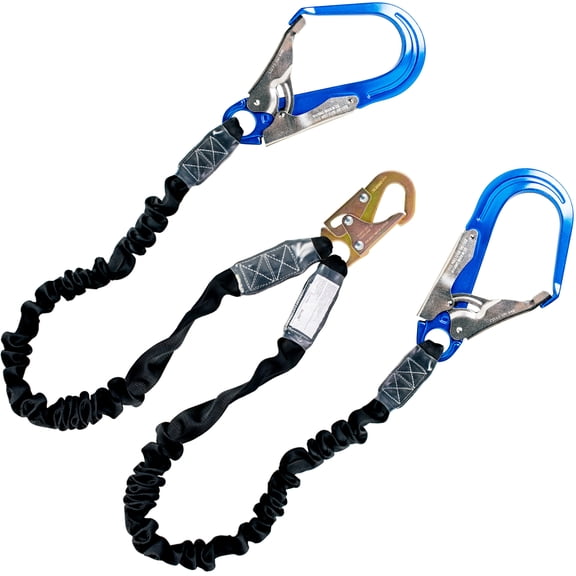
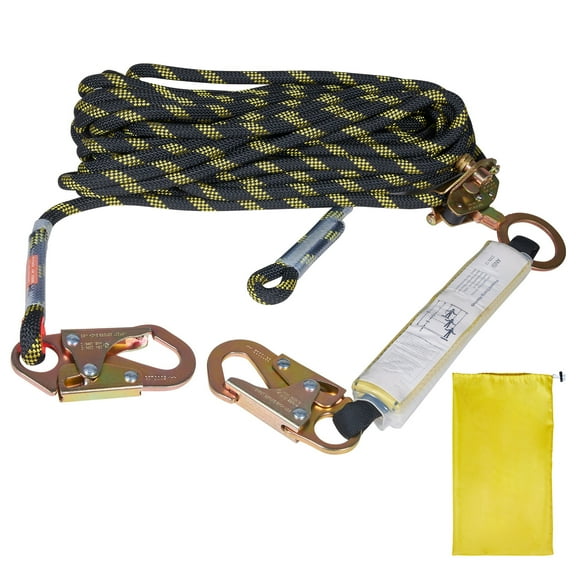
A shock-absorbing lanyard gives you a fixed-length connection with an energy-absorbing section. You may prefer this option when you know your anchor location and your working range.
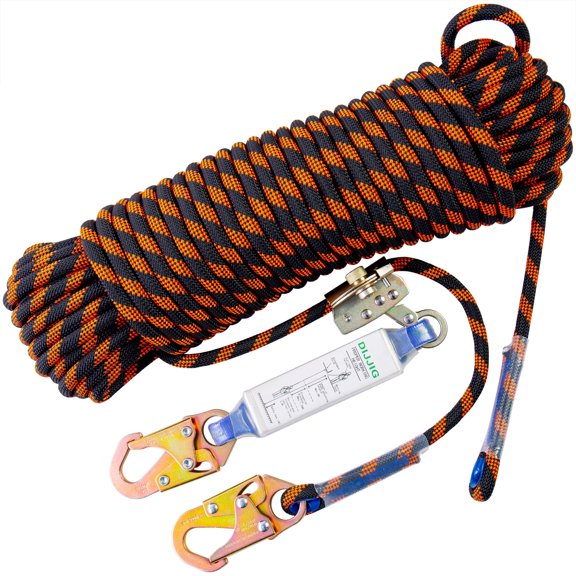
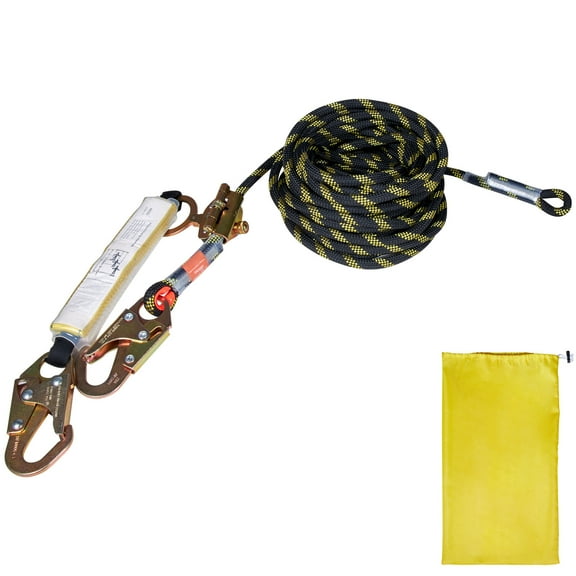
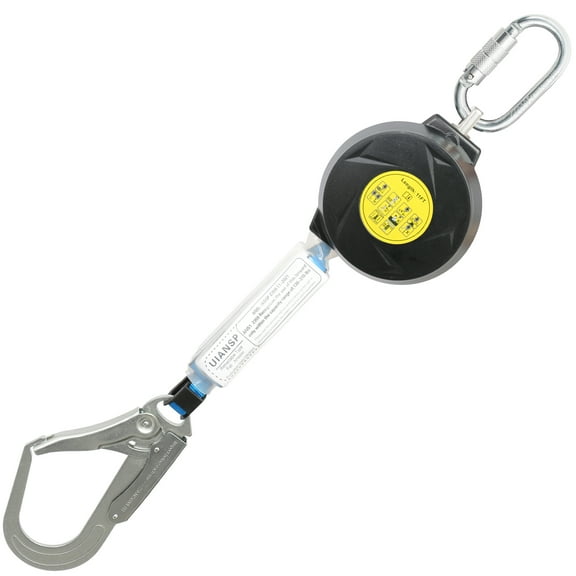
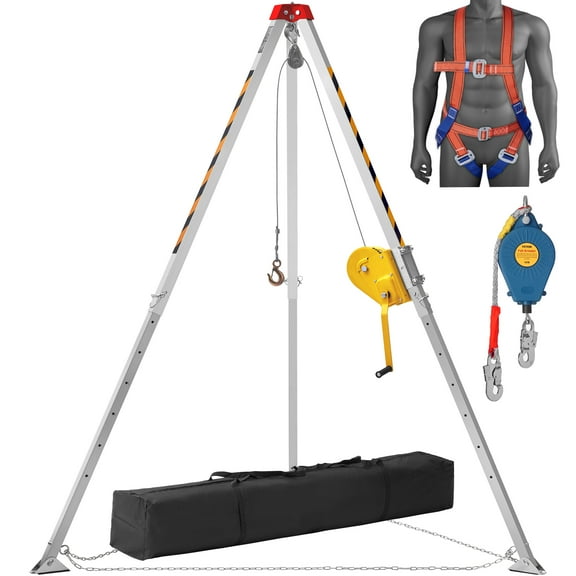
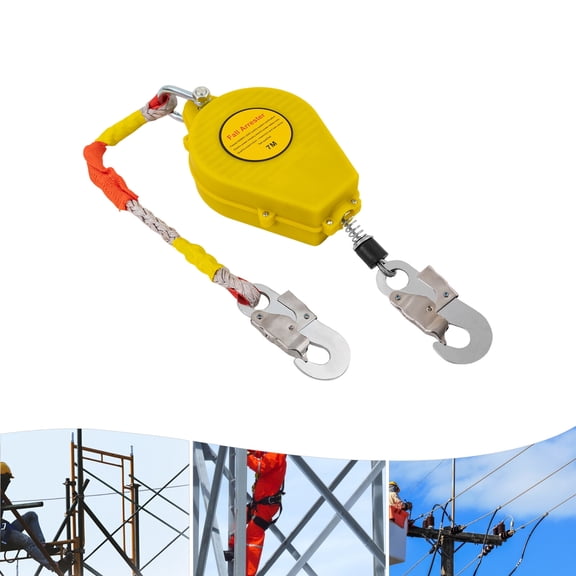
A self-retracting lifeline, often called an SRL, lets your line extend and retract as you move. You should consider it when your task needs mobility around edges, platforms, or aerial lift positions.
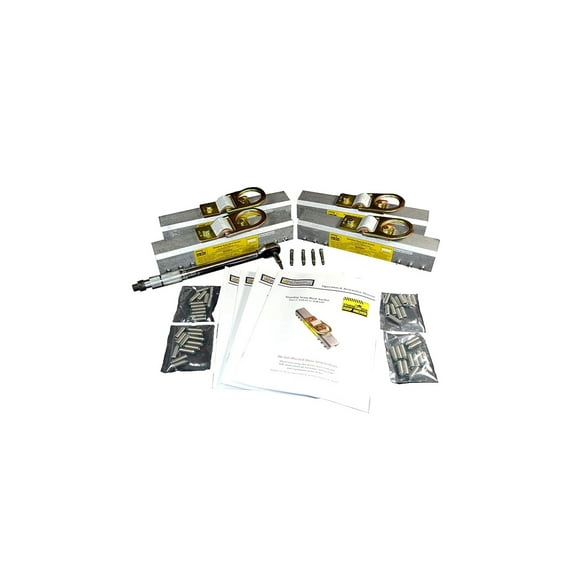
A roof anchor creates the tie-off point that connects your system to the structure. You need to match the anchor to wood, concrete, or steel, so your setup fits the jobsite surface.
What to look for in safety harness and lanyard systems
You should check compliance first, because labels help you confirm the system matches your work requirements. You can look for OSHA compliant equipment and ANSI certified components with clear markings.
When you compare safety harness options, you should review weight capacity along with clothing and tool load. You may see common capacities like 310 lbs and 420 lbs.
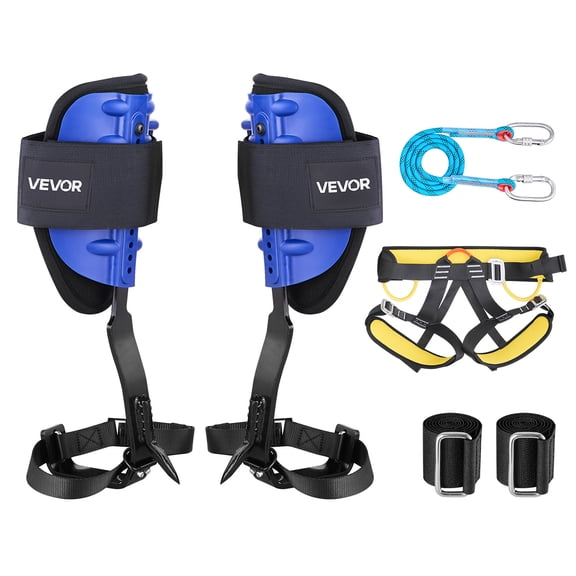
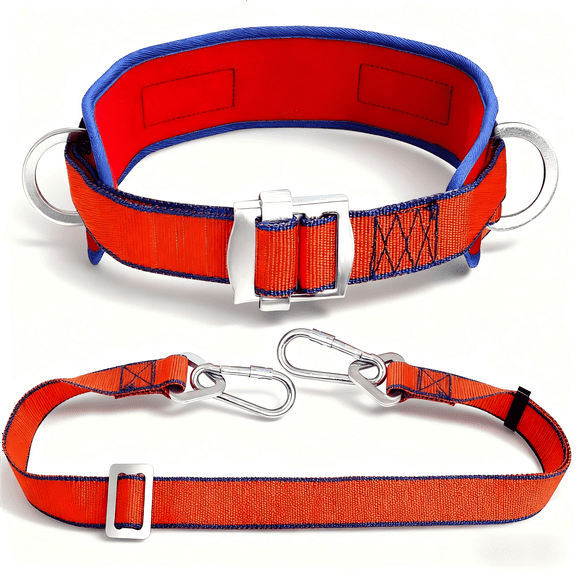
You should also compare adjustment points, because fit affects comfort during long shifts and repeated climbing. Your harness should let you fine-tune shoulder, chest, and leg straps for a secure feel.
- You can choose a full-body harness when you need body support and multiple adjustment points.
- You can choose safety lanyards when you want a simple connection length for a defined work area.
- You can choose a self-retracting lifeline when you need smoother movement and less slack.
- You can choose a roof anchor when your tie-off point depends on wood, concrete, or steel.
- You can check OSHA and ANSI labels when you need documented compliance information.
You should compare hardware details too, because connectors affect daily use and compatibility. Your setup may include steel hooks, dorsal D-rings, or snap hooks sized for specific anchor points.
For fall arrest systems, you should review fall clearance before choosing a lanyard or SRL. You need enough space below your work area for the system design you select.
Choosing compliant fall arrest systems
You should treat compliance as a buying guide, not just a label on the package. Your selection needs to align with OSHA 1926.502 regulations and ANSI Z359 standards when those requirements apply.
ANSI Z359 standards help you compare connectors, lifelines, and harness components across system types. You can use those markings to narrow choices for construction safety equipment and elevated work.
OSHA compliant gear helps you identify products intended for regulated jobsite use. You should still compare the exact application, because roofing, lifts, and fixed structures call for different setups.
You should also check whether the parts are meant to work together as a personal fall arrest system. Your harness, connecting device, and fall protection anchor need compatible connection points and ratings.
For roof fall protection, you should review edge conditions and tie-off location before selecting your system. You can then compare lanyard length, retracting range, and anchor style with more confidence.
Matching weight capacity and fit to your job
You should measure fit carefully, because a loose harness can shift while you climb, reach, or descend. Your size choice should account for layers, movement, and adjustment range.
When you compare 310 lbs and 420 lbs capacities, you should include your clothing, tools, and carried equipment. Your total working load matters when you choose a safety harness system.
You should look for leg, chest, and shoulder adjustments that let you set a close, stable fit. Your crew may also prefer quicker buckles when tasks involve frequent on and off use.
Connection choice matters too, because your work path affects how your line performs. You may prefer safety lanyards for fixed-position work, while an SRL can suit changing reach and travel.
You should review fall clearance calculations when choosing between these connection types. Your available space below the work area can determine whether a lanyard or SRL fits the task.
Using fall protection for different applications
You should match your equipment to the jobsite, because application drives anchor type, movement needs, and connection length. Your work in construction may need different gear than your work on roofs or lifts.
For construction, you may look for a full-body harness with adjustable straps and durable hardware. You should pair it with a compatible anchor and connection device for framing, decking, or structural work.
For roofing, you should focus on roof fall protection with anchors designed for the roof structure. You can compare anchor styles based on wood decks, roof pitch, and your tie-off position.
For aerial lift work, you may want a setup that supports controlled movement inside the platform. You should check connection length and anchor compatibility with the lift manufacturer's tie-off point.
For window cleaning or facade access, you should compare movement range and retraction behavior carefully. Your task may benefit from a self-retracting lifeline when you need smoother vertical travel.
You should also think about surface compatibility before choosing a fall protection anchor. Your anchor choice may depend on whether you attach to wood, concrete, or steel.
When you compare these decision points together, you can build a more complete system for your task. Your setup becomes easier to narrow when you start with compliance, fit, connection type, and anchor surface.
Fall protection becomes easier to choose when you compare equipment type, standards, capacity, and application in one place. You can move forward with gear that fits your task, your tie-off point, and your daily work pattern.