

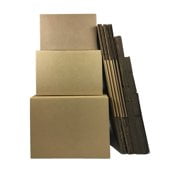
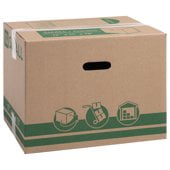
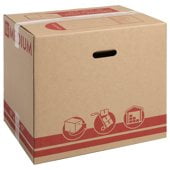
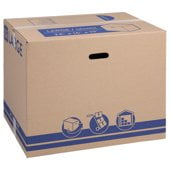
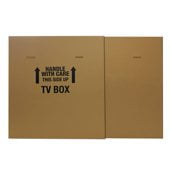
Extra Large Moving Boxes in Moving Boxes
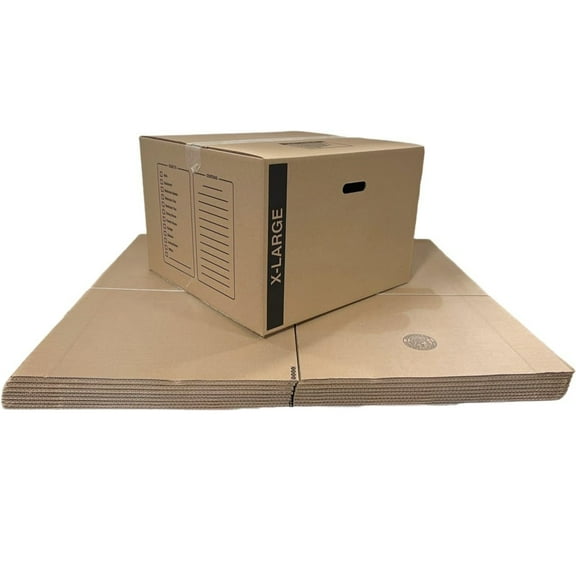
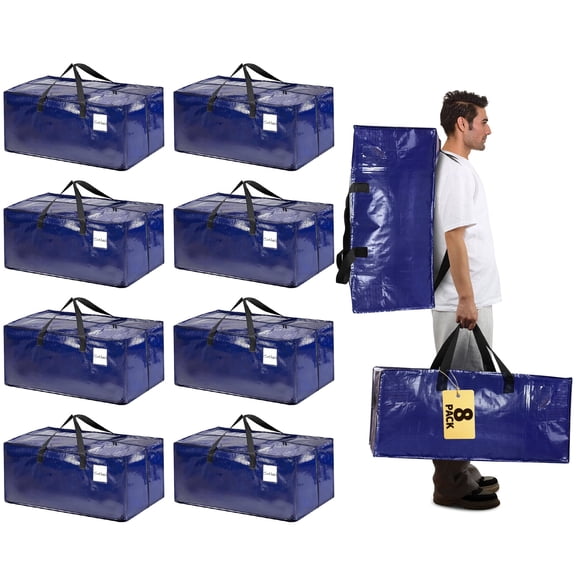
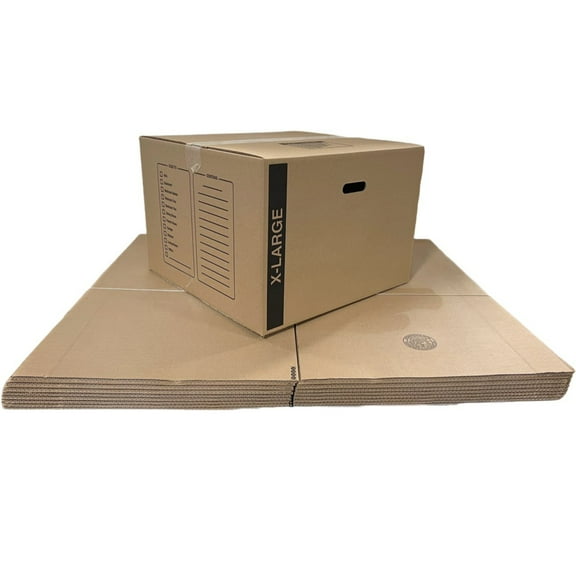



















About Extra Large Moving Boxes in Moving Boxes - Walmart.com
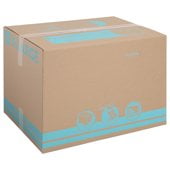
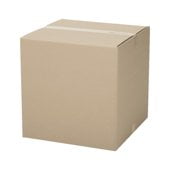
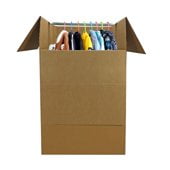
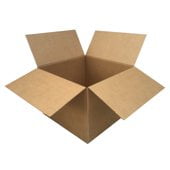
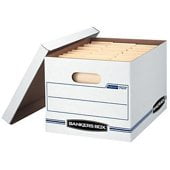
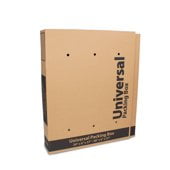
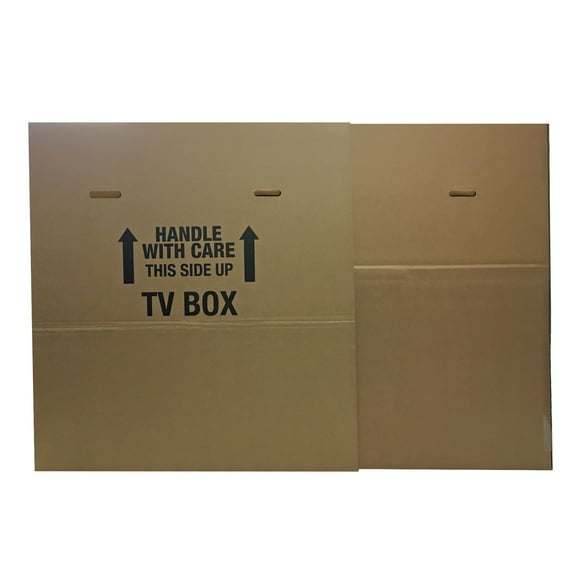
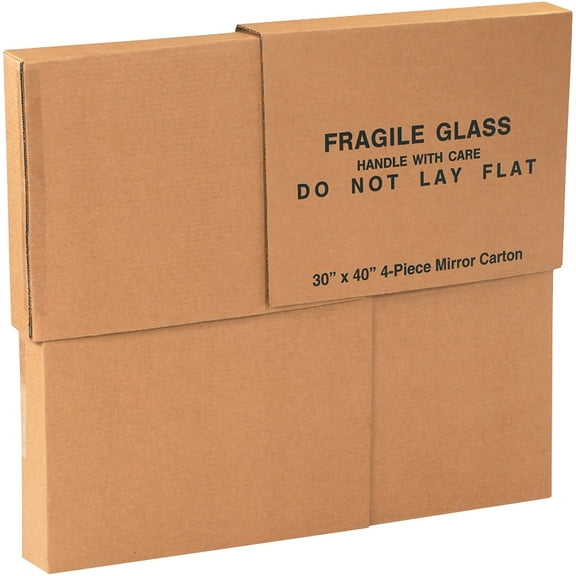
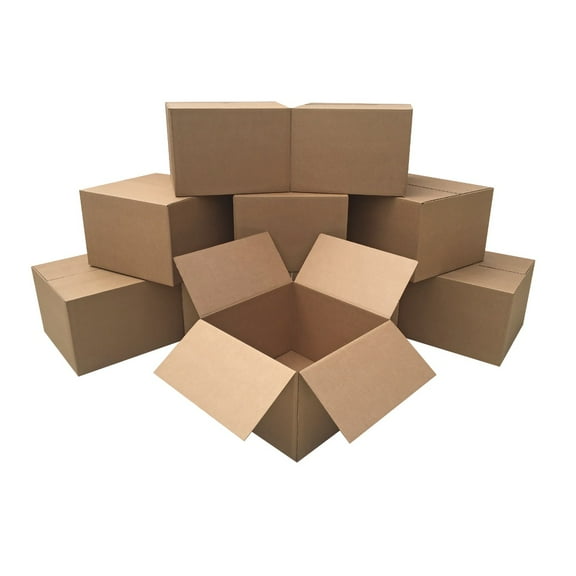
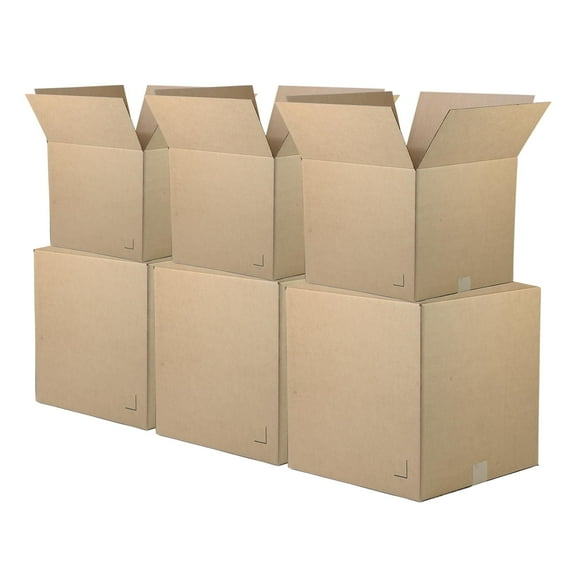
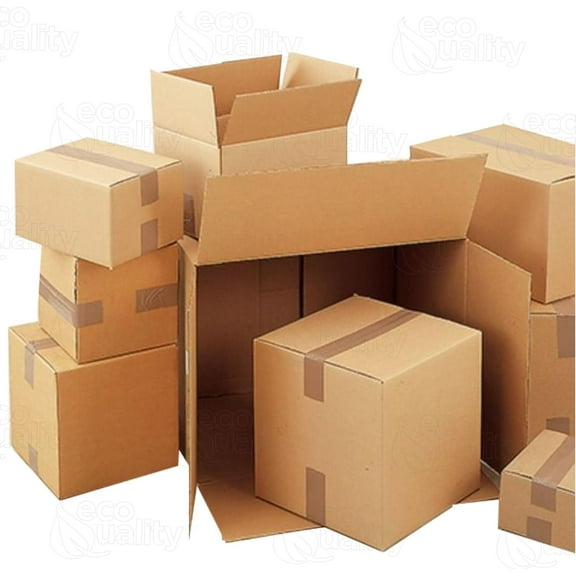
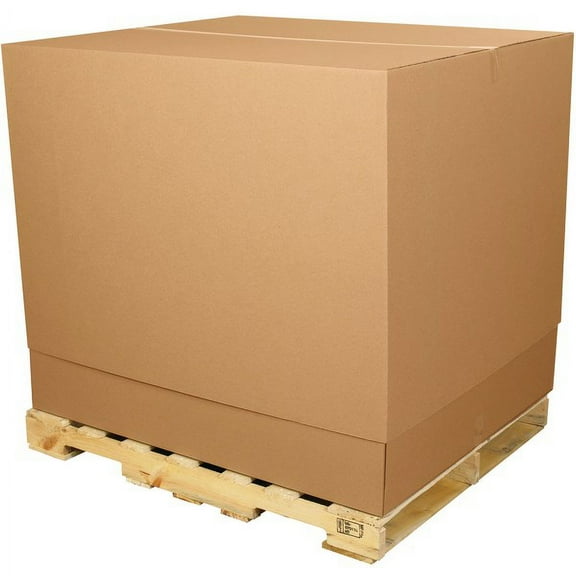
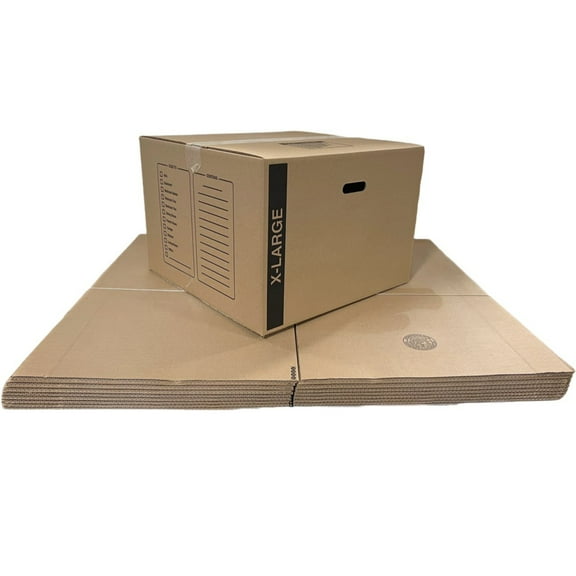
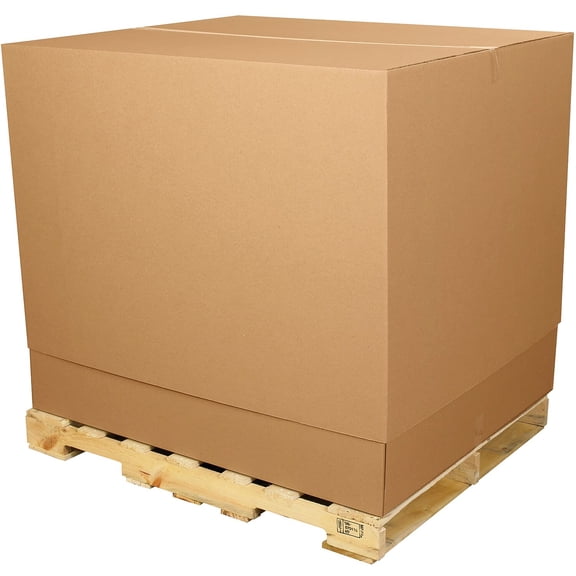
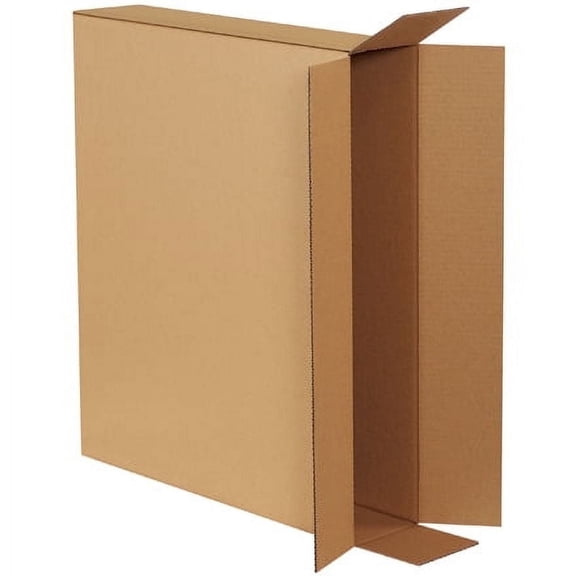
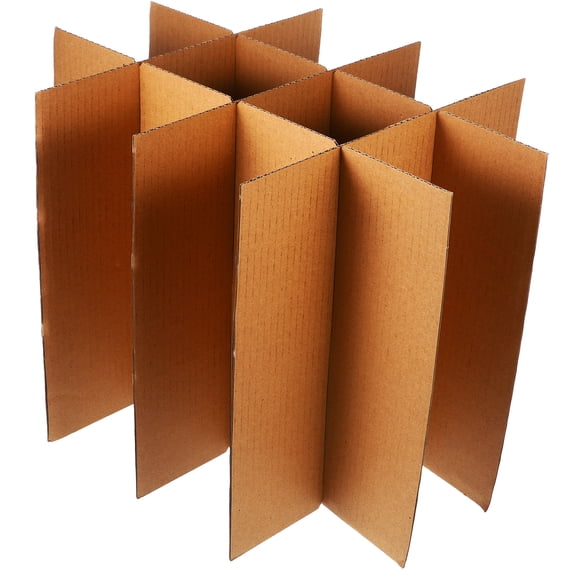
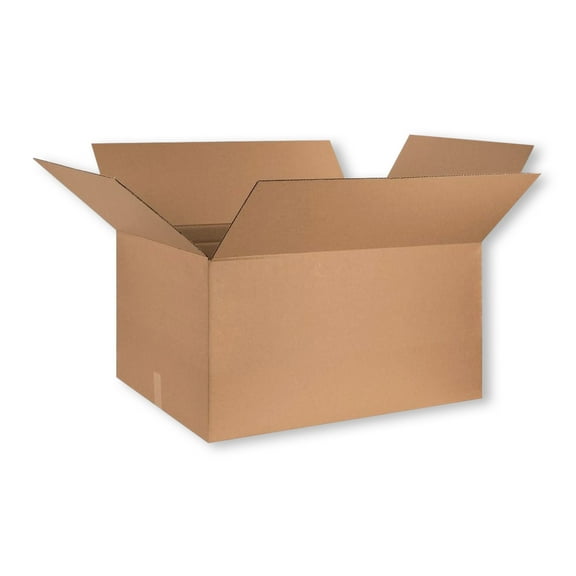
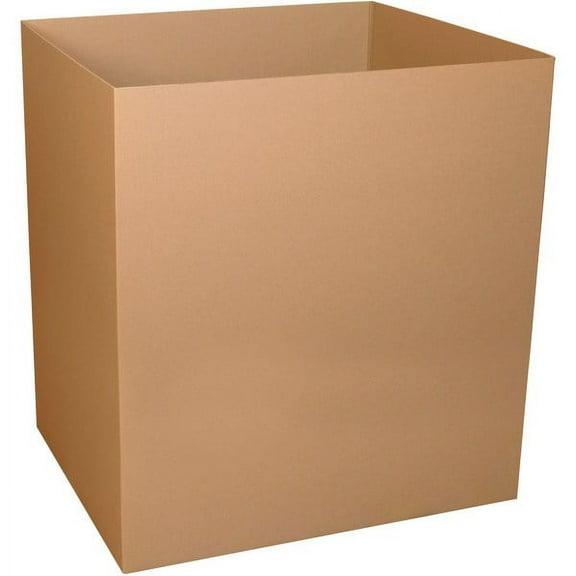
Extra large moving boxes help you pack bulky rooms faster and keep oversized items together during moves or storage. You can compare size, strength, pack count, and carry features to match your load.
How to choose extra large moving boxes
When you shop extra large moving boxes, you should start with what you need to fit inside each box. You may use them for comforters, pillows, lampshades, seasonal decor, or lightweight kitchen appliances.
Size matters because you don't want empty space that lets contents shift around in transit. You should also check whether your filled box will fit through doorways, stairwells, and your vehicle.
Material strength matters just as much as box size when you pack large, awkward items. You can compare single-wall, double-wall, and reinforced cardboard to match the weight of your contents.
- You can use XL sizes for comforters, bedding, and other bulky household items.
- You can choose double-wall construction when your box needs added rigidity during stacking.
- You can pick pack sizes that match one room, a full apartment, or a larger move.
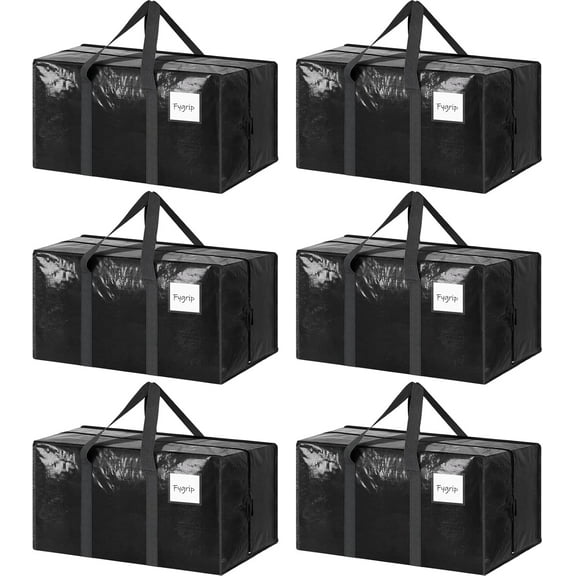
- You can look for handles or easy assembly when you want quicker loading and unloading.
Choosing heavy duty extra large moving boxes
You should look closely at construction details when your load includes heavier or less flexible items. You may prefer heavy duty extra large moving boxes when you expect stacking in a truck or storage unit.
Double-wall cardboard gives you two layers of corrugated material, which helps the box hold its shape. You can use that added structure when your box sits under other packed boxes.
You may also notice an Edge Crush Test rating, often called ECT, on some box listings. You can use ECT as a quick guide to how much vertical stacking strength your box offers.
Higher ECT numbers usually mean you can expect more resistance to crushing during stacked storage. You should still match the rating to your contents instead of filling a large box with dense items.
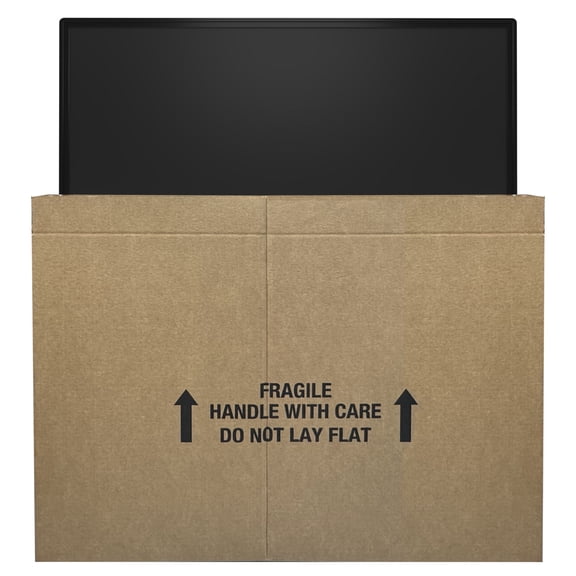
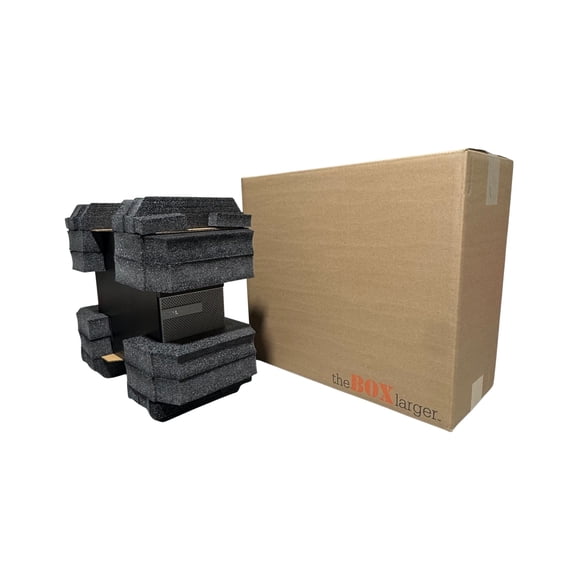
Reinforced cardboard can help when you need extra support at seams, corners, or bottom panels. You may find this useful for electronics boxes, pantry overstock, or mixed household loads.
Key differences in size, handles, and pack count
You should compare dimensions, not just labels, because one brand's XL may differ from another. You can use measurements to estimate fit for throw pillows, toy bins, or folded linens.
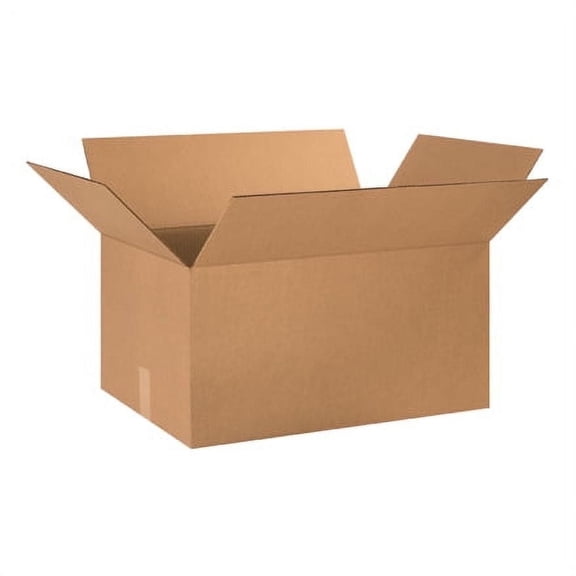
Large boxes may suit books, cookware, or smaller decor pieces that would overload an XL carton. You should reserve extra large cardboard boxes for moving lighter but bulky items whenever possible.
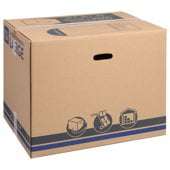
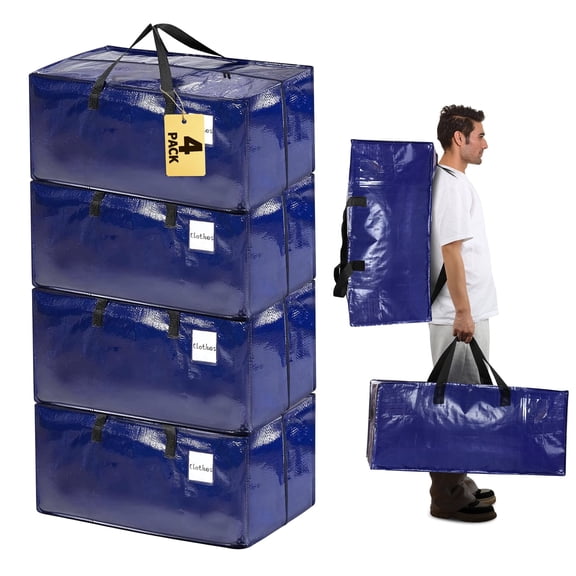
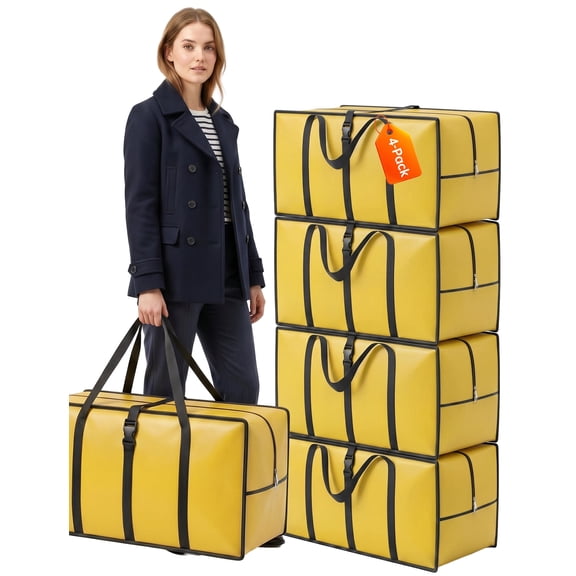
Handles can make a real difference when you carry wide boxes through hallways or up stairs. You may prefer extra large moving boxes with handles when you need a steadier grip.
Some shoppers choose handle cutouts for easier lifting, while others prefer solid side panels for a cleaner wall. You should compare carrying comfort with the structure you want.
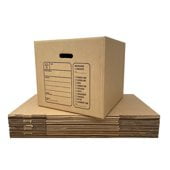
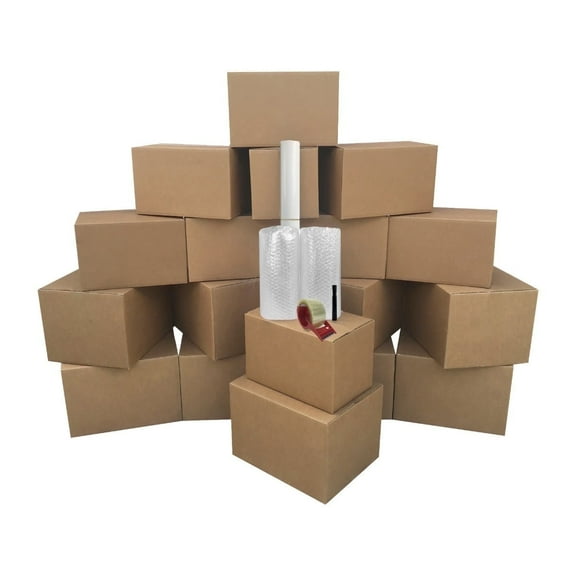
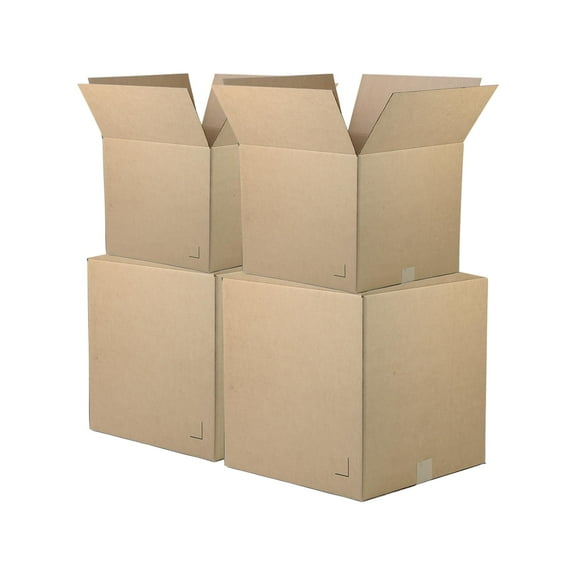
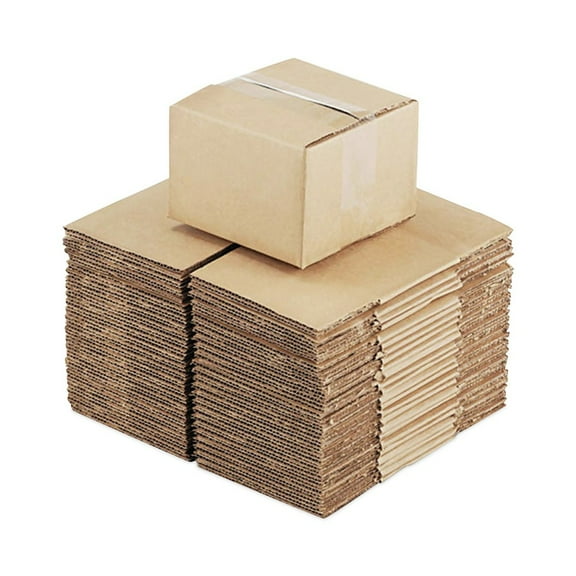
Pack size is another important decision, especially if you're planning by room count. You can start with a single box for a small task or choose five-pack, 10-pack, or bulk bundles.
Bundles help you keep box sizes consistent, which makes stacking and labeling simpler during a move. You can also plan extras for last-minute packing without mixing mismatched carton sizes.
Using xl moving boxes for real packing jobs
You can use xl moving boxes for dorm move-outs, apartment moves, basement cleanouts, and seasonal storage. You may also use them when you need one place for bulky but lighter belongings.
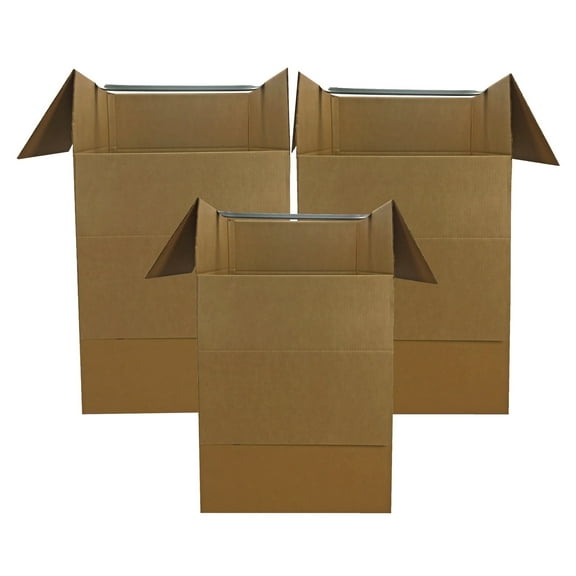
For bedroom packing, you can load blankets, duvet inserts, and out-of-season clothing without splitting sets across smaller cartons. You should avoid combining those soft goods with dense items.
In a family room, you may use these boxes for throw pillows, board games, and large decorative pieces. You can keep matching items together, which makes unpacking more organized.
For holiday storage, you can group wreaths, tree skirts, table runners, and lightweight ornaments in one labeled carton. You should add packing paper or bubble wrap around fragile pieces.
If you're comparing vehicle space, you should think about both box dimensions and loading order. You can fit fewer XL cartons than medium cartons, but each box can hold more volume.
You may also want easy assembly or tape-free designs when you're packing on a tight timeline. You can move from flat box to filled carton faster when setup steps stay simple.
When you plan the full move, you should pair your boxes with packing tape, bubble wrap, packing paper, and moving blankets. You can create a smoother packing system and protect bulky household items.
What to look for before you finish packing
You should check the bottom closure, side seams, and top flaps before you fill each carton. You can get cleaner stacking when your box closes evenly and holds a square shape.
Labels help you track rooms, while consistent box sizes help you build stable rows in storage. You can feel more prepared when your extra large moving boxes match your packing plan.