

Epoxy in Adhesives & Glues

















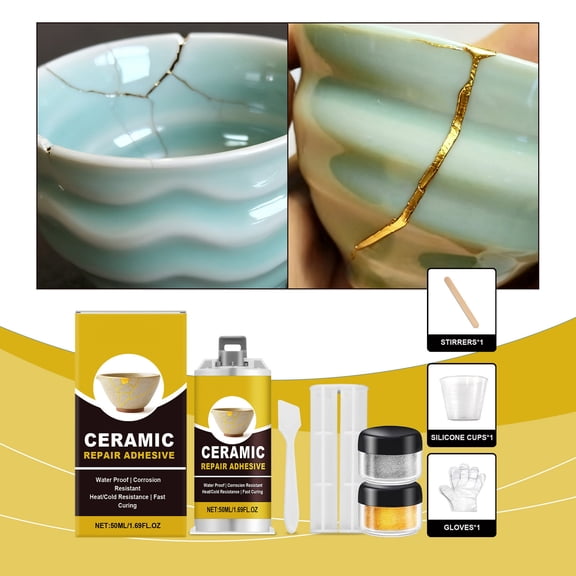
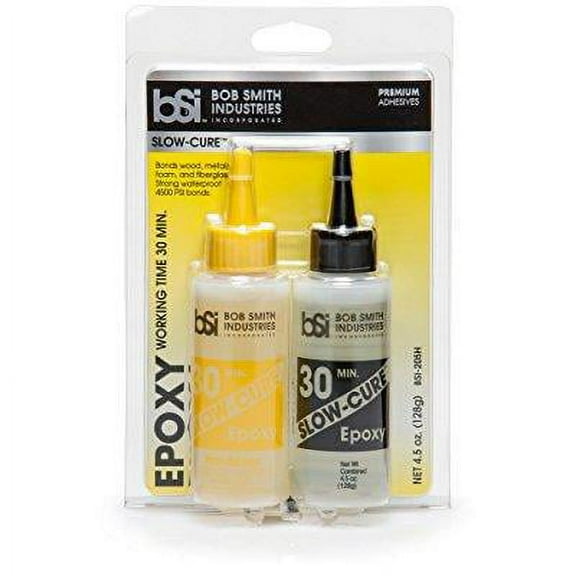
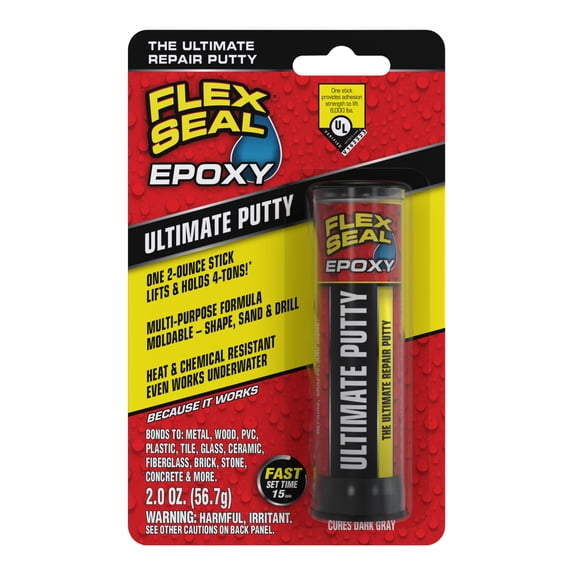


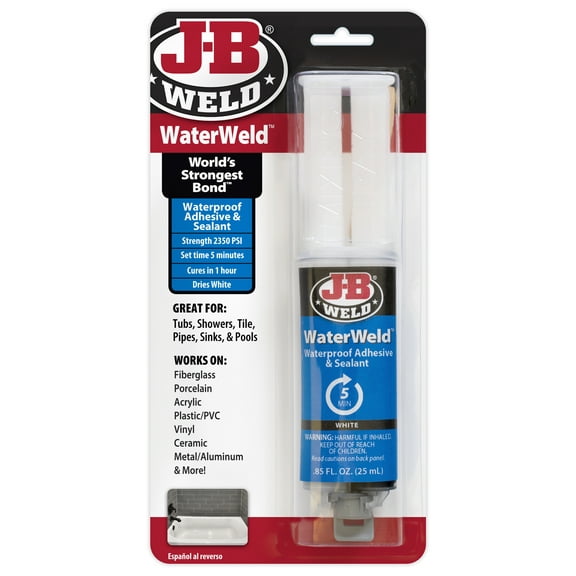
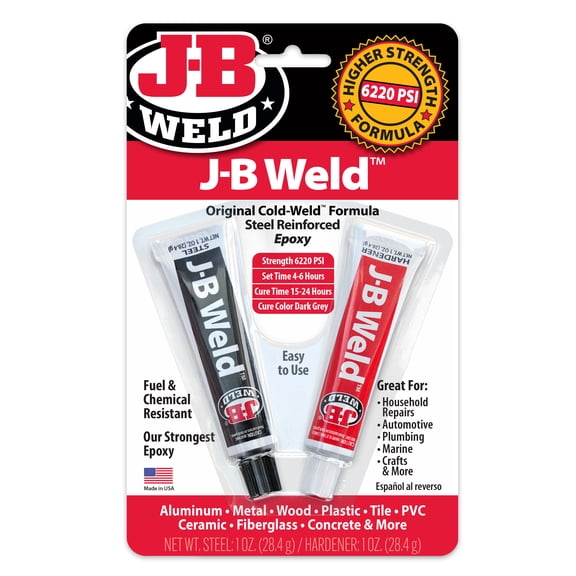
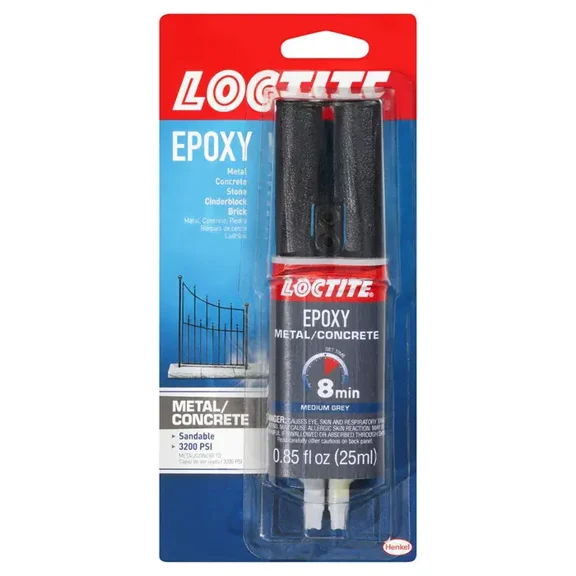
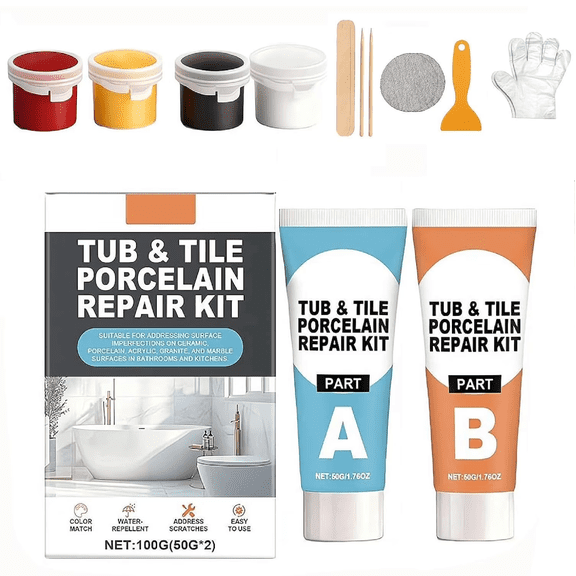


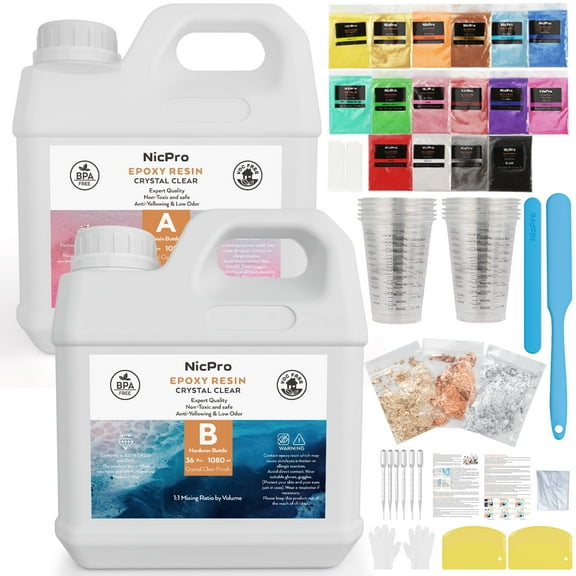

About Epoxy in Adhesives & Glues - Walmart.com
Epoxy resin helps you create clear casts, glossy coatings, and smooth tabletops with project-ready options for pouring depth, mixing ratio, and cure time. You can compare kits by application type, clarity, and working time, so your next pour fits your project instead of forcing compromises.
If you're making jewelry, river tables, coasters, or art panels, you need epoxy resin that matches thickness and finish. You can use this guide to compare casting resin, tabletop epoxy, and deep pour formulas with more confidence.
Choosing the right epoxy resin for your project
You should start with application type because thickness changes how your pour behaves and cures. You can choose casting formulas for molds, tabletop coatings for thin layers, and deep pour options for thicker fills.
When you compare these categories, you avoid using a thin coating formula in a thick mold. You also reduce extra sanding, uneven surfaces, and cloudy results that can show up after curing.
- You can use casting resin when your project needs detail in molds, charms, trays, or decorative pieces.
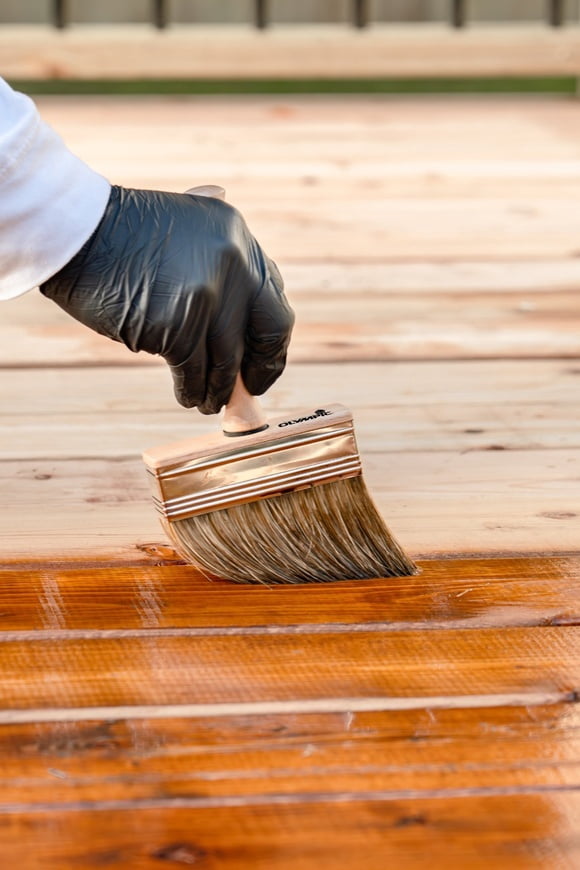
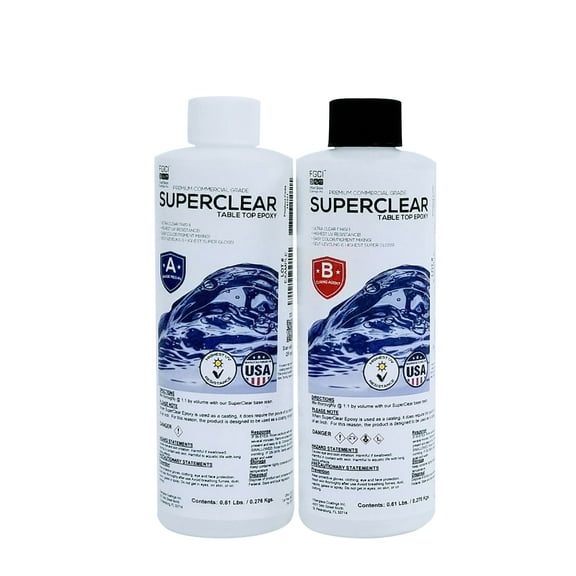
- You can choose tabletop epoxy when your surface needs a glossy coat on counters, bar tops, signs, or artwork.
- You can pick deep pour epoxy when your project needs thicker layers for river tables, live edge slabs, or embedded objects.
- You can compare crystal clear and high gloss finishes when your finished piece needs more visibility and shine.
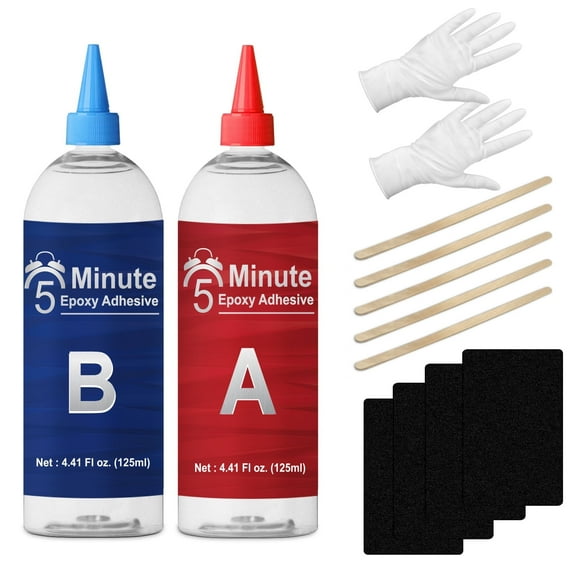
You may also want an epoxy resin kit when you need resin, hardener, and basic accessories in one setup. You can simplify prep for small projects and keep your mixing steps more organized.
Comparing clear epoxy resin, deep pour, and tabletop epoxy
You should compare clarity and finish next because appearance matters in resin art and furniture projects. You can look for clear epoxy resin when your design includes pigments, glitter, dried flowers, or visible wood grain.
If your project sits near windows, you can check whether UV resistant formulas help the finish stay clearer longer. You can also compare high gloss options when you want a smooth, glass-like top coat.
Deep pour formulas usually support thicker applications, which helps you fill wider channels with fewer layers. Tabletop epoxy usually suits thinner coatings, which helps you cover surfaces evenly and keep edges smooth.
You can also think about bubble release when you compare casting resin and coating formulas. You may prefer options designed for slower leveling when you want a clearer finished look in molds.
Understanding epoxy resin kit ratios and cure times
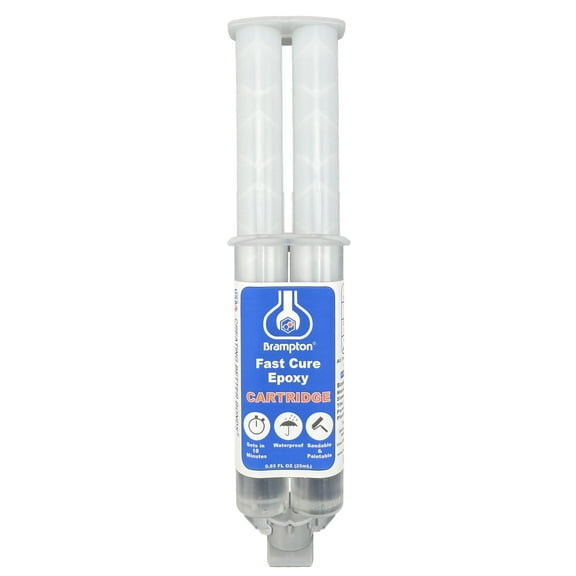
You should check mixing ratio before you buy because accurate measuring affects clarity, hardness, and finish. You can find an epoxy resin 1:1 ratio for simpler measuring, while 2:1 formulas may require closer attention.
If you want a straightforward setup, you may like clearly labeled bottles with volume guidance. You can compare kits that make it easier to measure equal parts for smaller craft pours.
You should also compare cure time and work time before starting your project. You can use fast cure options for quicker turnaround, while 24-hour cure and 48-hour cure formulas may suit larger pours.
Work time tells you how long you can spread, swirl, or place inclusions before the liquid starts setting. You can use that window to add color effects, remove bubbles, or level your surface.
How to match epoxy resin to real projects
If you're making coasters or pendants, you can look for casting resin with a clear finish and manageable mixing steps. You may also prefer smaller kits when your pours are shallow and detail matters.
For trays, wall art, and sealed photo projects, you can compare tabletop epoxy with a glossy surface finish. You can use thin coating formulas when your goal is coverage across panels, wood, or canvas.
When you're building a river table, you should compare deep pour options with longer cure schedules. You can fill thicker channels more appropriately and plan your pour around the formula's intended depth.
If your project includes colorants, glitter, or embedded keepsakes, you can compare clarity and working time together. You can choose a formula that gives you enough time to place details before curing advances.
You may also want to pair your project with silicone molds, resin pigments, mixing cups, and nitrile gloves. You can keep your setup more organized when your tools match the size and style of your pour.
With the right epoxy resin, you can match thickness, ratio, clarity, and cure time to the project in front of you. You get a smoother path from mixing to finish, with results that look cleaner and feel more consistent.