

Elastomeric Paint & Waterproof Coatings













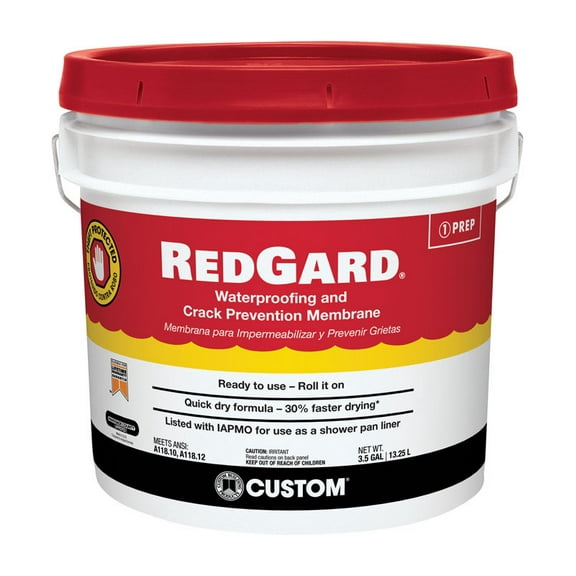

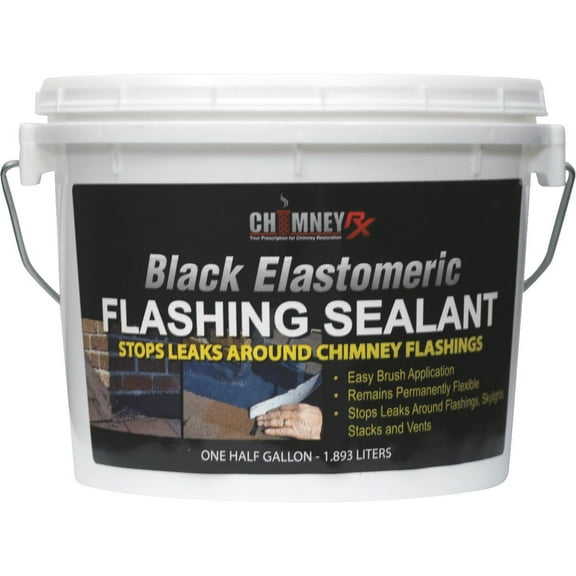

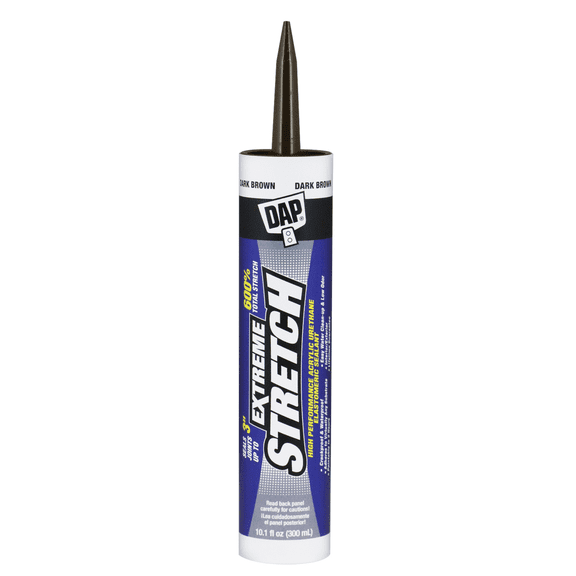




About Elastomeric Paint & Waterproof Coatings - Walmart.com
Elastomeric paint helps you cover exterior surfaces with a thick, flexible coating that suits stucco, masonry, brick, and concrete. You can use this category to compare surface fit, waterproofing level, sheen, base type, and crack-bridging performance before you paint.
If you’re coating textured walls or older exteriors, you’ll want a finish that moves with the surface. You’ll also want coverage that helps seal small gaps and stands up to changing weather.
How to choose elastomeric paint for your surface
You should start with surface compatibility because stucco, brick, masonry, and concrete don’t absorb paint the same way. You’ll get a more reliable finish when you match the coating to the texture and porosity of your wall.
For elastomeric masonry paint, you should compare how the formula handles rough block, poured concrete, and brick faces. You may also want coverage that fills uneven texture and helps create a more uniform appearance.
When you’re shopping for elastomeric stucco paint, you should check whether the coating is built for textured exterior walls. You’ll usually need a thicker film that reaches into grooves, ridges, and small surface voids.
Benefits of elastomeric exterior paint
You’ll notice that elastomeric exterior paint is designed around movement, coverage, and weather exposure. You can use it when standard exterior coatings may not provide the same thick barrier on rough surfaces.
- You can cover textured walls more evenly because you’re choosing a high-build coating.
- You may bridge hairline cracks because your paint film can stretch with minor surface movement.
- You can create a weather-facing finish that suits stucco, brick, and concrete exteriors.
- You may compare waterproof elastomeric paint options when you want stronger water-shedding performance.
You’ll also benefit from a coating that can simplify maintenance on large exterior walls. You can get a more continuous look across patched areas, textured surfaces, and older masonry finishes.
Another key advantage is breathability, which matters when exterior walls hold some moisture. You should compare perm rating details because you want water resistance without trapping moisture behind the coating.
Choosing waterproofing level, base, and finish
You should compare waterproof, water-resistant, and weatherproof options based on your exterior exposure. You may prefer waterproof elastomeric paint when your walls face heavy rain, wind, and repeated wet conditions.
At the same time, you should check whether the coating stays breathable. You’ll want that balance because thick exterior films should help shed water while still allowing moisture vapor to pass through.
Base material is another decision point because acrylic-based, water-based, and solvent-based formulas apply differently. You can often narrow your choice by cleanup preference, dry time expectations, and compatibility with your project plan.
If you want easier cleanup and common exterior use, you may lean toward acrylic elastomeric paint or water-based formulas. If your project has specific substrate needs, you should compare label guidance before you coat.
Finish matters because flat, satin, and semi-gloss change how your wall looks after application. You may prefer flat for a softer look on textured stucco, while satin or semi-gloss can add a cleaner, more defined appearance.
Understanding elasticity, thickness, and application
You should pay close attention to elasticity and thickness because those traits affect crack coverage. You’ll often see terms like flexible, high-build, or crack-bridging, which describe how the dried coating stretches over small surface lines.
In plain terms, you’re looking for paint that can span hairline cracks without losing surface coverage. You should still prep your wall carefully, but you can choose a coating built for minor movement.
Application method also matters because thicker products may need a heavy-nap roller or an airless sprayer. You should check whether your chosen coating calls for back-rolling, multiple coats, or a target film thickness.
Coverage planning can help you avoid surprises on rough walls. You’ll usually use more material on stucco, masonry block, and textured concrete because the surface area is greater than it looks.
Matching elastomeric paint to real projects
If you’re refreshing a stucco exterior, you should focus on flexible coverage, breathability, and a sheen that suits texture. You may want elastomeric paint that settles into uneven surfaces and supports a consistent finish.
For brick or block walls, you should compare elastomeric masonry paint with attention to texture and water exposure. You’ll want a coating that handles porous surfaces and helps create a more even outer layer.
If you’re painting concrete foundation walls or exterior retaining surfaces, you should review waterproofing level and application thickness. You may also want to confirm whether your project calls for a compatible primer.
On larger exterior jobs, you should compare roller-friendly and sprayer-ready options before you start. You’ll make a smoother choice when you match your paint thickness to your tools, wall texture, and coverage goals.
When you need a category built for stucco, masonry, brick, and concrete, elastomeric paint gives you clear decision points. You can choose with more confidence when you compare surface fit, breathability, thickness, and finish for lasting exterior coverage.