

Document Mailers and Paper Envelopes for Mailing
















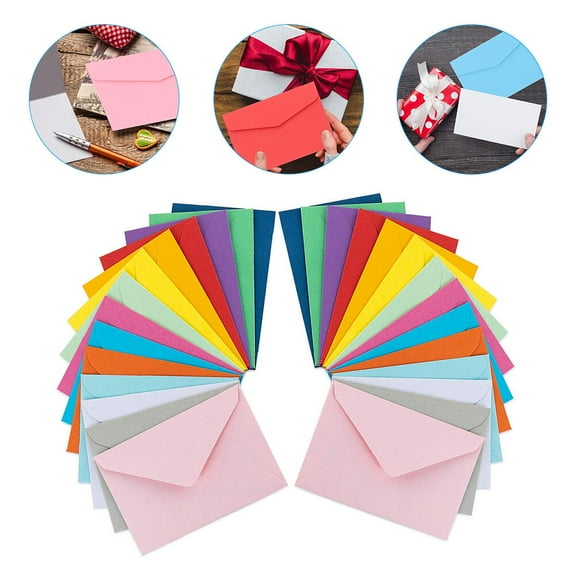
About Document Mailers and Paper Envelopes for Mailing - Walmart.com
Your docmailer choice can help your papers arrive flatter, cleaner, and more presentable. You can compare rigidity, material, closure, and size when your mailing includes contracts, photos, or certificates.
Across document mailers, you'll notice that small design differences affect how your contents travel. A rigid shell, close-fit dimensions, and a secure seal can support a smoother mailing routine.
Choosing docmailer options by protection level
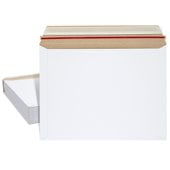
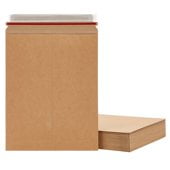
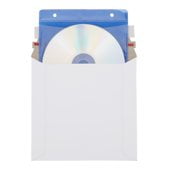
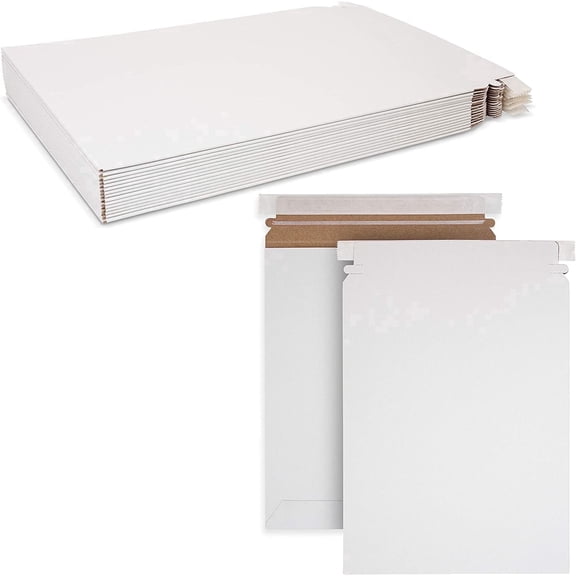
Start with rigidity, because your documents may need different support in transit. Rigid cardboard and fiberboard options help your pages stay flat and crisp.
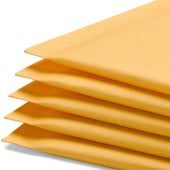
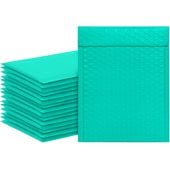
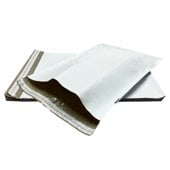
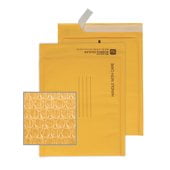
For lighter paperwork, flexible paper mailers can give your shipment a slimmer profile. Padded styles can suit your mixed paper contents, photos, or layered inserts.
- You can use rigid mailers when your documents need bend-resistant support.
- You can choose flexible formats when your paperwork stacks neatly and doesn't need a stiff shell.
- You can pick padded options when your mailing includes prints, photos, or thicker inserts.
- You can select flat styles when your shipment needs a neat profile for standard paper contents.
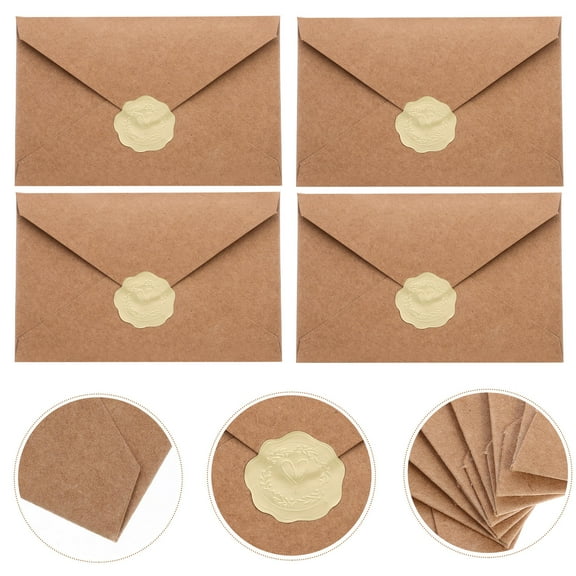
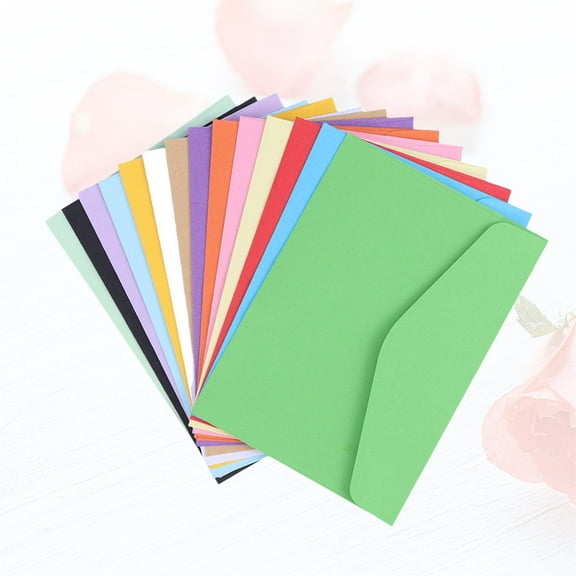
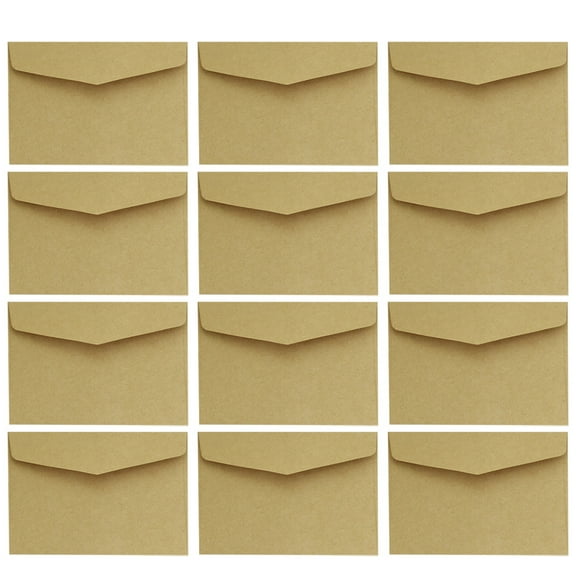
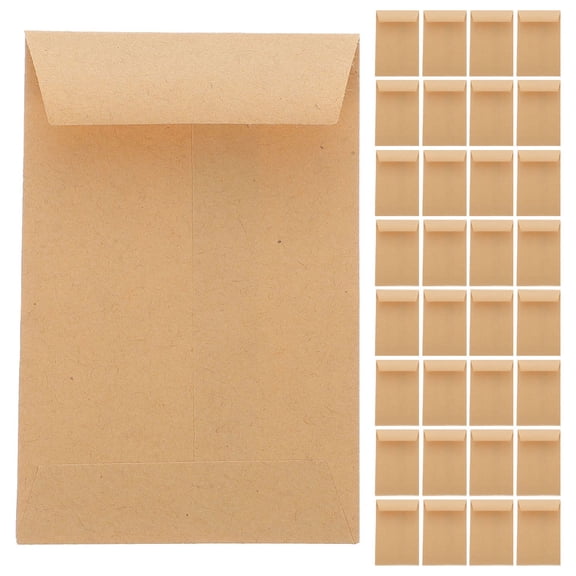
Material also shapes how your document envelope for mailing performs during handling. Kraft paper gives your package a familiar paper finish and a professional look.
Poly or plastic exteriors can work well when your route calls for added moisture protection. Fiberboard can make sense when your important pages need a firmer outer layer.
Choosing the right envelope to send documents
Measure your paperwork before you choose a document envelope. Letter size options, often 9x12, fit standard sheets without folding.
Legal forms usually need larger document mailers, often 10x15, to keep edges smooth. Utility sizes can help when your paperwork falls between common dimensions.
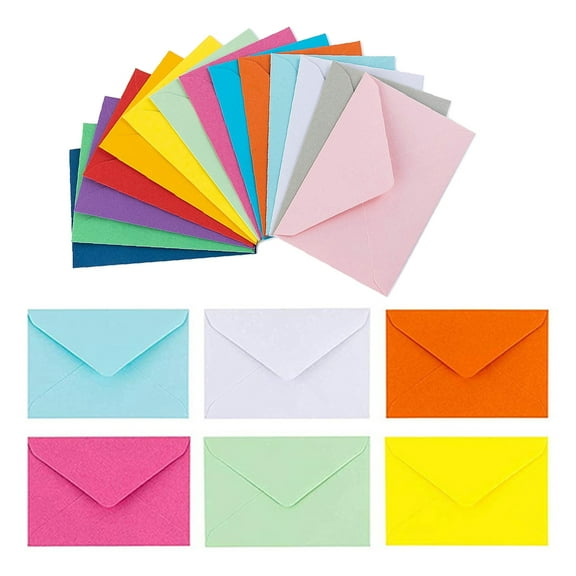
Photo document mailer formats can suit smaller prints, certificates, or image sets. A close fit can reduce shifting, so your contents stay more organized inside.
Extra room may sound helpful, but your papers can slide more inside an oversized mailer. Closer dimensions often help your document mailing envelope hold contents more neatly.
Comparing closures and pack sizes
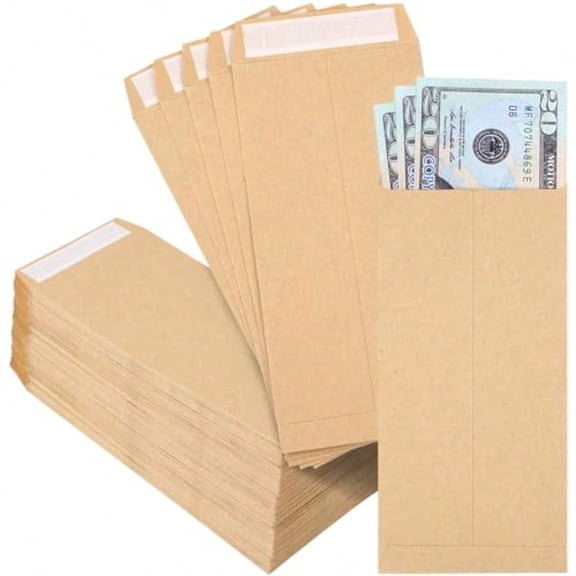
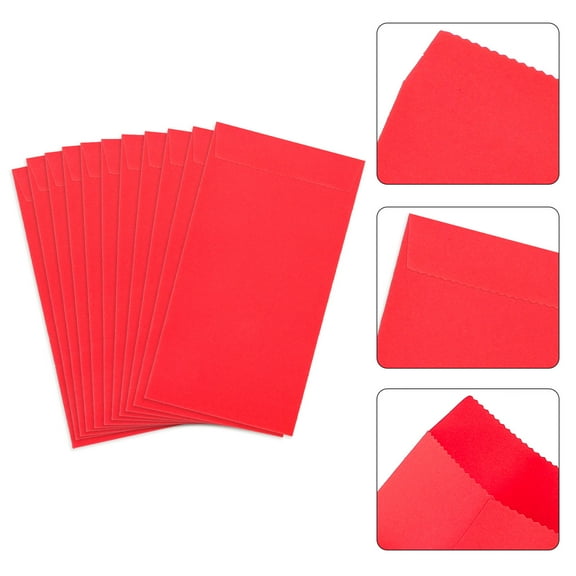
Closure type can affect how quickly your mailers move across your packing table. Self-seal and peel-and-stick formats can simplify prep when your routine is busy.
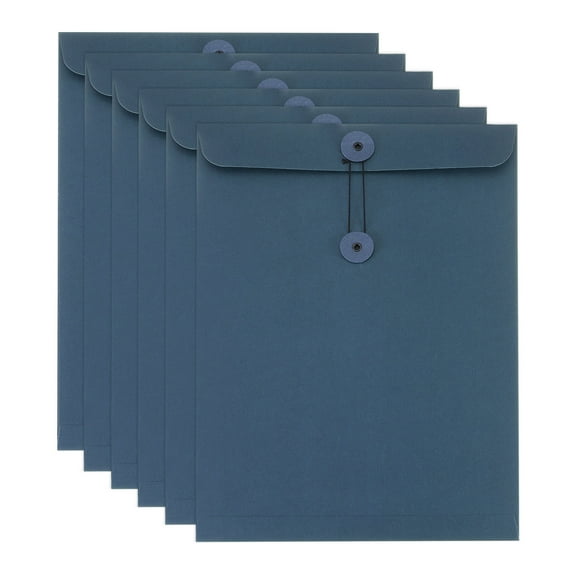
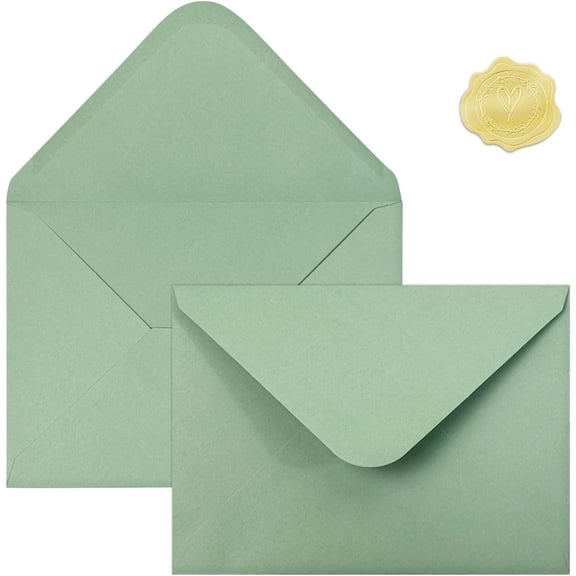
Clasp closures can suit internal routing or repeated handling in your office. Gummed flaps can fit a traditional paper mailer format when that style matches your process.
If your goal is a secure envelope for mailing documents, check whether your seal works without extra steps. A dependable adhesive can keep your workflow cleaner and more consistent.
Pack size matters when your mailing volume changes from project to project. Single mailers can cover occasional needs, while small packs can support lighter weekly use.
Bulk packs, such as 50-count or 100-count options, can fit steady office shipping. That format can help your team keep invoices, forms, and presentation packets moving.
How document mailers fit real mailing tasks
Document mailers make sense when your pages shouldn't be folded into a standard office envelope. Resumes, reports, certificates, and legal forms can arrive with a more polished presentation.
For business shipments, a doc mailer can suit contracts, bids, and client packets. The same format can also support marketing sheets, onboarding materials, and presentation folders.
School and administrative mailings often need sizes that fit worksheets, records, and permission forms. Rigid options can help those papers keep cleaner edges during transit.
Paper mailers can also work well for artwork proofs, printed photos, and other flat paper pieces. Padded or rigid designs can give those contents extra structure without changing the format.
When your shipping setup needs supporting supplies, related categories can help complete your routine. Bubble mailers, packing tape, office envelopes, and shipping boxes can support different mailing jobs.
With the right document envelope, you can match structure, seal, and dimensions to your exact paperwork. That approach can help your documents arrive flatter, tidier, and ready to present.