


Digging Tools in Garden Tools







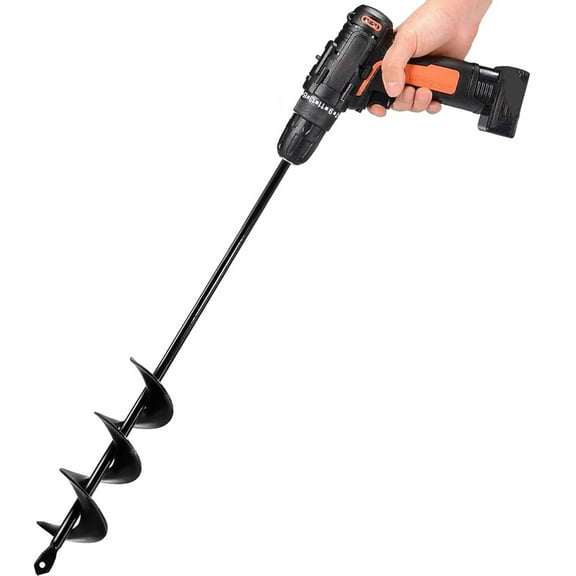


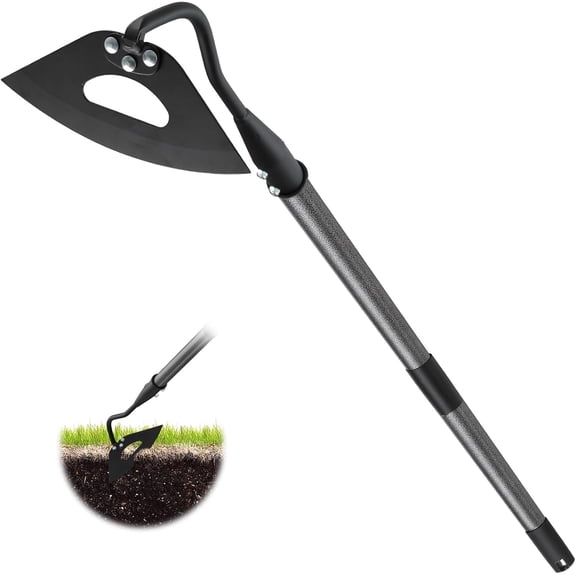

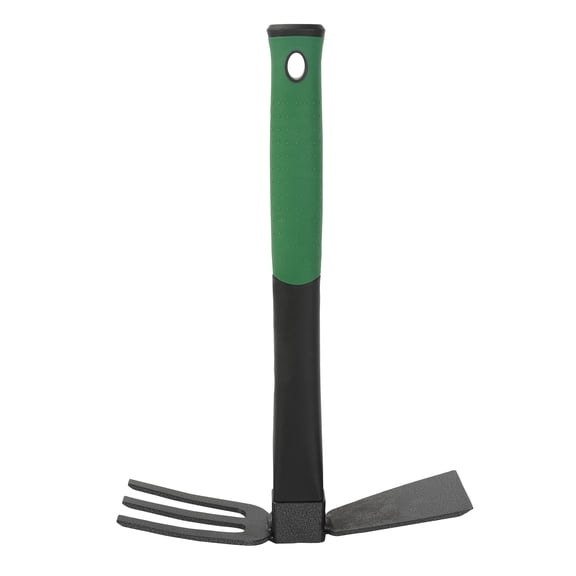
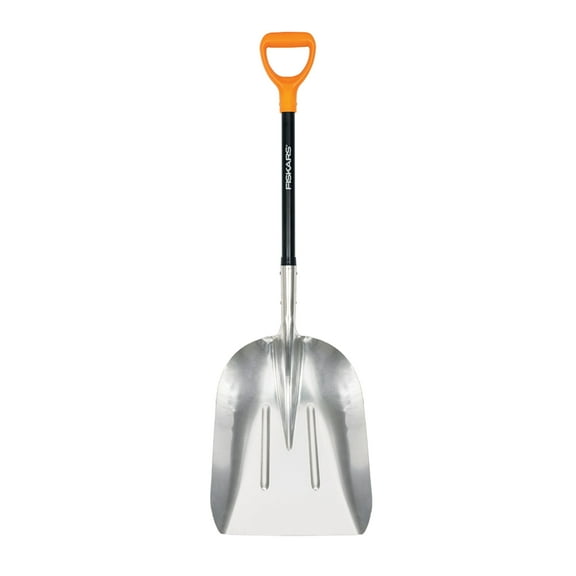

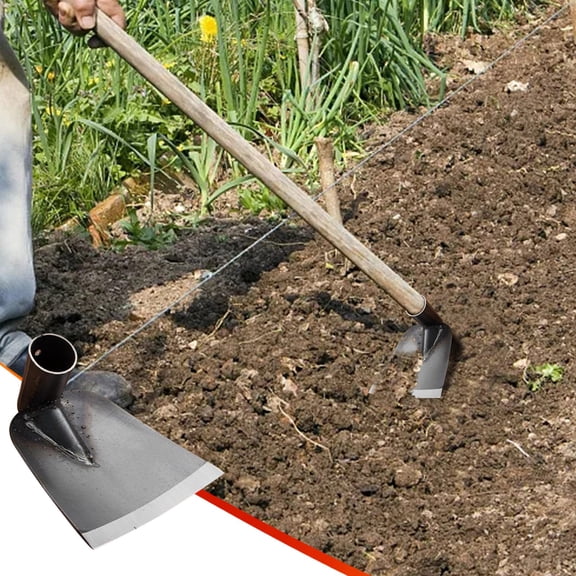

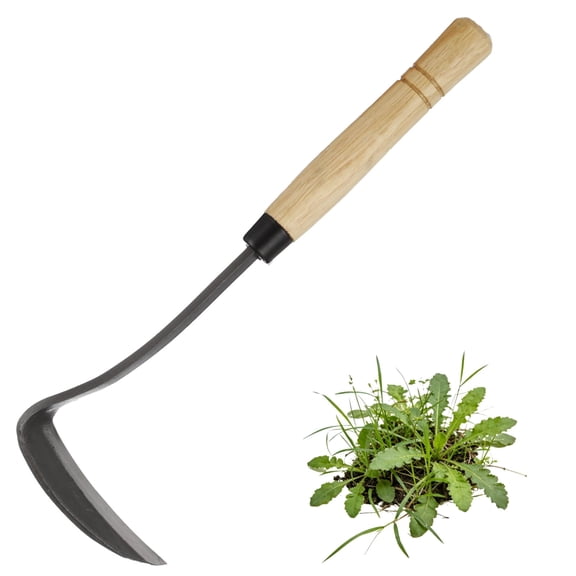

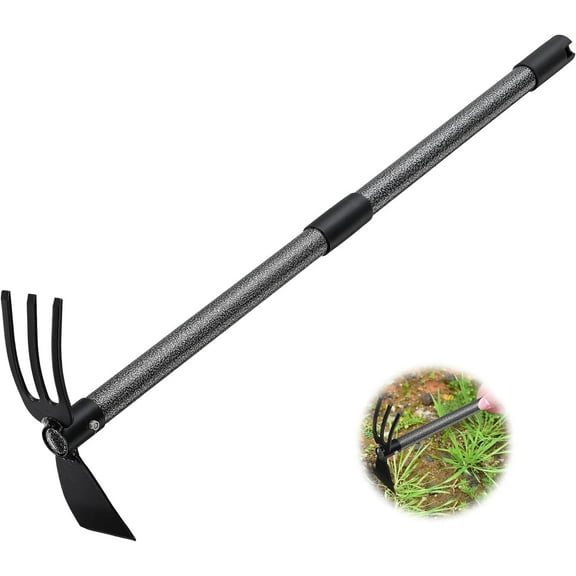










About Digging Tools in Garden Tools - Walmart.com
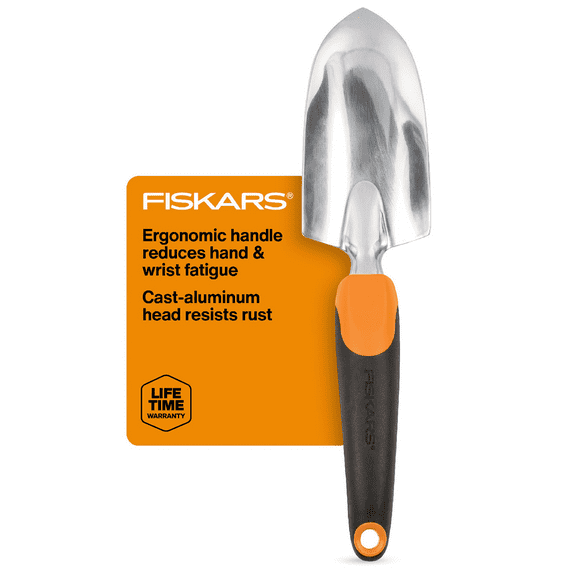
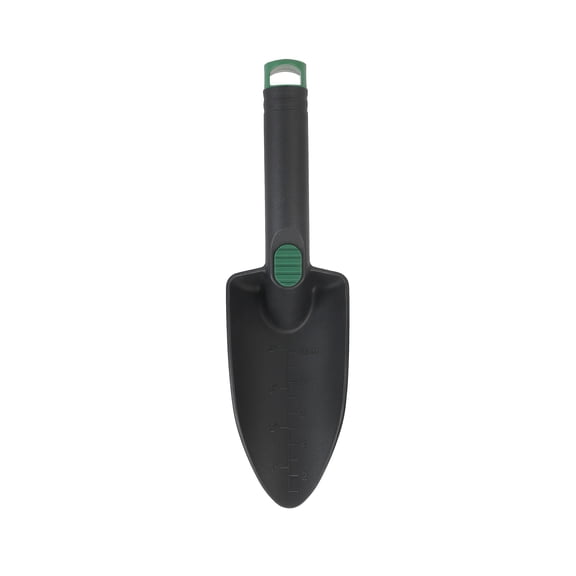
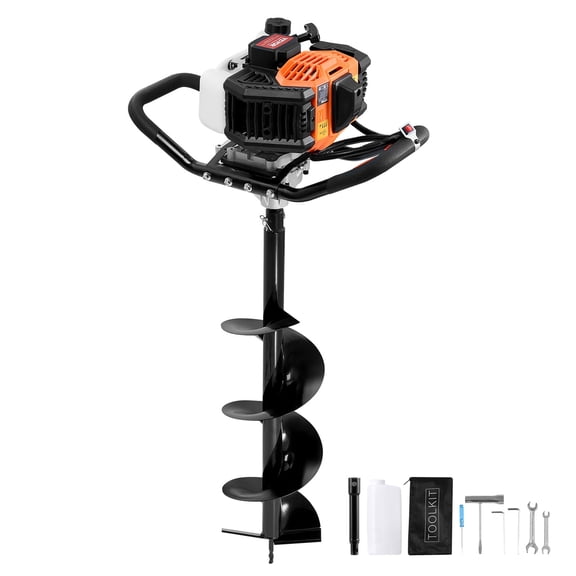
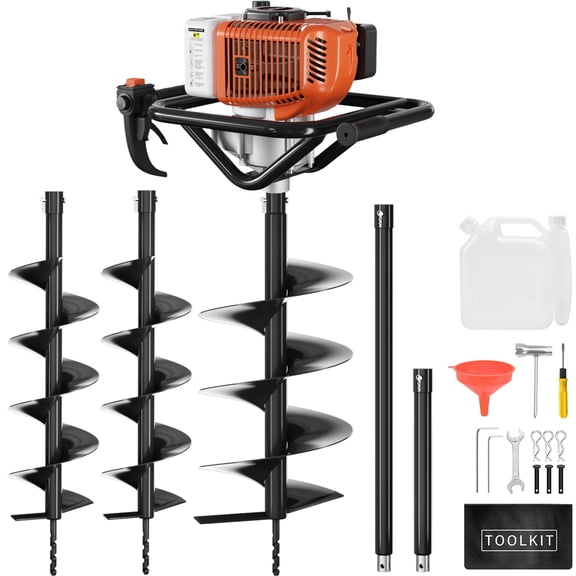
Shovels help you tackle digging, edging, scooping, and snow removal with the right shape, handle, and blade for your project. You can compare garden shovels, digging shovels, and spade shovels by how they cut soil, carry material, and feel in your hands.
Choosing the right shovels for your project
You'll get cleaner results when you match shovel type to the job instead of forcing one tool to do everything. You can use round point blades for breaking ground, while square scoop designs move mulch, gravel, or snow more easily.
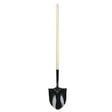
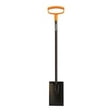
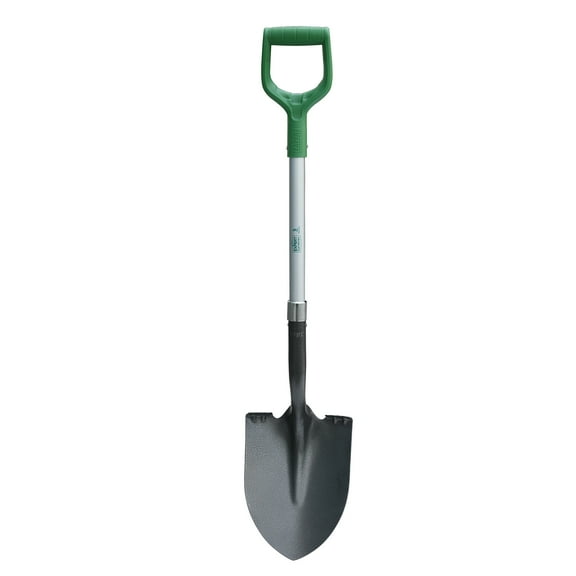
When you compare digging shovel and spade options, the blade shape matters right away. You can use a digging shovel to penetrate packed soil, while a spade gives you straighter edges for beds and borders.
For narrow trenches, you should look at trenching shovels with slimmer heads that fit tight channels. You can choose scoop shovels when you need to lift loose material without wasting motion.
How to compare garden shovels by type
You should consider where the blade will work most often in your yard or work area. If your soil is dense or clay-heavy, you may prefer blades that focus force into a smaller point.
- You can use digging shovels for breaking compacted ground and planting shrubs.
- You can choose spade shovels for edging beds and making straight cuts in sod.
- You can pick trenching shovels for irrigation lines, drainage paths, and narrow channels.
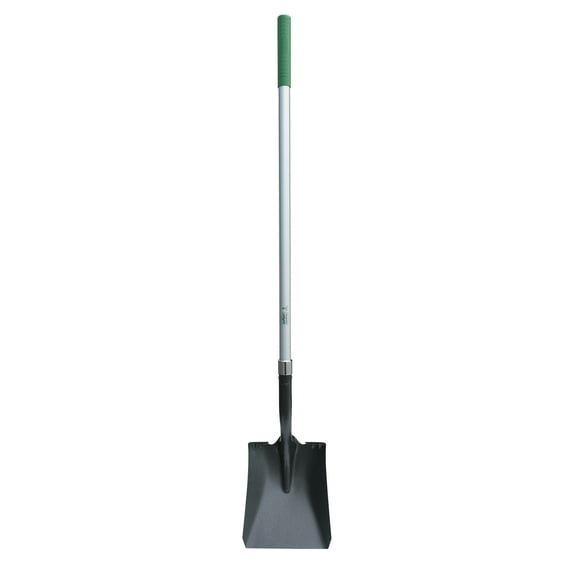
- You can rely on scoop shovels for mulch, soil, feed, gravel, or seasonal snow.
You should also think about how often you'll switch between cutting and lifting. If your task involves both, you may want a shape that balances penetration and carrying capacity.
Because soil conditions change, you can benefit from checking head width and tip shape before you choose. A narrower blade helps you enter firm ground, while a wider scoop helps you move loose material faster.
What to look for in blade and handle materials
You should compare blade material by the weight you want and the force your work requires. Tempered steel and carbon steel support heavy duty shovels, while aluminum and plastic reduce carry weight for lighter scooping tasks.
When you see tempered steel gauge, you should read it as a durability clue for hard digging. A sturdier gauge usually means your blade resists bending when you work in compact soil or rocky ground.
If you prefer a lighter tool, you can look at aluminum heads for moving snow or dry material. If you need more bite in dirt, you may lean toward steel blades that hold shape under pressure.
Handle material changes feel and control during longer jobs, so you should compare it carefully. Fiberglass can give you a balanced feel, hardwood offers a classic handhold, and steel supports demanding tasks.
Choosing handle design and control
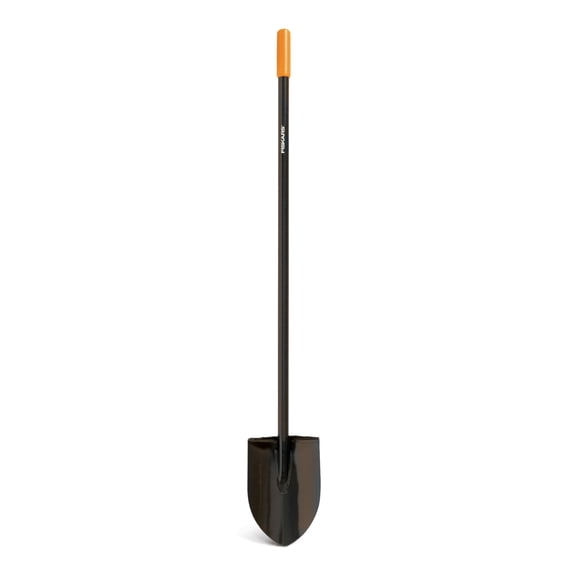
You should measure your work style before you choose between a D-grip, long handle, or straight handle. A long handle shovel gives you leverage for open areas, while a D-grip helps you guide the tool in tight spots.
If you're planting near raised beds or fences, you may want a shorter reach with more steering control. If you're clearing a larger patch, you can use a longer shaft to keep your movement smooth.
Straight handles can suit broad, repetitive motions when you move piles of soil or mulch. D-grips can help you hold the tool securely when you need quick direction changes.
How head shape supports different soil and surface types
You should check soil texture before you settle on blade shape and head size. In clay or packed earth, a pointed head helps you break through, while a square front works well in loose material.
For landscaping, you can use sharper entry points to open holes for shrubs, posts, or border work. For transfer jobs, you may want broader heads that carry more with each lift.
If your project includes snow removal, you should compare lighter scoop styles and wider heads. You can move more material per pass when the blade matches the surface and material density.
Matching shovels to everyday projects
You can simplify gardening tasks by choosing garden shovels that fit planting depth, bed size, and soil firmness. A pointed digging blade suits new planting holes, while a spade shape keeps bed edges crisp.
For landscaping, you may need heavy duty shovels that handle gravel, packed fill, or repeated trench work. You can pair steel blades with long handle shovels when you want reach and leverage across open ground.
If you're working on construction cleanup, you can use scoop styles to move sand, debris, or loose aggregate. If you're cutting channels for drainage, you should look for a trenching profile that stays narrow and controlled.
During colder months, you can switch to lighter scooping shapes for sidewalks, driveways, and entry areas. You can also compare handle styles based on whether you need reach across wide spaces or control near steps.
You can choose more confidently when you compare shovel type, blade material, handle material, and grip design together. The right combination helps you dig cleaner, move material faster, and finish outdoor work with less guesswork.