

Deck Cleaning in DIY Projects & Ideas

























About Deck Cleaning in DIY Projects & Ideas - Walmart.com
You need the right deck cleaner to lift outdoor buildup without guessing about surface compatibility or application steps. You can compare formulas by deck material, stain type, and cleanup method before you start scrubbing.
If you're cleaning pressure-treated boards, capped composite planks, vinyl surfaces, or EVA foam on a boat deck, you need different formula strengths. You can use this guide to narrow your options with clearer decision points.
Choosing the right deck cleaner for your surface
You'll want to match your cleaner to the material underfoot before you tackle grime. Your wood deck, composite deck, vinyl deck, and marine foam surface can respond differently to the same wash.
If you're cleaning wood, you may look for formulas that help lift algae, dirt, and weathered stains from the grain. You'll also want to check whether the label supports use before staining or sealing.
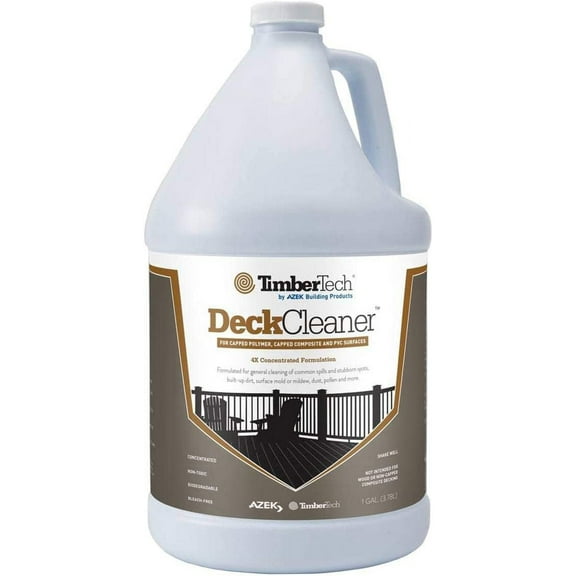
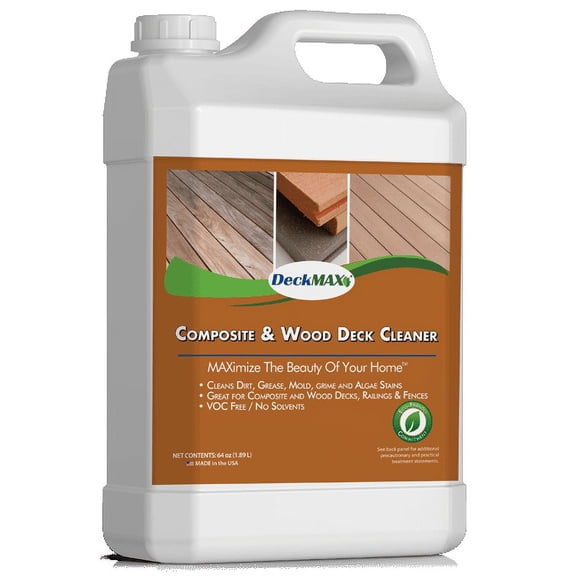
When you're cleaning composite boards, you should compare cleaners made for capped and uncapped surfaces. You can avoid unnecessary residue by choosing formulas designed for manufactured decking materials.
If you've got vinyl railings or deck skirting, you'll want a cleaner that rinses clean and works on slick exterior surfaces. You'll notice that lighter buildup often needs less aggressive chemistry.
For marine traction pads, you may compare a seadek cleaner or a beach bum cleaning spray style formula. You can target EVA foam with gentler cleaning steps that respect textured foam surfaces.
How formula type changes your cleaning routine
You should choose formula type based on how much prep time and mixing effort you want. Your options often include concentrate, ready-to-use spray, oxygen bleach, and chlorine bleach.
If you choose a concentrate, you'll usually mix it with water before application. You can cover larger deck areas efficiently when your project includes stairs, rails, and built-in benches.
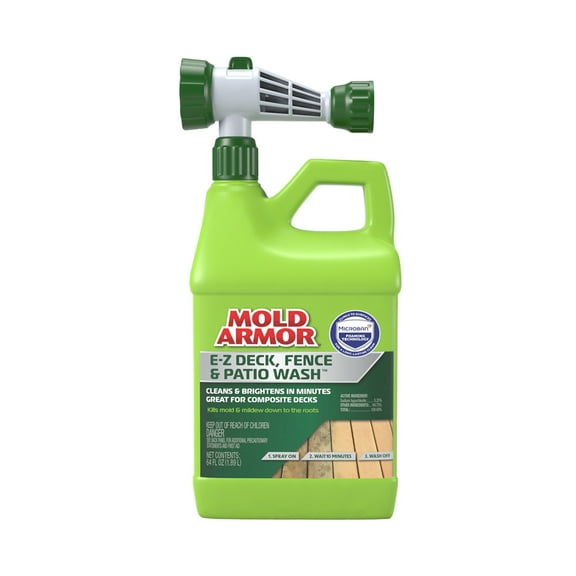
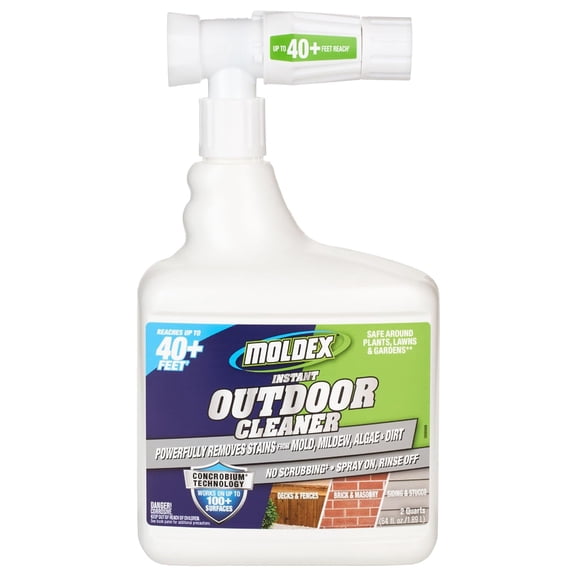
When you pick a ready-to-use spray, you can simplify smaller jobs and touch-up cleaning. You'll appreciate faster setup when you're treating spot stains near entry points or grills.
If you're comparing active ingredients, you may see sodium percarbonate in oxygen bleach formulas. You can use that detail to identify cleaners aimed at lifting organic staining with a less harsh approach.
If you're considering chlorine bleach formulas, you should check label directions for dilution and surface use. You can reserve stronger chemistry for tougher discoloration when your deck material allows it.
- You can use concentrates for broad coverage on larger deck footprints.
- You can choose spray formulas when your cleanup is lighter or more targeted.
- You can compare oxygen bleach and chlorine bleach by stain type and material guidance.
- You can check whether your cleaner works with manual scrubbing or pressure washer rinsing.
Comparing stain targets, fungal timber decay, and surface buildup
You should match your cleaner to the problem you actually see on the boards. Your deck may show mold and mildew, algae film, dirt and grime, or signs related to fungal timber decay.
If you're dealing with surface dirt, you can often use a lighter wash and a brush. You'll usually need less dwell time when the issue comes from foot traffic and windblown debris.
When algae or mildew spreads across shaded areas, you may need a formula meant for organic growth. You can compare label language carefully to see whether the cleaner targets visible outdoor staining.
If you're worried about fungal timber decay, you should understand that cleaners and restorers serve different roles. You can use cleaning products to address discoloration and surface contamination before evaluating board condition.
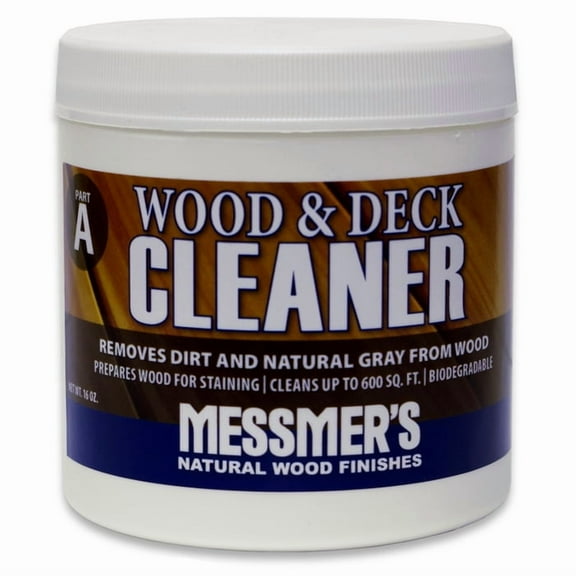
When you're restoring weathered wood, you may compare a restore-a-deck cleaner or restore a deck cleaner style product. You can look for formulas that prep the surface for stain by removing embedded grime.
Checking application method and effort level
You should think about labor before you choose a bottle or concentrate. Your cleaning plan may involve spray and rinse convenience, hand scrubbing, or a pressure washer follow-up.
If you want a simpler routine, you can look for a ready-to-use format with clear dwell-time guidance. You'll move through smaller patios and steps with fewer tools and less measuring.
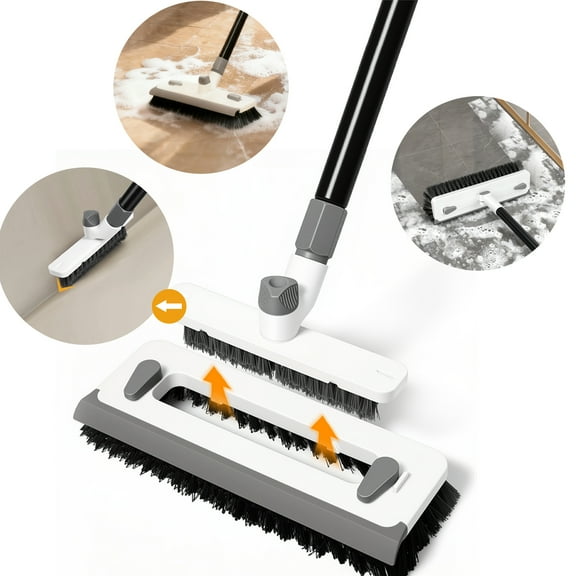
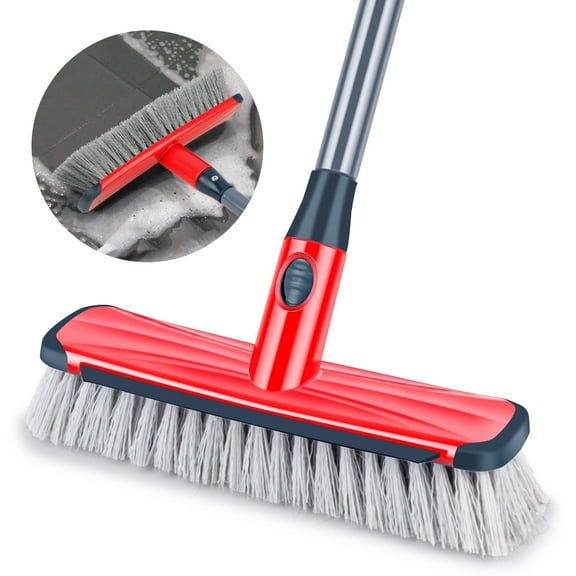
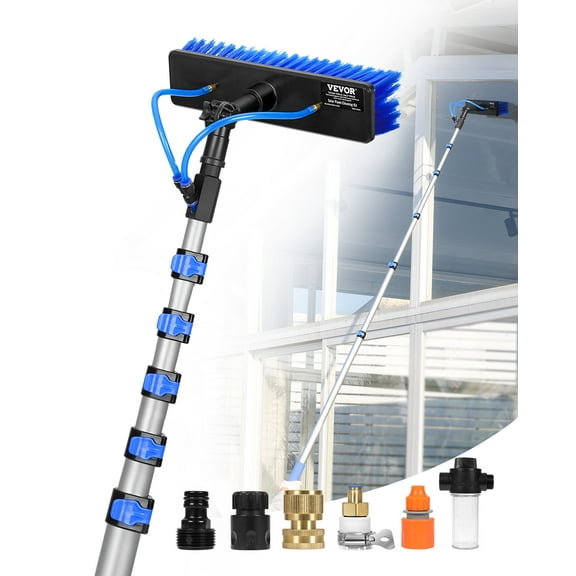
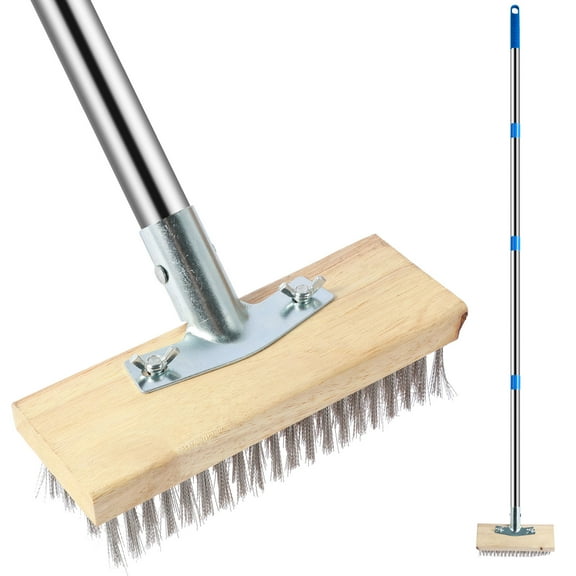
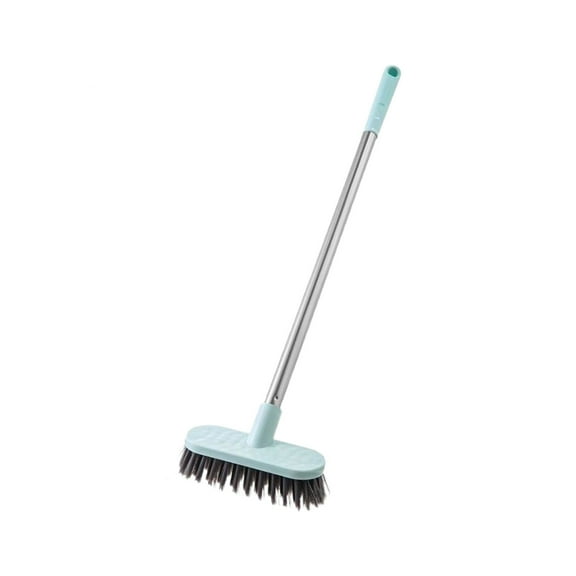
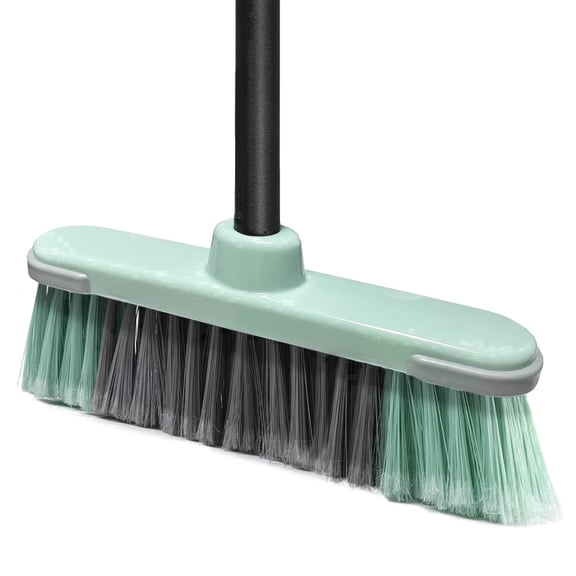
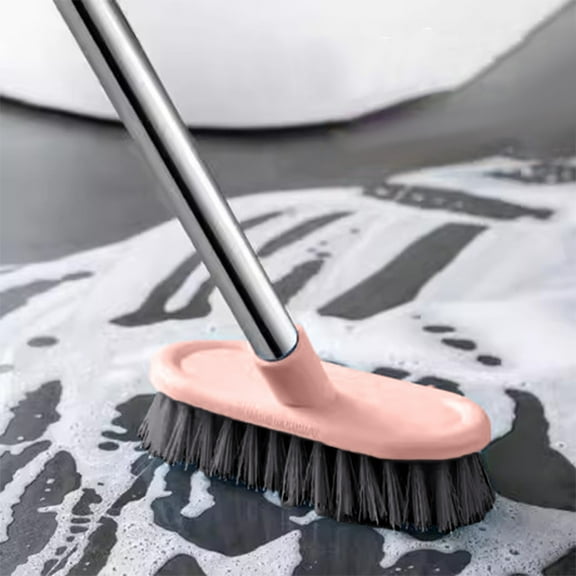
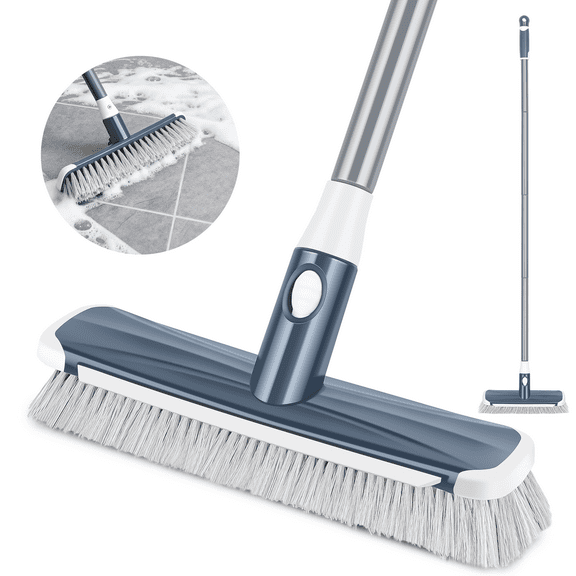
When you're cleaning deep grooves, rail posts, or textured composite patterns, you may still need a deck brush. You can use manual agitation to reach buildup that plain rinsing may leave behind.
If you're using a pressure washer, you should first confirm the cleaner supports that method. You can also check whether your deck material benefits from lower-pressure rinsing to keep the finish looking even.
What to look for in plant-safe and pet-safe formulas
You may want a formula that fits homes with landscaping close to the deck edge. Your comparison may include biodegradable, pet-safe, or plant-safe options listed on the label.
If your deck borders grass, flowers, or shrubs, you should check rinsing directions and coverage notes. You can choose formulas with clearer outdoor-use guidance when runoff is part of the job.
When pets cross the deck daily, you may prefer a cleaner with label language for pet-safe use after proper application. You can make a more confident choice by following surface and rinse instructions closely.
If you're balancing cleanup power with surrounding plants, you should compare concentrate strength and targeted stain claims. You can often narrow the field faster when you know whether you're fighting algae, mildew, or plain grime.
Using deck cleaner for real outdoor projects
You might be freshening a backyard entertaining space before staining season or regular upkeep. Your needs can change based on deck age, board material, shade levels, and nearby landscaping.
If your wood deck looks dull after pollen, muddy shoes, and leaf stains, you can start with a cleaner made for exterior wood. You'll be better prepared for stain or sealer when the surface looks clean and even.
When your composite deck holds onto grease near the grill or dark film in board grooves, you should compare composite-specific washes. You can focus on residue removal without treating it like unfinished lumber.
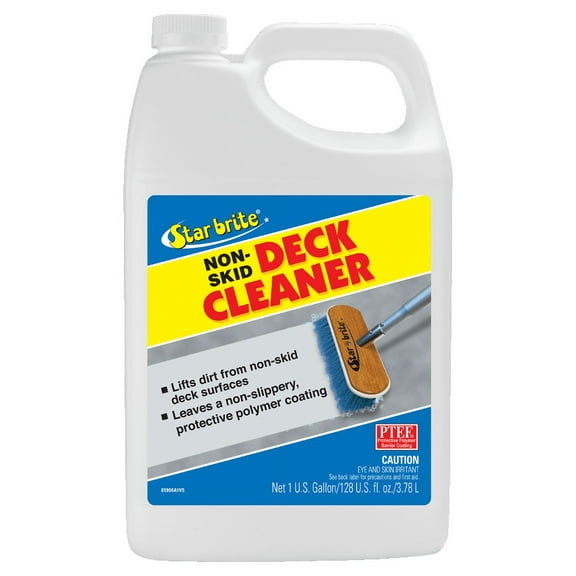
If you're cleaning a dock box lid, swim platform, or EVA foam mat, you may prefer a gentler marine cleaner. You can target traction-surface grime without reaching for a wood restoration formula.
For seasonal upkeep, you can keep a ready-to-use spray on hand for railings, steps, and high-traffic spots. You'll spend less time on buildup when you clean smaller messes before they spread.
You can choose more confidently when your deck cleaner matches your material, stain type, and application method. Your project gets easier when the formula fits the surface, the mess, and the space around it.