

Cypher in Shop by Brand












About Cypher in Shop by Brand - Walmart.com
Cypher climbing gear helps you compare hardware, harnesses, and accessories with clear decision points for your next climbing setup. You can use this guide to sort gear types, certifications, materials, and gate styles that fit your climbing plans.
If you're building a kit for the gym, crag, or alpine approach, you need details that match real climbing use. You can narrow options faster when you understand how carabiners, harnesses, quickdraws, shoes, and chalk bags differ.
How to choose cypher climbing gear
You should start with gear type because each piece supports a different part of your climbing system. You may compare carabiners for connections, harnesses for fit, quickdraws for clipping, shoes for precision, and chalk bags for access.
When you compare complete rock climbing equipment, you should match each item to your activity type first. You might need lighter pieces for sport climbing, versatile hardware for trad climbing, or secure essentials for mountaineering approaches.
- You can compare gear by activity, including sport climbing, trad climbing, bouldering, and mountaineering.
- You should check whether materials like aluminum, steel, nylon, or polyester fit your weight and durability goals.
- You can look for UIAA certified or CE certified options when certification details guide your decision.
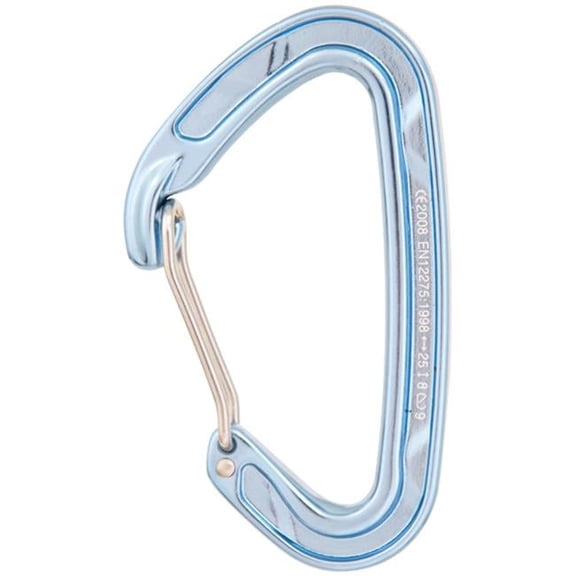
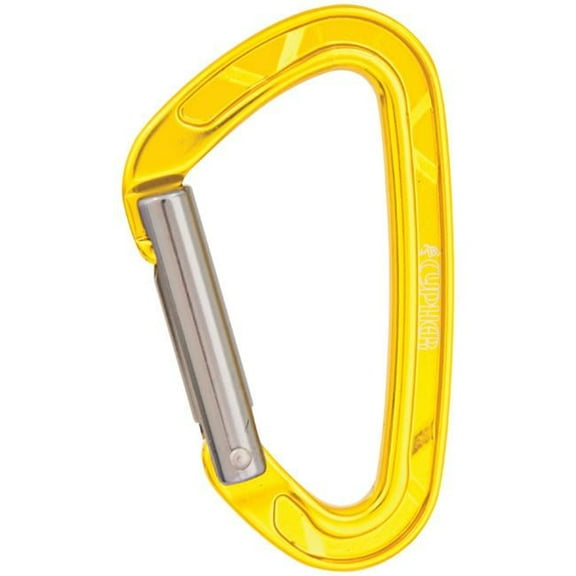
- You should compare screw gate, auto lock, wire gate, and straight gate styles by handling and intended use.
You also benefit from understanding category terms before you choose any single item. You can shop with more confidence when technical details connect to actual handling, fit, and pack weight.
Choosing cypher carabiners and quickdraws
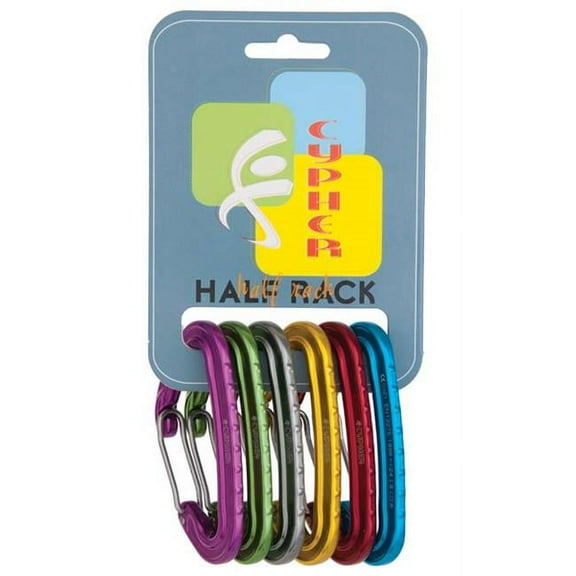
You should compare carabiner materials early because aluminum and steel feel different on your rack. You may prefer aluminum when you want lower carry weight, while steel often suits repeated contact points.
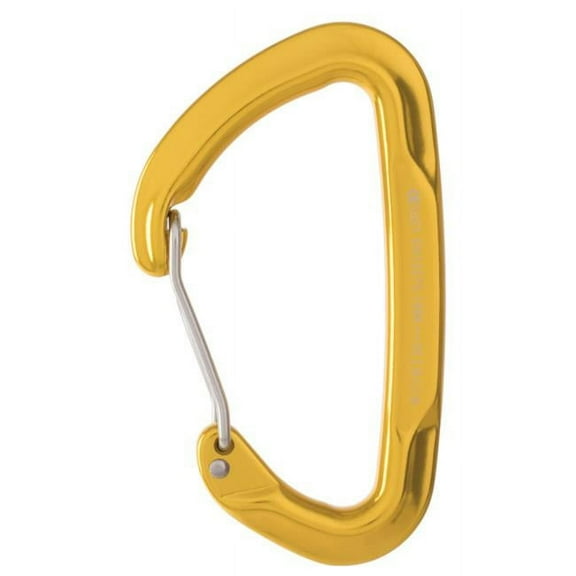
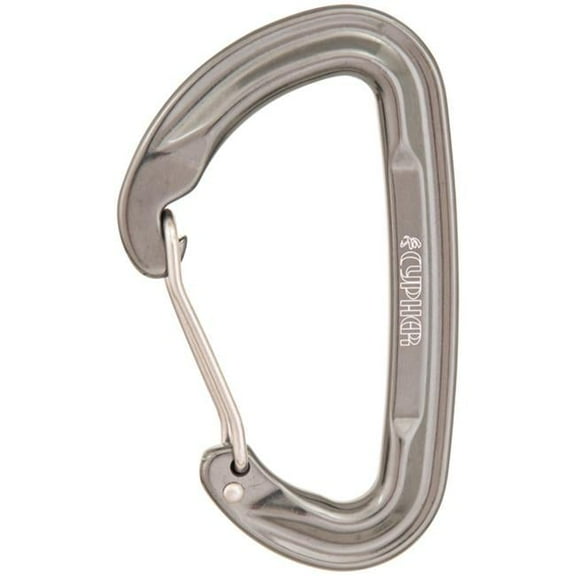
Gate style also changes how you clip and organize climbing carabiners during a route. You can use wire gate designs when you want lighter hardware, or choose straight gate options for straightforward clipping tasks.
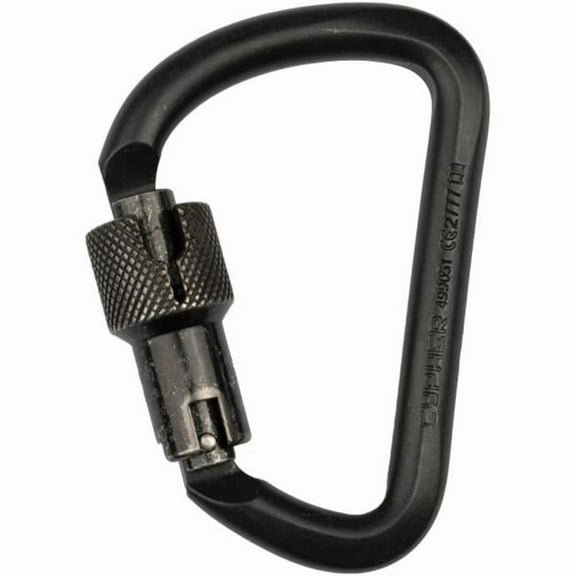
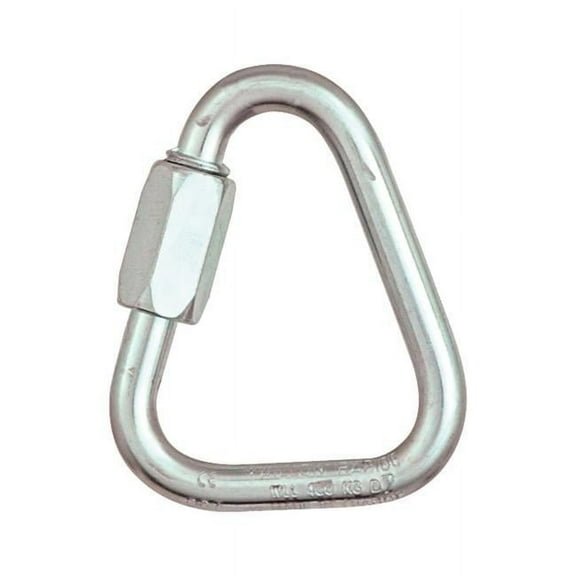
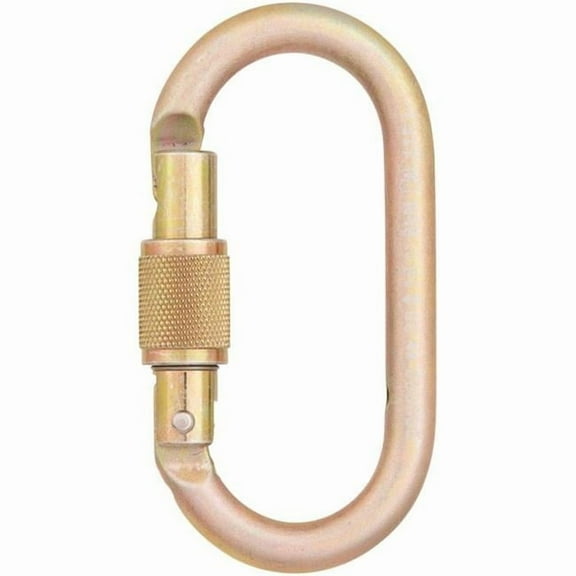
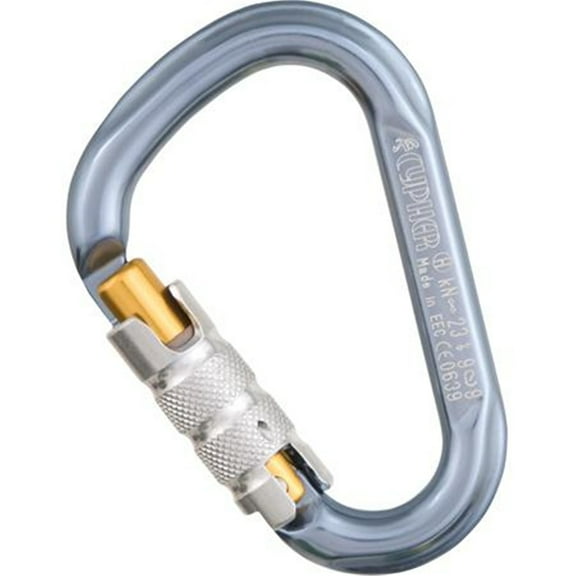
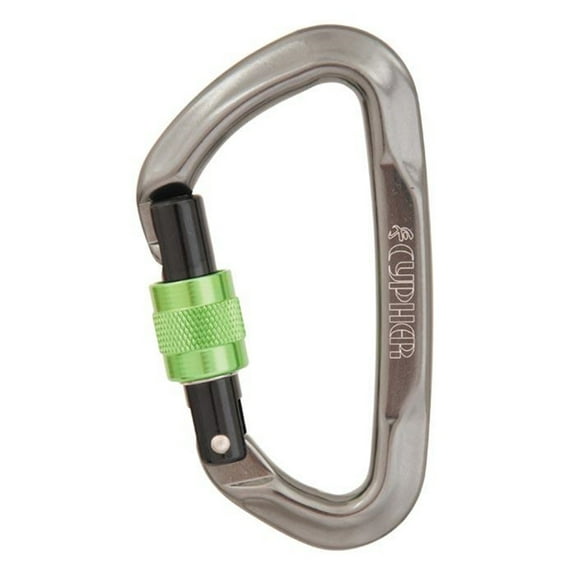
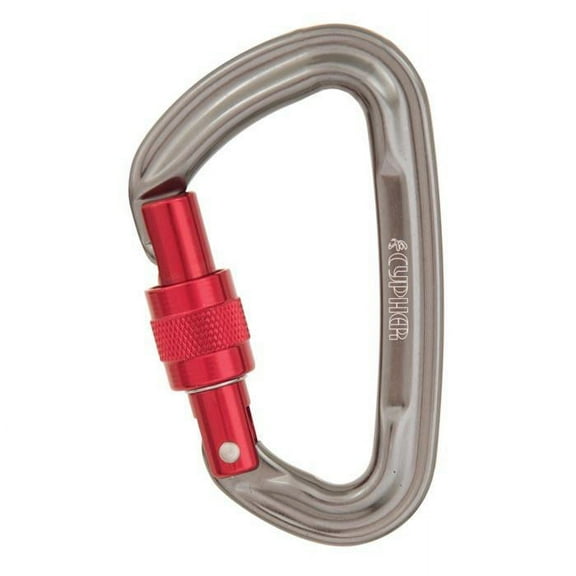
If you're choosing locking hardware, you should compare screw gate and auto lock designs carefully. You may like screw gate styles for deliberate manual control, while auto lock styles can speed repeated securing.
You should also review kN ratings because they help you compare hardware strength in a standard format. You can use that number with certification details to understand whether a piece fits your intended climbing setup.
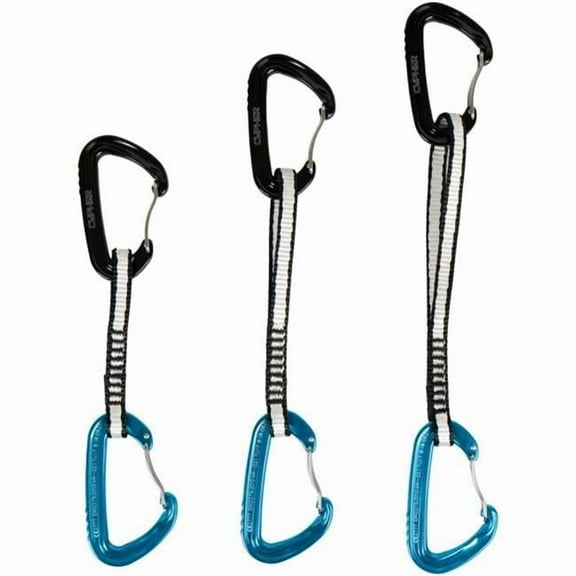
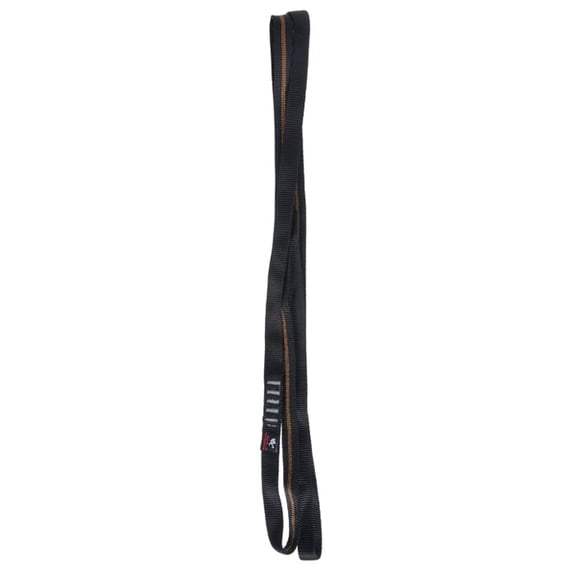
Quickdraw choices matter when you want smoother clipping and organized rope management on lead climbs. You can compare gate feel, dogbone material, and overall weight to match longer sport routes or mixed outings.
Choosing cypher climbing harnesses and fit details
You should focus on fit first when you compare cypher climbing harnesses for long sessions. You can look at waist adjustment, leg loop design, and overall shape to support movement and comfort.
If you climb in changing layers, you should check how many adjustment points a harness includes. You may want extra adjustment for mountaineering layers, while simpler setups can suit indoor or warm-weather sessions.
Material choices also affect how a harness feels during repeated climbs and approaches. You can compare nylon and polyester webbing details when you want a balance of structure, flexibility, and everyday wear.
You should think about your climbing style before choosing a harness profile. You may want a lighter feel for sport climbing days, or a more gear-friendly setup for trad climbing racks.
What certifications and specs mean for your setup
You should look for UIAA certified or CE certified gear when certification is part of your checklist. You can use those standards as a quick way to compare products built for climbing use.
Load ratings matter because you need a simple way to compare hardware across categories. You can read kN ratings as a strength reference, then pair them with shape, size, and gate style.
If you're balancing weight and durability, you should compare the full setup instead of one item alone. You may accept heavier steel at wear points, while lighter aluminum can reduce bulk on longer climbs.
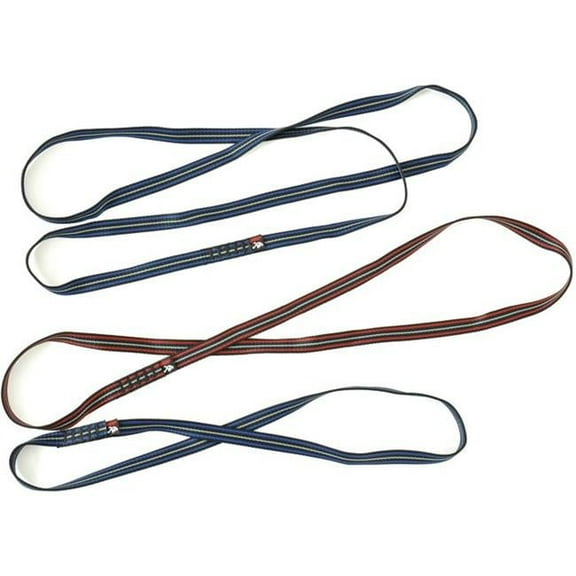
You should also consider how soft goods and hardware work together in your kit. You can pair harnesses, quickdraws, and accessories in a way that supports efficient packing and easy handling.
Matching gear types to climbing use cases
If you're planning sport climbing days, you should prioritize lighter quickdraws, easy-handling gates, and a harness that moves comfortably. You can keep your rack streamlined while maintaining the specs you want.
For trad climbing, you should compare durability, clipping control, and harness adjustment with a fuller rack in mind. You may want hardware that organizes well on gear loops and handles repeated placements.
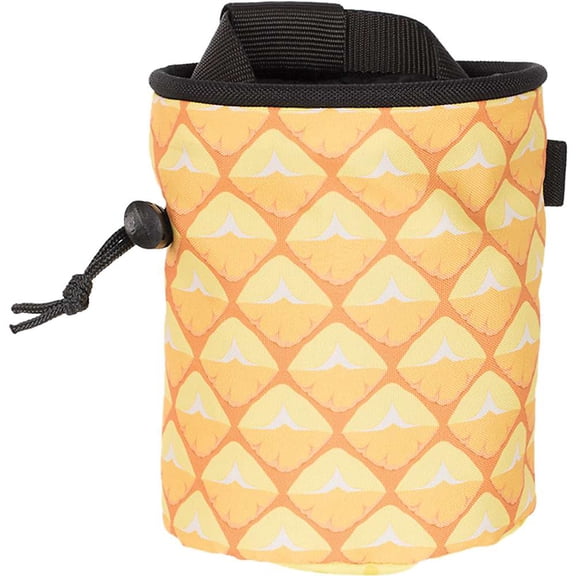
If bouldering is your focus, you might spend more time comparing climbing shoes and chalk bags than draws. You can look for secure shoe fit and chalk access that supports short, repeated attempts.
For mountaineering use, you should check layering compatibility, glove-friendly handling, and carry weight across your setup. You can compare lock types and harness adjustments that stay practical in changing conditions.
You may also build your setup over time instead of buying every category at once. You can start with the gear type you need now, then add compatible climbing safety gear for future goals.
Why this cypher climbing gear guide helps
You can use this cypher climbing gear guide to compare technical details without losing sight of real climbing needs. You leave with a clearer view of fit, gate style, certification, and weight for a more informed setup.