

Crafting Ideas
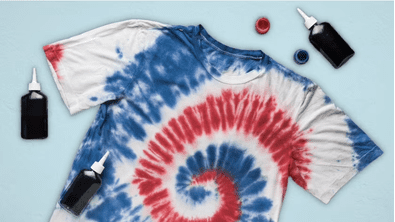
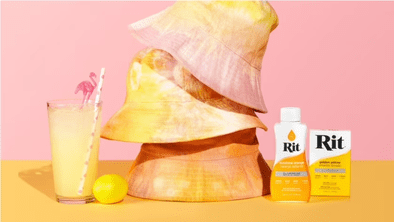
Tie dye for summer

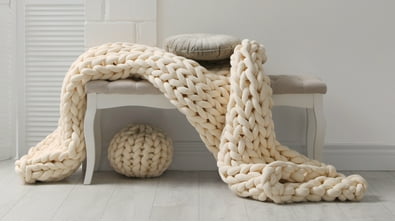
Crocheting and sewing projects

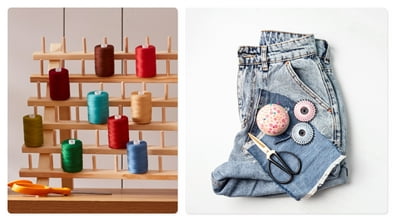
Crafts for adults
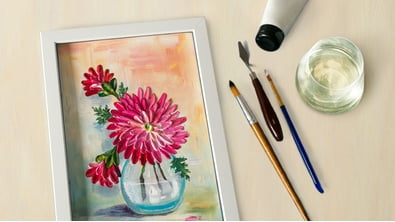


Crafts for kids


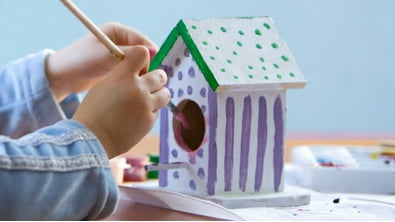
Accessorize with style

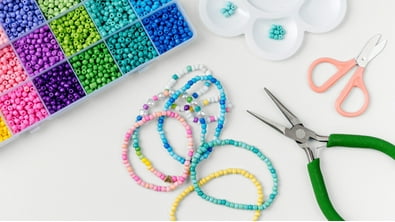

DIY Wedding Crafts


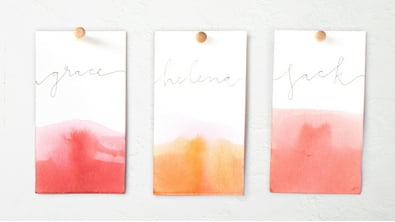
Spring Seasonal Crafts

FAQ
About Crafting Ideas - Walmart.com
Crafting ideas help you turn free time into finished projects with clear direction and flexible options. You can compare craft type, skill level, occasion, and materials before you start your next DIY plan.
If you're making with kids, decorating a room, or preparing handmade gifts, you need project guidance that feels practical. You can use this page to sort through creative paths that match your time, tools, and experience.
How to choose crafting ideas by craft type
Different crafting ideas fit different spaces, tools, and finished looks. You should start with the craft type that matches how you like to create and what you want to display.
If you enjoy quick setup and easy cleanup, you may prefer paper crafts with cardstock, scissors, stickers, and adhesive dots. You can make cards, paper flowers, banners, and scrapbook pages without a large workspace.
If you like texture and detail, you may lean toward needlework and sewing projects. You can compare hand sewing kits, embroidery supplies, fabric squares, and patterns for projects that build skill over time.
When you want color and self-expression, painting and drawing projects give you flexible starting points. You can choose sketch pads, acrylic paints, markers, canvases, and brushes based on your style and surface.
If you want structured builds, woodworking projects give you a hands-on path with measurable steps. You should check tool needs, wood shapes, and finish supplies before choosing a sign, shelf, or seasonal decor piece.
Jewelry making works well when you want small projects with gift-ready results. You can combine beads, charms, cords, clasps, and pliers to create bracelets, necklaces, earrings, and personalized keepsakes.
Choosing crafting ideas by skill level
Your skill level shapes how long a project takes and how many steps you'll manage comfortably. You should look for beginner, intermediate, advanced, or kids' projects before you gather supplies.
Beginner projects usually use fewer materials and simpler instructions. You can finish many of them in 15 to 30 minutes, which helps you build confidence without a long setup.
Intermediate projects often add measuring, layering, stitching, or painted details. You may want these when you're ready for weekend projects that need a steadier hand and more planning.
Advanced projects tend to involve specialty tools, precise cuts, or multi-stage assembly. You should choose them when you want a challenge and already know the basics of your craft category.
Kids' craft things need clear age guidance and easy-to-handle materials. You should check labels for non-toxic certifications and choking hazard warnings when the kit includes small pieces.
- You can start with quick paper crafts when you want a short project after school.
- You can move to sewing or jewelry kits when you want to practice step-by-step techniques.
- You can choose woodworking or layered painting sets when you want a longer weekend build.
- You can compare printable instructions and video tutorials when you want extra guidance.
What to look for in materials and tools
Your materials affect setup time, cleanup, and the look of your finished project. You should compare whether a project uses household basics or requires specialty tools before you begin.
Paper and cardstock work well when you want crisp shapes, folded designs, and easy storage. You can pair them with adhesives and tape for cards, classroom crafts, party decor, and gift tags.
Yarn and fiber give you softness and texture for pom-poms, weaving, and simple stitching projects. You may prefer these supplies when you want tactile crafting ideas for cooler seasons or cozy home decor.
Beads and charms let you make small, detailed projects with color variety and personal style. You should check bead size, closure types, and tool compatibility if you're planning bracelets or necklaces.
Adhesives and tape matter more than many shoppers expect. You can compare glue sticks, craft glue, double-sided tape, and hot glue tools based on drying time and project surface.
If you're planning for kids, you should also check whether cleanup stays simple and instructions stay clear. You may want projects with pre-cut shapes, washable color options, and limited small components.
Picking crafting ideas by occasion and theme
Your occasion can narrow choices fast and make planning feel easier. You should choose projects by holiday, seasonal moment, birthday activity, home decor goal, or gift-giving purpose.
Holiday crafting ideas help you create ornaments, table accents, treat bags, and classroom handouts. You can organize supplies by color theme so your project feels coordinated from start to finish.
Seasonal projects work well when you update your space a few times each year. You might choose spring paper flowers, summer painted signs, fall wreath accents, or winter yarn decorations.
Birthday crafts can double as activities and take-home creations for guests. You should look for simple project steps, shared materials, and manageable drying time if you're planning for a group.
Home decor projects give you a way to personalize walls, shelves, and tabletops. You can match paint colors, wood shapes, fabric prints, or metallic beads to the room you're updating.
Gift-focused projects make sense when you want something personal without choosing a one-size-fits-all item. You may create charm bracelets, hand-painted mugs, stitched keepsakes, or framed paper art for a thoughtful finish.
How craft things fit your time and guidance needs
Your schedule matters just as much as your materials. You should compare quick 15-minute crafts, one-hour activities, and weekend projects before you commit to a full setup.
If you want instant momentum, short craft things with few steps feel easier to start. You can use kits, printable templates, or pre-sorted supplies to reduce prep and keep the process moving.
Longer projects often reward you with layered details and a more customized result. You should check whether your project includes written directions, photo steps, or video tutorials for smoother progress.
Clear guidance can make a complex project feel manageable, especially when you're learning a new method. You may want instructions that list materials first, break steps into stages, and show the finished example.
When you compare crafting ideas this way, you can choose projects that fit your hands, your home, and your plans. You leave with supplies and direction that help you start creating with less guesswork.