

Core Trainers & Abdominal Workout Machines | Walmart



































About Core Trainers & Abdominal Workout Machines | Walmart - Walmart.com
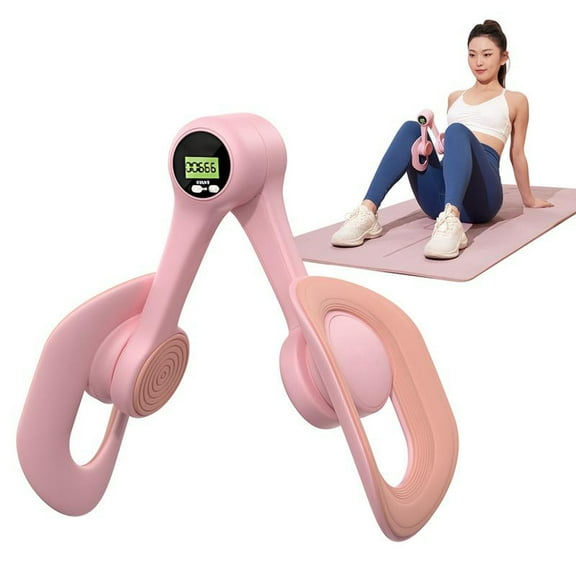
Core trainers help you build a more focused home workout setup with compact equipment designed for crunches, rollouts, gliding moves, and supported sit-up routines. You can compare space-saving designs, target zones, and resistance styles that fit your room, your routine, and your current training level.
If you're building a practical home gym, you can use core trainers to add direct ab work without taking over your floor space. You may also pair this ab workout equipment with yoga mats, resistance bands, and dumbbells for a more complete strength setup.
How to choose core trainers for your home gym
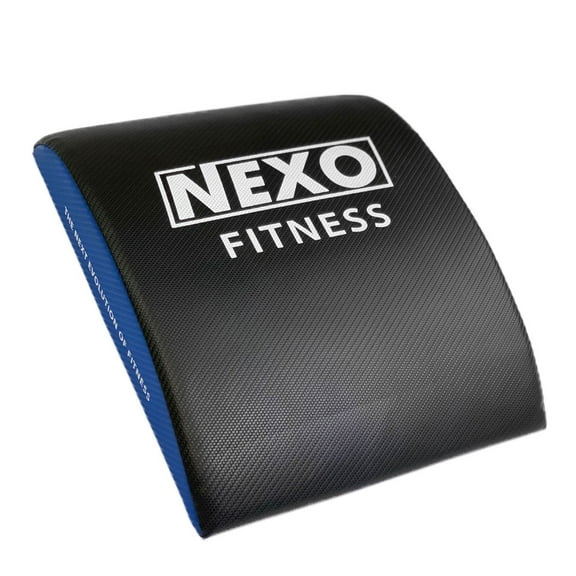
When you compare equipment type first, you can narrow your options faster and match the movement style you actually want to use. You can look at ab rollers, core gliders, sit up benches, and ab wheels as different ways to train your midsection.
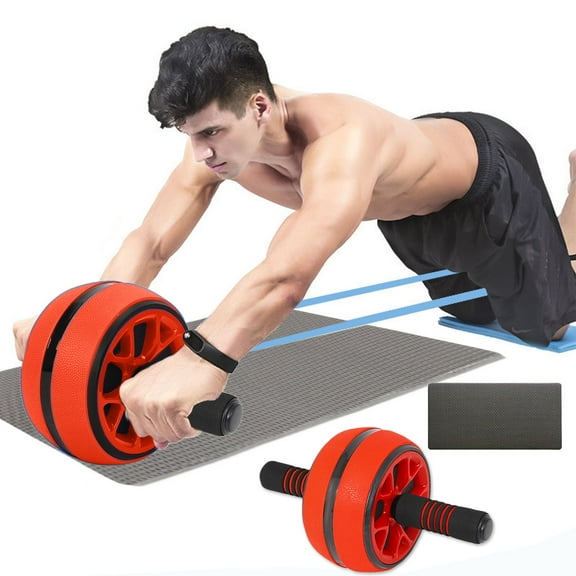
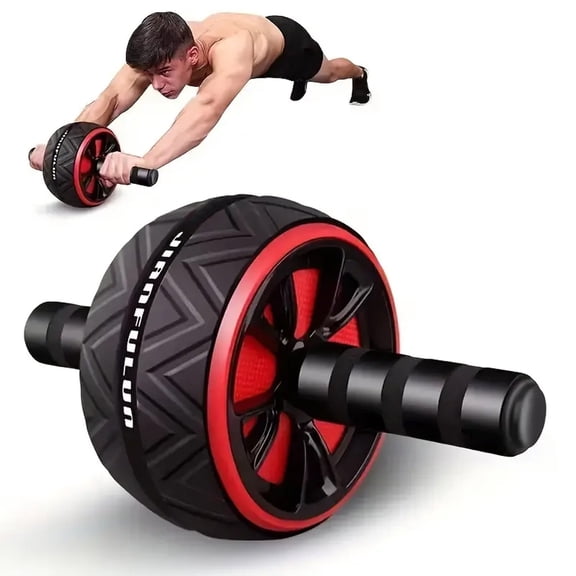
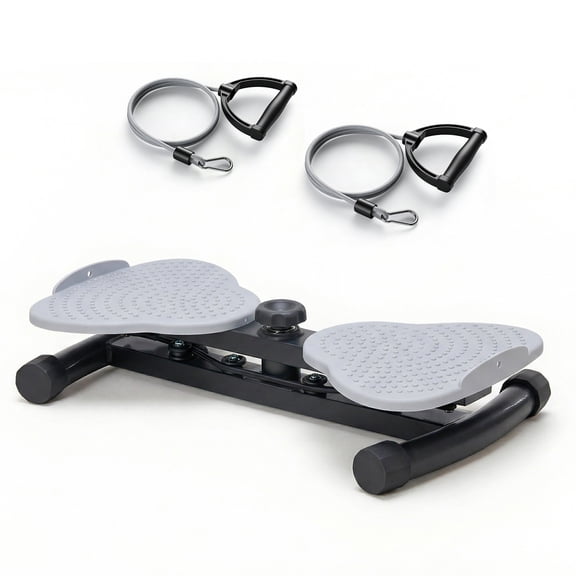
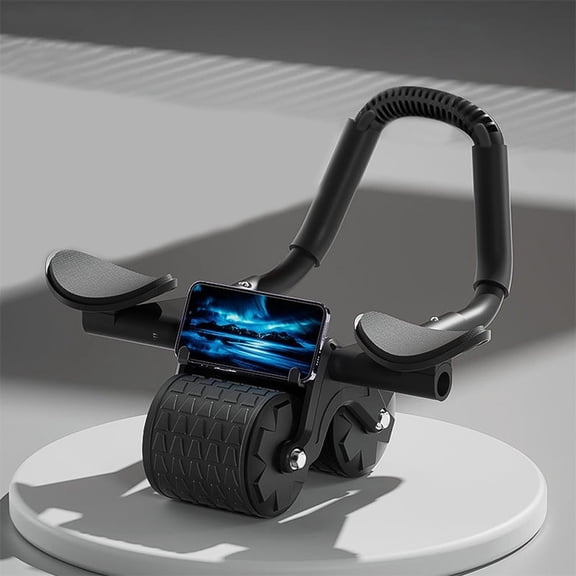
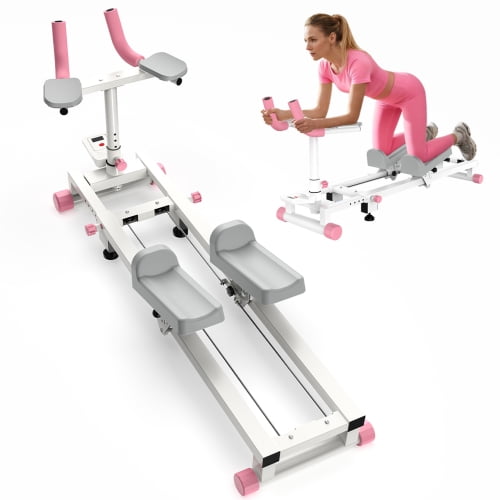
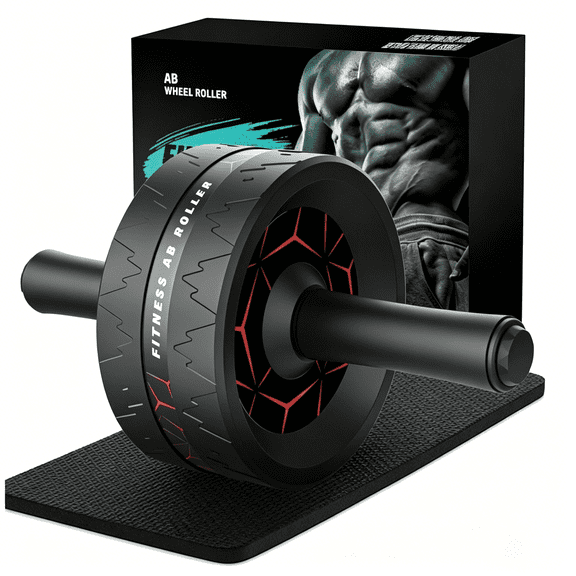
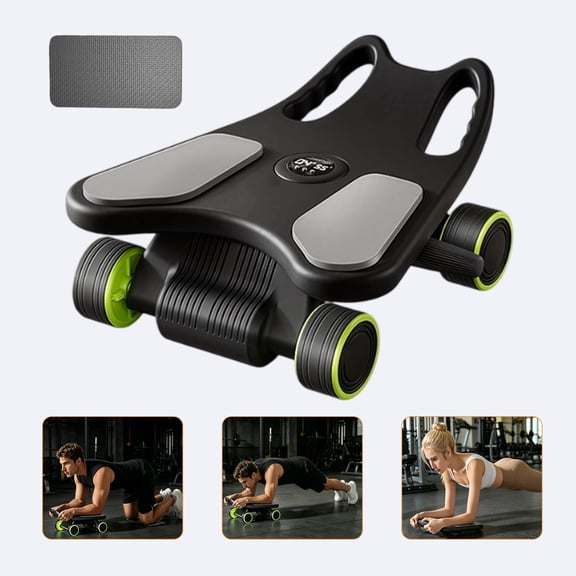
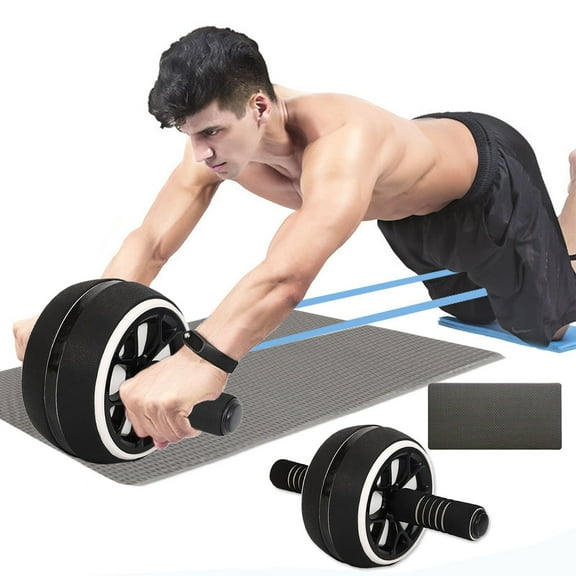
With ab rollers and wheels, you can focus on rollout motions that challenge control through your abs, shoulders, and lower back position. With core gliders, you can perform sliding mountain climbers, pikes, and knee tucks on smooth surfaces.
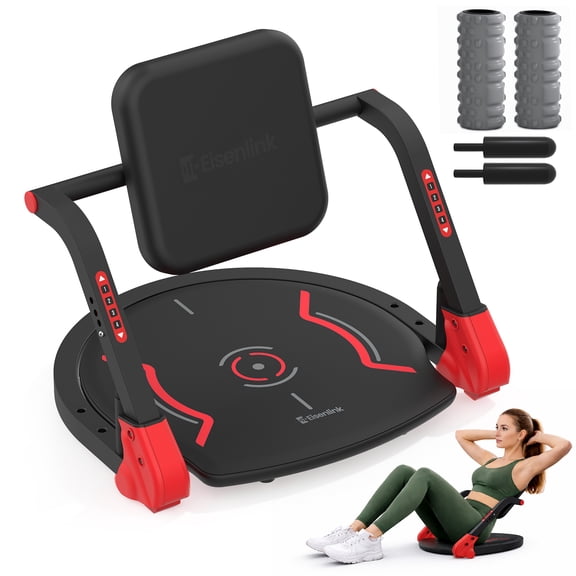
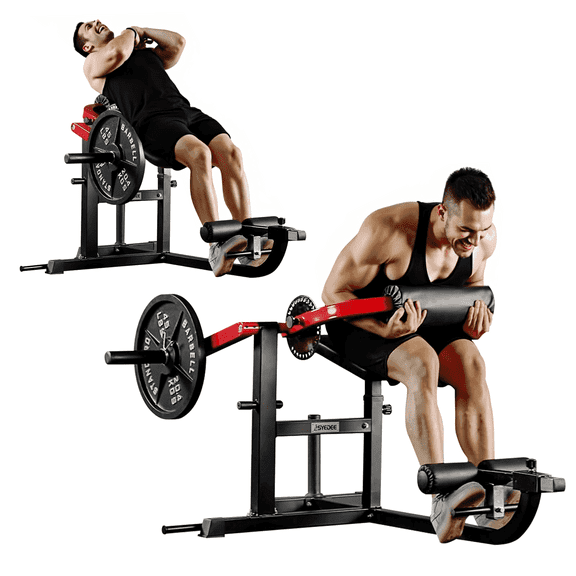
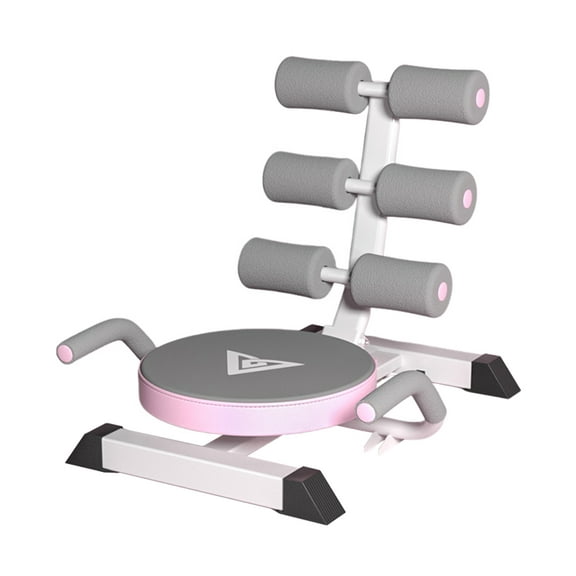
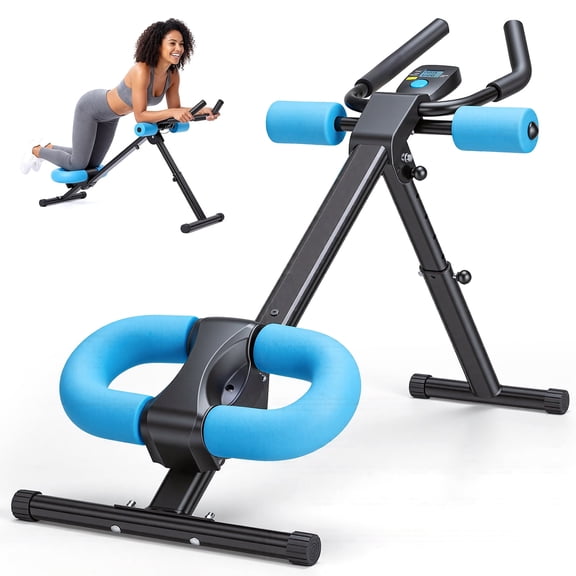
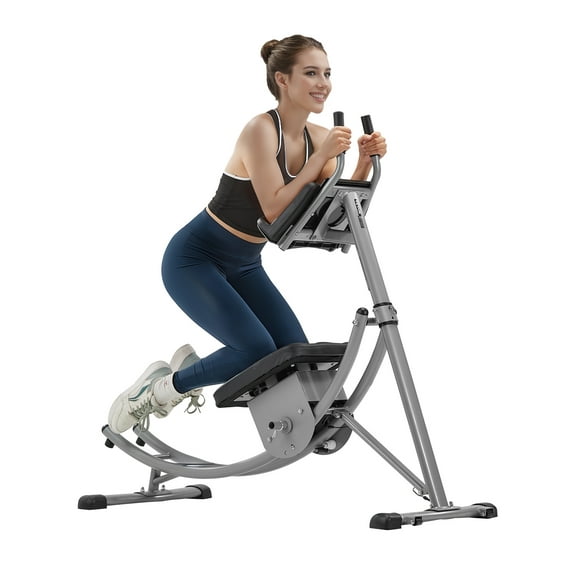
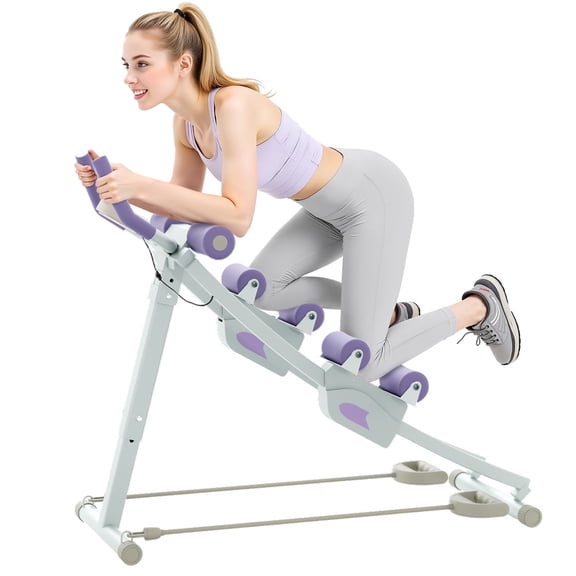
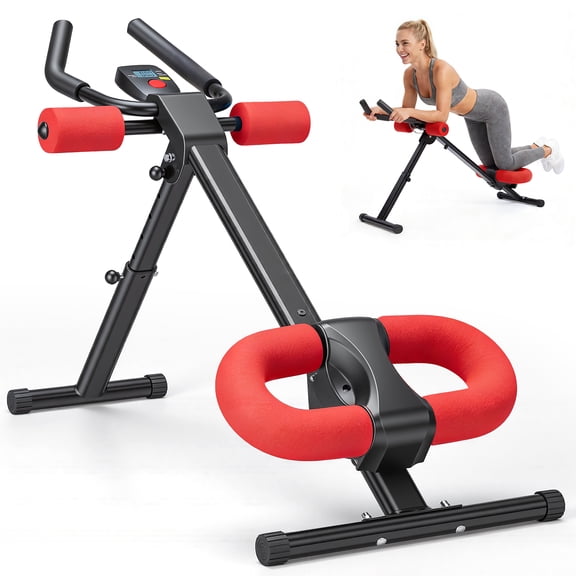
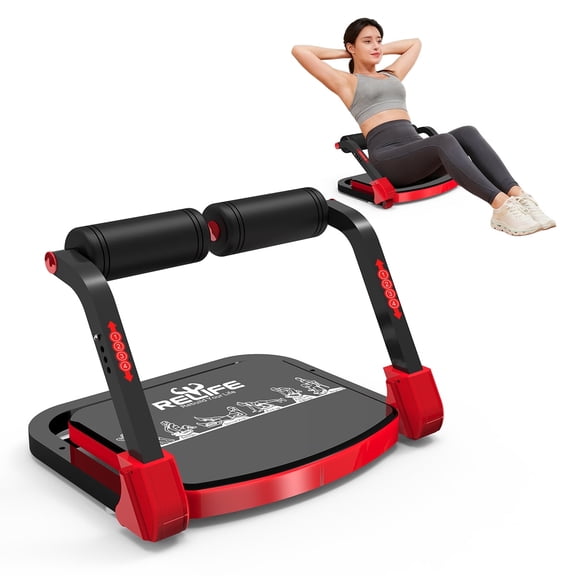
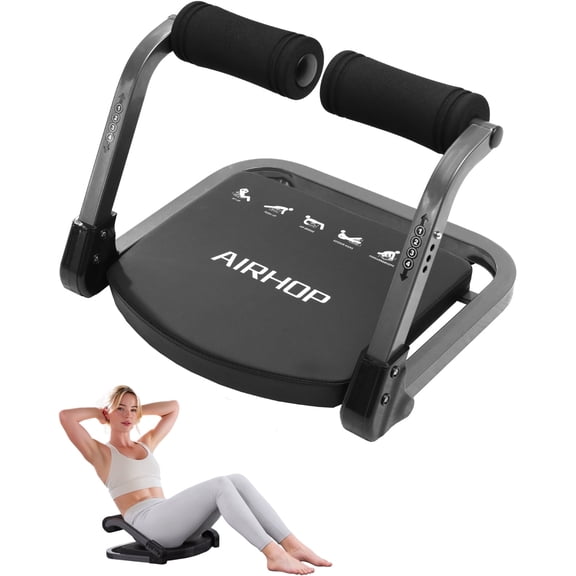
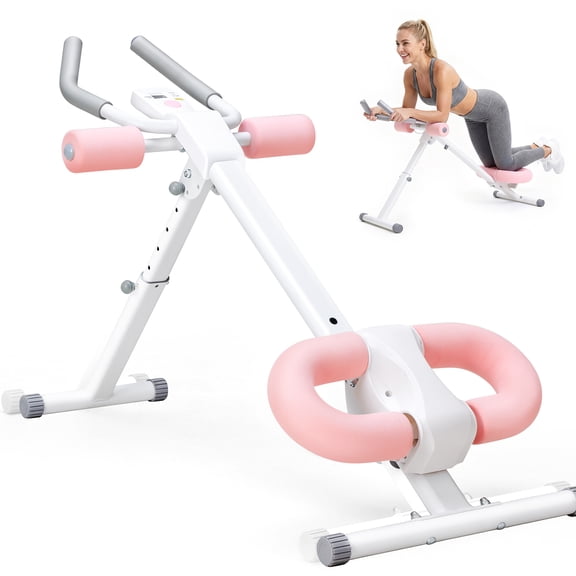
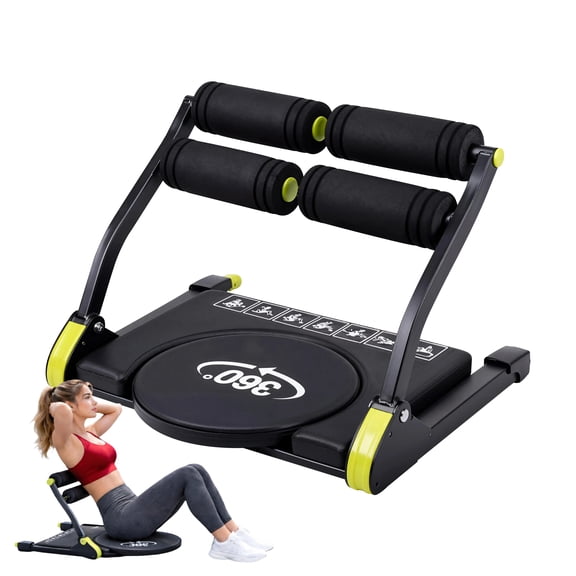
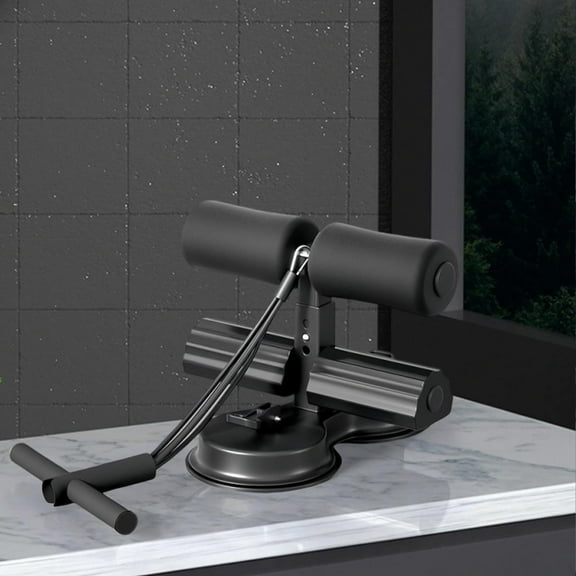
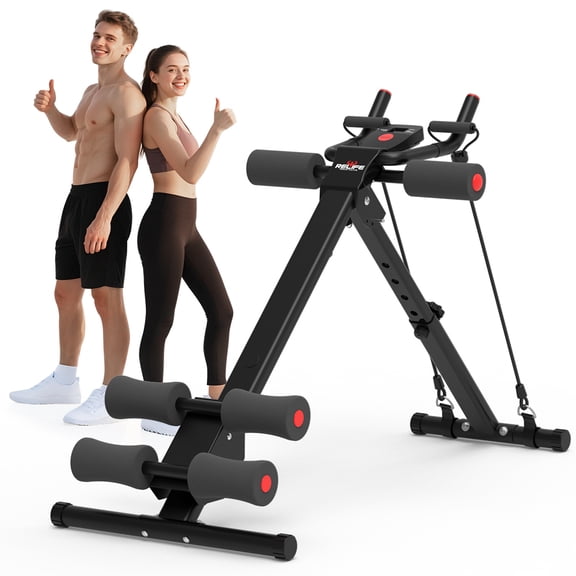
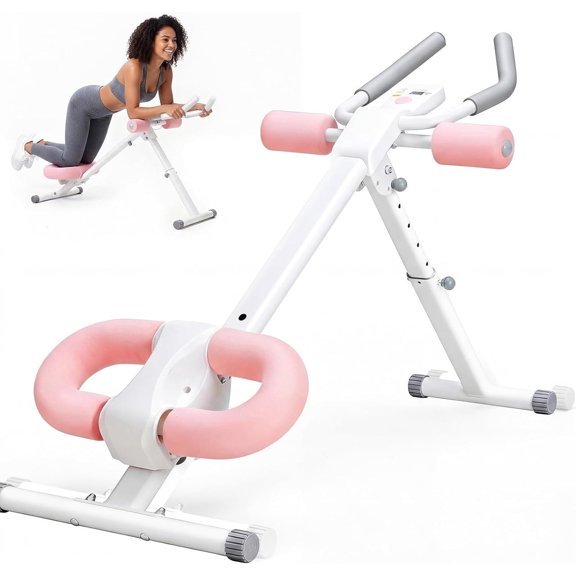
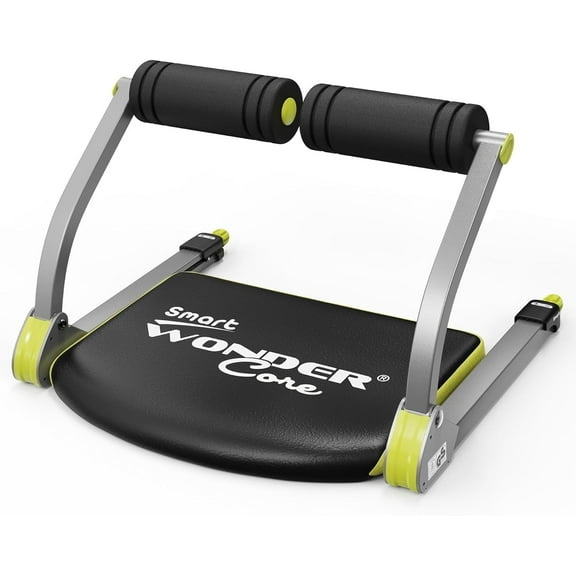
If you prefer supported movement patterns, you can consider sit up benches that guide your position during crunches, sit-ups, and twist variations. If you want home gym core trainers with a smaller footprint, you may prefer compact rollers or lightweight gliders.
- You can choose rollout tools when you want compact stomach exercise equipment for small spaces.
- You can choose gliders when you want bodyweight moves that add variety beyond standard crunches.
- You can choose benches when you want a more anchored setup for repeated ab-focused sessions.
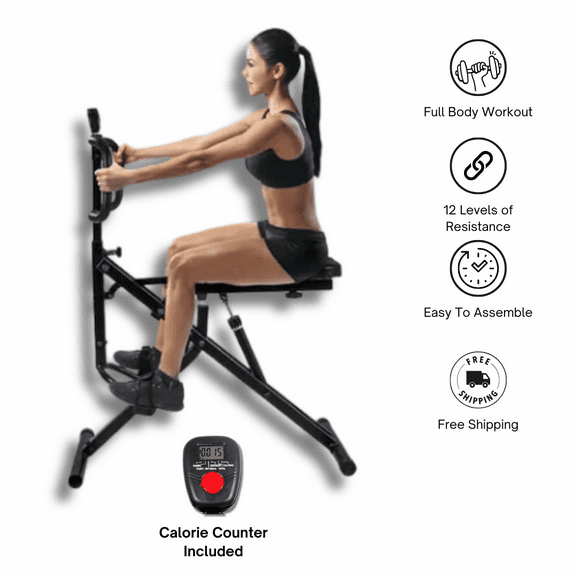
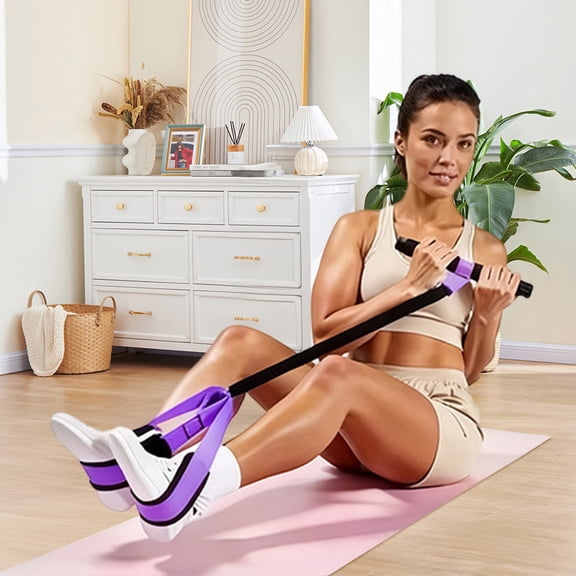
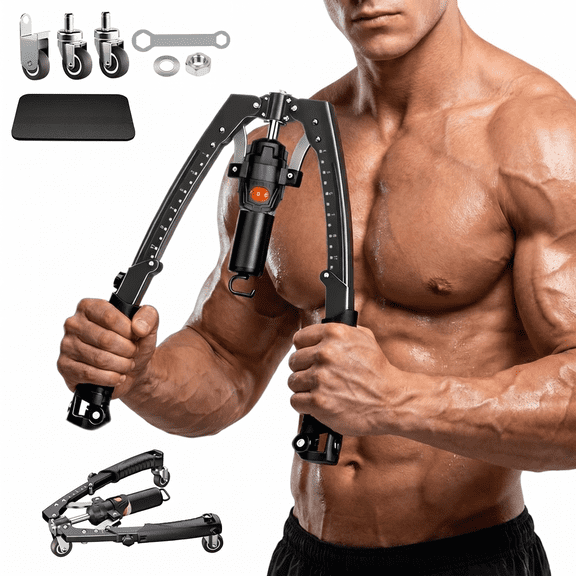
- You can choose spring-assisted or adjustable tension designs when you want easier progression at the start.
Choosing the right target area and workout feel
You can use the target area to decide which movement pattern belongs in your routine. You may focus on upper abs, lower abs, obliques, or lower back support through controlled core engagement.
For upper abs, you can look for sit-up benches and crunch-focused abdominal trainers that support repeated flexion work. For lower abs, you may prefer gliders or rollout styles that use leg drive and pelvic control.
If you want to train obliques, you can compare benches with twist exercises or gliders that let you move side to side. If you want balanced core workout machines, you can include movements that also challenge your lower back position.
You should also consider workout feel before you choose. You may want bodyweight resistance for direct control, adjustable tension for progression, or spring-assisted support for a smoother learning curve.
What to look for in size, stability, and setup
Before you choose ab workout equipment, you should measure your open floor area and your storage space. You can compare foldable, compact, and lightweight designs based on where you'll use them most.
If you live with limited room, you may want foldable benches that tuck into a closet or under a bed. If you move equipment often, you can look for lightweight pieces that shift easily between rooms.
Stability matters when you repeat rollouts, crunches, and sliding drills, so you should check frame materials and the listed weight capacity. You can use those details to judge how planted and steady your workouts may feel.
For ab rollers and wheels, you can look for grip handles and wheel width that support smoother tracking. For benches, you can compare padding, base design, and support points that help you stay aligned.
You may also want equipment with simple assembly, especially if you plan to start using it right away. You can often narrow your choices by checking whether setup looks quick and storage looks realistic.
Matching resistance and progression to your routine
You don't need the same resistance style at every stage, so you should compare how each design helps you progress. You can start with bodyweight patterns, then add longer ranges of motion or assisted tension changes.
If you're new to abdominal trainers, you may want spring-assisted support that helps you practice form with more control. If you've trained before, you may prefer bodyweight rollouts or adjustable tension for harder sessions.
You can also think about progression through exercise variety, not just resistance settings. You may begin with short rollouts, supported sit-ups, or gliding knee tucks, then advance to pikes, twists, and longer rollout ranges.
When you want home gym core trainers for shared use, you should look for flexible difficulty options. You can support beginner routines and more challenging sessions with the same category of equipment.
Using core trainers in real home workouts
You can fit core trainers into short finishers, dedicated ab days, or full-body circuits. You may use an ab wheel after dumbbell work, or add core gliders to a bodyweight session on a yoga mat.
For apartment workouts, you can choose compact stomach exercise equipment that stores quickly after use. For garage gyms, you may have room for sit up benches that stay ready between sessions.
If you want variety across the week, you can rotate between rollout days, glider days, and bench-based crunch sessions. You can target upper abs one day, then shift attention toward lower abs and obliques later.
You may also use these core workout machines when you want a focused add-on without extra clutter. You can keep your training organized by choosing equipment that matches your space, your strength level, and your preferred movement style.
With the right core trainers, you can build a more efficient home setup that supports targeted ab work and practical storage. You can choose equipment that fits your floor space, training goals, and progression plan with fewer compromises.