

Cookware Sets






























About Cookware Sets - Walmart.com
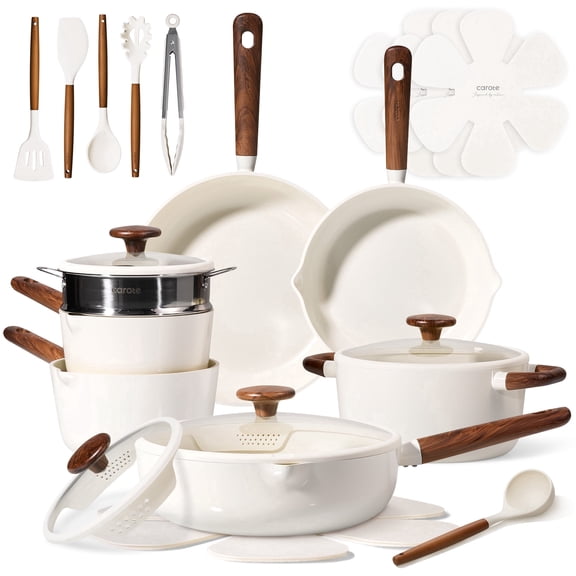
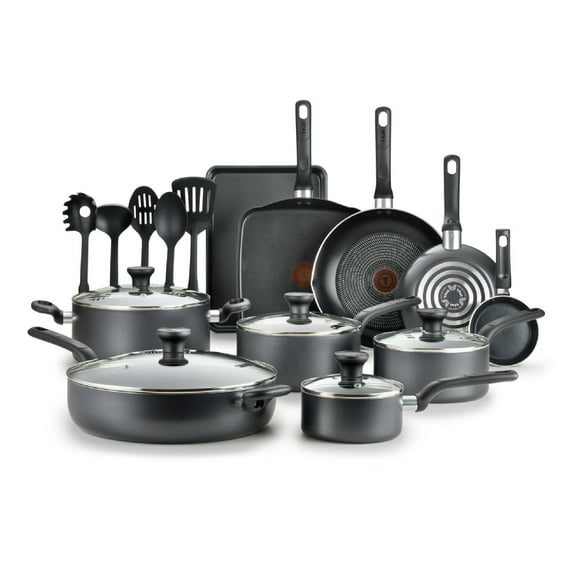
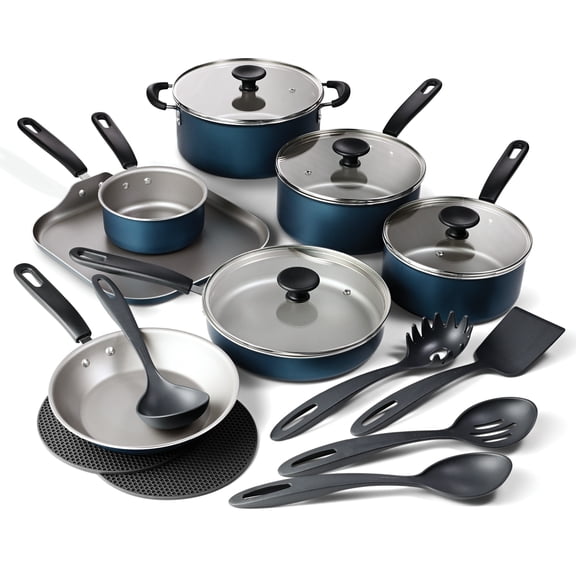
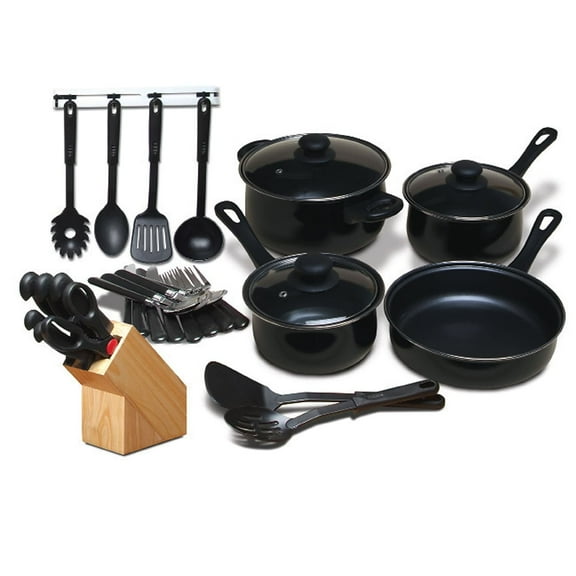
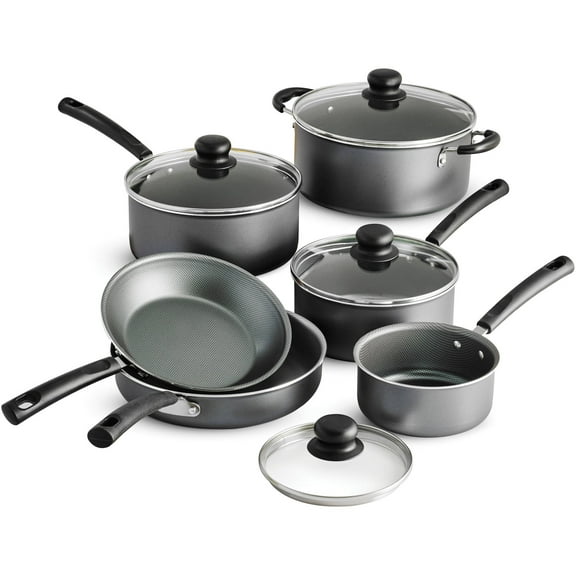
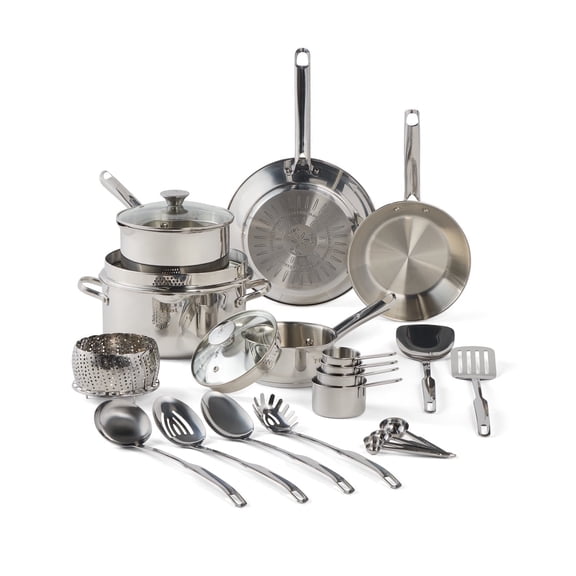
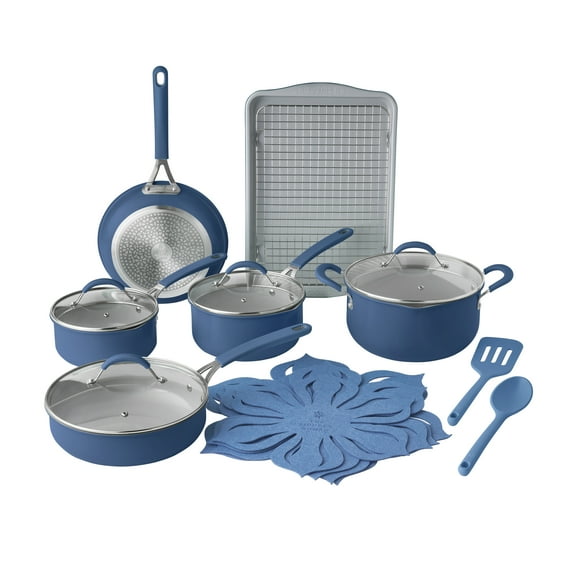
Cookware sets help you equip your kitchen with coordinated essentials, and you can compare materials, piece counts, and stove compatibility in one place. You can narrow your choice by matching each set to your cooktop, storage space, and everyday recipes.
When you compare a full pots and pans set, you can see how each material handles heat, cleanup, and daily use. You can also check whether lids, skillet sizes, and stockpot capacity fit the meals you make most.
How to choose cookware sets by material
You should start with material, because it shapes heating speed, cooking response, and upkeep. You can compare stainless steel, nonstick, cast iron, and ceramic based on how you cook each week.
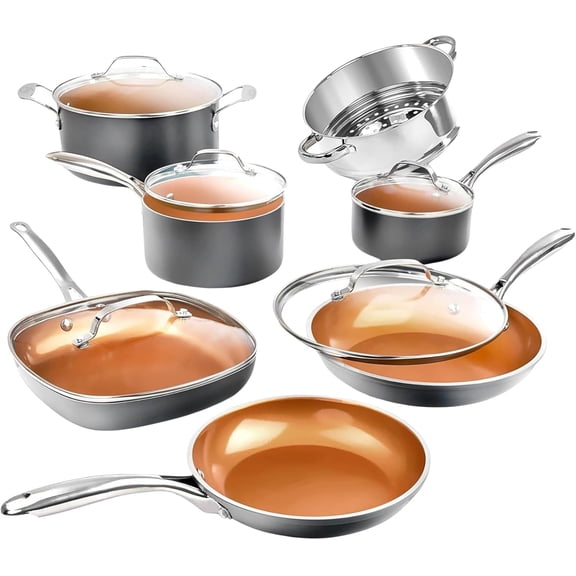
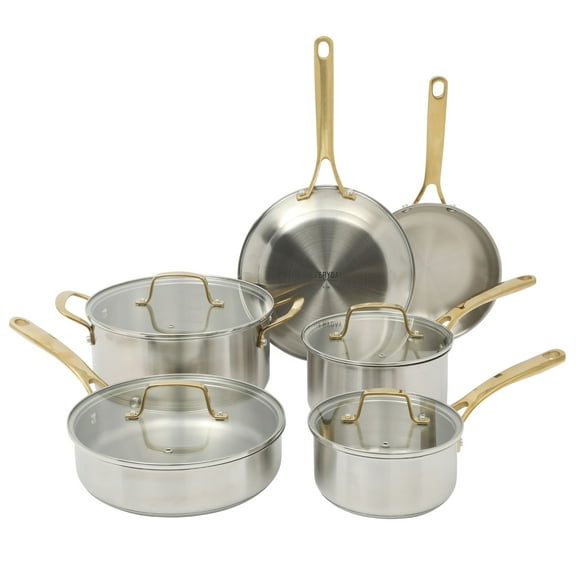
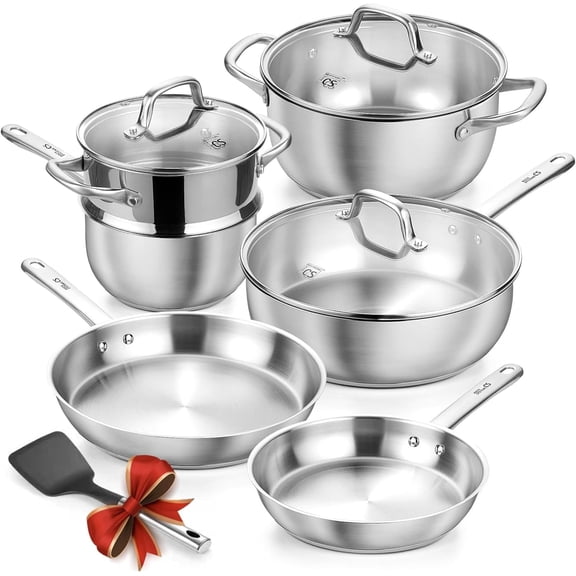
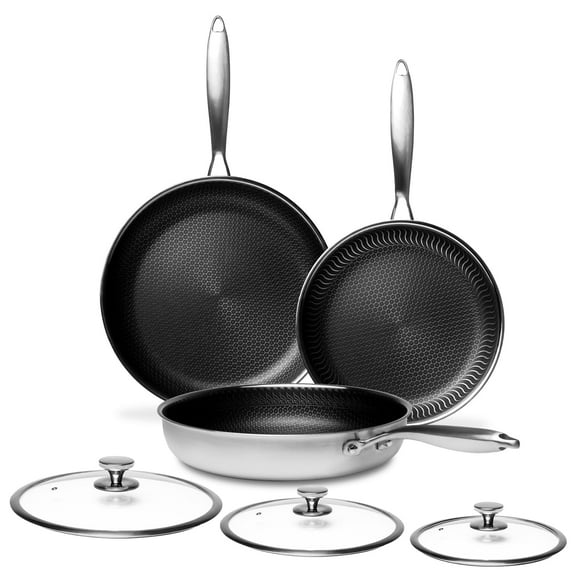
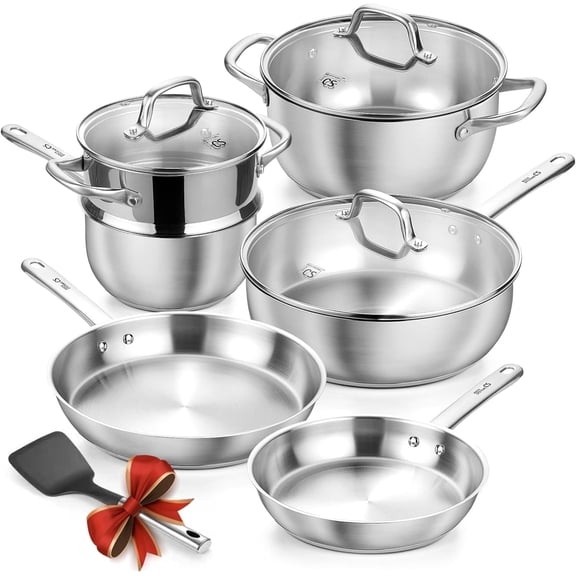
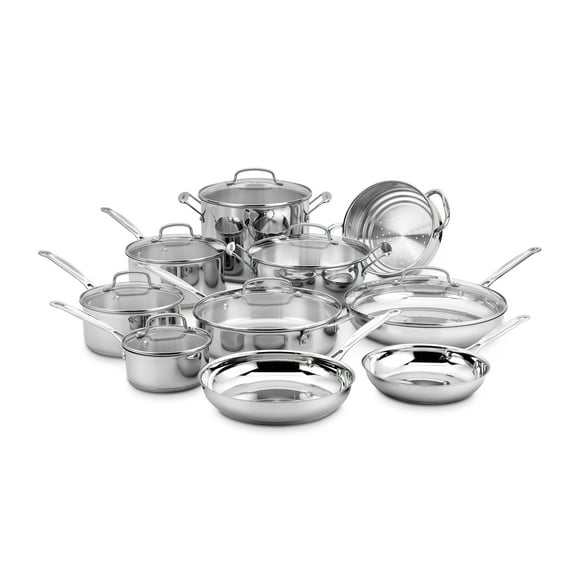
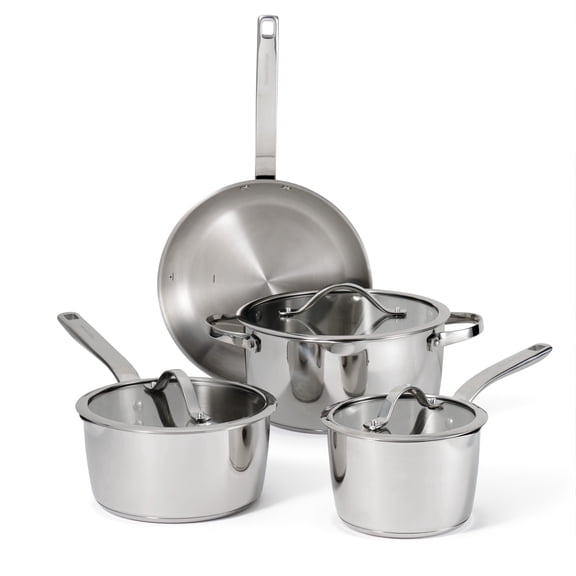
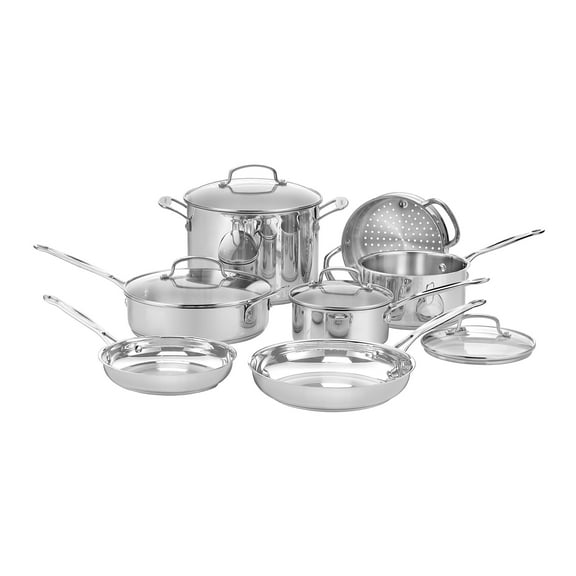
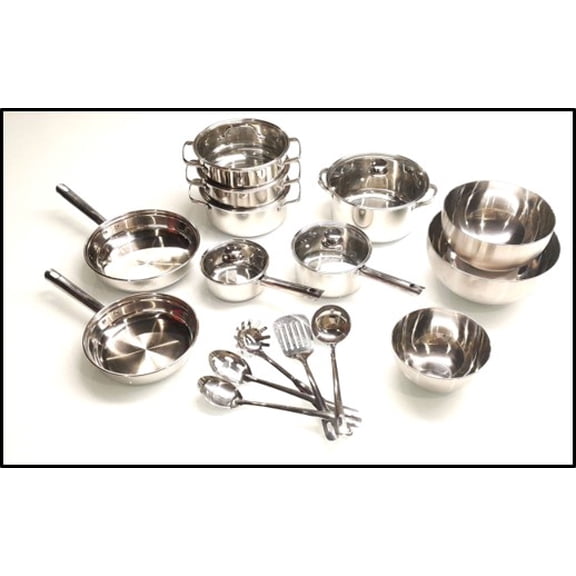
If you want browning and pan sauces, you may prefer stainless steel cookware sets with an aluminum or copper core. You can expect quick, even heating and less reactivity with acidic ingredients.
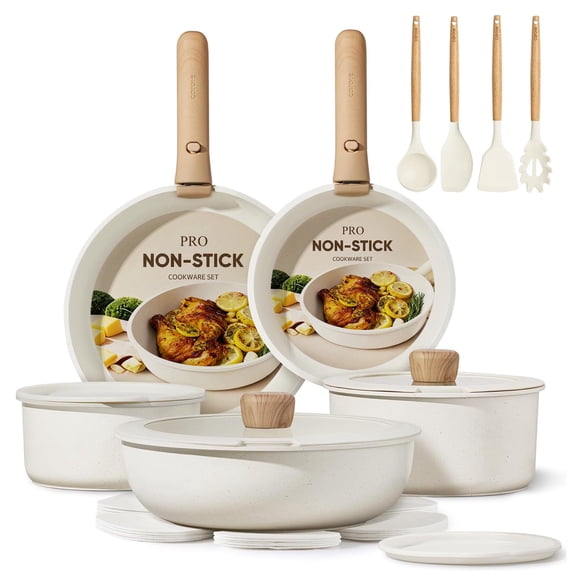
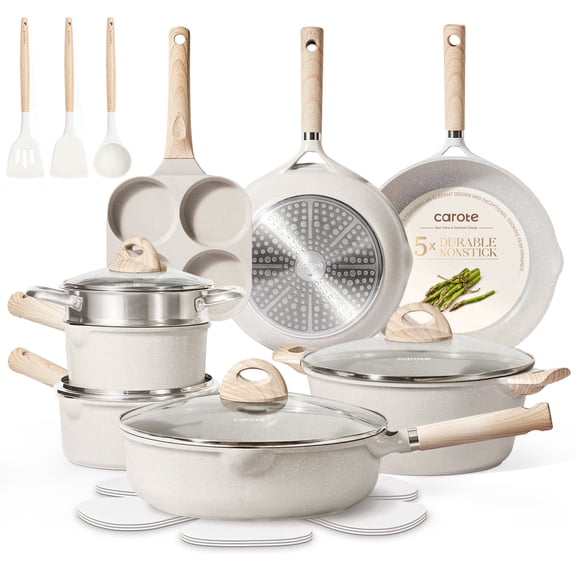
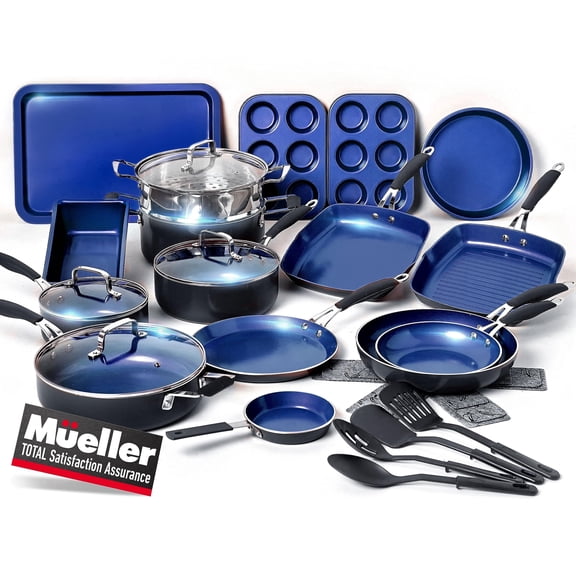
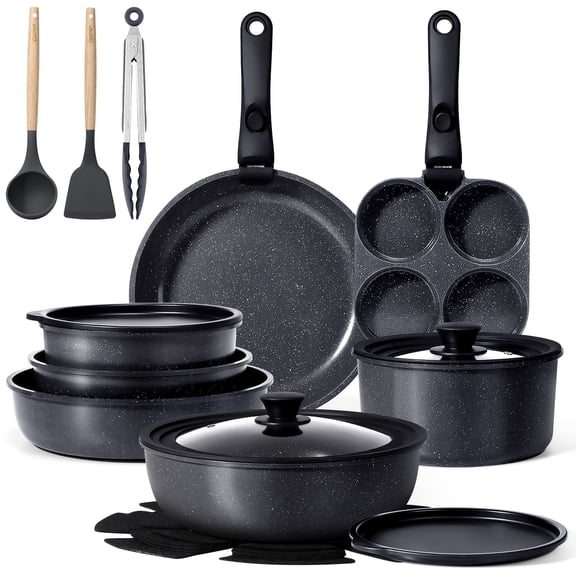
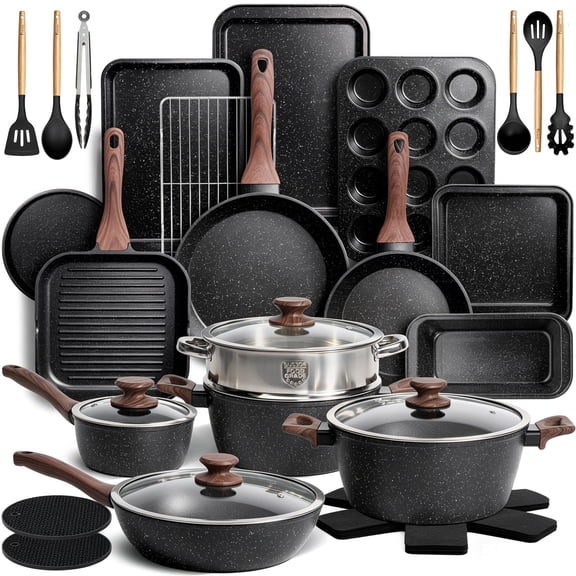
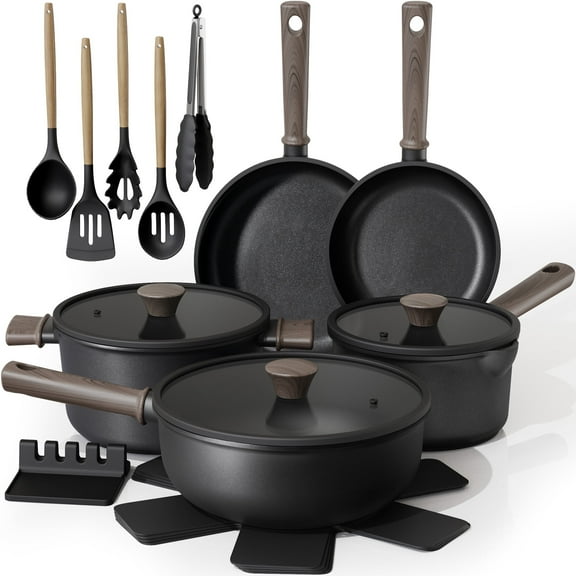
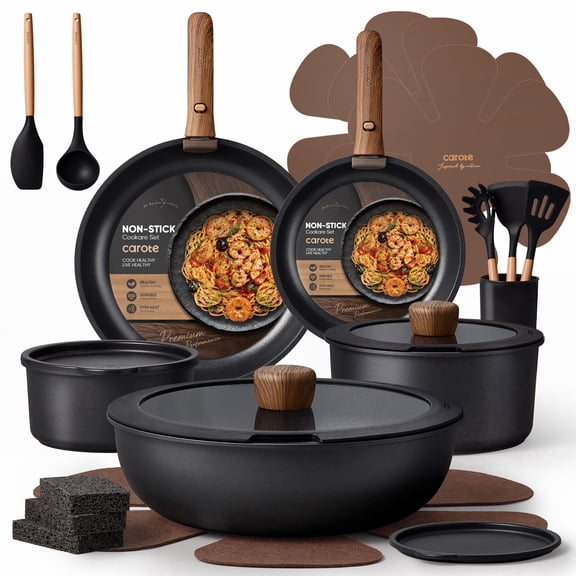
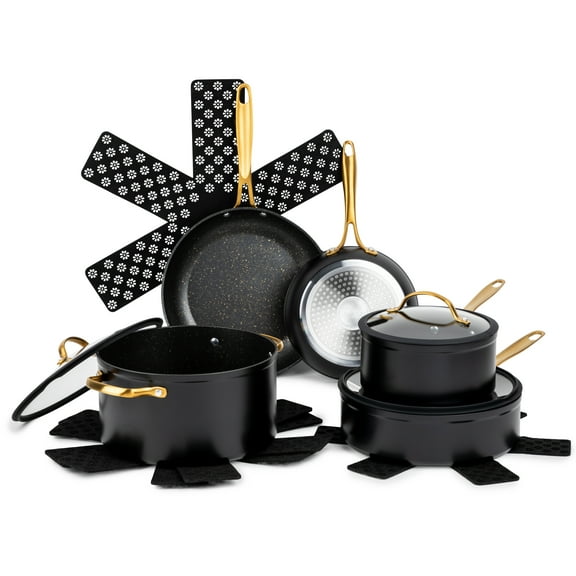
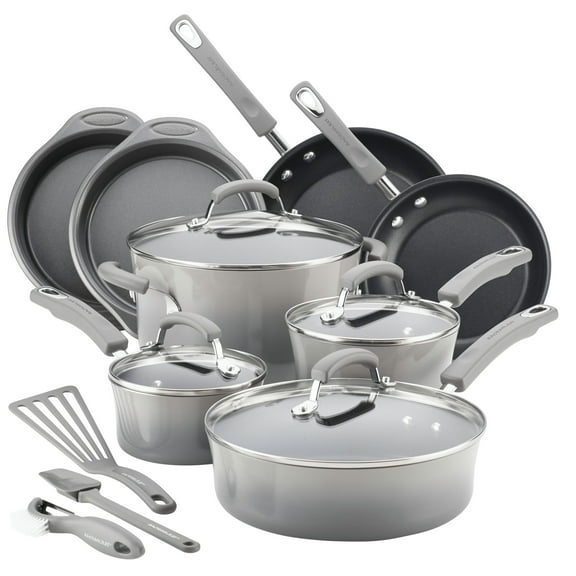
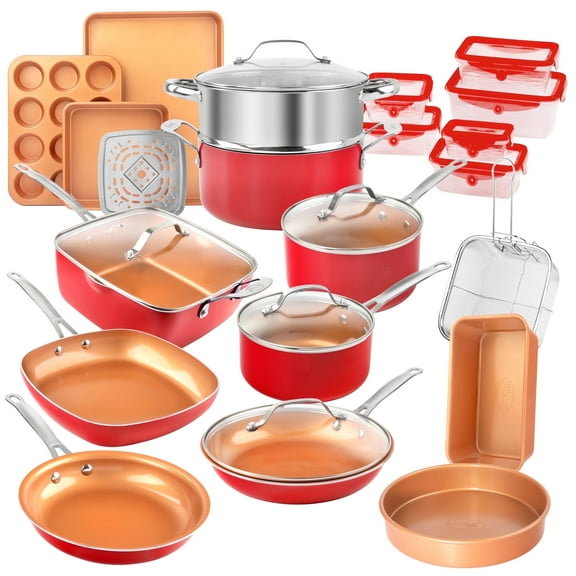
If you want simple food release, you may lean toward nonstick cookware sets for eggs, pancakes, and delicate fish. You can enjoy quick cleanup when your meals include sticky ingredients or lower-oil cooking.
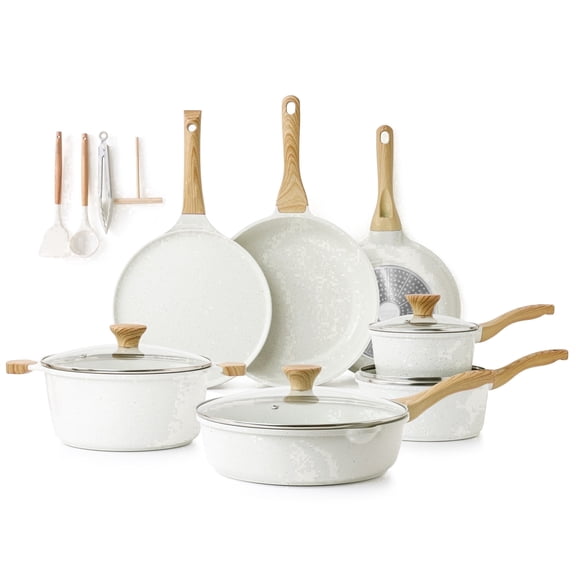
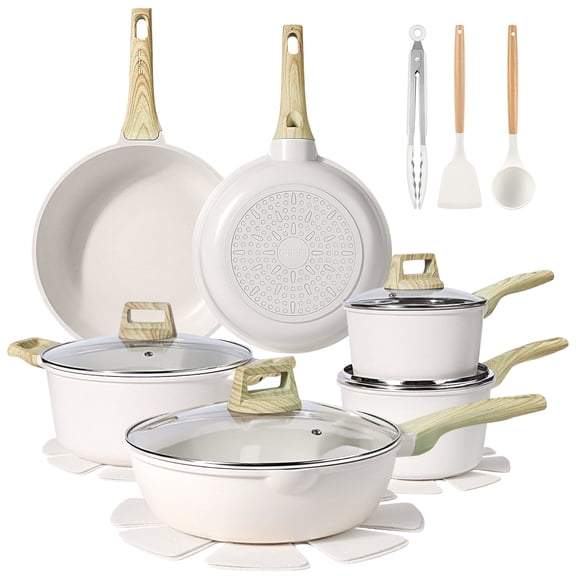
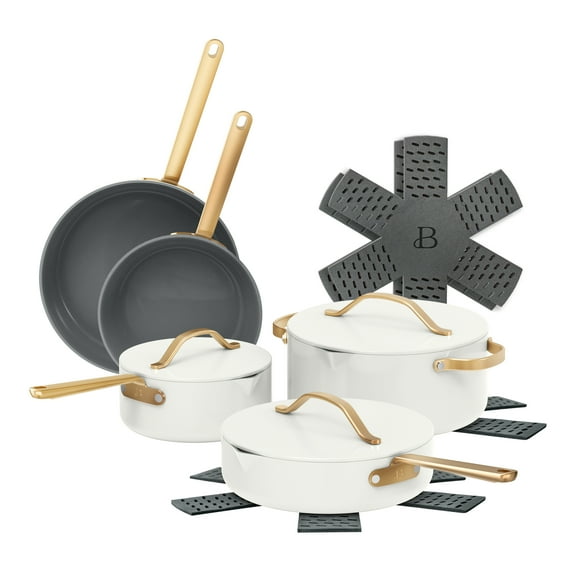
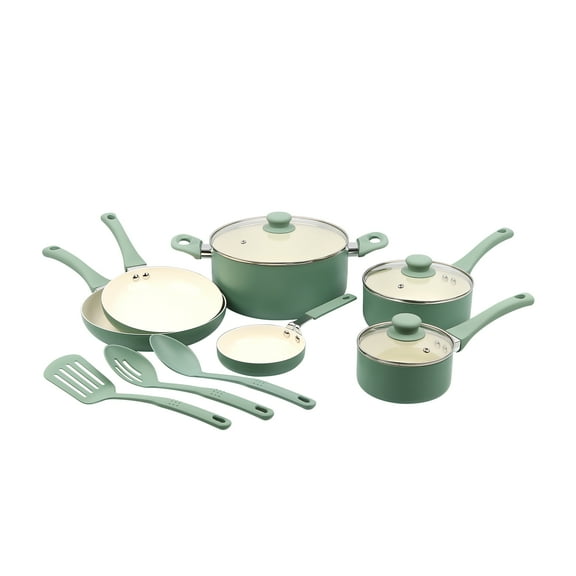
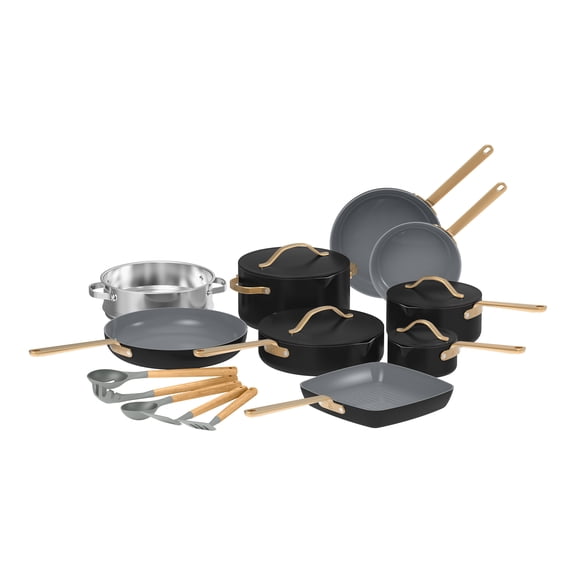
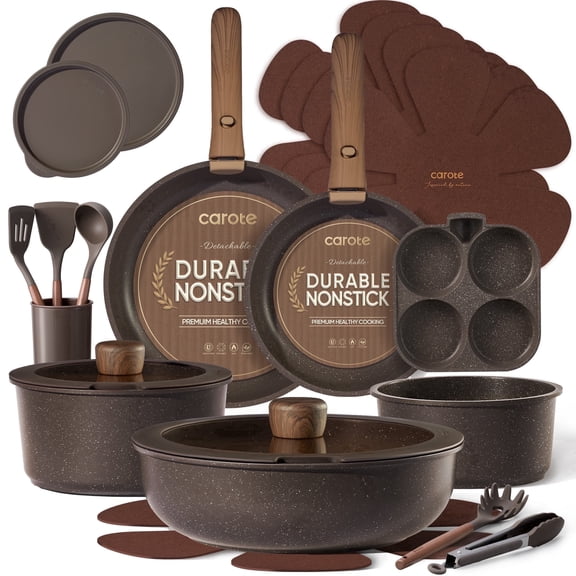
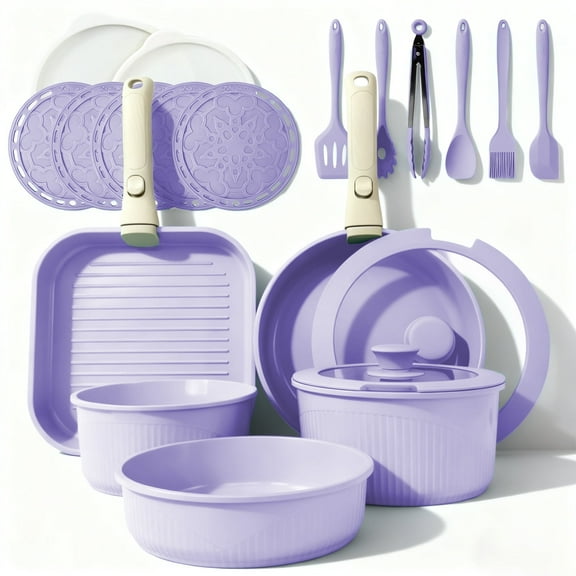
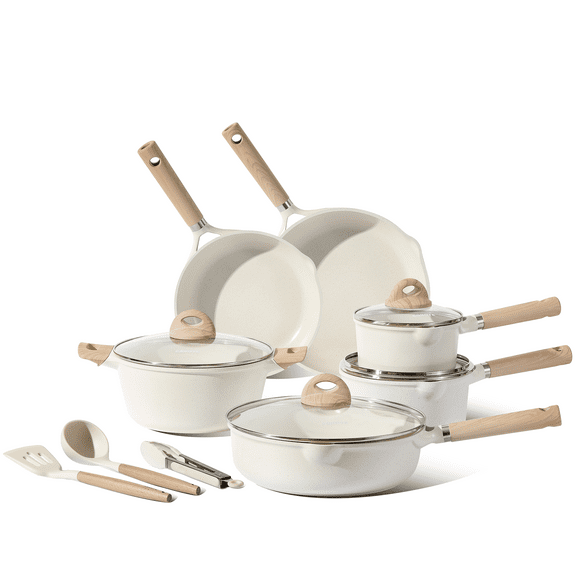
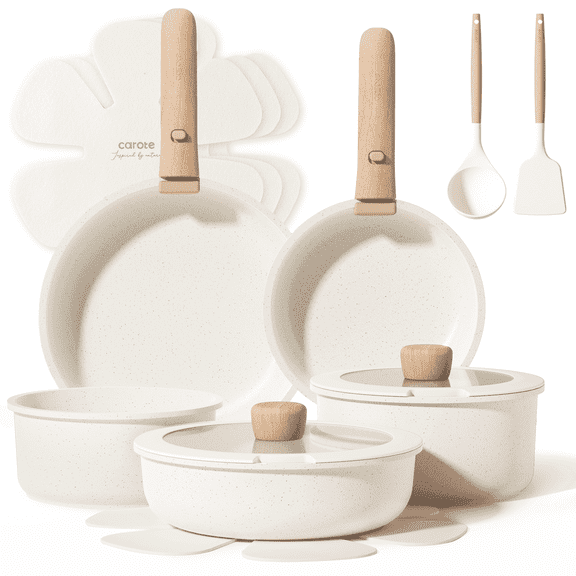
If you want a smooth interior and a clean look, you may compare ceramic cookware sets with other finishes. You can use ceramic nonstick for lighter cooking tasks and easy wipe-down care.
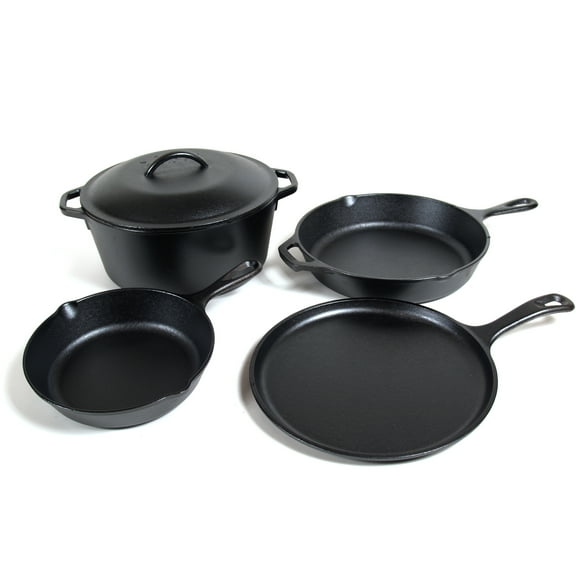
If you cook with steady heat and move dishes from stovetop to oven, you may consider cast iron in your rotation. You can expect substantial weight, strong heat retention, and dependable browning for hearty meals.
- You can match stainless steel to sauteing, searing, and pan sauce cooking.
- You can choose nonstick for breakfast foods and simple cleanup.
- You can compare ceramic surfaces when you want a slick cooking interior.
- You can consider cast iron when you want steady heat retention.
Choosing piece count in a pots and pans set
You should compare piece count carefully, because a larger number does not always mean a practical layout. You can check whether lids count as pieces and whether the set covers your usual meals.
An eight-piece set can suit smaller kitchens, first apartments, or cooks who want core pieces only. You can usually get a fry pan, saucepans, and a stockpot without crowding every cabinet.
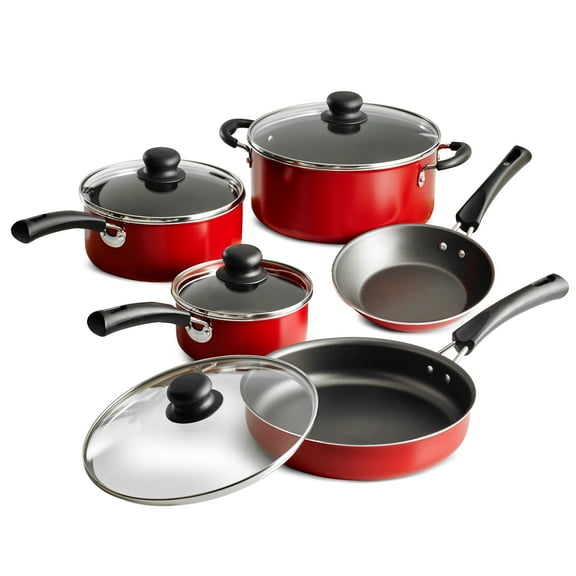
A 10 piece cookware set can give you a practical middle ground for daily cooking. You can often cover pasta, soups, sauces, and skillet dinners without stacking too many duplicate sizes.
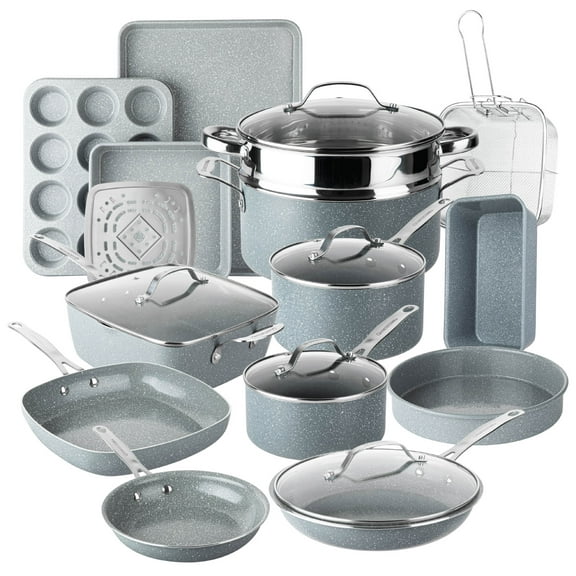
If you cook for a family or prepare several dishes together, you may prefer 12-piece or 14-piece options. You should measure your cabinet space first, because extra pans and lids need organized storage.
You can also compare handle shape, lid material, and pan depth when you review set layouts. You should look for skillet diameters that fit your burners and pot sizes that match your portions.
Comparing nonstick cookware sets and coating types
You should compare coating types closely, because they affect food release and daily care. You can review ceramic nonstick, traditional nonstick, PTFE-free labels, and PFOA-free details before you choose.
If you want clear label guidance, you should check product details for PTFE-free or PFOA-free wording. You can make an informed choice when you confirm those coating notes directly on the item page.
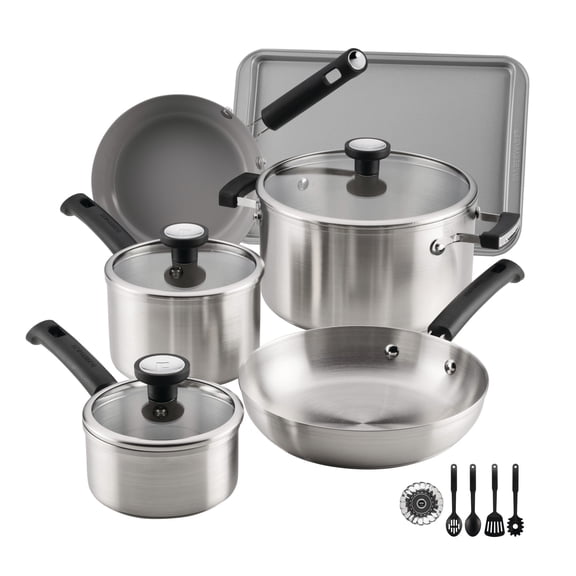
Traditional nonstick can suit everyday cooking when you want smooth release and simple cleanup. You can usually use lower to medium heat and softer utensils to help preserve the surface.
Ceramic nonstick can appeal to you if you want another slick-surface option in your kitchen. You should compare care instructions closely, because surface performance can vary by construction and finish.
You can also check whether the set is dishwasher safe or requires hand washing. This helps protect the finish longer when you follow the care guidance listed for that specific set.
Checking induction cookware sets and heat compatibility
You should confirm heat compatibility before choosing a set, because not every pan works on every cooktop. You can check whether a set is induction compatible, gas stove safe, or oven safe in the specs.
For induction cookware sets, you need a magnetic base that works with the cooktop surface. You can often verify that requirement in the specs, where manufacturers list induction compatibility.
If you cook on gas, you may want pans with stable bases and practical sidewalls for tossing food. You can appreciate shapes that sit securely over grates and heat evenly across the bottom.
If you finish dishes in the oven, you should check the stated oven-safe temperature and handle material. You can avoid guesswork when you confirm whether lids and handles share that same rating.
Heat conductivity also matters when you compare aluminum or copper layers inside stainless constructions. You can usually get quick, even heating when a set includes a conductive core or base.
Matching cookware sets to how you cook
You can narrow cookware sets quickly when you start with your real kitchen habits. You should match material, piece count, and compatibility to the meals you actually make each week.
If you cook eggs, grilled sandwiches, or crepes most mornings, you may want a smaller nonstick-focused set. You can keep cleanup simple while covering your frequently used pan sizes.
If you build pan sauces, brown proteins, or cook at higher heat, you may want stainless steel cookware sets. You can get the control you need for sauteing, simmering, and deglazing in one setup.
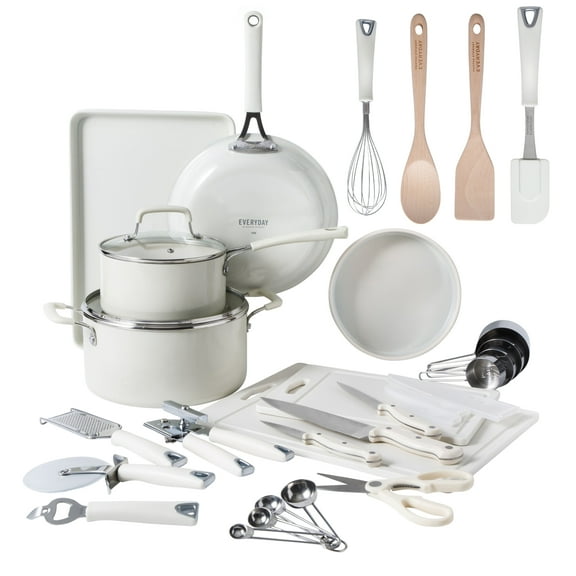
If you need a gift cookware set for a new home, you may prefer a balanced 10-piece or 12-piece assortment. You can give useful everyday pieces instead of oversized extras that stay in storage.
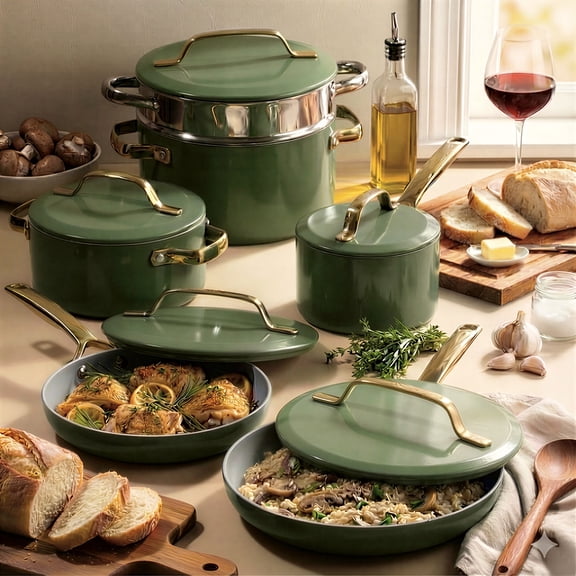
During holiday cookware sets shopping, you may also compare appearance, lid style, and nesting potential. You can make an informed pick when the set fits your kitchen space and cooking routine.
With the right cookware set, you can cover daily meals, one-pan dinners, sauces, and larger weekend batches with less guesswork. You can feel confident when your pans match your stove, storage, and cooking style.