


Conditioners for Smooth and Healthy Hair





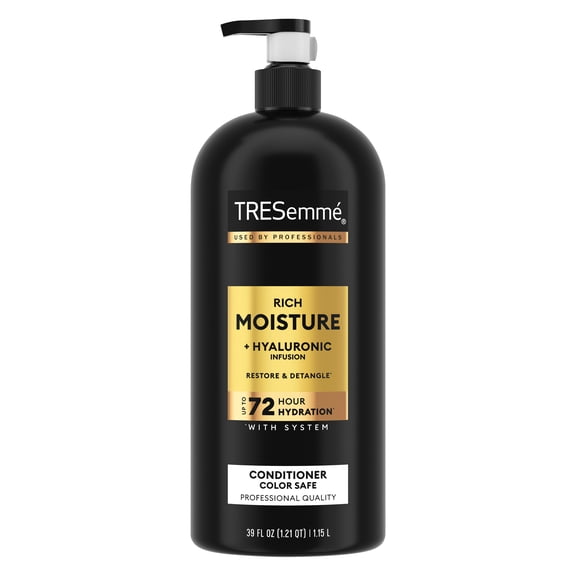

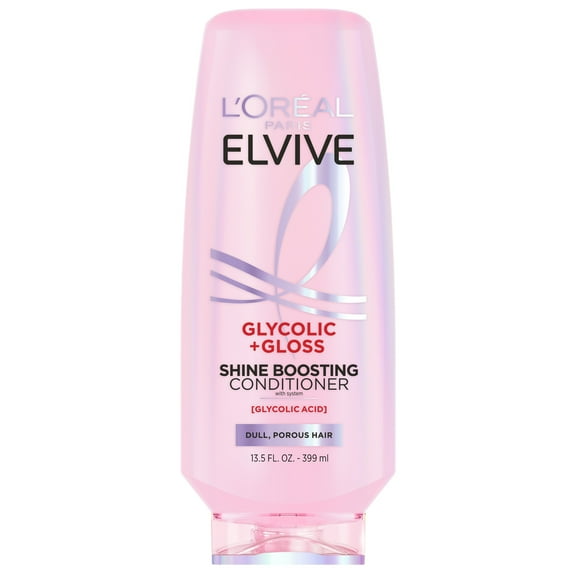

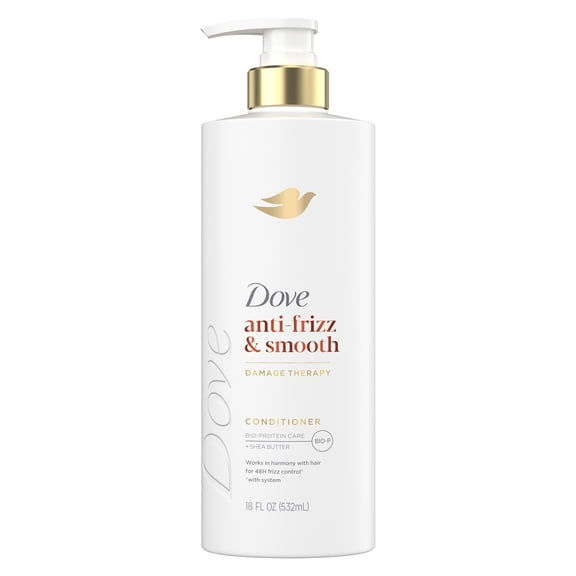

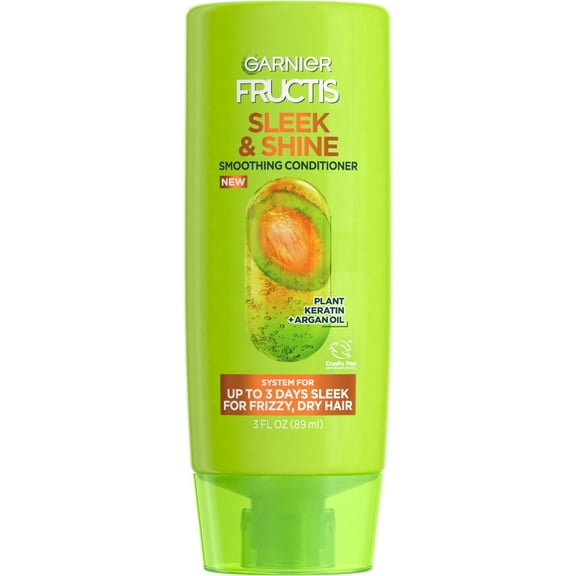

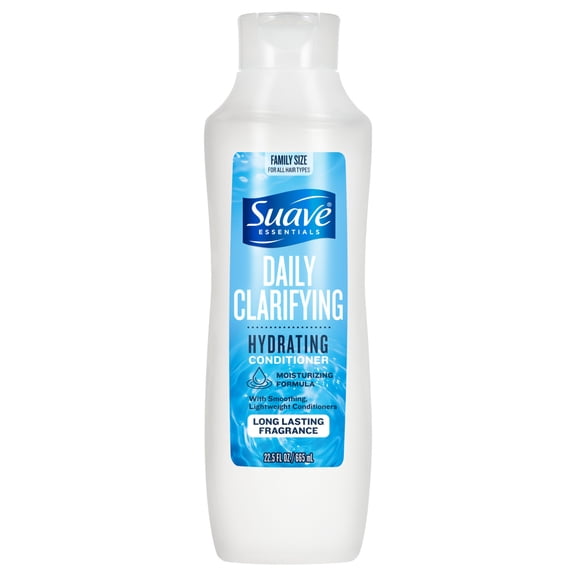
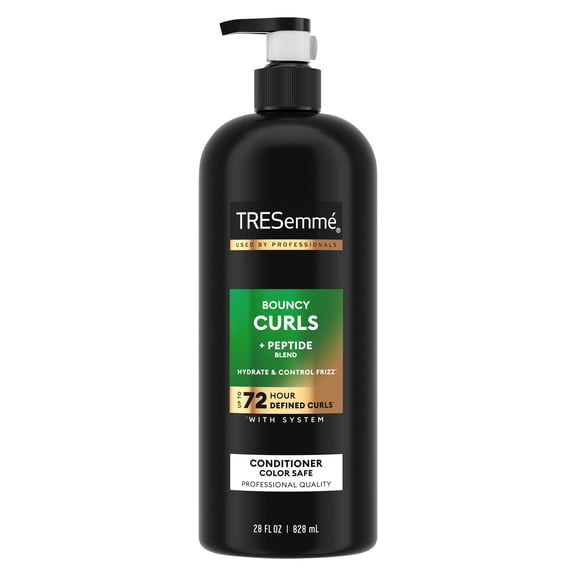


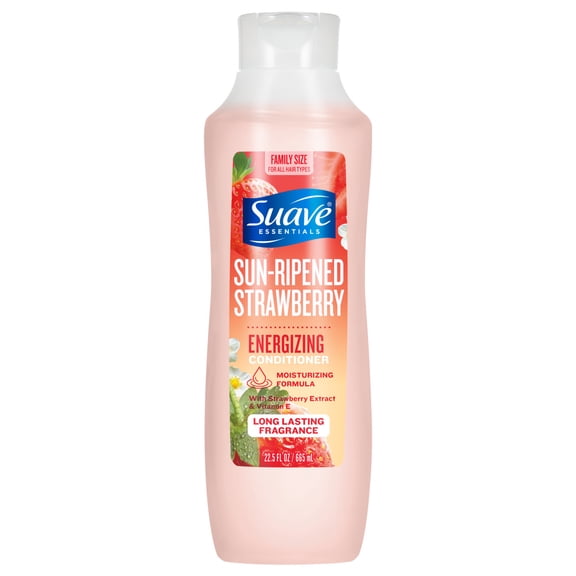

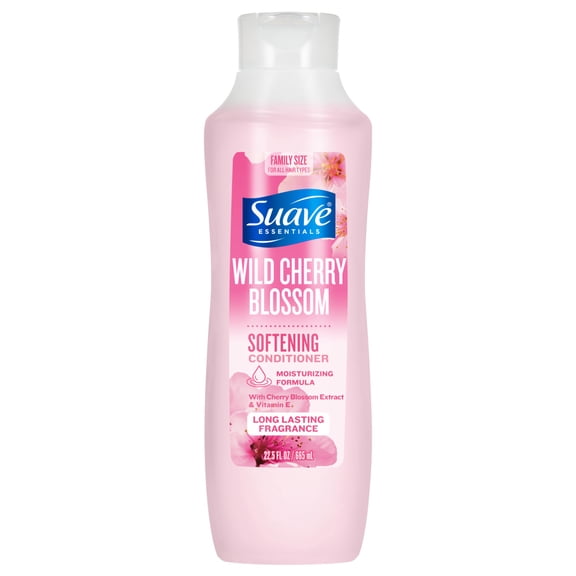







About Conditioners for Smooth and Healthy Hair - Walmart.com
Conditioner helps you smooth, soften, and manage your hair routine with formulas tailored to your hair type, texture, and daily styling habits. You can compare rinse-out, leave in conditioner, and deep conditioner options to match your strands, shower routine, and ingredient preferences.
Choosing the right conditioner for your hair type
Your hair type shapes how conditioner feels and performs from the first use. You should compare moisture level, curl pattern, and sebum level before choosing a formula.
If your hair feels dry, you may want a moisturizing conditioner or conditioner for dry hair with richer oils and butters. If your roots get oily quickly, you may prefer a lighter formula that won't feel heavy.
Curly hair often needs more slip, which can help you spread product evenly through coils and defined waves. Fine hair usually responds well when you choose lighter textures that support softness without flattening volume.
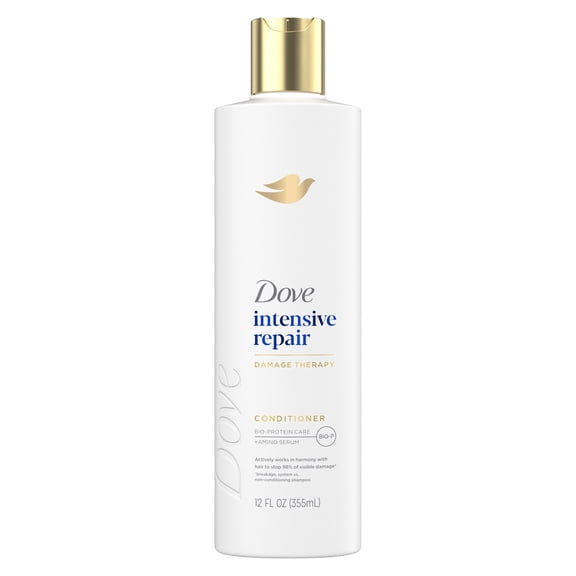
Color-treated hair can benefit from formulas designed to support a smoother feel and a polished finish after washing. Damaged strands may call for richer textures that help you manage rough-feeling ends and repeated heat styling.
- You can match conditioner texture to your hair density and daily routine.
- You can choose richer formulas for dryness, curls, or rough-feeling ends.
- You can pick lighter options when your hair is fine or easily weighed down.
- You can compare sulfate free conditioner options if ingredient preferences matter to you.
How to compare hair conditioner types
Your routine often determines whether a rinse-out, leave-in, or cleansing co-wash makes the most sense. You should start with how much time you spend washing, detangling, and styling.
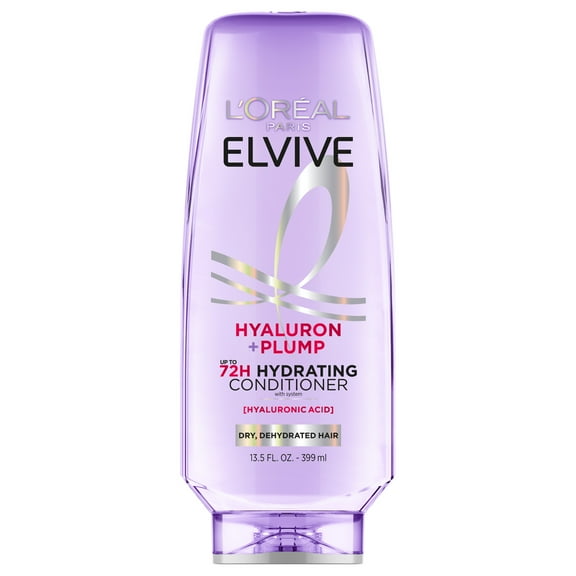
A rinse-out hair conditioner works well when you want softness and easier combing during your regular wash routine. You apply it after shampoo, then rinse it away once your strands feel coated.
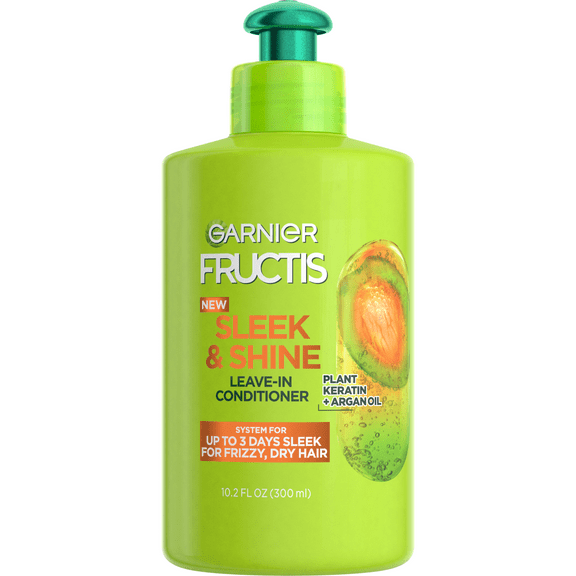
A leave in conditioner stays on your hair after washing, so you can keep moisture and slip through styling. You may prefer this format when your hair tangles easily or needs extra smoothing between wash days.
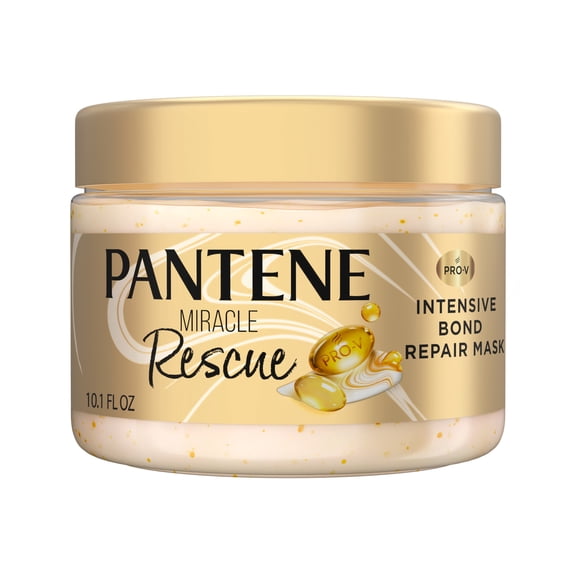
A deep conditioner usually has a richer feel, and you can use it when your hair needs a more intensive conditioning step. You might rotate it into your routine after color services, heat styling, or dry weather.
A cleansing co-wash combines gentle cleansing with conditioning, which can suit low-foam wash days. You may consider this option when your curls need refreshment without a fully stripped feel.
What to look for in ingredients and formula details
Your ingredient preferences can narrow your choices quickly, especially when labels guide your routine. You should compare oils, proteins, and texture before you focus on bottle design.
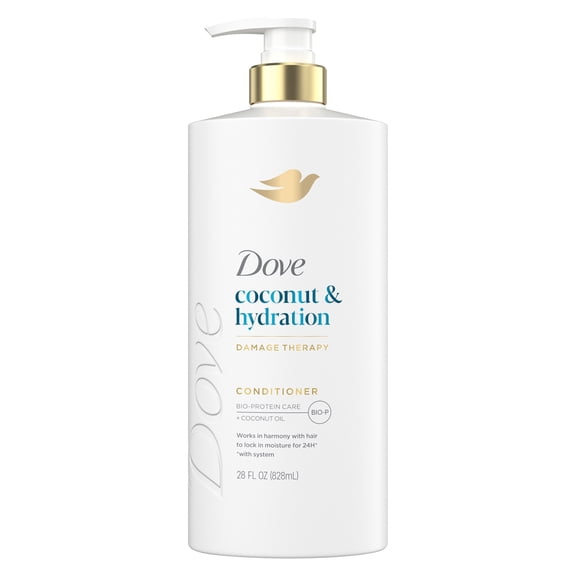
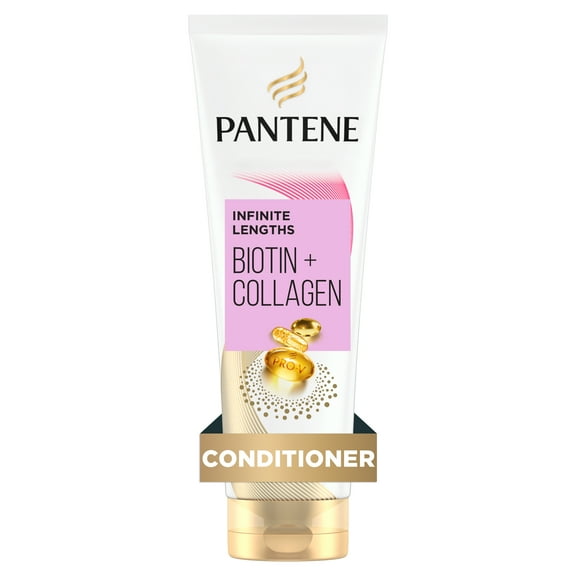
Biotin, keratin, argan oil, coconut oil, and shea butter each signal a different conditioning experience. You may look for coconut oil conditioner options when you want a richer feel and smoother-looking lengths.
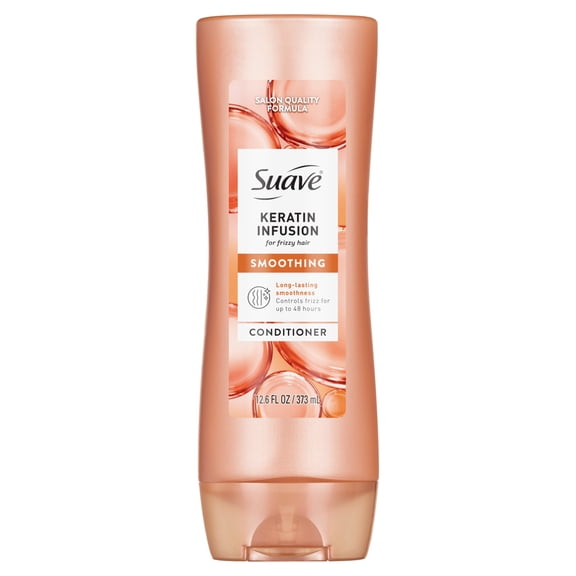
Keratin-focused formulas can appeal to you when your strands feel rough after frequent styling. Biotin options may stand out when you want a formula that fits into a fuller-looking hair routine.
You may also compare sulfate free conditioner or silicone-free formulas if label transparency matters in your routine. You should check whether the texture feels light, creamy, whipped, or balm-like before choosing.
Technical details can help you choose with more confidence when your hair needs specific support. You can use porosity, curl pattern, and sebum level as simple filters for moisture, weight, and finish.
Higher porosity hair often absorbs richer formulas quickly, so you may lean toward denser creams or butters. Lower porosity hair may feel smoother with lighter textures that spread easily and rinse cleanly.
Choosing size, format, and shower convenience
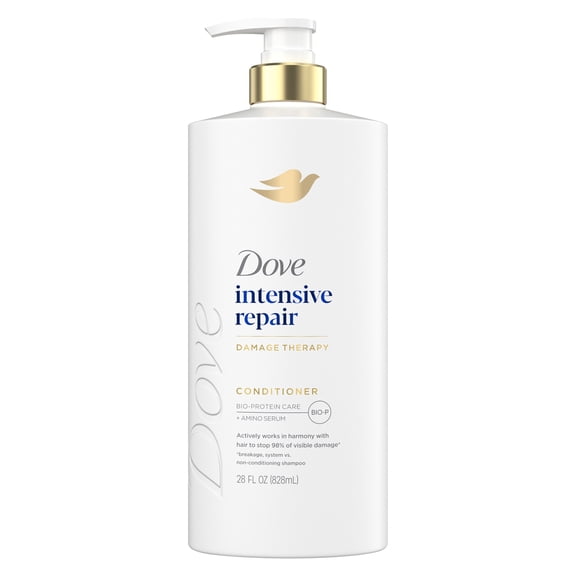
Your bottle size and dispenser style can affect how easy conditioner feels in daily use. You should compare travel size, standard bottle, value size pump, and bar conditioner formats.
A travel size works well when you pack gym bags, overnight kits, or carry-on toiletries. A standard bottle can fit easily into your regular shower setup without taking much shelf space.
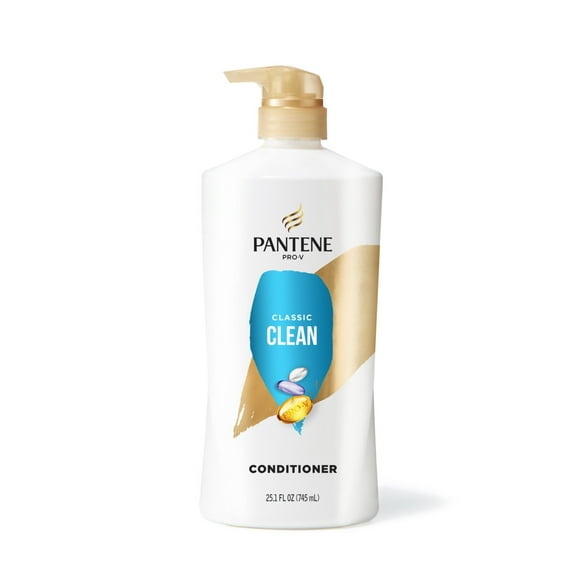
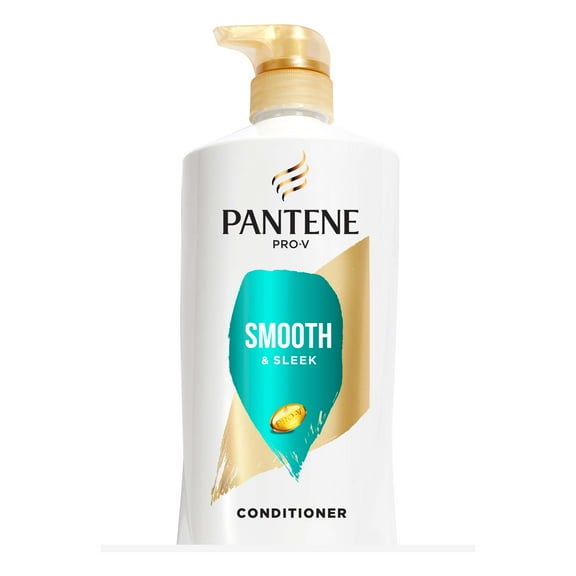
A value size pump can make sense when you share products at home or wash long hair often. You may like a pump conditioner because you can dispense product with one hand in the shower.
A bar conditioner gives you a solid format that stores differently from bottled options. You may choose it when you want a compact shape for travel kits or small shower caddies.
Matching conditioner to real routines
Your routine becomes easier when you match formula type, ingredient profile, and size to the way you actually wash and style. You can build a more practical setup by thinking through weekdays, wash days, and touch-up days.
If you wash often after workouts, you may prefer a lighter rinse-out formula in a standard bottle. If you style curls in sections, you may want leave in conditioner with added slip for detangling.
If your hair feels dry during seasonal changes, you might rotate between a hydrating conditioner and a deep conditioner. If you color your hair, you may look for smoother-feeling formulas that fit your weekly care plan.
For family bathrooms, you may want a value size pump that simplifies repeat use and quick dispensing. For trips, you may choose travel size options that fit neatly into limited packing space.
Your conditioner choice works hardest when it fits your hair pattern and your real schedule. You can narrow the field faster when you compare type, ingredients, format, and moisture needs together.
With the right conditioner, you can support softer feel, easier detangling, and a routine that feels simpler from wash day to styling day. You get a more confident pick when your formula matches your hair type and daily habits.