




Compost in Soil


















About Compost in Soil - Walmart.com
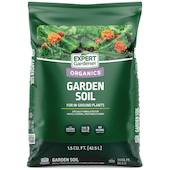
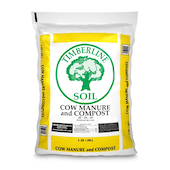
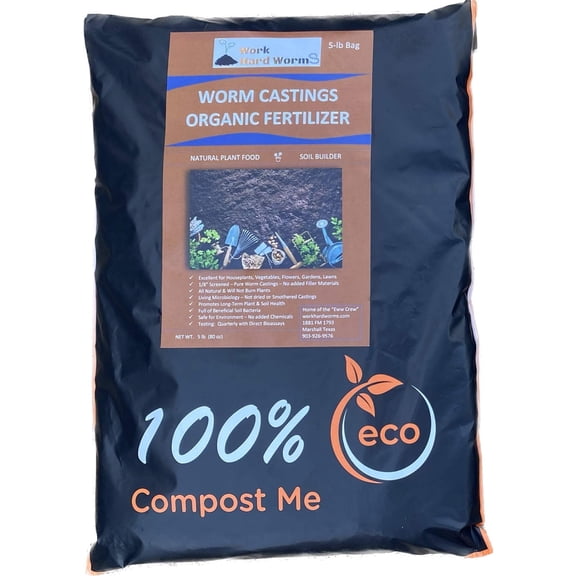
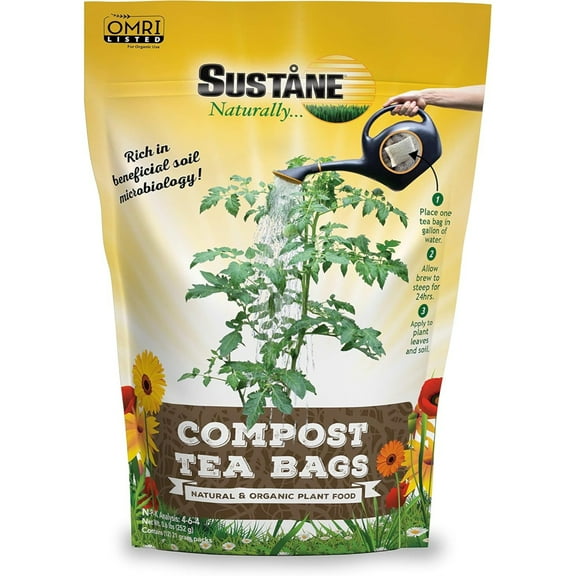
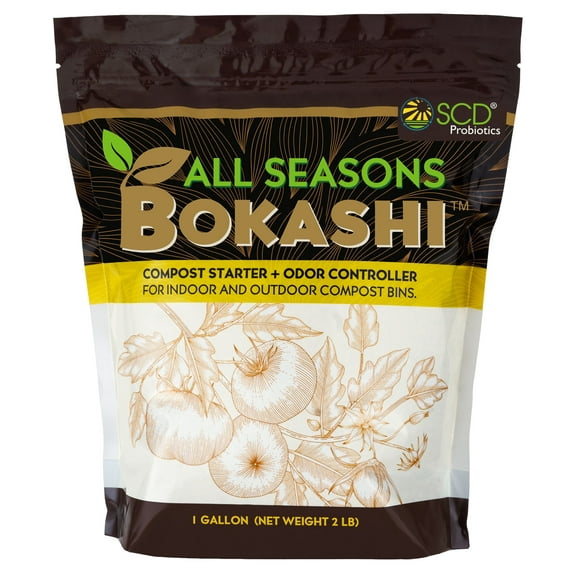
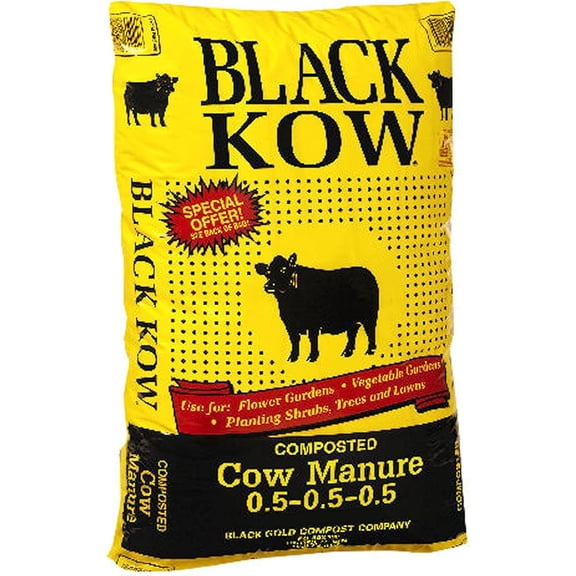
Compost helps you build darker, easier-working soil for stronger roots, fuller blooms, and steady harvests all season. At Walmart, you can choose bagged compost fast, without hauling a truckload. Pick blends sized for raised beds, containers, and in-ground rows. You’ll also find options like mushroom compost and manure-based blends for different soil goals.
Benefits of compost in your garden
Compost improves soil structure, so water soaks in evenly and doesn’t run off as quickly. It also adds slow-release nutrients, which supports steady growth without constant feeding. For new beds, compost helps loosen dense clay and adds body to sandy ground.
Garden compost is also great for reducing waste in your yard plan. You can top-dress beds and refresh depleted soil between seasons. Soil compost makes a noticeable difference where plants struggle to root and spread.
- Helps seedlings and transplants establish roots with a softer, crumbly soil texture.
- Boosts moisture holding, so you water less often during hot, dry stretches.
- Supports healthier soil biology for better nutrient cycling in beds and planters.
- Levels low spots and fills shallow depressions when you’re grading a new garden area.
Features to compare when choosing compost
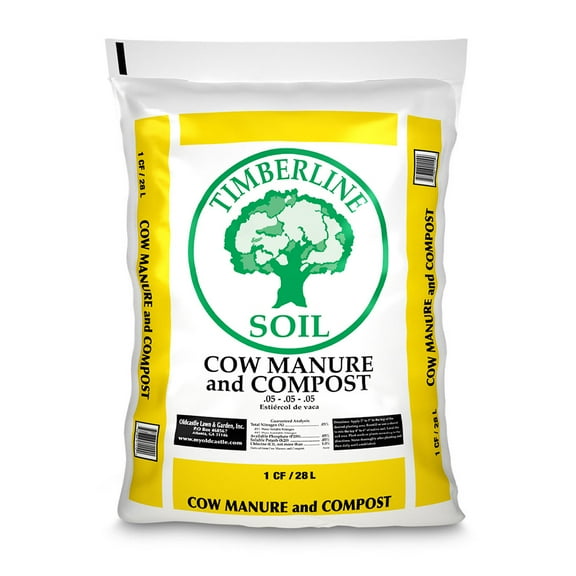
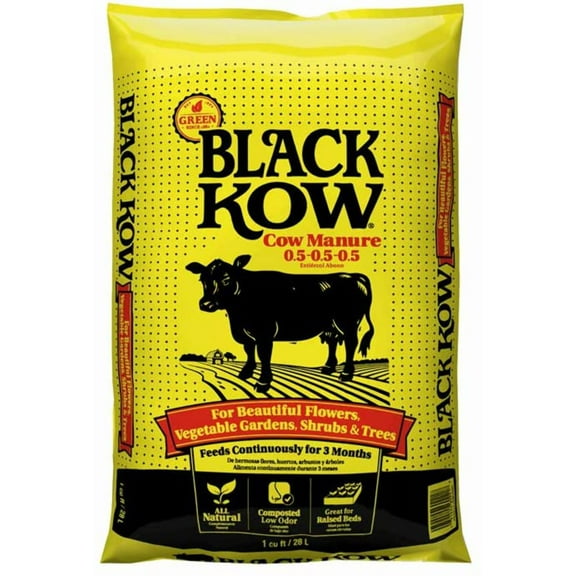
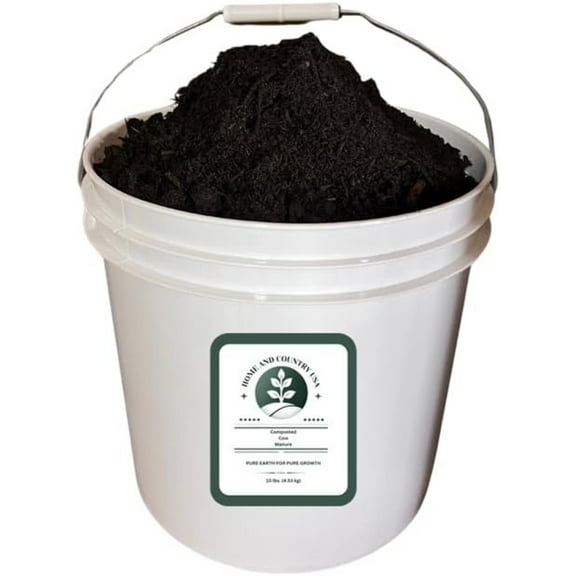
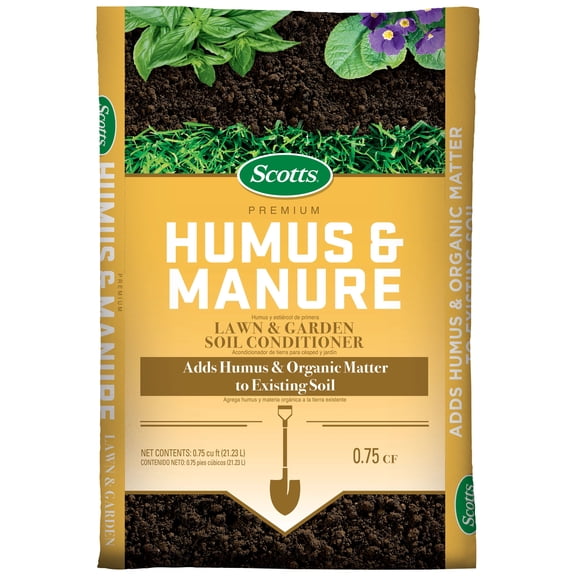
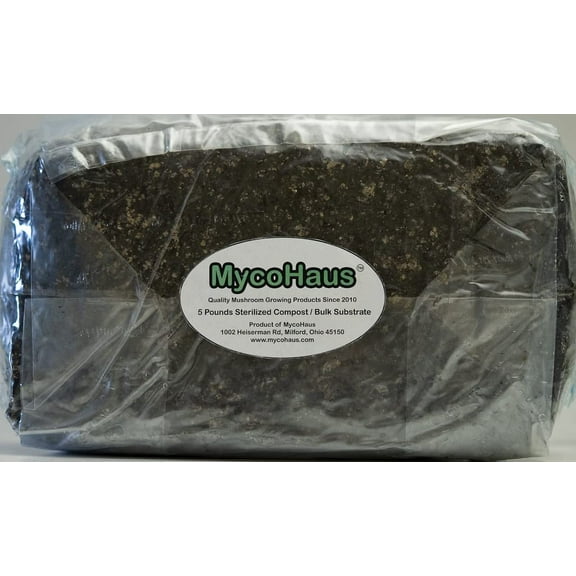
Start by checking the ingredient type, since it affects texture and nutrient profile. Mushroom compost is often finer and great for top-dressing lawns and beds. Manure-based compost can be richer, so it’s helpful when soil feels tired.
Look at what the label says about screened or unscreened material. Screened compost spreads more smoothly and breaks up easily with a rake. Unscreened blends can include larger pieces that work well as a soil conditioner.
Bag size matters for planning coverage and carrying. Smaller bags suit containers and spot repairs in garden beds. Larger bags make sense for raised beds and seasonal top-ups across multiple areas.
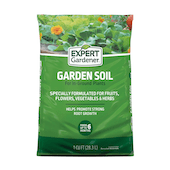
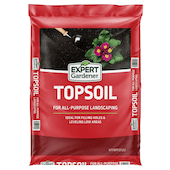
If you’re mixing soil compost into native ground, think about blend compatibility. Some mixes pair well with topsoil for new beds and grading. Others are made for improving existing garden soil without heavy tilling.
Use cases for garden compost and soil compost
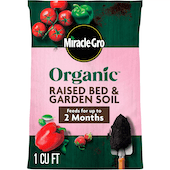
For raised beds, blend compost with topsoil to create a balanced growing base. This helps roots explore evenly and keeps the bed from drying out too fast. Bagged compost also makes it easy to measure consistent ratios.
In vegetable gardens, compost works well before planting and as a midseason side-dress. Spread a thin layer around plants and water it in for a clean finish. Keep compost off stems to reduce mess and improve airflow.
For lawns, use a fine compost as a light top-dressing after aeration. This helps fill holes and supports thicker turf over time. Mushroom compost is a common pick for smoothing and feeding without heavy clumps.
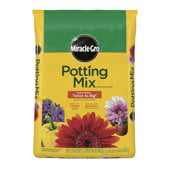
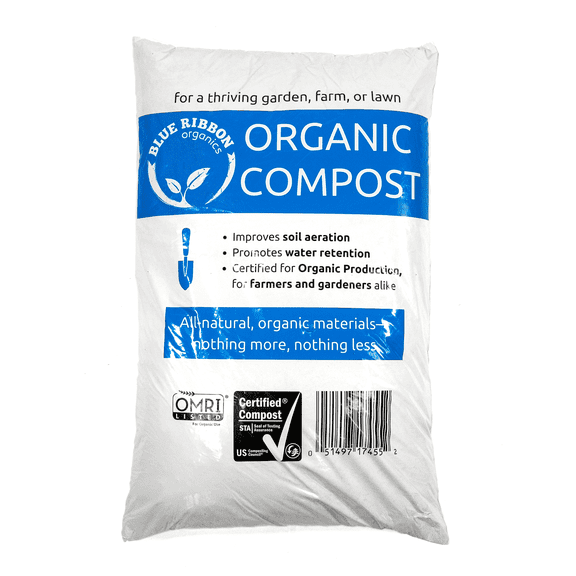
When you’re refreshing containers, mix compost into potting mixes to add body and moisture hold. This is helpful for tomatoes, peppers, and patio herbs that dry quickly. Organic compost is also a good fit for home gardens with simple inputs.
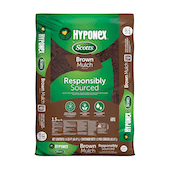
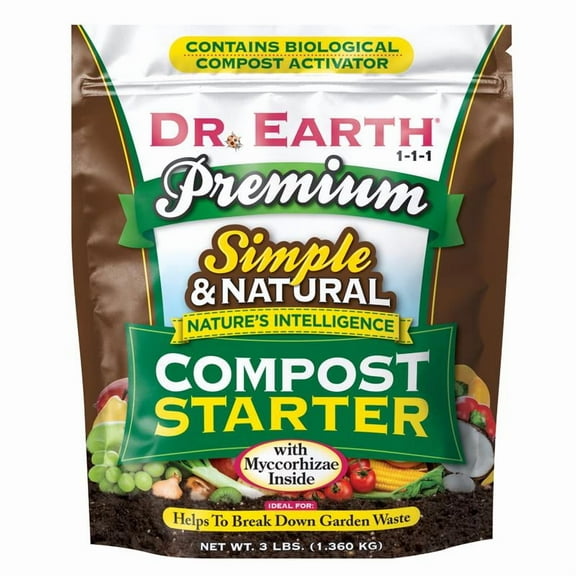
If you compost at home, liners and accessories can keep things tidy. Compost bin liners can help with cleanup and reduce sticking in small kitchen caddies. Pair finished compost with mulch on top to hold moisture and reduce splashback.
FAQ about buying compost
Where can you buy compost for a garden project? Walmart.com makes it easy to choose bagged compost for delivery, pickup, or shipping options. That helps you match timing to planting weekends and weather windows.
How much compost do you need for a bed? For top-dressing, a thin one-inch layer covers a surprising area. For new beds, you’ll typically mix several inches into the top layer of soil.
What affects compost cost? Bag size, blend ingredients, and screening usually change what you’ll pay. Comparing coverage and intended use helps you choose the right compost for the job.
Finish your soil prep with compost
Compost turns hard-to-work ground into soil that’s easier to dig, rake, and plant. With the right blend, you’ll get steadier moisture and more consistent growth. That means less guesswork when you’re building beds and keeping plants thriving.