



Cleaning Tools



















About Cleaning Tools - Walmart.com
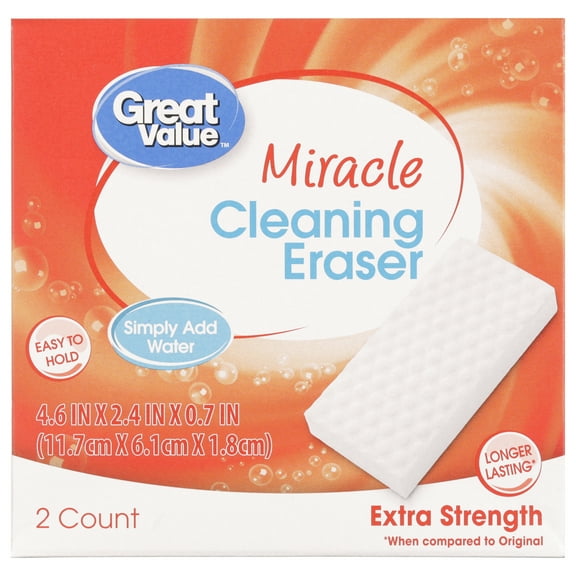
Cleaning tools help you match each mess to the right design and surface. You can compare tool type, material, power source, and storage details before you choose.
When you need household cleaning tools for busy rooms, you may narrow options by hardwood, tile, glass, carpet, or multi-surface use. You can also sort by kitchen, bathroom, window, and outdoor tasks for a more practical setup.
How to choose cleaning tools by tool type
You can start with tool type because each design supports a specific task. You can use brooms for dry debris, mops for wet floor care, and dusters for shelves and vents.
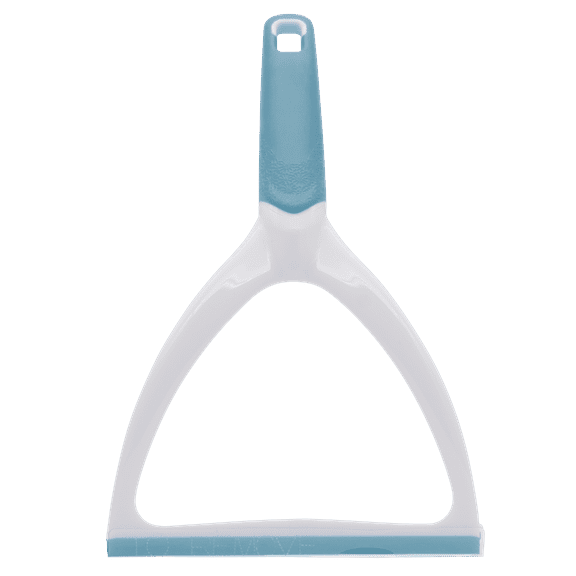
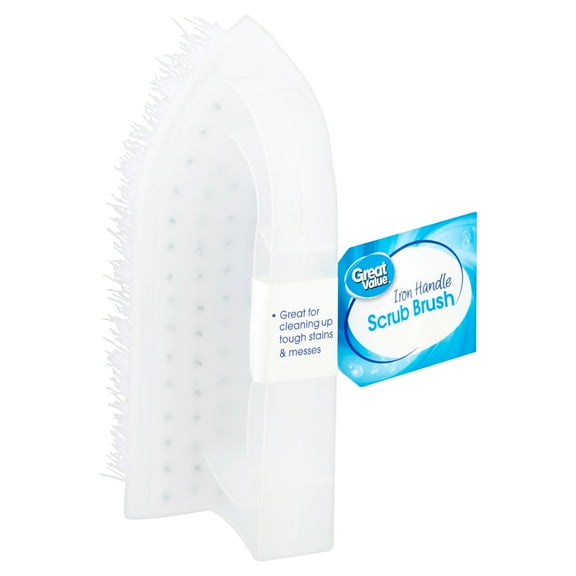
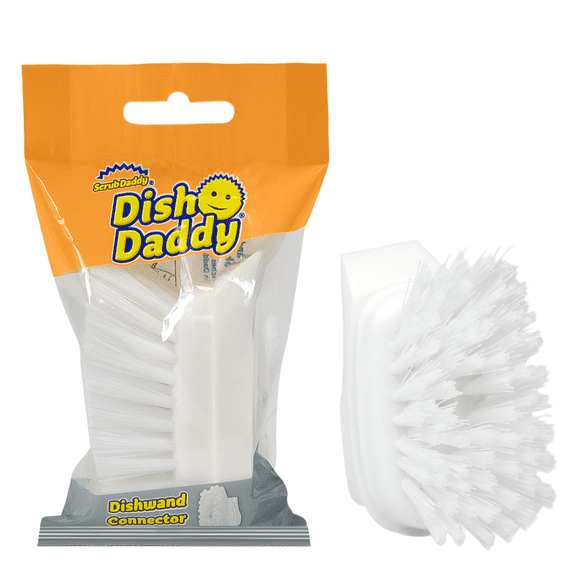
Brushes help you reach grout lines, sink edges, and textured surfaces where flat heads miss residue. Squeegees help you clear water from glass, shower walls, and smooth floors with fewer streak marks.
As you compare cleaning supplies, you should check head shape, handle length, and refill style. You can notice how those details affect corners, baseboards, and other tight spaces.
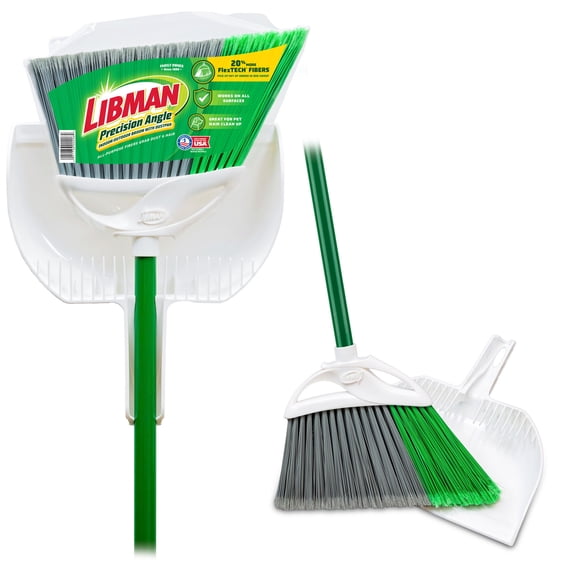
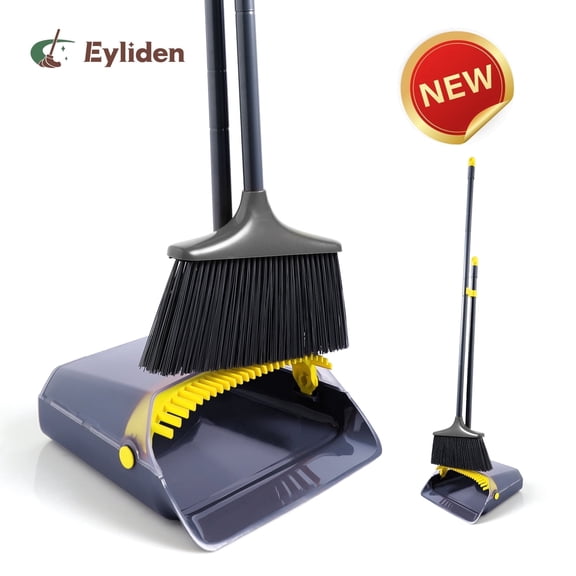
- You can choose angled brooms for edges, corners, and under-cabinet sweeping.
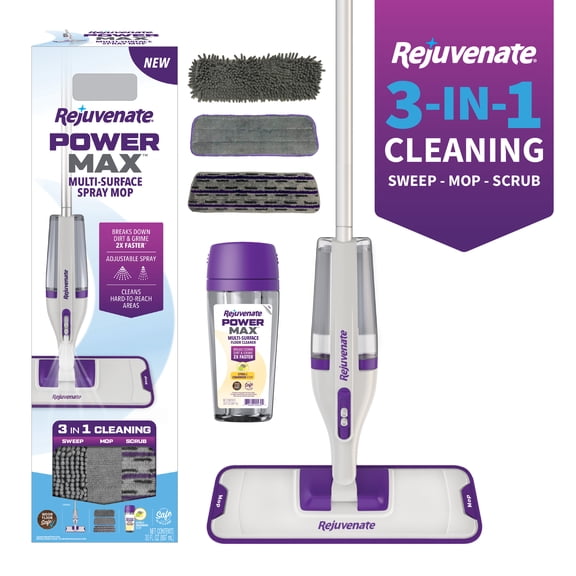
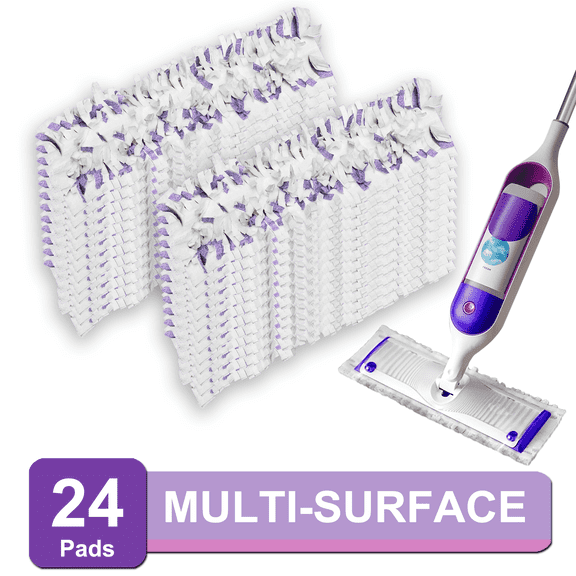
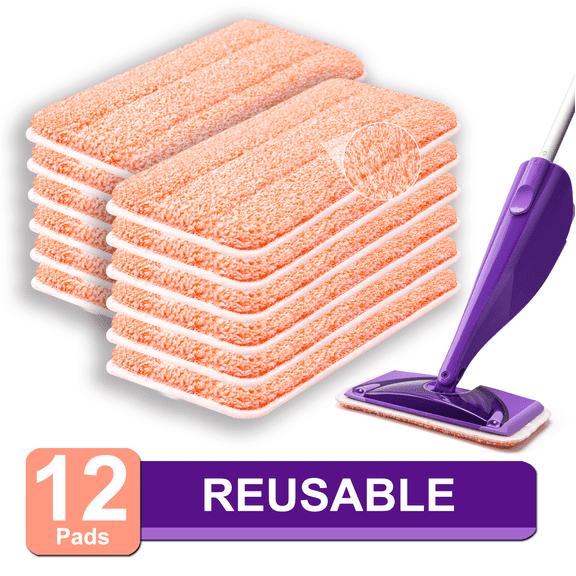
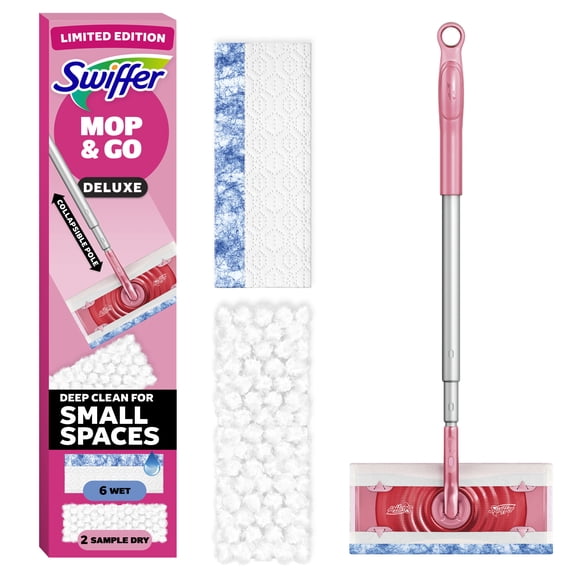
- You can pick mops with reusable pads when you want wash-and-repeat upkeep.
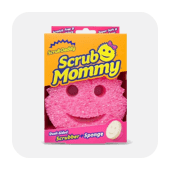
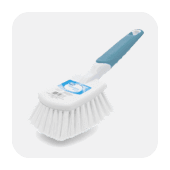
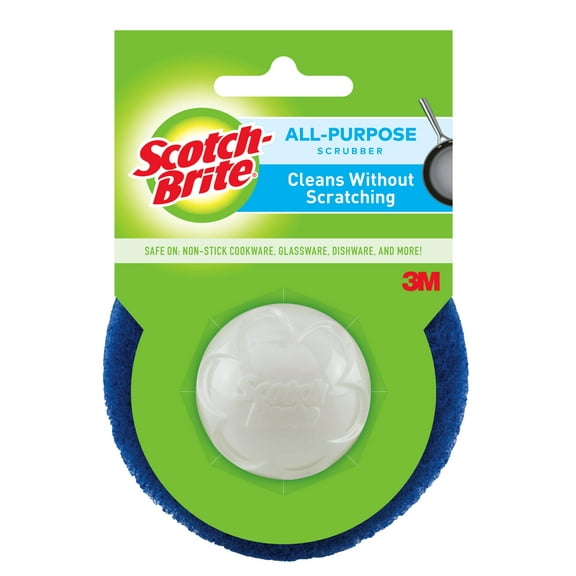
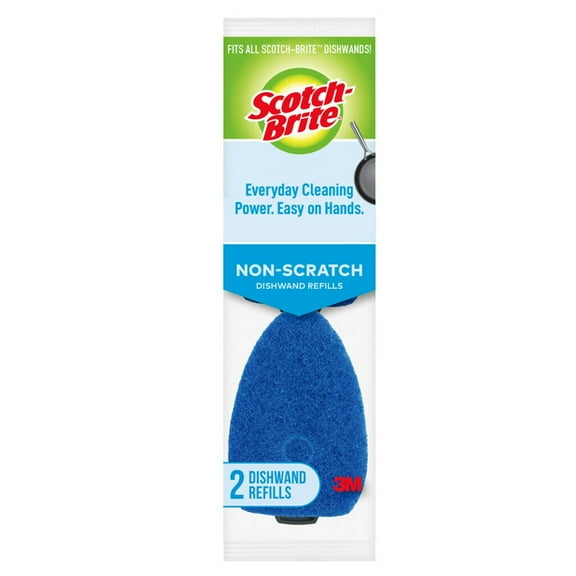
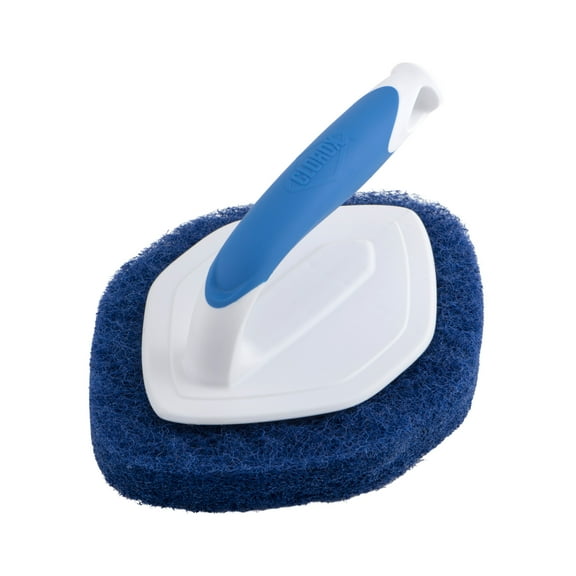
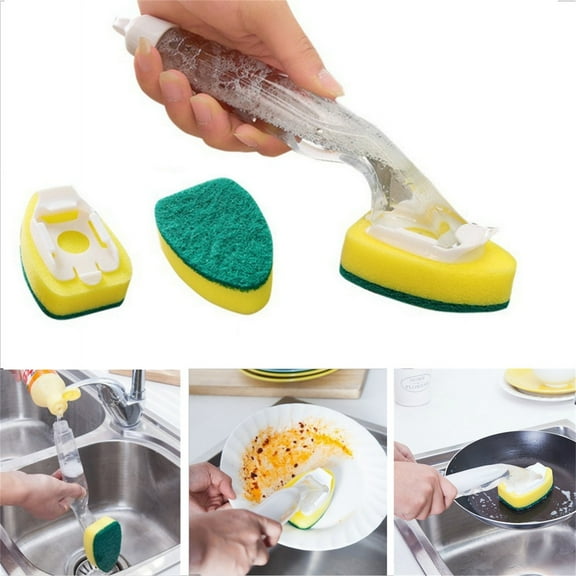
- You can compare cleaning brushes by bristle firmness for grout, tubs, and fixtures.
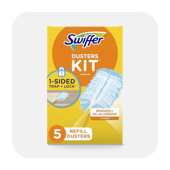
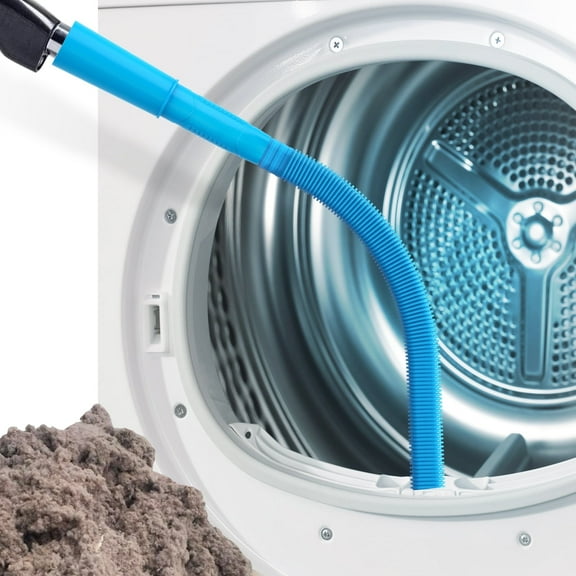
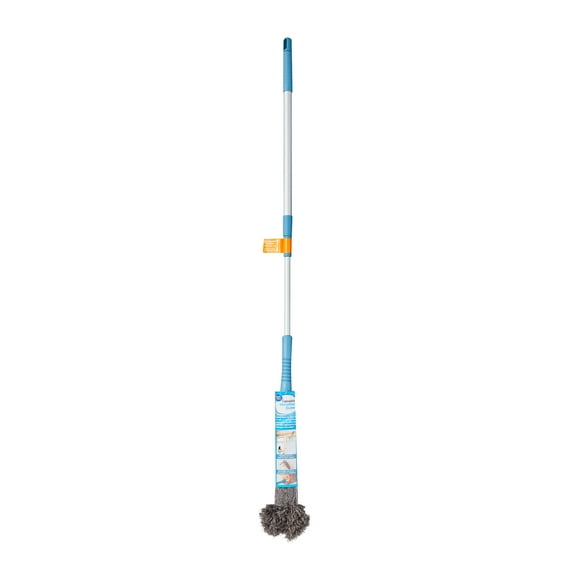
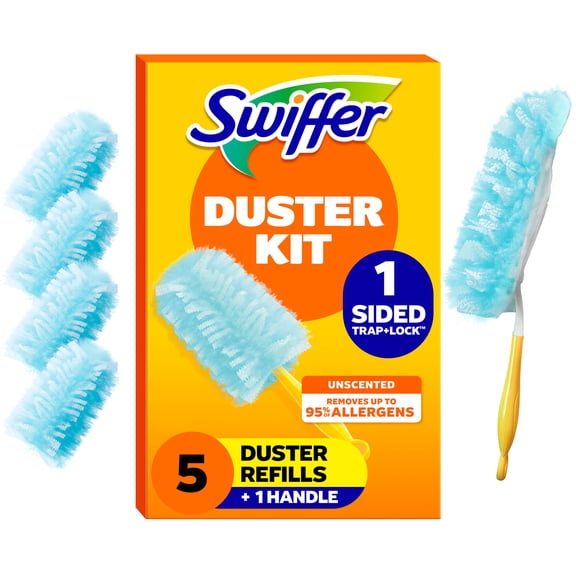
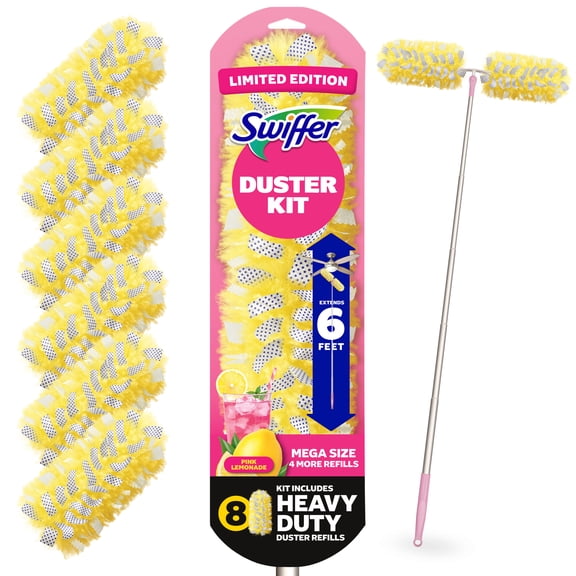
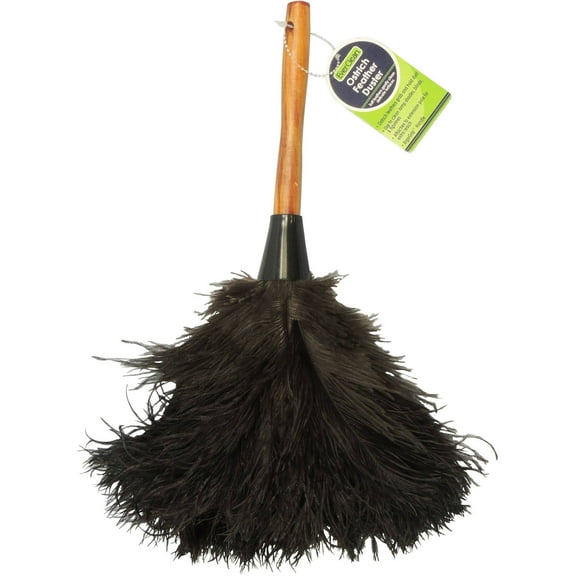
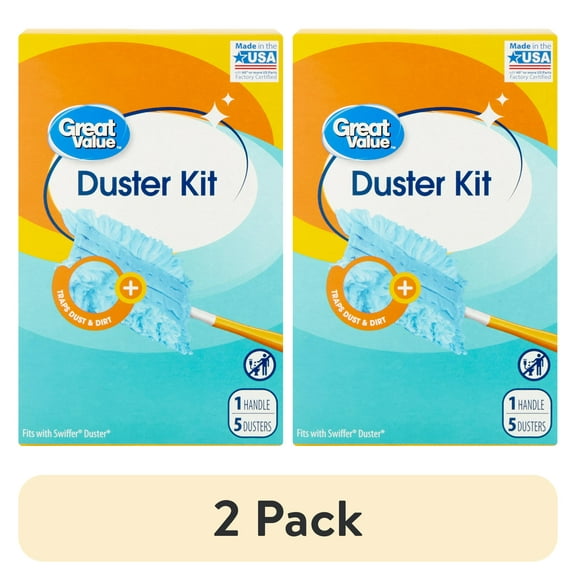
- You can use dusters for blinds, fans, and shelves where loose dust collects.
- You can select squeegees for windows, mirrors, and shower doors that need smooth passes.
Choosing floor cleaning tools for your surface
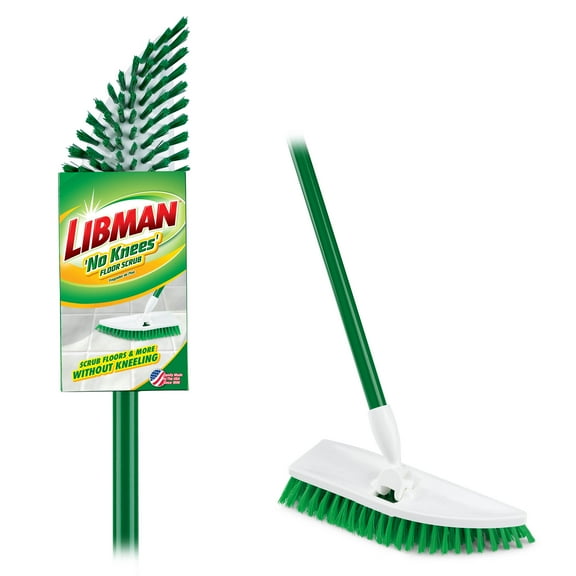
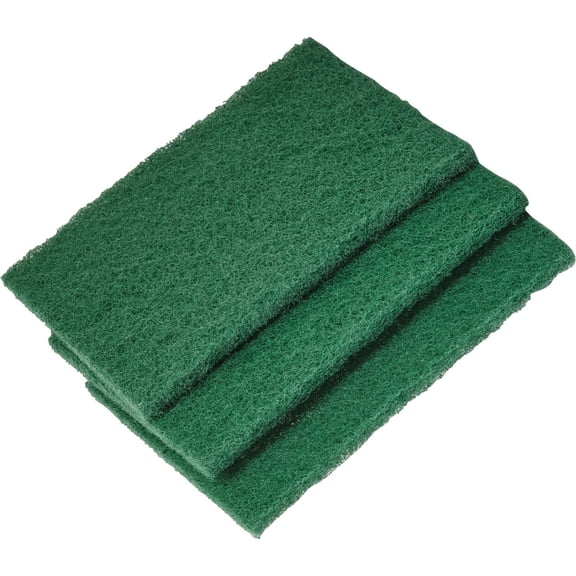
You should match floor cleaning tools to the surface you clean most often. You can use softer pads on hardwood, while tile often suits firmer scrubbing textures.
For carpet, you may prefer tools that lift lint, crumbs, and pet hair from fibers. For glass, you can look for smooth rubber edges or microfiber surfaces for a clearer finish.
If you clean mixed flooring, you should consider multi-surface heads and adjustable settings. You can move from kitchen tile to hallway hardwood with fewer tool changes.
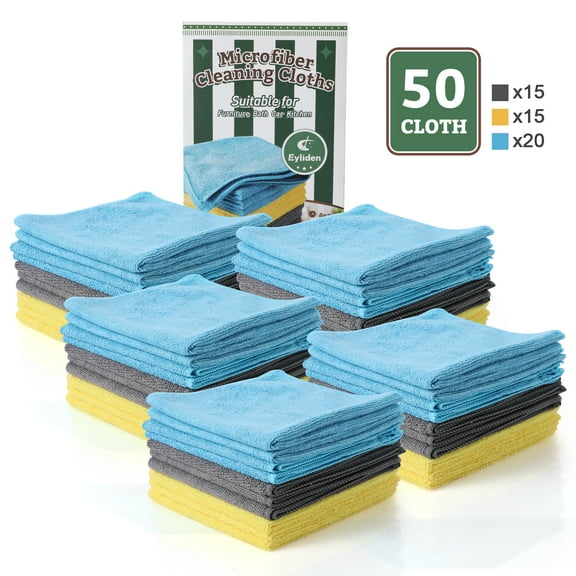
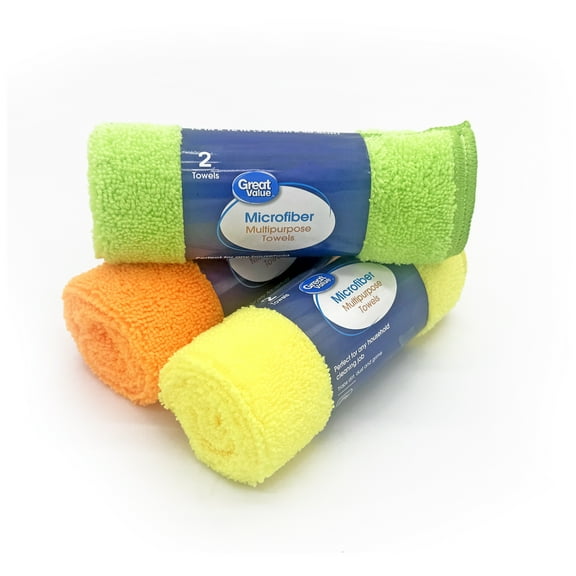
When you compare household cleaning tools, you should also check whether pads are reusable or disposable. You can wash many microfiber cleaning cloths and pads, which helps keep fresh replacements ready.
What to look for in materials and cleaning pads
You should choose materials that fit both the mess and the finish in your home. Microfiber works well when you want soft contact on glass, counters, and finished floors.
Silicone edges can help you guide water across smooth surfaces with steady pressure. Plastic parts can feel lighter in hand, while wood and stainless steel can add a sturdier feel.
If you use microfiber cleaning cloths or reusable pads, you should check care instructions before washing. You can rinse debris first, wash with like colors, and air dry or tumble dry low.
You should also compare pad attachment styles because hook-and-loop systems change refills quickly. Pocket-style pads can feel secure during larger floor passes and repeated back-and-forth motion.
Comparing manual and powered household cleaning tools
You can choose manual tools when you want simple grab-and-go cleaning without charging. Electric and cordless rechargeable options can help you cover larger jobs with less repeated scrubbing.
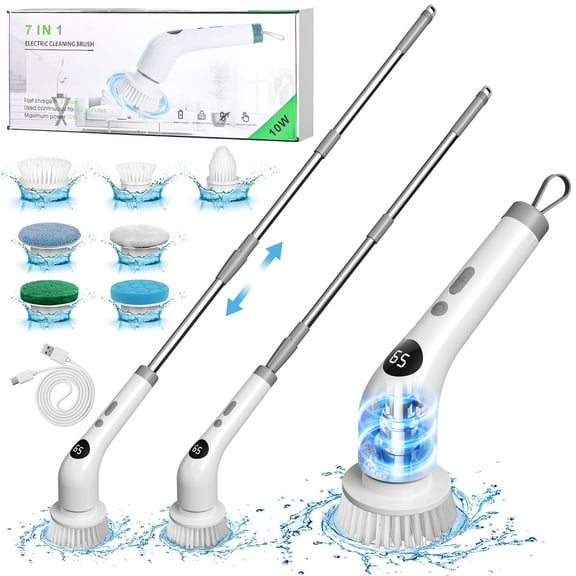
When you compare powered cleaning brushes, you should check battery runtime in plain terms. You can look for enough runtime to finish tubs, tile lines, or kitchen floors in one session.
You may also see torque ratings on some powered tools, and you can read that as scrubbing strength. Higher torque usually means steadier rotation on stuck-on messes and textured surfaces.
If storage matters, you should compare charging docks, removable batteries, and foldable handles. You can fit many cleaning tools into closets, utility corners, or apartment cabinets with less crowding.
Matching cleaning supplies to each room
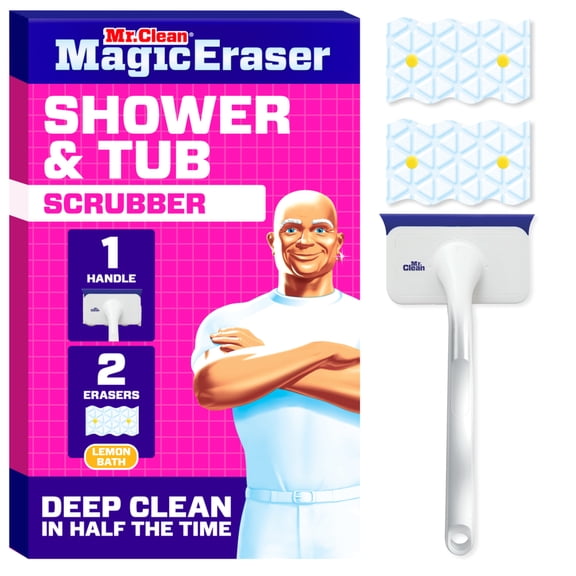
You can get clean results when you match household cleaning tools to the room and task. In bathrooms, you can use scrub brushes, squeegees, and detail tools for tile, fixtures, and shower glass.
In kitchens, you may want microfiber cleaning cloths, compact mops, and narrow brushes for counters, floors, and grout lines. For windows, you can pair a squeegee with washable cloths for clear panes and frames.
Outdoor areas often need sturdier bristles and longer handles for patios, steps, and entryways. You can also look for hanging loops or collapsible handles when you need easier storage in smaller spaces.
During spring cleaning supplies planning, you should focus on rooms and surfaces you clean less often. You can build a practical set with mops and brooms, cleaning brushes, dusters, and reusable cloths that fit your routine.
With the right cleaning tools, you can care for hardwood, tile, glass, carpet, and everyday surfaces with less guesswork. You can feel more prepared when your tools match your floors, rooms, storage space, and cleaning habits.