

Classroom Clocks in Teaching Aids























About Classroom Clocks in Teaching Aids - Walmart.com
Your classroom clock helps you keep lessons, transitions, and testing periods on schedule with clear visibility and quiet operation. You can compare display type, mechanism, power source, and size to match your room setup and teaching style.
How to choose a classroom clock
When you choose a clock for classroom use, you should start with how students read it from their seats. You may want a face, screen, and number style that stays easy to see across your room.
Many classroom clocks also differ in sound level, mounting needs, and teaching-focused design details. You can compare these choices quickly when you know which features matter during instruction and independent work.
What to look for in a clock for teachers
If you teach in a quiet room, you may prefer a silent or non-ticking mechanism. You may notice that quieter movement fits reading blocks, exams, and focused small-group work.
Standard quartz options can still work well when you want a familiar wall clock style. You should check the product details so your clock for teachers matches the sound level you expect.
- You can reduce distractions with silent or non-ticking movement during quiet class periods.
- You can improve visibility with large numbers and high-contrast faces for back-row reading.
- You can simplify placement with battery operated designs that hang without a nearby outlet.
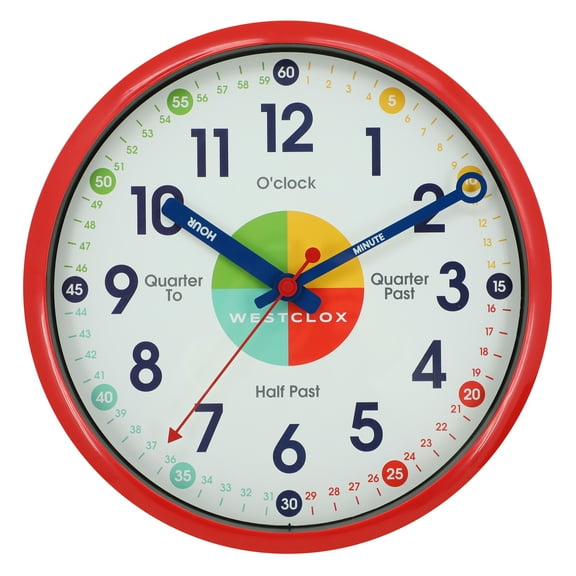
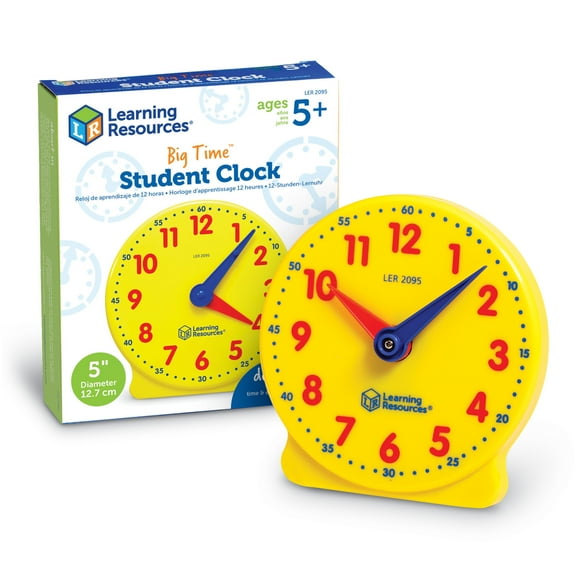
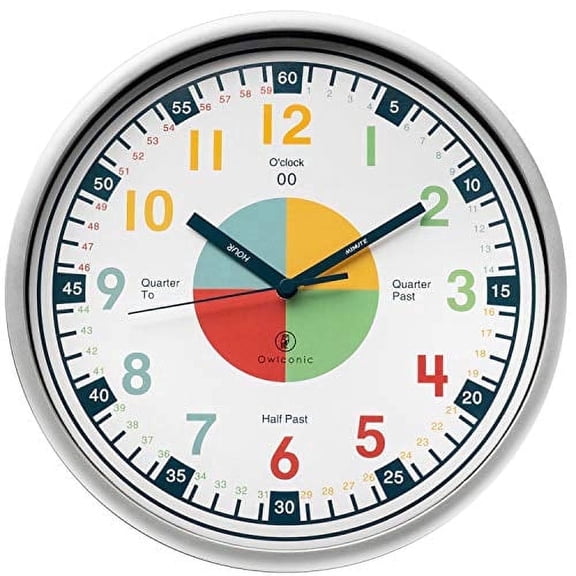
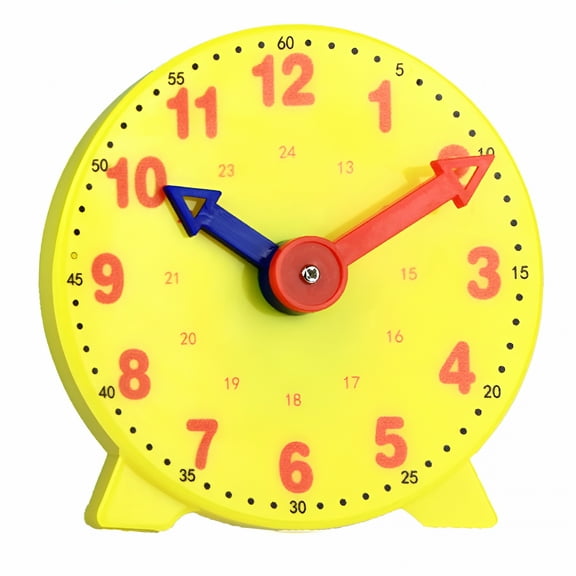
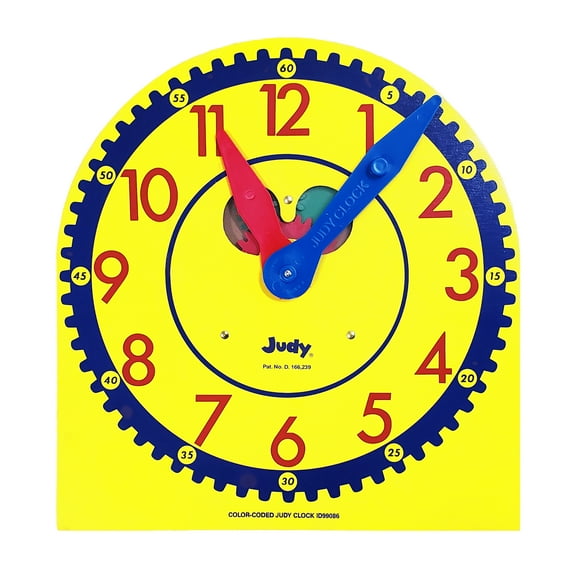
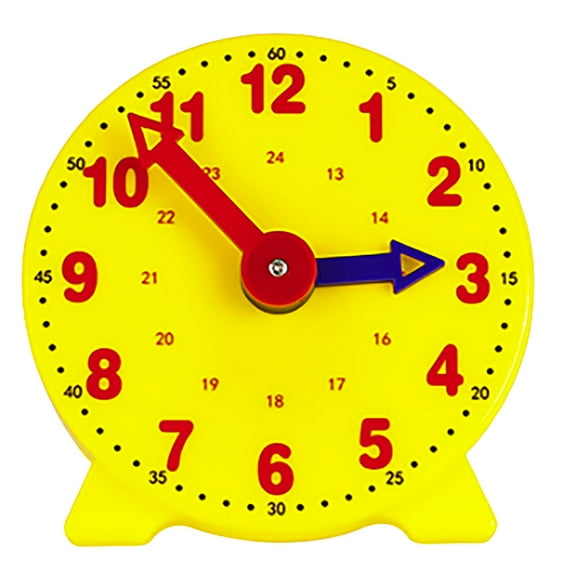
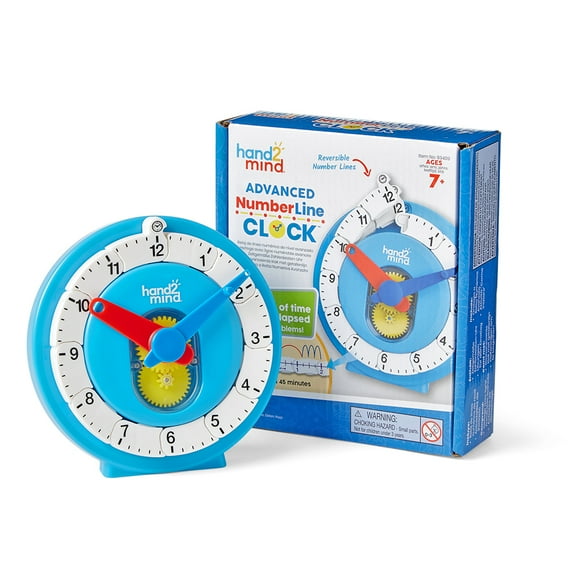
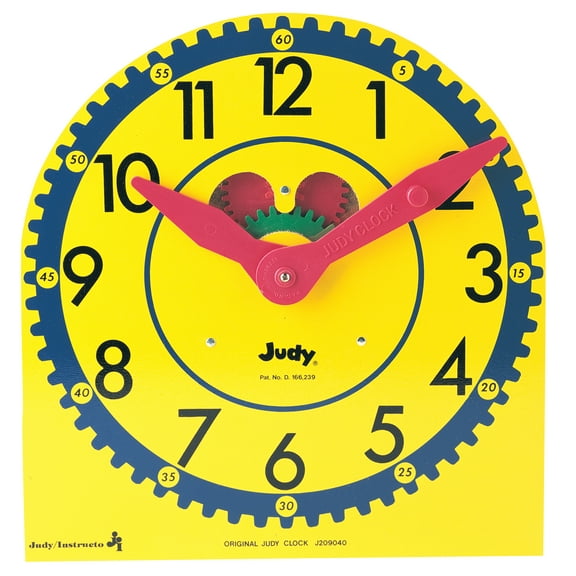
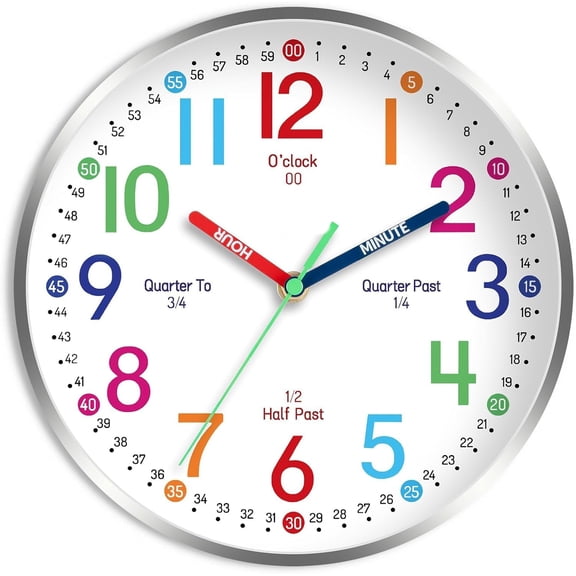
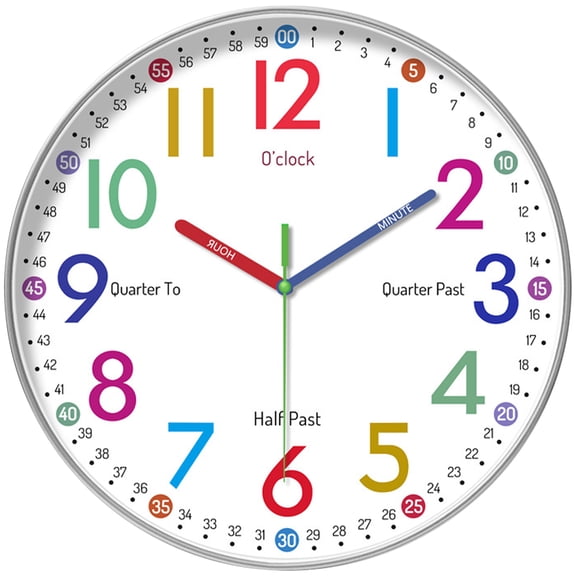
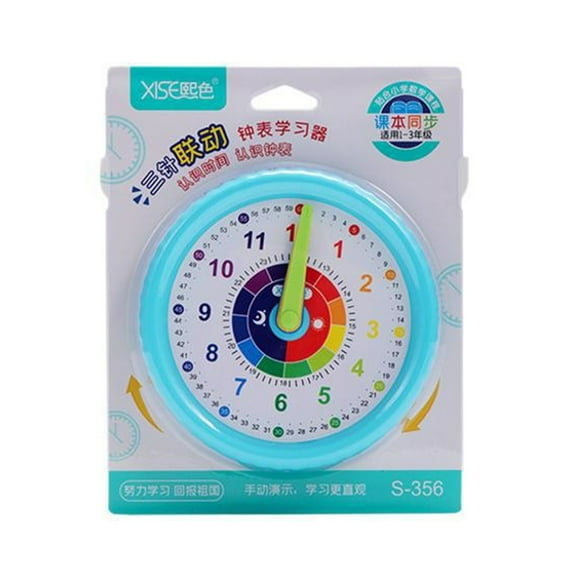
- You can support early learners with color-coded hour and minute markers on select analog styles.
Choosing the right clock for classroom display
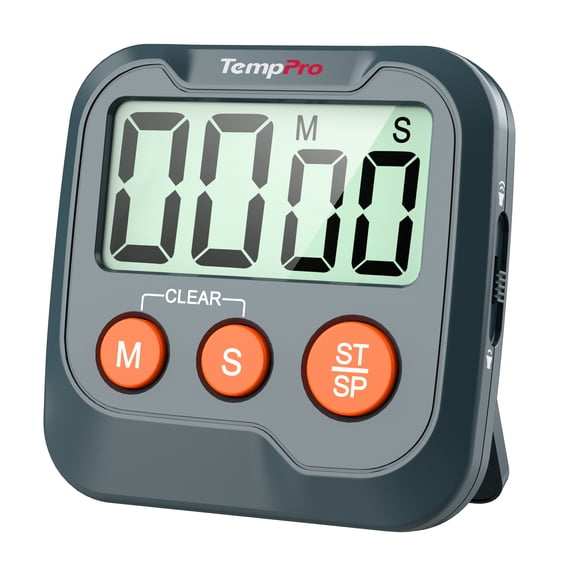
When you compare analog and digital styles, you should think about how you teach time throughout the day. You may prefer analog faces for time-telling lessons and digital displays for quick schedule checks.
Analog options can help you point out hour hands, minute hands, and elapsed time on the wall. Digital options can help you read the time instantly during announcements, centers, and transitions.
Size matters when your students need to read a clock for classroom display from different seating areas. You should consider a 10-inch size for compact rooms, 12-inch for standard walls, and 14-inch or larger for wider spaces.
Contrast also affects readability in bright classrooms and busy learning spaces. You may want bold numerals, clear minute marks, and a simple face that doesn’t blend into your wall décor.
Comparing mechanism and power source
Mechanism affects how your class experiences the room during quiet instruction. You should look for silent or non-ticking movement if you want less background noise near desks or reading corners.
Power source shapes where you can place your class room clock and how clean your setup looks. Battery operated models give you more flexibility on walls, while plug-in options can suit spaces near outlets.
Battery operated styles work well when you want a straightforward wall display without visible cords. Electric or plug-in clocks may fit media areas, front boards, or spots where constant power matters.
You should also check mounting style before you choose among classroom clocks for your space. A lightweight wall clock can be easier to position above whiteboards, cubbies, or classroom doors.
Matching size and features to your room
Smaller rooms often need a compact clock that stays visible without taking over the wall. You may find a 10-inch design fits reading nooks, teacher stations, or narrow bulletin board areas.
For many classrooms, a 12-inch classroom clock offers a balanced look and clear readability. You can place this common size above a whiteboard or near the front of the room.
Large classrooms, shared spaces, and learning labs often need a 14-inch or larger face. You can get easier distance reading when students sit farther from the front wall.
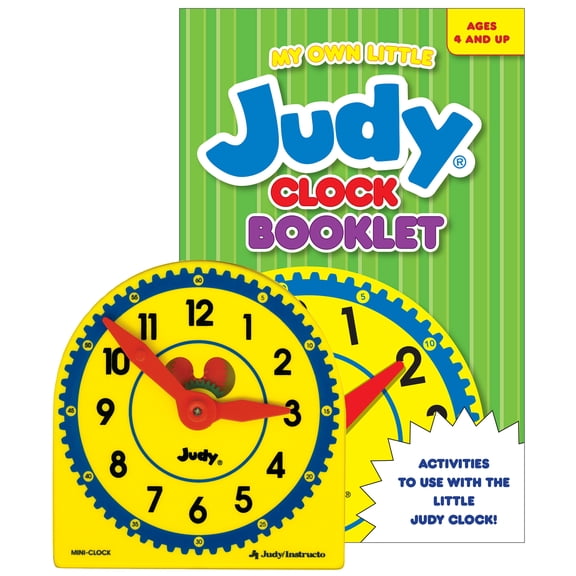
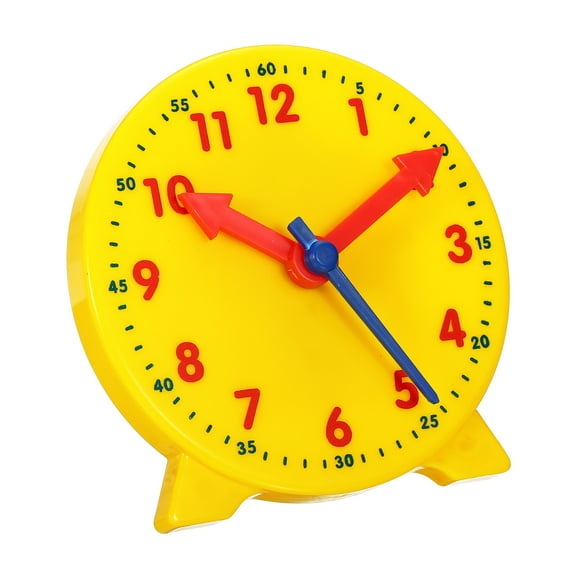
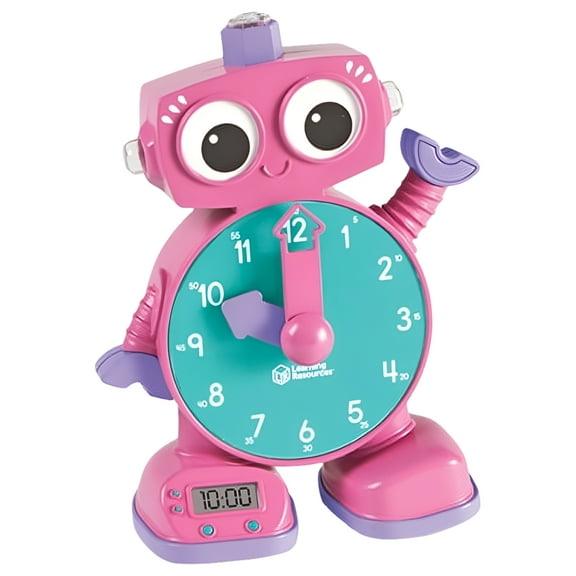
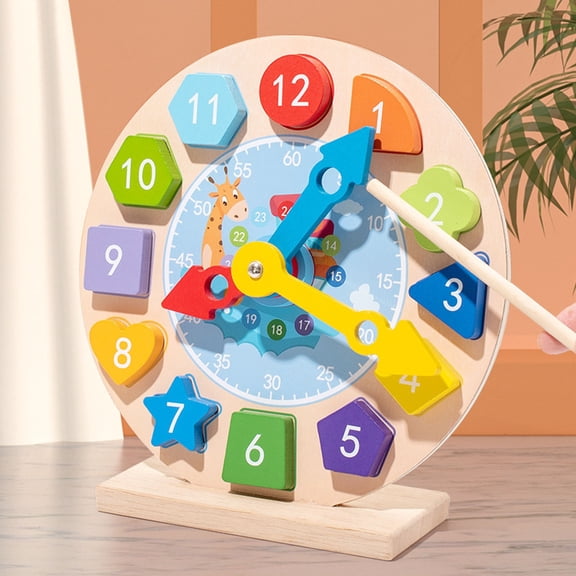
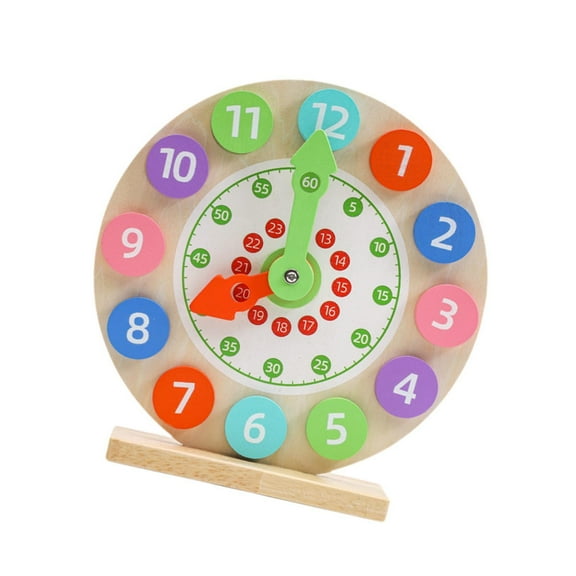
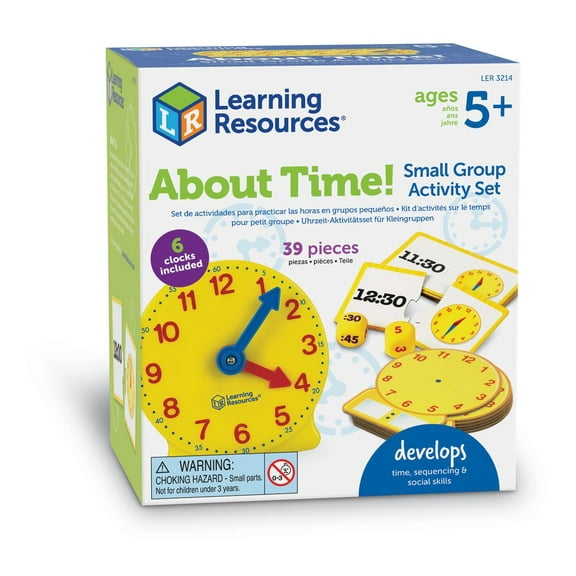
If you teach younger students, you may want features that support time learning during daily routines. You can look for color-coded sections, labeled hands, or bold minute tracking on analog designs.
How you might use classroom clocks each day
You can use a wall clock to guide morning arrival, center rotations, and cleanup without stopping instruction. A readable clock for classroom routines helps students check time on their own.
During testing or silent reading, you may want a non-ticking model that keeps the room calm. You may appreciate quieter operation when every small distraction stands out.
In early learning spaces, you can pair an analog style with color cues for time-telling practice. Older students may benefit from a digital display that supports quick reference during timed activities.
If you manage a larger room, you should prioritize face size and contrast before decorative details. You can get more day-to-day usefulness when students can read the time from the back row.
For multipurpose spaces, you may prefer battery powered flexibility and simple wall placement. You can move your classroom clock as room layouts change across seasons, subjects, or grade levels.
When you compare classroom clocks with these decisions in mind, you can choose a model that fits your room and teaching routine. This can lead to clearer time checks, fewer interruptions, and smoother transitions.
You can also coordinate your classroom clock with whiteboards, teacher planners, and classroom rugs for a more organized teaching space. You may find that clear time visibility supports smoother daily pacing across lessons and activities.