




Shop Chutney and Relishes for Flavorful Meals

















About Shop Chutney and Relishes for Flavorful Meals - Walmart.com
Chutney gives your meals layered flavor with sweet, tangy, and spicy notes that fit many dishes. You can use chutney as a spread, dip, glaze, or condiment when your plate needs more character.
If you're comparing jars for curries, snacks, or cheese boards, you'll want guidance that matches real cooking habits. You'll find flavor profile, main ingredient, origin, and texture are the key decisions in this category.
How to choose chutney by flavor profile
Your first choice is flavor balance, because chutney can taste sweet, spicy, tangy, or hot. You should match that profile to the foods you serve most often at home.
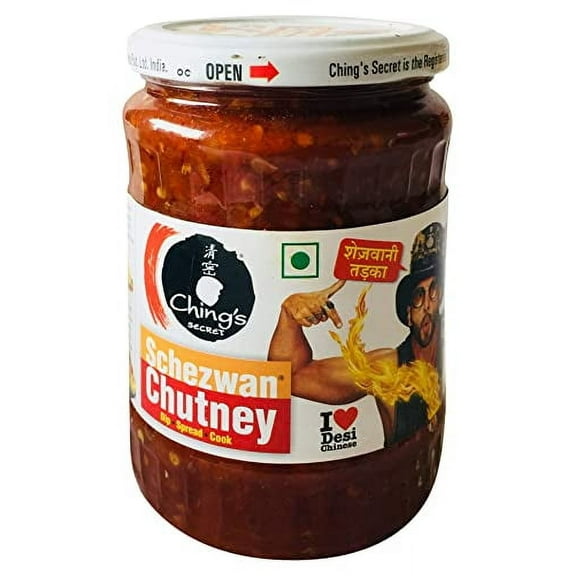
If you like contrast with roasted meats or sharp cheese, you may prefer sweet chutney or mango chutney. If your meals lean bold, you may choose spicy chutney with curries, samosas, or grilled foods.
Tangy options can brighten wraps, rice bowls, and snack plates without overwhelming other ingredients. Hot varieties can give your marinades and dipping sauces a stronger finish.
- You can add sweet chutney to sandwiches, cheese boards, and baked appetizers.
- You can use spicy chutney with grilled chicken, naan, and Indian-inspired dinners.
- You can pair tangy chutney with rice, vegetables, and savory pastries.
- You can spoon hot chutney into dips when your snacks need extra kick.
Choosing ingredients in mango chutney and other varieties
Your next decision is the main ingredient, because it shapes sweetness, acidity, and texture. You should look for ingredients that match what you cook and how you plan to serve them.
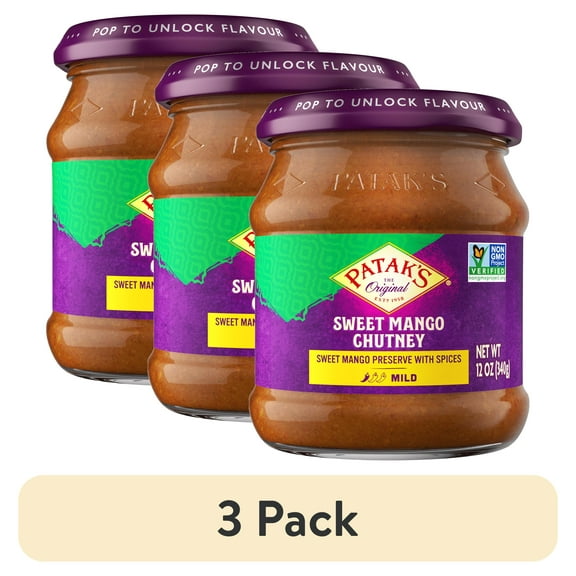
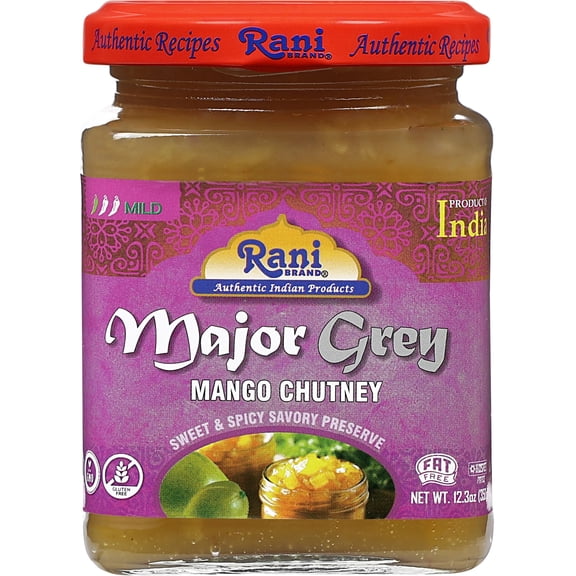
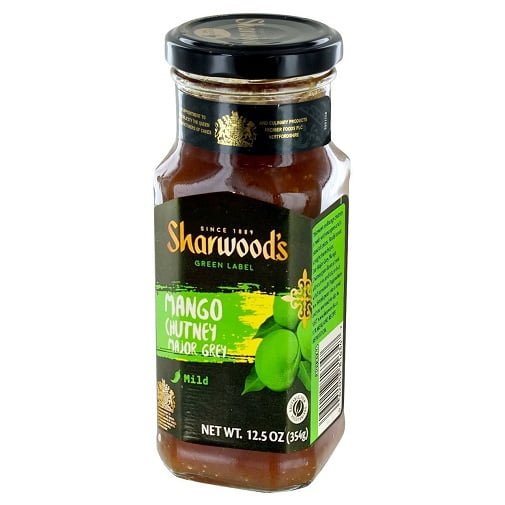
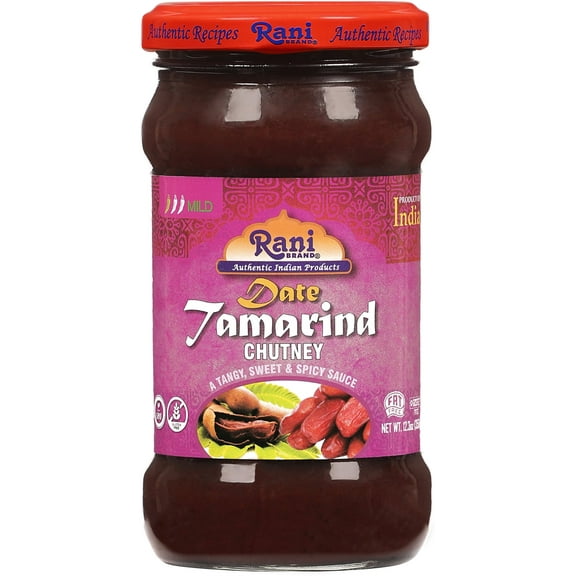
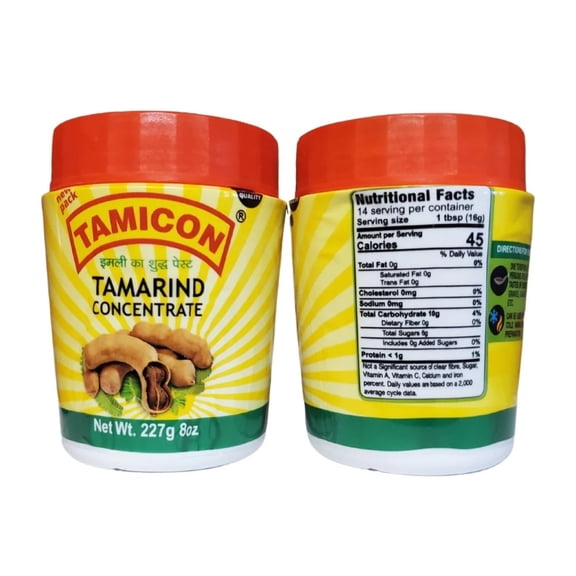
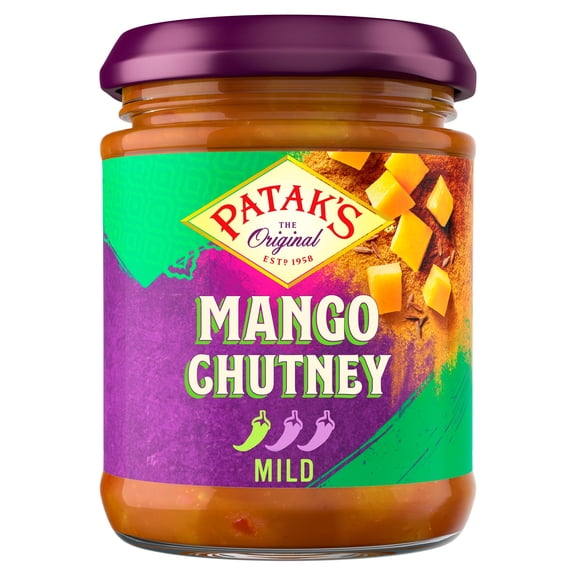
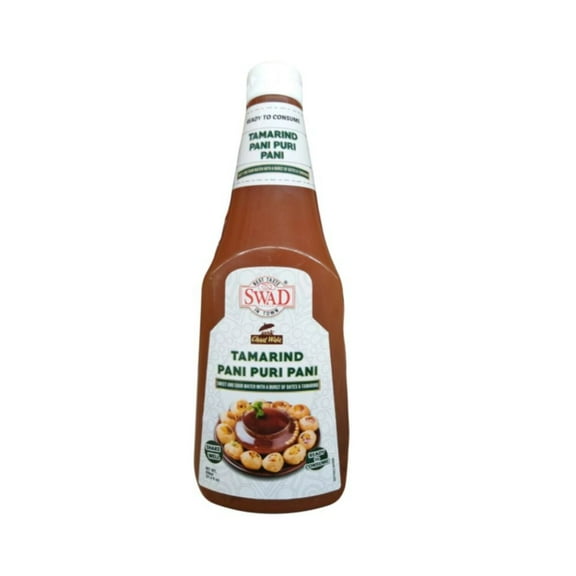
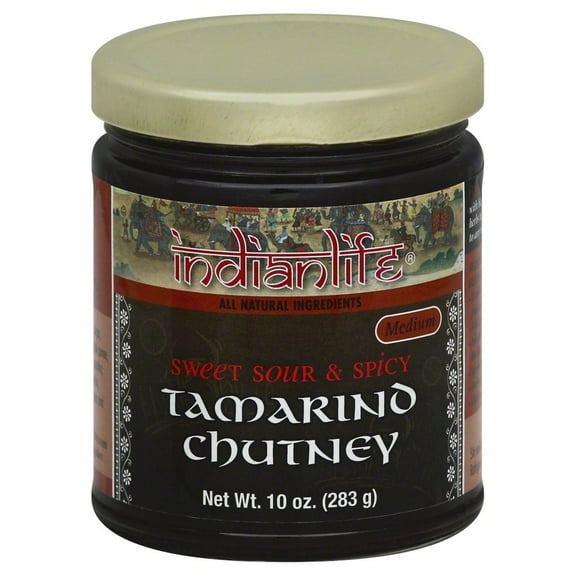
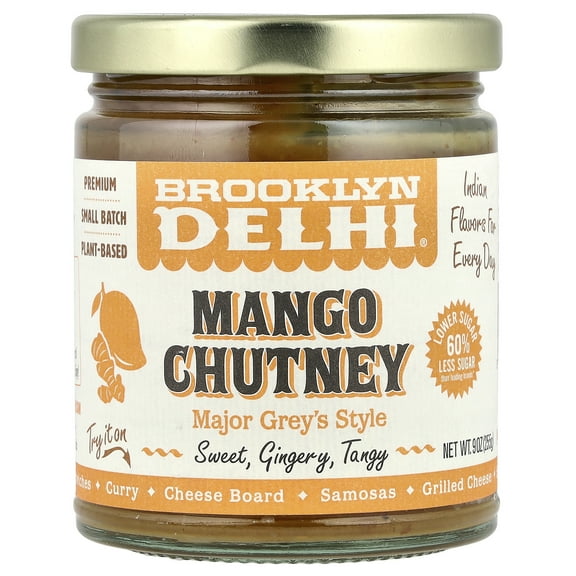
Mango chutney usually brings fruity sweetness that pairs well with curry, roasted meats, and crackers. Tamarind chutney often tastes deeper and tangier, which works well with chaat, samosas, and dipping sauces.
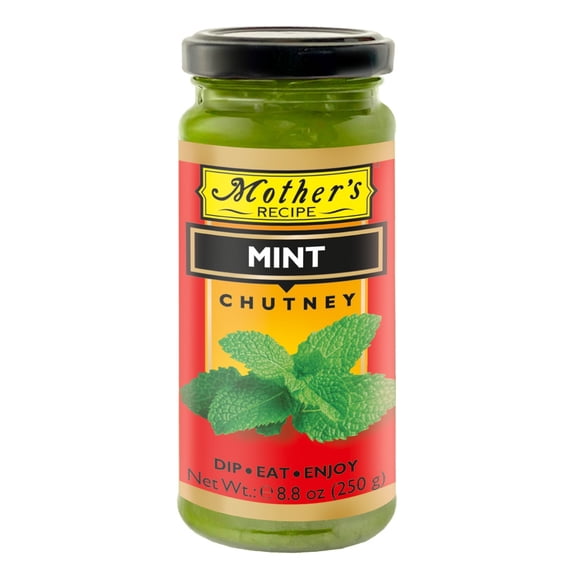
Mint and coriander chutney can taste fresher and more herb-forward on sandwiches or alongside grilled foods. Coconut-based options can suit South Indian dishes, while sweet chutney can complement snack platters and wraps.
If your goal is easy pairing, you may start with mango chutney for mild contrast and broad use. If your meals need bright herbal notes, you may compare coriander chutney or mint blends.
Comparing Indian chutney styles and origins
Your choice of style matters because Indian chutney, British chutney, and Anglo-Indian recipes bring different flavor expectations. You should consider whether you want a traditional table condiment or a versatile pantry spread.
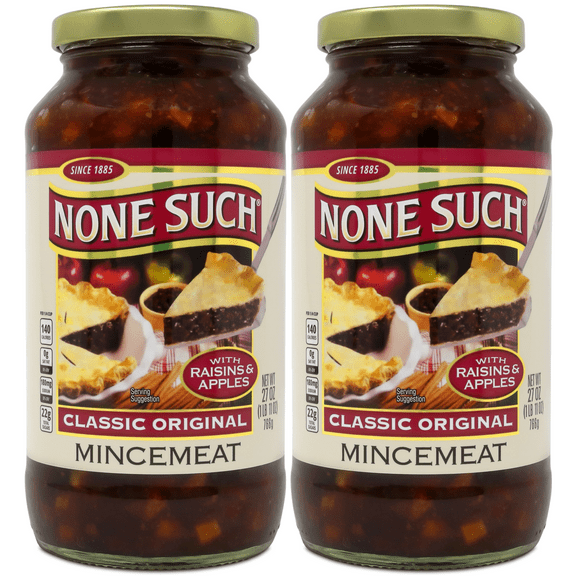
Indian chutney often centers herbs, fruit, tamarind, or coconut for bold pairings with regional dishes. British and Anglo-Indian styles often lean thicker, sweeter, and more relish-like for cheese, toast, or roast dinners.
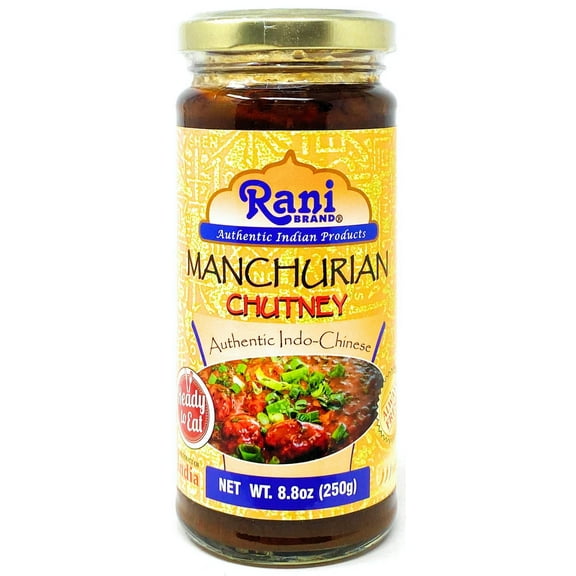
If you're planning an Indian meal, you may want flavors that complement curry, dosa, pakora, or naan. If you're building a snack board, you may prefer a jar that works with crackers, cheddar, and cold cuts.
You may also check labels for recipe style and ingredient lists when authenticity matters in your kitchen. Your preference may depend on whether you want familiar sweetness or a more savory, spice-led finish.
What to look for in chutney texture
Your texture choice changes how chutney spreads, dips, or cooks into sauces. You should compare chunky, smooth, and relish-like options based on how you plan to use each jar.
Chunky chutney can add visible fruit or vegetable pieces, which works well on cheese boards and roasted meats. Smooth chutney can spread more evenly in sandwiches, wraps, and quick appetizers.
Relish-like textures can suit burgers, sausages, and picnic foods when you want a spoonable topping. If you're stirring chutney into a glaze, you may prefer a smoother consistency for easier coating.
You should also think about whether you want chutney as a finishing touch or a cooking ingredient. Your texture preference can make a big difference in plating, dipping, and mixing.
Using chutney in everyday meals
You can keep chutney on hand for fast flavor during lunch, dinner, and entertaining. You may use one jar across several meals, which makes this category useful beyond one cuisine.
For weeknight dinners, you can spoon mango chutney next to curry, rice, or grilled chicken. For snacks, you can pair tamarind chutney with samosas, pretzels, or crispy appetizers.
If you're building sandwiches, you can spread coriander chutney or sweet chutney for extra depth. If you're hosting, you can place indian chutney beside cheese, crackers, and roasted vegetables.
You can also stir chutney into glazes, yogurt dips, or salad dressings for quick flavor changes. Your meals can taste more layered without adding many extra ingredients.
Making a confident chutney choice
Your ideal chutney depends on flavor, ingredient, origin, and texture, not just the label on the jar. When you match those details to your meals, you get a condiment that fits your table with ease.
If you want fruity sweetness, herbal freshness, or a spicy finish, you have clear ways to compare options. Your pantry feels more versatile when one chutney supports snacks, dinners, and entertaining.