

Chicken Wire




















About Chicken Wire - Walmart.com
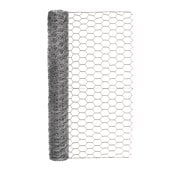
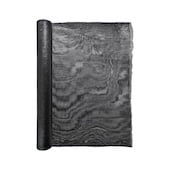
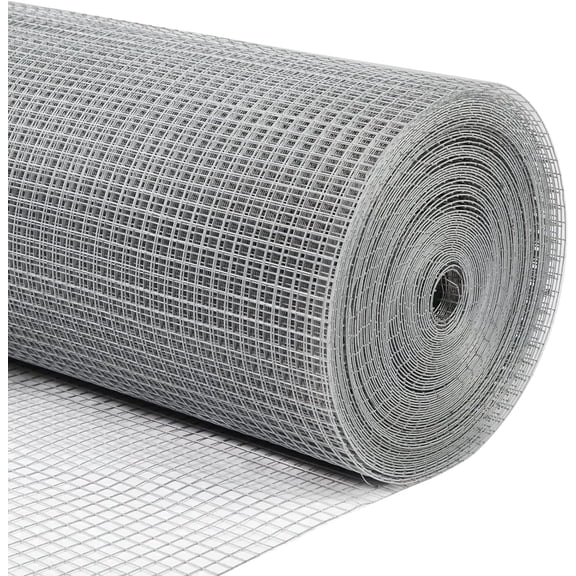
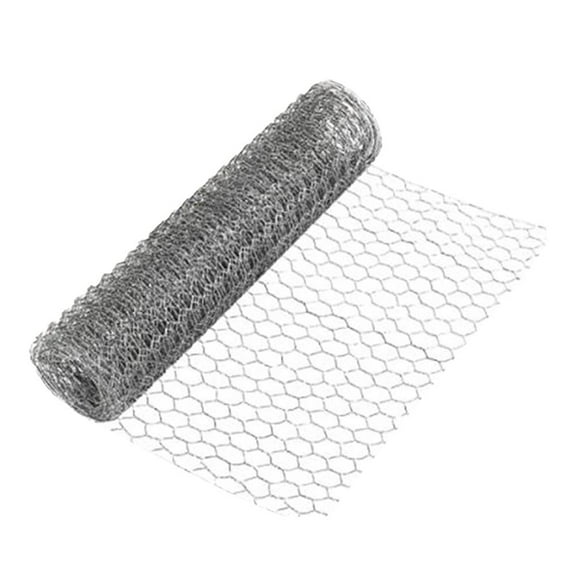
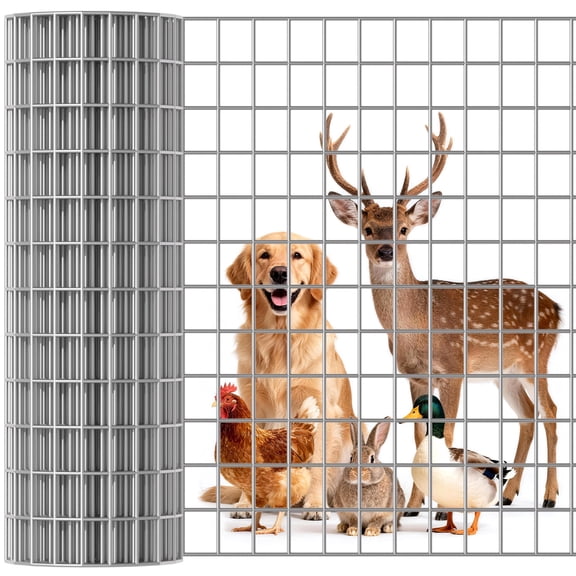
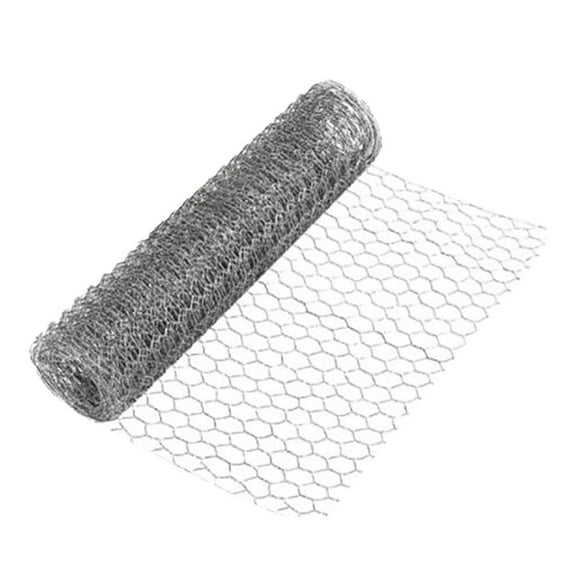
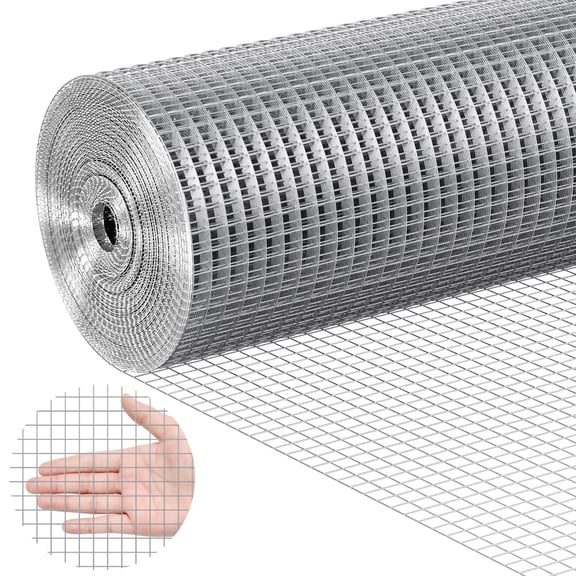
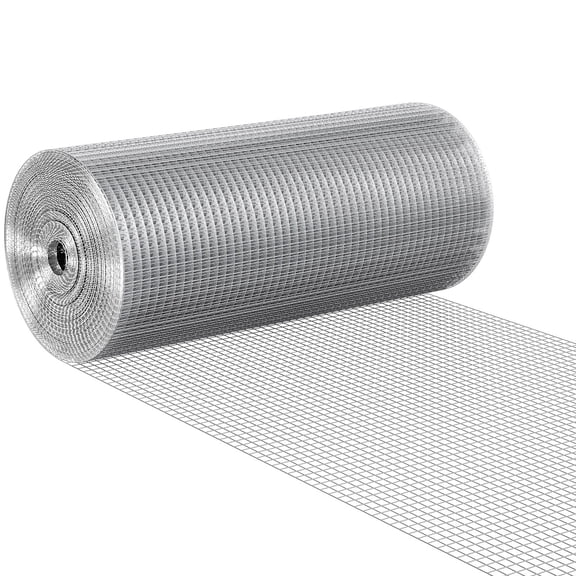
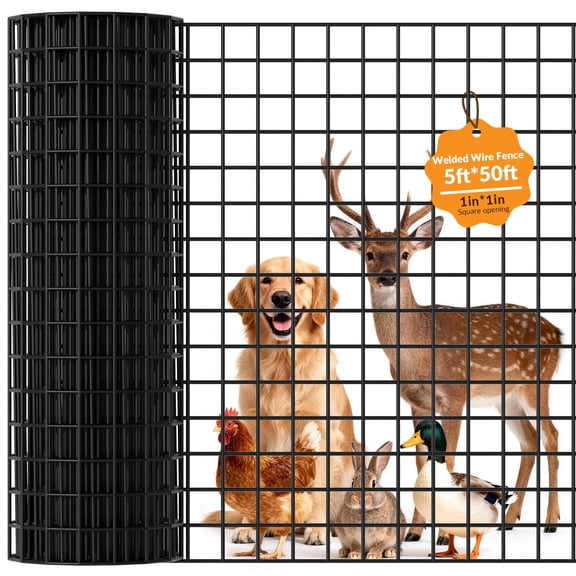
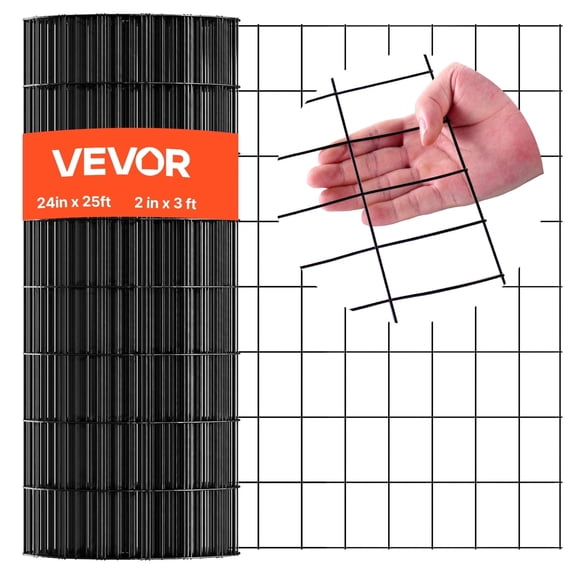
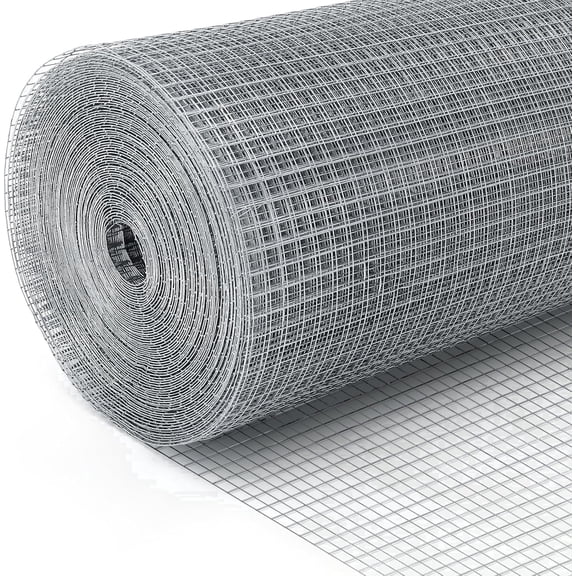
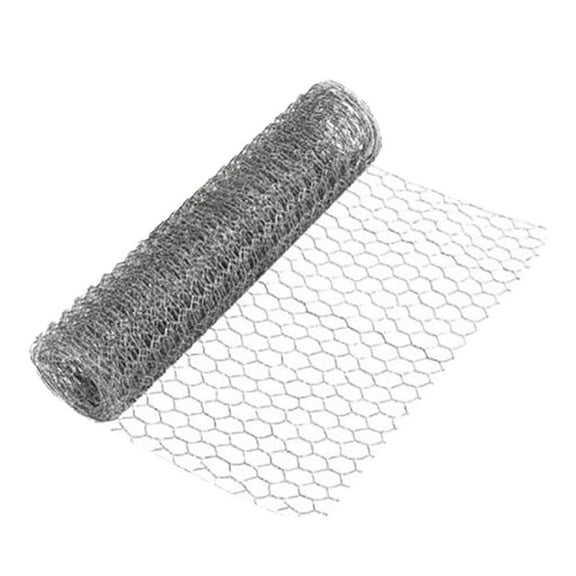
Chicken wire helps you build coop panels, protect garden beds, and cover frames with flexible wire mesh fencing. You can compare mesh size, wire gauge, finish, and roll dimensions to fit your project.
Choosing the right chicken wire for your project
When you choose chicken wire, your first decision should be mesh opening size. You’ll want tighter openings when your setup needs closer coverage around plants, feed areas, or young birds.
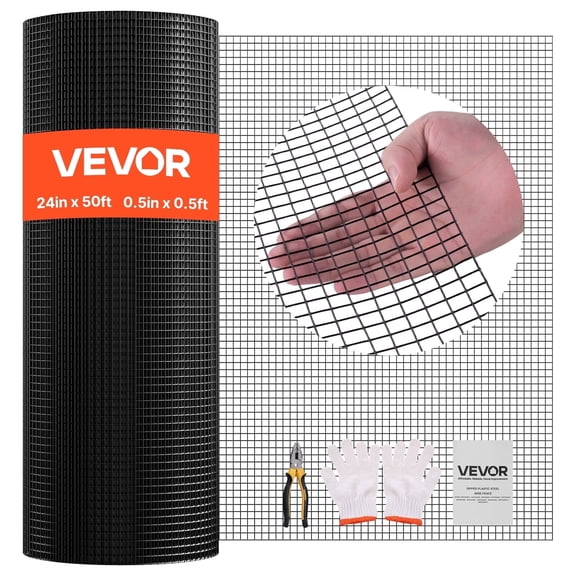
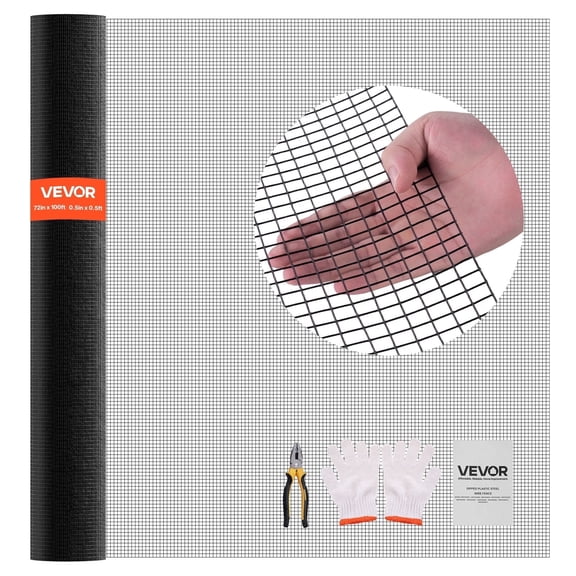
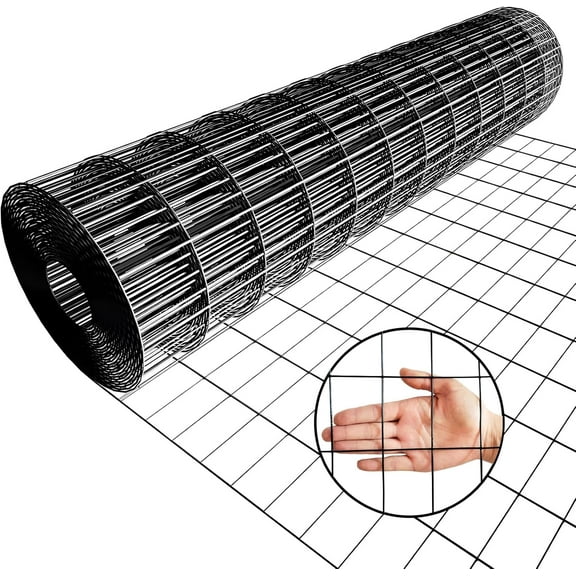
Mesh size changes what your barrier allows through. You can use 1/2 inch openings for tighter spacing, while 1 inch and 2 inch openings cover broader tasks.
Wire gauge matters just as much as opening size. You should remember that lower gauge numbers mean thicker wire, so 19 gauge feels sturdier than 22 gauge.
- You can use 1/2 inch mesh when your project needs tighter coverage around smaller gaps.
- You can choose 1 inch mesh for many coop and garden fencing tasks.
- You can pick 2 inch mesh when your project needs wider coverage and easier visibility.
- You can compare 19 gauge, 20 gauge, and 22 gauge wire by the structure your enclosure needs.
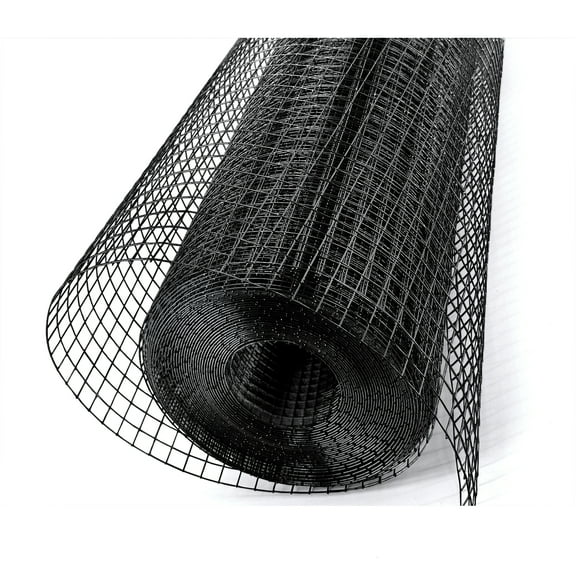
- You can select galvanized steel, PVC coated, or green vinyl finishes for different outdoor looks and conditions.
How to compare chicken wire mesh size and gauge
You should start with mesh opening size because that choice affects how enclosed your space feels. You can use 1/2 inch mesh around chicks, garden beds, or sifting frames that need tighter spacing.
For general poultry netting, you may prefer 1 inch openings for balanced coverage. You can use 2 inch openings when broad coverage and visibility matter more than a tighter barrier.
Gauge tells you how thick the metal strands are in your chicken wire fence. You’ll notice 19 gauge and 20 gauge wire feel firmer, while 22 gauge suits lighter-duty tasks.
That detail matters when your enclosure faces more pushing or pulling. You should match thicker wire to larger pens, active birds, or spaces that need more structure.
Galvanized chicken wire and coated finish options
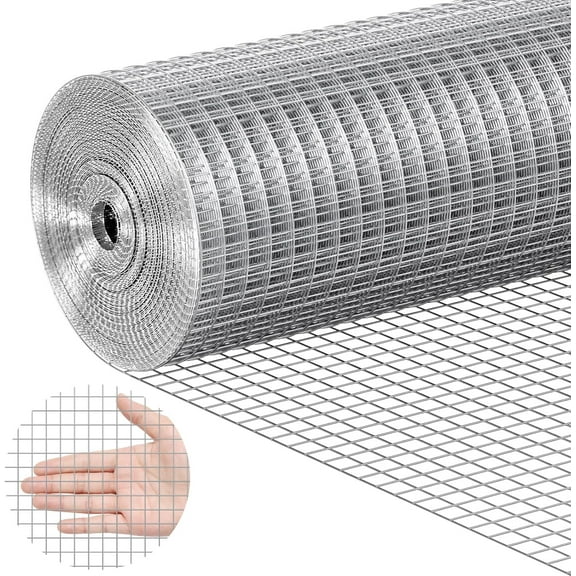
You’ll often compare galvanized chicken wire with coated options when your project stays outdoors. You can choose galvanized steel for coops, raised beds, and utility fencing with a classic metal look.
Some projects call for a closer look at the coating method. You may notice galvanized after weaving covers the finished mesh, while galvanized before weaving coats the wire earlier.
That difference can help you compare rust resistance for long-term outdoor use. You should check whether your fence will stay exposed around soil, watering zones, or open weather.
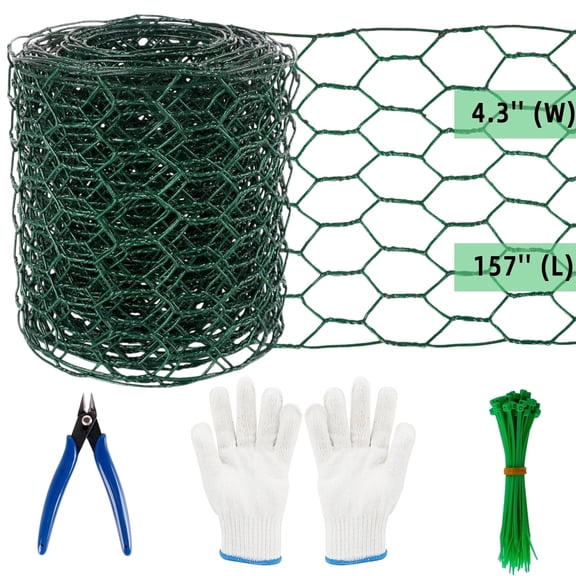
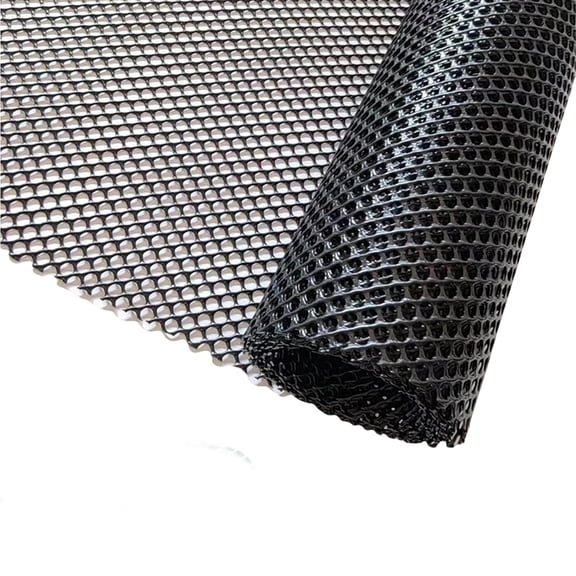
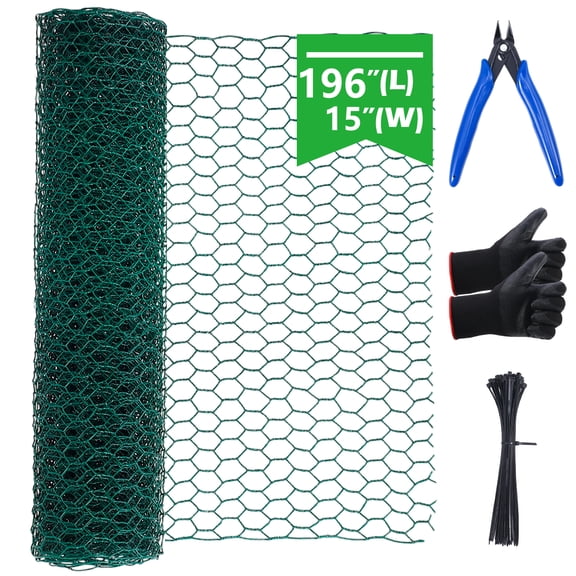
PVC coated and green vinyl finishes give you another option for visible installations. You can use those finishes when you want your poultry netting to blend into landscaping or painted structures.
Choosing a chicken wire roll size
You should measure both height and length before choosing a chicken wire roll. You can avoid awkward seams when your roll dimensions match the full path of your fence.
A 2ft x 50ft roll can work for short borders and compact projects. You can step up to 3ft x 100ft or 4ft x 100ft rolls for taller enclosures and longer runs.
Roll height affects how much vertical coverage you get around beds, coops, and pens. You should compare low edging with taller panels so your fencing fits the frame cleanly.
Extra length often helps around corners, gates, and overlap points. You can reduce mid-project trimming when your layout includes a little room for adjustments.
Matching poultry netting to common uses
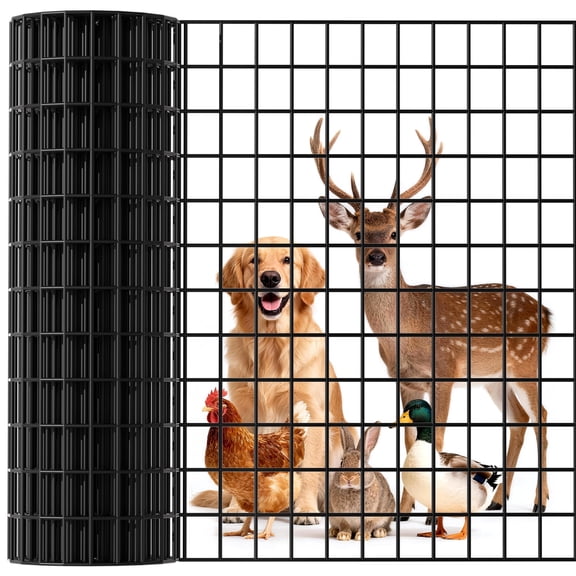
You can use poultry netting for coop walls, garden protection, crafts, and soil sifting frames. You’ll get an informed fit when your mesh, gauge, finish, and roll size match the task.
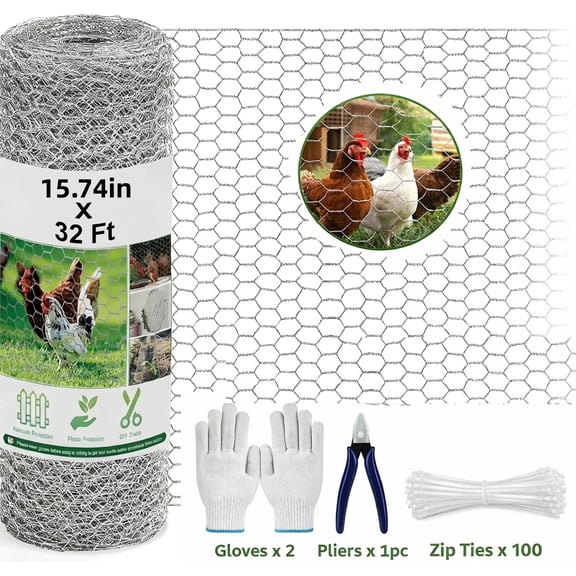
For a poultry coop, you should compare tighter mesh and thicker gauge near lower sections. You can create a more controlled barrier around birds, feed zones, and framed openings.
Garden fencing usually starts with the size of the plants you’re covering. You may want smaller mesh around seedlings, while green-coated wire can blend into beds and pathways.
Craft projects often need lighter wire that shapes more easily by hand. You can use chicken wire for wreath forms, display frames, or decorative structures with flexible coverage.
Soil sifting depends heavily on opening size. You can choose tighter mesh for finer material, while larger openings move bigger debris through more quickly.
Your setup may also include fence posts, garden stakes, staple guns, or poultry coop supplies. You can create a cleaner installation when your supports and fasteners match the wire format.
You’ll make an informed choice when you compare chicken wire by mesh size, gauge, finish, and roll dimensions. You can complete your coop, garden border, or frame with coverage that fits from the start.