






Chainsaws






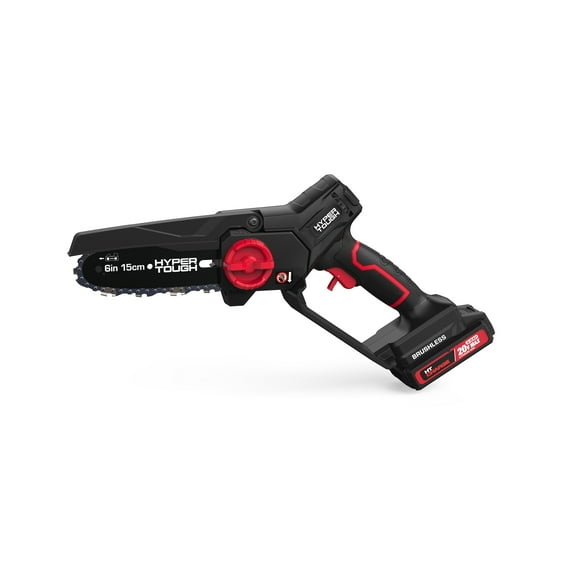

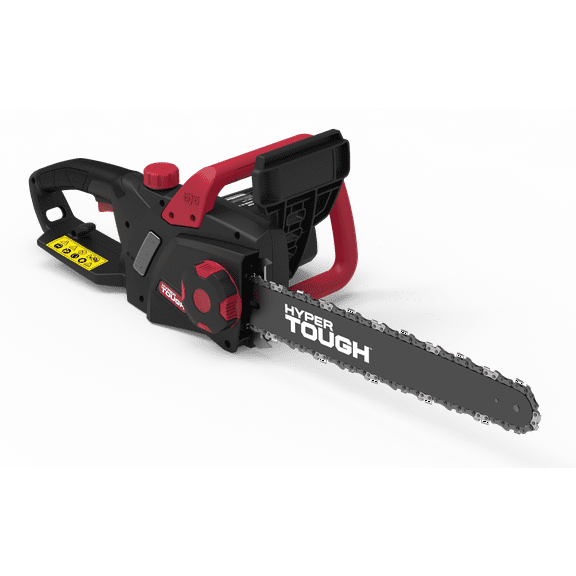
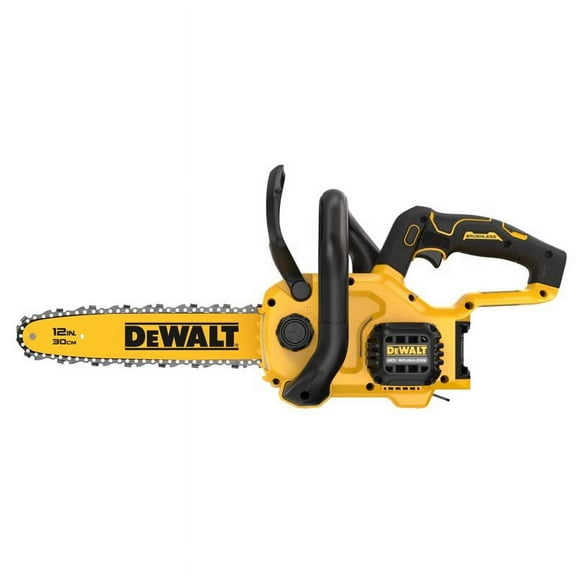


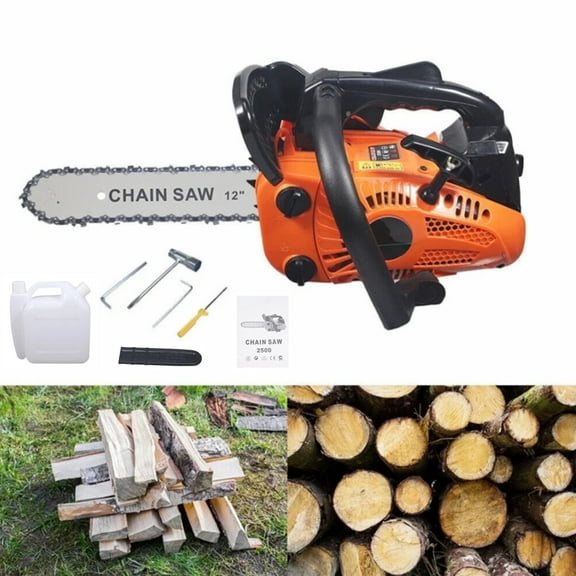















About Chainsaws - Walmart.com
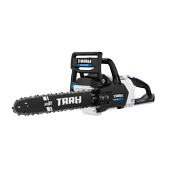
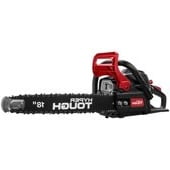
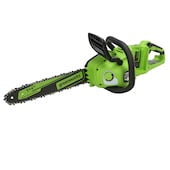
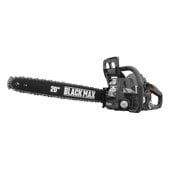
Chainsaws help you handle storm cleanup, firewood cutting, and yard work with the power source and bar length that fit your projects. You can compare gas chainsaws, battery powered chainsaws, and corded electric options in one place, so your choice feels clear.
When you shop this category, you’re usually balancing cutting strength, runtime, weight, and upkeep. You’ll also want to match your saw to the wood diameter you expect to cut frequently and how often you plan to use it.
How to choose chainsaws by power source
You should start with power source because it shapes portability, startup feel, and maintenance. If your work takes you far from an outlet, you’ll likely compare gas chainsaws and cordless chainsaws first.
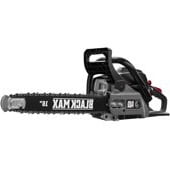
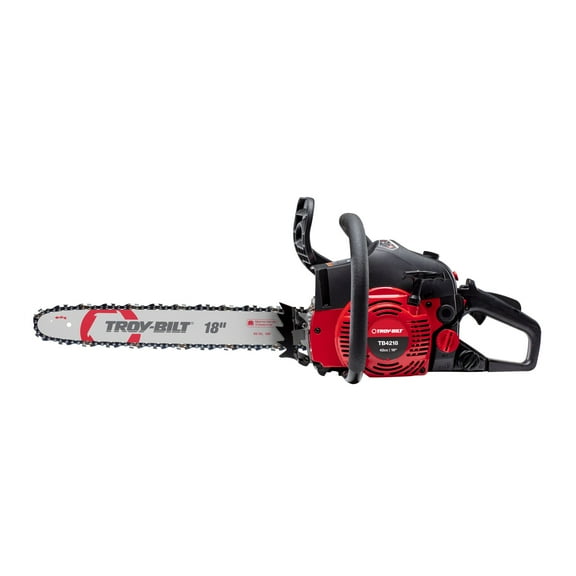
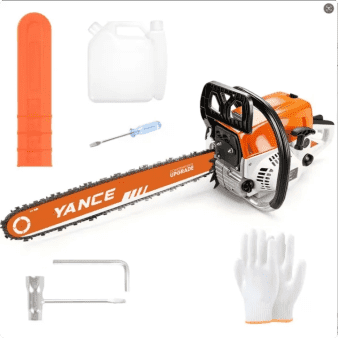
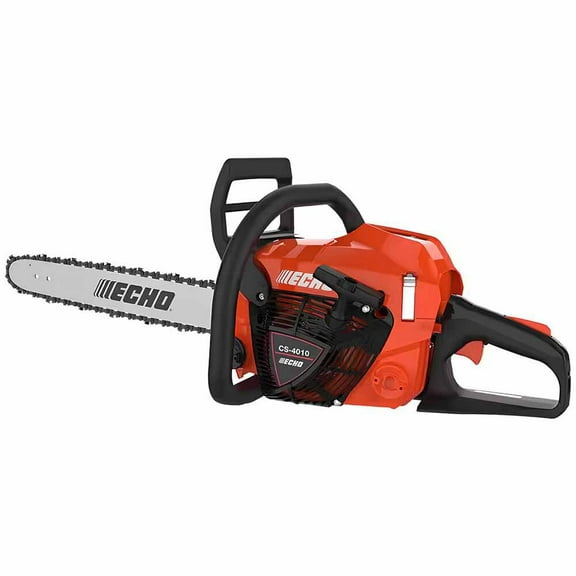
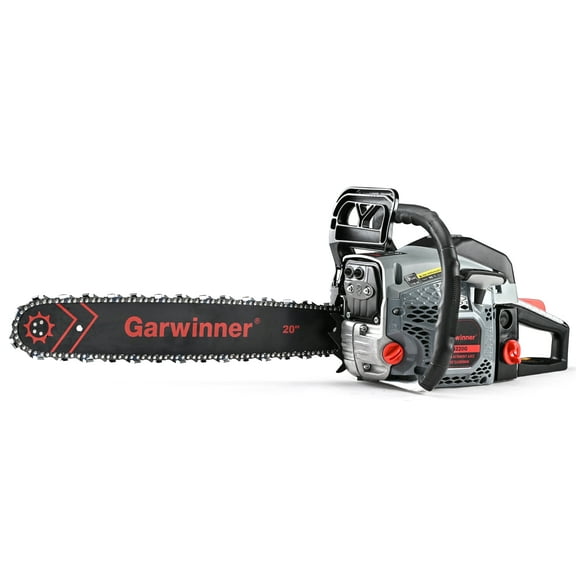
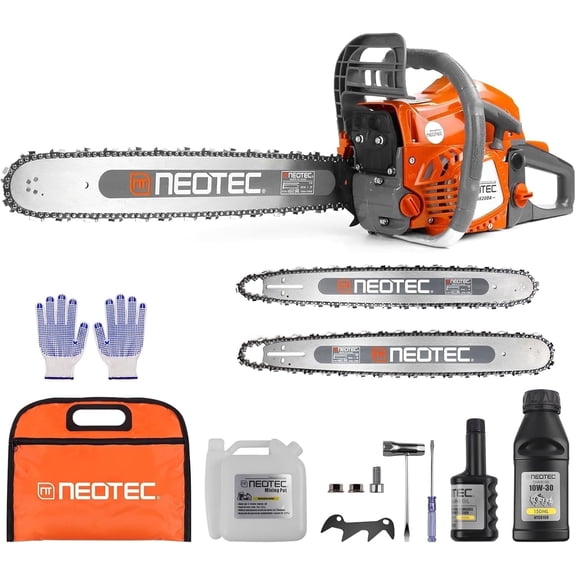
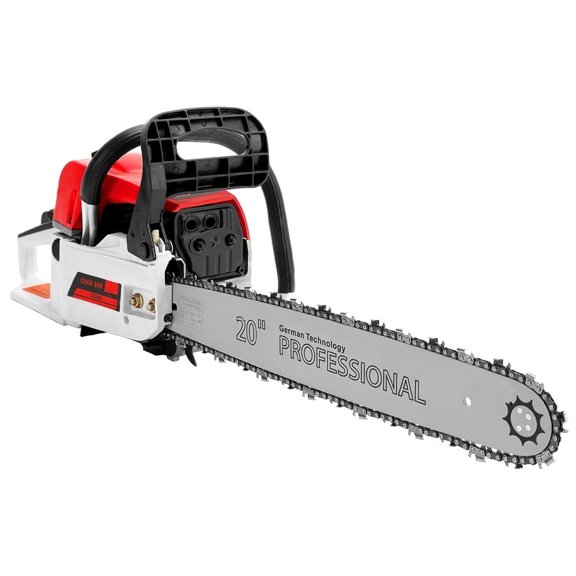
Gas chainsaws usually suit longer cutting sessions and thicker wood where you want strong cutting power. You may prefer them when you’re cutting firewood regularly or handling heavier outdoor jobs.
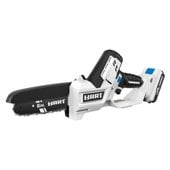
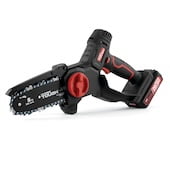
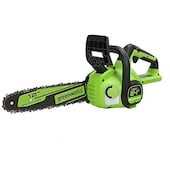
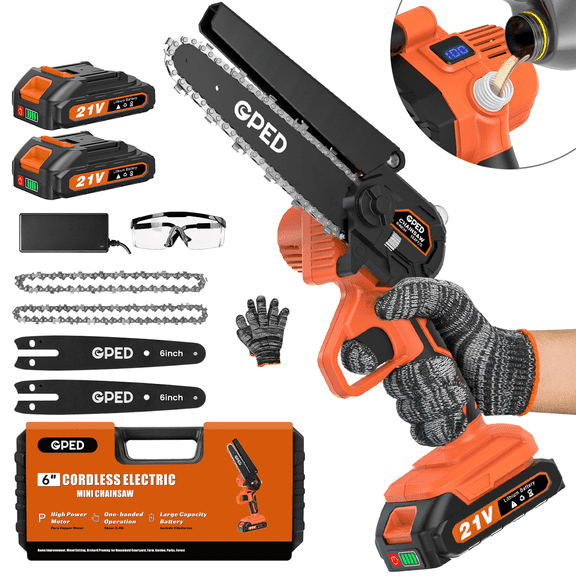
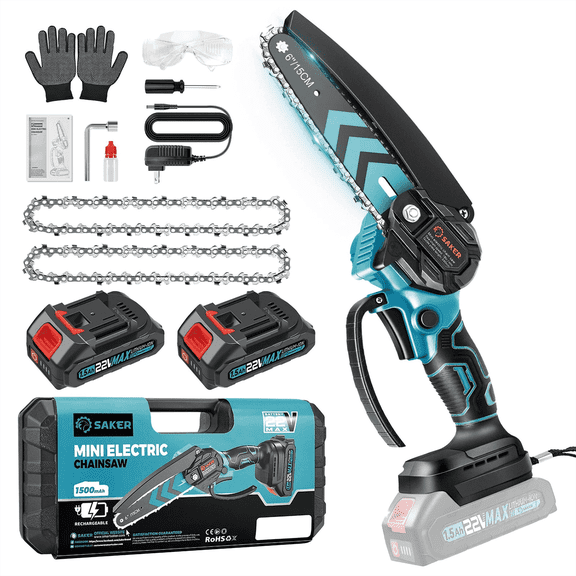
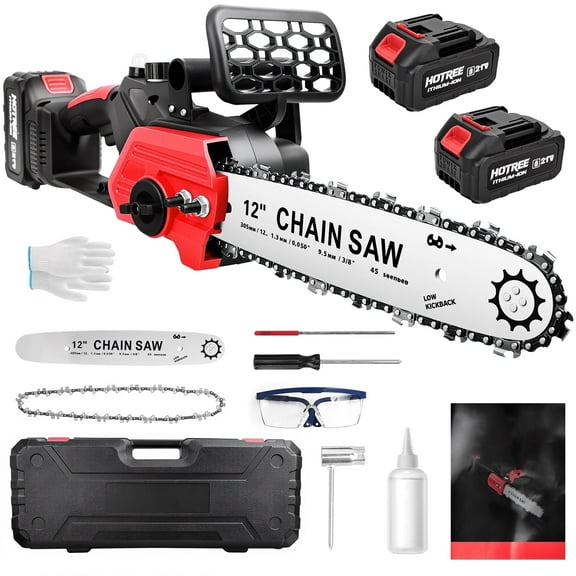
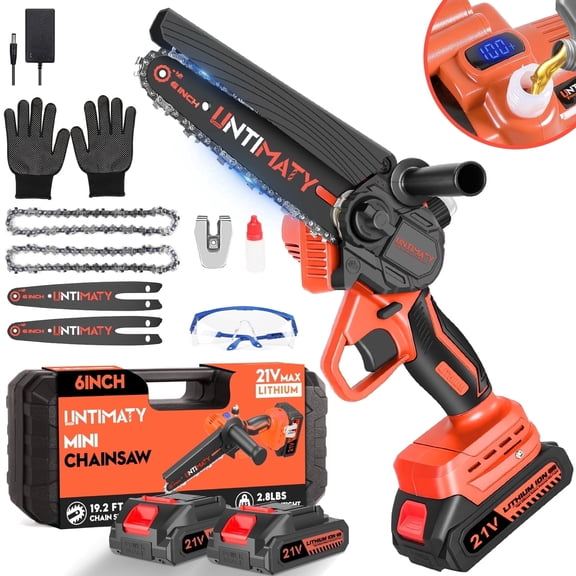
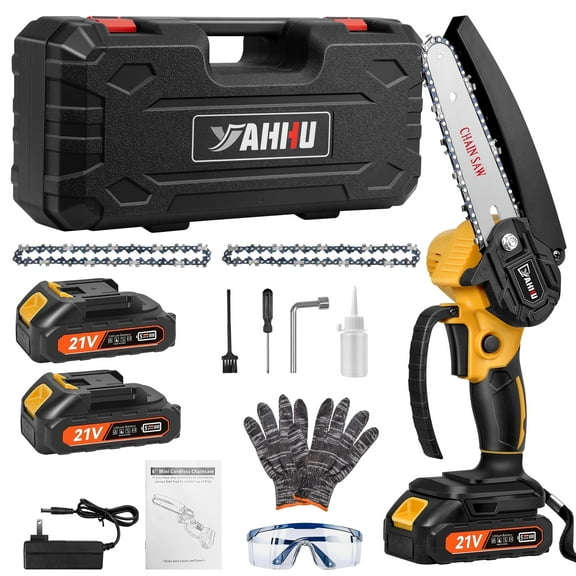
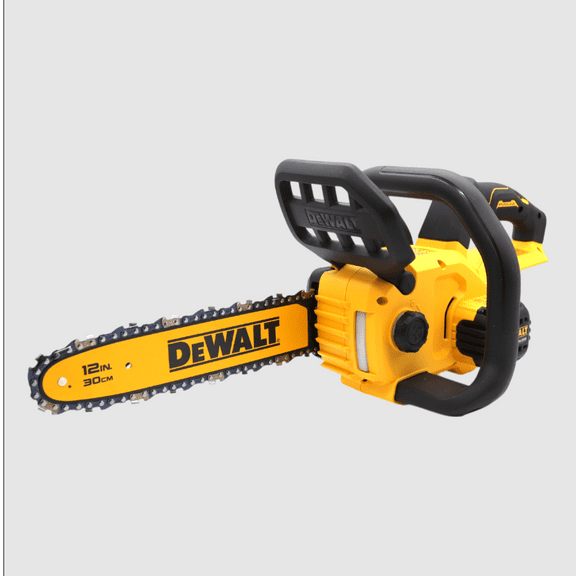
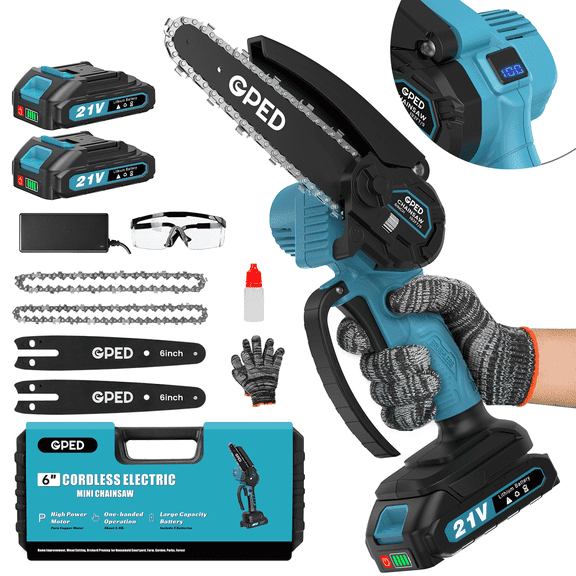
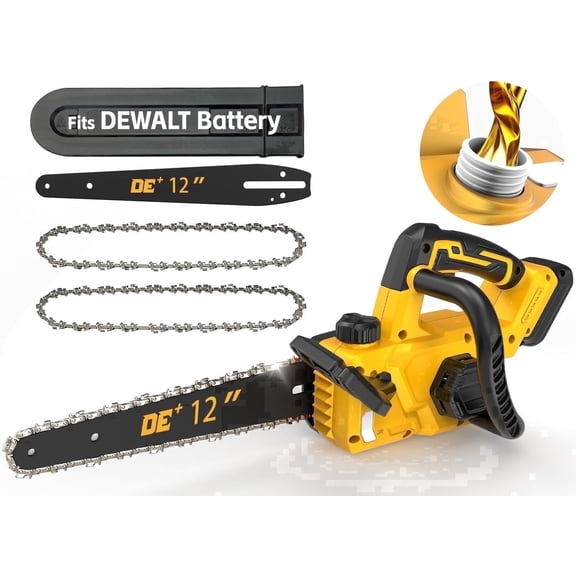
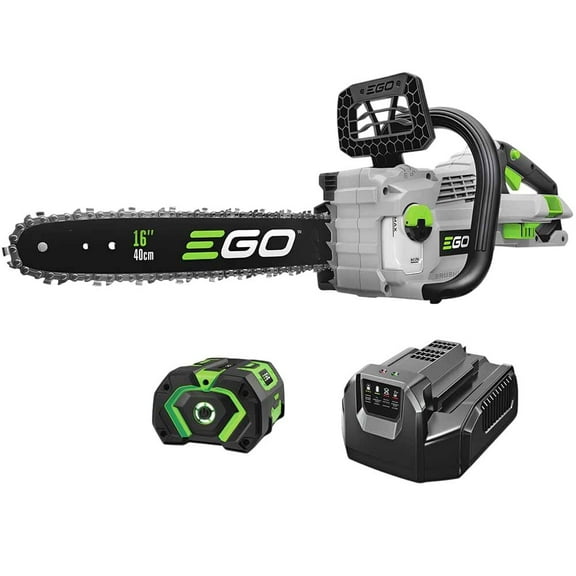
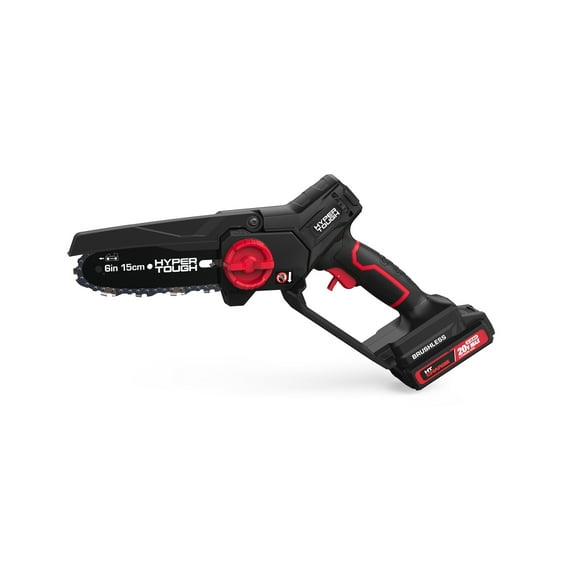
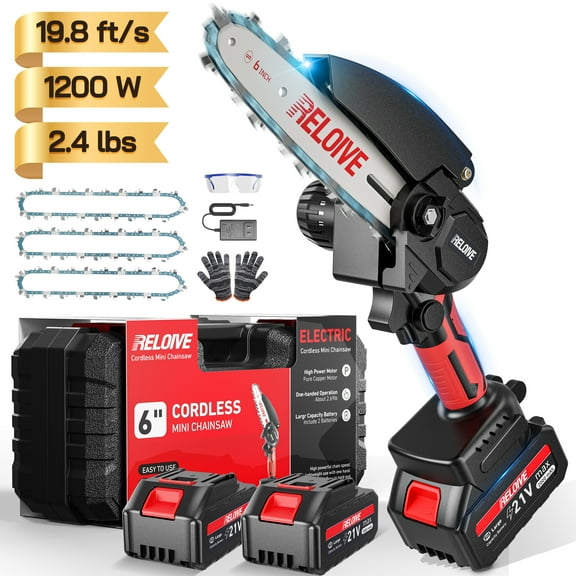
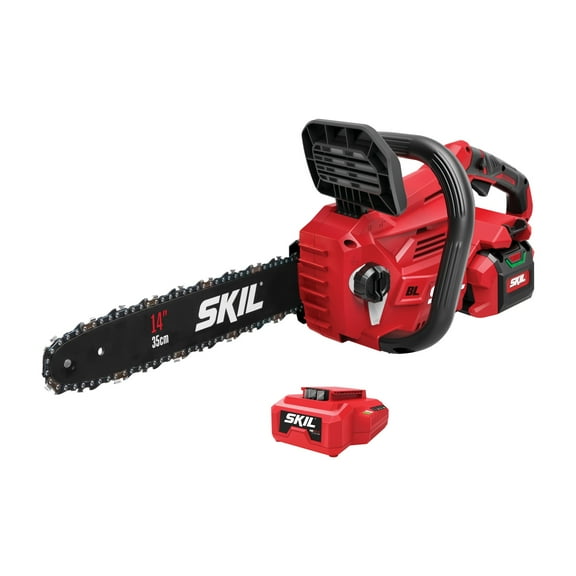
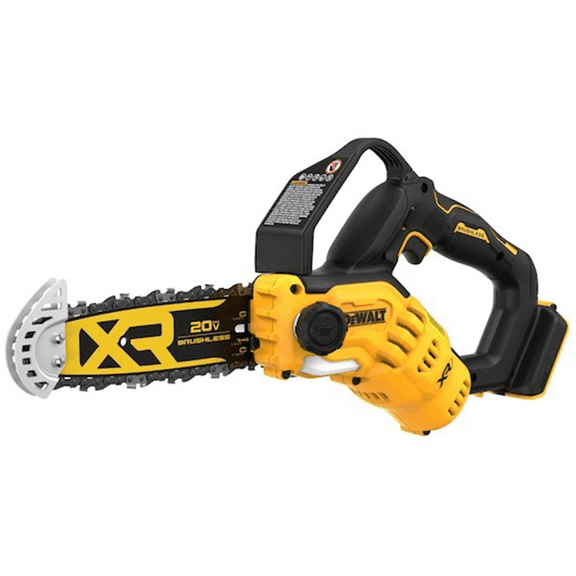
Battery powered chainsaws give you cord-free movement with less routine upkeep and a simpler startup process. You’ll often like them for yard cleanup, trimming, and quick weekend tasks around your property.
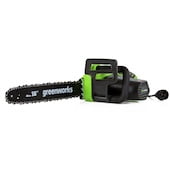
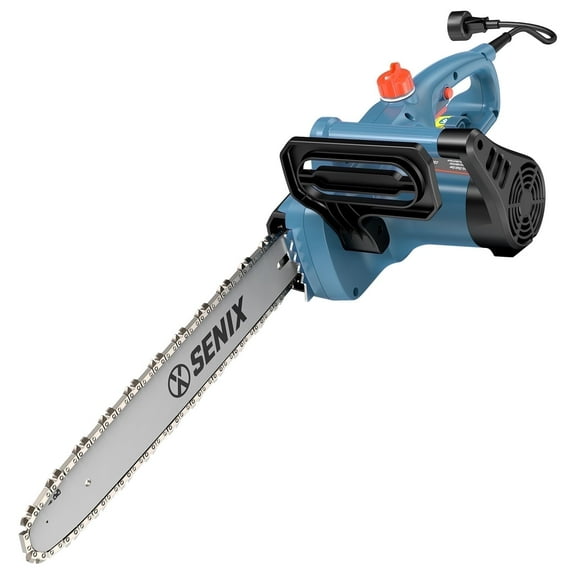
Corded electric chainsaws can make sense when you work close to home and want steady power. You should check cord reach carefully, because your workspace matters as much as motor style.
- You can choose gas models when your projects involve repeated cuts through larger logs.
- You can choose battery chainsaws when you want easier carrying and fast starts.
- You can choose corded electric chainsaws when you plan to cut near an outlet.
- You can compare tool weight to help reduce arm fatigue during longer sessions.
Choosing the right chainsaws bar length
You should compare bar length with the wood diameter you expect to cut frequently. A practical rule is simple: your bar length should match or exceed that wood diameter.
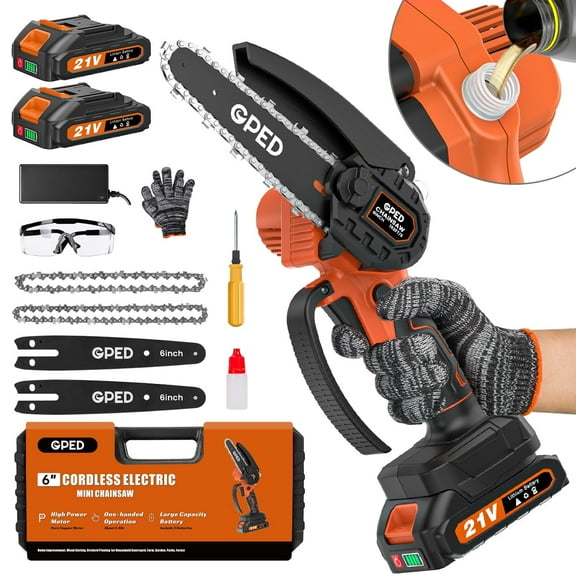
You may find 12 inch and 14 inch bars useful for light trimming, pruning, and small branches. You’ll often see these sizes on mini chainsaws and small chainsaws built for quick handling.
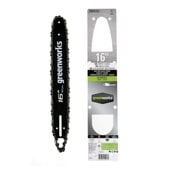
If you cut medium limbs, yard debris, or average firewood, you may want a 16 inch chainsaw. You’ll get a versatile middle ground that works for many household outdoor jobs.
You should look at 18 inch and 20 inch bars when you’re tackling thicker logs and larger cleanup tasks. Longer bars can reach bigger wood, but you’ll also want to consider added weight.
Before you choose, you should think about control as much as reach. A shorter bar can help you maneuver more easily in tight spaces or overhead limbing work.
What to look for in battery powered chainsaws and gas chainsaws
You’ll want to compare output levels that match your workload, whether that means 20V, 40V, 80V, 42cc, or 50cc. Higher battery voltage or engine size usually means you’re shopping for stronger cutting ability.
If you want lighter yard tools, you may start with 20V or 40V cordless chainsaws for trimming and branch cleanup. If you cut tougher wood more often, you may lean toward 80V battery tools or gas options.
When you compare gas units, 42cc and 50cc engines can point you toward different workloads and bar sizes. You should pair engine size with the bar length you need, not just the listed number.
You’ll also want to check chain access, tension adjustment, and handle design before you choose. These details can shape how easily you maintain your saw and how steady it feels in use.
Weight matters during repeated cuts, especially when you’re limbing trees or clearing scattered branches. You should compare carrying comfort, because a heavier saw can feel tiring faster during long projects.
Matching use cases to the right saw style
You can narrow your choice faster when you match the saw to the job you actually do. Light trimming often calls for mini chainsaws, small chainsaws, or lighter battery powered tools.
If you’re cutting firewood for regular home use, you may prefer a 16 inch or 18 inch bar. You’ll usually want enough reach for logs without moving into a heavier setup than necessary.
Tree limbing often works well with compact cordless chainsaws that feel easier to guide around branches. You should focus on balance and maneuverability when you expect awkward cutting angles.
For heavy duty logging or repeated cuts through larger hardwood, you may gravitate toward gas chainsaws with longer bars. You’ll want the added cutting strength and runtime that suit demanding outdoor work.
If you’re also comparing related tools, you may want pole saws for higher branches and chainsaw chains for replacements. You can also look for cases and safety gear to keep your setup organized.
How your choice comes together
You’ll make a smarter pick when you compare power source, bar length, output level, and tool weight together. That approach helps you choose chainsaws that fit your cutting tasks, storage space, and comfort level.
When your saw matches your wood size and workload, you’ll get cleaner progress and more confident handling. You can move from trimming branches to cutting firewood with a setup that fits the job.