


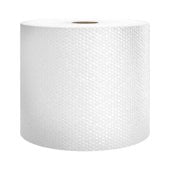
Bubble Wraps


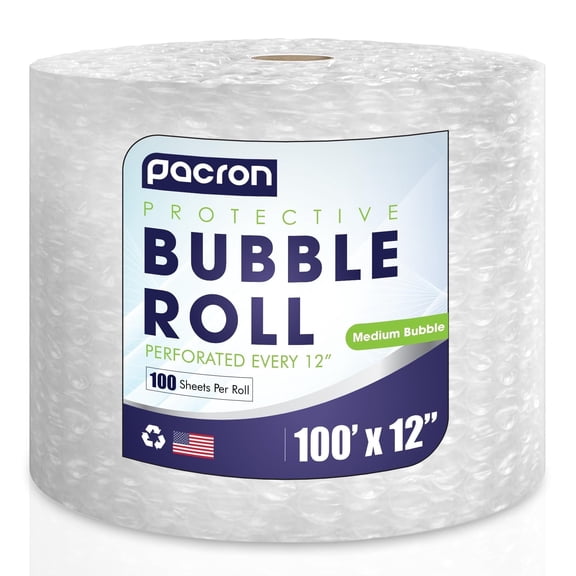
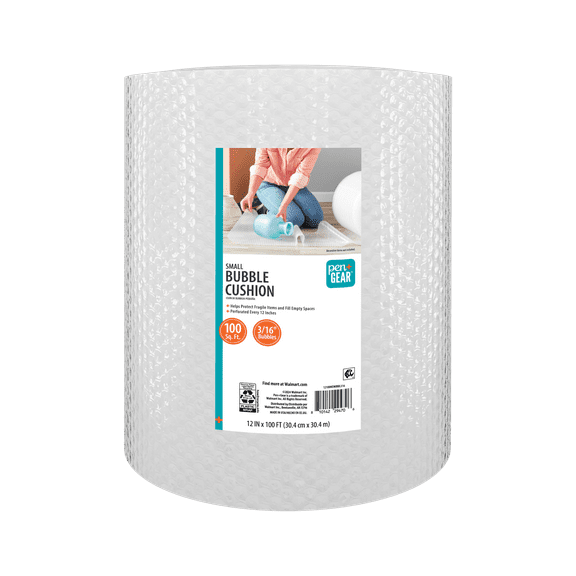


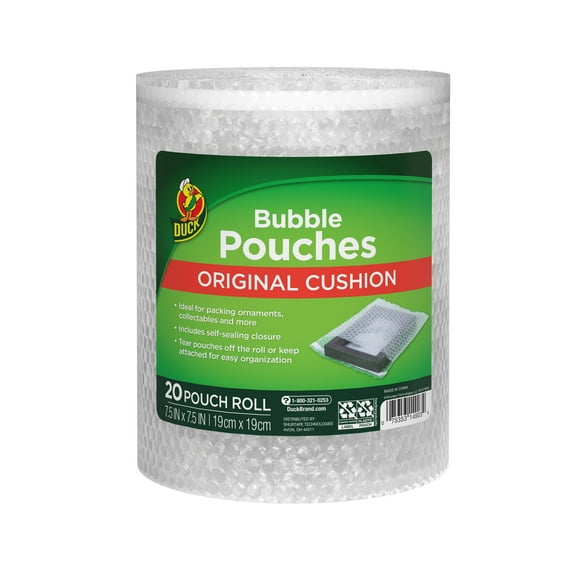


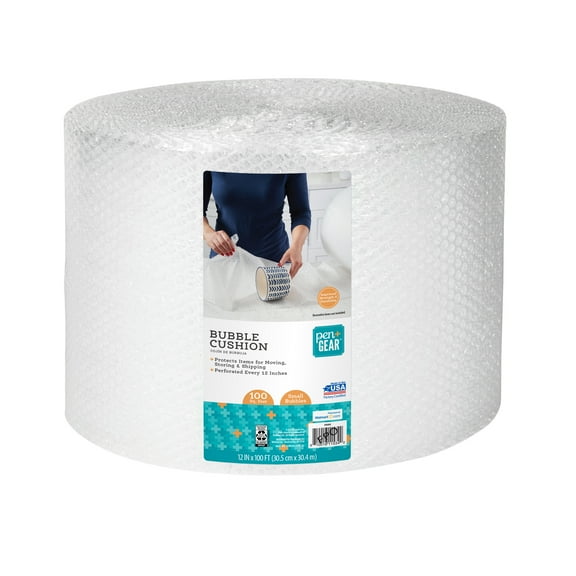















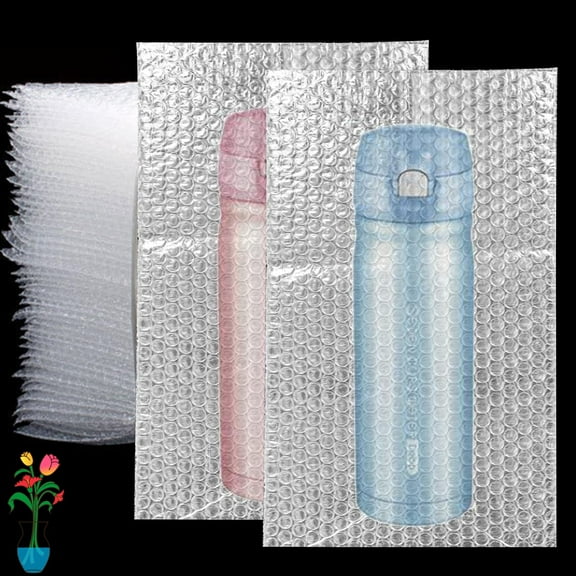
![Pokanic Large Bubble Protection Clear Wrap [12 inch x 20 ft] Air Cushion Inflatable Pillow Bags Heavy Duty Wrapping Packing Shipping Moving (Large Bubble, 20 ft)](https://i5.walmartimages.com/seo/Pokanic-Large-Bubble-Protection-Clear-Wrap-12-inch-x-20-ft-Air-Cushion-Inflatable-Pillow-Bags-Heavy-Duty-Wrapping-Packing-Shipping-Moving-Large-Bubbl_b5db7195-6299-4524-864d-4c8e078b4ec5.7ba56b948d3f1d03c07ef766cfcdac27.jpeg?odnHeight=576&odnWidth=576&odnBg=FFFFFF)
About Bubble Wraps - Walmart.com
Bubble wrap helps you cushion breakables for shipping, storage, and moving with flexible coverage that fits many item shapes. You can compare bubble size, roll dimensions, perforation, and specialty types to match your packing job with less guesswork.
How to choose bubble wrap for your items
You should start with bubble size because it changes how your items feel inside each layer. Your lighter items usually need small bubbles, while your heavier pieces often need larger air pockets.
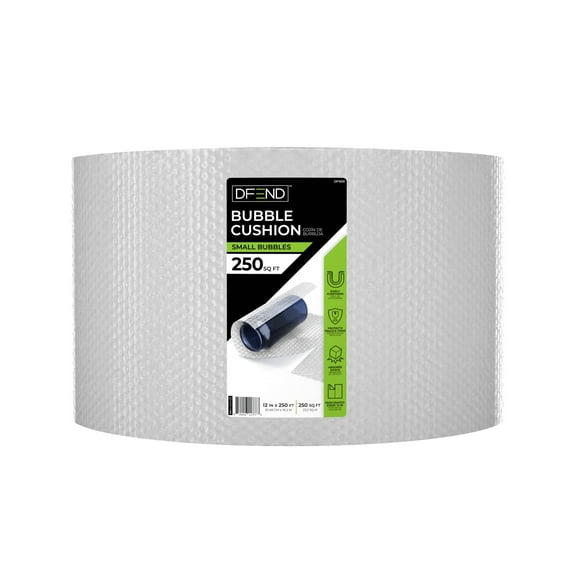
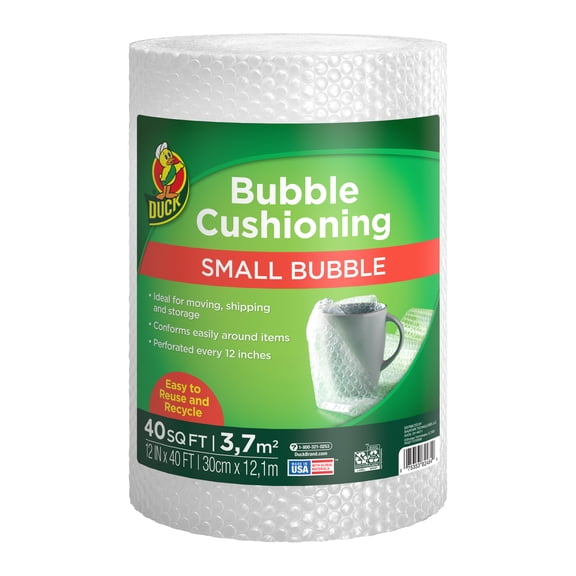
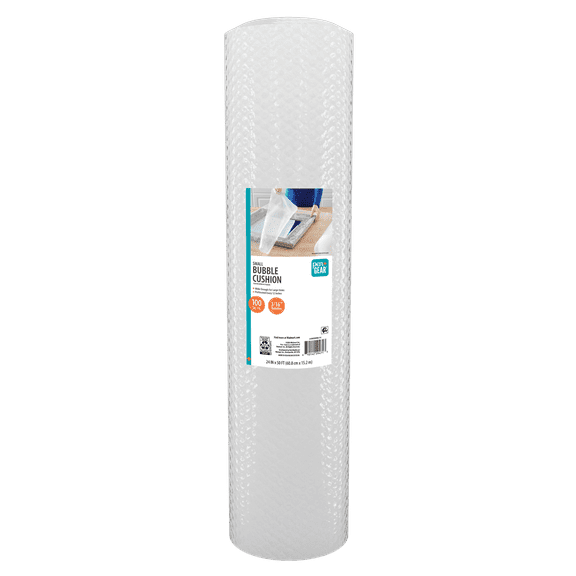
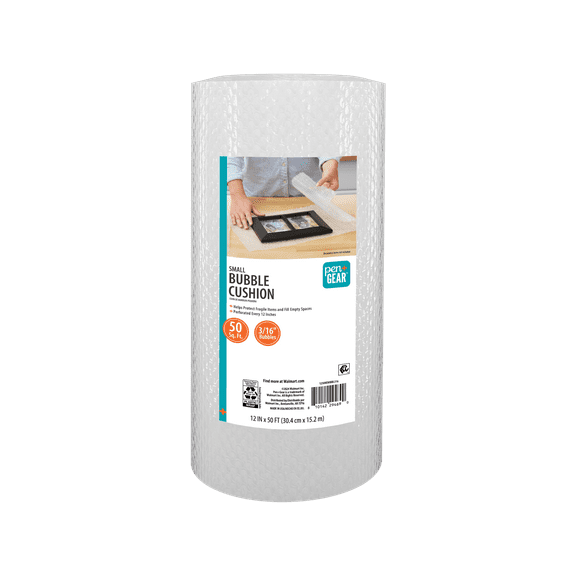
You can use small 3/16 inch bubbles when your goal is surface coverage around dishes, frames, and decor. You'll notice they wrap neatly around corners and help separate items inside boxes.
Medium 5/16 inch bubbles give you a middle ground when your shipment includes mixed household goods. You can use them when your items need both flexible wrapping and extra cushion.
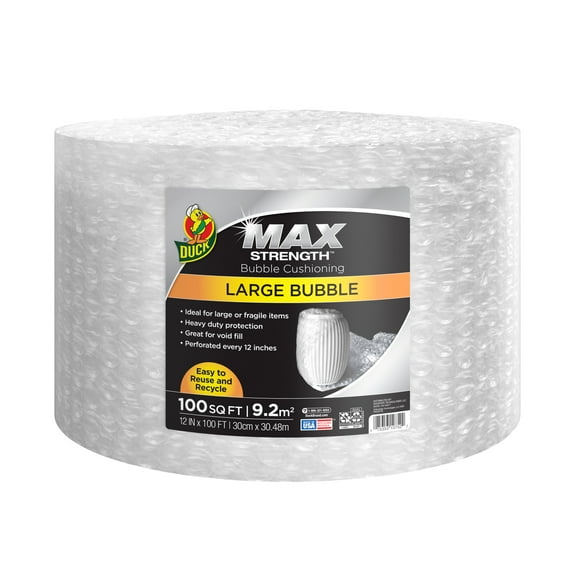
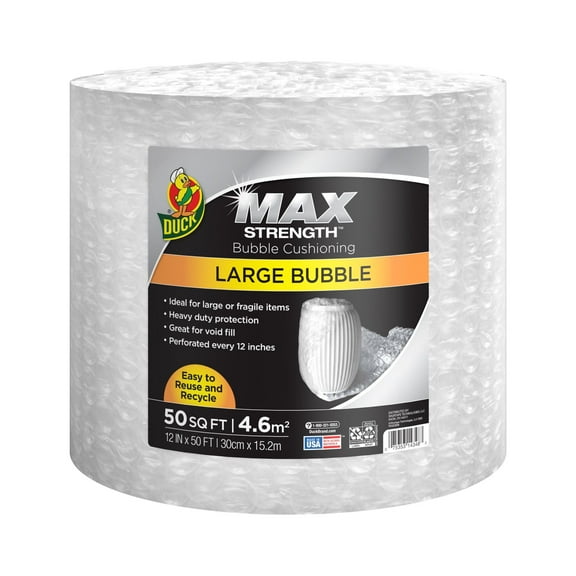
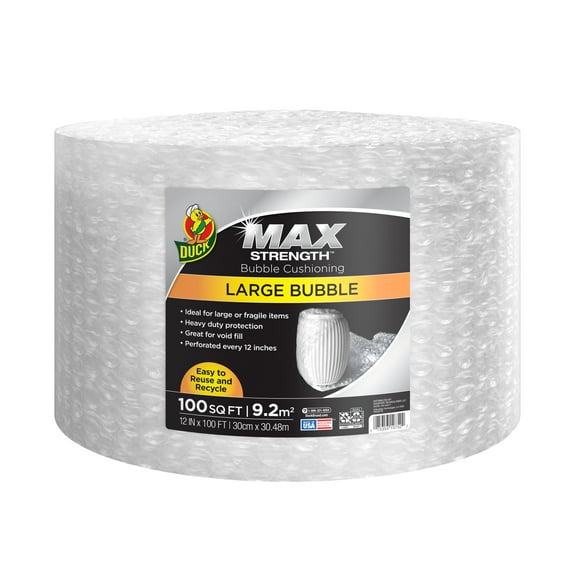
Large bubble wrap with 1/2 inch bubbles gives you more space between the item and the box wall. You may prefer it when you're packing heavier electronics, small appliances, or bulkier decor.
- You can use small bubbles for scratch protection and close wrapping around detailed shapes.
- You can choose medium bubbles for general packing across mixed box sizes.
- You can pick large bubbles when your items need thicker cushioning during transport.
- You can layer wrap around corners and edges when your boxes include uneven or fragile pieces.
Choosing the right bubble wrap roll size
You should compare width and length before you fill your cart because roll size affects both coverage and cutting time. Your packing station may work well with narrower rolls, while larger jobs may need wider options.
A 12 inch width can work well when you're wrapping mugs, glassware, candles, or small electronics. You can guide it around tight shapes without trimming as much material.
A 24 inch width often fits kitchen items, monitors, framed art, and medium boxes efficiently. You can cover broad surfaces quickly and keep your wrapping process moving.
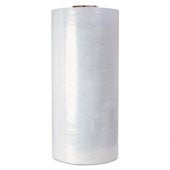
Longer lengths like 100 feet or 175 feet make sense when your move includes many rooms or repeat shipments. You can keep one bubble wrap roll on hand for larger projects and fewer roll changes.
Shorter lengths, such as 30 feet, can suit lighter packing lists or occasional mailing tasks. You can measure your box count first and choose a roll length that matches your routine.
Choosing perforated bubble wrap or continuous rolls
You should check whether pre-cut sections would make your packing simple. Your workflow can feel straightforward with perforated bubble wrap when you need fast, repeatable sheet lengths.
Perforated every 12 inches designs let you tear off sections without reaching for scissors each time. You may like that format when you're packing sets of similar items or working at a table.
Non-perforated rolls give you full control over custom lengths for oversized or oddly shaped items. You can trim exactly what you need when your boxes vary from one package to the next.
If you're packing for a move, perforations can help you move through room-by-room boxing with less measuring. If you're shipping mixed merchandise, a continuous roll can fit custom dimensions closely.
Comparing standard, heavy duty bubble wrap, and anti-static options
You can narrow your options by specialty type once you know your items and handling needs. Your choice here often depends on weight, handling frequency, and whether electronics are involved.
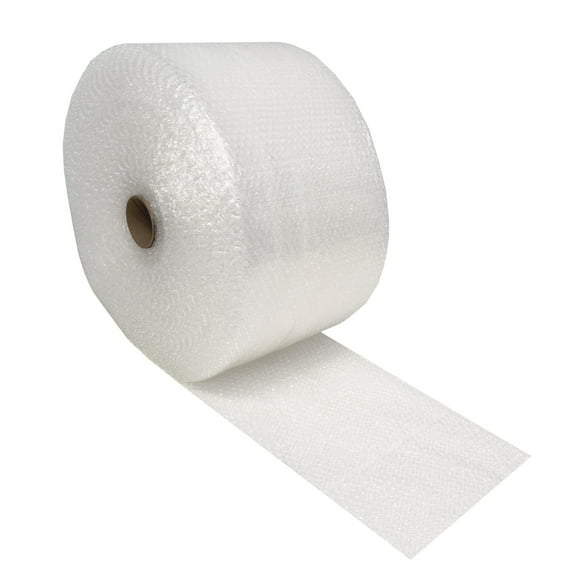
Standard wrap works for everyday packing tasks where you need flexible cushioning around common household or office items. You can use it for seasonal storage, mailing, or basic box filling.
Heavy duty bubble wrap gives you thicker material for loads that need stronger wrap during repeated handling. You may choose it for denser items, stacked boxes, or moves with longer transport routes.
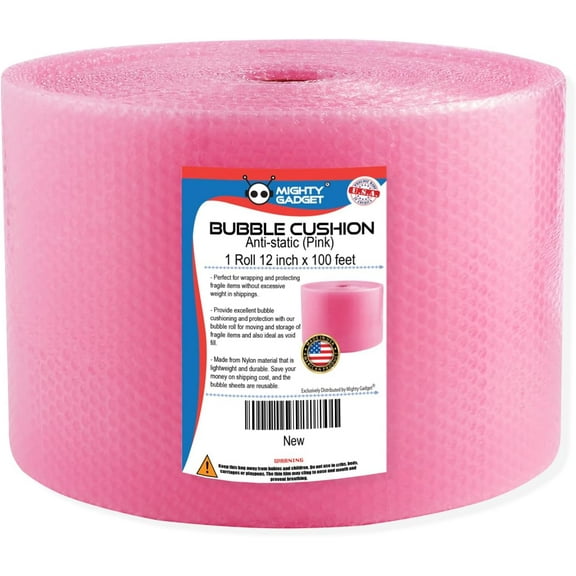
Anti-static bubble wrap is useful when your shipment includes computer parts, cables, or other sensitive electronics. You should look for this specialty type when your packing list includes components that need static-conscious handling.
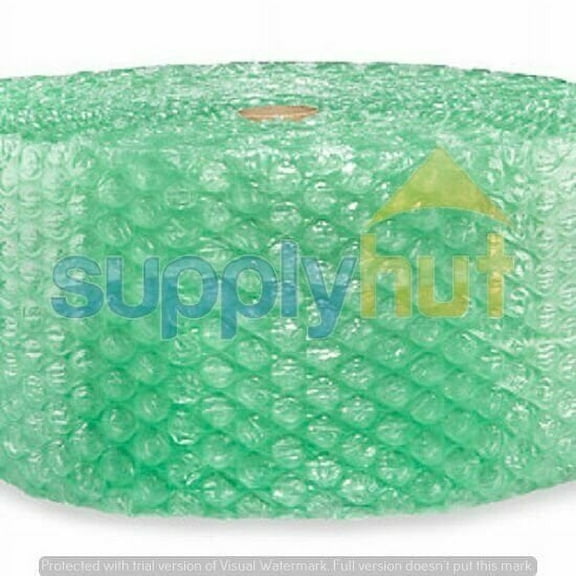
Recycled options may also appear in the assortment, and you can compare them by the same size and roll choices. Your decision still comes back to bubble diameter, roll dimensions, and sheet format.
Bubble wrap for moving and everyday shipping
You can use bubble wrap for moving when your boxes include dishes, lamps, picture frames, or breakroom supplies. Your packing routine gets simpler when you match wrap thickness to the item weight.
For home moves, you may wrap plates with small bubbles and place layers between stacked pieces in cartons. You can switch to large bubble wrap around vases, planters, or tabletop decor.
For online orders or office shipping, you might need a bubble wrap roll that handles repeated packing sessions. You can pair wider rolls with packing boxes, packing tape, and mailing envelopes for smooth prep.
If you're organizing storage bins, you can wrap seasonal decorations, collectibles, and glass pieces before stacking containers. Your items stay separated more neatly when you use the right bubble size and roll width.
You can feel more confident choosing bubble wrap when you compare bubble diameter, roll size, perforation, and specialty type together. Your packing job gets clean coverage, easy handling, and cushioning that fits the items you need to protect.