


Find auto parts that fit
Let’s search for parts that fit your vehicle.Boost Gauges in Gauges
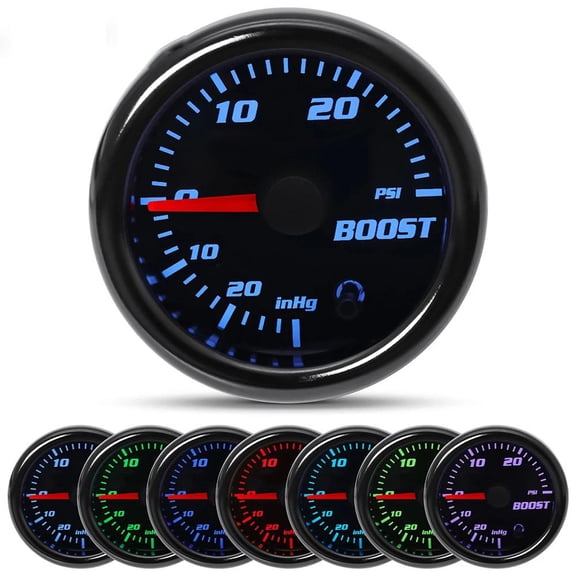
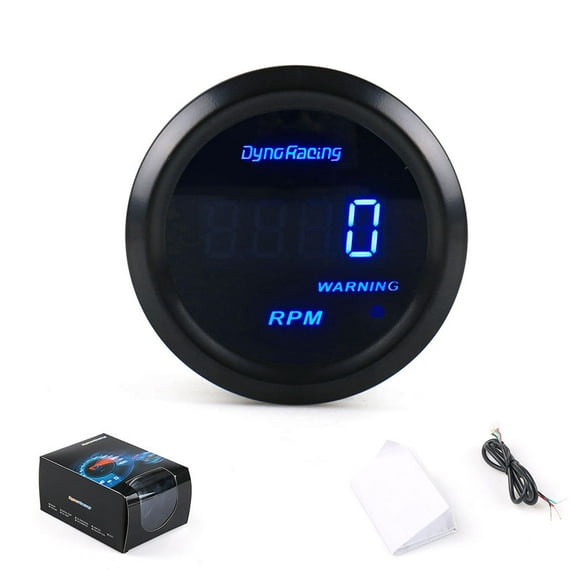
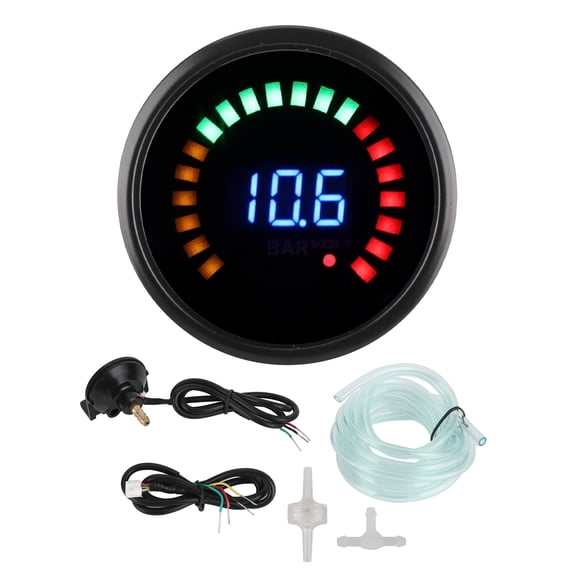
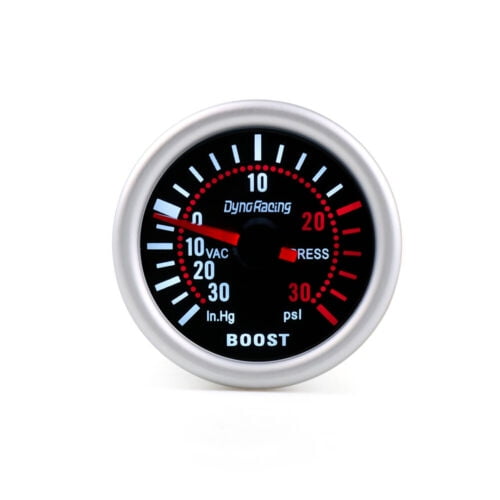

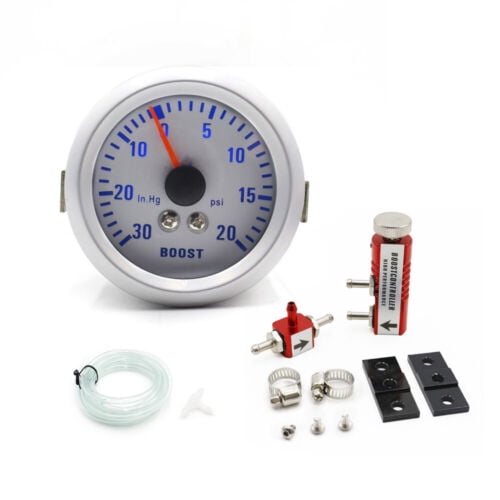
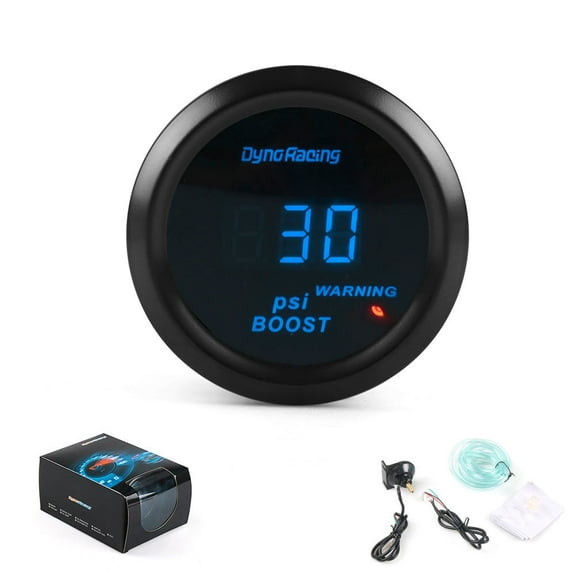
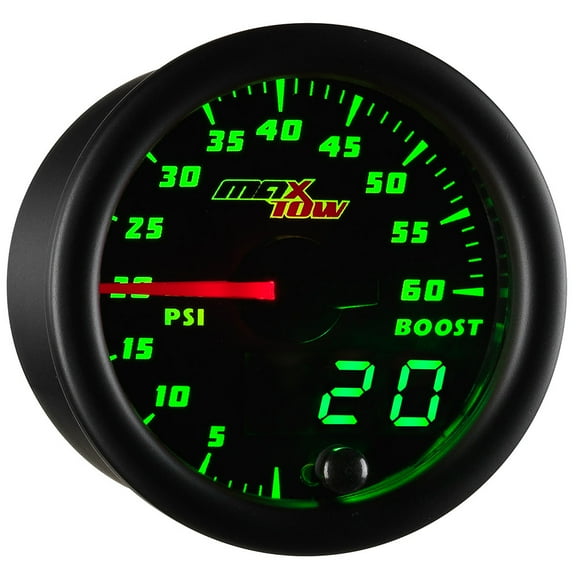
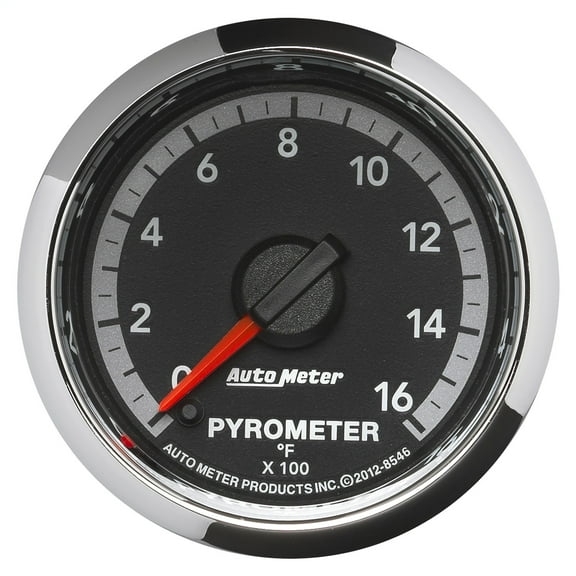


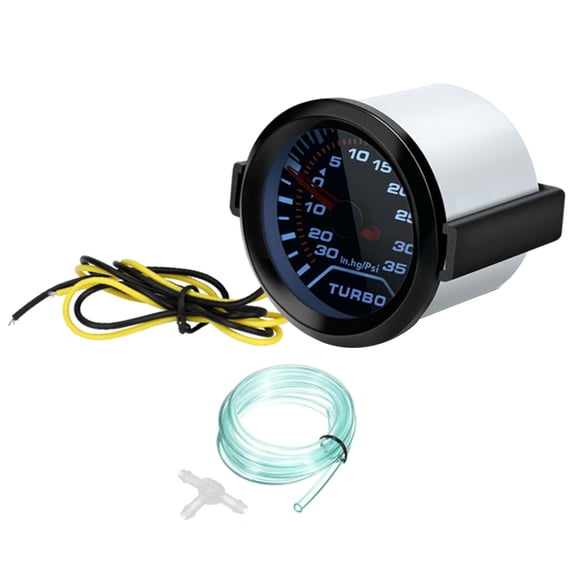
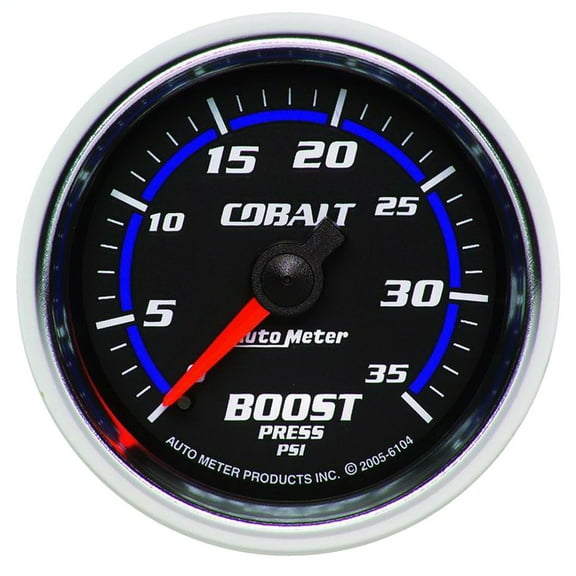
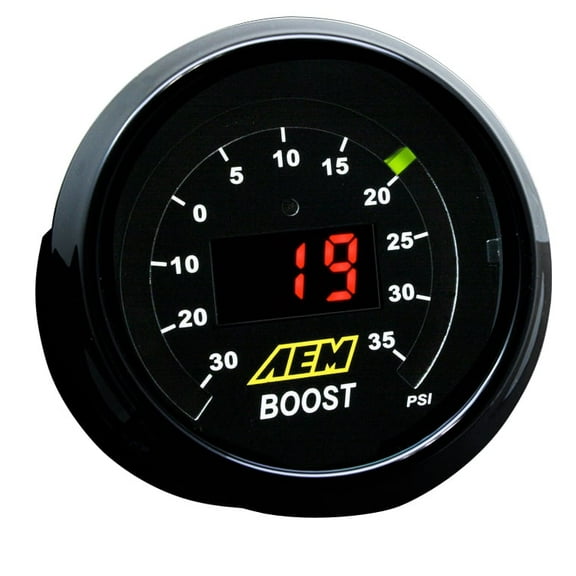


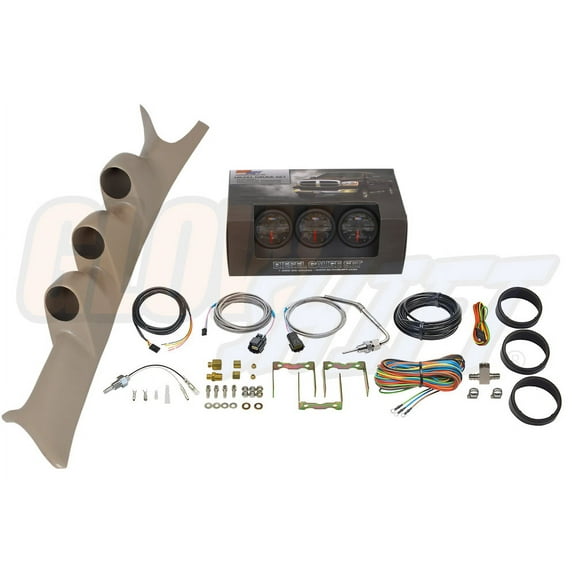





About Boost Gauges in Gauges - Walmart.com
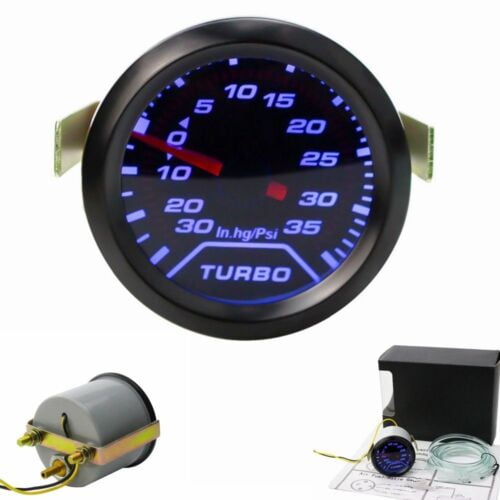
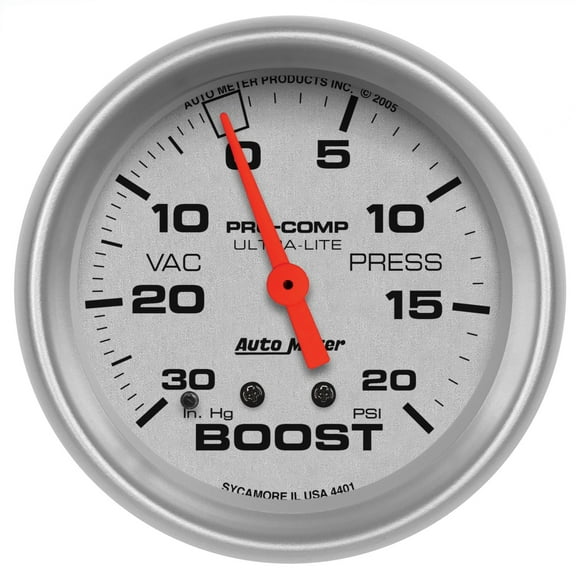
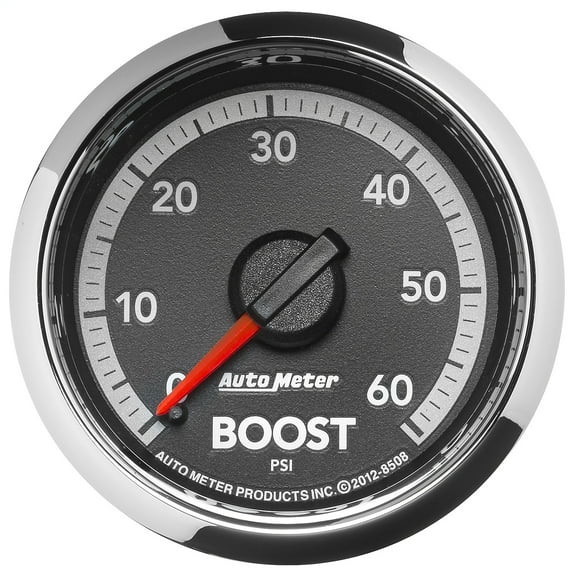
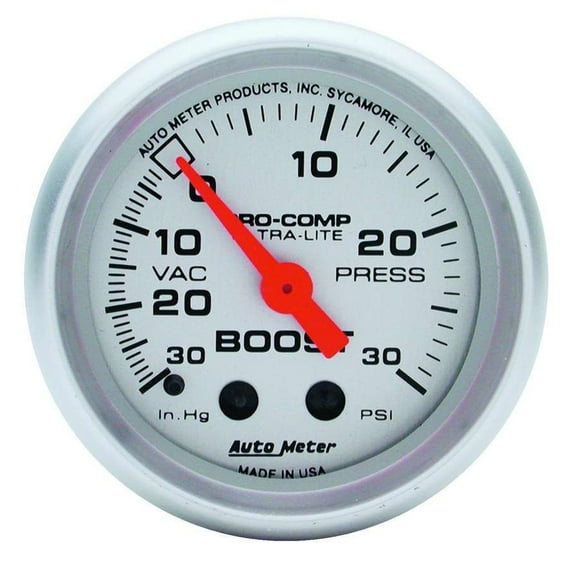
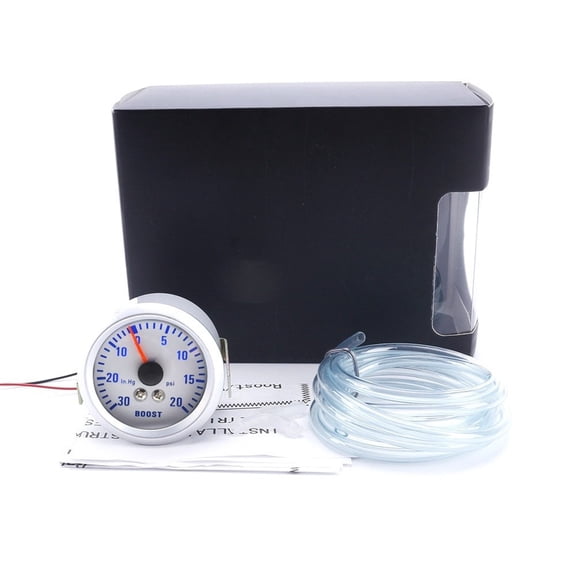
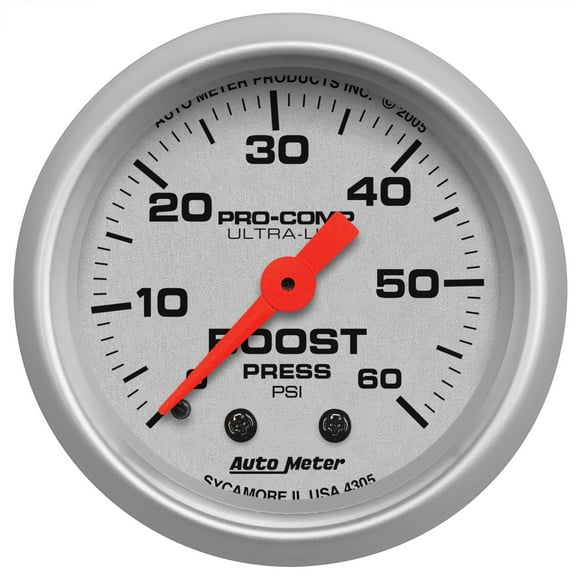
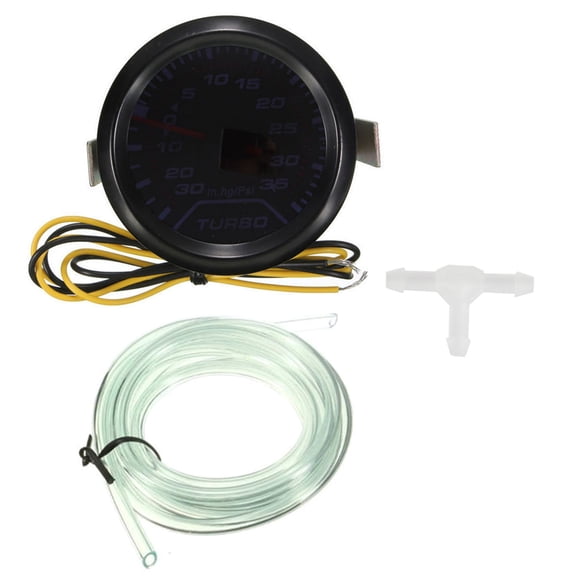
Boost gauges help you monitor turbo pressure with quick, readable data for tuned street cars and track builds alike. You can compare gauge type, PSI range, diameter, and backlight color to match your setup cleanly.
Choosing the right boost gauges
When you shop boost gauges, you’re usually balancing fitment, readability, and signal type. You can get optimal results when your gauge matches your engine output and mounting location.
A turbo boost gauge gives you a direct view of pressure changes during acceleration and shifting. You can use that information to confirm your setup responds the way you expect.
If you’re comparing options, focus on the decisions that affect daily use and installation. You can look for the right operation style, pressure scale, face size, and lighting color.
- You can track turbo response with a clear pressure readout during normal driving or spirited pulls.
- You can match your gauge range to your engine setup, so the scale stays easy to read.
- You can choose a face size that fits common pods, cups, and dashboard mounting locations.
- You can coordinate backlighting with your factory cluster for a uniform nighttime look.
Choosing between mechanical and digital boost gauges
You should compare mechanical and digital boost gauge designs based on installation style and display preference. You can route a vacuum line for mechanical models, while digital versions use an electrical sending unit.
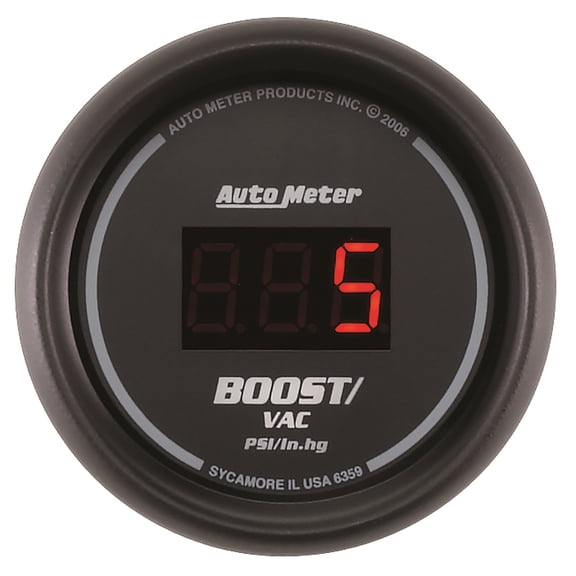
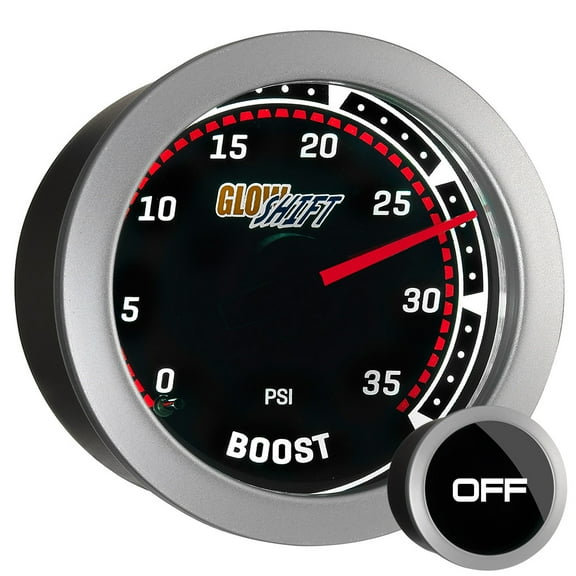
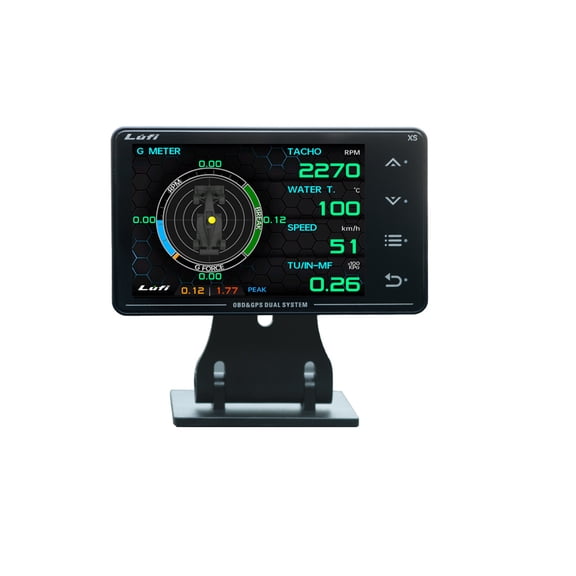
If you want a traditional needle sweep, a mechanical boost gauge may feel familiar and direct. If you want a modern display, a digital boost gauge can give you fast, crisp readouts.
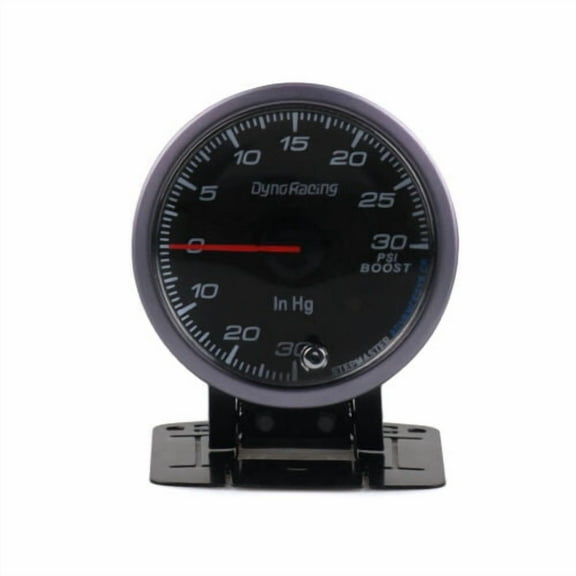
You may also see analog faces that combine classic styling with easy scanning at a glance. You may prefer analog layouts when you want to read pressure quickly without studying numbers.
A vacuum boost gauge can help you monitor both vacuum and boost on certain setups. You should check the scale markings carefully, so your readings match your engine’s operating range.
Choosing the right pressure range and size
You should match measurement range to the pressure your engine can produce. You can commonly find boost gauges in 0-30 PSI, 0-60 PSI, and 0-2 Bar ranges.
If your setup runs moderate pressure, a 0-30 PSI scale can keep increments easy to read. If your build supports higher output, a 0-60 PSI range may give you the headroom you need.
You should also confirm whether you want PSI or Bar markings before you buy. You can avoid conversion guesswork when your preferred unit matches your tuning references.
Diameter matters because your gauge has to fit your pod, cup, or panel opening. You can often see 2-1/16 inch 52mm and 2-5/8 inch 60mm sizes across common automotive installations.
If you already have a pillar pod or dash mount, measure that opening first. You can get a clean fit when your gauge diameter matches the hardware you plan to use.
What to look for in a boost gauge kit
A boost gauge kit can simplify your install when you want matching parts in one package. You should look for the components that suit your gauge type and mounting plan.
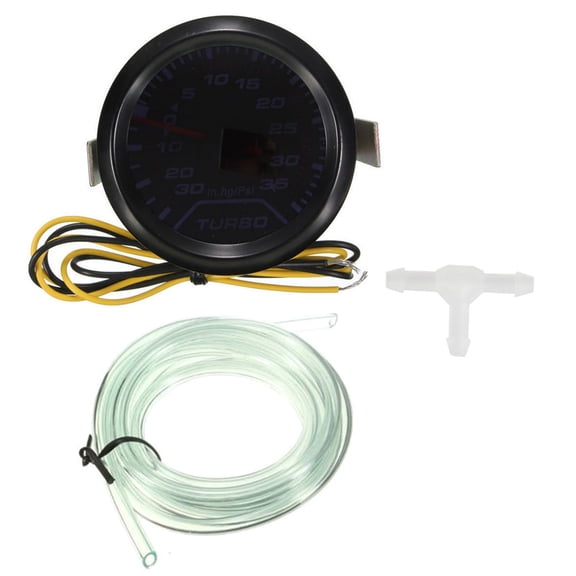
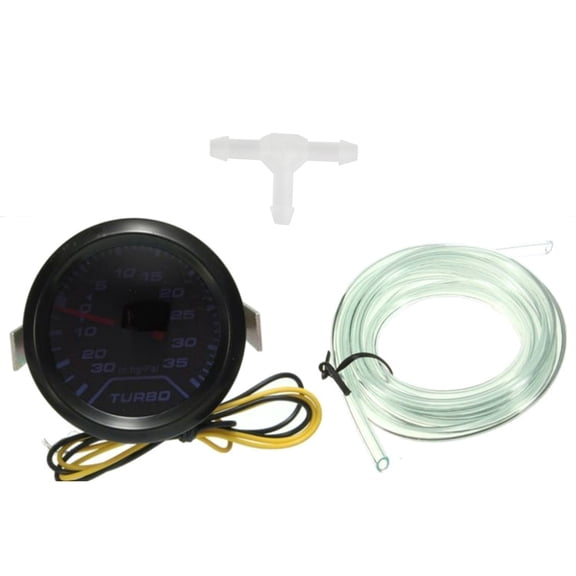
For a mechanical boost gauge, you may need tubing, fittings, and hardware for vacuum line routing. For a digital setup, you can usually check for a sender, wiring, and connection accessories.
You should also compare bezel style, lens clarity, and pointer visibility before choosing. You can notice these details every time you glance at the gauge during a drive.
If you need power for illumination or display functions, a 12v boost gauge can fit common vehicle electrical systems. You should verify the wiring requirements, so your installation stays straightforward.
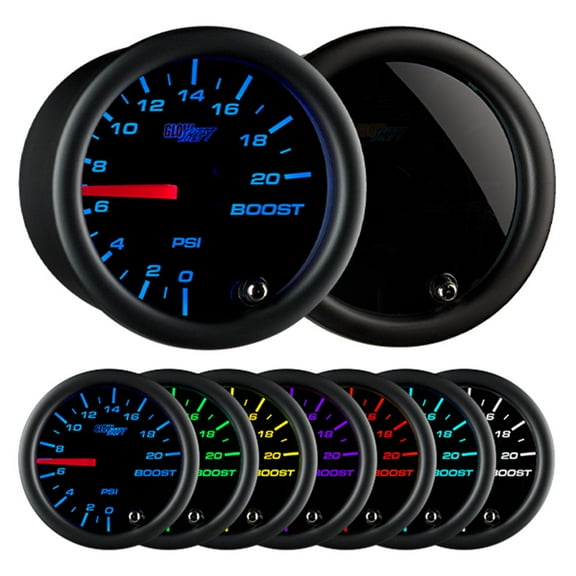
Backlight color can make a significant difference for your cabin appearance. You can choose blue, red, white, or multi-color LED options to align with your dashboard lighting.
Matching boost gauges to your driving setup
You should think about where and how you drive before picking a gauge style. You can use different combinations for a daily driver, weekend project, or track-focused build.
If you drive a street car with a factory-style interior, you may want a 52mm analog gauge with white backlighting. You can get a common fitment size and a look that blends into many cabins.
If you’re building a higher-output turbo setup, you may lean toward a digital boost gauge with a 0-60 PSI scale. You can have visible headroom when your system runs above moderate boost levels.
If your mount uses a larger opening, a 60mm gauge can fill the space with a prominent display. You can often appreciate that larger face when you want quick glance reading.
You may also choose a vacuum boost gauge when you want to watch pressure behavior across more driving conditions. You can get extra context during idle, cruise, and acceleration transitions.
For custom interiors, backlight color can help your gauge feel integrated instead of added on. You can select red for sport-focused cabins, blue for cooler tones, or multi-color LED for adjustable styling.
When you compare boost gauges with these decision points in mind, you can narrow choices quickly and install with fewer surprises. You can end up with a gauge that fits your mount, matches your pressure range, and reads clearly every drive.
Popular in Boost Gauges in Gauges - Walmart.com
- Digital Turbo Boost Gauge
- Best Sellers In Differential Gauges
- Autometer Wideband Gauge
- Automotive Replacement Gauge Sets Cluster Gauges
- Winters Instruments
- CPS Collection
- Autometer Boost Gauge
- Autometer Air Fuel Ratio Gauge
- Automotive Replacement Gauges
- Automotive Replacement Hour Meter Gauges
- Transmission Pressure Gauge